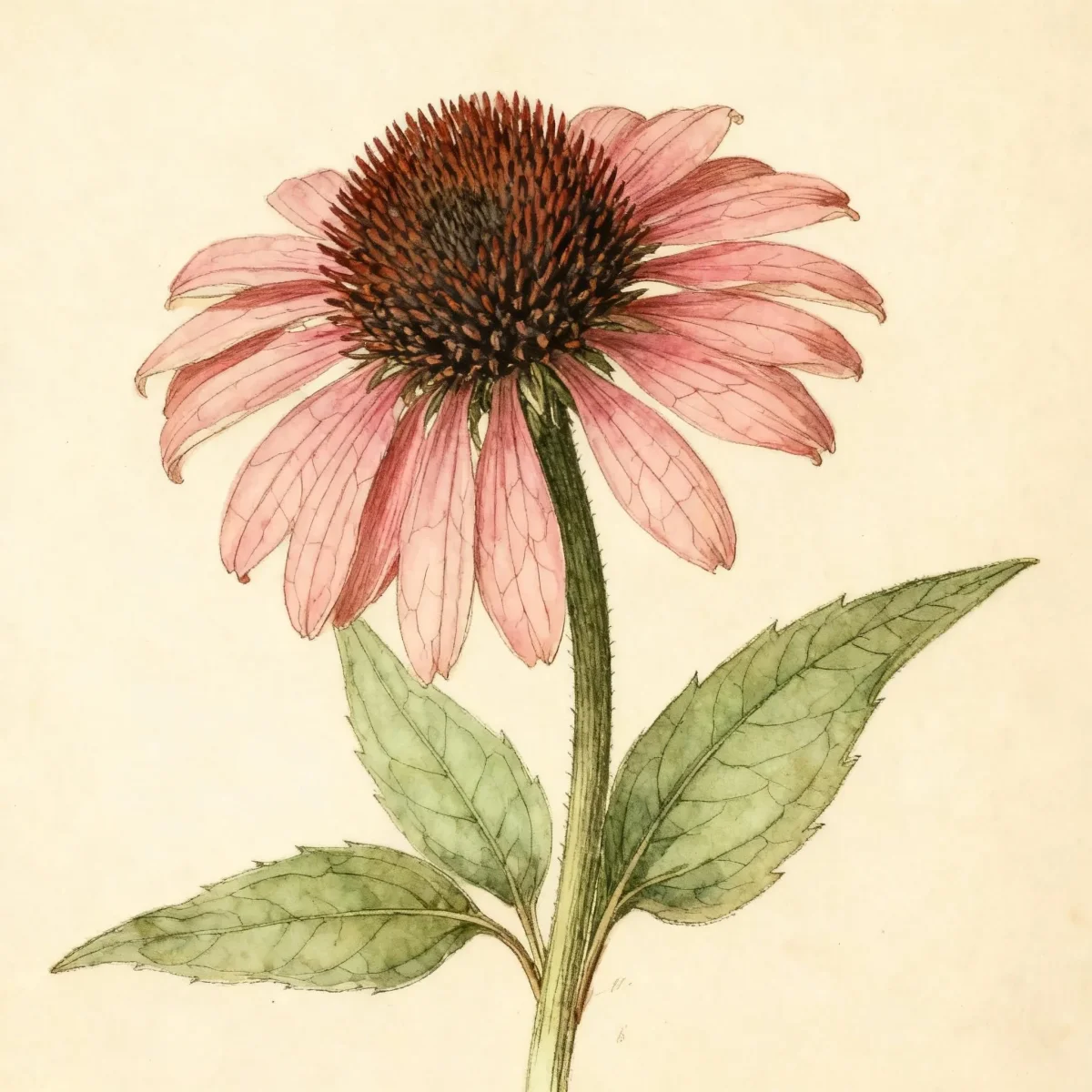
Coneflower (Echinacea 'Milk Shake' CONE-FECTIONS)
Echinacea 'Milk Shake' CONE-FECTIONS is a stunning white Coneflower. Low maintenance, drought tolerant perennial thriving in zones 4-9.
Scroll down to discover growing tips, care requirements, companion plants, and more
Complete Plant Information
Overview
Echinacea ‘Milk Shake’ CONE-FECTIONS stands out in the summer garden with its striking, fully double white blooms. This hybrid selection of Coneflower is prized for its strong stems and well-branched habit, providing reliable vertical interest throughout the season. As an adaptable herbaceous perennial, it requires low maintenance once established, flourishing even when facing heat, humidity, or less-than-ideal soil conditions. Gardeners appreciate the long bloom period of Echinacea ‘Milk Shake’ CONE-FECTIONS, offering sustained brightness from June through August, making it a valuable pollinator attractor and cutting garden staple.
Fast Facts
- Plant Family: Asteraceae
- Plant Type: Herbaceous perennial
- Hardiness Zones: USDA Zones 4-9
- Size at Maturity:
- Height: 2-3 ft
- Spread: 2-3 ft
- Bloom Time: June to August
- Bloom Description: White
- Sun Exposure: Full sun to part shade
- Water Needs: Dry to medium
- Maintenance Level: Low
How to Grow
The ideal time to establish your Coneflower is during spring or fall using well-drained soil. While Echinacea ‘Milk Shake’ CONE-FECTIONS tolerates various conditions, it performs best when sited in full sun, though part shade is acceptable. Ensure the area allows for good drainage, as wet feet are detrimental.
Water this adaptable perennial deeply but infrequently, particularly once established, as it handles dry to medium moisture profiles well, including drought periods. Fertilization is rarely necessary; focus instead on appropriate placement. While plants rebloom well without intervention, promptly removing spent flowers encourages cosmetic appeal and continued flowering.
To maintain vigor, plan on dividing large clumps of Echinacea ‘Milk Shake’ CONE-FECTIONS roughly every four years when they become overcrowded. This helps rejuvenate the plant structure and maintain strong stem performance throughout its perennial life cycle.
Landscape Uses
This Coneflower cultivar excels when used in mass plantings or groups, creating a substantial visual impact along borders or in open meadow-style gardens. The 2 to 3-foot height of Echinacea ‘Milk Shake’ CONE-FECTIONS positions it perfectly for the middle or front of perennial beds, where its white flowers contrast beautifully with darker foliage or richly colored companions. It is also an attractive accent plant, lending structure to rock gardens or transitional zones between sunnier beds and deeper woodland edges.
Consider pairing this highly resilient plant with other drought-tolerant perennials like ornamental grasses, Russian Sage, or Coreopsis that share similar sun and water requirements. Because the dead flower stems of the Coneflower remain erect in winter, planting them near evergreens can provide structure and contrast during the dormant season.
Standout Features
Flower Qualities
- Showy
- Good Cut
- Good Dried
Noteworthy Characteristics
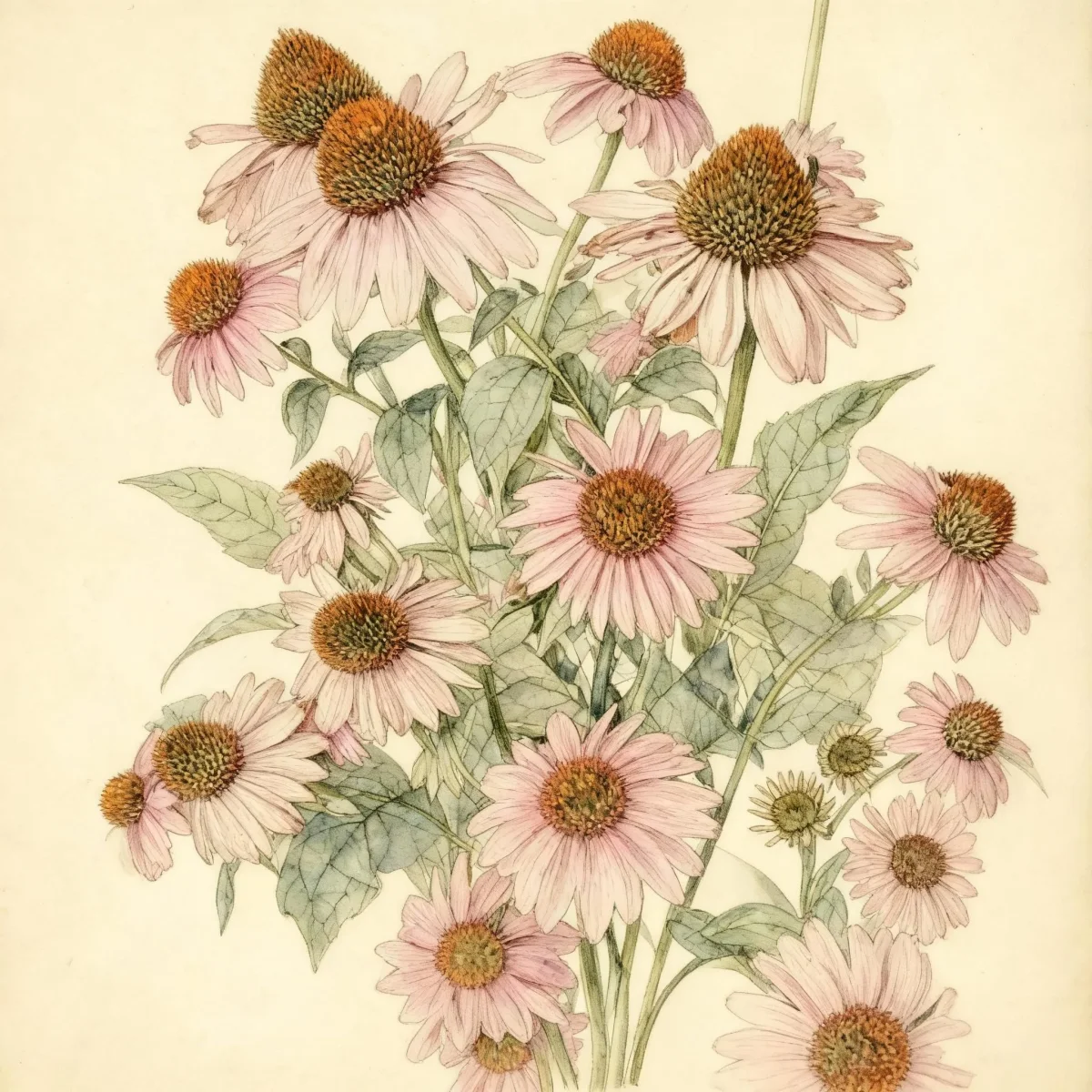
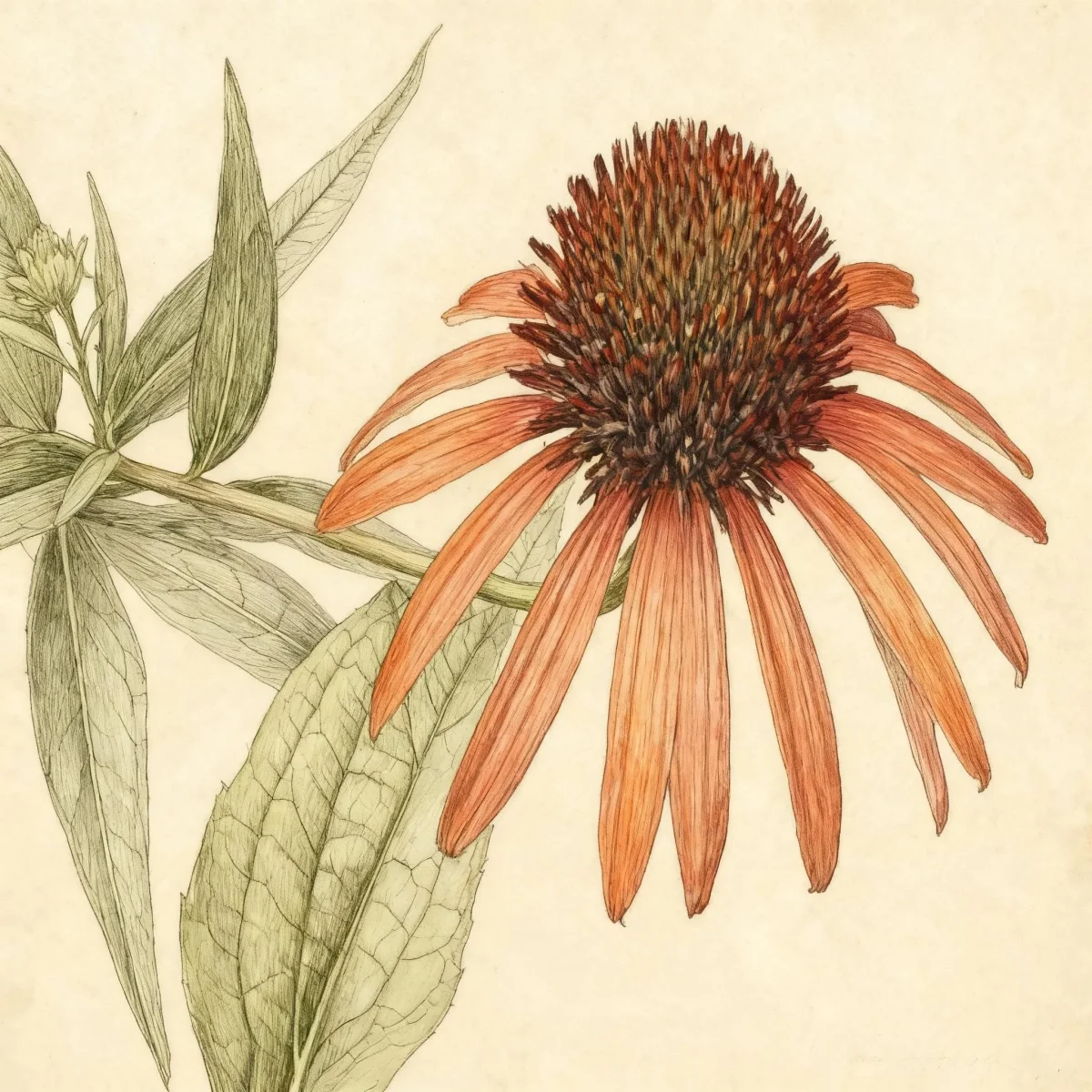
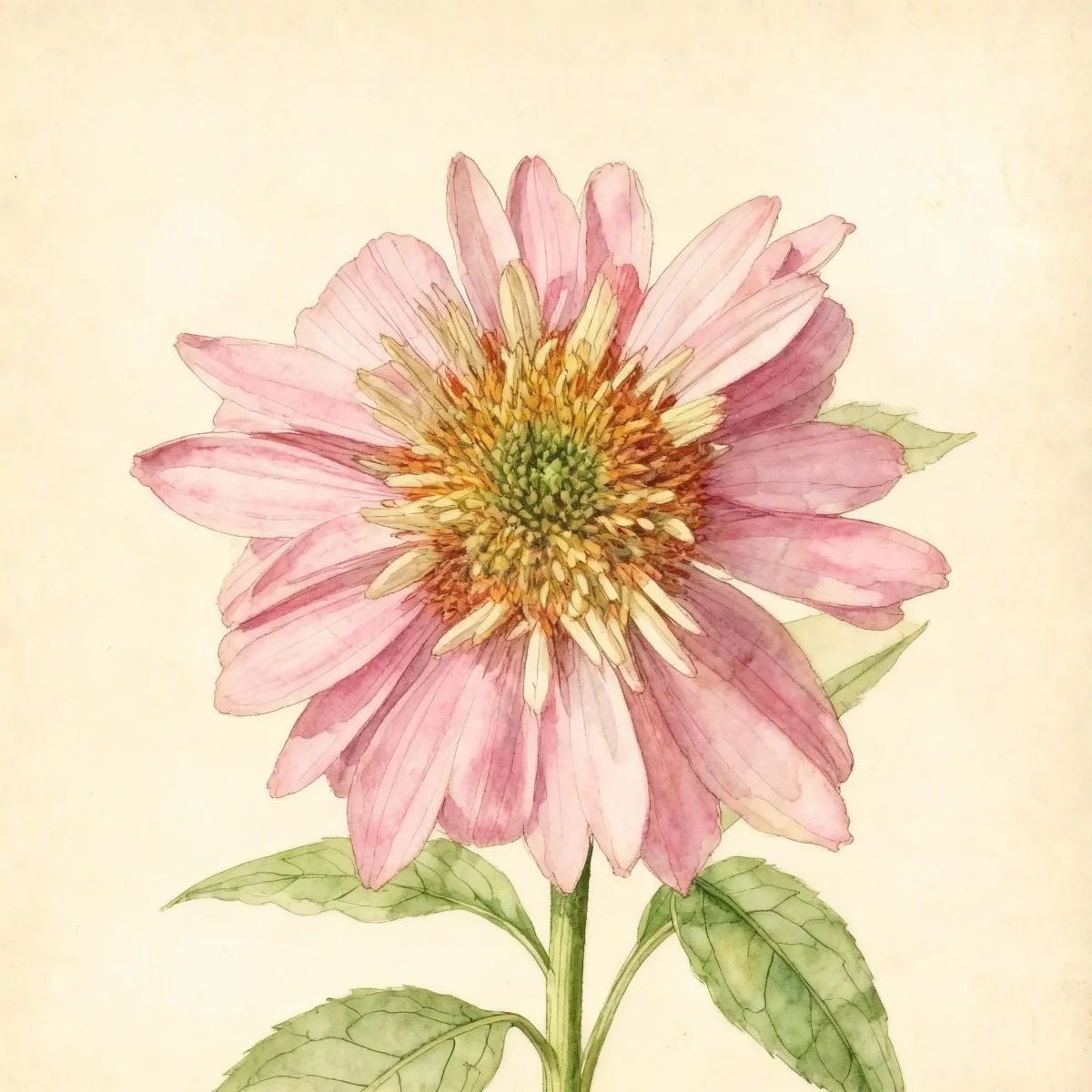
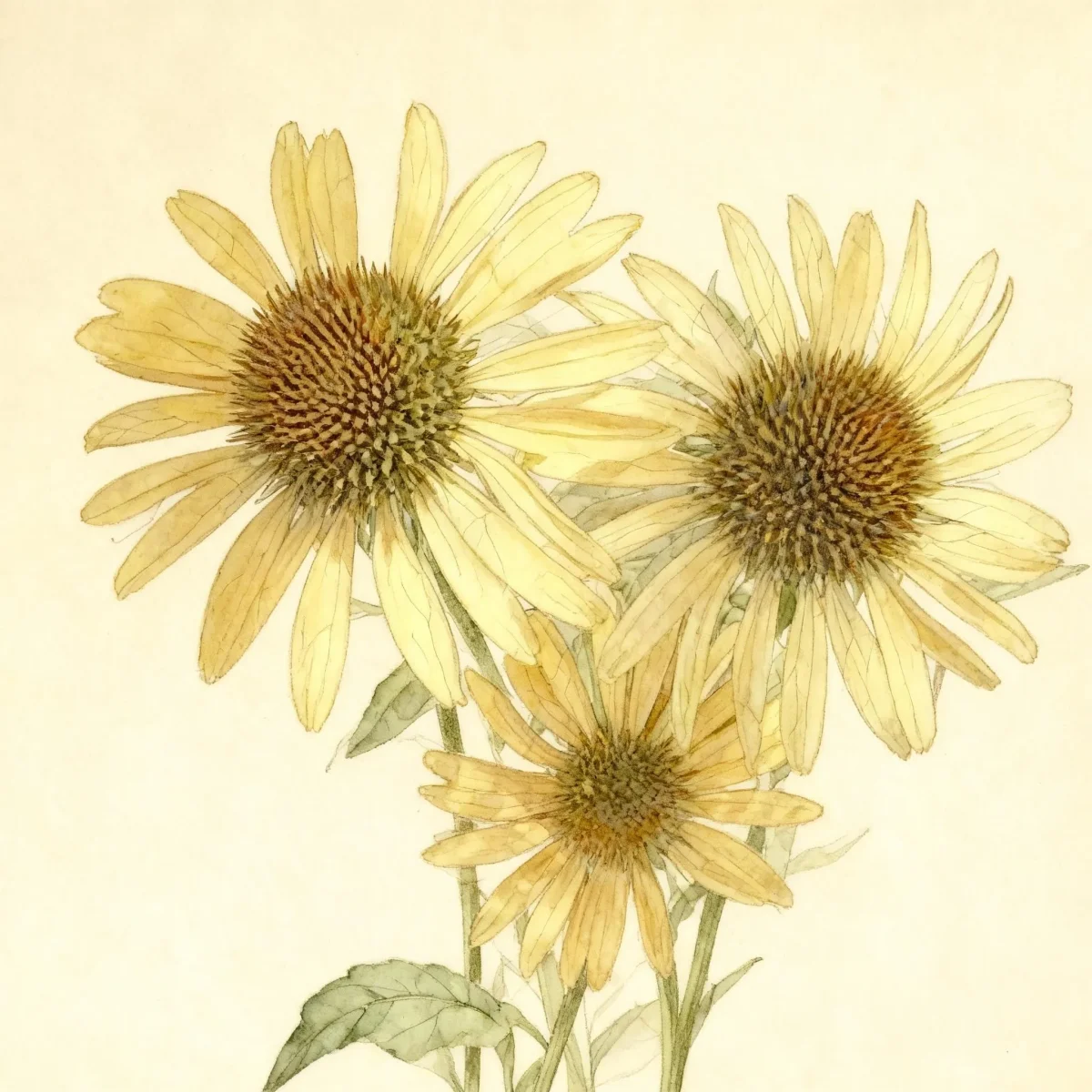
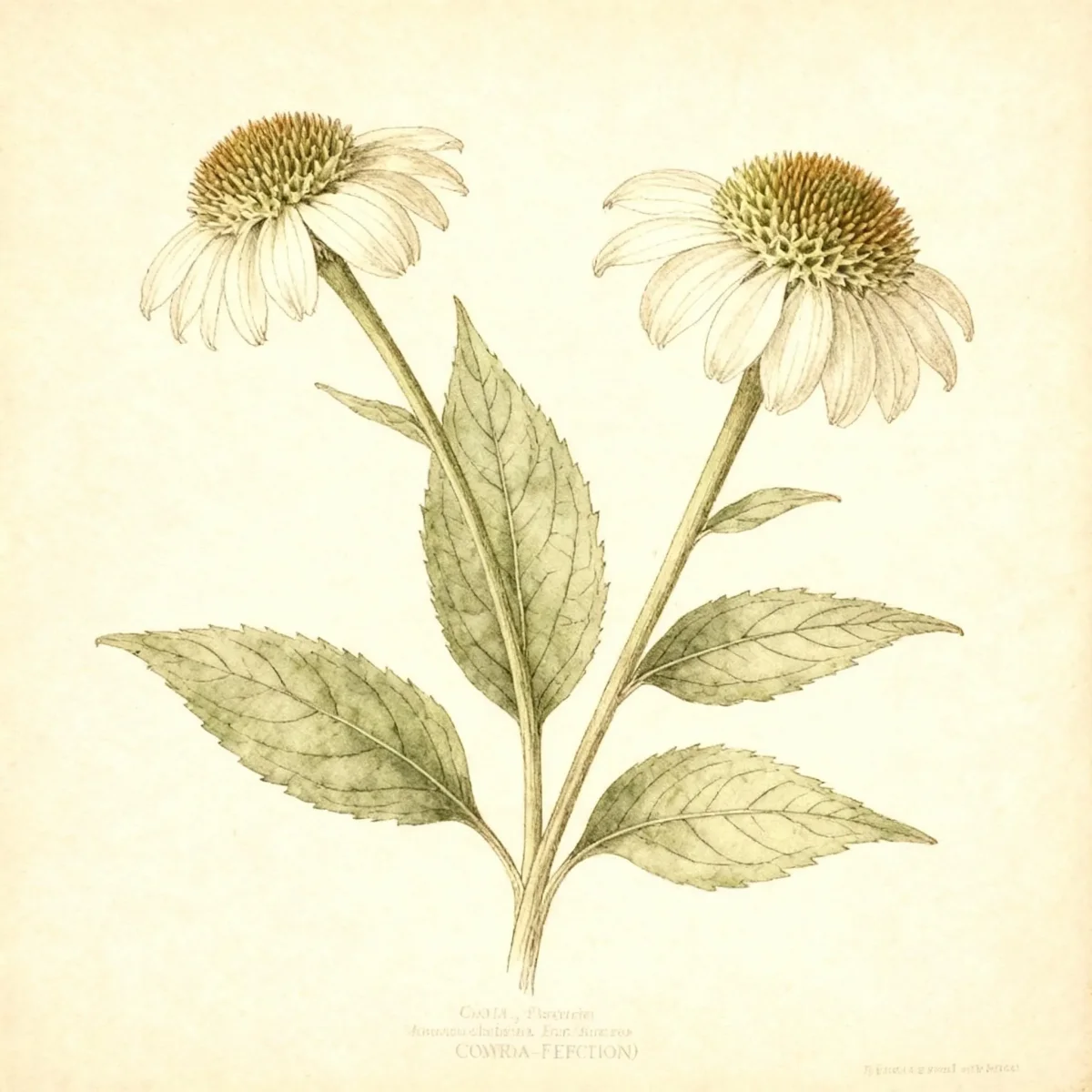
Echinacea is a genus of seven species all endemic to eastern and central North America. Coneflowers bloom from June to August with some sporadic later bloom. Attractive to butterflies and other insect pollinators. Good fresh cut or dried flower. The dead flower stems will remain erect well into the winter, and if flower heads are not removed, the blackened cones may be visited by goldfinches or other birds that feed on the seeds. Genus name of Echinacea comes from the Greek word echinos meaning hedgehog or sea urchin in reference to the spiny center cone found on most flowers in the genus. ‘Milk Shake’ (or ‘Milkshake’) is an upright, hybrid selection of coneflower that features strong stems, double white blooms, and a well-branched habit. Mature clumps will reach up to 3’ tall and spread to fill a similar area. The fully double flowers feature drooping, creamy white, rays surrounding a globular, pompom-like center cone of pale yellow-green to white elongated disk florets. The double flowers of this cultivar are not as attractive to pollinators as single flowers. Commonly sold in nurseries and garden centers under the name CONE-FECTIONS. Plant patent number PP20594 applies to this cultivar
Tolerances
- Deer
- Drought
- Clay Soil
- Dry Soil
- Shallow-Rocky Soil
Potential Problems
All coneflowers are susceptible to aster yellows and various fungal and bacterial leaf spots, so ensuring excellent air circulation around the base of the plant can mitigate disease pressure. To help prevent common leaf spots, water the base of the plants rather than overhead, especially in humid weather, and avoid overcrowding. Gardeners should remain vigilant for pests such as erythroid mites and Japanese beetles, which can chew foliage or flowers; management often involves handpicking or targeted insecticidal soap applications for localized infestations.
Frequently Asked Questions
What hardiness zones is Coneflower suitable for?
Echinacea ‘Milk Shake’ CONE-FECTIONS is reliably hardy in USDA Zones 4 through 9.
How large does Coneflower grow?
This perennial typically reaches a mature height between 2 and 3 feet, with a similar spread of 2 to 3 feet wide.
When does Coneflower bloom?
The primary bloom time for Echinacea ‘Milk Shake’ CONE-FECTIONS is from June until August, showcasing white flowers.
What sun exposure does Coneflower need?
This variety prefers full sun but tolerates part shade, provided it still receives several hours of direct light daily.
Conclusion
The Echinacea ‘Milk Shake’ CONE-FECTIONS offers gardeners a fantastic combination of resilience and beauty, noted for its striking double white flowers and exceptional tolerance to challenging soil and dry conditions. Incorporating this dependable Coneflower into your landscape ensures season-long texture and color with minimal input. Before planting, confirm that your garden environment falls within USDA Zones 4-9 and that you can provide the required full sun exposure.
Companion Planting
Designing a cohesive perennial border often involves selecting companions that share the tough disposition of the Coneflower. Plants that thrive in full sun and tolerate dry conditions, such as Sedum ‘Autumn Joy’, Russian Sage (Perovskia atriplicifolia), or various ornamental grasses like Little Bluestem, make excellent partners. These companions complement the vertical structure of the Echinacea ‘Milk Shake’ CONE-FECTIONS and demand similar minimal watering once established, simplifying landscape maintenance.
Propagation Tips
While deadheading encourages better appearance, allowing some flower heads on your Coneflower to mature and dry out provides seeds for winter birds. However, if you wish to increase your stock of this specific cultivar, propagation must be done via division, as seed from named hybrids like Echinacea ‘Milk Shake’ CONE-FECTIONS may not breed true. Divide the clumps every four years in early spring or fall, ensuring each new section has several healthy eyes attached to a sufficient root mass for successful reestablishment.