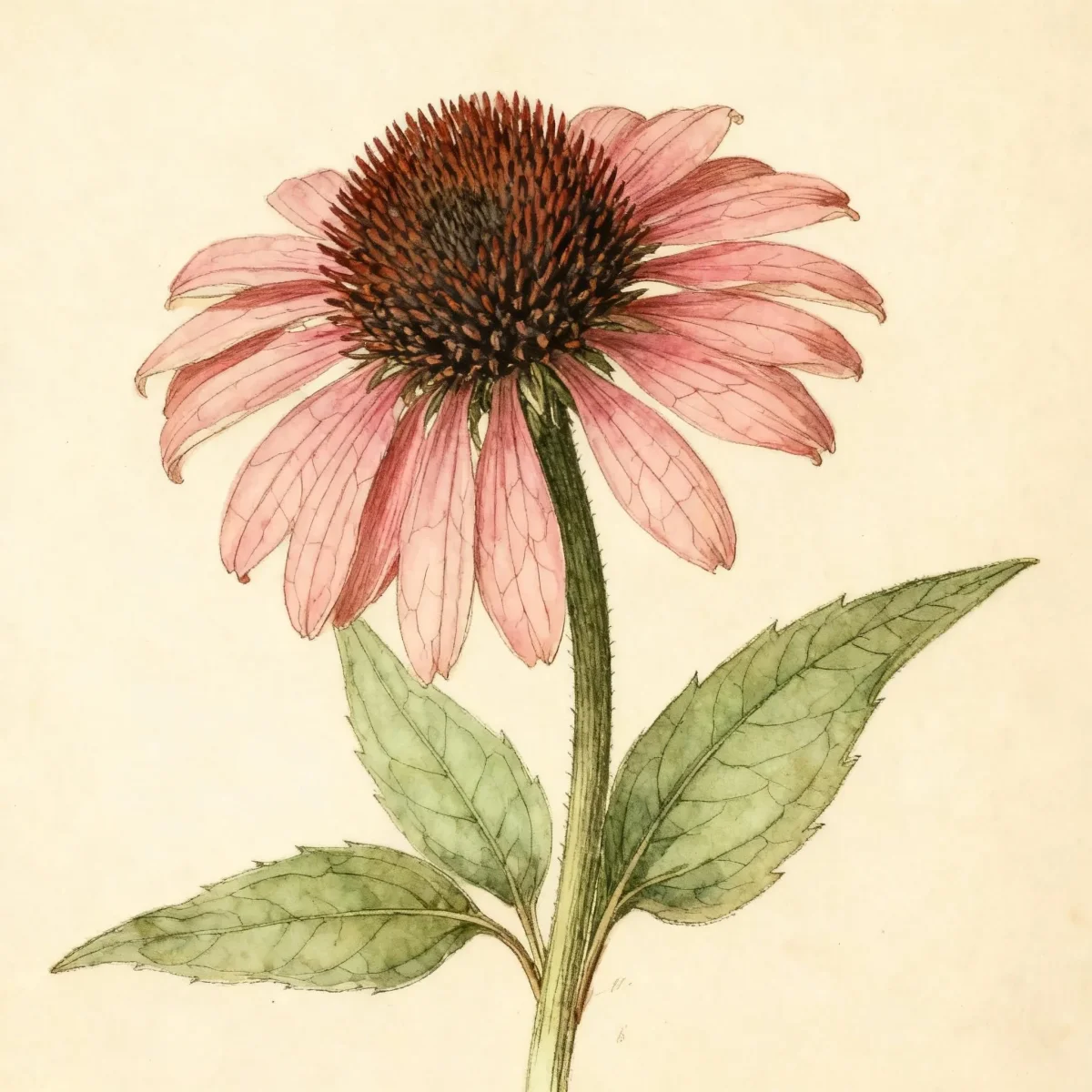
Coneflower (Echinacea 'Solar Flare')
Echinacea 'Solar Flare' Coneflower is a low-maintenance perennial boasting showy pinkish-red flowers from June to August, ideal for dry sites.
Scroll down to discover growing tips, care requirements, companion plants, and more
Complete Plant Information
Overview
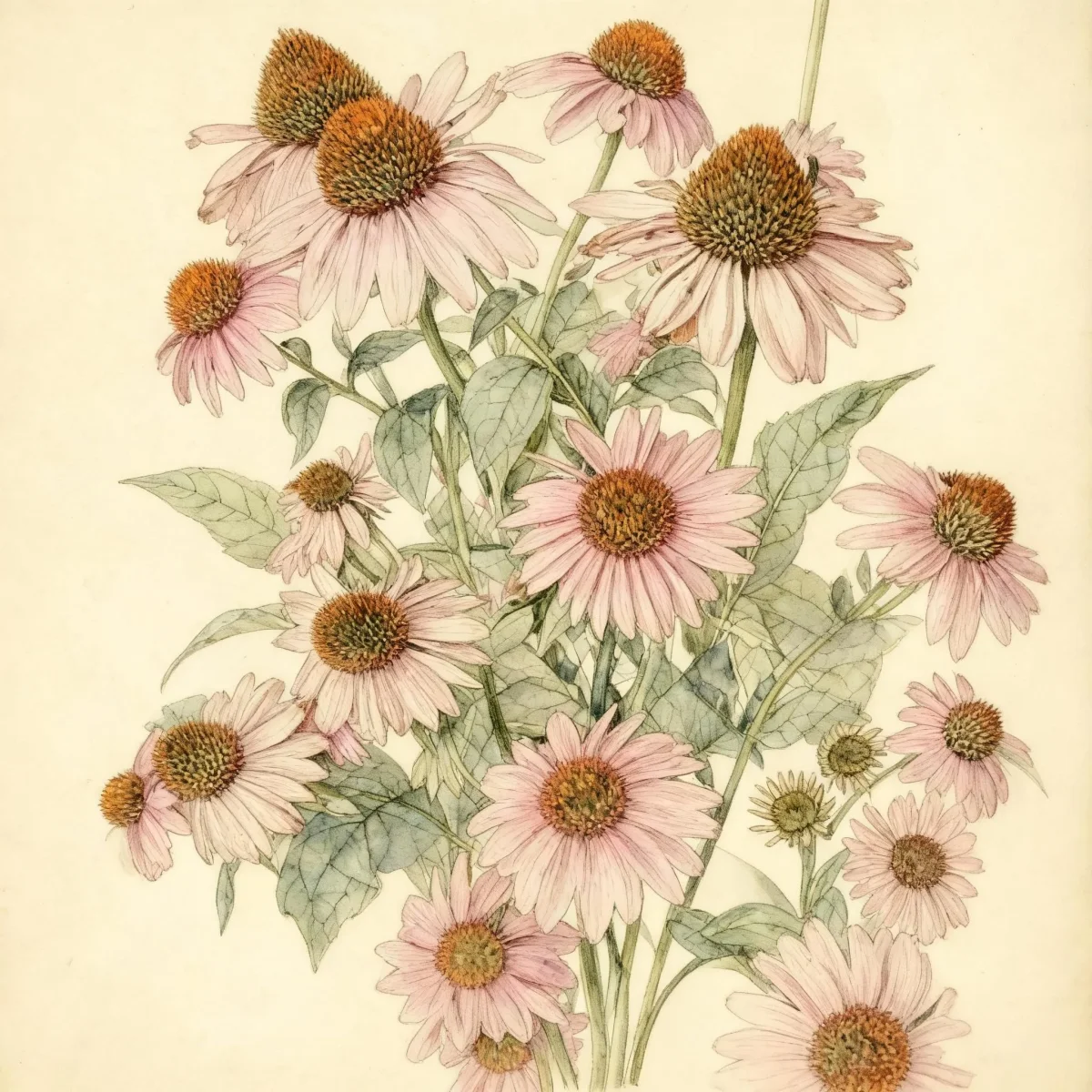
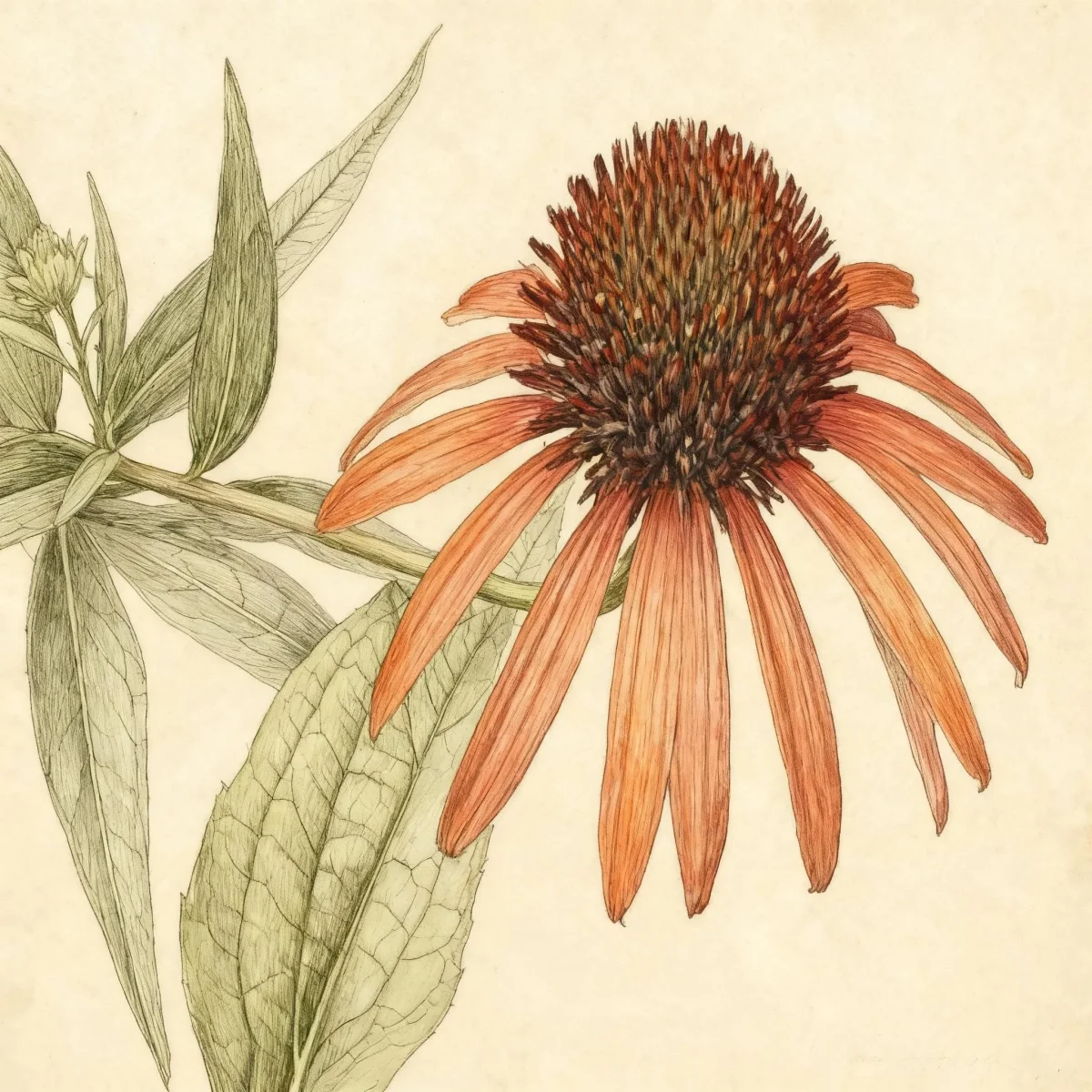
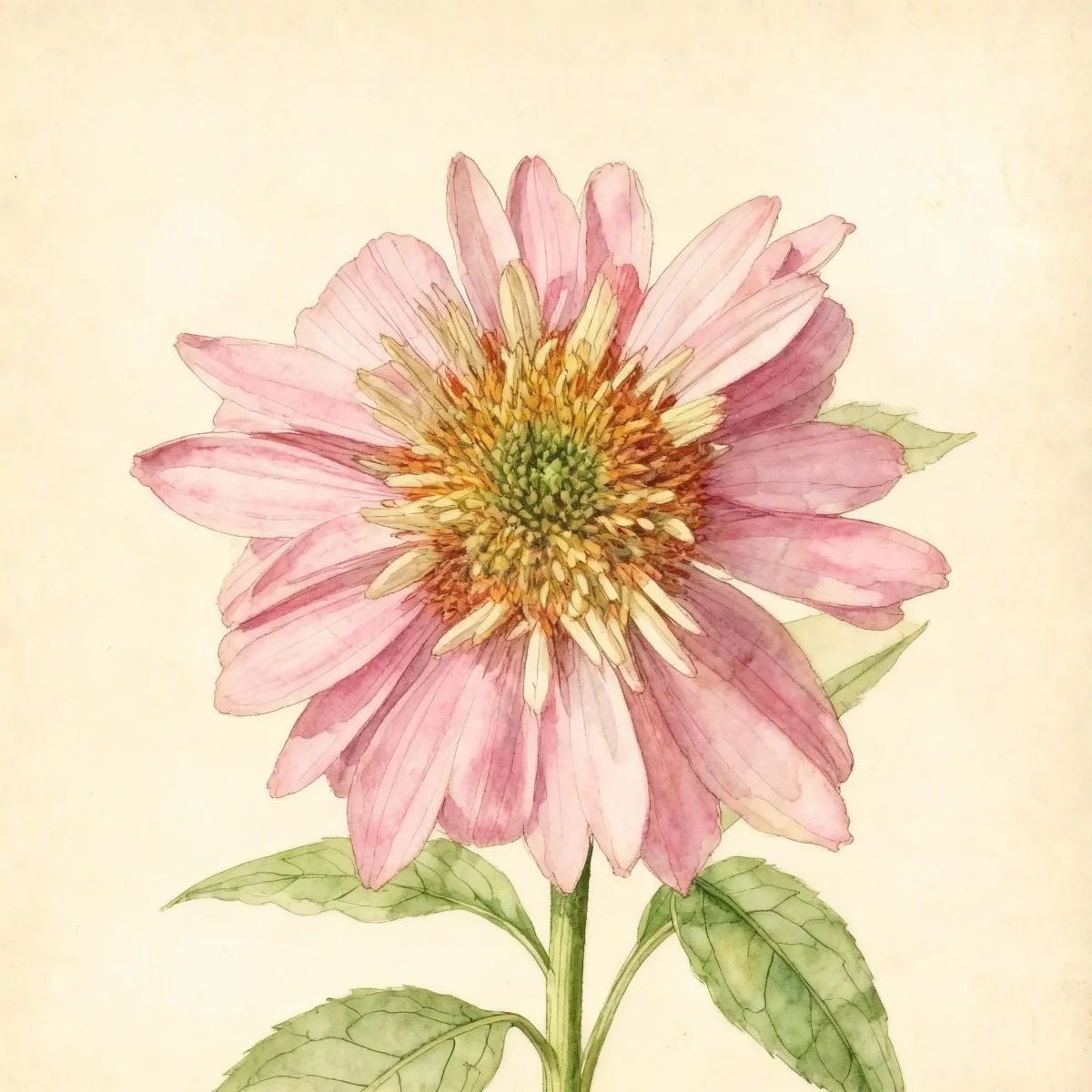
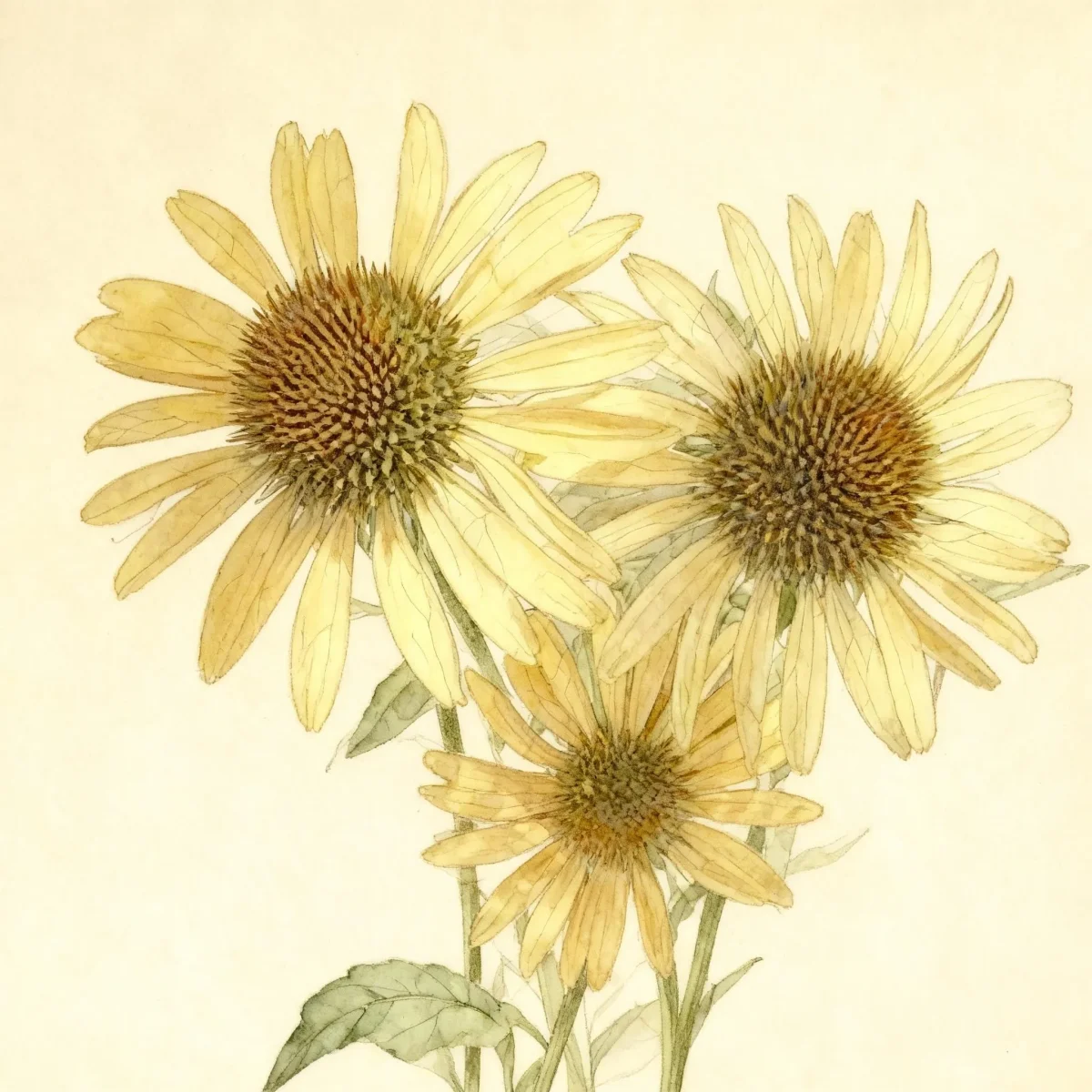
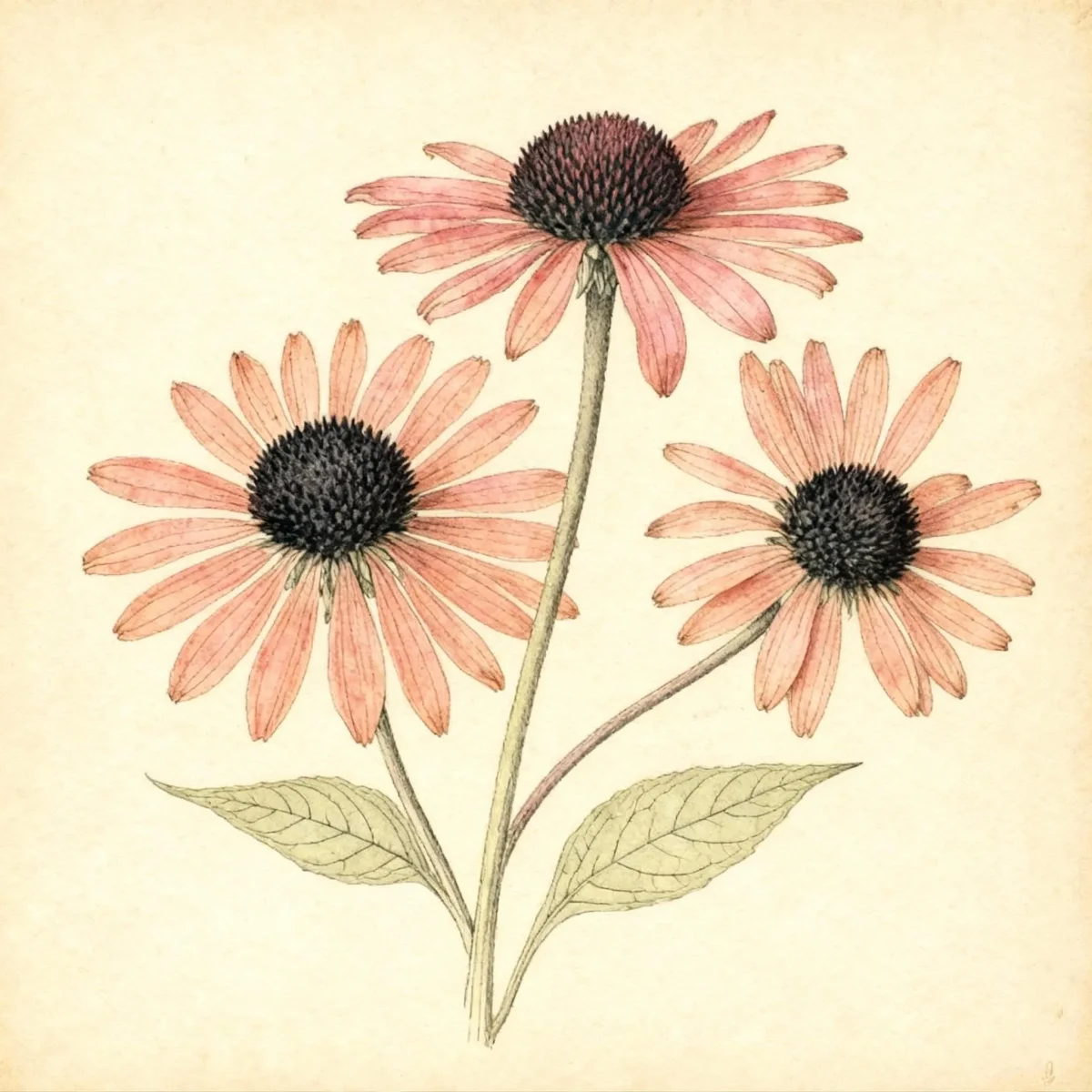
Echinacea ‘Solar Flare’ is a striking addition to any perennial border, celebrated for its robust constitution and vibrant blooms. This upright, hybrid Coneflower cultivar distinguishes itself with large flowers featuring bold pinkish-red ray petals surrounding a prominent dark orange-brown center cone. As an adaptable plant, it thrives in challenging conditions, providing reliable color from early summer into mid-summer.
Gardeners value the Coneflower for its low maintenance requirements and significant ecological contributions. Echinacea ‘Solar Flare’ attracts butterflies and various insect pollinators, ensuring a lively garden ecosystem while it flowers. Furthermore, its resilience against heat, humidity, and drought makes this a dependable choice for sunny locations experiencing dry spells.
Mature clumps of Echinacea ‘Solar Flare’ reach dependable heights between two and three feet, perfect for middle to back border placements. The residual structure of the dried flower heads adds winter interest, potentially feeding goldfinches that enjoy the seeds left standing. This classic American native selection integrates easily into diverse landscape designs.
Fast Facts
- Plant Family: Asteraceae
- Plant Type: Herbaceous perennial
- Hardiness Zones: USDA Zones 4-8
- Size at Maturity:
- Height: 2-3 ft
- Spread: 1.5-2 ft
- Bloom Time: June to August
- Bloom Description: Pinkish red
- Sun Exposure: Full sun to part shade
- Water Needs: Dry to medium
- Maintenance Level: Low
How to Grow
The best time to establish Echinacea ‘Solar Flare’ is during spring or fall, ensuring the plant has time to settle before facing intense summer heat or winter cold. Site this Coneflower where it receives at least six hours of direct sunlight daily for the best flowering performance, although it tolerates part shade. It thrives in average, well-drained soils; good drainage is crucial as this perennial dislikes consistently wet feet, even though it handles dry soil well once established.
Care for your Echinacea ‘Solar Flare’ with minimal intervention. Water deeply but infrequently, especially after establishment, capitalizing on its drought tolerance. Fertilization is often unnecessary; rich soil can encourage floppiness. While plants rebloom well without intervention, prompt removal of spent flowers (deadheading) will encourage a more continuous display throughout the season and maintain a tidier appearance.
Dividing crowded clumps every four years helps rejuvenate the plants and maintain vigor. Do not be too quick to cut back stems in late fall. The sturdy, dead flower stems provide essential structure and food sources for winter wildlife. Wait until early spring cleanup to cut stems back near the ground, allowing the plant to fully emerge before pruning.
Landscape Uses
The striking form and color of Echinacea ‘Solar Flare’ make it an excellent choice for defining informal garden spaces. Consider planting this Coneflower in groups or massed plantings near border fronts where its bright pinkish-red flowers can be easily appreciated. Its manageable size, reaching up to 3 feet tall, also works well in rock gardens or in the transition zone bordering woodland edges that receive dappled sunlight.
Due to its preference for drier conditions and excellent tolerance to poor soils, Echinacea ‘Solar Flare’ functions wonderfully as an accent plant where other high-maintenance perennials might falter. It pairs naturally with other sun-loving, drought-tolerant natives like Rudbeckia (Black-Eyed Susan) or ornamental grasses which provide textural contrast during the mid-to-late summer season.
When used as a specimen, place the Coneflower where its upright structure commands attention, allowing its flowering display to anchor a mixed perennial bed. Remember its value as a good cut flower, positioning groupings near the garden edge for easy harvest accessibility.
Standout Features
Flower Qualities
- Showy
- Good Cut
Noteworthy Characteristics
Echinacea is a genus of seven species all endemic to eastern and central North America. Coneflowers bloom from June to August with some sporadic later bloom, making them attractive to butterflies and other insect pollinators. ‘Solar Flare’ is an upright, hybrid coneflower cultivar that features large, red flowers held on dark purple flowering stems, with pinkish red rays surrounding a dark orange-brown center cone up to 5-6” wide. The genus name Echinacea originates from the Greek word for hedgehog, referencing the spiny center cone characteristic of most flowers in the group.
Tolerances
- Deer
- Drought
- Clay Soil
- Dry Soil
- Shallow-Rocky Soil
Potential Problems
All coneflowers, including Echinacea ‘Solar Flare’, can occasionally be affected by aster yellows, a serious viral-like disease that causes sterility and distorted growth, or various fungal and bacterial leaf spots. For leaf spots, ensure good air circulation by providing adequate spacing and avoiding overhead watering late in the day.
Gardeners should also watch for common pests such as erythroid mites and Japanese beetles, which historically target this genus. Japanese beetles often chew ragged holes in the petals; handpicking them off early in the day is an effective, low-input control method for manageable infestations.
Frequently Asked Questions
What hardiness zones is Coneflower suitable for?
Echinacea ‘Solar Flare’ is reliably hardy across USDA Zones 4 through 8.
How large does Coneflower grow?
This cultivar typically reaches a height between 2 and 3 feet, with a spread generally between 1.5 and 2 feet at maturity.
When does Echinacea ‘Solar Flare’ bloom?
This Coneflower variety offers abundant blooms from June through August, displaying beautiful pinkish-red rays.
What sun exposure does the Coneflower need?
For optimal performance, provide full sun, although Echinacea ‘Solar Flare’ will tolerate a location receiving part shade.
Conclusion
The adaptability, drought tolerance, and reliable mid-summer color provided by Echinacea ‘Solar Flare’ establish it as an essential perennial for sunny or slightly challenging garden spots. This robust Coneflower hybrid enhances garden aesthetics while supporting local pollinators. Before planting, confirm your growing location falls within USDA Zones 4-8 and ensure soil drainage is adequate to guarantee many seasons of impressive bloom.
Companion Planting
Selecting appropriate companions enhances the visual appeal and ecological benefit of Echinacea ‘Solar Flare’. Choose plants that share similar cultural needs, particularly full to partial sun exposure and dry to medium water requirements. Excellent partners include perennial Salvias, which offer striking vertical blue or purple flower spikes that contrast beautifully with the Coneflower’s warm tones.
Other strong collaborators are Russian Sage (Perovskia atriplicifolia) or ornamental grasses like Little Bluestem (Schizachyrium scoparium). These structural allies thrive in heat and dryness, providing necessary textural contrast as the Coneflower finishes its initial bloom cycle, ensuring continuous interest throughout the fall season.
Wildlife Benefits
Echinacea is highly regarded for its positive impact on local wildlife populations, and Echinacea ‘Solar Flare’ continues this tradition. The large, accessible seed heads remaining after the petals fade are a vital late-season food source, especially for goldfinches. Planting dense groupings encourages frequent visits from seed-eating birds throughout the winter months.
In addition to seed sources, the daisy-like flower structure is irresistible to a wide array of beneficial insects. Butterflies actively nectar on the blooms from June through August, making this plant crucial for supporting pollinator corridors in any sunny garden space.