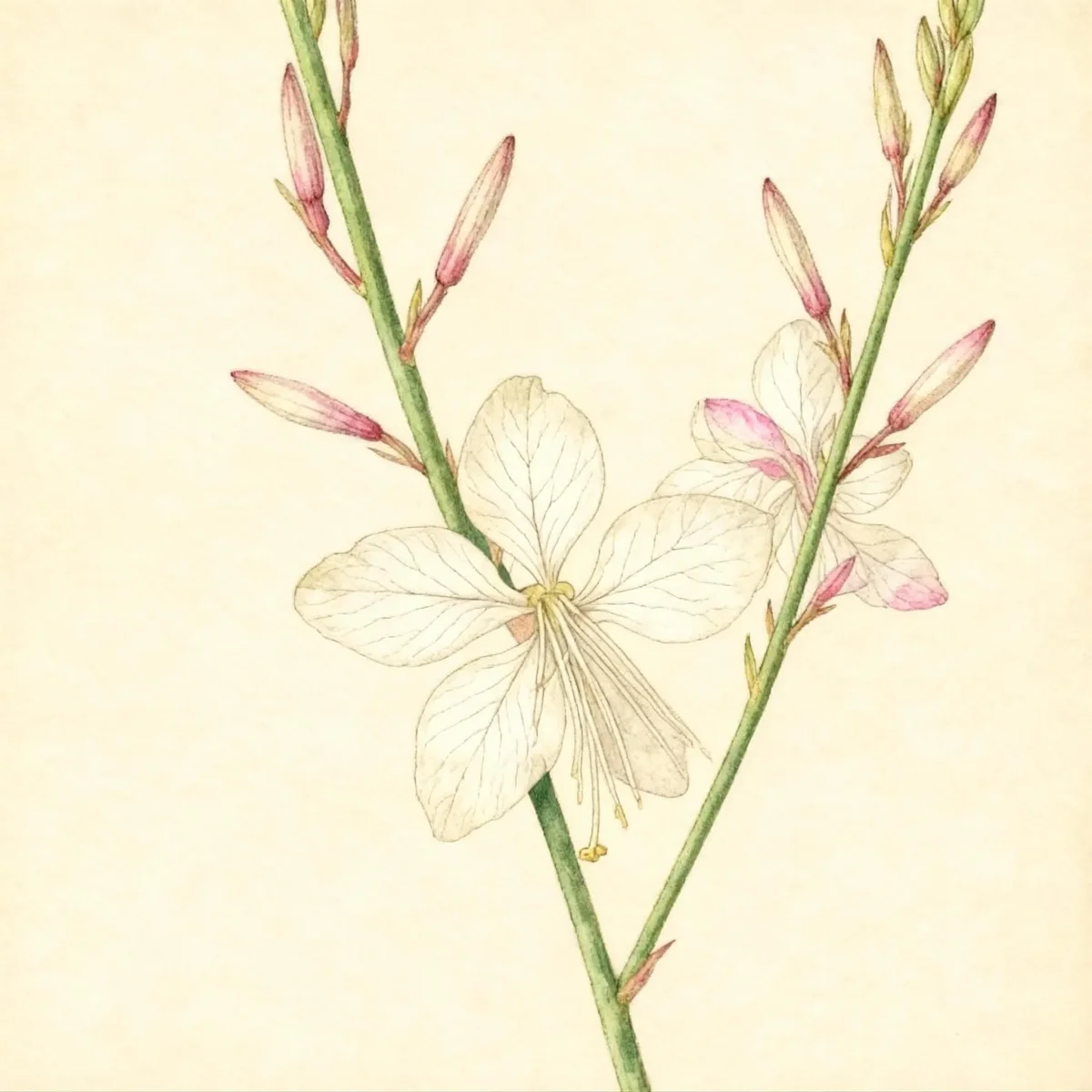
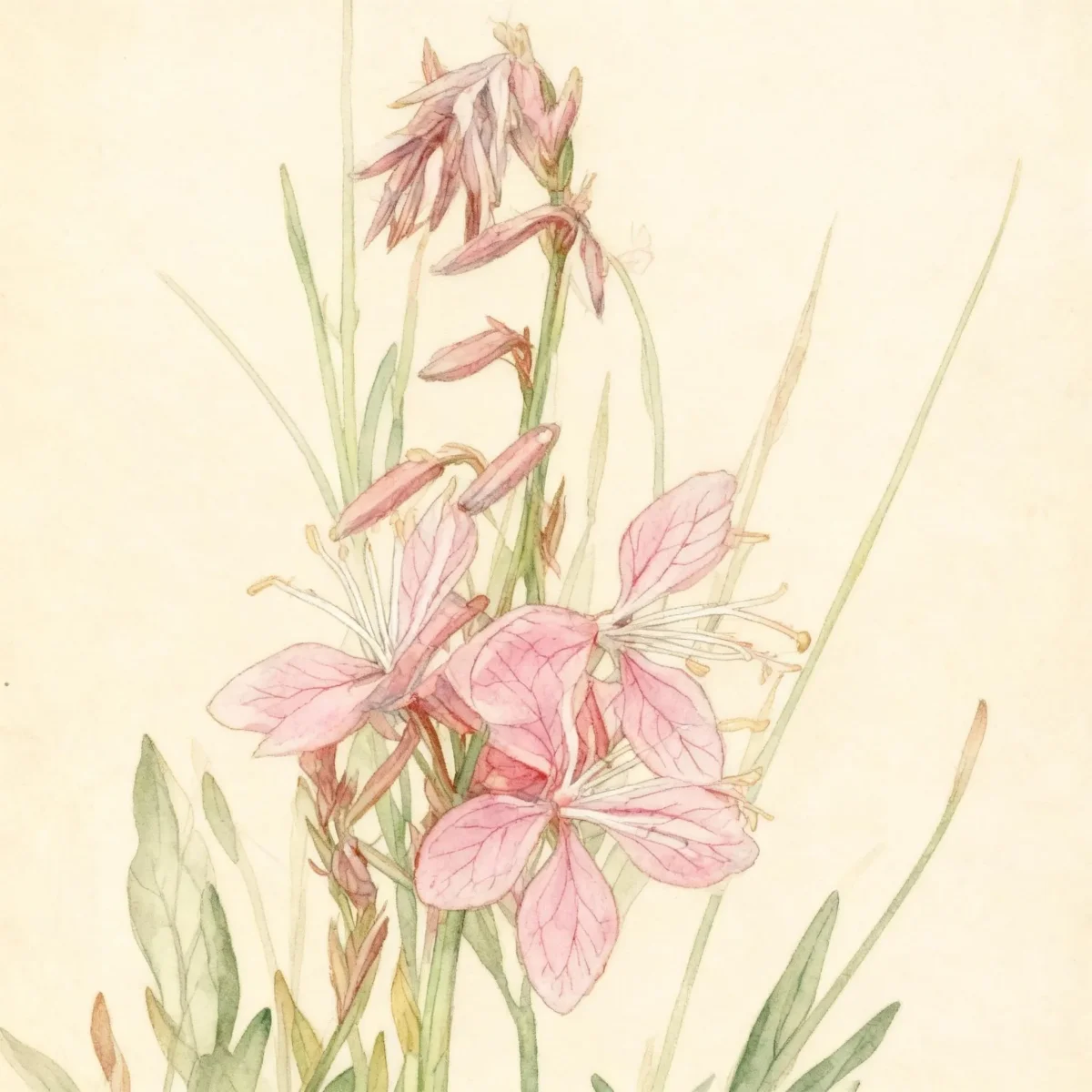
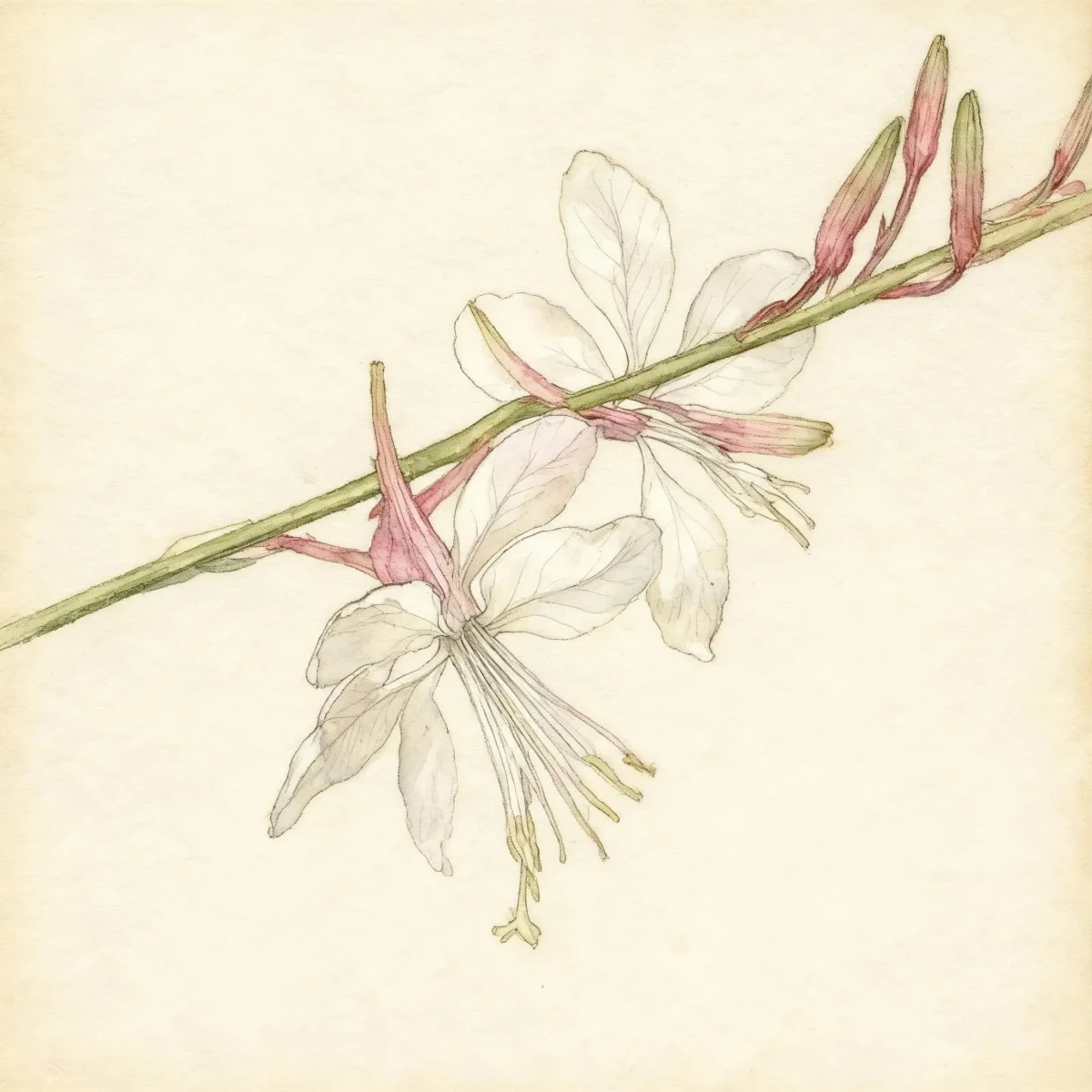
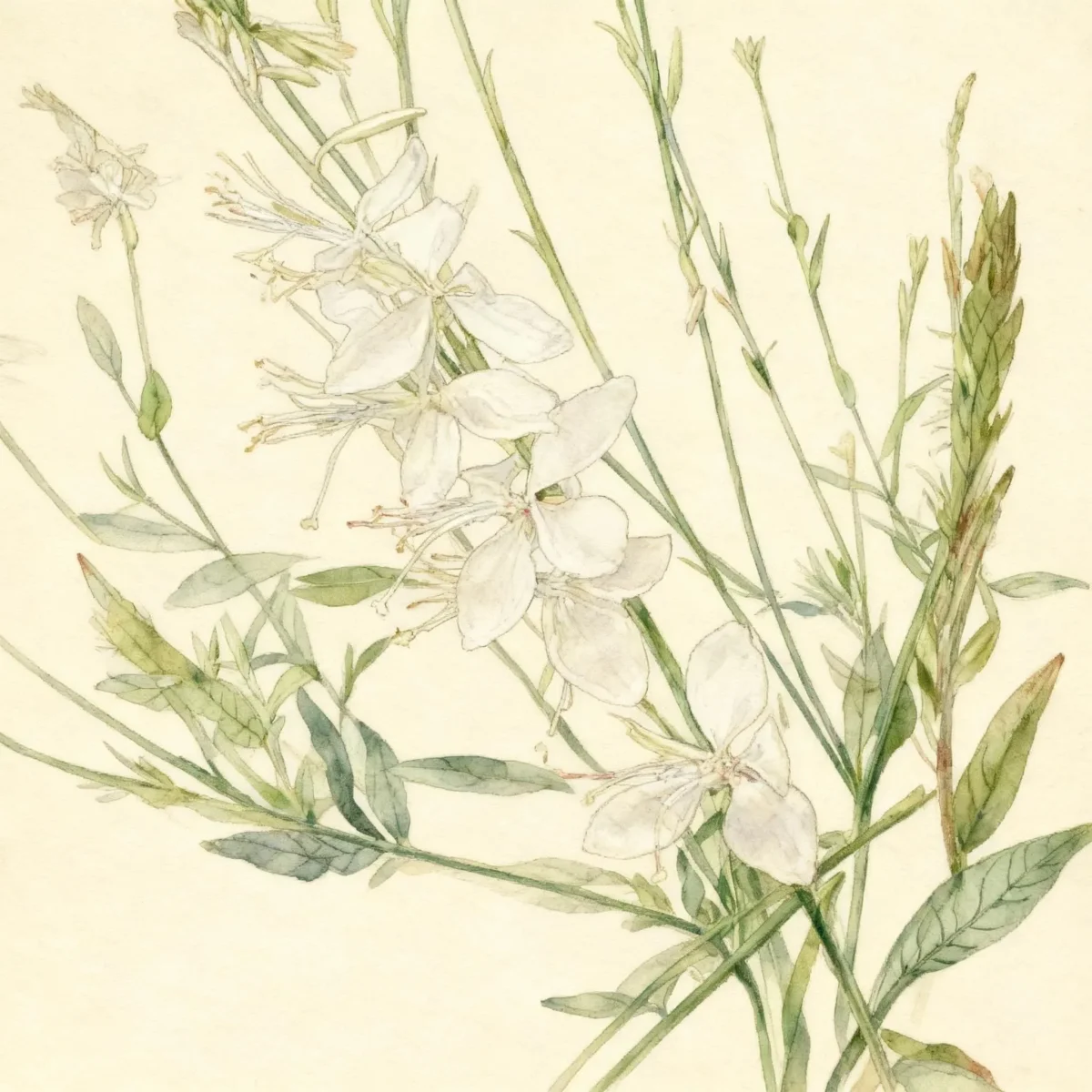
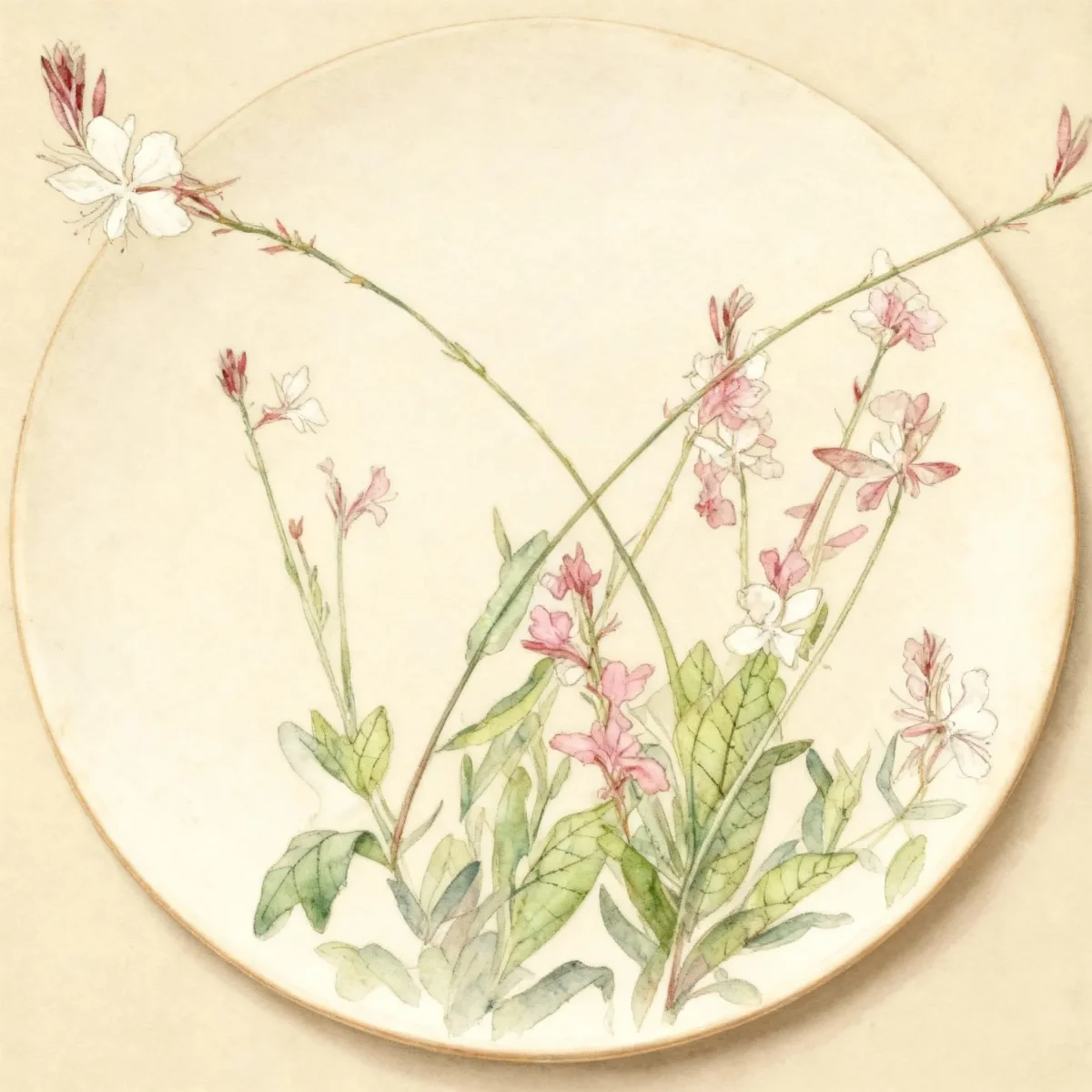
Lindheimer's beeblossom (Gaura 'Florgaure' GAUDI RED)
Gaura 'Florgaure' GAUDI RED offers dark red-pink summer blooms atop compact stems. Low maintenance Lindheimer's beeblossom for full sun heat tolerance.
Scroll down to discover growing tips, care requirements, companion plants, and more
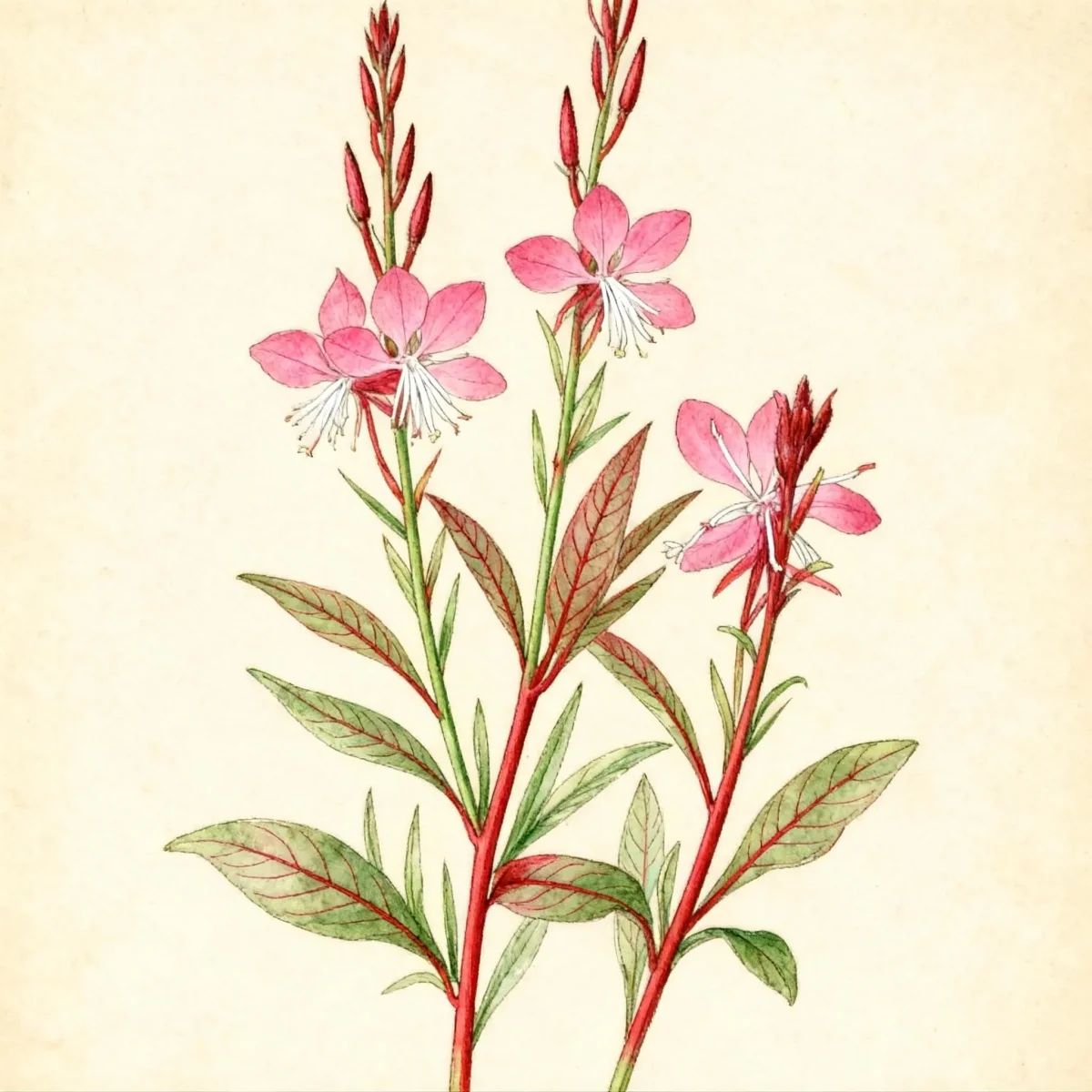
Complete Plant Information
Overview
Gaura ‘Florgaure’ GAUDI RED is a highly valuable herbaceous perennial, celebrated for its continuous summer performance, vibrant coloration, and compact structure. Unlike some airy forms of Gaura, this cultivar features sturdy, upright stems that maintain excellent form without flopping, making it ideal for defined garden spaces. This selection of Lindheimer’s beeblossom is perfect for gardeners seeking a low-maintenance plant that attracts pollinators while rewarding them with dark red-pink blooms from early summer well into autumn.
As a tough, tap-rooted plant, Gaura ‘Florgaure’ GAUDI RED demonstrates impressive tolerance for heat, humidity, and drier periods once established. Proper drainage is paramount to its success, ensuring the roots remain healthy through periods of summer stress common in hotter climates. For year-round visual interest, this plant provides dark green foliage often tinged with burgundy, complementing the striking terminal racemes of flowers.
Utilizing Gaura ‘Florgaure’ GAUDI RED introduces reliable vertical accents to the landscape. Its resistance to major pest and disease issues further cements its status as a superb addition for borders, cottage gardens, or even patio containers where consistent color and structure are desired. Consider incorporating this reliable form of Lindheimer’s beeblossom into your next sunny planting design.
Fast Facts
- Plant Family: Onagraceae
- Plant Type: Herbaceous perennial
- Hardiness Zones: USDA Zones 6-9
- Size at Maturity:
- Height: 1-1.25 ft
- Spread: 1-1.5 ft
- Bloom Time: June to September
- Bloom Description: Dark red-pink
- Sun Exposure: Full sun
- Water Needs: Medium
- Maintenance Level: Low
How to Grow
The key to establishing healthy Gaura ‘Florgaure’ GAUDI RED lies in its preferred soil conditions. Plant this herbaceous perennial in the spring after the danger of frost has passed, choosing a location that provides full sun exposure. The soil must be sandy, loamy, and most importantly, very well-drained; this tap-rooted species absolutely requires excellent drainage to prevent root rot, especially in heavier clay soils.
Maintenance for this Lindheimer’s beeblossom is generally low. Provide medium water, ensuring the soil remains evenly moist, particularly during the first season of establishment. While it tolerates drought well once mature, consistent moisture maximizes bloom production. Fertilization is usually unnecessary, especially in average to poor soils, as rich soil or excessive nitrogen can encourage weak, floppy growth stems.
If deadheading—removing spent flower spikes—is desired, it will help prolong the continuous bloom period throughout summer and early fall. However, gardeners should note that the cultivar ‘Florgaure’ is specifically bred for its sturdy, upright stems, meaning it usually does not require the staking or close planting that older, thinner-stemmed Gaura varieties might demand. Remember that this specific cultivar will not reliably reproduce true to type if grown from seed collected in your garden.
Landscape Uses
The refined structure and long bloom time of Gaura ‘Florgaure’ GAUDI RED make it immensely versatile in landscape design. It excels when placed in borders where its height (up to 1.25 feet) can provide middle-ground texture against taller backdrop plants, or nestled at the front edge of mixed perennial beds. Its heat tolerance ensures it thrives in hot, sunny locations where other plants might struggle by mid-summer.
For a classic cottage garden aesthetic, plant Gaura ‘Florgaure’ GAUDI RED among softer, mounding companions such as catmint or shorter ornamental grasses. The upright spires of dark red-pink flowers offer a stark, linear contrast to billowy textures. Because the plant forms a tidy clump spreading only about 1.5 feet, it integrates easily into wild garden settings, mimicking native prairie grasses and flowers without overwhelming them.
This cultivar is also an excellent choice when container gardening is necessary. In patio pots or window boxes, Gaura ‘Florgaure’ GAUDI RED provides height and continuous color, especially when paired with upright foliage plants or trailing annuals to create a dynamic, multi-season display near seating areas.
Flower Qualities
- Showy
Noteworthy Characteristics
Gaura is a genus of around 20 species of annuals, biennials, perennials and subshrubs native to North America. The genus name Gaura comes from the Greek gauros meaning “superb” in reference to the beautiful flowers. ‘Florgaure’ is a compact, upright, hybrid selection of gaura that features colorful foliage, dark pink-red blooms, and a well-branched, bushy habit. The 1” wide blooms are held on 6.5” long, spike-like, terminal racemes above clumps of dark green and burgundy-tinged foliage. Blooms continuously from summer into early fall, attracting butterflies and other insect pollinators. Mature plants will reach up to 16” tall and spread to fill an 18” area. Commonly sold at nurseries and garden centers under the name GAUDI RED. Plant patent number PP26518 applies to this cultivar.
Tolerances
- Drought
Potential Problems
This plant is generally robust, presenting no serious insect or disease problems when grown in appropriate conditions. The primary cultural risk associated with Lindheimer’s beeblossom is root rot. This occurs when the plant is situated in heavy soils that retain excessive moisture, violating the essential requirement for good drainage.
To prevent root rot, ensure your planting site is amended with sand or grit if heavy clay is present, promoting rapid water movement away from the root zone. If plants are overcrowded or positioned in partial shade, stem thickness may decrease, leading to a desire to flop; proper spacing and full sun exposure mitigate this structural issue.
Frequently Asked Questions
What hardiness zones is Lindheimer’s beeblossom suitable for?
Gaura ‘Florgaure’ GAUDI RED performs reliably in USDA Hardiness Zones 6 through 9, offering perennial reliability across a wide temperate range.
How large does Gaura ‘Florgaure’ GAUDI RED grow?
This compact variety typically reaches a height between 1 and 1.25 feet, spreading out to occupy a space roughly 1 to 1.5 feet wide.
When does Lindheimer’s beeblossom bloom?
This variety flowers prolifically from June straight through to September, displaying rich, dark red-pink flowers throughout the peak summer season.
What sun exposure does Gaura ‘Florgaure’ GAUDI RED need?
For the best upright habit and maximum floral display, Gaura ‘Florgaure’ GAUDI RED requires full sun exposure daily.
Conclusion
Gaura ‘Florgaure’ GAUDI RED offers gardeners a low-fuss solution for adding continuous, vibrant, dark red-pink color to sunny spots. Its sturdy nature, combined with excellent drought tolerance, ensures that Lindheimer’s beeblossom remains a structurally sound centerpiece throughout the summer months. Before planting, confirm that your garden location provides the full sun and excellent drainage necessary to maximize the performance of Gaura ‘Florgaure’ GAUDI RED.
Companion Planting
When designing beds around Gaura ‘Florgaure’ GAUDI RED, consider neighbors that share its preference for full sun and well-drained soil. Plants that complement its airy structure and bloom time include Russian Sage (Perovskia atriplicifolia) for silver texture, or shorter coneflowers (Echinacea) in shades of orange or yellow for a classic prairie look. Low-mounding Sedums also pair well, as they share a high tolerance for dry, sunny conditions and contrast nicely with the upright spikes.
Wildlife Benefits
The genus Gaura is known for being highly attractive to numerous flying visitors, and Gaura ‘Florgaure’ GAUDI RED is no exception. Its extended bloom period from June to September provides a crucial, continuous nectar source for various insect pollinators during the hottest times of the year. This Lindheimer’s beeblossom readily invites butterflies and smaller beneficial insects, enhancing the ecological function of any sunny border or cottage garden space.