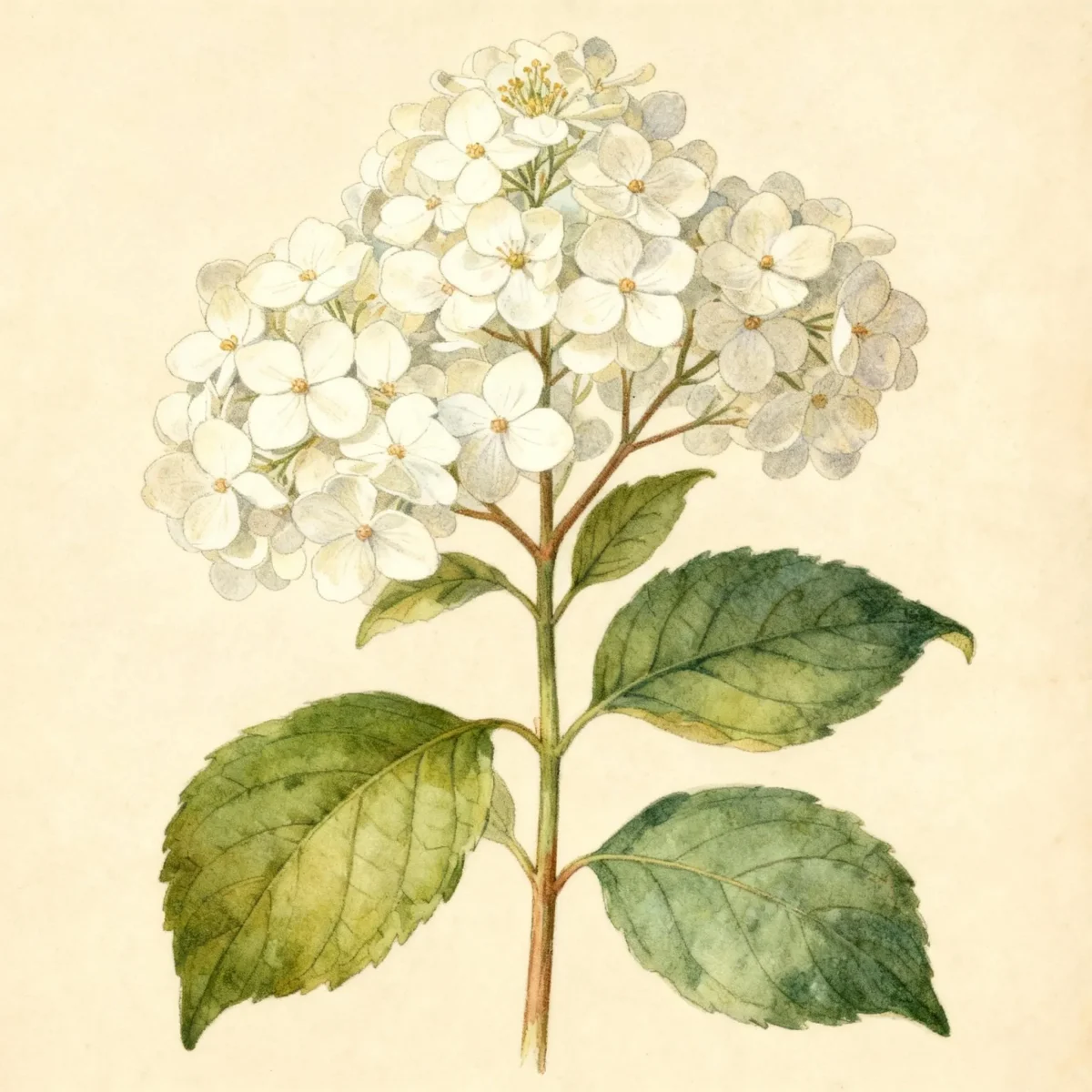
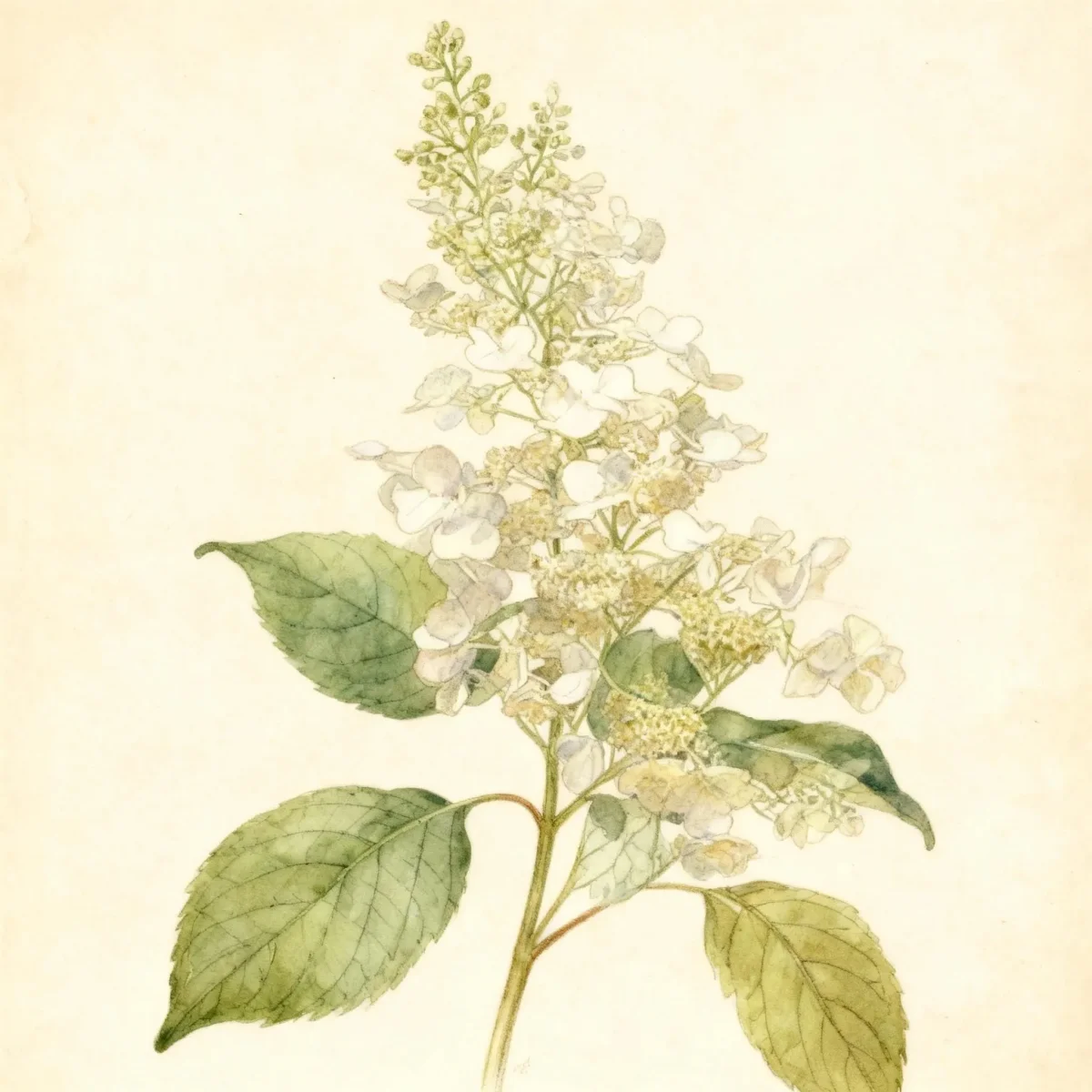
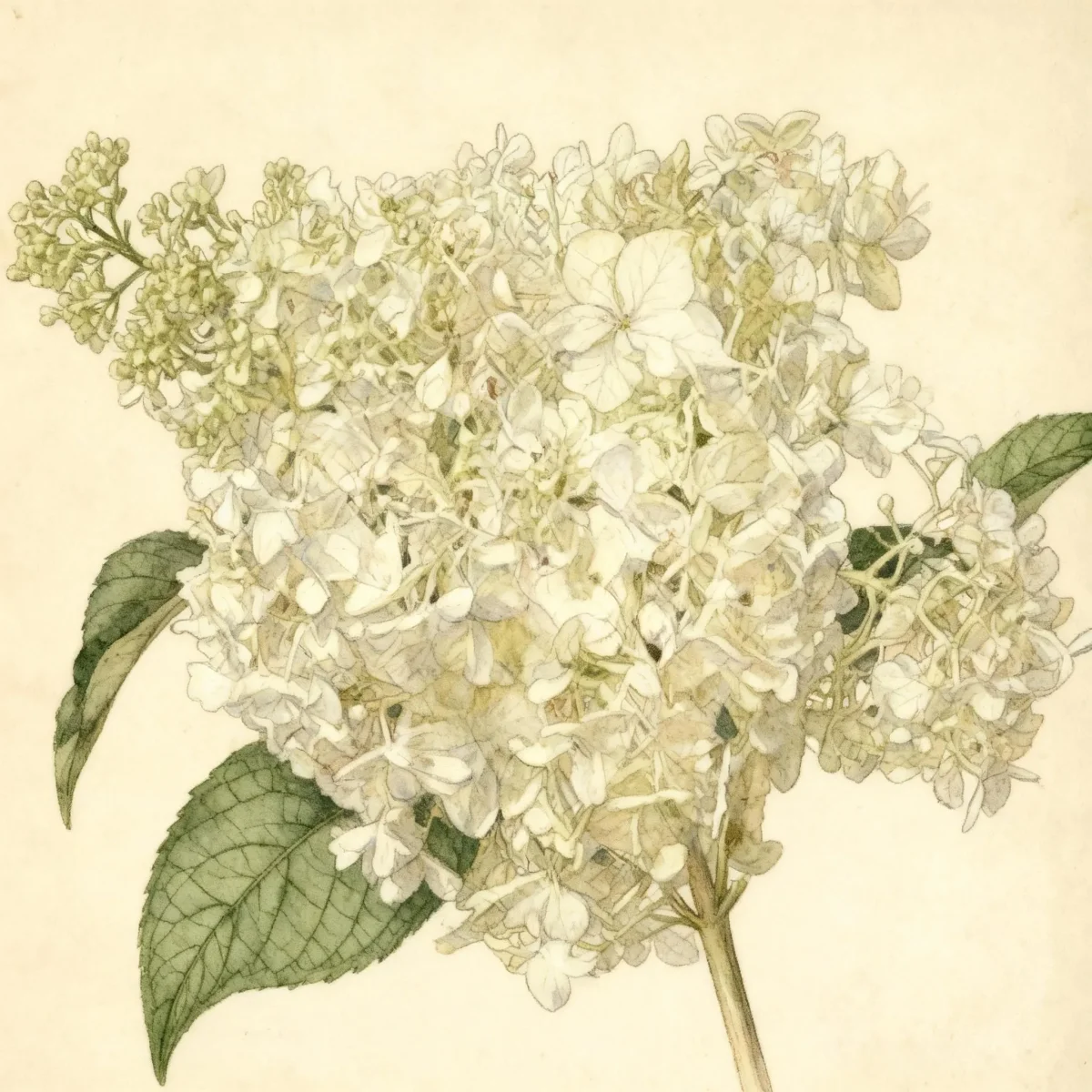
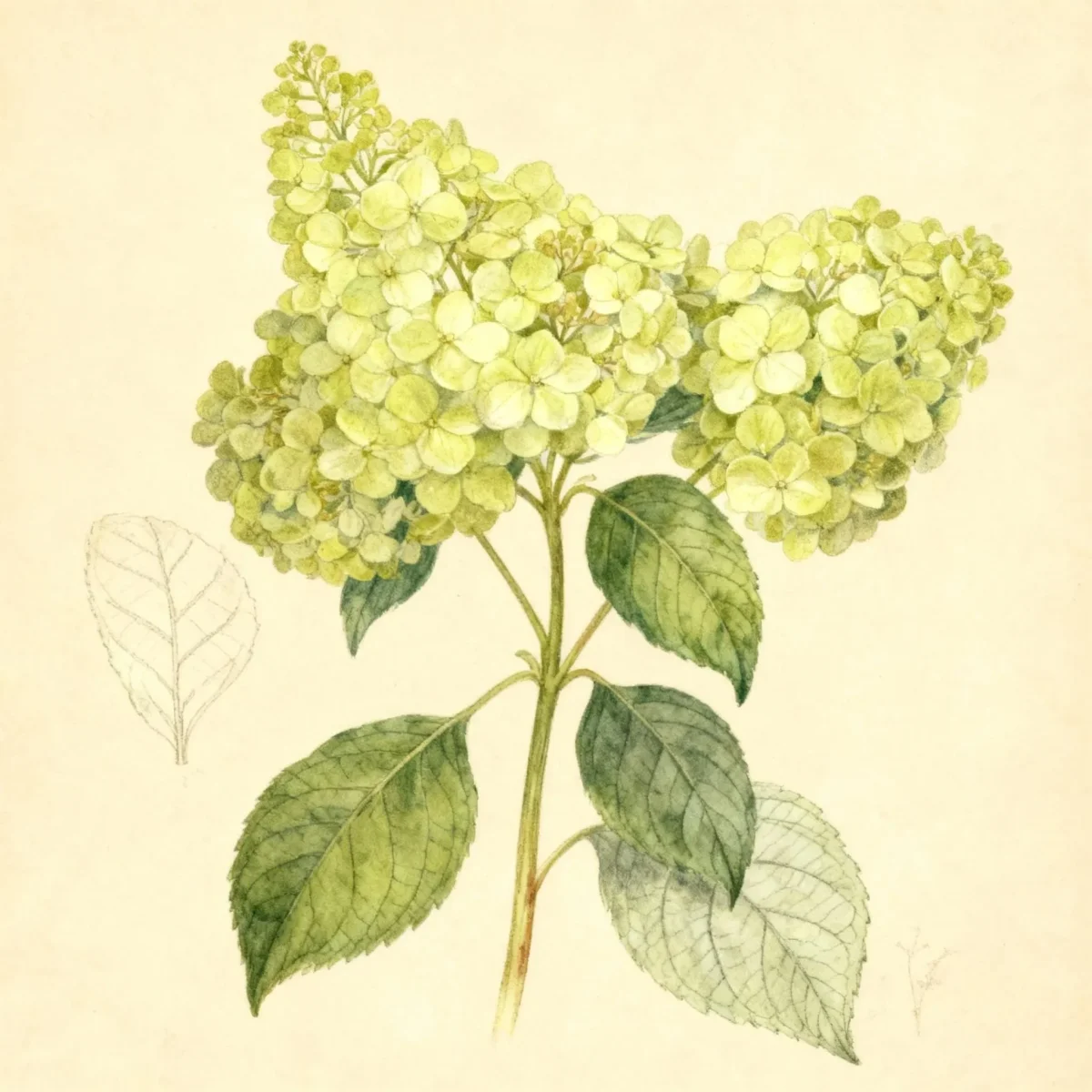
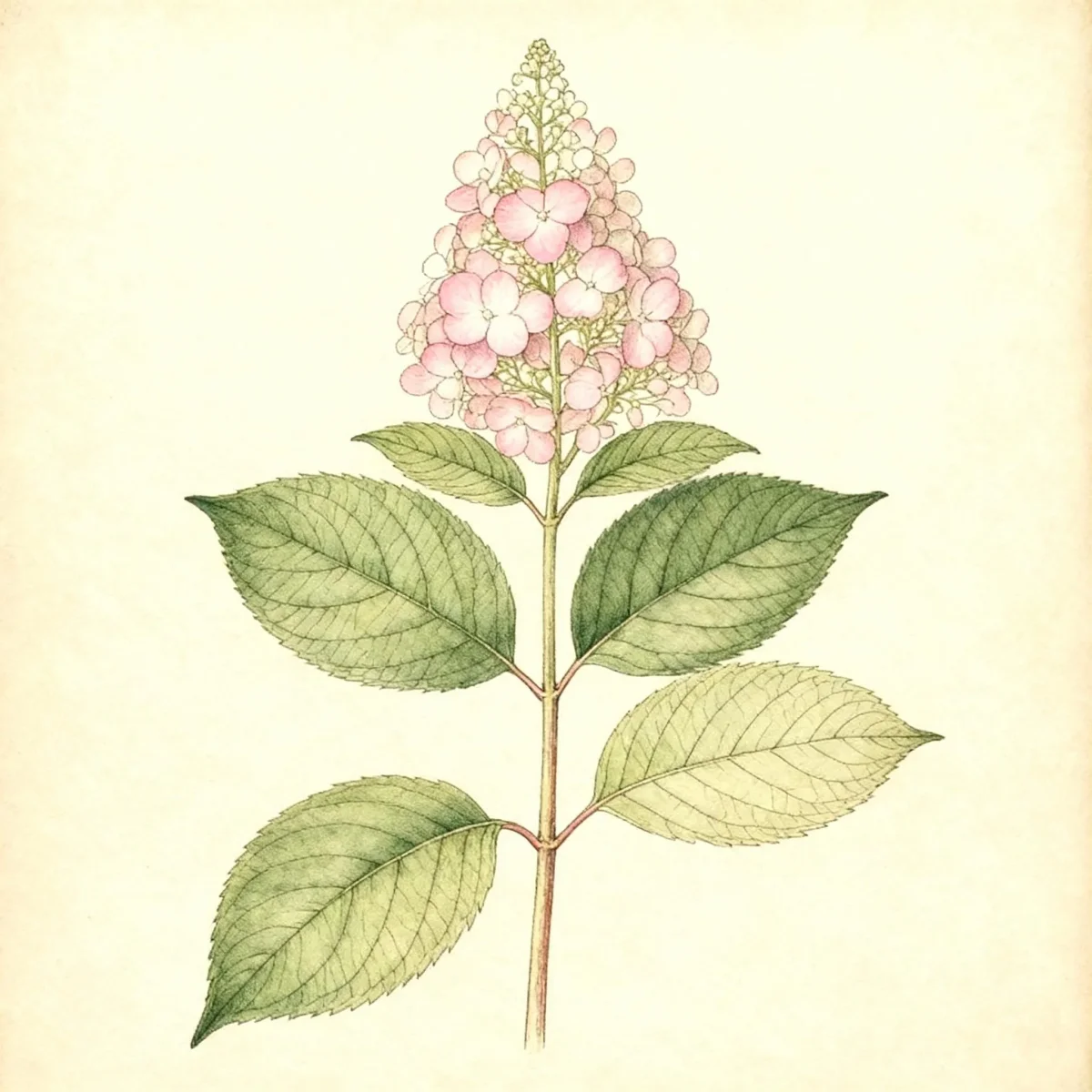
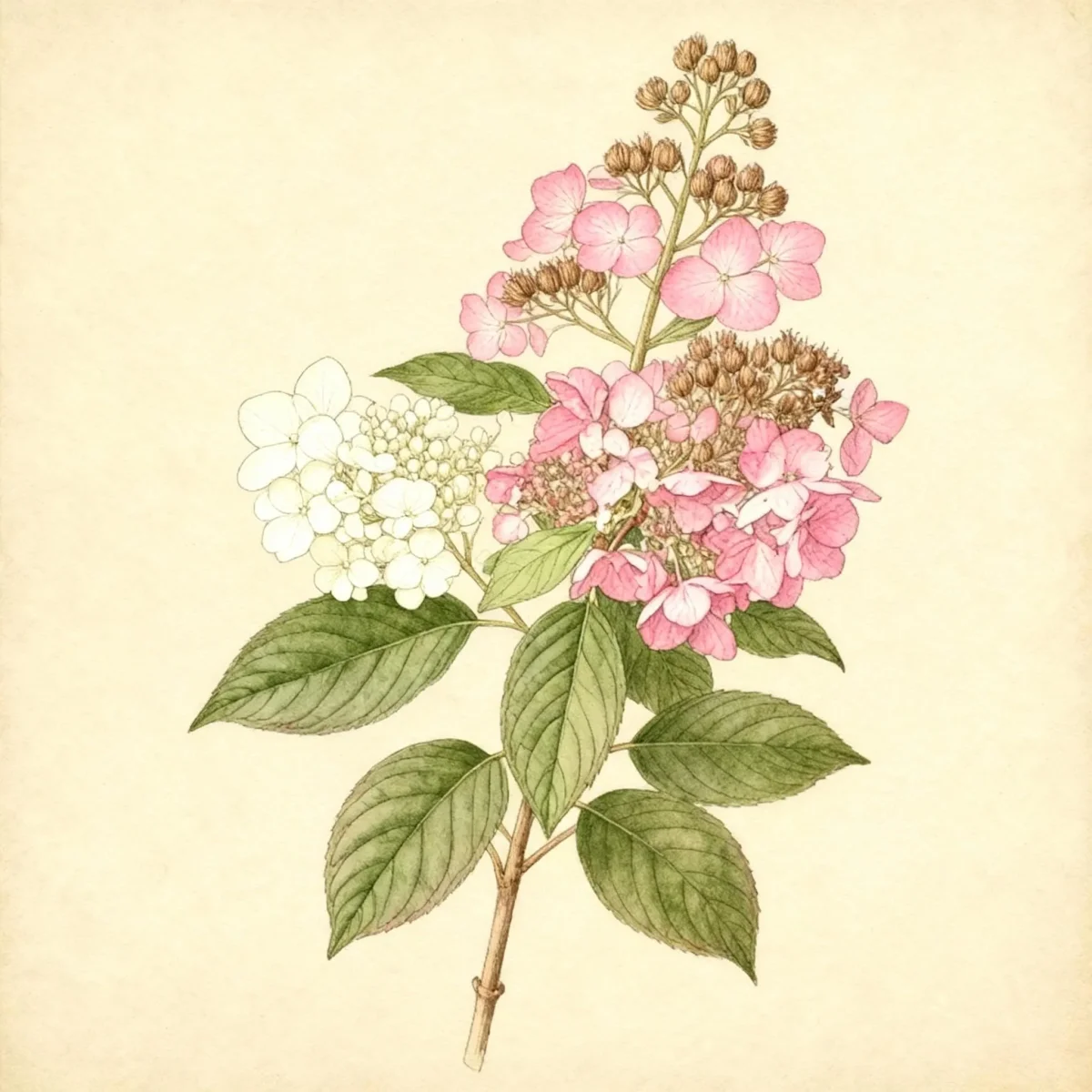
Panicle hydrangea (Hydrangea paniculata 'Phantom')
Hydrangea paniculata 'Phantom' offers massive white to pink blooms late summer. This robust Panicle hydrangea thrives in zones 3-8, reaching 10ft.
Scroll down to discover growing tips, care requirements, companion plants, and more
Complete Plant Information
Overview
Hydrangea paniculata ‘Phantom’ is a highly valued deciduous shrub, renowned for its vigorous growth and spectacular late-season floral display. This cultivar of Panicle hydrangea produces exceptionally large, impressive conical flower heads that start white and age beautifully to shades of pink. Gardeners prize this variety for its sturdiness and its ability to provide significant visual impact late in the growing season when many other shrubs have finished flowering.
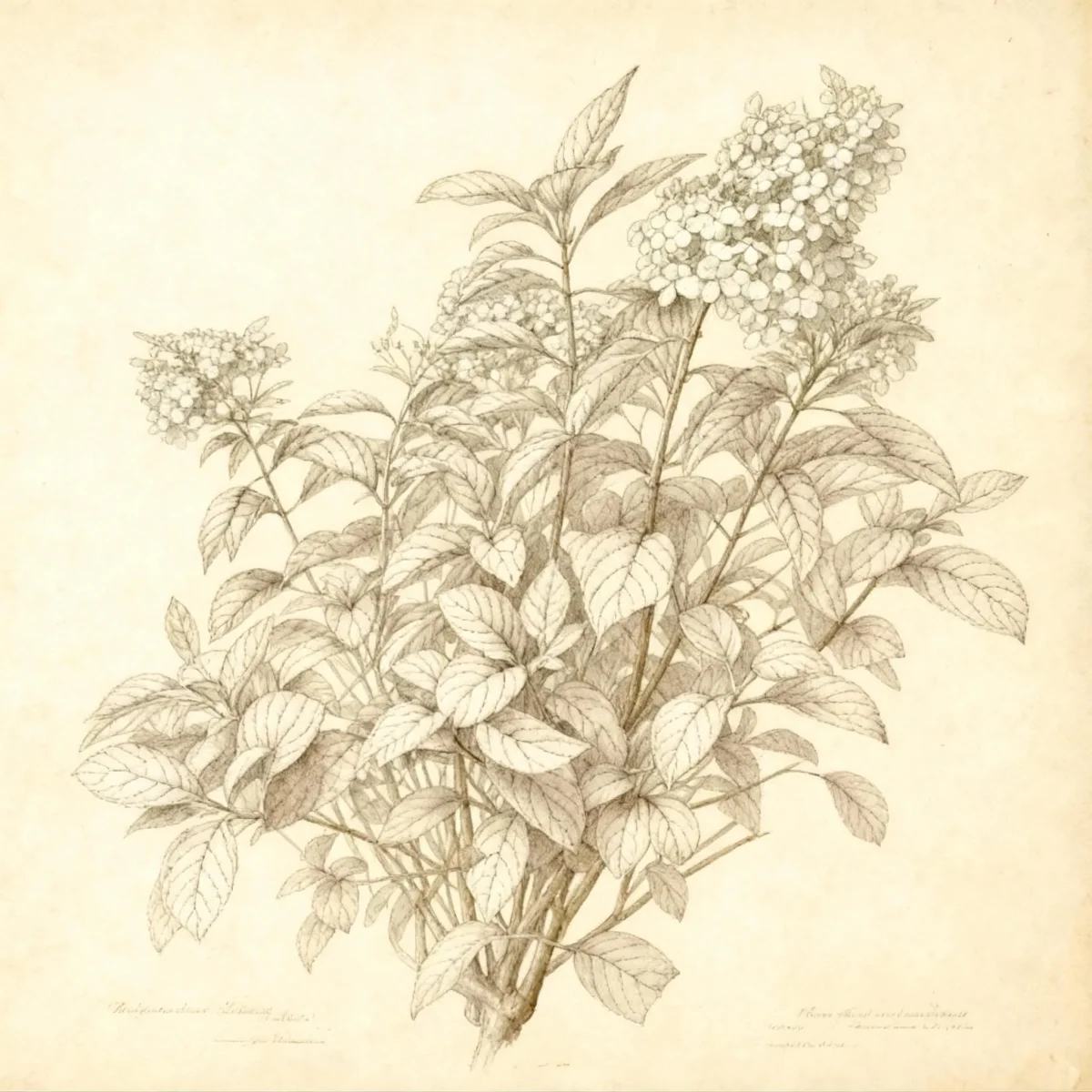
As one of the most winter hardy hydrangeas available, Panicle hydrangea ‘Phantom’ reliably performs across a wide climatic range. While it naturally forms a large, multi-stemmed shrub, it adapts well to urban conditions and can even be trained into a small, single-trunk tree form if desired. Its strength lies in its ability to deliver massive flower power without excessive flopping, making it an excellent structural addition to borders.
The appeal of the Panicle hydrangea centers on its dependable performance and versatility in the landscape. Expect grand blooms from mid-summer well into autumn, offering a prolonged season of light and color. Whether used as a specimen, hedge, or focal point, Hydrangea paniculata ‘Phantom’ is a robust choice for gardeners seeking substantial structure and reliable summer interest.
Fast Facts
- Plant Family: Hydrangeaceae
- Plant Type: Deciduous shrub
- Hardiness Zones: USDA Zones 3-8
- Size at Maturity:
- Height: 6-10 ft
- Spread: 6-10 ft
- Bloom Time: July to September
- Bloom Description: White maturing to pink
- Sun Exposure: Full sun to part shade
- Water Needs: Medium
- Maintenance Level: Medium
How to Grow
The best time to establish your Hydrangea paniculata ‘Phantom’ is typically in the spring or early fall, allowing the root system to establish before extreme temperatures hit. This plant thrives when positioned in organically rich, medium-moisture, well-drained soils. While it tolerates full sun, a location offering afternoon shade in hotter climates protects the foliage and flowers, ensuring optimal health for your Panicle hydrangea.
Consistent watering is critical, especially during the first few seasons as the plant matures, maintaining that medium soil moisture requirement. While not heavily demanding, supplemental feeding with a balanced fertilizer in early spring can support the development of large flower panicles. Pruning is necessary to maintain size and vigor; this shrub blooms on new wood, so execute necessary cuts in late winter or early spring before new growth begins.
For gardeners wishing to maximize bloom size, thin the overall structure in late winter, restricting the shrub to 5 to 10 primary shoots. Keep in mind that when the huge flower heads of Hydrangea paniculata ‘Phantom’ are fully formed, their weight often causes branches to arch gracefully outward, creating a lovely weeping effect. This species is notably hardy, contributing to its overall appeal as a low-stress landscape staple.
Landscape Uses
$Hydrangea\ paniculata$ ‘Phantom’ excels in situations requiring significant vertical interest and dependable late-season color. Its substantial size, reaching up to 10 feet tall and wide, makes it an outstanding choice for creating informal privacy screens or structured hedges that provide summer screening. Use this shrub as a bold backdrop in mixed borders where its large, conical blooms contrast beautifully against finer-textured perennials or grasses.
As a specimen planting, the Panicle hydrangea commands attention on a lawn or near an entryway, especially because it provides bloom when few other shrubs are flowering. For woodland or naturalistic designs, planting in groups or masses allows the arching structure of the mature shrub to soften hardscape lines effectively. Its adaptability means it also performs well as a significant accent plant in urban environments.
Standout Features
Flower Qualities
- Showy
- Good Cut
- Good Dried
Noteworthy Characteristics
Hydrangea paniculata, commonly called panicle hydrangea, is a vigorous, upright, rapid-growing, somewhat coarsely textured, deciduous shrub that is native to China and Japan. ‘Phantom’ features very large flower heads held on sturdy, straight stems that are not prone to flopping. The terminal, cone-shape, panicle inflorescences can reach up to 15” long and are excellent for fresh cut or dried arrangements as the sterile florets mature from bright white to pale pink by early fall.
Tolerances
Potential Problems
This robust Hydrangea paniculata ‘Phantom’ generally exhibits good disease and pest resistance, but vigilance is still warranted. Susceptibility exists for several fungal issues, including leaf spot, rust, and mildew, particularly in humid environments or areas with poor air circulation. Bacterial wilt is a possibility, necessitating prompt removal of affected branches.
Occasionally, sap-sucking pests like aphids and mites may appear. Inspect the undersides of leaves regularly during early summer to catch these infestations quickly. Management often involves a strong spray of water or the application of insecticidal soap, focusing treatments when the plant is not under heat stress.
Frequently Asked Questions
What hardiness zones is Panicle hydrangea suitable for?
Hydrangea paniculata ‘Phantom’ is exceptionally winter hardy, performing well in USDA Zones 3 through 8.
How large does Hydrangea paniculata ‘Phantom’ grow?
This large shrub typically matures to a height between 6 and 10 feet, with a matching spread of 6 to 10 feet.
When does Panicle hydrangea bloom?
The glorious blooms appear reliably from July through September, starting white and gradually transitioning to a soft pink hue.
What sun exposure does Hydrangea paniculata ‘Phantom’ need?
This Panicle hydrangea prefers conditions ranging from full sun to partial shade for the best performance.
Conclusion
The unparalleled strength and massive summer blooms of Hydrangea paniculata ‘Phantom’ make it an essential plant for adding structure and reliable color to the late-season garden. Its superior hardiness and adaptability ensure that this Panicle hydrangea will anchor borders and hedges successfully for years to come. Before planting, confirm your local USDA zone compatibility and ensure the site offers the medium, well-drained soil it demands for peak performance.
Companion Planting
When selecting companions for Hydrangea paniculata ‘Phantom’, look for plants that complement its coarse texture and require similar cultural conditions, thriving in full sun to part shade with medium moisture. Consider pairing it with lower-growing, fine-textured perennials like Russian Sage (Perovskia atriplicifolia) or ornamental grasses such as Switchgrass (Panicum virgatum). These companions offer textural contrast while sharing the sturdy root requirements beneath the canopy of the Panicle hydrangea.
For foundation plantings near the shrub, consider spring-blooming bulbs whose foliage disappears before the summer flower show begins. Hostas or Heucheras can tuck into the peripheral shade cast by a mature specimen, provided they receive enough light to maintain their color, serving as excellent ground covers beneath the arching branches of the ‘Phantom’.
Seasonal Care Calendar
Spring is the key time for structural work on your Hydrangea paniculata ‘Phantom’. Prune established plants in late winter or very early spring, cutting back stems to a manageable height—thinning to 5-10 primary shoots will encourage the largest blooms. Avoid pruning after bud break, as this removes the current season’s growth that holds the flowers.
Summer care centers on consistent hydration, particularly during dry spells, utilizing that medium water requirement to keep the soil evenly moist but never waterlogged. Monitor for pests during this active growth period. Once the blooms senesce in autumn, leave the large panicles intact over winter; they provide great visual interest and insulation for the plant crown.