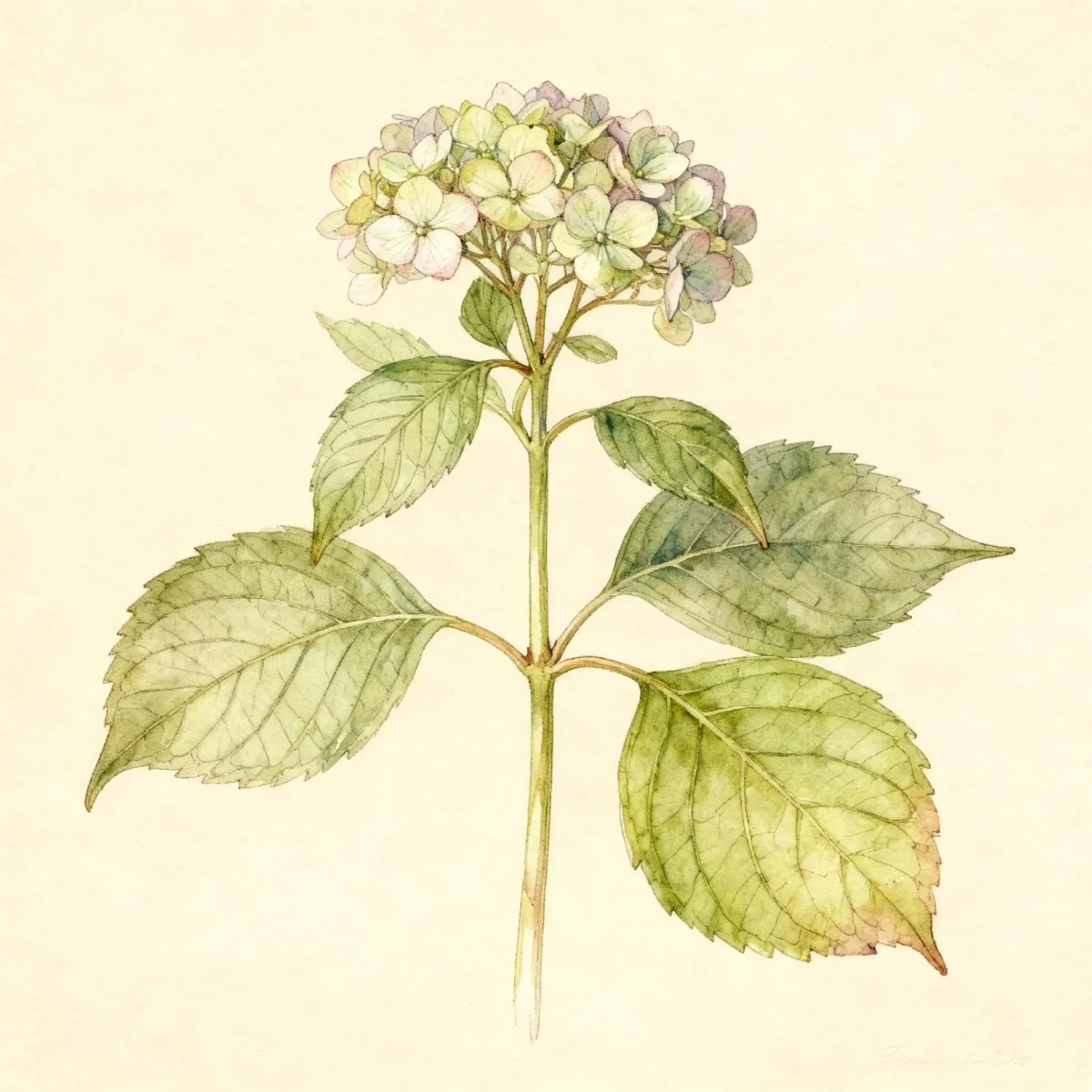
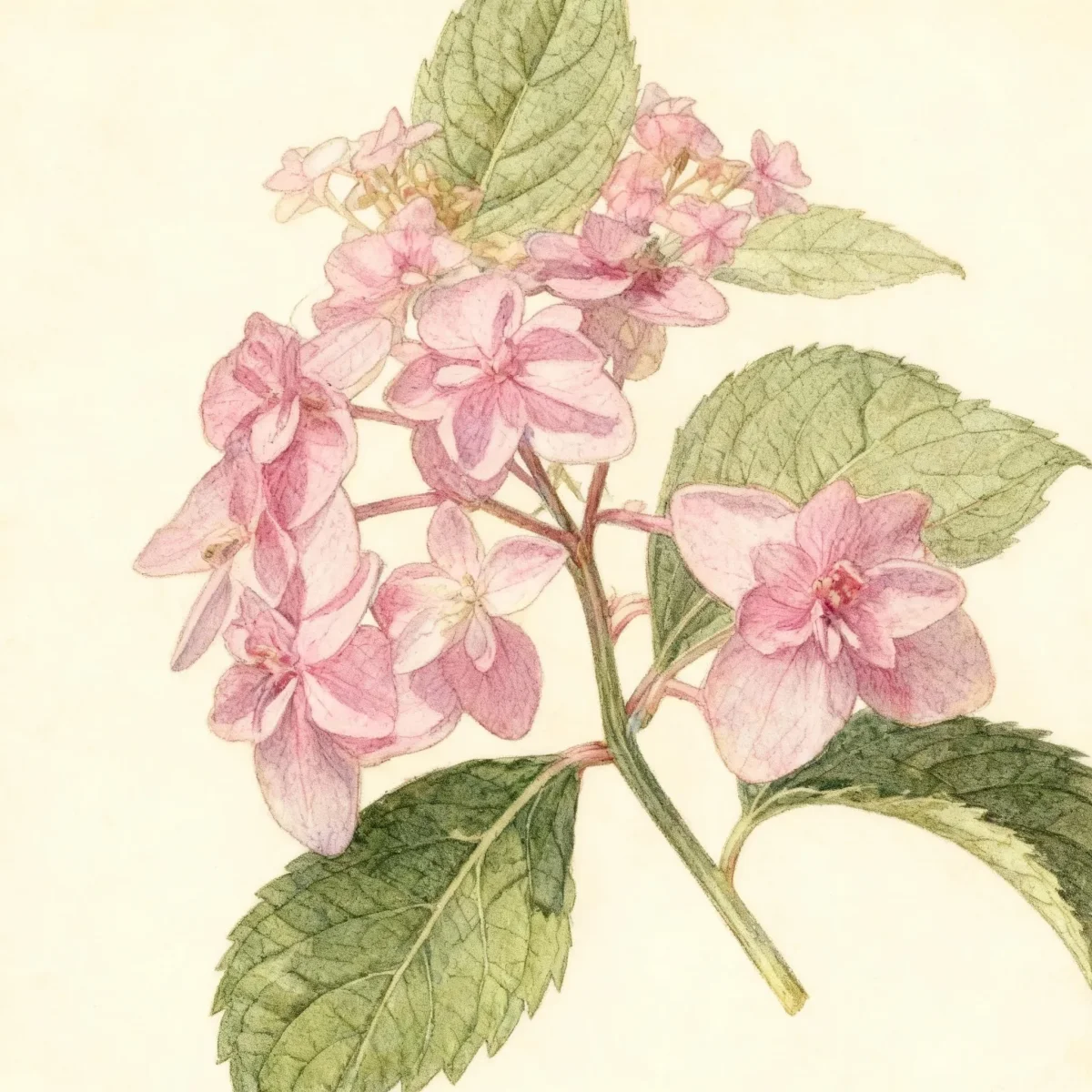
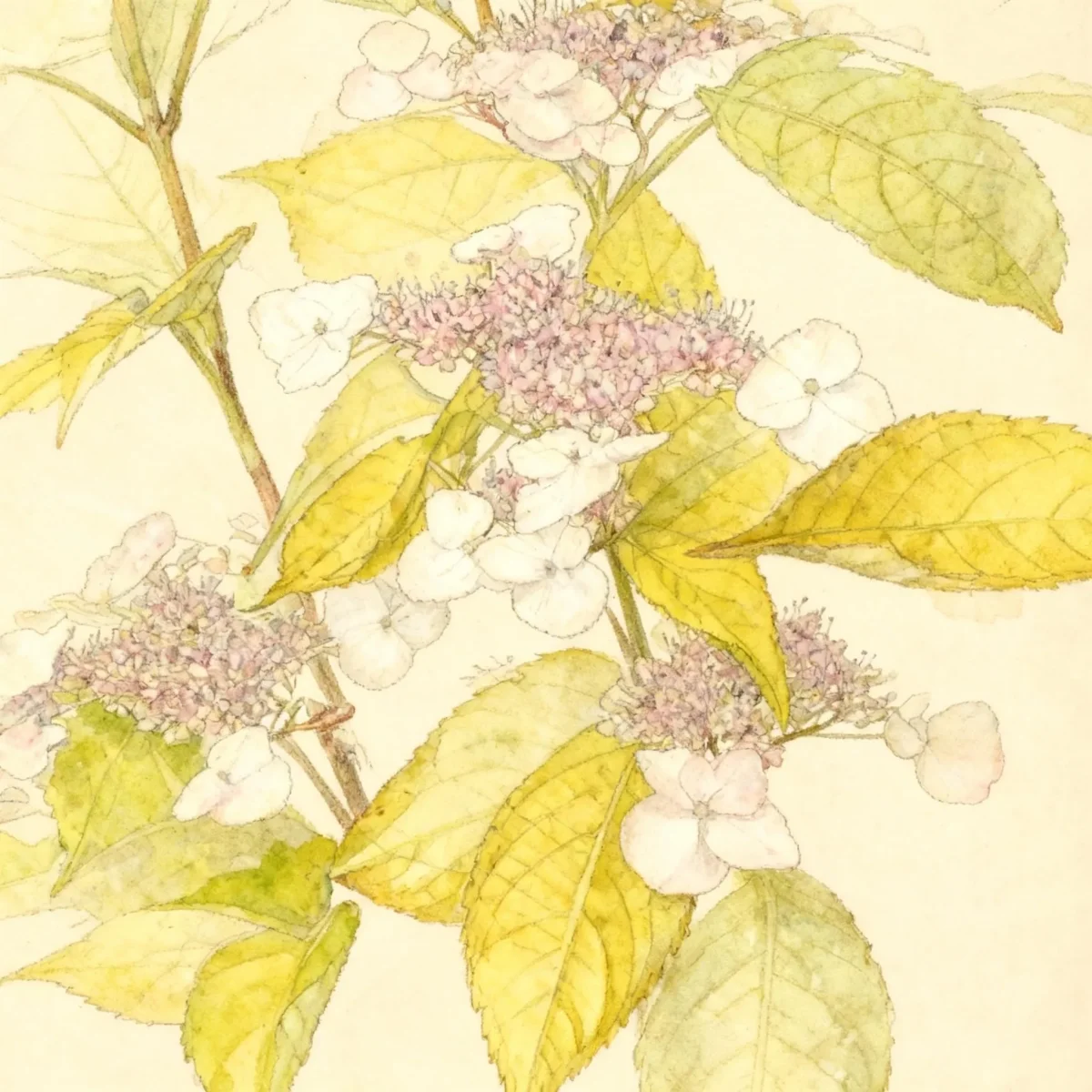
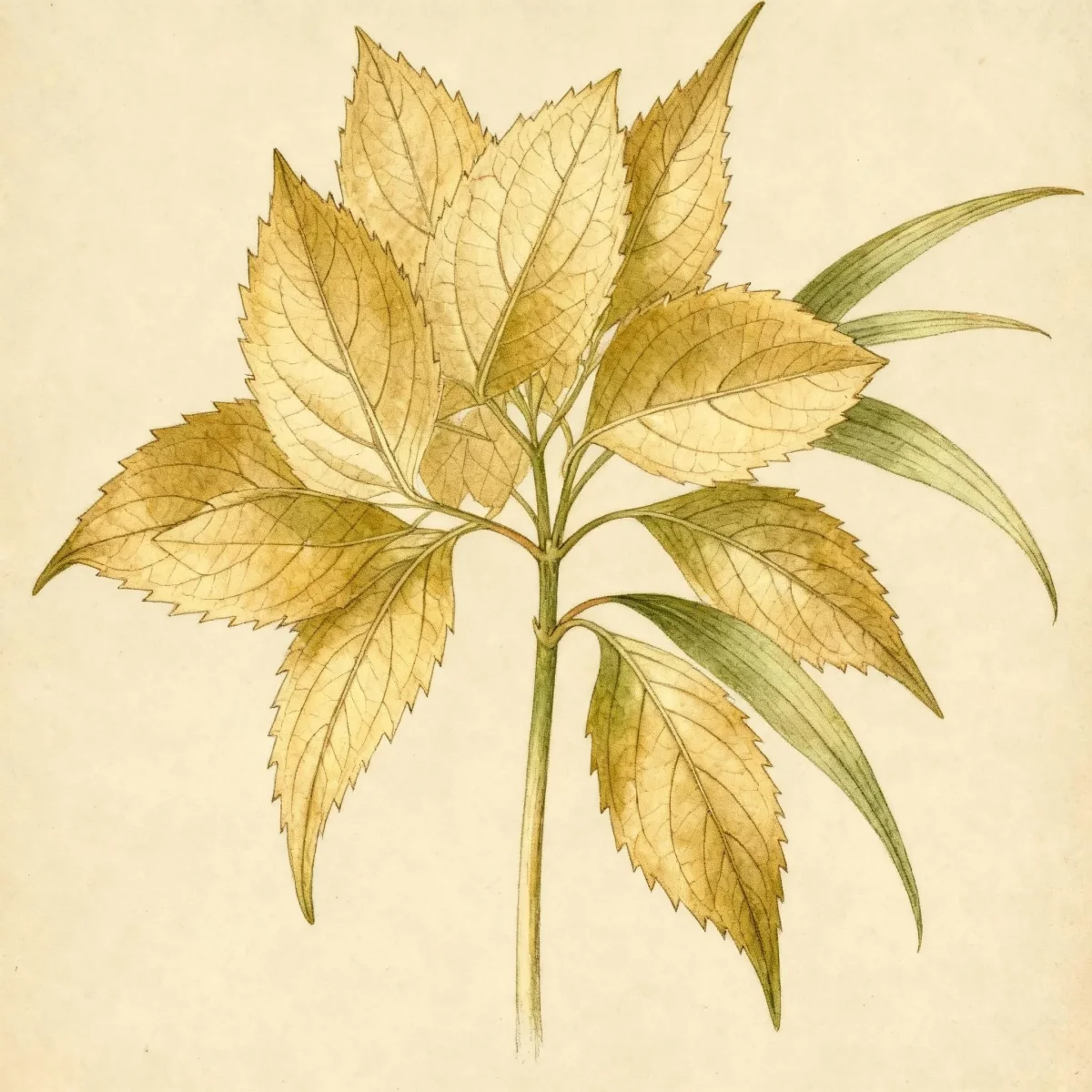
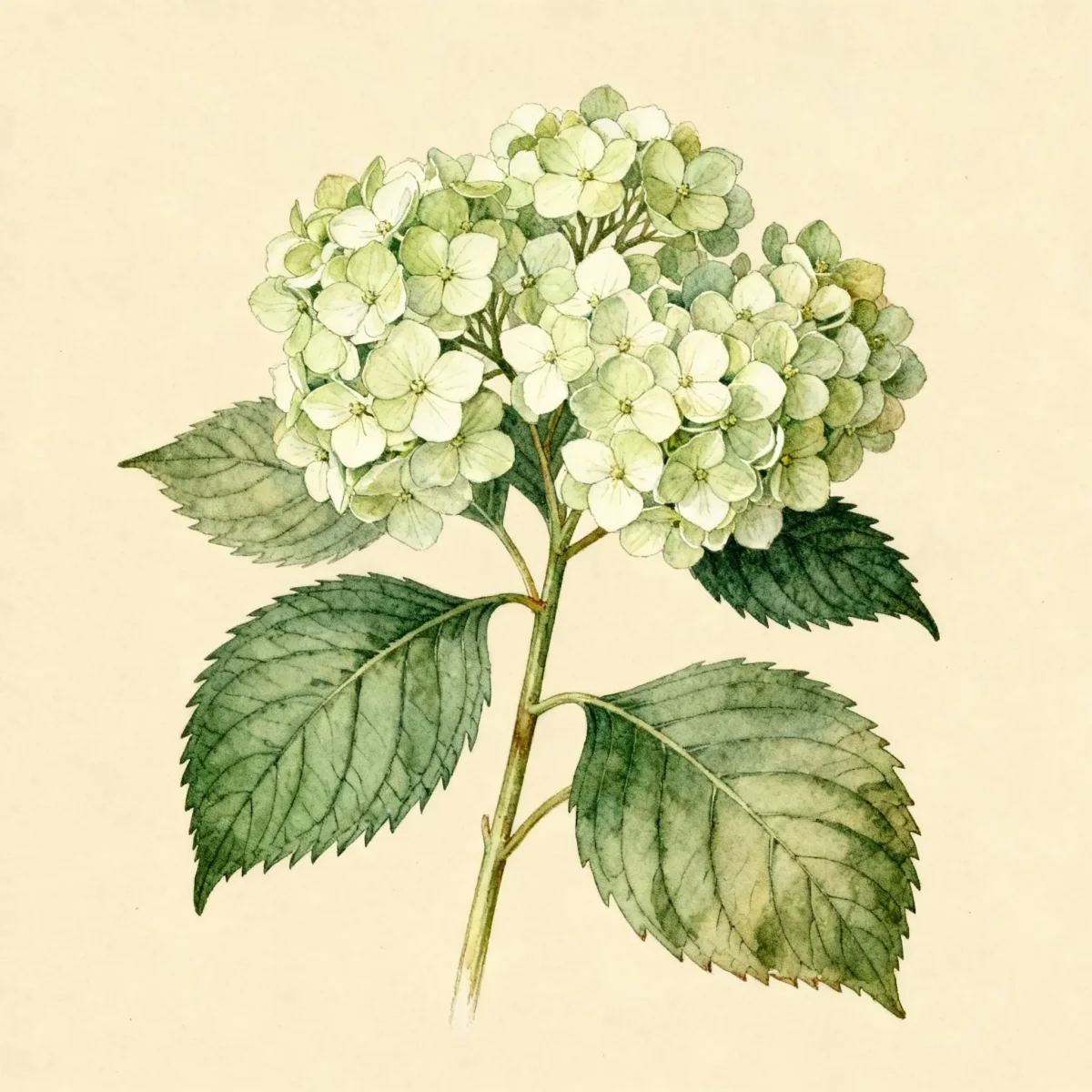
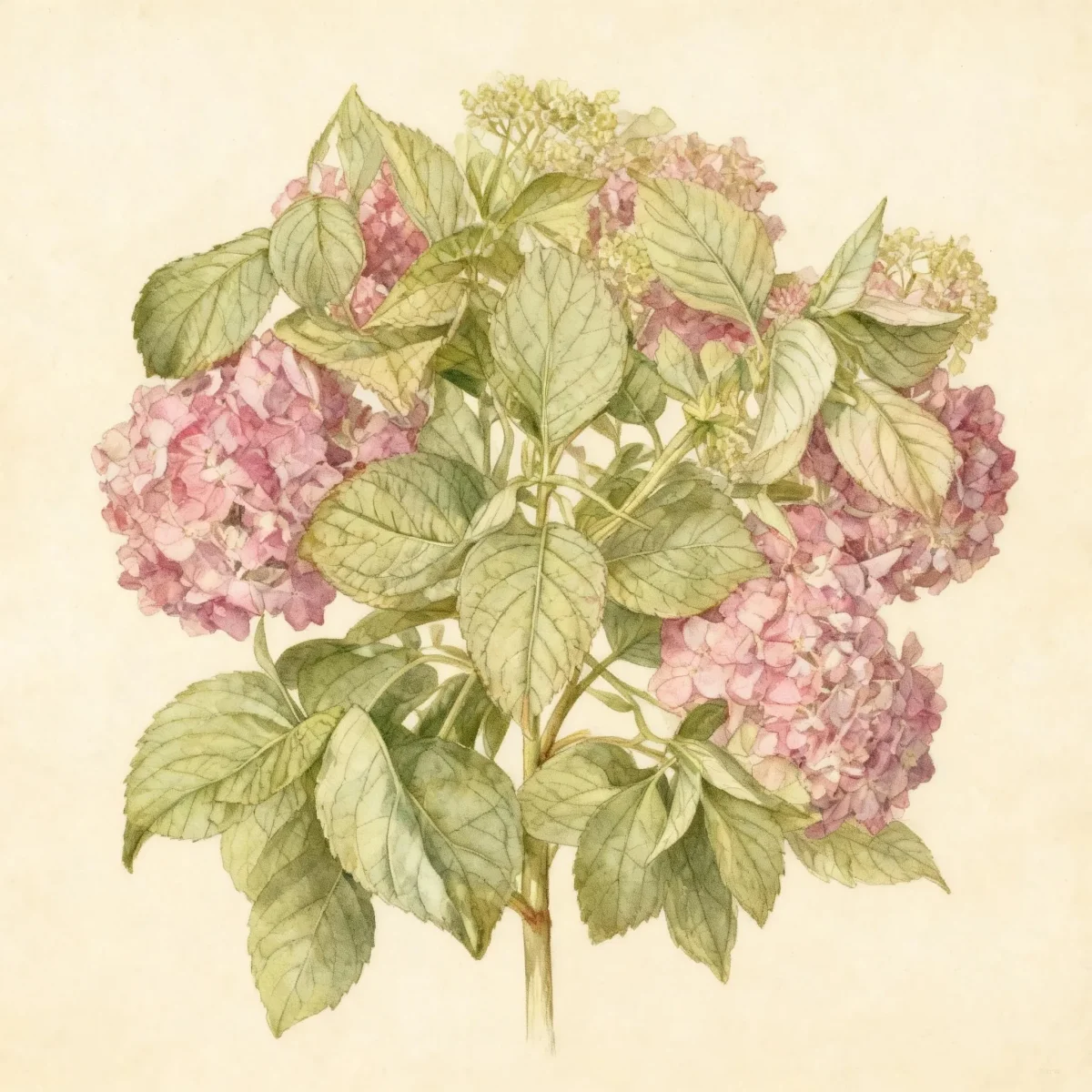
Hydrangea (Hydrangea serrata 'SMNHSDD' TUFF STUFF AH-HA)
Compact Hydrangea serrata 'SMNHSDD' TUFF STUFF AH-HA offers lacecap blooms blending pink/blue hues in part shade zones 5-9.
Scroll down to discover growing tips, care requirements, companion plants, and more
Complete Plant Information
Overview
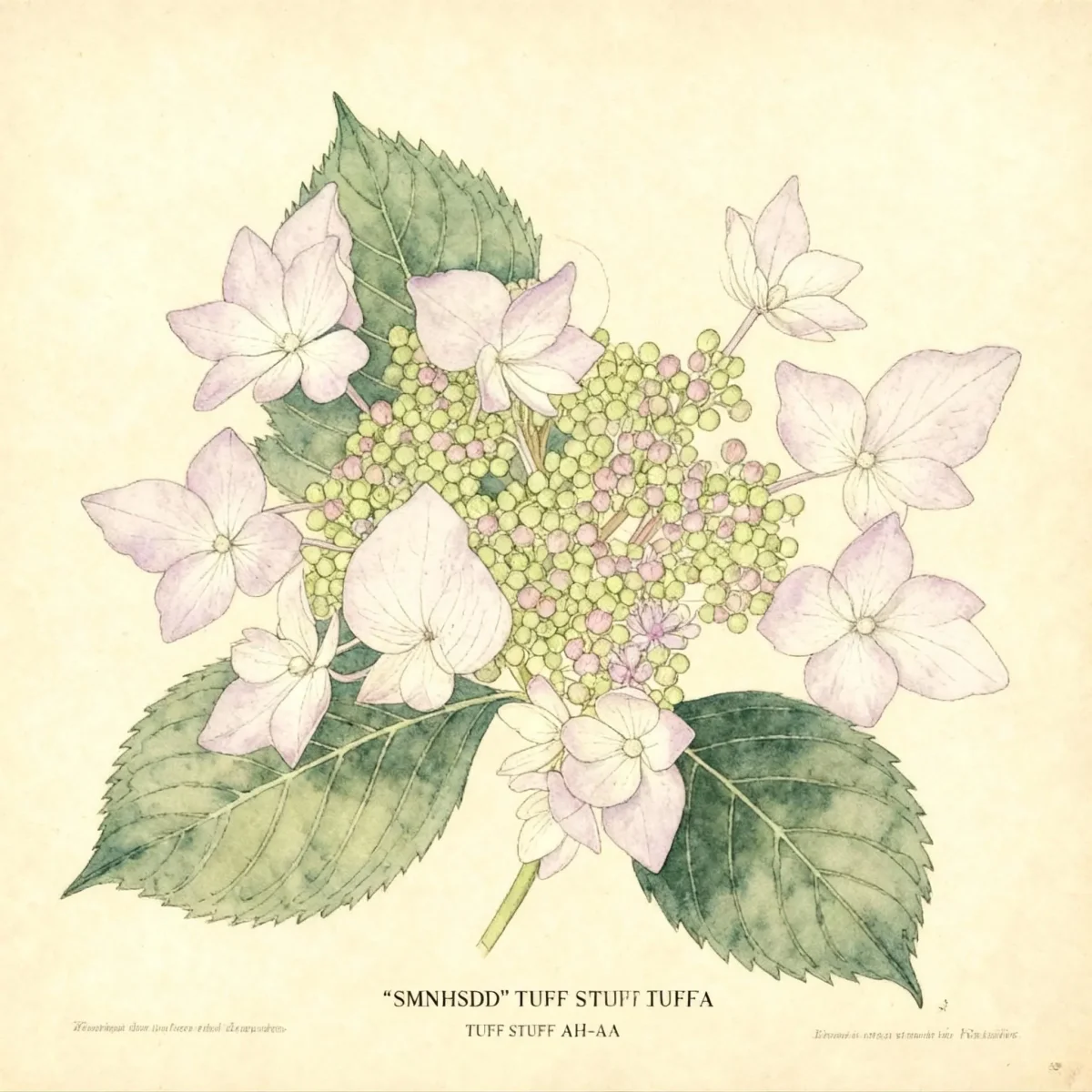
The Hydrangea serrata ‘SMNHSDD’ TUFF STUFF AH-HA, commonly known as a Mountain Hydrangea, is a prized cultivar celebrated for its compact stature and dependable reblooming nature. Unlike some classic Hydrangea varieties, this specific selection offers blooms on both old and new wood, significantly extending the flowering season from early summer well into August. Its lace-cap flowers are particularly engaging, surrounding tiny fertile florets with delicate, star-shaped sterile petals.
This particular Hydrangea cultivar shares many characteristics with the big leaf hydrangea but remains smaller and more manageable, typically reaching heights between 2 to 3 feet. A key feature appealing to many gardeners is the responsiveness of its flower coloration to soil chemistry; you can prompt lilac to pink flowers in neutral or alkaline conditions, or achieve blue blooms in acidic substrates. Hydrangea serrata ‘SMNHSDD’ TUFF STUFF AH-HA provides excellent texture and reliable summer color in partially shaded garden locations.
Fast Facts
- Plant Family: Hydrangeaceae
- Plant Type: Deciduous shrub
- Hardiness Zones: USDA Zones 5-9
- Size at Maturity:
- Height: 2-3 ft
- Spread: 2-3 ft
- Bloom Time: June to August
- Bloom Description: Pink (alkaline soils) Blue (acid soils)
- Sun Exposure: Part shade
- Water Needs: Medium
- Maintenance Level: Medium
How to Grow
Hydrangea serrata ‘SMNHSDD’ TUFF STUFF AH-HA thrives best when planted in rich, well-drained soil that retains consistent, medium moisture. Aim for a location that receives afternoon shade, as this protects the delicate foliage from the harshest summer sun while still allowing morning light. While it tolerates full sun, this requires diligently keeping the soil consistently moist to prevent wilting and stress.
Watering should be regular, especially during dry spells, ensuring the soil never dries out thoroughly. Soil pH management is critical for color control in this Hydrangea; incorporate aluminum sulfate for bluer flowers or lime to encourage pink coloration. Because this robust selection blooms on both old and new wood, pruning needs are minimal.
If pruning is necessary, perform it immediately after flowering concludes by cutting back the spent flowering stems just above a pair of healthy buds. In early spring, focus only on removing any stems that show signs of winter damage or weakness. For gardeners in Zone 5, providing winter protection, such as a layer of mulch or wrapping, is highly recommended to safeguard flower buds against severe cold snaps.
Landscape Uses
This compact Hydrangea excels when grouped or massed to create a continuous block of color and texture within a shrub border. Its manageable size, typically topping out at three feet, makes the Hydrangea serrata ‘SMNHSDD’ TUFF STUFF AH-HA an excellent choice for foundation plantings or softening edges near patios and walkways. It performs beautifully as an accent plant in protected niches near dwelling structures, where it benefits from slight environmental moderation.
Consider pairing this Mountain Hydrangea with shade-loving perennials that appreciate similar moisture levels, such as Astilbe, Hosta, or Japanese Forest Grass (Hakonechloa). Its reliable summer bloom period means it complements spring-flowering shrubs like Azaleas while providing structure before fall-blooming perennials take center stage.
Standout Features
Flower Qualities
- Showy
- Good Cut
- Good Dried
Noteworthy Characteristics
Hydrangea serrata is similar to big leaf hydrangea (H. Macrophylla) except it is a smaller more compact shrub with smaller flowers and leaves. This specific introduction, ‘SMNHSDD’, is noted for its improved cold tolerance and significant reblooming habit, featuring large, 7-inch wide lace-cap inflorescences composed of sterile, double, star-shaped florets. Historically, the leaves of the species were used to make a sweet tea, sometimes leading to the common name “tea of heaven.”
Tolerances
No specific tolerances are listed for this cultivar in the provided data.
Potential Problems
Gardeners should monitor Hydrangea serrata ‘SMNHSDD’ TUFF STUFF AH-HA for sporadic issues like mildew, leaf spot, and bud blight, which can affect the foliage and bloom development. Minor occasional insect pests, primarily aphids, may require spot treatment if populations become high. The primary cultivation challenge, especially in the cooler ends of its range, relates to winter hardiness; harsh winters can cause flower buds to perish, resulting in reduced or absent blooms the subsequent year.
Frequently Asked Questions
What hardiness zones is Hydrangea suitable for?
This Hydrangea serrata ‘SMNHSDD’ TUFF STUFF AH-HA is reliably hardy in USDA Zones 5 through 9, though Zone 5 growers should apply winter protection.
How large does Hydrangea serrata ‘SMNHSDD’ TUFF STUFF AH-HA grow?
This compact deciduous shrub typically matures to a height between 2 and 3 feet, with an equal spread of 2 to 3 feet.
What sun exposure does Hydrangea need?
The ideal location for this Hydrangea is part shade, needing protection from intense afternoon sun exposure.
When does Hydrangea bloom?
Blooms appear reliably from June through August, offering both pink or blue coloration dependent upon soil pH levels.
Conclusion
The Hydrangea serrata ‘SMNHSDD’ TUFF STUFF AH-HA brings exceptional value to the landscape with its reblooming capability and manageable size, ensuring consistent summer interest. Ensure you correctly gauge your soil pH if you seek specific blue or pink hues from this beautiful Hydrangea. Before planting, confirm your location falls within USDA Zones 5-9 and plan sites offering part shade.
Companion Planting
Selecting companions for this Hydrangea involves focusing on plants that share similar requirements for dappled light and consistently moist, rich soil. Good partners include woodland natives or shade-loving perennials that provide contrasting foliage texture, such as ferns or various forms of Heuchera (Coral Bells). Since Hydrangea serrata ‘SMNHSDD’ TUFF STUFF AH-HA is smaller than many common landscape shrubs, planting smaller woodland phlox or spring ephemerals around its base can help disguise any winter die-back on old wood early in the season.
Design Ideas
Leverage the lace-cap blooms of this Hydrangea to add a delicate, airy texture amidst heavier, broader-leafed plants. Use mass plantings of the Hydrangea serrata ‘SMNHSDD’ TUFF STUFF AH-HA as a low, mid-border element, backed by taller evergreens or deciduous trees that can filter the summer sun. Because its flowers dry well, consider planting a few specimens specifically for use in winter arrangements, grouping them near a cutting garden area for easy access.