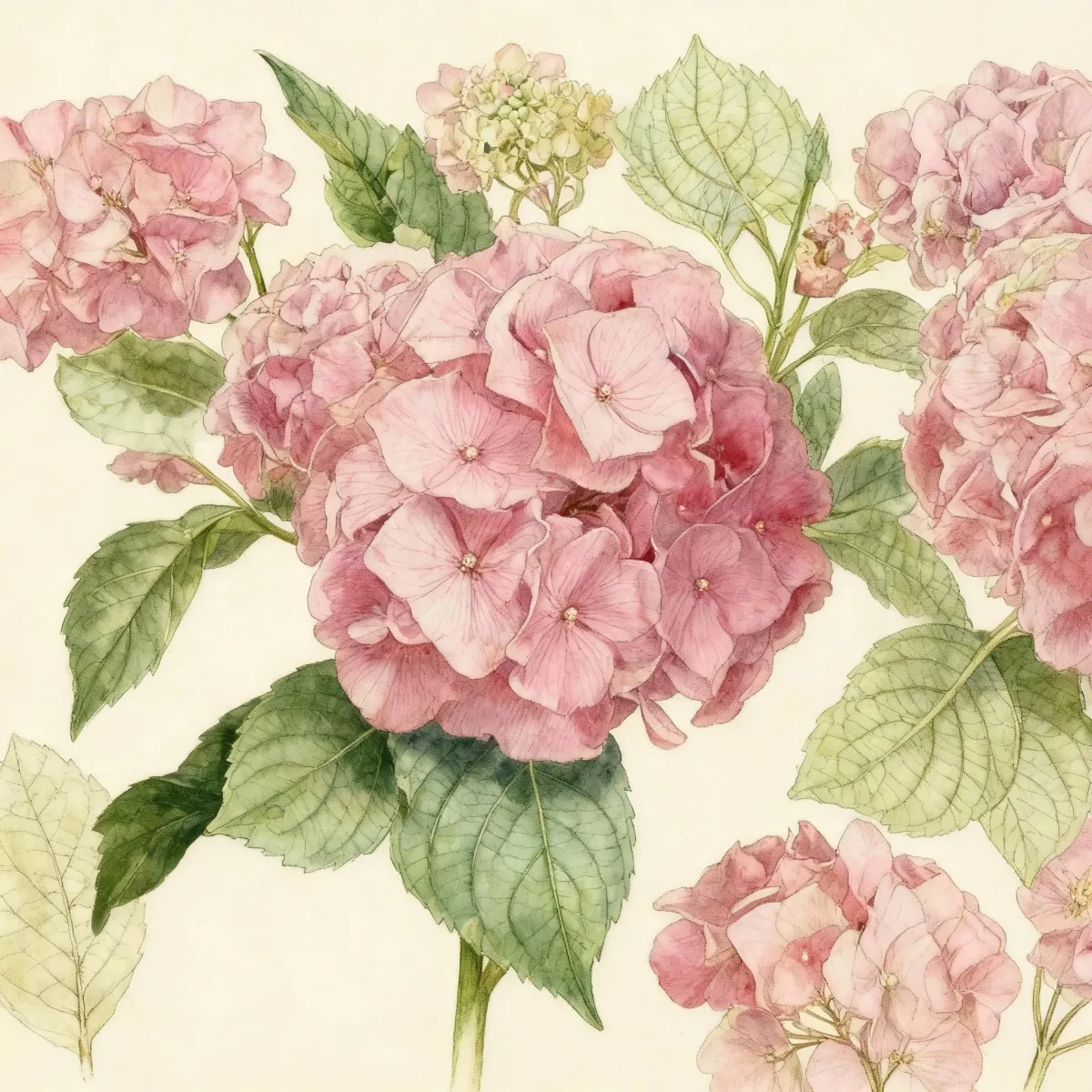
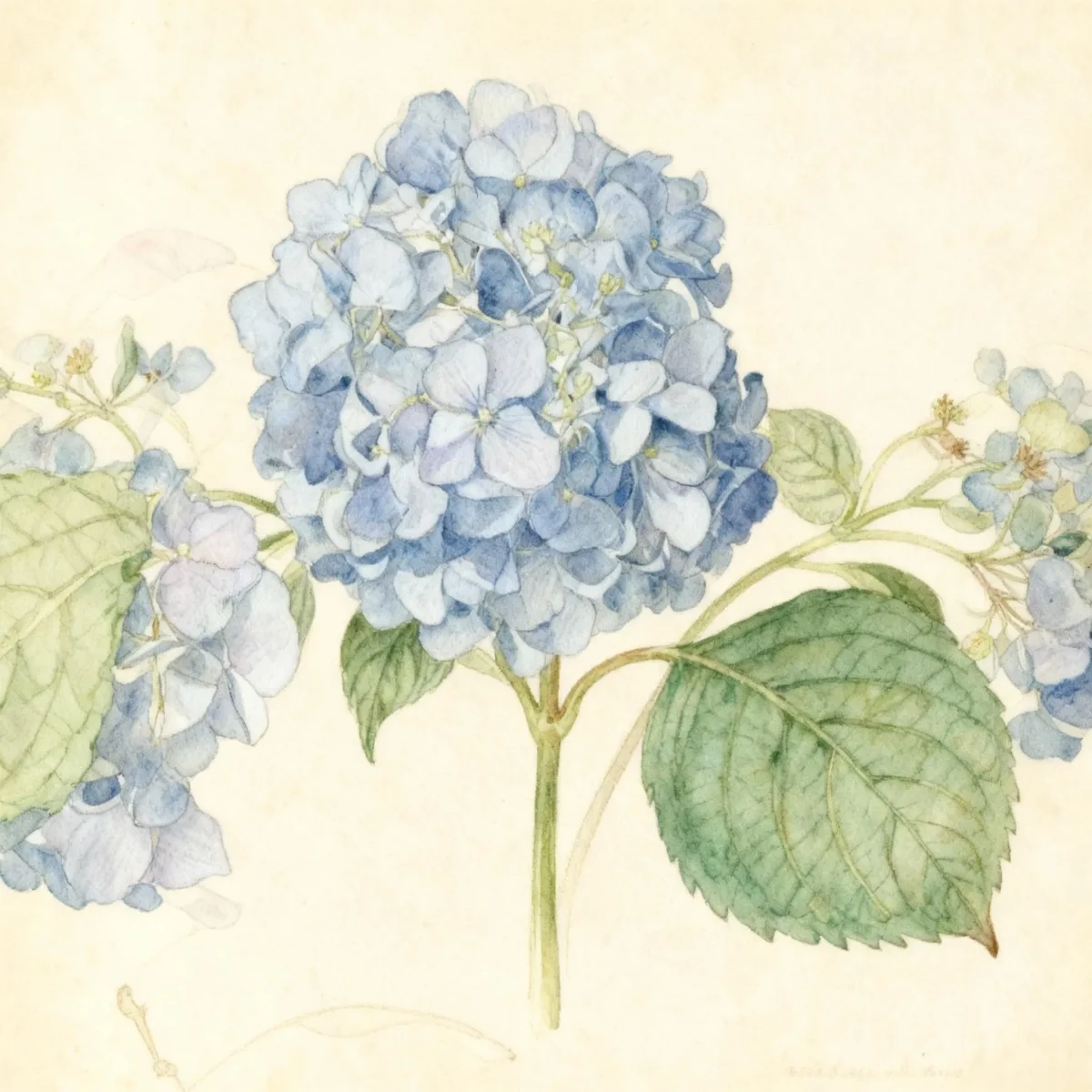
Rough-leaved hydrangea (Hydrangea aspera 'Burgundy Bliss')
Discover Hydrangea aspera 'Burgundy Bliss', a tough Rough-leaved hydrangea reaching 6-8 ft, prized for unique burgundy foliage and pink/mauve lace-cap blooms.
Scroll down to discover growing tips, care requirements, companion plants, and more
Complete Plant Information
Overview
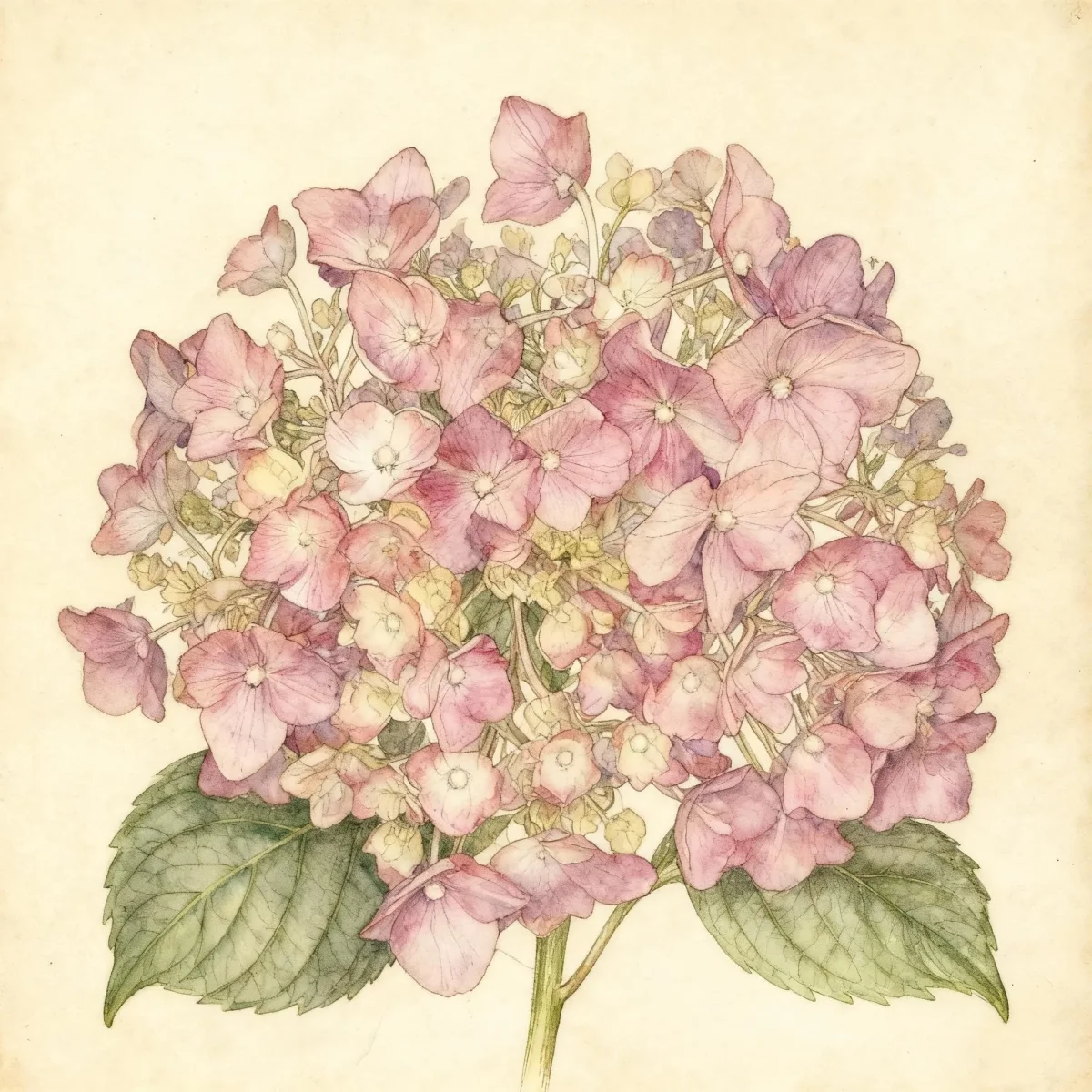
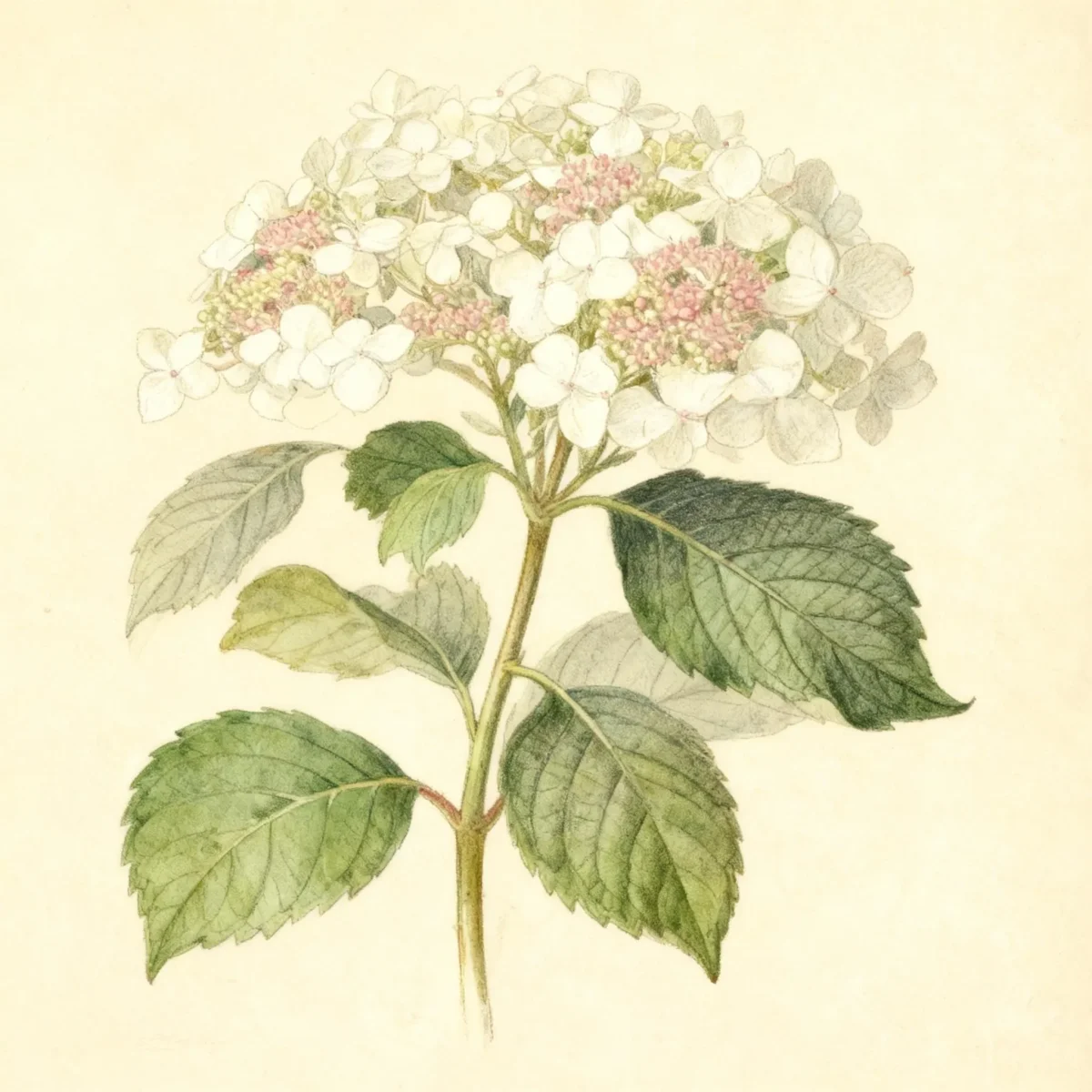
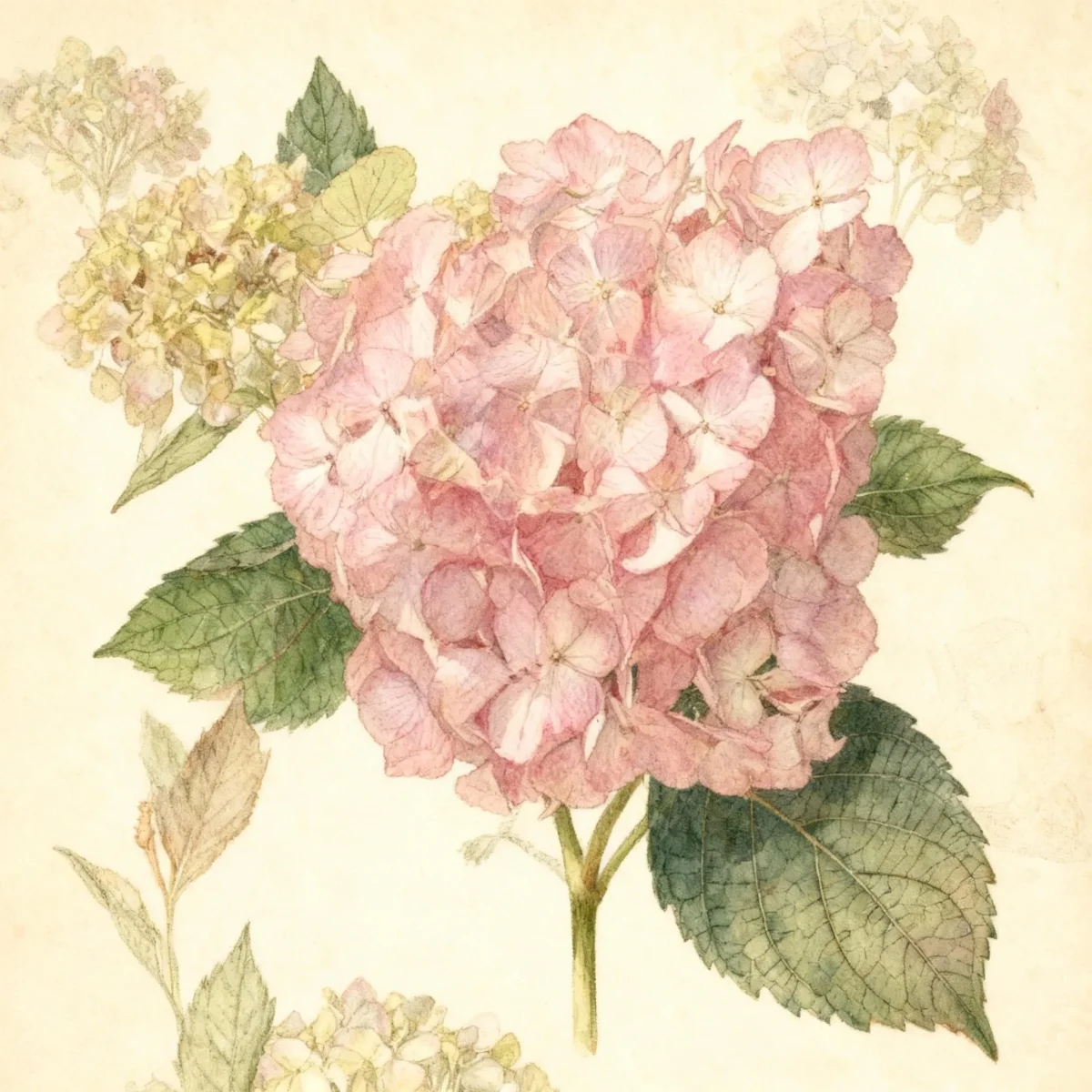
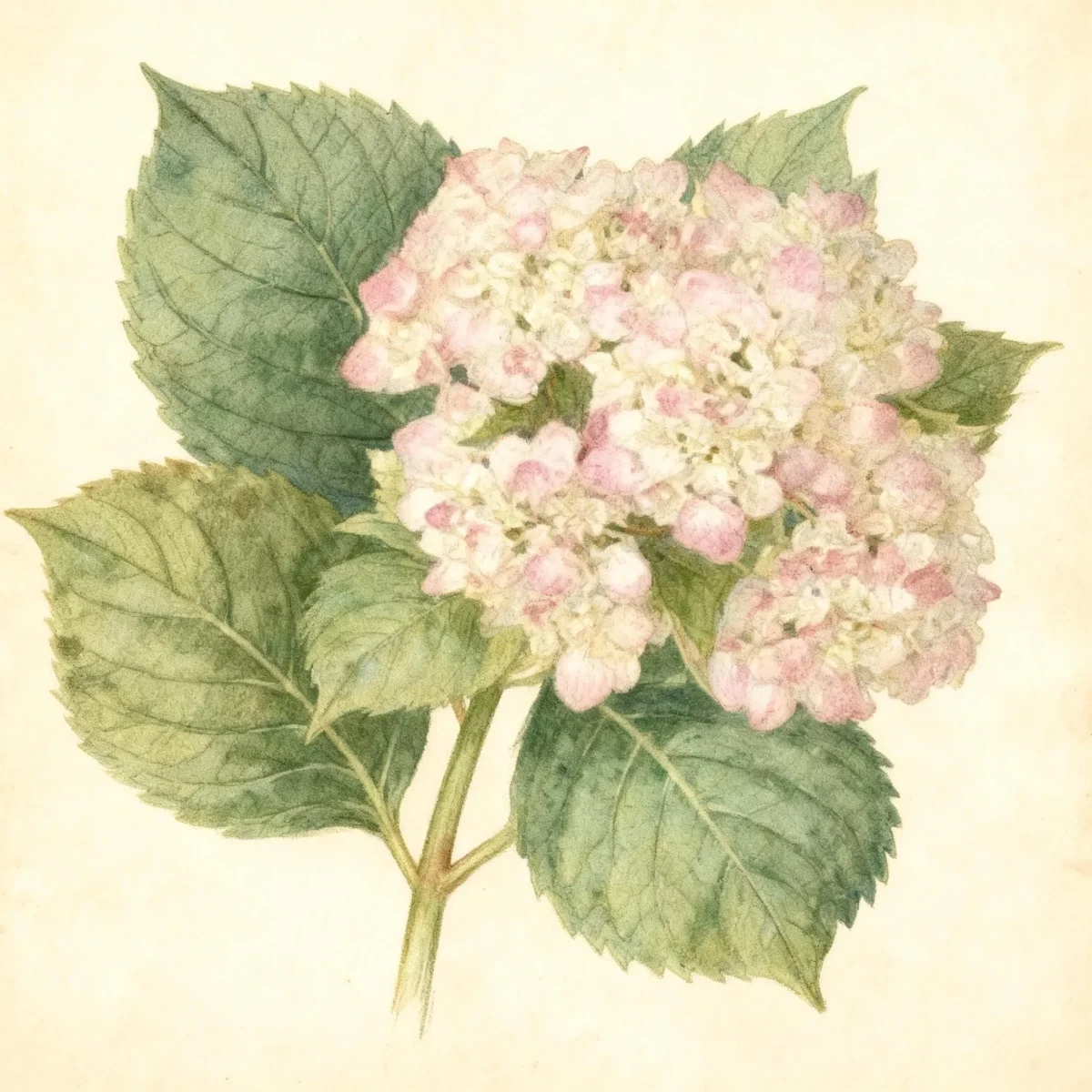
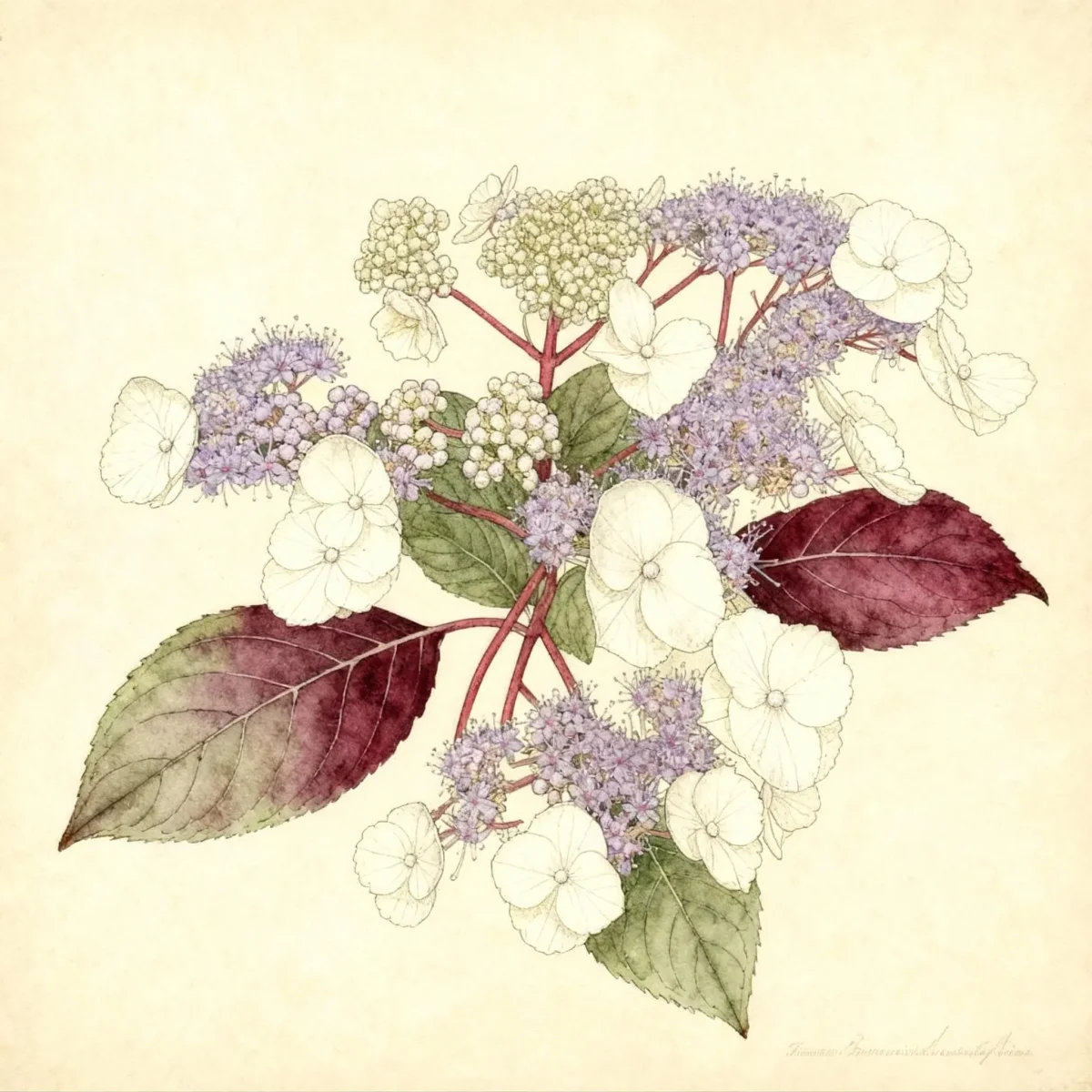
The Rough-leaved hydrangea, specifically the cultivar Hydrangea aspera ‘Burgundy Bliss’, offers a dramatic focal point in shadier garden areas. This deciduous shrub is valued for its textural, hairy foliage, which takes on deep red-purple tones, particularly when young before maturing to dark green above, retaining burgundy beneath. Its late-season bloom display features attractive lace-cap inflorescences with pink to mauve fertile flowers surrounded by showy, pale pink sterile blossoms. Gardeners appreciate Hydrangea aspera ‘Burgundy Bliss’ for its substantial size, reaching up to 8 feet wide and tall, thriving where many other hydrangeas might struggle with intense afternoon heat.
This variety of Hydrangea aspera provides reliable color from July through August, extending the floral interest well into the late summer season. While it possesses the classic charm of the Hydrangea genus, the unique leaf texture—which gives rise to the common name rough-leaved hydrangea—sets it apart. With medium maintenance, this shrub rewards thoughtful placement in sheltered woodland borders or protected locations near patios.
Fast Facts
- Plant Family: Hydrangeaceae
- Plant Type: Deciduous shrub
- Hardiness Zones: USDA Zones 7-9
- Size at Maturity:
- Height: 6-8 ft
- Spread: 6-8 ft
- Bloom Time: July to August
- Bloom Description: Pink to mauve fertile flowers, pale pink sterile flowers
- Sun Exposure: Part shade
- Water Needs: Medium
- Maintenance Level: Medium
How to Grow
Plant Hydrangea aspera ‘Burgundy Bliss’ in the early spring or fall, ensuring it settles into evenly moist, rich, humusy, and well-draining soil. Though this Rough-leaved hydrangea can tolerate a range of conditions, including clay soils, consistent moisture is crucial for robust health and superior flowering. Site your plant where it receives afternoon shade to protect the foliage from scorching; partial shade or dappled sunlight throughout the day are ideal conditions for this cultivar.
Water needs are medium, requiring regular irrigation, especially during dry spells. Avoid letting the soil dry out completely, but ensure any clay soil amendment promotes excellent drainage to prevent root issues. Since flowering occurs on old wood, gardeners must prune sparingly. If pruning is necessary, perform it immediately after flowering by trimming back spent stems to a pair of healthy buds. In early spring, remove any stems that show signs of winter damage or weakness.
The soil pH does not influence bloom color in Hydrangea aspera ‘Burgundy Bliss’, unlike some mophead varieties, allowing you to focus purely on optimizing structure and moisture retention for the best performance of your shrub.
Landscape Uses
The substantial presence of Hydrangea aspera ‘Burgundy Bliss’ makes it an excellent selection for anchoring corners in sheltered parts of the garden. Grouping several shrubs creates a stunning mass planting effect, particularly effective at the edge of a woodland garden where their textural foliage can catch filtered sunlight. This Rough-leaved hydrangea also functions beautifully as a specimen or accent plant, providing rich color and structure near patios or protected home entrances. Pair them with other shade-tolerant plants that appreciate similar moisture levels, such as ferns, hostas, or Japanese forest grass, to create a lush, layered, and deeply textured understory.
Standout Features
Flower Qualities
- Showy
Noteworthy Characteristics
The specific epithet aspera means “rough,” directly referencing the texture of the foliage inherent to this species; the cultivar ‘Burgundy Bliss’ is especially prized for its deep, red-purple new spring growth that transitions to dark green above and remains red-purple underneath. Lace-cap type inflorescences, up to 10 inches wide, display pink to mauve fertile flowers strongly ringed by showy, pale pink sterile flowers, providing late-season interest for the Rough-leaved hydrangea. Mature specimens of Hydrangea aspera ‘Burgundy Bliss’ generally achieve a height and spread between 6 and 8 feet with a pleasing rounded habit.
Tolerances
- Clay Soil
Potential Problems
This plant shows some susceptibility to common fungal issues, including leaf spot and mildew, as well as concerns like bud blight and bacterial wilt. Routine monitoring is necessary, and promptly removing affected foliage helps control spread. Occasional pest issues can include aphids and hydrangea scale; these sap-sucking insects are usually manageable with horticultural oils or targeted insecticidal soap applications early in the season. A significant consideration for growers in marginal zones is winter hardiness; protection may be required if temperatures dip too low outside its established Zone 7-9 range.
Frequently Asked Questions
What hardiness zones is Rough-leaved hydrangea suitable for?
Hydrangea aspera ‘Burgundy Bliss’ is reliably hardy in USDA Zones 7 through 9.
How large does Hydrangea aspera ‘Burgundy Bliss’ grow?
This deciduous shrub typically matures to a height between 6 and 8 feet, with a corresponding spread of 6 to 8 feet.
When does Rough-leaved hydrangea bloom?
This plant delivers its blooms during the mid to late summer months, specifically from July to August.
What sun exposure does Hydrangea aspera ‘Burgundy Bliss’ need?
This species prefers part shade; exposure to intense, hot afternoon sun should always be avoided to prevent leaf scorch.
Conclusion
The textural appeal of the foliage combined with the unique late-summer bloom palette makes Hydrangea aspera ‘Burgundy Bliss’ a standout choice for shaded landscapes. This robust Rough-leaved hydrangea offers reliable size and color where other shrubs might struggle against heat. Before planting, ensure your site offers part shade and consistently moist, well-draining soil to maximize the stunning performance of this cultivar.
Companion Planting
Selecting appropriate companions is key to creating a successful woodland garden aesthetic that matches the cultural needs of Hydrangea aspera ‘Burgundy Bliss’. Because this shrub requires consistently moist, rich soil and protection from harsh afternoon sun, group it near plants that share these preferences. Excellent pairings include large-leaved Hostas, which provide contrasting textures and colors beneath the canopy of the hydrangea. Similarly, evergreen groundcovers like Hakonechloa macra (Japanese Forest Grass) or various shade-loving ferns add softness and help maintain a cool, humid microclimate around the roots of the Rough-leaved hydrangea.
Design Ideas for Shady Borders
Utilize the substantial size of Hydrangea aspera ‘Burgundy Bliss’ to create a backdrop or middle layer in a mixed shrub border. Its large size (up to 8 feet spread) makes it ideal for screening less attractive utility areas or defining the transition point between a lawn and a wooded area. To emphasize the burgundy tones in the foliage, consider contrasting it with chartreuse or bright silver-foliaged plants positioned in front. For a truly dramatic effect, use the shrub near a water feature, allowing the dappled light to highlight the hairy texture of the leaves and draw attention to the pale pink sterile flowers in late summer.