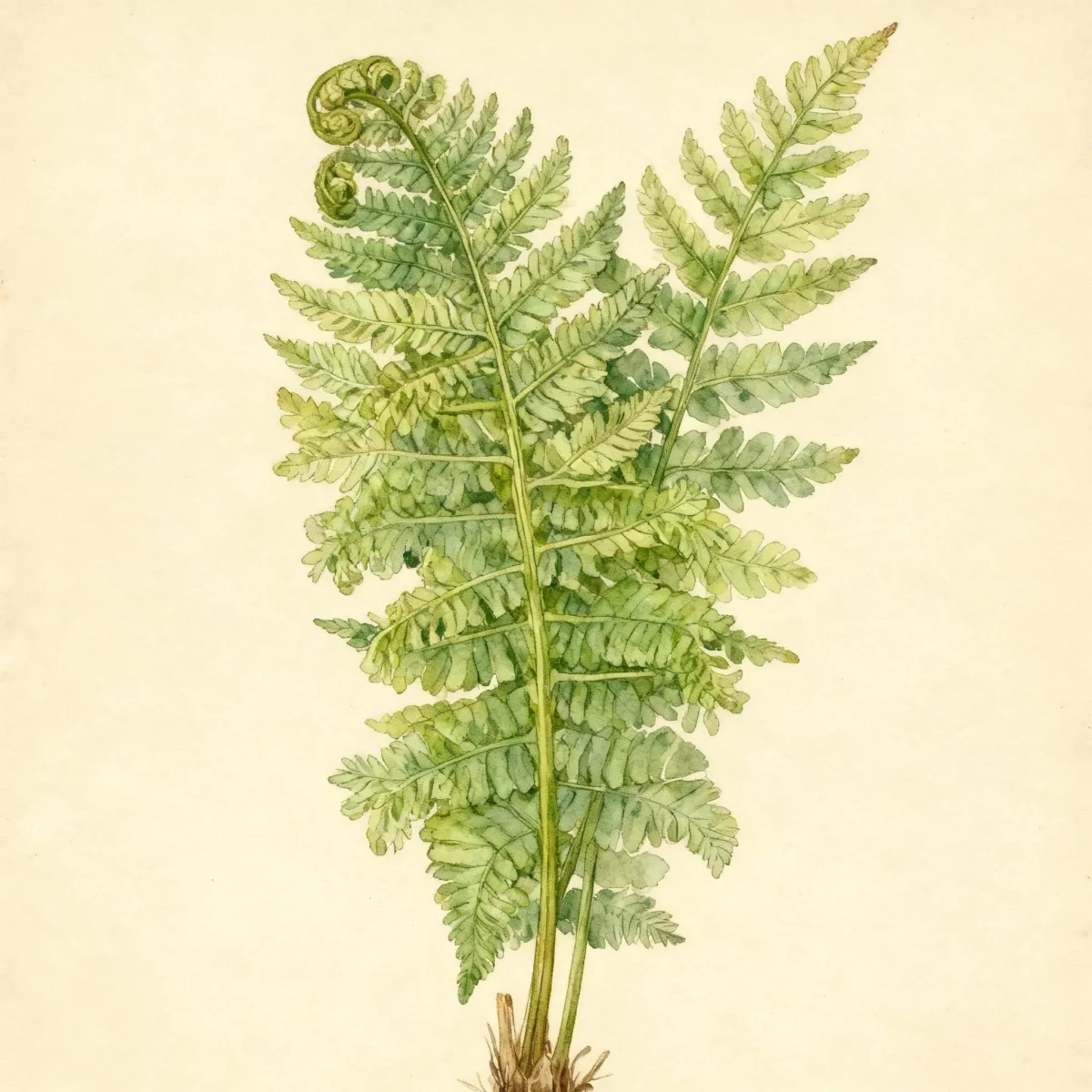
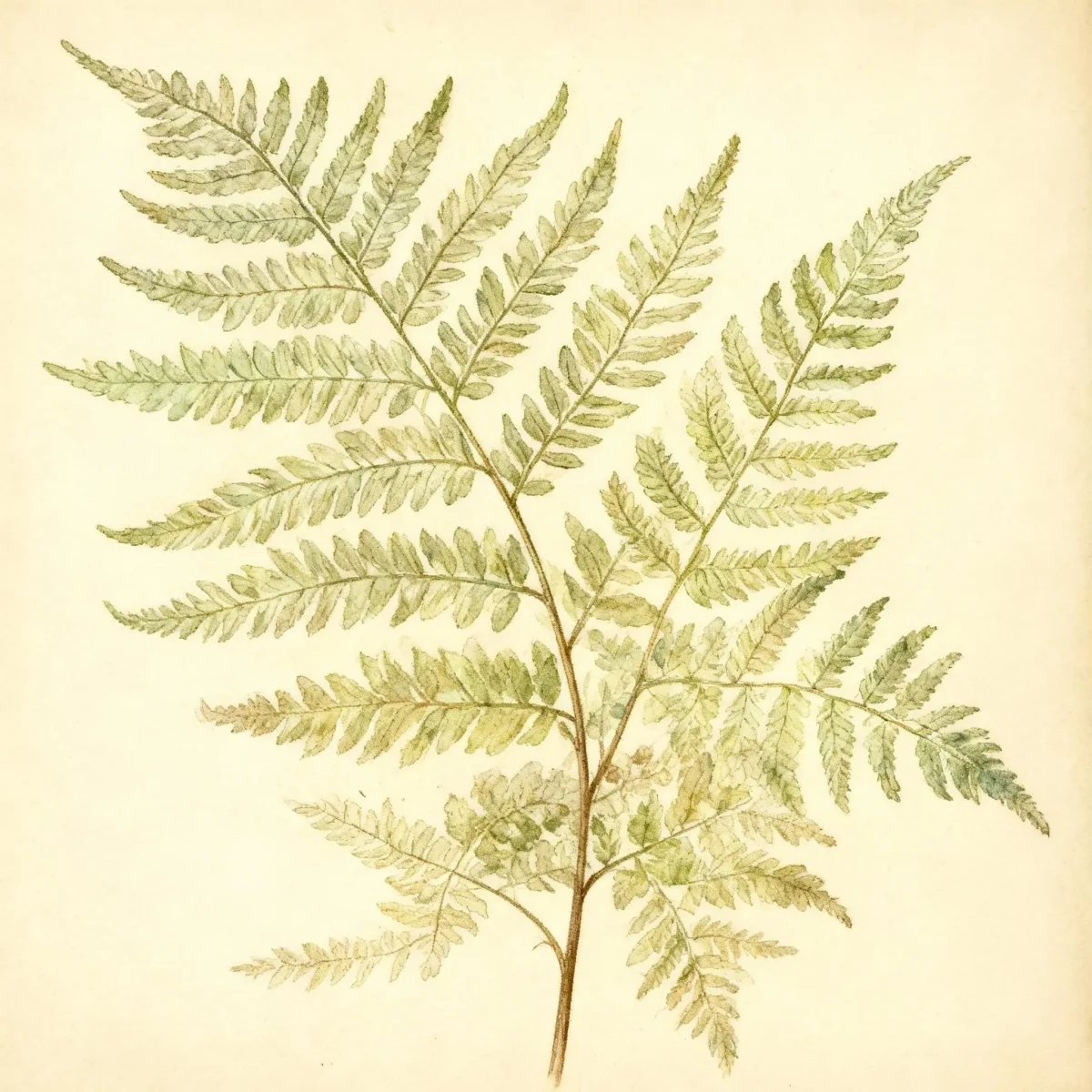
Japanese painted fern (Athyrium niponicum 'Crested Surf')
Discover Athyrium niponicum 'Crested Surf', a unique Japanese painted fern known for its crested fronds and silver coloration. Ideal for deep shade.
Scroll down to discover growing tips, care requirements, companion plants, and more
Complete Plant Information
Overview
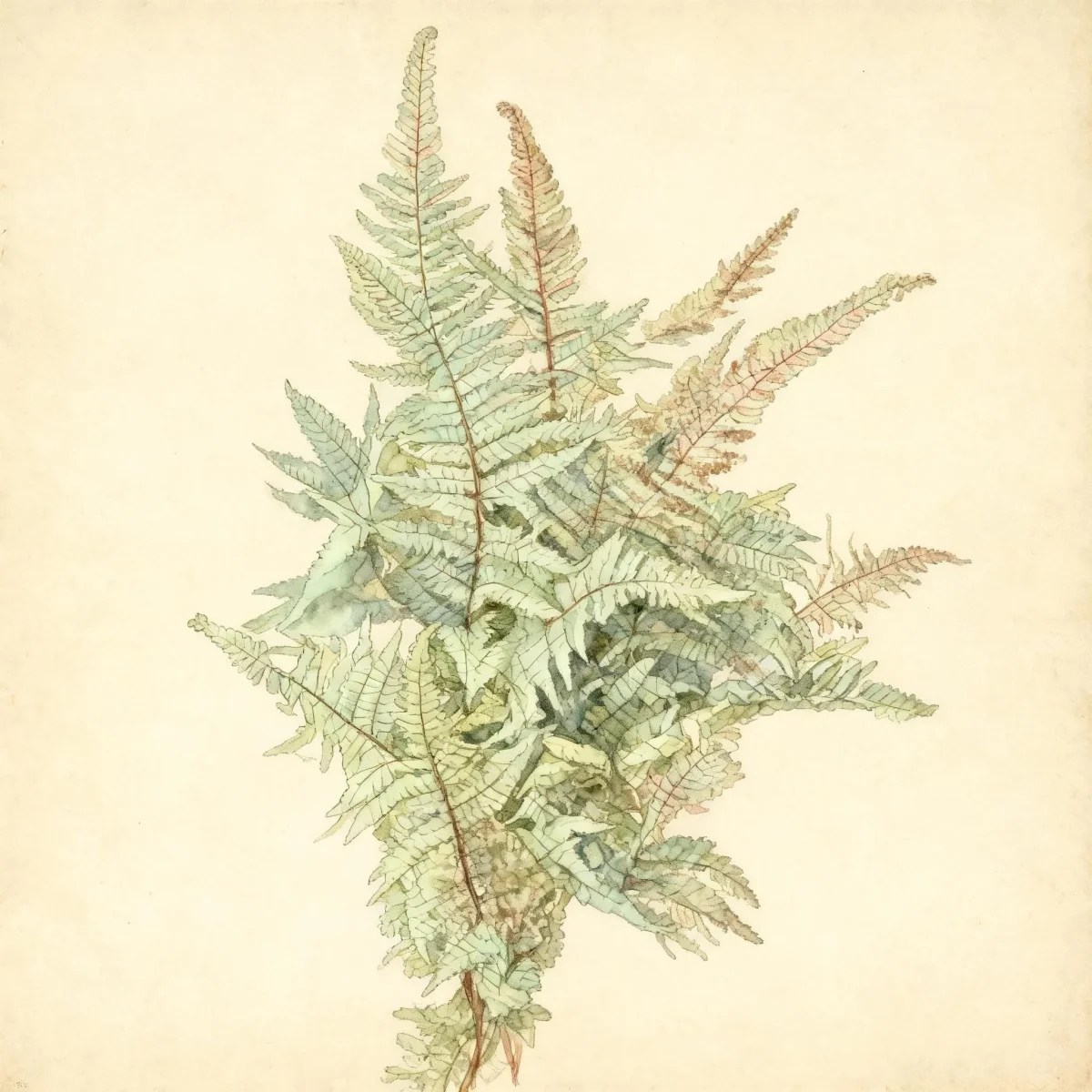
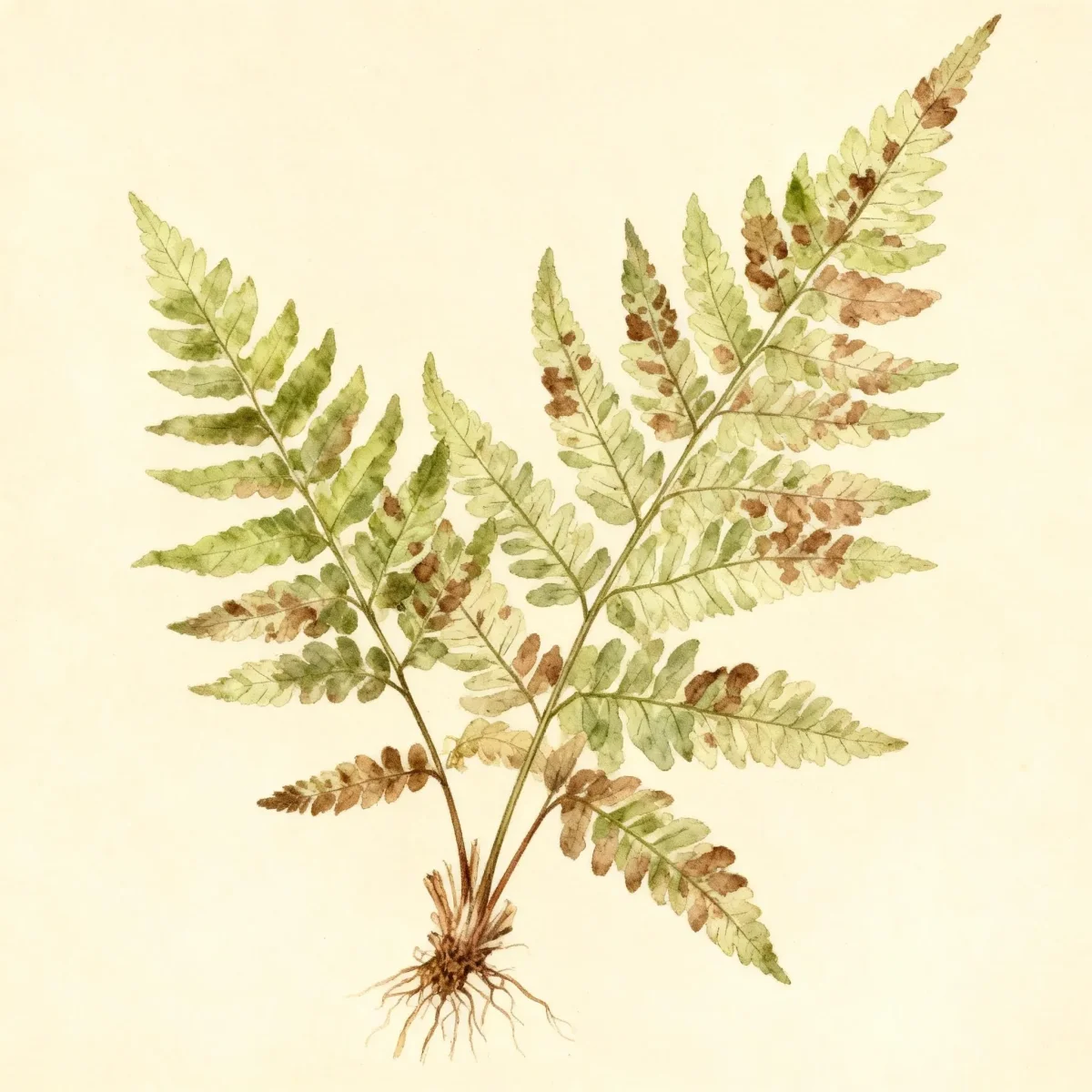
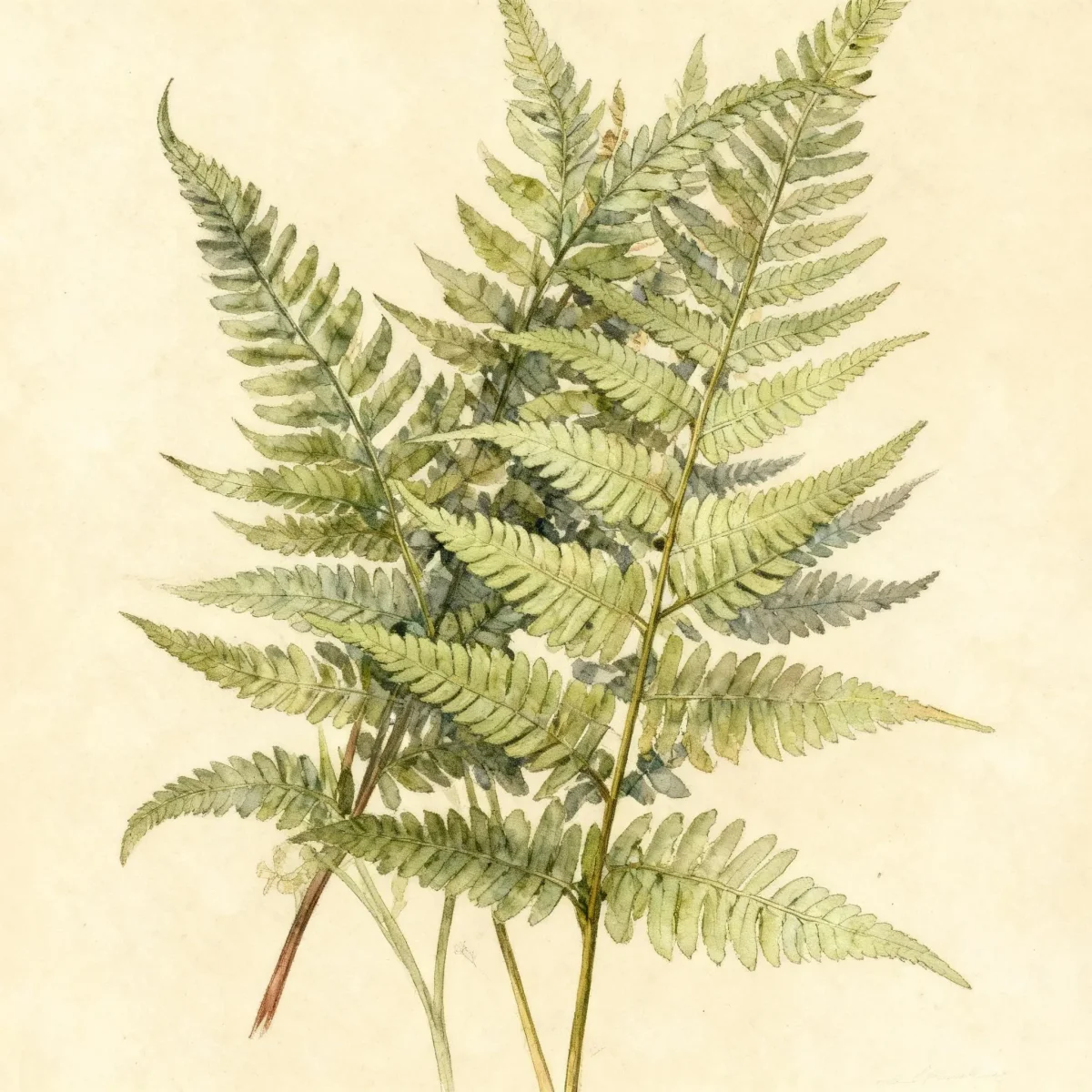
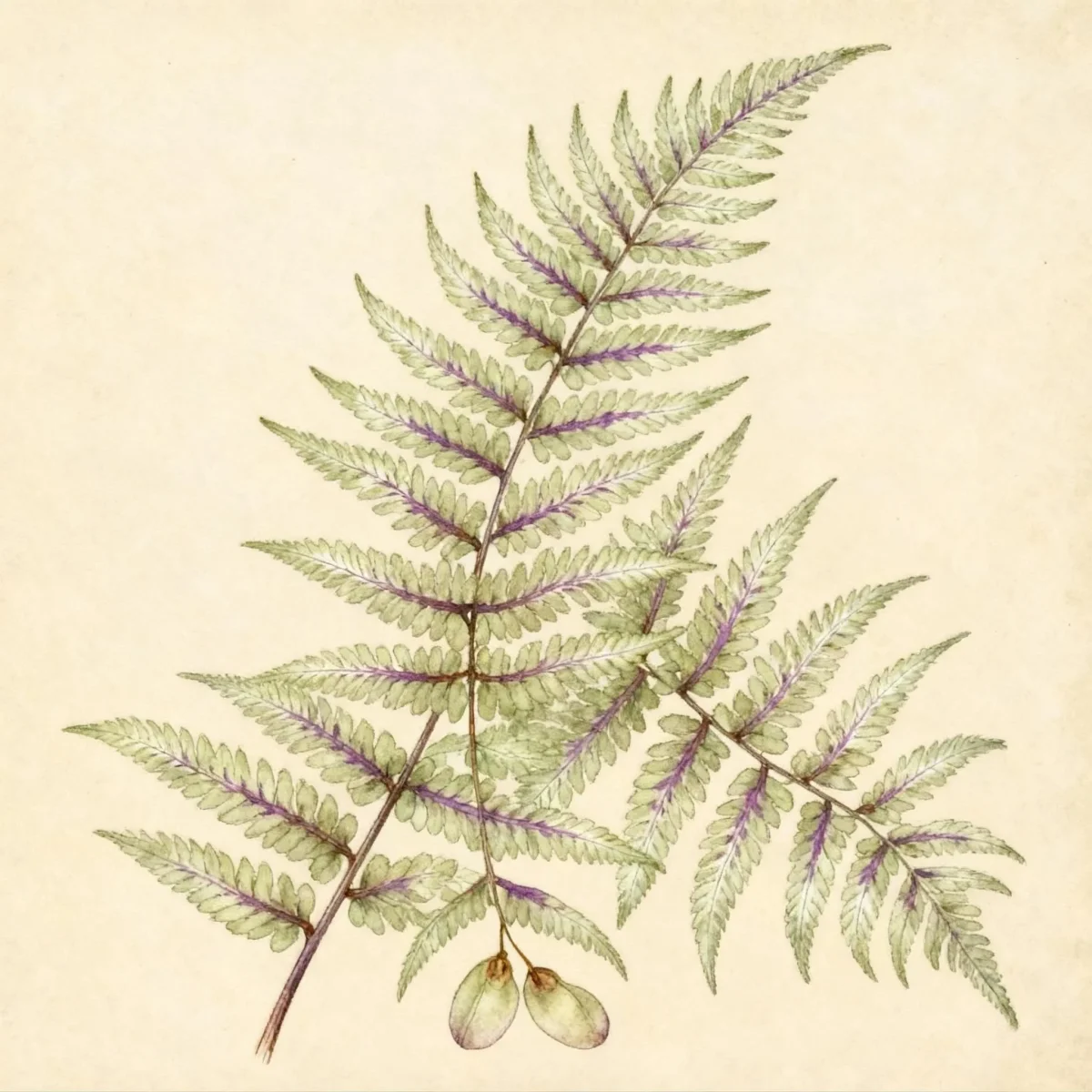
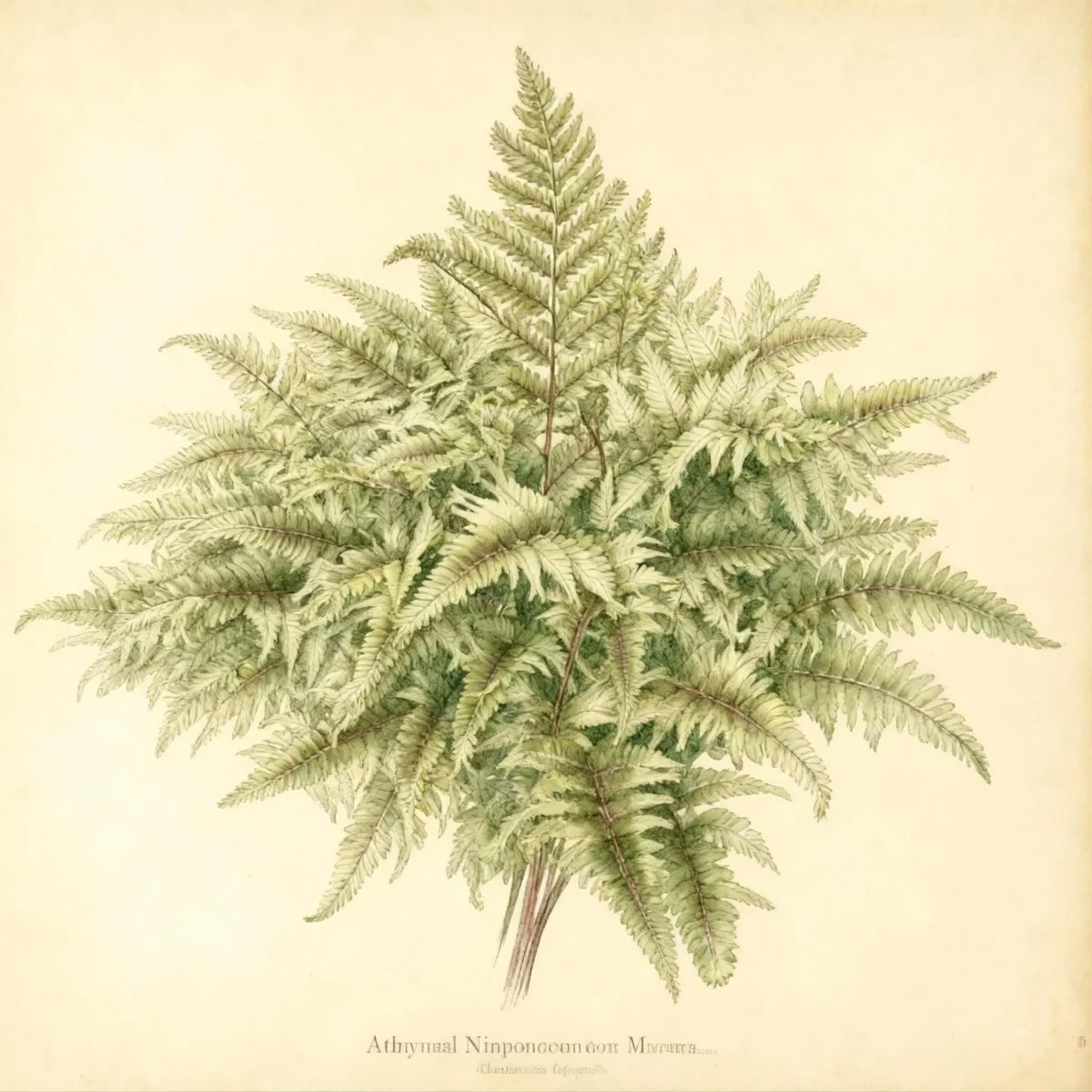
Athyrium niponicum ‘Crested Surf’, often called the Japanese painted fern, stands out in the shade garden due to its distinct, silvery-green foliage accented by burgundy midribs. This specific cultivar is highly sought after because its frond tips exhibit a unique, doubly branched or crested appearance, setting it apart from the standard painted fern. It offers durable, colorful texture, thriving where many other foliage perennials struggle.
This rhizomatous, deciduous fern forms an attractive, arching clump that slowly naturalizes in ideal, moist conditions. The rich, variegated color palette of the Japanese painted fern brings light into dark corners of the landscape. With low maintenance needs and excellent tolerance for deep shade, Athyrium niponicum ‘Crested Surf’ is a foundational plant for woodland and shaded border designs.
Fast Facts
- Plant Family: Athyriaceae
- Plant Type: Fern
- Hardiness Zones: USDA Zones 3-8
- Size at Maturity:
- Height: 1.75-2 ft
- Spread: 2-2.5 ft
- Bloom Time: Non-flowering
- Bloom Description: Non-flowering
- Sun Exposure: Part shade to full shade
- Water Needs: Medium
- Maintenance Level: Low
How to Grow
Planting the Japanese painted fern is best done in early spring or fall when soil temperatures are moderate. Select a location that provides humusy, organically rich, moist, and well-drained soil. Proper siting is crucial; ensure the location offers part shade to full shade, as direct, intense sun will scorch the delicate fronds of Athyrium niponicum ‘Crested Surf’.
Consistent moisture management is essential for the health of this fern. The soil must never be allowed to dry out; aim for continuous dampness, which reflects its natural woodland habitat. While fertilizing is rarely necessary if the soil is organically rich, a single application of balanced, slow-release fertilizer in spring can encourage vigorous growth of the unique crested fronds.
Protecting your fern from harsh elements is key to its long-term success. Best sites are those sheltered from strong winds, which can damage the foliage. This plant naturally spreads slowly via branching rhizomes, forming colonies over time in optimal conditions. Minimal cleanup is required; simply remove any completely tattered or dead fronds in early spring just as new growth emerges, keeping maintenance extremely low.
Landscape Uses
The architectural structure and cool coloration of the Japanese painted fern make it an exceptional textural contrast against broad-leafed shade plants. Utilize these ferns in woodland gardens where their color mimics dappled sunlight filtering through the canopy. They are perfect for softening the edges of shaded border fronts, adding depth where grass-like plants might appear too fine.
Athyrium niponicum ‘Crested Surf’ excels alongside plants that prefer similar cool, moist environments, such as Hosta, Brunnera macrophylla, and Tiarella (Foamflower). Considering their spreading habit, they are effective when used as a lush groundcover beneath mature trees or along the shaded banks of water features, where the moisture loving nature of the fern is naturally satisfied.
Standout Features
Noteworthy Characteristics
Athyrium niponicum is a rhizomatous, deciduous fern with an arching habit that typically grows to 20” tall. It features a slowly spreading clump of bipinnate, medium green fronds with oval to lance-shaped toothed leaflets. Midribs and pinnae bases are tinged with red. Genus name comes from Greek athyros meaning “doorless” in reference to the slowly opening hinged indusia (spore covers). Specific epithet means Japanese. ‘Crested Surf’ is a selection of Japanese painted fern that features doubly branched or crested frond tips. Mature clumps are slightly larger than the species, reaching up to 2’ tall and spreading to fill a 2.5’ area. The leaflets are tinged with red and silver.
Tolerances
- Rabbit
- Heavy Shade
Potential Problems
The Japanese painted fern is generally robust, suffering from no serious insect or disease problems under optimal conditions. This pest resistance is a significant advantage, particularly since rabbits tend to avoid this plant completely, unlike many other shade garden inhabitants. The primary concern revolves around environmental stress rather than pests.
Failure to maintain consistent soil moisture is the most common cause of decline. If the soil dries out, the fronds will quickly brown and crisp at the edges, diminishing the beauty of the Athyrium niponicum ‘Crested Surf’ effect. Ensure adequate watering during dry spells to maintain the medium water needs required for this lush foliage plant.
Frequently Asked Questions
What hardiness zones is Japanese painted fern suitable for?
The Athyrium niponicum ‘Crested Surf’ is generally hardy and adaptable, succeeding best in USDA Zones 3 through 8. Always confirm your local zone before planting outside these parameters.
How large does Japanese painted fern grow?
This variety of Japanese painted fern typically reaches a mature height between 1.75 feet to 2 feet tall, spreading out to cover an area between 2 feet and 2.5 feet wide.
What sun exposure does Athyrium niponicum ‘Crested Surf’ need?
For best coloration and health, ensure Athyrium niponicum ‘Crested Surf’ receives protection in the form of part shade to full shade. Harsh afternoon sun should be avoided.
When does Japanese painted fern bloom?
As a fern species grown for its foliage, the Japanese painted fern is non-flowering, meaning it will not produce traditional blooms or fruit.
Conclusion
For gardeners seeking reliable, year-round texture and color in dim spaces, the uniquely crested foliage of Athyrium niponicum ‘Crested Surf’ makes it an irreplaceable asset. This low-maintenance Japanese painted fern rewards modest care with superior aesthetic appeal. Before installing, verify that you can meet its requirement for consistently moist, rich soil and appropriate shade coverage in your planting area.
Companion Planting
When planning your shade garden layout, selecting companions that share the cultural needs of the Japanese painted fern enhances the overall design. Look for other low-growing perennials that thrive in humus-rich, moist soil without high light requirements. Hostas with solid green leaves provide an excellent backdrop that makes the contrasting silver and red tones of the Athyrium niponicum ‘Crested Surf’ pop visually.
Consider using smaller, delicate groundcovers like creeping Jenny (Lysimachia nummularia ‘Aurea’) sparingly near borders to complement the arching habit of the fern. Alternatively, upward-thrusting vertical elements, such as Japanese forest grass (Hakonechloa macra), create dynamic contrast against the spreading clump of the painted fern.
Seasonal Care Calendar
Spring: This is the ideal time for spring cleanup. Remove any lingering tattered foliage from the previous season just as new fiddleheads begin to unfurl. If needed, amend the soil with compost to replenish organic matter, supporting the medium water needs of the fern.
Summer: Focus strictly on moisture management during dry periods. Keep the soil consistently moist; never allow the root zone to dry out completely to prevent leaf scorch. Minimal pruning is required unless heavy shade necessitates removing overly dense inner growth for better air circulation.
Fall & Winter: As a deciduous fern, the foliage will die back naturally with the first hard frosts. There is no need for major winter preparation other than ensuring a good layer of mulch is applied over the root zone before the ground freezes solid. This helps moderate soil temperature fluctuations for the rhizomes.