Clematis (Clematis 'Vanso' BLUE LIGHT)
Discover Clematis 'Vanso' BLUE LIGHT, a stunning vine with double blue-violet flowers, perfect for zones 4-8.
Scroll down to discover growing tips, care requirements, companion plants, and more
Complete Plant Information
Overview
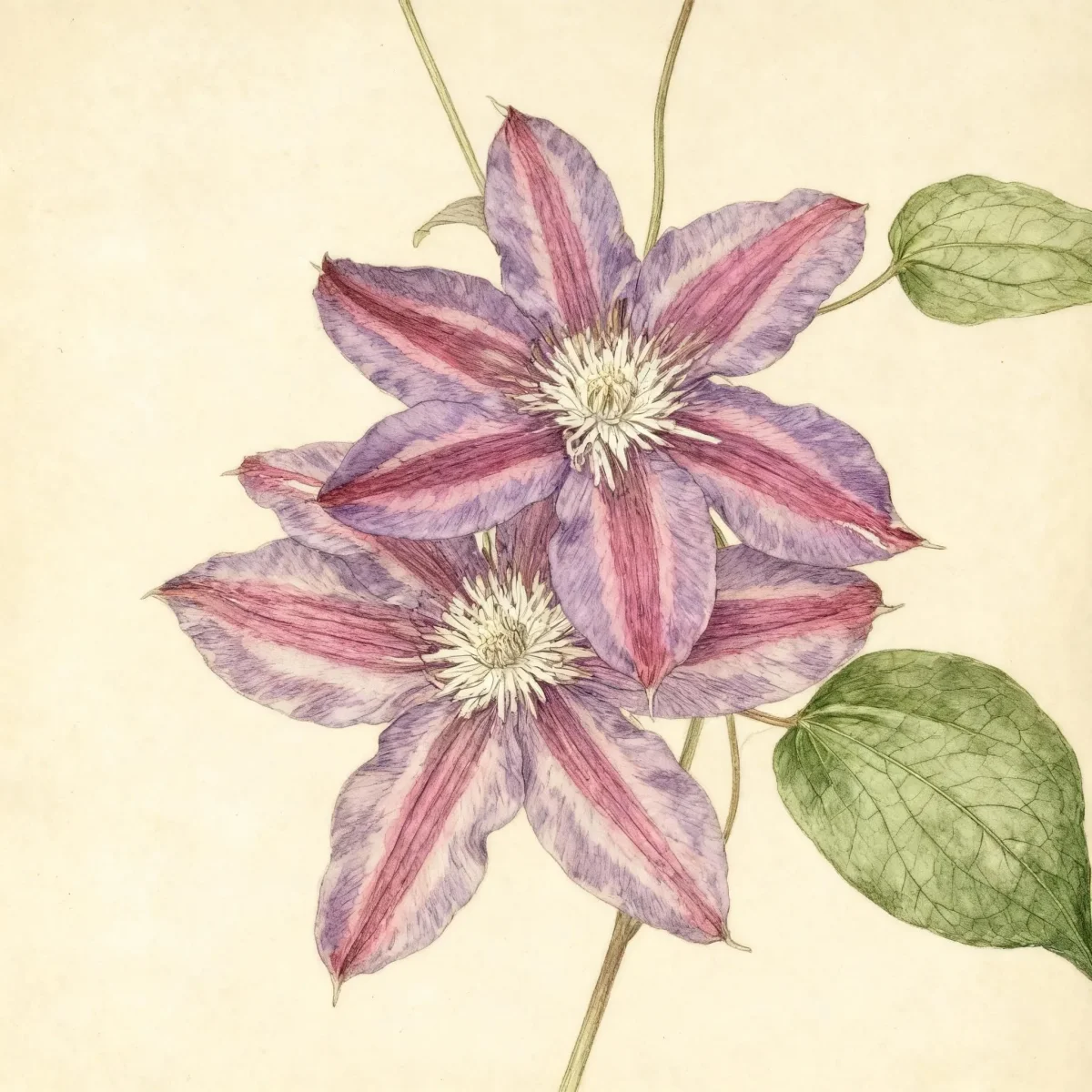
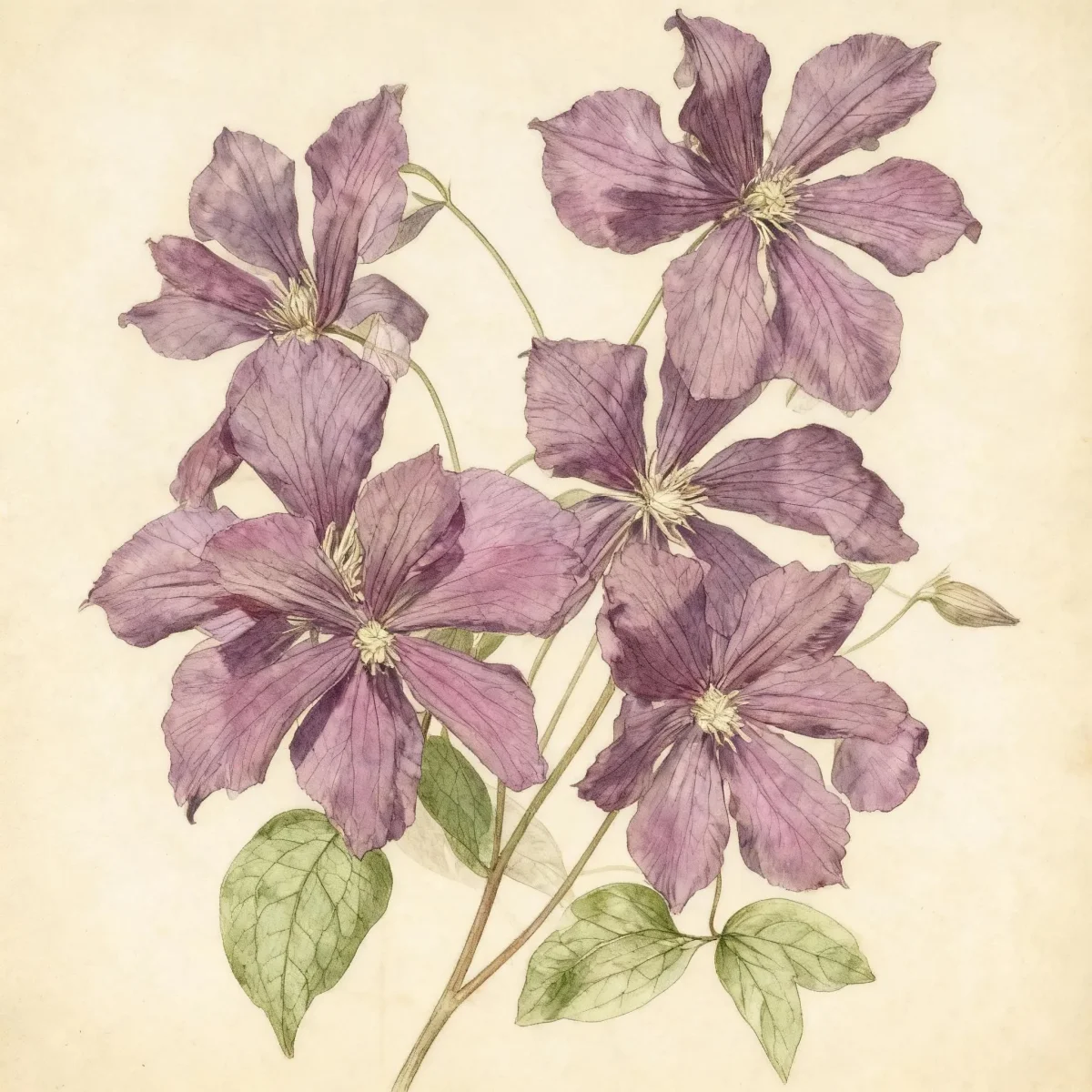
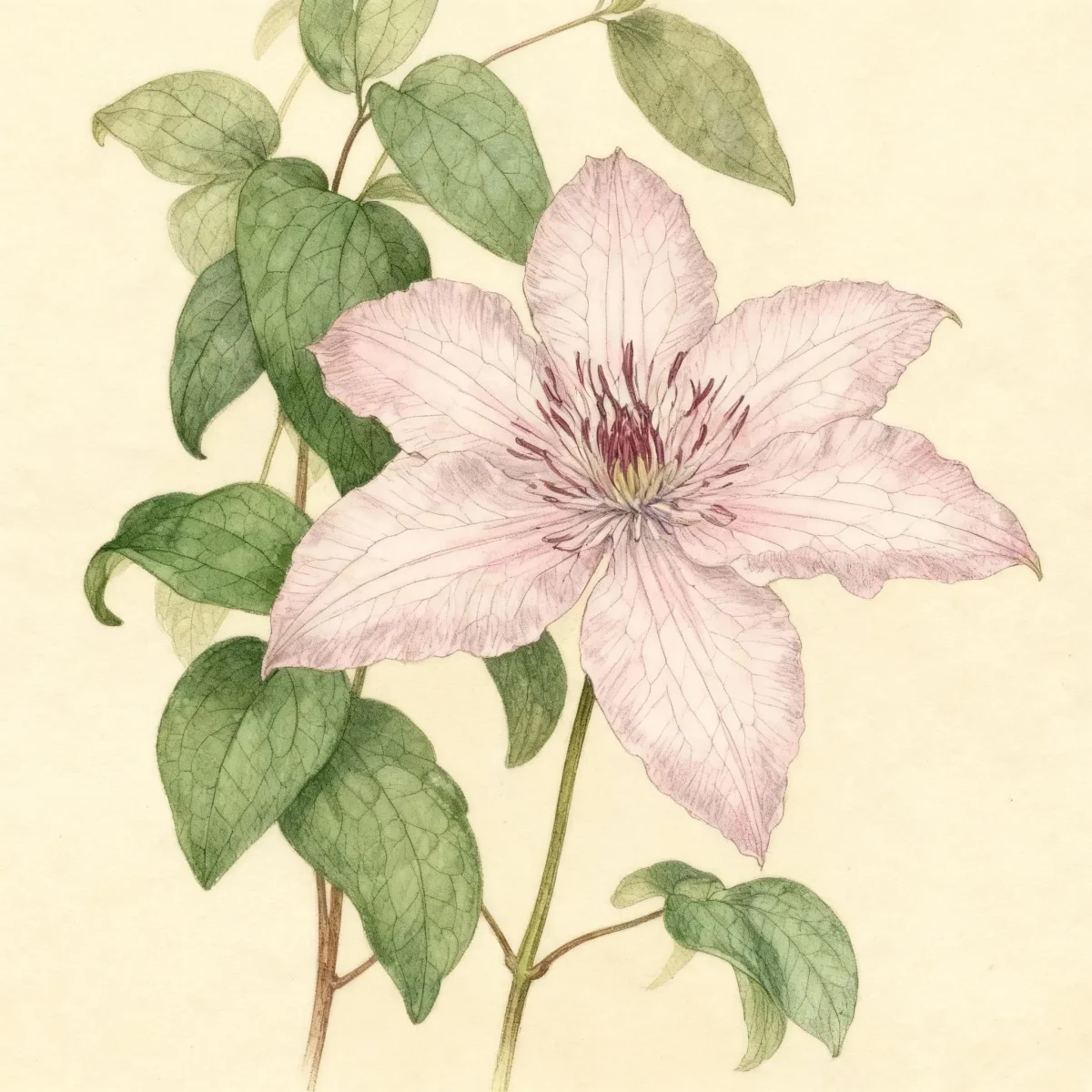
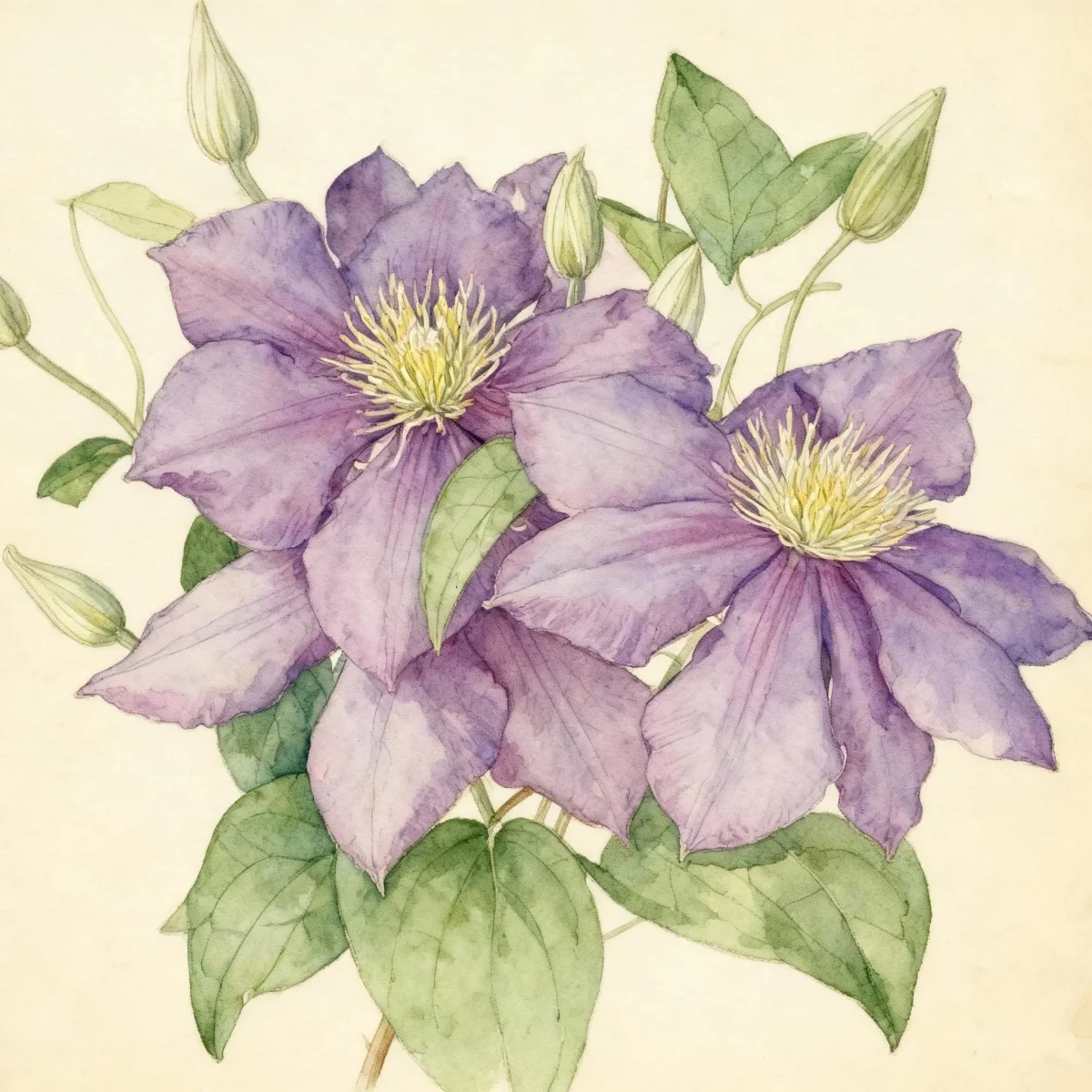
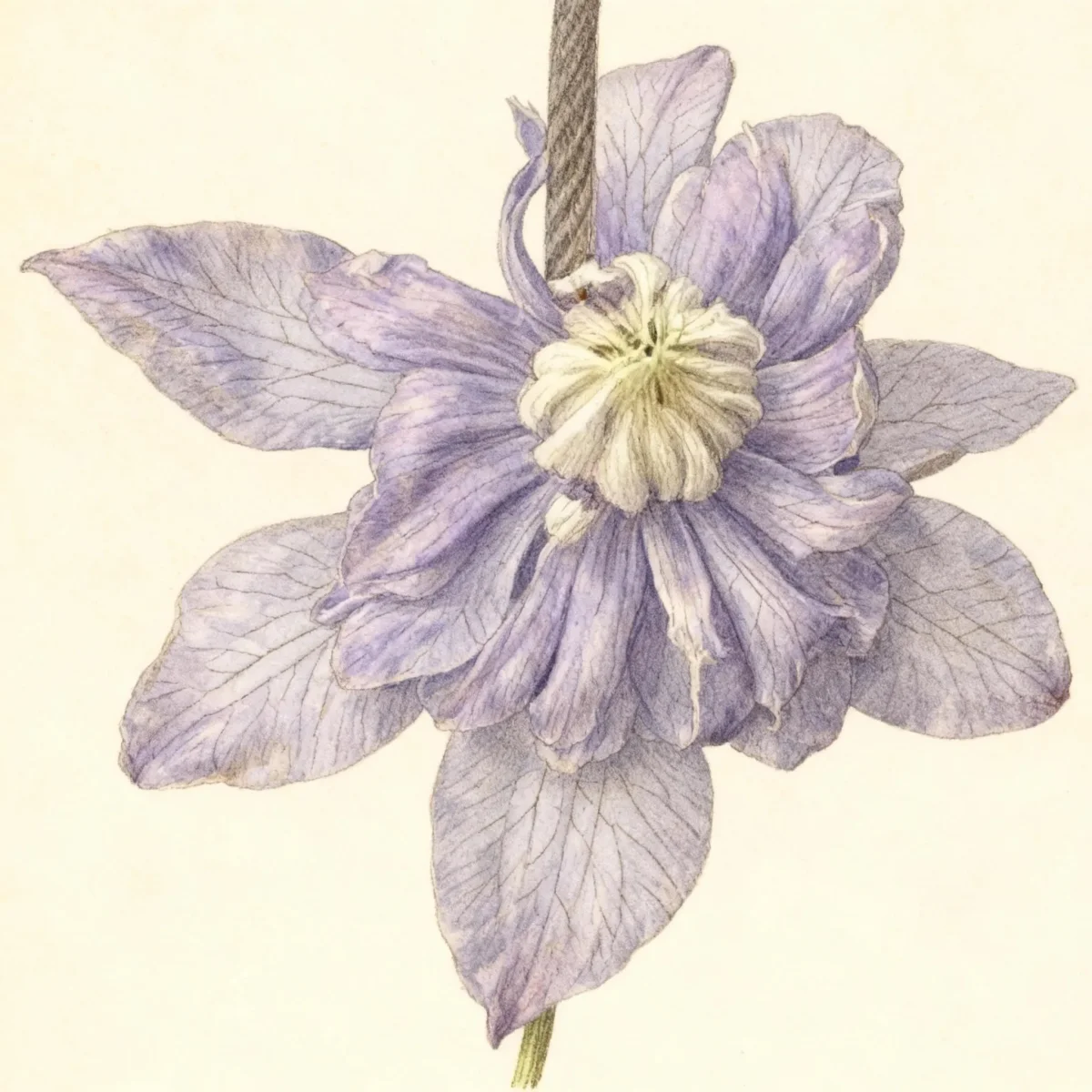
Clematis ‘Vanso’ BLUE LIGHT is a highly desirable, large-flowering clematis cultivar, celebrated for its abundant and opulent double blooms appearing throughout the summer. This magnificent vine offers large, dahlia-like flowers in a striking pale blue fading to blue-violet, providing exceptional color contrast in the garden from early summer extending through September. As a deciduous, semi-woody climbing vine, Clematis thrives when given vertical support, making it an architectural focal point.
The vigorous growth habit of Clematis ‘Vanso’ BLUE LIGHT reaches a mature height of 6 to 8 feet, creating a dramatic vertical display in mixed borders or against structures. Its low maintenance requirement further enhances its appeal to busy gardeners seeking high impact with minimal fuss. Protecting the roots while ensuring the flowering vines receive ample sun defines successful cultivation for any variety of Clematis.
This specific selection, sometimes marketed as BLUE LIGHT, originated as a double sport of the popular ‘Mrs Cholmondeley’. Growing Clematis ‘Vanso’ BLUE LIGHT provides a sustained visual treat, thanks to its long bloom period which often involves intermittent flowering as summer heat subsides.
Fast Facts
- Plant Family: Ranunculaceae
- Plant Type: Vine
- Hardiness Zones: USDA Zones 4-8
- Size at Maturity:
- Height: 6-8 ft
- Spread: 3-6 ft
- Bloom Time: June to September
- Bloom Description: Pale blue to blue-violet double flowers
- Sun Exposure: Full sun to part shade
- Water Needs: Medium
- Maintenance Level: Low
How to Grow
Planting should ideally occur in spring or early fall. Clematis ‘Vanso’ BLUE LIGHT requires fertile, well-drained soil with medium moisture retention. The key to success with this vining hybrid is site selection: ensure the flowering parts of the vine receive full sun to partial shade, but critically, the roots must be kept cool, shaded, and uniformly moist.
Routine care involves consistently maintaining medium soil moisture; never allow the root area to dry out completely. To shade the roots, plant shorter perennials, annuals, or small shrubs around the base, or apply a thick layer of root mulch. Provide immediate support, such as a trellis or arbor, as Clematis vines climb using twining leaf stalks.
As a Group 2 Clematis, ‘Vanso’ blooms on both old and new wood. Pruning should be minimal for woody-stemmed members of this group; heavy pruning in fall or spring may delay or reduce flowering. If you must prune, focus only on removing dead or damaged wood. Light afternoon shade is greatly appreciated in hotter, humid climates.
Landscape Uses
Clematis are masters of vertical gardening, providing excellent architectural height in small spaces where only a narrow footprint is available. Clematis ‘Vanso’ BLUE LIGHT is perfect for training up a wall, trellis, fence, or weaving through an arbor to create fragrant shade. Its 6-8 foot stature makes it an ideal screen or backdrop plant in perennial borders.
Consider planting this vibrant blue Clematis to sprawl through established shrubs that have interesting foliage but lack mid-to-late summer blooms. This creates a multi-season display where the Clematis provides the main floral show cascading over the supporting structure. It is also well-suited for large containers, provided the roots are kept heavily mulched and watered consistently.
For a formal English garden look, pair the stunning double flowers of Clematis ‘Vanso’ BLUE LIGHT with white climbing roses or tall, slender evergreens that provide structure year-round. Its ability to provide such bold color with relatively low maintenance makes it versatile for formal or informal cottage designs.
Standout Features
Flower Qualities
- Showy
Noteworthy Characteristics
Clematis is a genus of over 250 species, most of which are woody to semi-woody deciduous vines climbing by twining leaf stalks or in some cases trailing over support, but in a few cases grow as freestanding or sprawling herbaceous perennials and small deciduous or evergreen shrubs. Cultivated plants are often divided into three groups based on pruning needs; ‘Vanso’ is pruned as Group 2, meaning it flowers on both old and new wood. Features large, dahlia-like, double, pale blue to blue-violet flowers (5-6” diameter) blooming from late spring through much of the summer.
Tolerances
- Deer
- Black Walnut
Potential Problems
Clematis vines can be susceptible to serious fungal issues, most notably wilt or stem rot, which can prove fatal to the plant. Prevention begins with proper siting: ensure excellent air circulation and avoid overly wet soil conditions, particularly around the crown. Monitor foliage in spring and summer for signs of powdery mildew, leaf spots, or rust, treating promptly with appropriate fungicides if necessary.
Insect pests commonly seen include aphids, slugs and snails (which munch on vulnerable new growth), scale, and earwigs. Spider mites can become an issue, especially during hot, dry spells. Regularly inspect the undersides of leaves, and use blasts of water to dislodge aphids or horticultural oil applications for scale control.
Frequently Asked Questions
What hardiness zones is Clematis ‘Vanso’ BLUE LIGHT suitable for?
Clematis ‘Vanso’ BLUE LIGHT is hardy and thrives in USDA Zones 4 through 8.
How large does this Clematis grow?
This vigorous vine typically reaches heights between 6 and 8 feet and spreads between 3 and 6 feet wide at maturity.
When does Clematis ‘Vanso’ BLUE LIGHT bloom?
Expect beautiful double flowers from June well into September, with a possible lull during extreme summer heat.
What sun exposure does Clematis ‘Vanso’ BLUE LIGHT need?
This plant performs best in full sun to part shade conditions.
Conclusion
The dramatic, double, blue-violet flowers of Clematis ‘Vanso’ BLUE LIGHT offer unmatched summer interest for vertical gardening applications. Successful cultivation hinges on providing robust support and ensuring the sensitive root zone remains cool and shaded while the upper vine enjoys the sun. Remember to review its Group 2 pruning requirements before making any major cuts to your beautiful Clematis vine.
Companion Planting
Choosing suitable companions for Clematis ‘Vanso’ BLUE LIGHT is essential for managing the microclimate around its root system. Select lower-growing perennials whose shallow root structures will not compete with the deeper needs of the vine, while simultaneously shading the soil. Good choices include hostas, coral bells (Heuchera), or low-growing geraniums, which thrive in partial shade and help keep the base of the Clematis cool and moist.
Avoid planting aggressive, deep-rooting perennials directly next to your Clematis, especially near the crown, as root competition can stress the vine. The goal is to create a living mulch layer that conserves moisture and blocks direct scorching sun exposure on the soil surface around the base of the Clematis.
Seasonal Care Calendar
Spring is the most active time for encouraging growth and shaping your Clematis. As new growth emerges, ensure your trellis or structure is sound and gently tie in loose, new stems. This is the time to apply slow-release fertilizer if desired.
Summer maintenance centers around water management for the Clematis ‘Vanso’ BLUE LIGHT. Even though its watering needs are medium, intense heat necessitates checking moisture levels frequently, especially for container specimens. Water deeply at the base to encourage deep root growth rather than shallow surface watering.
In the fall, let the dying foliage remain briefly to protect the woody stems, but clean up any fallen debris quickly to minimize overwintering fungal pathogens. Minimal winter prep is needed in protected zones, though a heavy layer of mulch is beneficial in the coldest parts of its range (Zone 4).