Willow-leaved Sunflower (Helianthus salicifolius 'Autumn Gold')
Helianthus salicifolius 'Autumn Gold' offers brilliant late-season color. This low-maintenance Willow-leaved sunflower thrives in full sun.
Scroll down to discover growing tips, care requirements, companion plants, and more
Complete Plant Information
Overview
The Willow-leaved sunflower, scientifically known as Helianthus salicifolius ‘Autumn Gold’, is celebrated for its brilliant, late-season floral display when many other perennials are fading. This specific cultivar provides a compact, dense habit, making it a manageable choice for creating consistent late-season structure in borders. Growers appreciate the reliable performance and the drought tolerance once established.
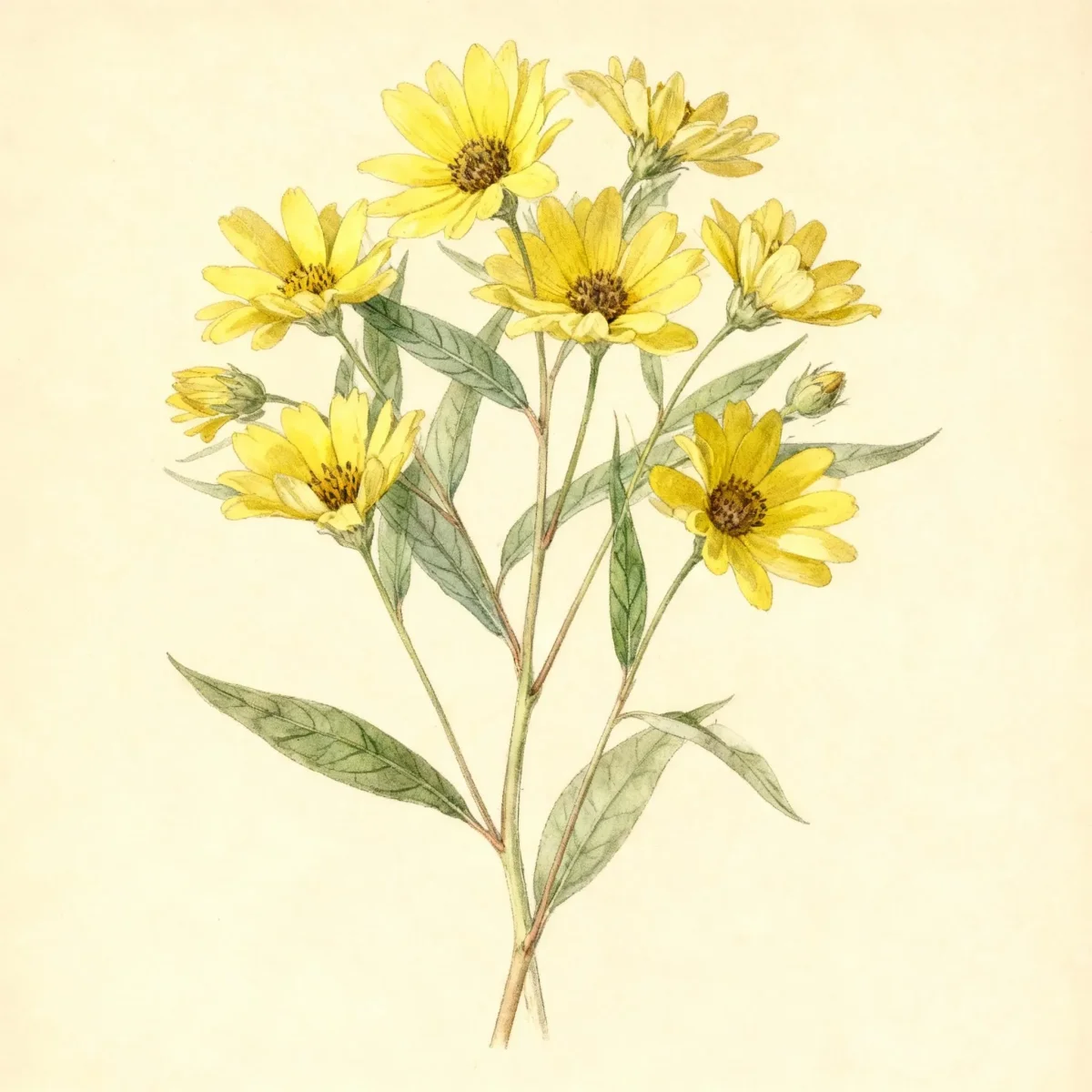
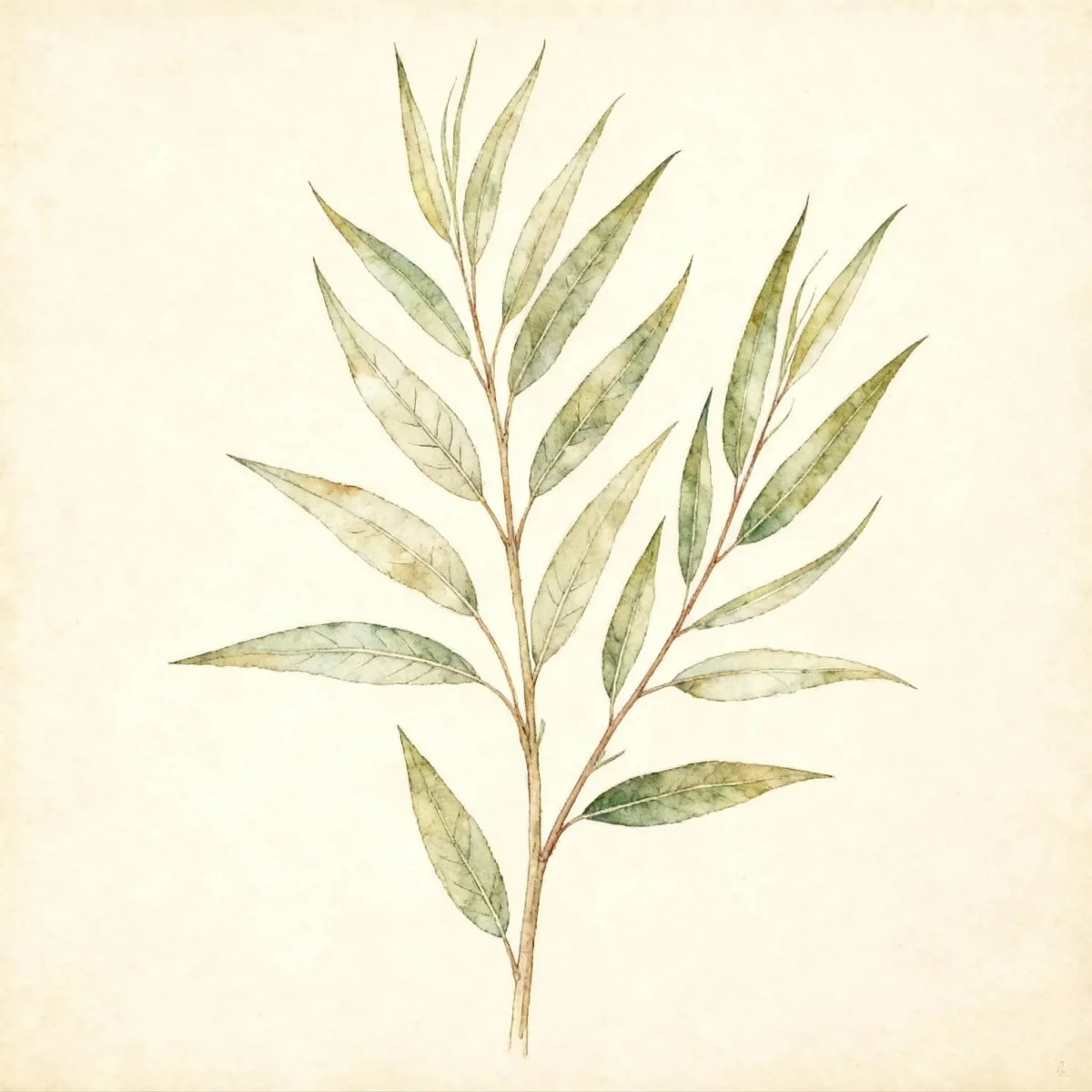
Helianthus salicifolius ‘Autumn Gold’ features narrow, graceful, willow-like foliage that contrasts beautifully with the profusion of bright yellow, two-inch blooms. As a rhizomatous spreader, it forms attractive colonies over time, providing excellent texture throughout the late summer and into the autumn months. Its low maintenance requirement also adds significant value to perennial and native gardens.
This robust herbaceous perennial is attractive to butterflies and offers crucial late-season nectar resources. While the species plants can grow quite tall, the compact nature of ‘Autumn Gold’ ensures that its vibrant yellow blooms remain supported without constant staking intervention, delivering consistent, eye-catching color right up until the first hard frost.
Fast Facts
- Plant Family: Asteraceae
- Plant Type: Herbaceous perennial
- Hardiness Zones: USDA Zones 5-9
- Size at Maturity:
- Height: 1.75-2 ft
- Spread: 1.75-2 ft
- Bloom Time: September to October
- Bloom Description: Yellow rays with dark brown center cones
- Sun Exposure: Full sun
- Water Needs: Medium
- Maintenance Level: Low
How to Grow
Plant the Willow-leaved sunflower in the spring or early fall in a location receiving full sun exposure for the best flowering performance. It thrives in average, medium soils, but the species is noted for tolerating a wide range of soil conditions, including clay, as long as drainage is relatively adequate. Ensure the site allows for its eventual spread, as this plant establishes colonies via creeping rhizomes.
Maintain consistent moisture, particularly during the first growing season as the plant establishes its root system. Once established, the watering needs are medium; supplemental water is usually only required during severe dry spells. Fertilization requirements are minimal; overly rich soil can promote weak, leggy growth rather than sturdy flowering stems.
The maintenance level for Helianthus salicifolius ‘Autumn Gold’ is gratifyingly low. Unlike taller sunflower relatives, this specific selection usually does not require staking due to its inherently compact and sturdy habit. To manage colony size and maintain plant vigor, plan to divide mature clumps every three to four years.
Because ‘Autumn Gold’ does not reliably self-seed, relying on naturalized seedlings is not recommended. Focus division efforts in early spring or fall to propagate new plants or keep existing colonies contained within their designated space.
Landscape Uses
The reliable bloom time and excellent structure make the Willow-leaved sunflower a fantastic mid-border anchor. Its dense habit, reaching about two feet tall, works perfectly towards the front or middle of perennial borders, providing textural contrast against finer, arching grasses or broad-leaved hostas.
For those cultivating native plant gardens or dedicated pollinator patches, Helianthus salicifolius ‘Autumn Gold’ is an indispensable choice. It provides consistent color and much-needed nectar sources later in the season when many spring and summer bloomers have finished. Pair it with late-blooming asters or coneflowers for a cohesive, late-summer tapestry.
Consider using this selection where contrast is desired. The bright clear yellow of the blooms shines against deeper burgundy foliage plants or cool blue/purple flowering companions. Its compact size also makes it surprisingly effective in large decorative containers, provided consistent medium moisture is provided.
Standout Features
Flower Qualities
- Showy
Noteworthy Characteristics
Helianthus salicifolius, commonly called willow-leaved sunflower, is a Missouri native plant that occurs in unglaciated western Missouri prairie areas south of the Missouri River. Features clusters (branched panicles) of 2-2.5” wide sunflowers with bright yellow rays and dark brown center disks atop rigid, whitish-green stems typically growing 5-6’ (less frequently to 8’) tall. Narrow, drooping, willow-like, pale green leaves (5-7”). Attractive to butterflies and other insect pollinators. Blooms from late summer to fall. Good fresh cut flower.Genus name comes from the Greek words helios meaning sun and anthos meaning flower. Specific epithet means with leaves like Salix (willow). ‘Autumn Gold’ is a compact, mound-forming selection of willow-leaved sunflower that features bright yellow flowers. This cultivar originated from self-pollinated seed of the plant H. Salicifolius ‘Low Down’. A dense carpet of 2” diameter blooms with yellow rays and dark brown center cones cover the plant from late summer to frost. Mature clumps will reach up to 2’ tall and spread to fill a similar area. Plant patent number PP30117 applies to this cultivar
Tolerances
- Deer
- Clay Soil
Potential Problems
Sunflowers are generally known to be susceptible to rust, leaf fungal spots, and powdery mildew, especially in humid conditions or if air circulation is poor. Caterpillars and various beetles may chew on the foliage, though the compact nature of ‘Autumn Gold’ often minimizes severe aesthetic damage. Keep an eye out for aphids, treating with insecticidal soap if infestations become heavy.
To minimize fungal issues, ensure good spacing when planting, allowing air to flow freely between plants. Avoid overhead watering late in the day, favoring deep, slow watering at the soil level in the morning. While taller varieties might need staking, the ‘Autumn Gold’ cultivar should not require this support if grown in adequate sunlight.
Frequently Asked Questions
What hardiness zones is Willow-leaved sunflower suitable for?
Helianthus salicifolius ‘Autumn Gold’ is reliably hardy in USDA Zones 5 through 9.
How large does Willow-leaved sunflower grow?
This specific cultivar typically reaches a height between 1.75 and 2 feet, spreading to a similar width of 1.75 to 2 feet at maturity.
When does Willow-leaved sunflower bloom?
You can expect vibrant bloom time for this plant from September through October, featuring bright yellow rays and dark brown center cones.
What sun exposure does Helianthus salicifolius ‘Autumn Gold’ need?
For optimal health and dense flowering, this plant requires full sun exposure throughout the day.
Conclusion
The compact size, robust performance, and crucial late-season color make Helianthus salicifolius ‘Autumn Gold’ an exceptionally valuable addition to modern garden planning. By offering low maintenance and proven longevity, the Willow-leaved sunflower brings reliable cheer to the autumn landscape. Check your local USDA zone compatibility and plan to incorporate this bright perennial into your borders this coming season.
Propagation Tips
Propagation of Helianthus salicifolius ‘Autumn Gold’ is primarily achieved through division, as this cultivar is noted for not reliably self-seeding, meaning seed collection may not yield true-to-type plants. Division should be performed every three to four years, ideally in the early spring before new growth begins, or in early fall after the plant has finished flowering.
To divide, carefully dig up the entire clump using a sharp spade. Gently separate the root ball into smaller sections, ensuring each new division contains a healthy number of roots and several growth points. Replant these divisions immediately into amended soil, watering thoroughly to reduce transplant shock.
Division is also a key cultural practice for maintaining the vigor of the Willow-leaved sunflower. Overcrowding causes older clumps to become less floriferous and more susceptible to environmental stress, so dividing prevents this decline and provides you with free new plants for other garden spaces.
Wildlife Benefits
The late bloom period of Helianthus salicifolius ‘Autumn Gold’ provides vital sustenance for native insect populations preparing for winter dormancy. The composite flower heads produce ample nectar and pollen, making them favorites for late-season butterflies and various native bee species.
The dark brown center cones, once the petals drop, mature into seed heads that can persist on the plant well into winter. These seeds provide a valuable, high-energy food source for small songbirds, such as finches, throughout the colder months, adding winter interest to the garden structure.
Because this plant is attractive to pollinators and generally avoided by deer, it integrates well into ecological landscaping designs where supporting wildlife takes priority. Plant this Willow-leaved sunflower alongside late-blooming native flowers to maximize seasonal support for beneficial insects.