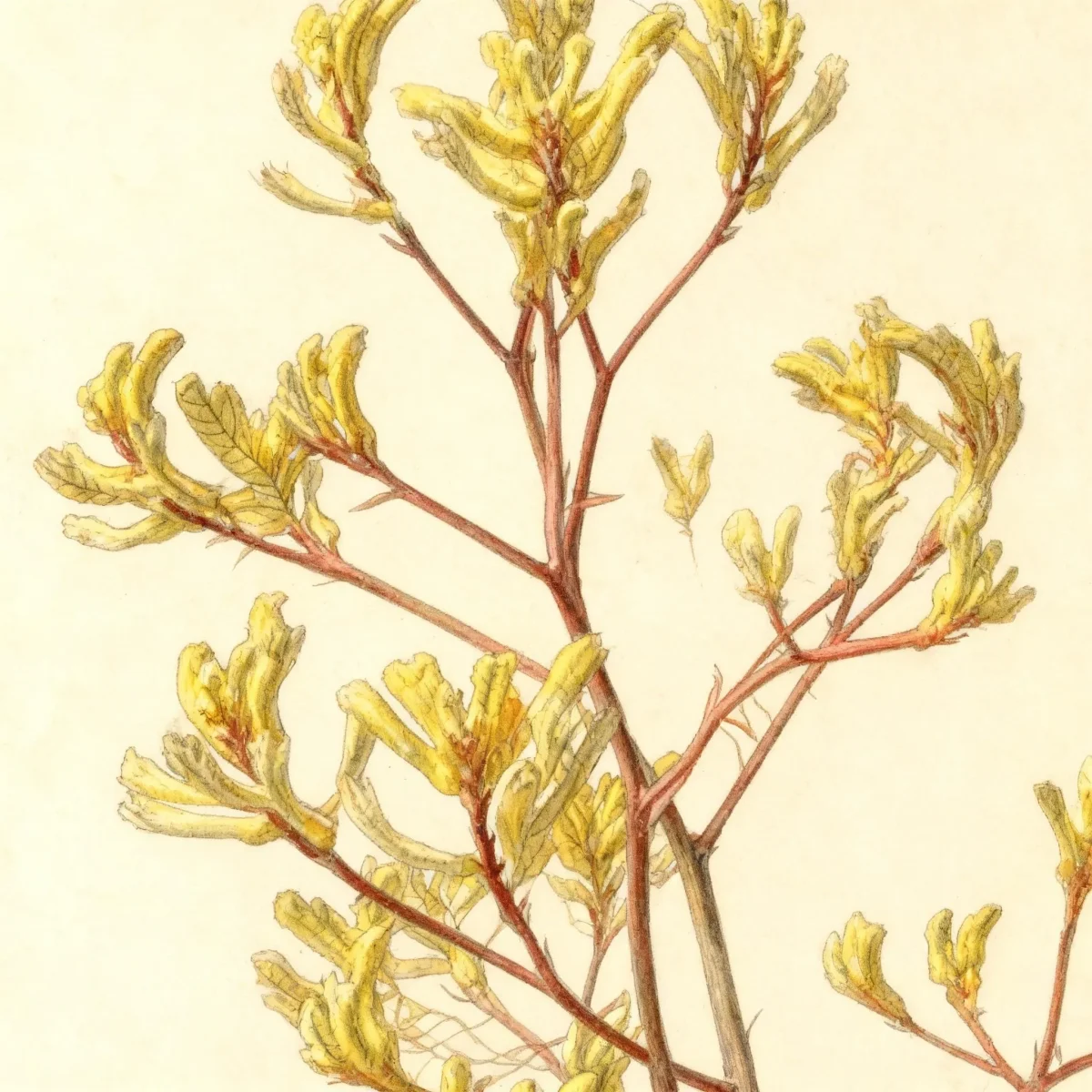
Kangaroo paw (Anigozanthos 'Joe Joe Red')
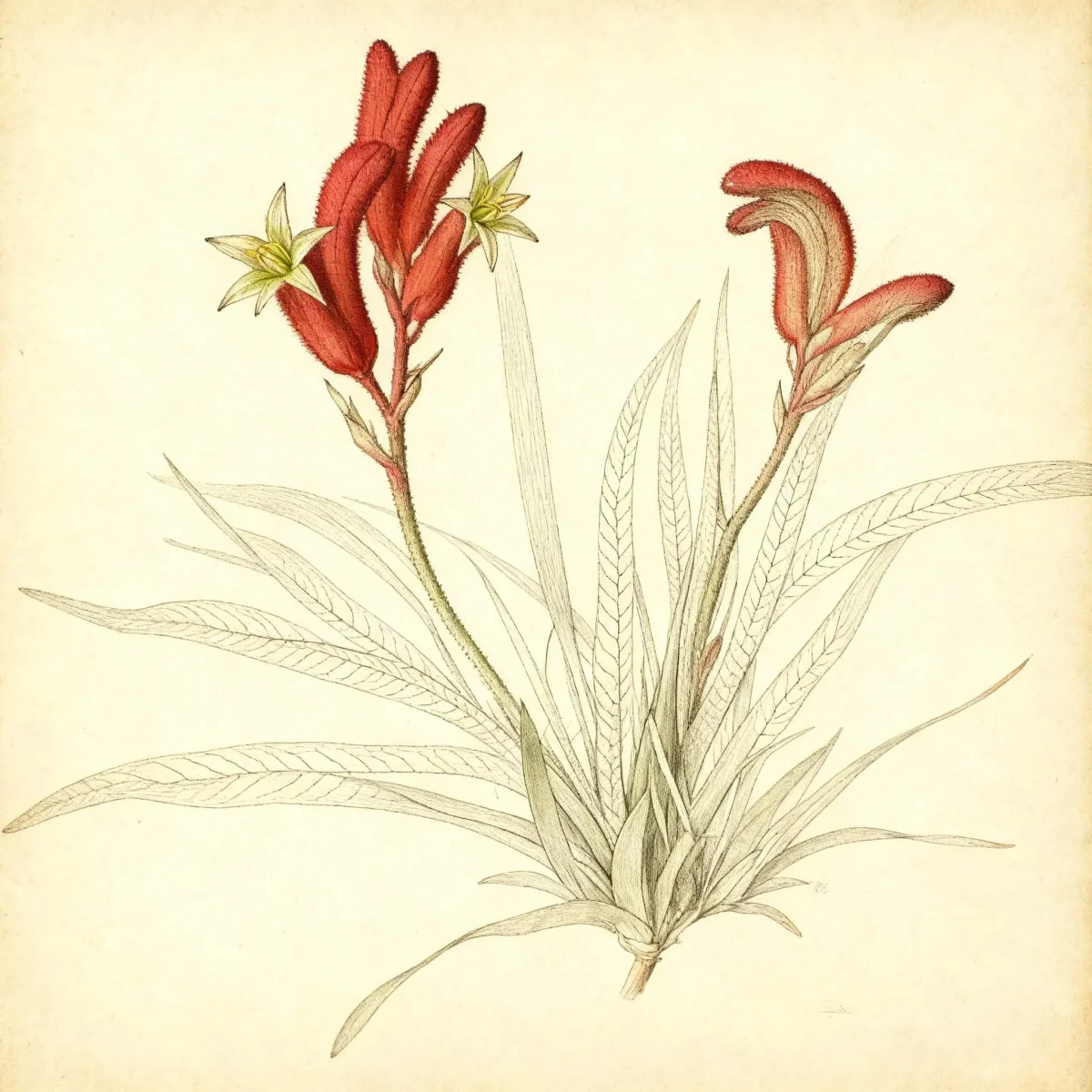
Anigozanthos 'Joe Joe Red' offers unique, fuzzy, dark red Kangaroo paw blooms. A compact perennial for full sun, ideal for borders or containers.
Scroll down to discover growing tips, care requirements, companion plants, and more
Complete Plant Information
Overview
The Kangaroo paw, specifically the cultivar Anigozanthos ‘Joe Joe Red’, is a distinctive choice for gardeners seeking exotic texture and bold color. This compact, rhizomatous perennial features fuzzy, tubular flowers strongly reminiscent of a paw, which are highly attractive to hummingbirds. Its striking dark red blooms contrast beautifully with the evergreen, strap-like foliage that forms a tidy basal rosette.
Anigozanthos ‘Joe Joe Red’ is valued for its reliable summer flowering, typically lasting from May through September. While it is technically a perennial, it is often treated as an annual in many garden settings due to its relatively short lifespan of two to five years. Gardeners appreciate the Kangaroo paw for its architectural structure and unique flower morphology, especially when used as a focal point in mixed plantings.
Despite its exotic appearance, this Australian native integrates well into mixed beds and containers when its specific soil needs are met. Ensuring excellent drainage is paramount for the long-term success of Anigozanthos ‘Joe Joe Red’. By understanding its moderate maintenance requirements, gardeners can enjoy the vibrant display of the Kangaroo paw throughout the warm season.
Fast Facts
- Plant Family: Haemodoraceae
- Plant Type: Herbaceous perennial
- Hardiness Zones: USDA Zones 9-11
- Size at Maturity:
- Height: 1-1.25 ft
- Spread: 1-1.25 ft
- Bloom Time: May to September
- Bloom Description: Dark red
- Sun Exposure: Full sun
- Water Needs: Medium
- Maintenance Level: Medium
How to Grow
For optimal growth, plant the Kangaroo paw in rich, well-draining soil amended with sand to guarantee sufficient drainage, which is critical for this species. Full sun exposure is mandatory to encourage abundant flowering and prevent disease issues. While the plant prefers evenly moist conditions, it cannot tolerate standing water or heavy, waterlogged clay.
Watering should be consistent, maintaining medium moisture levels, especially during dry periods, but ensure the soil dries slightly between waterings. Maintenance is considered medium; this involves regular observation for potential pests and diseases. If you notice the plant declining, remember that Anigozanthos ‘Joe Joe Red’ is typically short-lived, so dividing mature clumps every spring is necessary to maintain vigor.
As the season winds down, cut back the foliage in winter to proactively reduce potential sites where pests and fungal diseases can overwinter. In regions experiencing cold, wet winters outside of Zones 9-11, treat Anigozanthos ‘Joe Joe Red’ as a tender perennial or annual, allowing plants to go dormant and overwintering them indoors if possible.
Landscape Uses
The unique structure and texture of the Kangaroo paw make Anigozanthos ‘Joe Joe Red’ an excellent specimen plant in mixed beds and borders where its form can be featured. Its compact height (up to 1.25 feet) allows it to fit well toward the front or middle of a border without completely obscuring shorter companions. Furthermore, this plant shines in containers, either massed alone or paired with contrasting foliage plants that tolerate similar sun and drainage requirements.
The tall flowering stalks of Anigozanthos ‘Joe Joe Red’ are highly sought after for fresh cut arrangements, bringing that exotic, fuzzy texture indoors. Gardeners often utilize this plant where a bold, architectural element is needed, placing it near pathways or entrances for maximum visual impact. Because it may be best utilized as an annual outside ideal zones, consider planning its placement with other vibrant summer bloomers for a cohesive display season after season.
Standout Features
Flower Qualities
- Showy
Noteworthy Characteristics
The genus Anigozanthos originates in Southwestern Australia, comprising rhizomatous, evergreen perennials known for their unique, tubular flowers covered in distinctive, colorful hairs. The common name Kangaroo paw perfectly describes the appearance of these fuzzy blooms, and the genus name highlights how the structure opens almost completely to its base. Anigozanthos ‘Joe Joe Red’ is a popular, compact hybrid selection, delivering deep, fuzzy, dark red flowers atop stiff stalks rising above a clump of lance-shaped foliage.
Tolerances
- Susceptible to ink disease (a fungal infection characterized by black splotches on the foliage), as well as damage from snails and slugs. Rabbits like the foliage of this plant.
Potential Problems
The primary concern when growing the Kangaroo paw is often fungal vulnerability, notably ink disease, which manifests as dark, unattractive splotches on the leaves. Prevention is key: maintain excellent air circulation, avoid overhead watering, and ensure the sharp drainage required by Anigozanthos ‘Joe Joe Red’. Proper winter cleanup, involving cutting back old foliage, also reduces fungal reservoirs for the following season.
Beyond disease, physical damage can come from common garden pests like snails and slugs, which may chew the foliage, particularly when young or conditions are damp. Protective measures such as baiting or physical barriers can mitigate this threat. Gardeners should also be aware that rabbits commonly browse the foliage, necessitating protective caging if rabbits are prevalent in the planting area.
Frequently Asked Questions
What hardiness zones is Kangaroo paw suitable for?
Anigozanthos ‘Joe Joe Red’ is reliably hardy in USDA Zones 9 through 11.
How large does Anigozanthos ‘Joe Joe Red’ grow?
This compact selection typically reaches a height of 1 to 1.25 feet, with an equal spread of 1 to 1.25 feet for the foliage clump.
What sun exposure does Kangaroo paw need?
Anigozanthos ‘Joe Joe Red’ requires full sun exposure to thrive and produce its best dark red blooms.
When does Anigozanthos ‘Joe Joe Red’ bloom?
This Kangaroo paw variety flowers consistently from May all the way through September, showcasing dark red, fuzzy blossoms.
Conclusion
The unique, fuzzy texture and vivid dark red color make Anigozanthos ‘Joe Joe Red’ an indispensable accent plant for modern and xeriscape gardens prioritizing visual interest. While this Kangaroo paw may be short-lived, its spectacular blooming period from May to September ensures a reliable summer show. Before planting, confirm your location falls within USDA Zones 9-11 and prepare soil that guarantees impeccable drainage to maximize the enjoyment of this striking specimen.
Companion Planting
When integrating Anigozanthos ‘Joe Joe Red’ into mixed borders, selection should focus on plants that share a love for full sun and excellent drainage. Consider pairing it with drought-tolerant, Mediterranean natives such as Lavender (Lavandula), Rosemary (Salvia rosmarinus), or various ornamental grasses. These companions offer contrasting textures—soft, gray foliage or wispy plumes—that make the stiff, unique structure of the Kangaroo paw stand out even more prominently.
Avoid planting Anigozanthos ‘Joe Joe Red’ directly next to plants that prefer consistently wet feet, as this will invariably lead to root rot or promote fungal issues like ink disease. Focus on grouping it with other Australian natives or succulents that thrive in sharp, lean soils. This strategy simplifies irrigation and maintenance, ensuring that all plants sharing the space have compatible cultural needs throughout the growing season.
Design Ideas for Focal Points
Use the vertical, fuzzy flower spikes of Anigozanthos ‘Joe Joe Red’ to create dynamic, low-growing focal points, particularly when placed near dark or blue-toned foliage plants. Siting several clumps together in a tight cluster creates a strong visual impact, effectively grouping the dark red blooms for distance viewing. This grouping strategy is essential given the plant’s relatively small mature clump size.
For container designs, the Kangaroo paw functions perfectly as a thriller or a strong mid-height element coupled with cascading trailers like creeping thyme or trailing sedum. The rigid stems holding the fuzzy blooms add architectural height without overwhelming the container edge. This use of Anigozanthos ‘Joe Joe Red’ allows gardeners in colder climates to easily move the entire display indoors before winter hits.