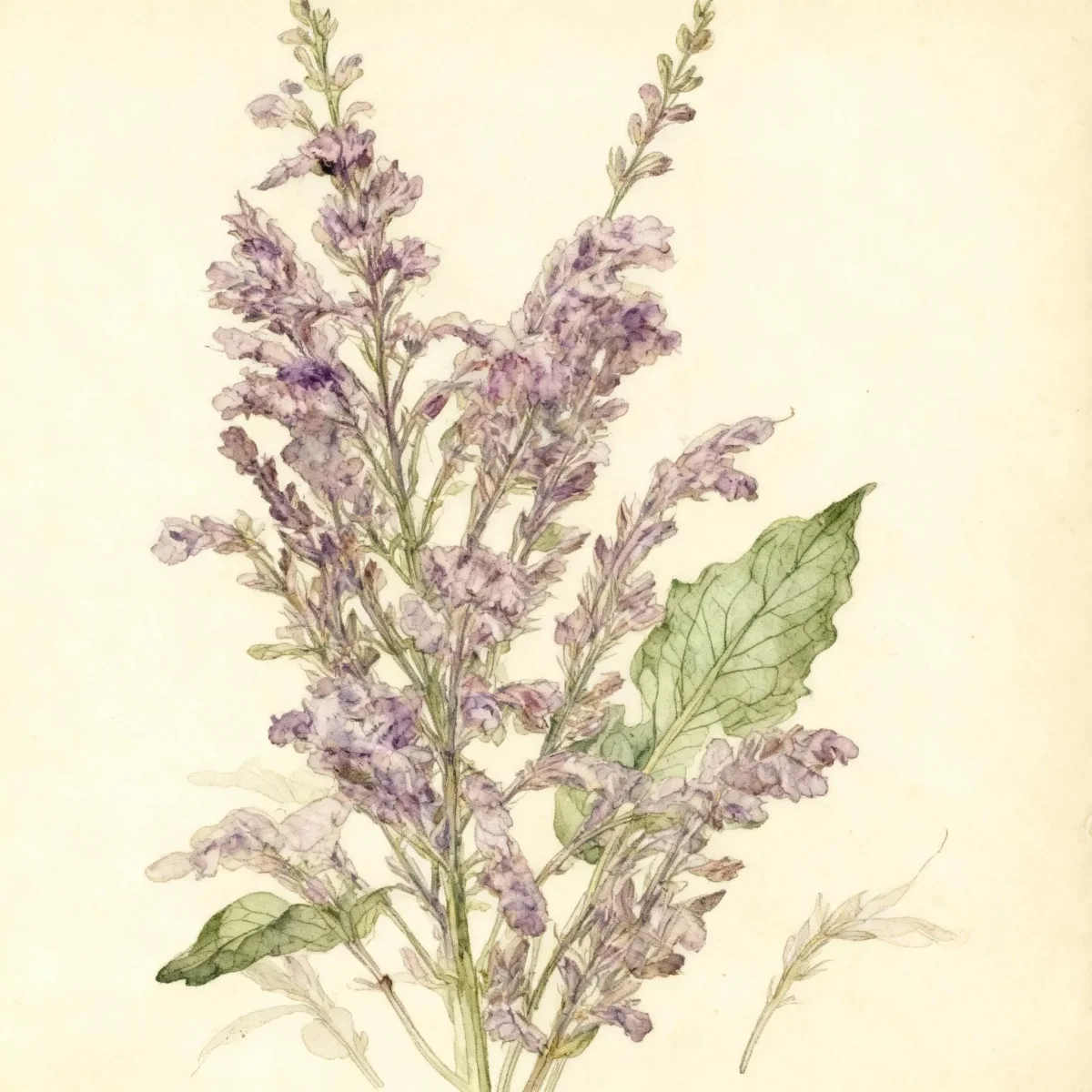
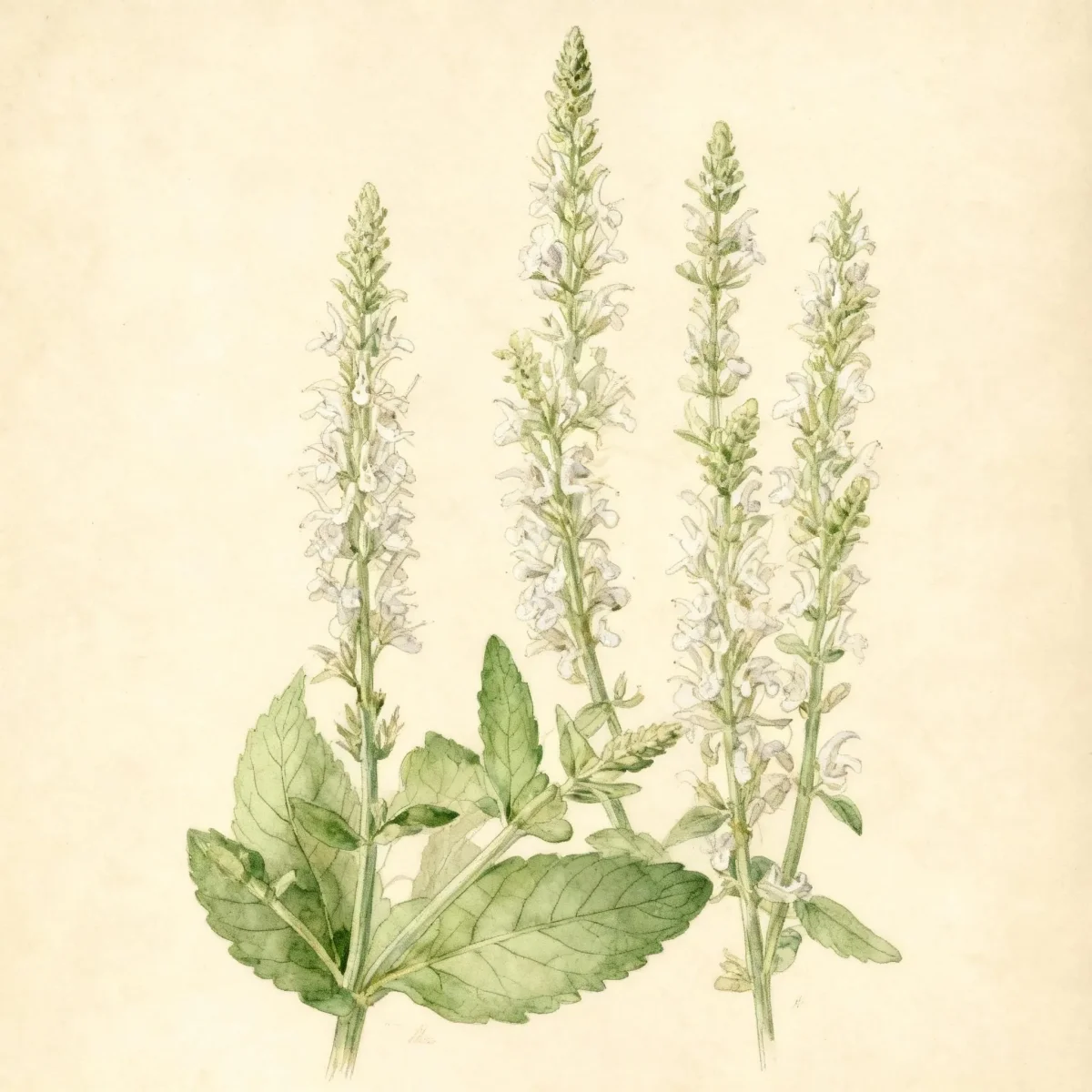
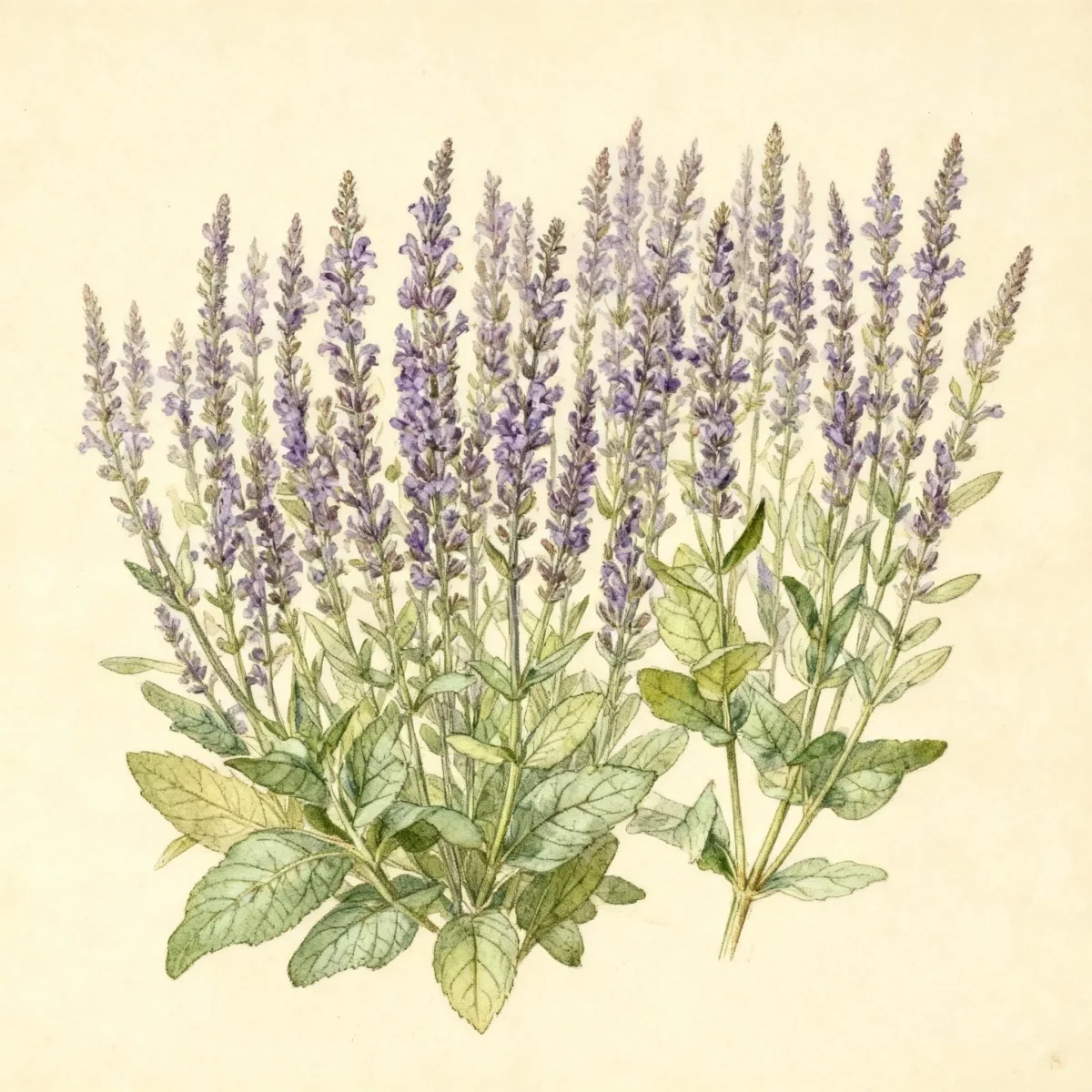
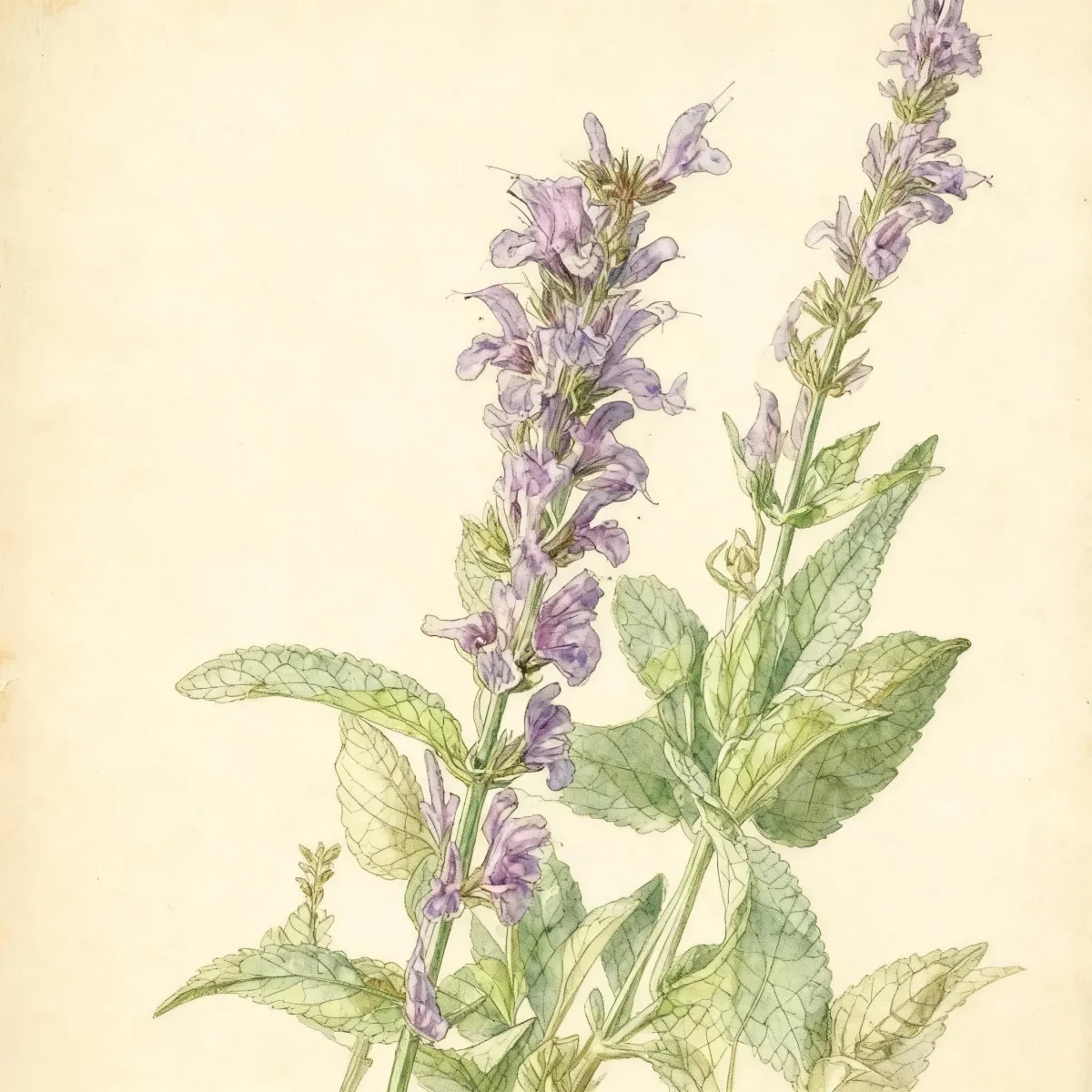
Catmint (Nepeta 'Cat's Pajamas')
Nepeta 'Cat's Pajamas' is a floriferous, compact Catmint offering continuous lavender-blue blooms perfect for low-maintenance landscapes.
Scroll down to discover growing tips, care requirements, companion plants, and more
Complete Plant Information
Overview
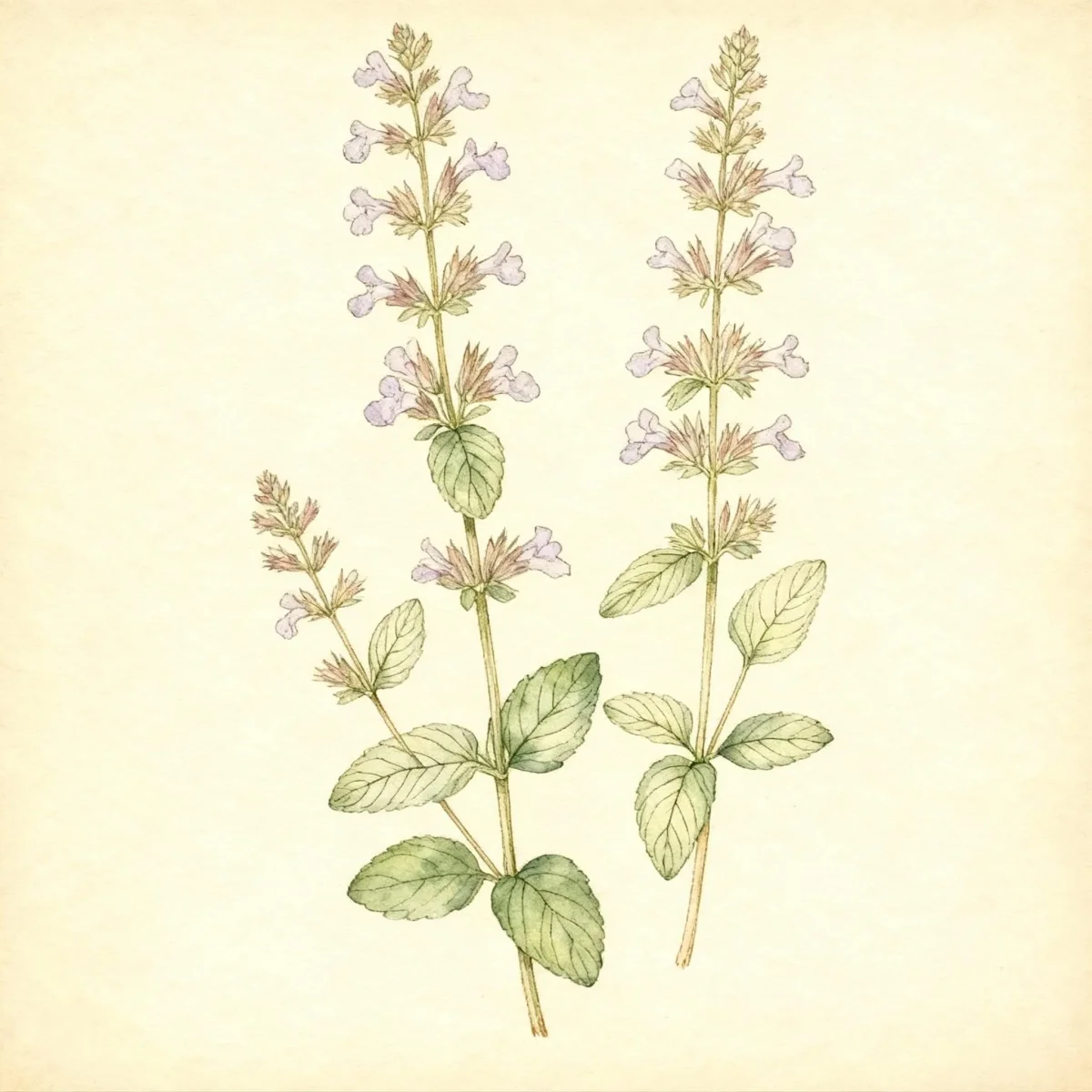
Nepeta ‘Cat’s Pajamas’ is a highly desirable, compact cultivar of Catmint prized for its exceptionally long blooming season and neat, tidy habit. Unlike some traditional varieties, this selection offers continuous lavender-blue flowers running along the entire length of its upright stems, making it a workhorse in perennial borders. Gardeners adore this plant for its low maintenance requirements and its resilience once established.
This herbaceous perennial thrives in full sun and is notably tolerant of difficult conditions like drought and poor soil, provided drainage is adequate. Reaching just over a foot tall, Nepeta ‘Cat’s Pajamas’ provides excellent textural contrast without becoming leggy or requiring constant staking. Its aromatic foliage and showy flowers also draw in essential pollinators throughout the warmer months.
If you seek reliable, season-long color that resists pests and handles dry spells, Nepeta ‘Cat’s Pajamas’ is an outstanding choice. It is a sterile cultivar, meaning you avoid unwanted self-seeding while enjoying reliable performance year after year in hardy zones 3 through 8.
Fast Facts
- Plant Family: Lamiaceae
- Plant Type: Herbaceous perennial
- Hardiness Zones: USDA Zones 3-8
- Size at Maturity:
- Height: 1-1.25 ft
- Spread: 1.5-1.75 ft
- Bloom Time: May to September
- Bloom Description: Lavender-blue
- Sun Exposure: Full sun
- Water Needs: Dry to medium
- Maintenance Level: Low
How to Grow
Plant Nepeta ‘Cat’s Pajamas’ in the spring or fall in a location receiving full sun, which is critical for maximizing bloom production. Ensure the soil is well-drained; while it tolerates average moisture, this Catmint thrives best when conditions are allowed to dry out between waterings. It easily establishes roots, particularly in dry or shallow, rocky soils.
Water thoroughly after planting to encourage establishment. Once established, this plant is highly drought-tolerant, requiring supplemental water only during prolonged hot, dry spells. Minimal fertilization is usually needed; overly rich soil can lead to floppier growth. Taller specimens may occasionally need light support, though Nepeta ‘Cat’s Pajamas’ is notably compact.
The key to keeping this variety blooming from May through September is diligent maintenance via shearing. After the initial flush of flowers fades, shear the stems back by about one-third or more. This pruning encourages new growth and restarts the flowering cycle. Since the plants are sterile, you do not need to worry about self-seeding. Propagate divisions in the spring if you wish to expand your planting.
Landscape Uses
Nepeta ‘Cat’s Pajamas’ excels when mass-planted, creating drifts of continuous lavender-blue color that brighten borders and paths. Its tidy habit makes it perfect for use as an edging plant along walkways or driveways where a low, formalized look is desired. This sterile Catmint is an excellent structural element for cottage gardens, blending beautifully with classic roses and taller spiky perennials.
Due to its drought tolerance and tolerance to air pollution, it performs exceptionally well in difficult, sunny spots or dry beds where less resilient plants struggle. It also adapts well to containers, pairing nicely with trailing annuals or contrasting foliage plants. For a highly dynamic, pollinator-friendly design, combine this variety with coneflowers or Black-Eyed Susans that can handle similar dry, sunny conditions.
Its ability to thrive in dry soil makes it a fantastic component in xeriscaping or low-water sustainable gardens. Use the slight height contrast to place it in front of medium-sized shrubs or taller ornamental grasses for year-round structure.
Standout Features
Flower Qualities
- Showy
Noteworthy Characteristics
Nepeta is a genus which contains about 250 species of perennials plus a few annuals, all of which are native to Europe, Asia, and Africa. Plants are usually aromatic, and mostly feature sharply toothed or deeply cut leaves and whorls of blue, lavender or white flowers in elongated spikes or panicles. Genus name comes from the Latin name for certain aromatic plants that included catmint. It may honor the city of Nepete (known as Nepi today) located north of Rome in Etruria which was the ancient country located between the Arno and Tiber Rivers and was recognized, prior to the rise of Rome, as the center of the Etruscan civilization. ‘Cat’s Pajamas’ is a compact, floriferous selection of catmint that features lavender-blue flowers along the entire length of the stems and and an earlier bloom time compared to other varieties. The small, lavender-blue flowers bloom from near the bases of the upright stems up to the tips from late spring to early summer. Will rebloom if the stems are cut back after the initial flowering. The flowers are highly attractive to butterflies and other insect pollinators. Mature clumps will reach up to 14” tall and spread to fill a 20” area. Plant patent number PP31127 applies to this cultivar.
Tolerances
- Rabbit
- Deer
- Drought
- Dry Soil
- Shallow-Rocky Soil
- Air Pollution
Potential Problems
This Catmint variety is remarkably tough, generally avoiding serious insect or disease issues. The primary threat comes from overly enthusiastic watering or poor soil drainage, which can lead to crown rot. Gardeners must ensure the soil dries between waterings, especially in humid climates, to prevent this issue. While deer and rabbits typically ignore the aromatic foliage, powdery mildew can occasionally develop, particularly if air circulation is restricted or humidity is high late in the season. Proper spacing during mass plantings will help mitigate mildew risk.
Frequently Asked Questions
What hardiness zones is Catmint suitable for?
Nepeta ‘Cat’s Pajamas’ is robustly hardy across USDA Zones 3 through 8, making it adaptable to a wide range of climates.
How large does Nepeta ‘Cat’s Pajamas’ grow?
This compact selection matures to a height between 1 and 1.25 feet, spreading outward to occupy an area approximately 1.5 to 1.75 feet wide.
What sun exposure does Catmint need?
For the best blooming performance and healthiest structure, Nepeta ‘Cat’s Pajamas’ requires full sun exposure throughout the day.
When does Nepeta ‘Cat’s Pajamas’ bloom?
This variety offers an extended flowering period, typically blooming consistently from May, through summer, and often into September when sheared back after initial flowering.
Conclusion
The compact form, low maintenance needs, and season-long display of lavender-blue flowers make Nepeta ‘Cat’s Pajamas’ an indispensable staple for borders, containers, and dry landscapes. This resilient Catmint reliably resists common pests and brings welcome pollinator activity to the garden. Before planting, confirm your area falls within USDA Zones 3-8 and ensure you site it where it receives plenty of full sun.
Companion Planting
Because Nepeta ‘Cat’s Pajamas’ loves dry, well-drained soil and full sun, pairing it with other drought-tolerant perennials enhances the cohesive look of a garden space. Excellent companions include Echinacea (Coneflower), Sedum, and Lamb’s Ears (Stachys byzantina), which share similar low-water needs. Avoid planting it directly next to moisture-loving ferns or hostas, as the Catmint’s roots will suffer if the soil remains consistently soggy.
Wildlife Benefits
The whorls of lavender-blue flowers on this Nepeta cultivar are highly attractive to numerous beneficial insects, making it a fantastic addition for biodiversity. This plant is known to draw butterflies and various helpful insect pollinators throughout its long bloom time from May through September. Its aromatic foliage, however, is not appealing to common garden pests like rabbits and deer, ensuring the plant remains untouched while the beneficial insects feast.