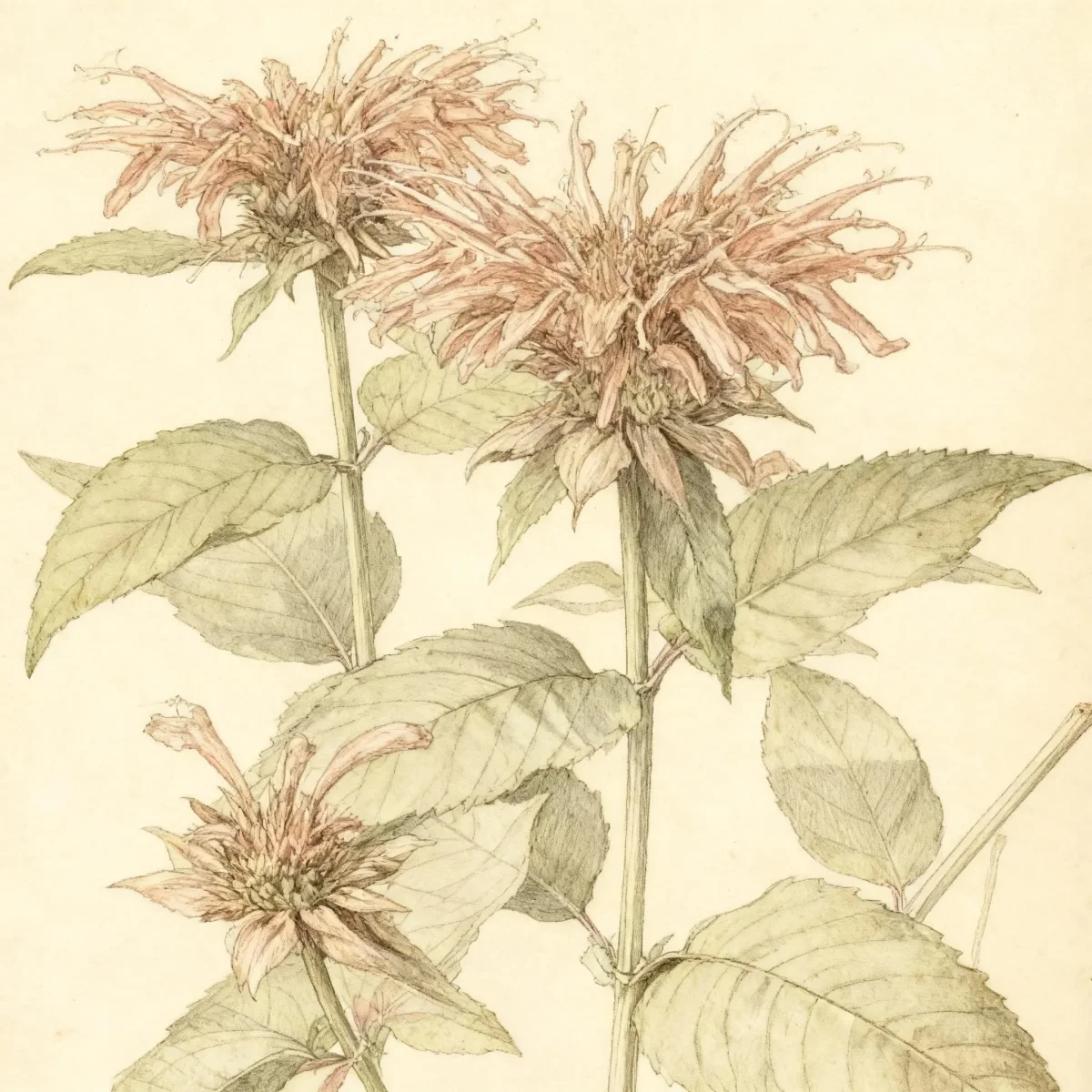
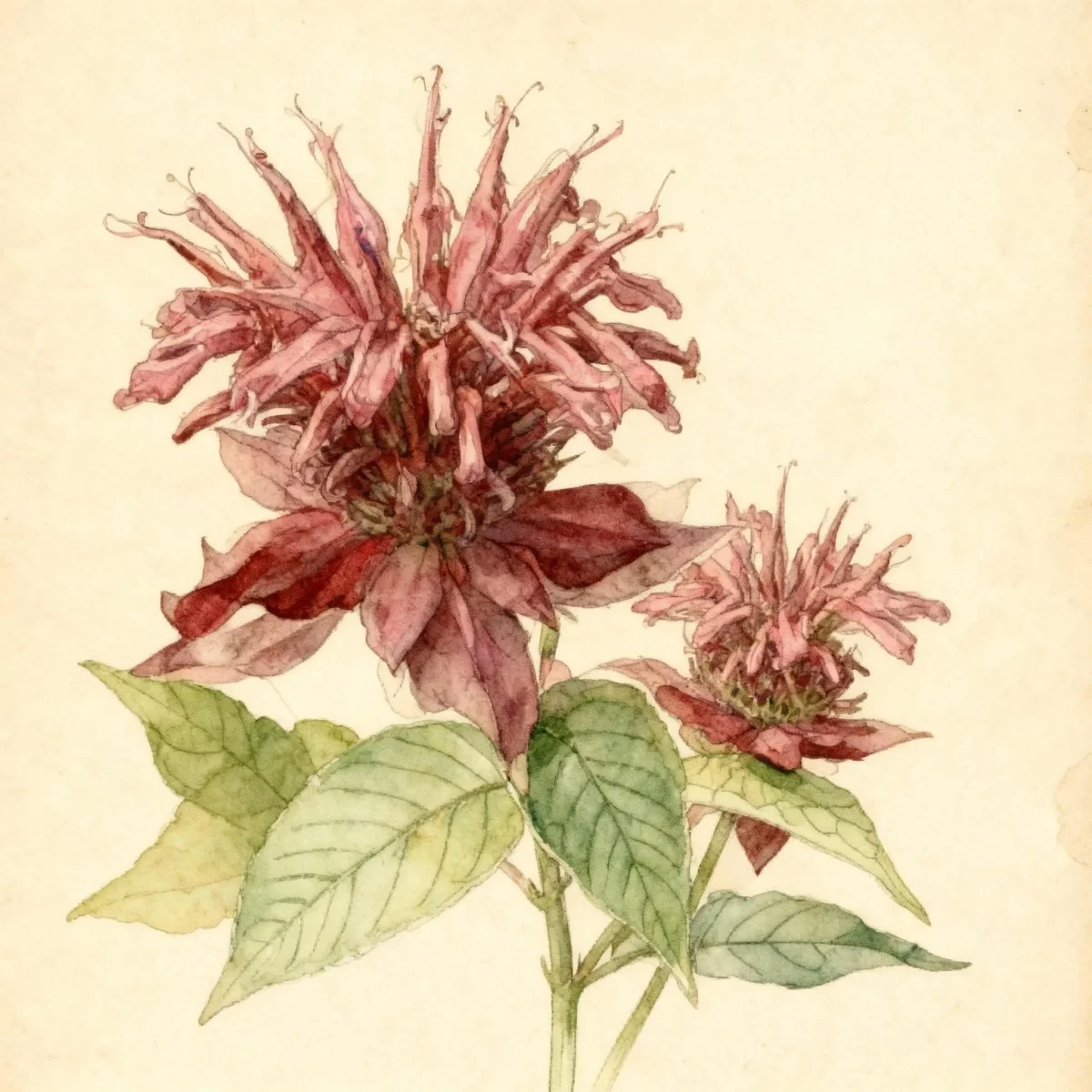
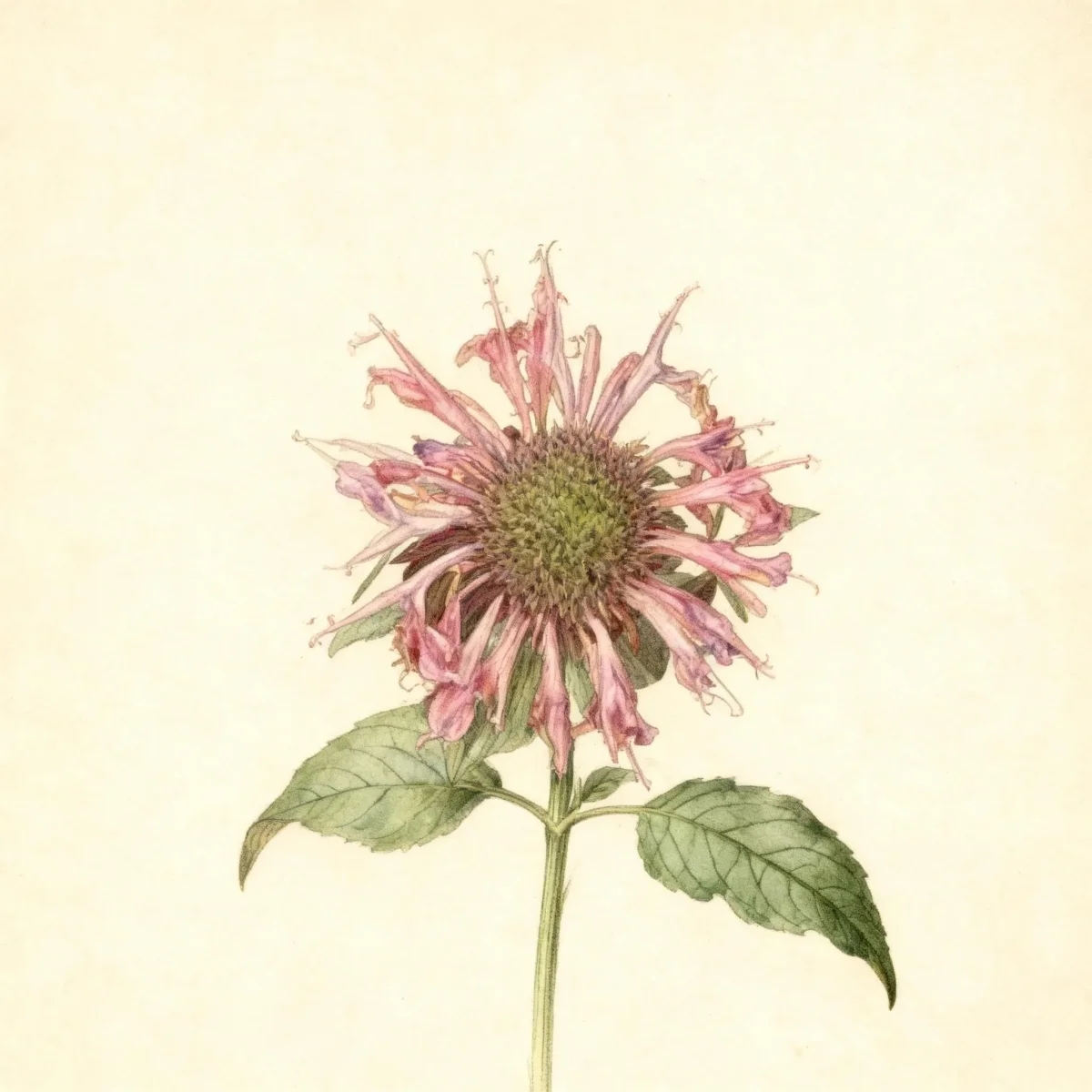
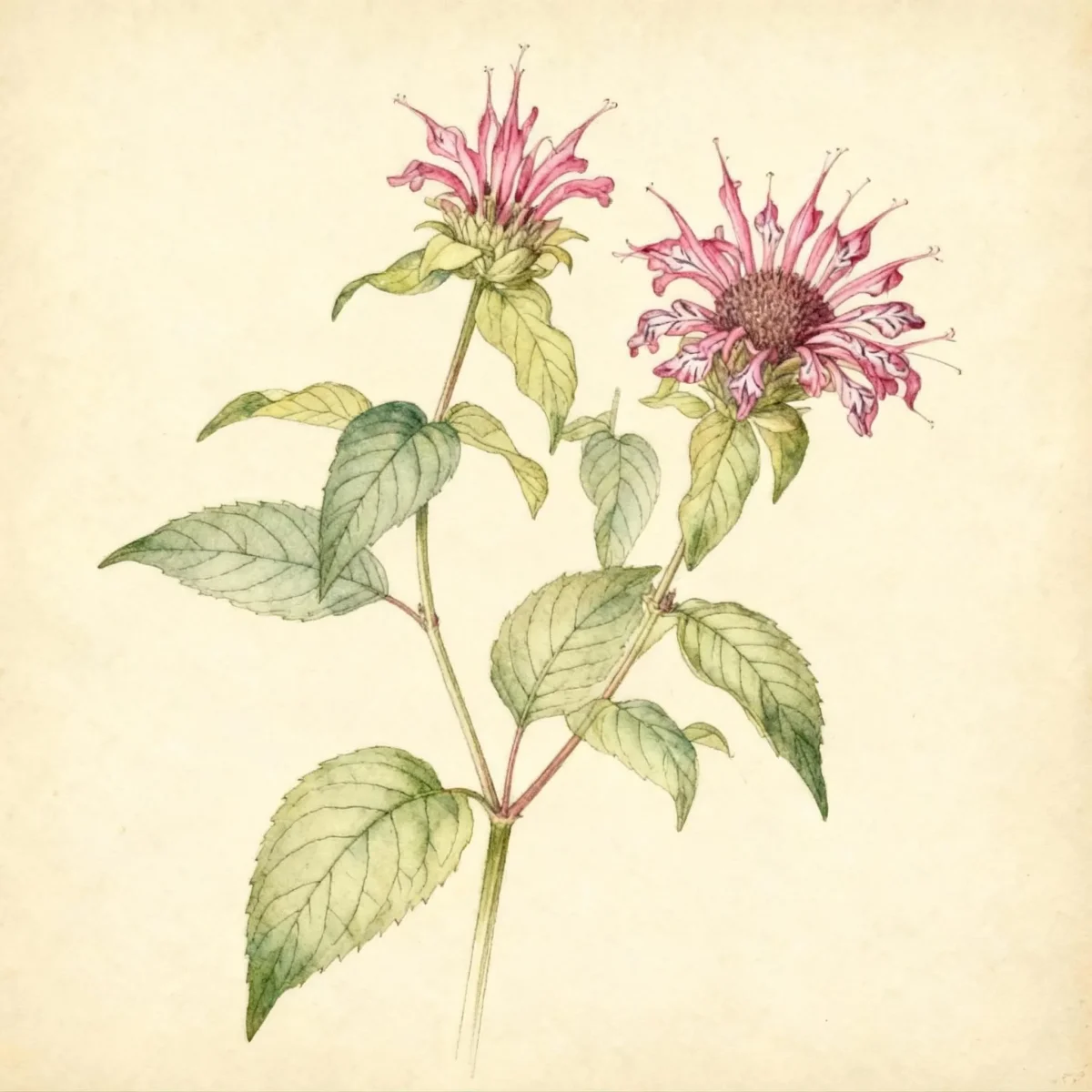
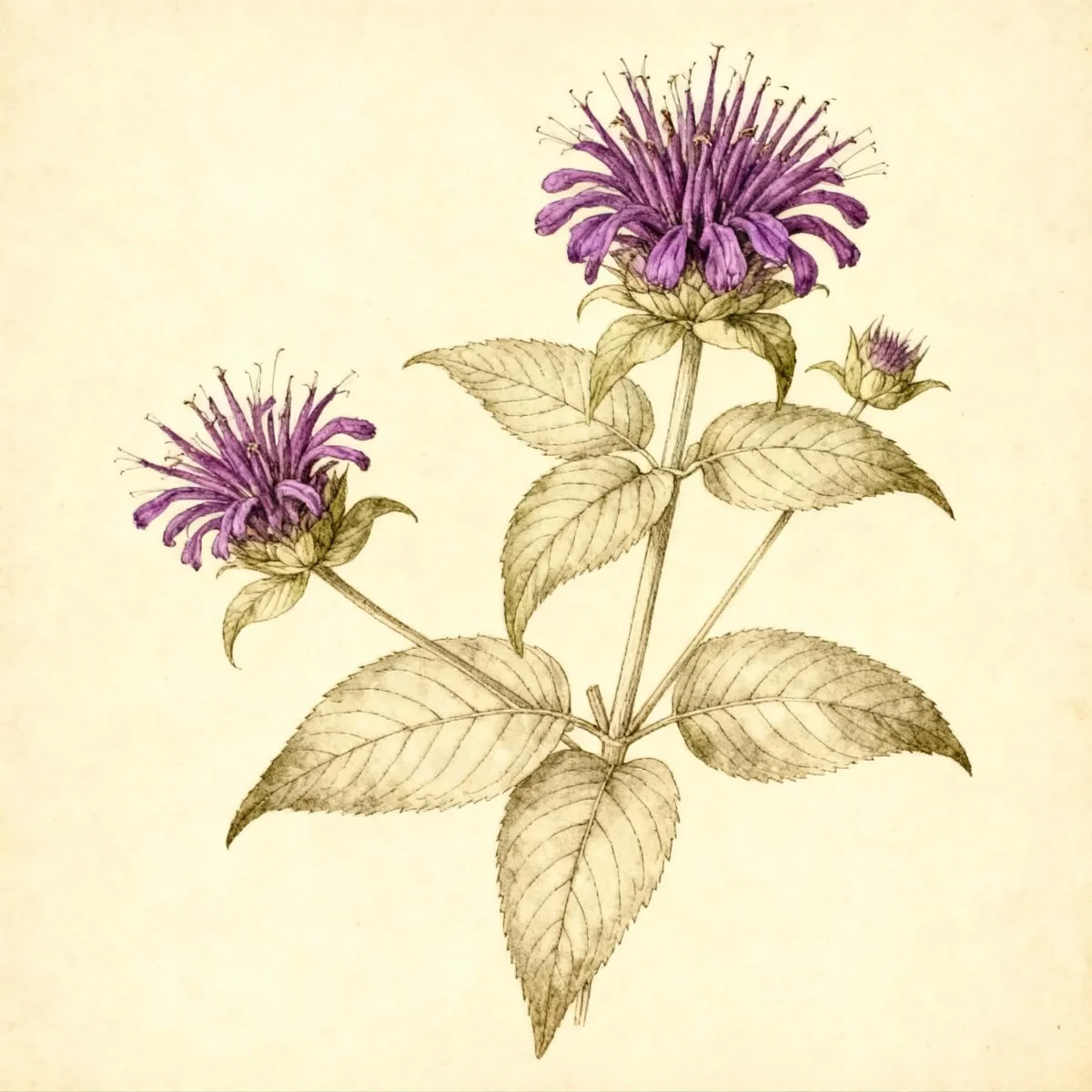
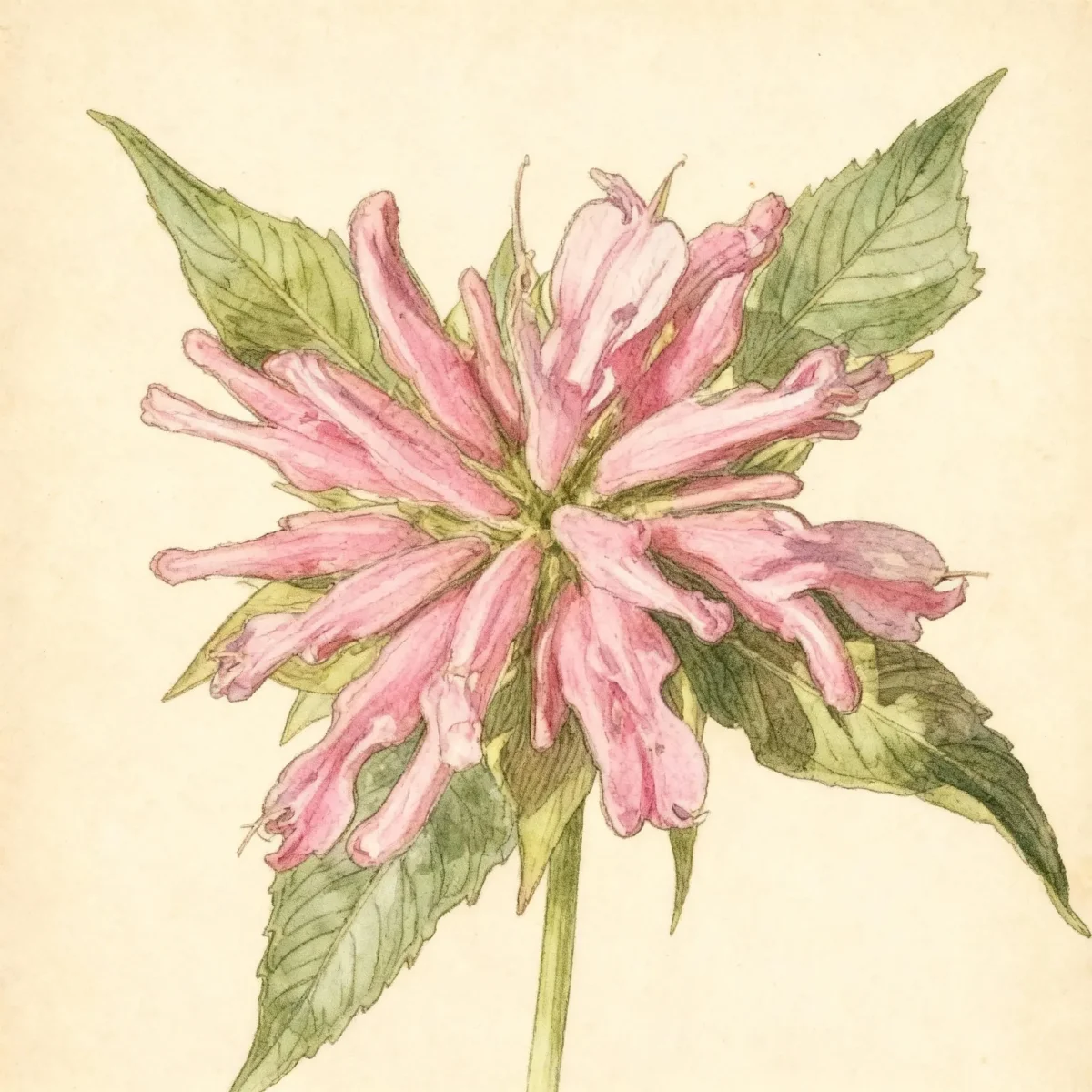
Bee balm (Monarda didyma 'Pardon My Lavender')
Compact Monarda didyma 'Pardon My Lavender' Bee balm offers showy, late-summer lavender-pink blooms and improved mildew resistance.
Scroll down to discover growing tips, care requirements, companion plants, and more
Complete Plant Information
Overview
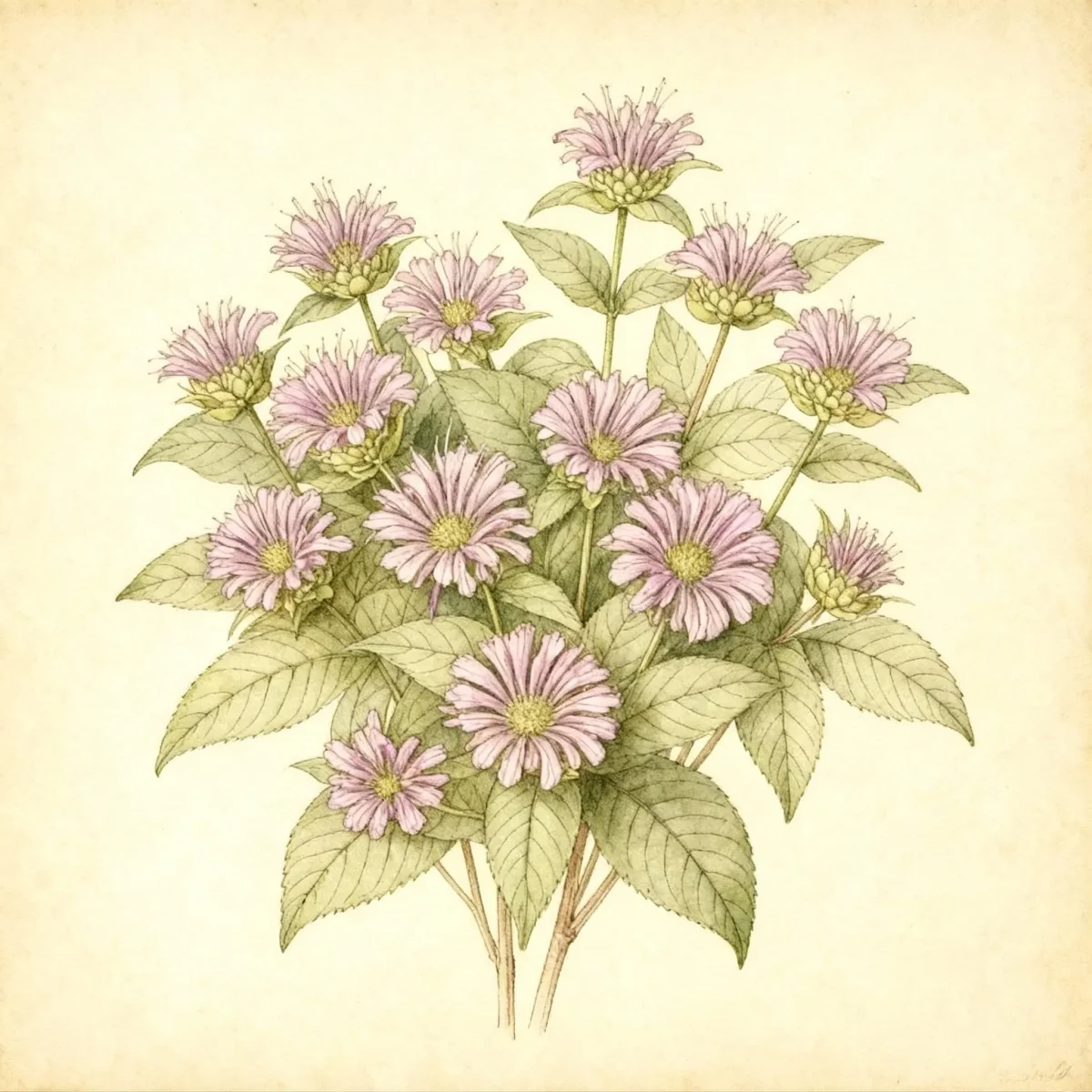
The striking Monarda didyma ‘Pardon My Lavender’ is a compact cultivar of Bee balm, highly valued for extending the bloom season with its unique, pale lavender-pink flowers in late summer. As a member of the mint family, this herbaceous perennial offers visual interest while fulfilling important ecological roles, attracting vital pollinators throughout the season. Gardeners appreciate this cultivar for its manageable size and enhanced disease resistance.
This specific selection, ‘Pardon My Lavender’, matures to a moderate height, making it an excellent choice for the front or middle of perennial borders where space is a consideration. It thrives in moist conditions, making it a reliable performer near water features or in consistently damp garden spots. Growing true to its heritage, this Bee balm provides long-lasting color and fragrance.
The lush, dark green foliage is resistant to powdery mildew, a common complaint among other Monarda types, ensuring the plant remains attractive even after its peak flowering period. From attracting hummingbirds to providing fragrant material for fresh floral arrangements, Monarda didyma ‘Pardon My Lavender’ is a versatile and rewarding addition to the native or cottage garden setting.
Fast Facts
- Plant Family: Lamiaceae
- Plant Type: Herbaceous perennial
- Hardiness Zones: USDA Zones 4-9
- Size at Maturity:
- Height: 1-1.5 ft
- Spread: 0.75-1 ft
- Bloom Time: July to August
- Bloom Description: Pale avender-pink
- Sun Exposure: Full sun to part shade
- Water Needs: Medium to wet
- Maintenance Level: Medium
How to Grow
Plant Monarda didyma ‘Pardon My Lavender’ in the spring or fall when soil temperatures are mild for best establishment. It prefers rich, humusy, and moisture-retentive soils, performing well even in heavy clay, provided drainage isn’t entirely stagnant. While it appreciates full sun, select a location where it can receive some afternoon shade if you live in a particularly hot summer region to prevent undue stress.
Maintain consistent moisture; this Bee balm variety should not be allowed to dry out between waterings, fulfilling its preference for medium to wet conditions. Deadheading the spent flower clusters promptly after blooming is crucial for two main reasons: it encourages a longer blooming season and prevents unnecessary self-seeding.
Good air circulation is essential culture for preventing fungal issues like powdery mildew. Plant clumps far enough apart, maintaining that recommended spread, especially if growing a high density of plants. Since this plant spreads by rhizomes and can slowly colonize an area, plan to divide the clumps every three to four years to maintain vigor and prevent overcrowding.
Landscape Uses
This cultivar is excellent as a butterfly magnet, drawing in essential pollinators when placed along border fronts where its late-summer color stands out. Its moisture tolerance makes Monarda didyma ‘Pardon My Lavender’ an ideal component for rain gardens or plantings alongside streams and ponds, fulfilling its use as a naturalized element.
Use this Bee balm to add contrasting texture and color in perennial borders, pairing it effectively with plants that prefer similar moisture levels but bloom at different times. Its upright habit lends structure, while its fragrant foliage offers bonus sensory appeal in herb gardens or near seating areas. Furthermore, the showy blooms are highly recommended for use in fresh cut arrangements.
Standout Features
Flower Qualities
- Showy
- Fragrant
- Good Cut
Noteworthy Characteristics
Monarda didyma, known by common names like bee balm and Oswego tea, originates from eastern North America’s moist woodlands and streambanks. This species is a clump-forming mint known for its dense, globular flowerheads which, in this specialized cultivar, are pale lavender-pink. ‘Pardon My Lavender’ is specifically noted for its compact habit and improved powdery mildew resistance on its dark green foliage, maintaining better garden aesthetics throughout the season.
Tolerances
- Rabbit
- Deer
- Clay Soil
- Wet Soil
- Black Walnut
Potential Problems
Powdery mildew is the most notable potential problem for Monarda, often exacerbated by overcrowding and poor air circulation. To combat this, ensure you provide adequate space around each plant, allowing air to move freely through the foliage. If the soil dries out frequently, the plants become stressed and more susceptible to disease, so consistent watering is key to prevention. Rust can occasionally be an issue as well, though ‘Pardon My Lavender’ shows improved resistance compared to older varieties.
Frequently Asked Questions
What hardiness zones is Bee balm suitable for?
Monarda didyma ‘Pardon My Lavender’ is reliably hardy across USDA Zones 4-9.
How large does Bee balm grow?
This compact variety reaches a height of 1 to 1.5 feet, with a spread between 0.75 and 1 foot when mature.
What sun exposure does Monarda didyma ‘Pardon My Lavender’ need?
It performs best when situated in full sun to partial shade conditions.
When does Monarda didyma ‘Pardon My Lavender’ bloom?
This Bee balm variety produces its pale lavender-pink flowers throughout July and August.
Conclusion
Offering late-season color, excellent pollinator attraction, and improved mildew resistance, Monarda didyma ‘Pardon My Lavender’ is a worthwhile investment for moist garden spots. This dependable Bee balm variety provides structure and fragrance where many other perennials begin to fade. Check your local USDA hardiness zone compatibility and plan to amend your soil with rich organic matter before planting this summer star.
Companion Planting
Because Monarda didyma ‘Pardon My Lavender’ prefers consistently moist to wet soil, pair it with other perennials that share these cultural demands. Excellent companions that thrive in similar conditions include Astilbe, various native Iris species, marsh marigolds (Caltha), and other moisture-loving natives like Joe Pye Weed or Chelone (Turtlehead). Pairing it with plants offering different bloom times ensures a dynamic, pollinator-friendly garden succession.
Wildlife Benefits
Monarda is practically synonymous with wildlife gardening, especially for attracting hummingbirds, bees, and butterflies due to its tubular flower structure. Even in its compact form, ‘Pardon My Lavender’ provides abundant nectar sources late into the summer when other blossoms may be scarce. Its leaves also offer host plant opportunities for various native moth and butterfly larvae, supporting the complete life cycle of these beneficial insects in your yard.