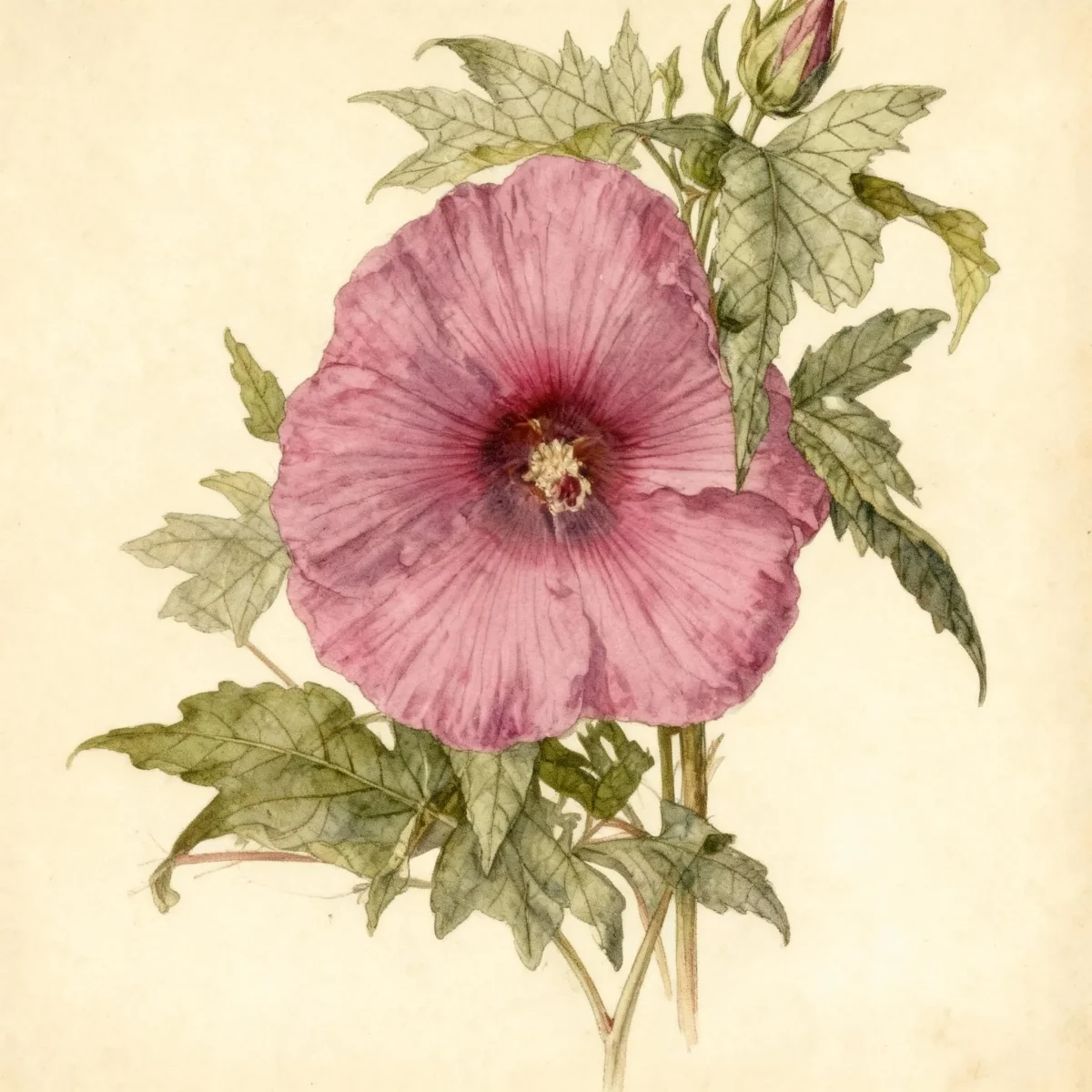
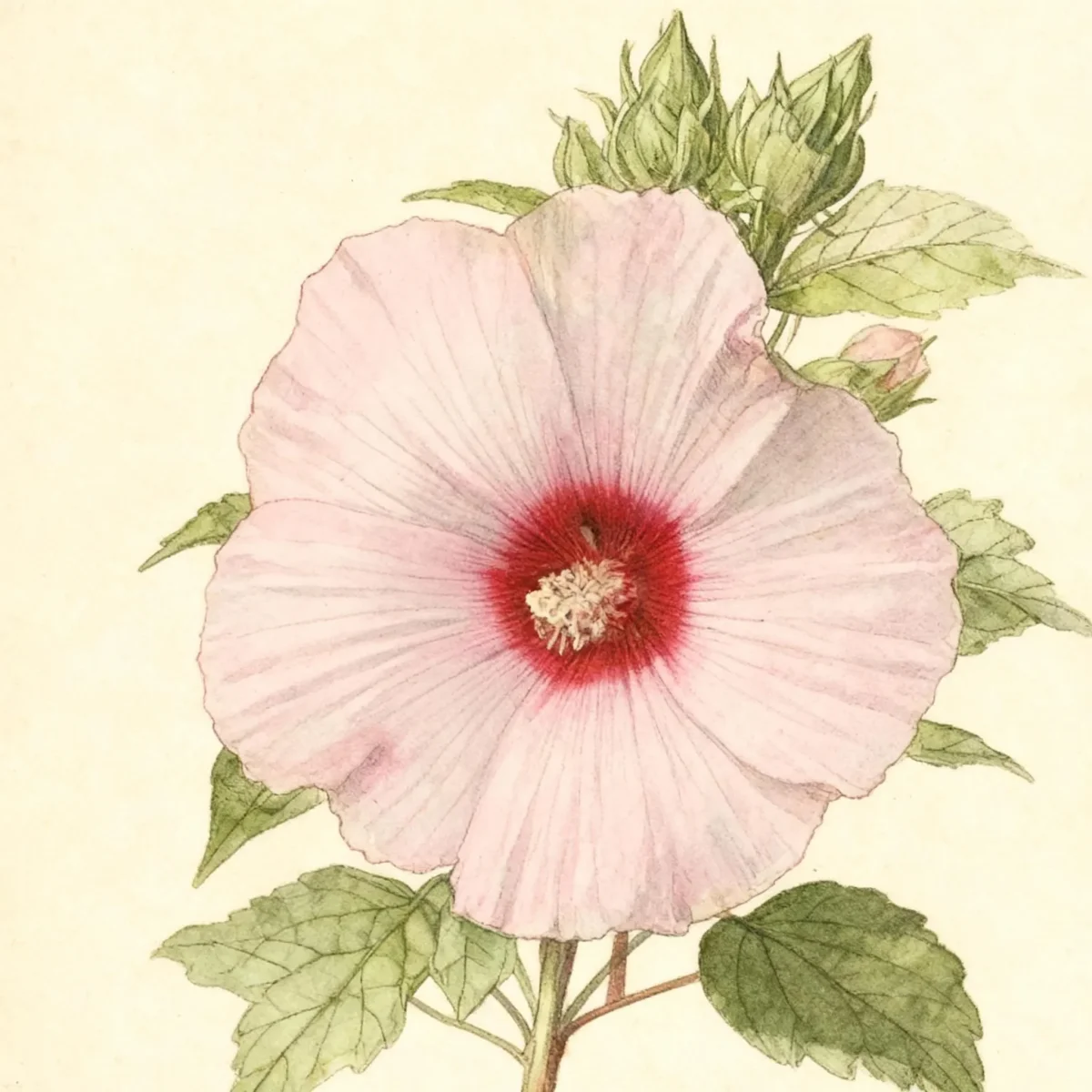
Hardy hibiscus (Hibiscus moscheutos SUMMER SPICE BLEU BRULEE)
Discover Hibiscus moscheutos SUMMER SPICE BLEU BRULEE, a low-maintenance Hardy hibiscus, offering massive lilac-blue blooms from mid-summer to fall.
Scroll down to discover growing tips, care requirements, companion plants, and more
Complete Plant Information
Overview
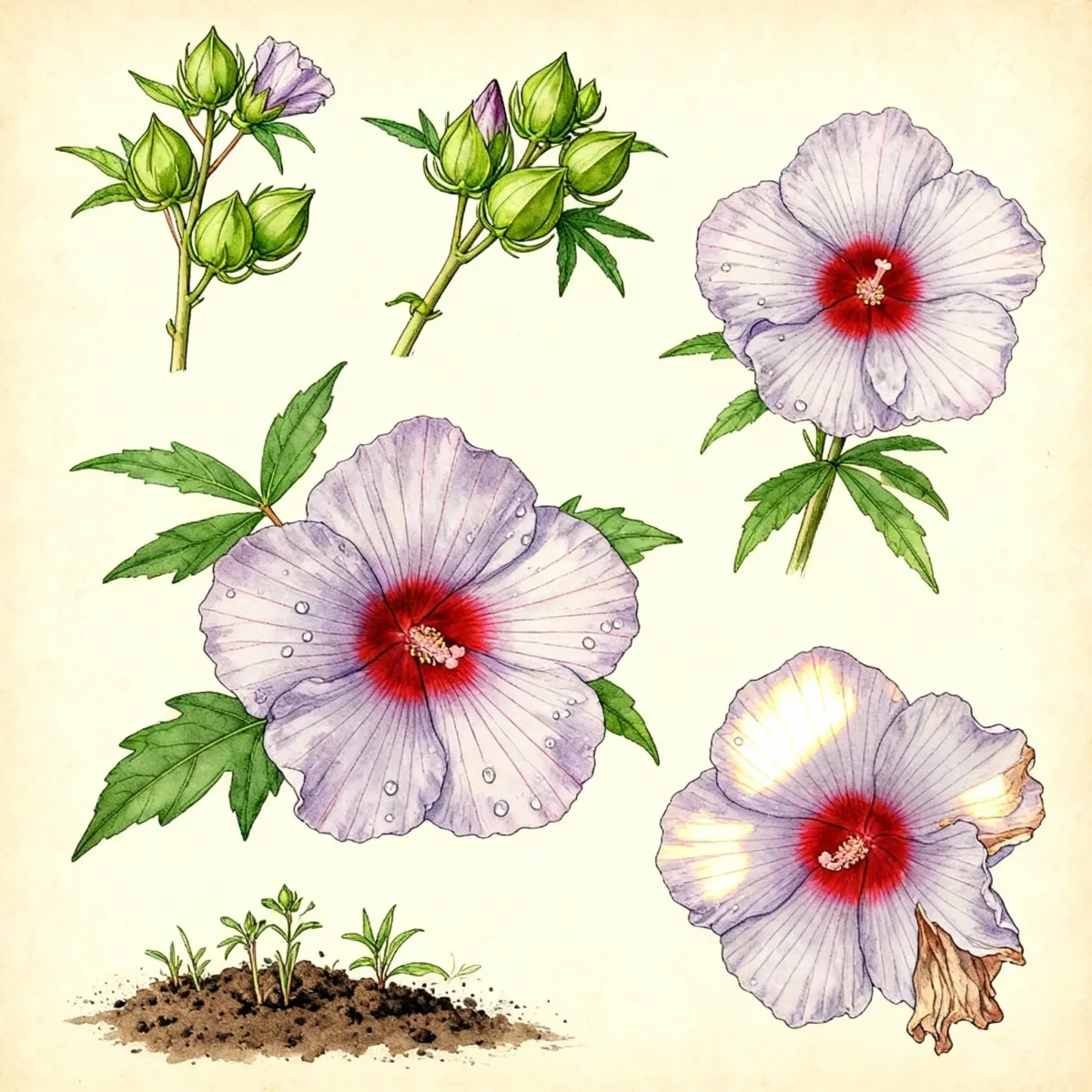
Hibiscus moscheutos SUMMER SPICE BLEU BRULEE is a captivating herbaceous perennial prized for its exceptionally large, showy flowers that bring tropical drama to temperate gardens. This specific cultivar of Hardy hibiscus stands out with its unique lilac-blue to steel blue blooms, each featuring a contrasting red central eye, opening continuously throughout the warmer months. It offers outstanding performance with relatively low effort, thriving even in wetter areas where other ornamental plants might falter.
As a sturdy, rounded perennial, this plant delivers significant vertical interest, reaching heights up to three feet. It maintains excellent vigor, providing a reliable burst of summer color that attracts pollinators. The reliable nature of this Hardy hibiscus makes it a valuable structural element in perennial borders and specialized wet landscape designs.
The value of Hibiscus moscheutos SUMMER SPICE BLEU BRULEE lies in its combination of dramatic visual impact, long bloom period, and adaptability to moist conditions. It is an excellent choice for gardeners seeking low-maintenance drama, offering dinner-plate-sized color from mid-summer until frost without demanding constant attention.
Fast Facts
- Plant Family: Malvaceae
- Plant Type: Herbaceous perennial
- Hardiness Zones: USDA Zones 5-9
- Size at Maturity:
- Height: 2.5-3 ft
- Spread: 2.5-3 ft
- Bloom Time: July to September
- Bloom Description: Lilac-blue to steel blue with red center eye
- Sun Exposure: Full sun
- Water Needs: Medium to wet
- Maintenance Level: Low
How to Grow
Planting your Hibiscus moscheutos SUMMER SPICE BLEU BRULEE should ideally occur in spring after the danger of frost has passed, establishing it in rich soil amended with plenty of organic matter. While it prefers moist, organically rich soils for best results, this Hardy hibiscus surprisingly adapts well to average garden soils provided they do not dry out completely during the growing season. Ensure it receives full sun exposure, though it tolerates light shade; full sun paired with good air circulation yields the strongest stems and heaviest bloom production.
Regular, deep watering is advised, especially during dry spells, as leaf scorch occurs rapidly if the soil dries out. While naturally vigorous, plants benefit significantly from regular fertilization throughout the growing season to support continuous flowering. To encourage a bushier habit rather than a tall, leggy one, pinch back the growing tips when new stems reach about 8 inches high, repeating the process once more when they reach 12 inches.
Pruning is straightforward. Deadhead individual flowers casually to keep the plant looking tidy, though this does not usually extend the bloom period significantly. In late autumn or very early spring, cut the rigid stems back severely, leaving only 3 to 4 inches above the ground. Be patient in spring; new growth for this hardy hibiscus emerges slowly, but once it starts, development is rapid.
Landscape Uses
The cultural preference of this plant for moist conditions makes it an indispensable component of water-wise or rain gardens. Grouping Hibiscus moscheutos SUMMER SPICE BLEU BRULEE along streams, ponds, or in low spots that naturally retain moisture showcases its best attributes. It functions admirably as a temporary summer screen or hedge due to its robust, upright growth habit over three feet tall.
Beyond wet specialties, these striking plants serve as excellent specimen accents in mixed perennial borders, drawing the eye with their enormous, vibrant blue flowers. When soil conditions permit, they also perform well when grown in large containers, offering flexibility in patio design, though container specimens will require more diligent watering. Their large structure pairs well with contrasting fine-textured foliage or shorter, moisture-loving perennials like Astilbe or Iris.
Standout Features
Flower Qualities
- Showy
Noteworthy Characteristics
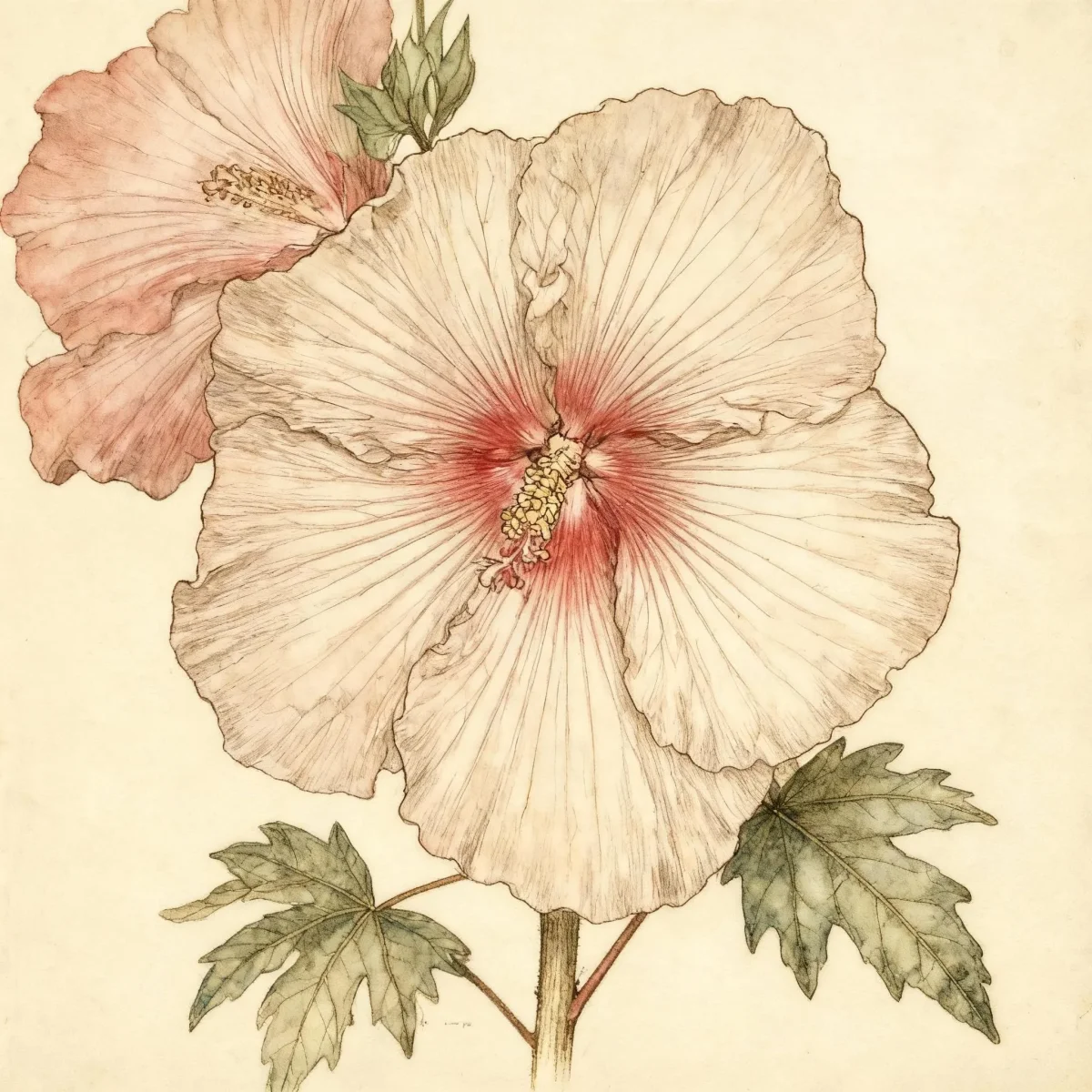
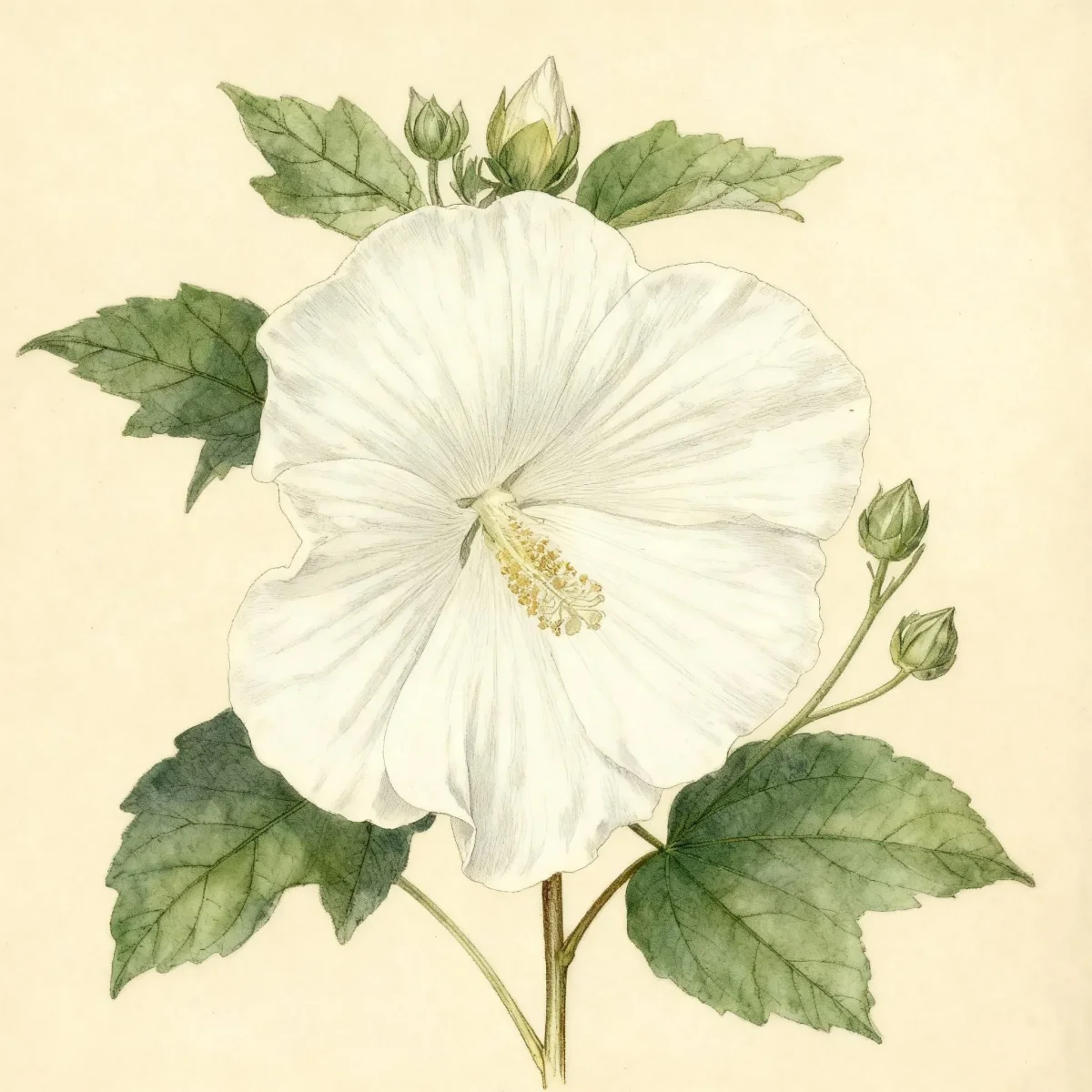
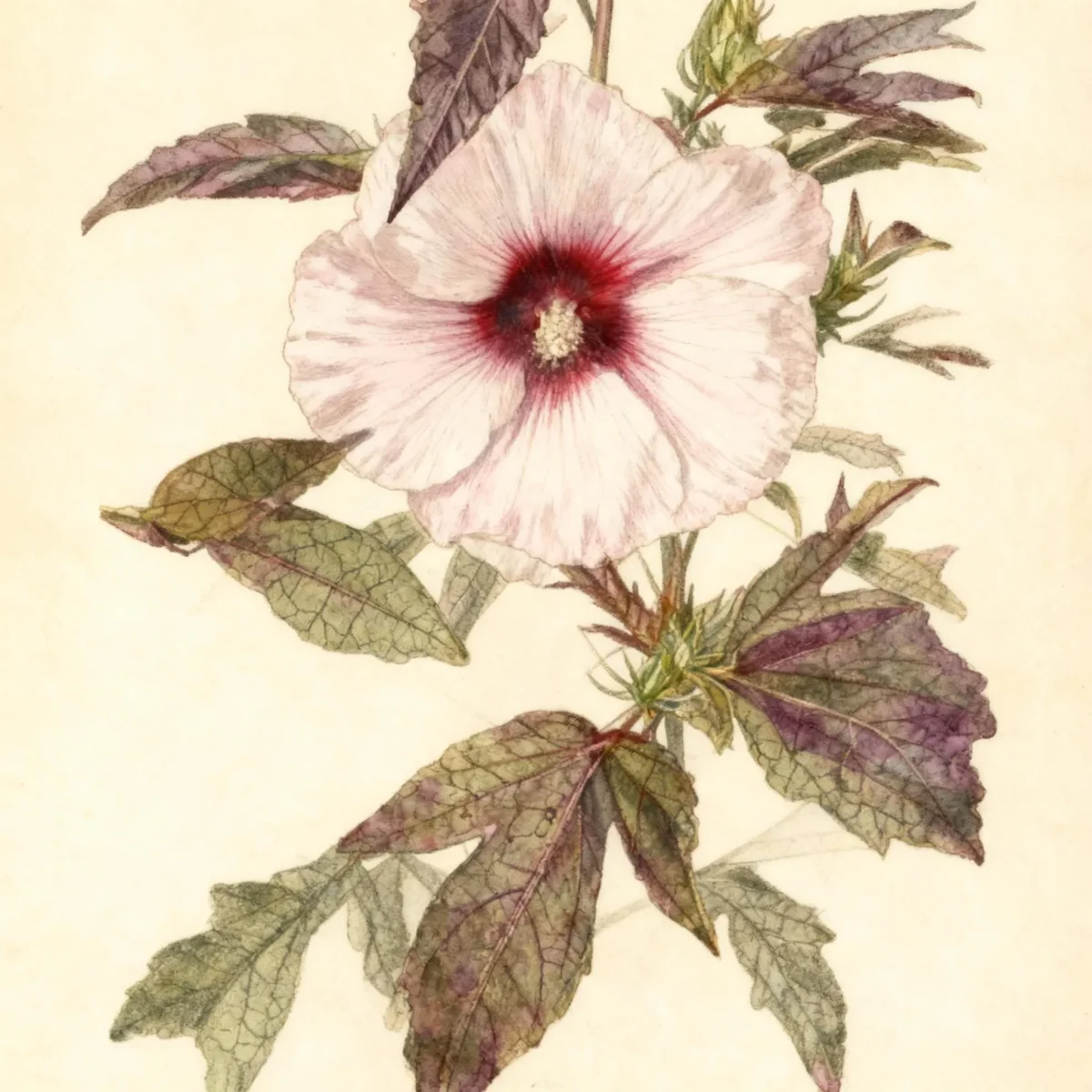
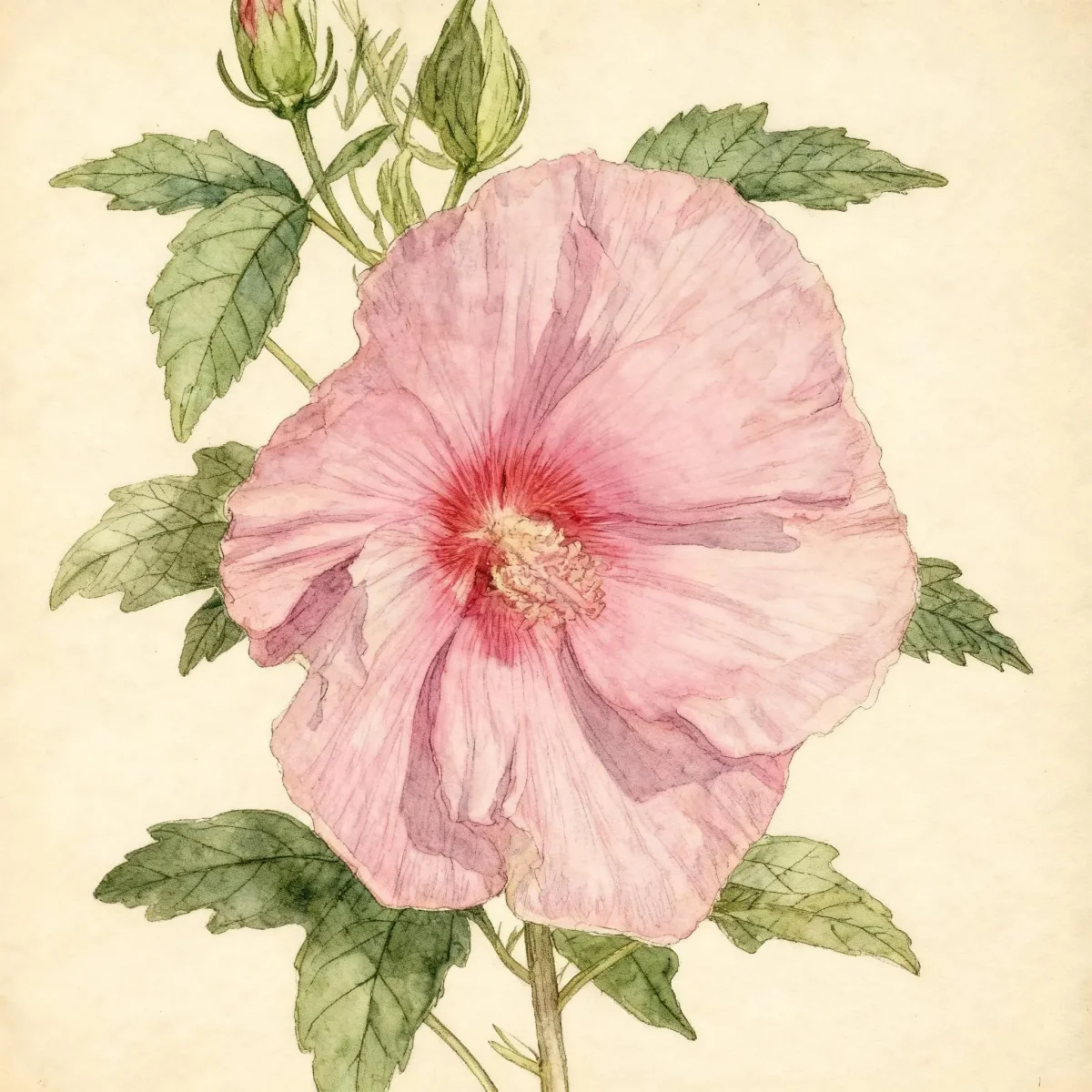
Hibiscus moscheutos, commonly known as hardy hibiscus or swamp rose mallow, is a vigorous, sturdy, rounded, somewhat shrubby, hairy-stemmed, woody-based perennial of the mallow family. Showy, dinner plate-sized, hollyhock-like flowers (each to 4-6” diameter) have five overlapping petals that form sharply contrasting central eyes, though individual blooms last only one or two days, new ones open in rapid succession. SUMMER SPICE BLEU BRULEE is a compact selection that features 8” diameter lilac-blue to steel blue flowers opening continuously from mid-summer to early fall on plants reaching about 3’ tall and wide.
Tolerances
- Deer
- Wet Soil
Potential Problems
Some susceptibility exists concerning common fungal issues such as leaf spots, blights, rusts, and canker, often exacerbated by poor air circulation or overly dry conditions. Insect visitors, including whiteflies, aphids, and scale, can appear occasionally, but the most visual damage often comes from Japanese beetles feeding heavily on the foliage. The best defense against potential problems for your Hibiscus moscheutos SUMMER SPICE BLEU BRULEE is ensuring optimal care: provide full sun, adequate watering, and good airflow; healthy plants grown in the proper environment rarely require staking or intensive chemical treatment.
Frequently Asked Questions
What hardiness zones is Hardy hibiscus suitable for?
This variety of Hardy hibiscus is suitable for USDA Zones 5 through 9, offering reliable perennial performance across a broad climatic range.
How large does Hibiscus moscheutos SUMMER SPICE BLEU BRULEE grow?
This compact selection matures to a height between 2.5 and 3 feet, with a consistent spread of 2.5 to 3 feet.
What sun exposure does Hibiscus moscheutos SUMMER SPICE BLEU BRULEE need?
This plant requires full sun exposure for the best flower production and strongest stems, although it can tolerate a bit of light shade.
When does Hibiscus moscheutos SUMMER SPICE BLEU BRULEE bloom?
It blooms prolifically from July through September, displaying magnificent lilac-blue to steel blue flowers accented with red center eyes.
Conclusion
Hibiscus moscheutos SUMMER SPICE BLEU BRULEE offers unmatched summer spectacle due to its large, uniquely colored flowers and its low maintenance needs, especially when grown in adequately moist conditions. This exceptional Hardy hibiscus is a must-have for adding high-impact color to the mid-to-late summer landscape. Ensure you have the required space and moisture levels, then plant this specimen in full sun to enjoy its spectacular, season-long performance.
Companion Planting
When integrating Hibiscus moscheutos SUMMER SPICE BLEU BRULEE into a wet border, select companions that share its love for moisture but offer contrasting texture or bloom time. Consider pairing it with reliable moisture lovers such as large ornamental grasses like Switchgrass (Panicum virgatum) or blue flag iris (Iris versicolor). These companions provide structure earlier and later in the season, framing the massive, mid-summer blooms of the Hardy hibiscus.
For gardeners using this plant in a standard, moist garden bed, contrast the broad, tropical appearance of the hibiscus foliage with fine-textured, sun-loving perennials. Coneflowers (Echinacea) or Black-eyed Susans (Rudbeckia) thrive under similar sun requirements and their yellow tones look spectacular next to the steel blue of the Summer Spice Bleu Brulee blooms.
Seasonal Care Calendar
Spring preparation is crucial for this herbaceous perennial. Wait until things warm up significantly before cutting back the previous year’s woody stems to about 3-4 inches; this plant is notoriously slow to emerge, so resist the urge to dig it up prematurely. Once new growth begins, apply a balanced, slow-release fertilizer around the base of the plant to fuel the season’s rapid growth.
Throughout the summer heat, maintain consistent moisture via deep watering sessions, especially if summer rains are infrequent elsewhere in the garden. Continue deadheading faded flowers lightly to keep the plant looking sharp, although this isn’t strictly necessary for health. In autumn, focus on cleanup; while the main stems can be cut back in fall, many gardeners prefer waiting for a hard frost for a cleaner cut back to 3-4 inches tall.