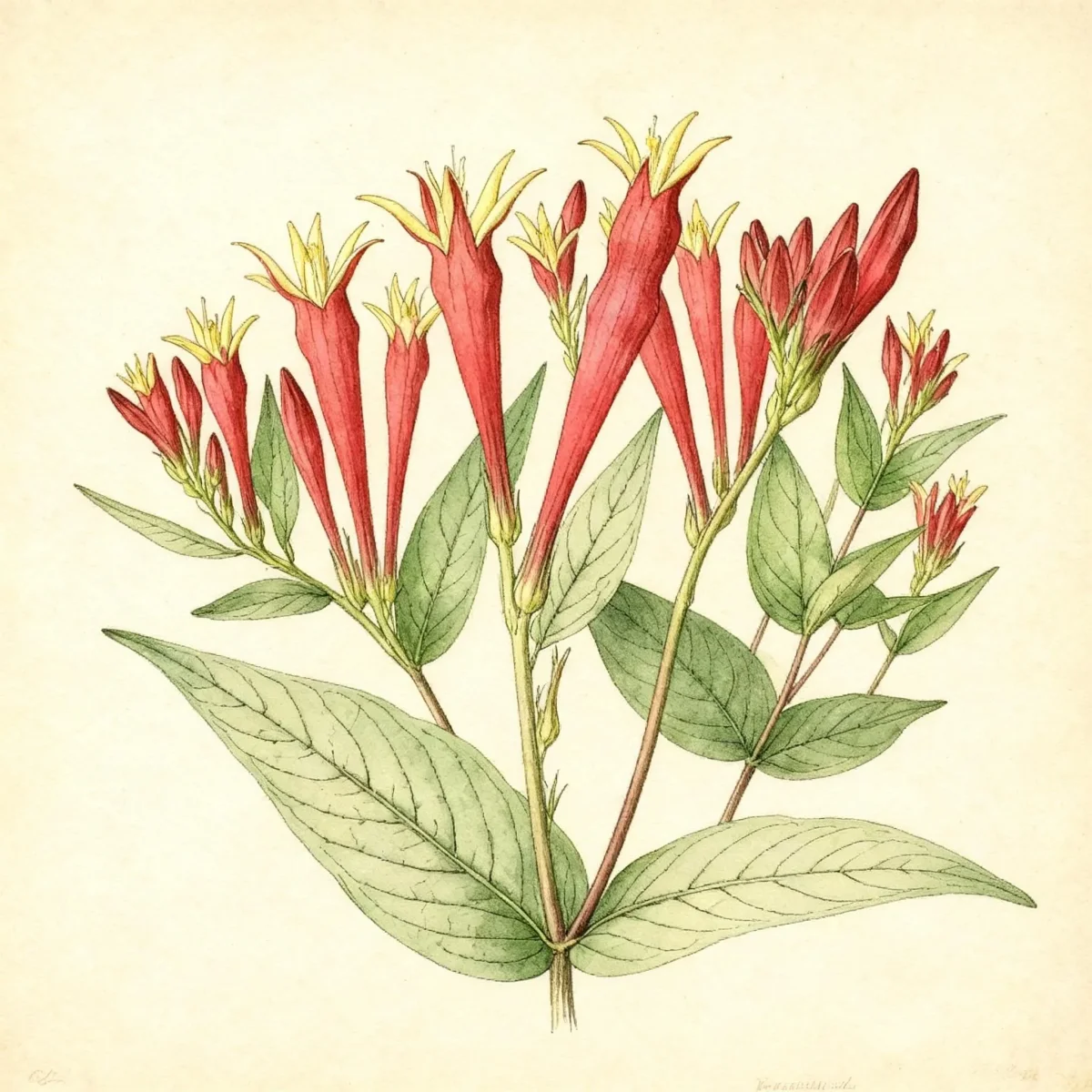
Indian pink (Spigelia marilandica 'Little Redhead')
Vibrant Indian pink, Spigelia marilandica 'Little Redhead' is a low-maintenance perennial known for showy red and yellow blooms.
Scroll down to discover growing tips, care requirements, companion plants, and more
Complete Plant Information
Overview
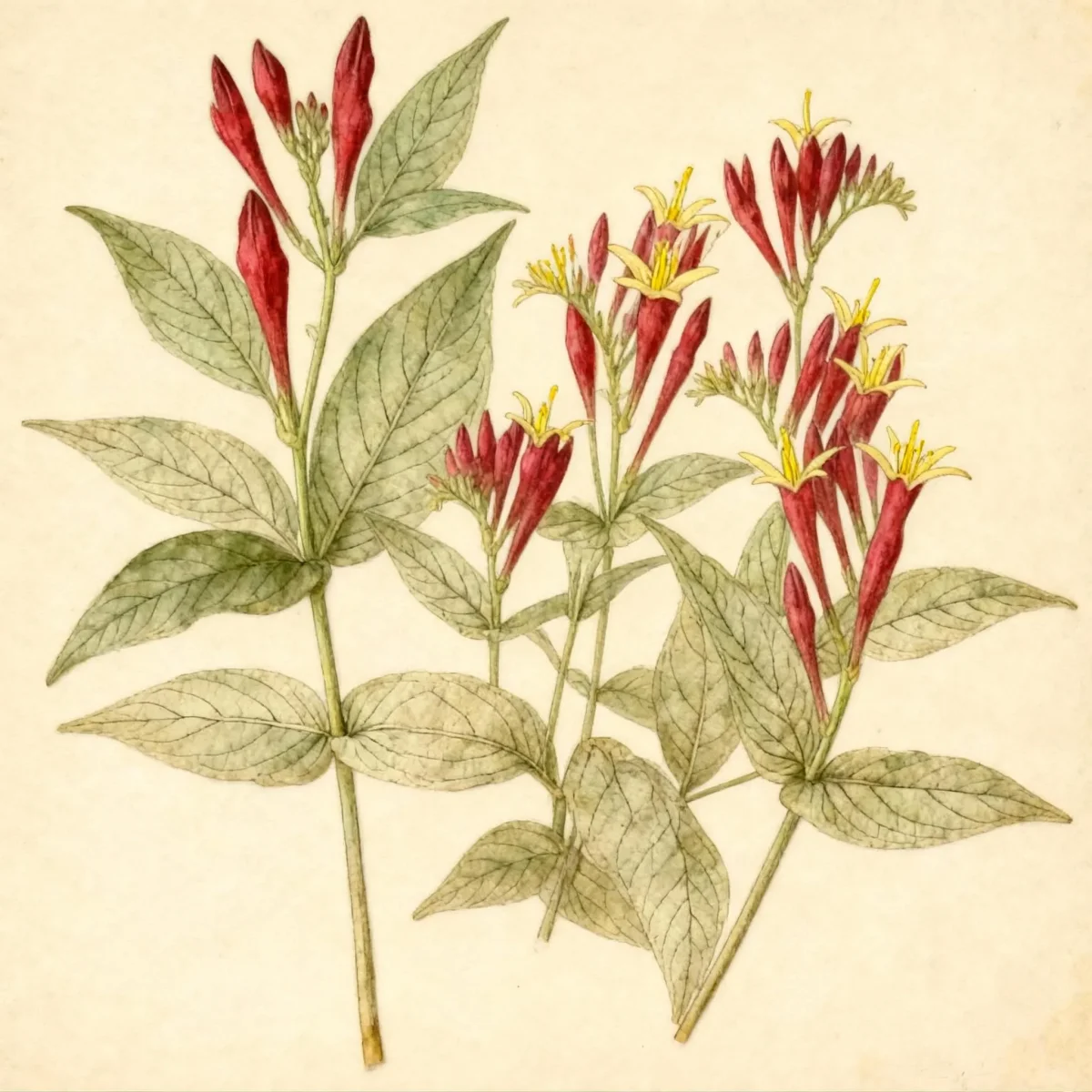
Spigelia marilandica ‘Little Redhead’ offers a spectacular display of tubular, red flowers that open to reveal a bright yellow star, making this Indian pink selection a standout in early summer gardens. This clump-forming herbaceous perennial is prized for its low maintenance needs and exceptional ability to attract hummingbirds. ‘Little Redhead’ is a reliable performer that brightens borders with its unique coloration and upright habit.
This variety is native to moist woodland environments, which dictates its preference for rich, consistently moist soils, though it remains quite adaptable. Growers should site Spigelia marilandica ‘Little Redhead’ where it receives adequate moisture to maintain its vigor throughout the season. Its sturdy stems and compact size make it an excellent choice for adding vertical interest without becoming unruly.
The visual impact of Indian pink, particularly the intense contrast between the red exterior and the yellow flaring tips, ensures it serves as a focal point in mixed plantings. Successfully growing Spigelia marilandica ‘Little Redhead’ typically requires little intervention beyond appropriate watering, rewarding the gardener with vibrant blooms and excellent structural integrity.
Fast Facts
- Plant Family: Loganiaceae
- Plant Type: Herbaceous perennial
- Hardiness Zones: USDA Zones 5-9
- Size at Maturity:
- Height: 2-2.25 ft
- Spread: 1.75-2 ft
- Bloom Time: June
- Bloom Description: Red with yellow interior
- Sun Exposure: Full sun to part shade
- Water Needs: Medium
- Maintenance Level: Low
How to Grow
Plant Spigelia marilandica ‘Little Redhead’ in the spring or fall, ensuring the site provides average, medium, well-drained soil that is organically rich. While it tolerates shade, the best flower display for this cultivar is achieved when positioned in full sun to part shade locations. Avoid spots where the soil dries out completely, as consistent moisture is key to robust blooming.
Watering should be consistent, aiming for medium levels of soil moisture; this plant has a particular tolerance for wet soils, which should be noted when planning drainage in your beds. Fertilization is generally unnecessary in rich garden soils, as too much encouragement can lead to floppy growth rather than strong flower stems. Minimal pruning is required other than removing spent flower stalks if you wish to tidy the appearance after the main June flush.
‘Little Redhead’ is exceptionally hardy and requires little winter preparation, often emerging reliably each spring. If planting in full sun, be diligent about providing ample moisture during hot, dry spells to prevent undue stress. Its tolerance for wet soils makes it invaluable for areas of the garden that retain more moisture after rain.
Landscape Uses
Spigelia marilandica ‘Little Redhead’ integrates beautifully into mixed borders, providing early summer color alongside later-blooming perennials. Its upright habit works well situated towards the middle or front of perennial groupings, ensuring the unique red and yellow flowers are easily visible. It serves as an excellent structural component in cottage gardens where varied textures and heights are desired.
For gardeners dedicated to regional ecology, this plant is a must-have for establishing native gardens, echoing its natural habitat in moist woodlands and stream banks. Consider pairing Indian pink with foliage plants that contrast well with its glossy green leaves, such as dark purple heucheras or silvery lamb’s ears, to amplify the flower show. Furthermore, its hardiness allows it to look spectacular spilling slightly over the edges of containers placed near patios or entryways.
Standout Features
Flower Qualities
- Showy
- Good Cut
Noteworthy Characteristics
Spigelia marilandica, commonly called Indian pink, is a clump-forming, Missouri native perennial which occurs in moist woods and streambanks in the far southeastern part of the State. Features one-sided cymes of upward facing, trumpet-shaped, red flowers (to 2” long) atop stiff stems growing to 18” tall. Each flower is yellow inside and flares at the top to form five pointed lobes (a yellow star). ‘Little Redhead’ features upright, sturdy stems topped with bright red, tubular flowers with bright yellow interiors, and mature clumps will reach up to 2.25’ tall and spread to fill a 2’ area.
Tolerances
- Wet Soil
Potential Problems
Indian pink, including the ‘Little Redhead’ cultivar, seldom suffers from significant insect infestations or serious diseases under proper growing conditions. The key to avoiding problems lies in ensuring the plant receives the necessary moisture levels and avoiding overly rich or poorly drained soil which could encourage rot. Vigilance for slugs and snails early in the season might be warranted in damp, shaded areas, but systemic issues are rare.
Frequently Asked Questions
What hardiness zones is Indian pink suitable for?
Spigelia marilandica ‘Little Redhead’ is reliably hardy in USDA Zones 5 through 9.
How large does Indian pink grow?
This cultivar typically reaches a mature height between 2 and 2.25 feet tall, with a spread ranging from 1.75 to 2 feet wide.
What sun exposure does Spigelia marilandica ‘Little Redhead’ need?
For the best display, this plant prefers full sun to part shade; less sun is tolerated but may reduce the quantity of blooms.
When does Indian pink bloom?
The main bloom period for Spigelia marilandica ‘Little Redhead’ is in June, featuring striking red flowers with a yellow interior.
Conclusion
The unique, hummingbird-attracting flowers and exceptionally low maintenance profile make Spigelia marilandica ‘Little Redhead’ a vital player for nearly any gardener in appropriate zones. Ensure you place this Indian pink variety where its moist soil needs can be met, and you will be rewarded with season-long structural interest and vibrant color. Check your local USDA zone compatibility and plan to incorporate this beauty into your garden beds this coming season.
Companion Planting
Companion planting near Spigelia marilandica ‘Little Redhead’ should focus on species that share its preference for moisture retention and partial shade, while offering complementary textures. Consider planting alongside ferns, Astilbe, or Hakonechloa (Japanese Forest Grass) to enhance the woodland edge aesthetic. These partners rarely compete aggressively and appreciate the same organically rich soil amendments.
For color pairing, aim for cool tones that offset the fiery red and yellow of the Indian pink blooms. Hosta varieties with deep blue or silvery foliage provide excellent textural contrast and thrive in the similar light conditions required for optimal growth of Spigelia marilandica ‘Little Redhead’.
Wildlife Benefits
The tubular, nectar-rich flowers of Indian pink are specifically evolved to attract pollinators with long bills, most notably hummingbirds. Planting Spigelia marilandica ‘Little Redhead’ directly attracts these energetic avian visitors to your garden during its early summer peak bloom time. This makes it a highly functional addition to any wildlife or pollinator-focused garden space.
Beyond hummingbirds, the glossy foliage offers dense coverage, providing shelter for smaller beneficial insects moving through the garden layers. Its roots help stabilize moist banks where it naturally occurs, contributing positively to the local micro-ecosystem in your landscape.