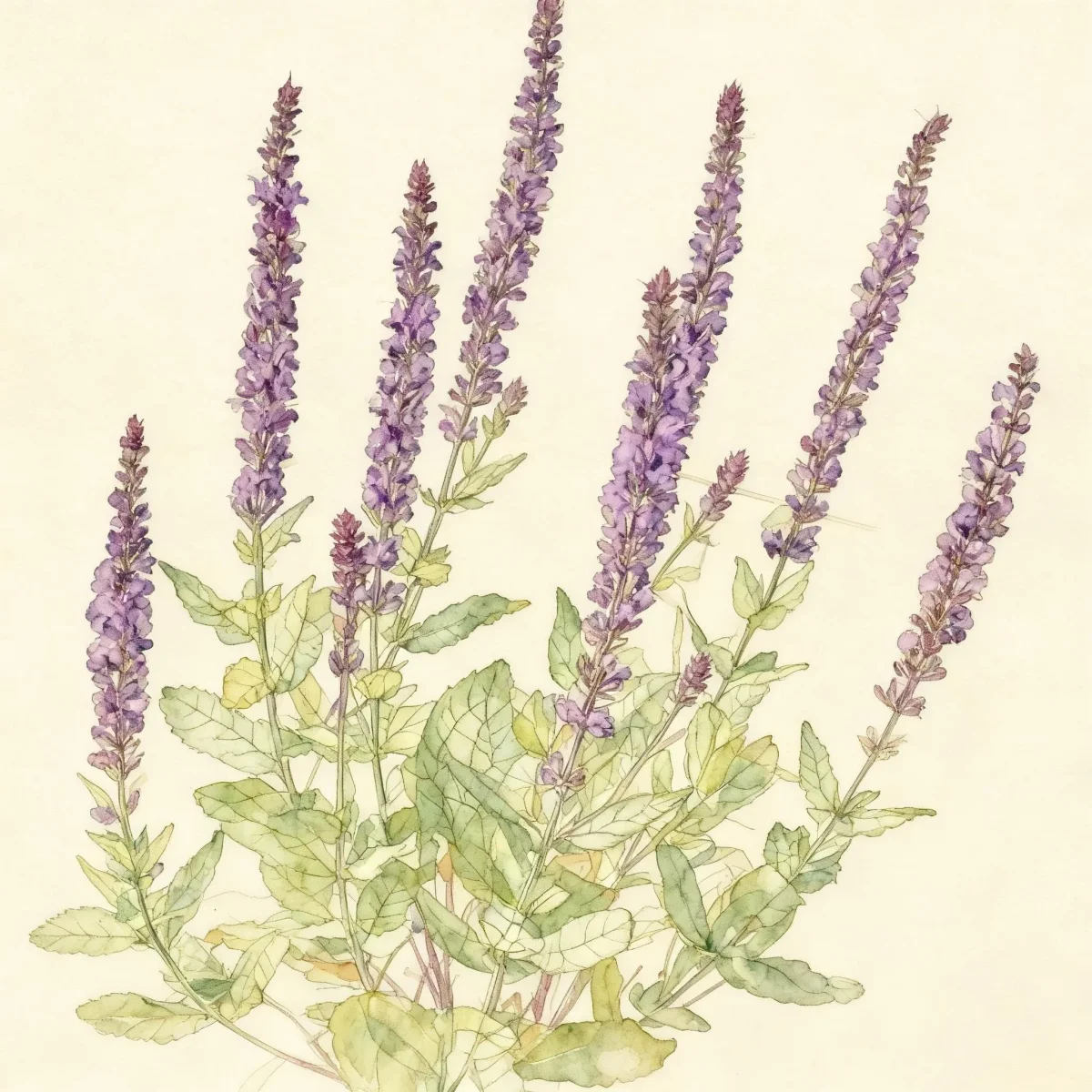
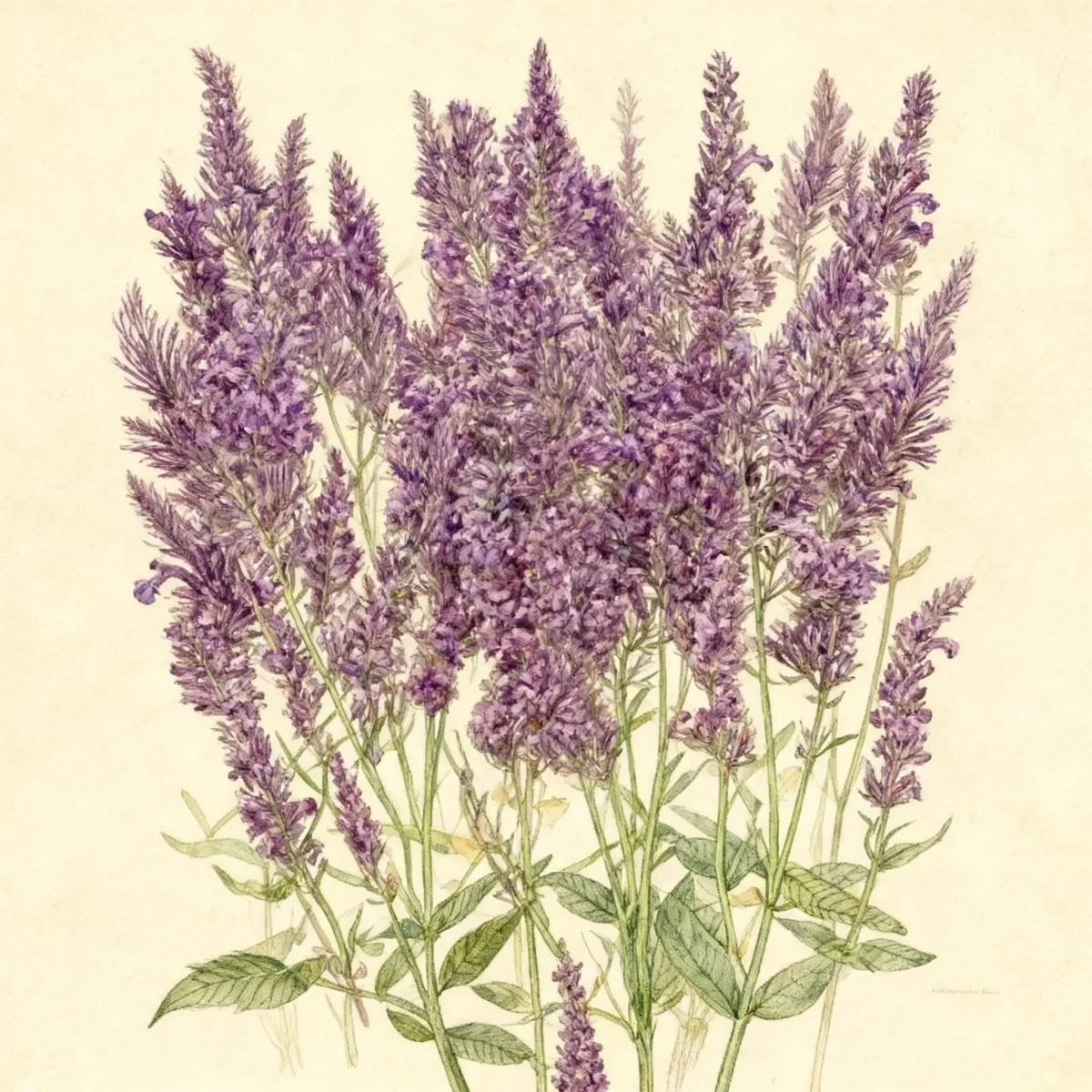
Sage (Salvia nemorosa 'White Profusion')
Salvia nemorosa 'White Profusion' features showy, fragrant white blooms and low maintenance, thriving in full sun.
Scroll down to discover growing tips, care requirements, companion plants, and more

Complete Plant Information
Overview
Salvia nemorosa ‘White Profusion’ is a highly valued, compact selection of woodland sage, offering reliable summer color without demanding excessive attention. This herbaceous perennial stands out with its dense spikes of pure white, fragrant flowers that attract numerous pollinators throughout the season. As a member of the Sage family, it imparts a crisp, clean texture to borders and beds.
This cultivar is exceptionally easy to grow, preferring full sun and thriving even in drier conditions once established, making it a low-maintenance cornerstone for sunny garden spaces. The reliability and vibrant display offered by Salvia nemorosa ‘White Profusion’ ensure it remains a staple for gardeners seeking long-lasting performance.
Its upright habit supports the striking flower spikes above aromatic, medium-green foliage, establishing it as an excellent choice for formal designs or mixed perennial plantings where continuous bloom is desired.
Fast Facts
- Plant Family: Lamiaceae
- Plant Type: Herbaceous perennial
- Hardiness Zones: USDA Zones 4-8
- Size at Maturity:
- Height: 1.5-1.75 ft
- Spread: 1.5-1.75 ft
- Bloom Time: May to September
- Bloom Description: White
- Sun Exposure: Full sun
- Water Needs: Dry to medium
- Maintenance Level: Low
How to Grow
Plant Salvia nemorosa ‘White Profusion’ in the spring or fall. Optimal performance requires full sun exposure, which keeps the plants compact and encourages maximum flowering. Easily grown in average, dry to medium, well-drained soil. While it tolerates drought beautifully once established, it prefers moist, gravelly, or sandy soils for best initial establishment.
Ongoing care for this Sage is minimal. Fertilizing is rarely necessary; excessive richness can lead to floppier growth. Water regularly during establishment, but established plants require only dry to medium moisture levels, aligning with its drought tolerance.
Deadheading spent flower spikes is crucial for maximizing bloom time. Plants will frequently repeat bloom throughout the summer and into fall if clipped back after the initial flush fades, requiring regular moisture to fuel this secondary performance.
If plants become floppy or unsightly mid-season, especially in humid summers, cut them back severely to the basal foliage. After the main flowering period concludes, conduct a final, hard cutback to tidy the plant before winter dormancy.
Landscape Uses
Salvia nemorosa ‘White Profusion’ is perfectly suited for filling the middle layer of perennial borders, providing a contrasting vertical element against mound-forming perennials. It integrates seamlessly into cottage gardens, adding a touch of formality with its upright, consistent bloom structure.
Due to its deer and drought tolerance, this Sage excels in wild gardens or xeriscaped areas where hardiness and low water use are primary concerns. Plant groupings provide the most visual impact, creating solid bands of white that brighten perennial and pathway edges from late spring well into autumn.
Consider pairing white blooms with deep blues, purples, or contrasting foliage colors like gold or deep burgundy to enhance the crispness of the Salvia nemorosa ‘White Profusion’ spikes.
Standout Features
Flower Qualities
- Showy
- Fragrant
Noteworthy Characteristics
Salvia nemorosa, commonly known as woodland sage, violet sage or salvia, is an erect, many-branched, woody-based, clump-forming perennial that typically grows 1.5-3’ tall and to 2’ wide. The genus name Salvia comes from the Latin word salveo meaning “to save or heal,” in reference to the purported medically curative properties attributed to some plants in the genus. ‘White Profusion’ is a compact selection of woodland sage that features white flowers and a reblooming habit. The small, fragrant, white blooms are held on upright spikes above the basal foliage from late spring to early summer, attracting hummingbirds, butterflies, and other insect pollinators.
Tolerances
- Deer
- Drought
- Dry Soil
- Shallow-Rocky Soil
Potential Problems
Salvia nemorosa ‘White Profusion’ is generally robust, but gardeners should watch for minor fungal issues. There is some susceptibility to powdery mildew, leaf spot, and rust, especially in humid locations or where air circulation is poor. Improve airflow between plants during planting to mitigate these fungal threats.
Occasional late-season insect pests, such as aphids, whiteflies, or scale, may appear. Often, a strong spray of water is enough to dislodge minor aphid infestations. Deer tend to actively avoid this fragrant plant, adding to its low-maintenance appeal.
Frequently Asked Questions
What hardiness zones is Sage suitable for?
Salvia nemorosa ‘White Profusion’ is reliably hardy in USDA Zones 4 through 8.
How large does Sage grow?
Mature clumps of Salvia nemorosa ‘White Profusion’ typically reach 1.5 to 1.75 feet in height and spread to occupy a similar area.
When does Sage bloom?
This variety produces white blooms abundantly from May through September, with repeat flowering strongly encouraged through careful deadheading.
What sun exposure does Sage need?
This plant thrives best when situated in a location that receives full sun exposure daily.
Conclusion
Salvia nemorosa ‘White Profusion’ offers phenomenal value, combining striking, long-lasting white flowers with excellent drought and pest resistance. The ability of this elegant Sage to rebloom consistently makes it an invaluable addition to any sunny border. Before planting, confirm your location falls within USDA Zones 4-8 and ensure the site offers excellent drainage for best summer performance.
Wildlife Benefits
The extended bloom period of Salvia nemorosa ‘White Profusion’, lasting from late spring into fall, provides a continuous nectar source for beneficial insects. The small, terminal spikes are highly attractive to hummingbirds, which hover to feed, as well as numerous species of butterflies that use the flowers for sustenance. By integrating this Sage into your garden, you actively support local pollinator populations throughout the warmest months of the year.
Companion Planting
When designing beds around Salvia nemorosa ‘White Profusion’, select partners that share its preference for full sun and well-drained soil. Excellent companions include plants that contrast nicely with its upright form, such as low-growing ornamental grasses or foliage-focused plants like Lamb’s Ears (Stachys byzantina) or Heuchera. For color blocking, pair this white Sage with cultivars of Russian Sage or deep purple or blue Salvia varieties to intensify the visual contrast of the colors.