Tickseed (Coreopsis LI'L BANG GOLDILOCKS)
Coreopsis LI'L BANG GOLDILOCKS Tickseed offers brilliant yellow blooms from June to September. Low maintenance and drought tolerant.
Scroll down to discover growing tips, care requirements, companion plants, and more
Complete Plant Information
Overview
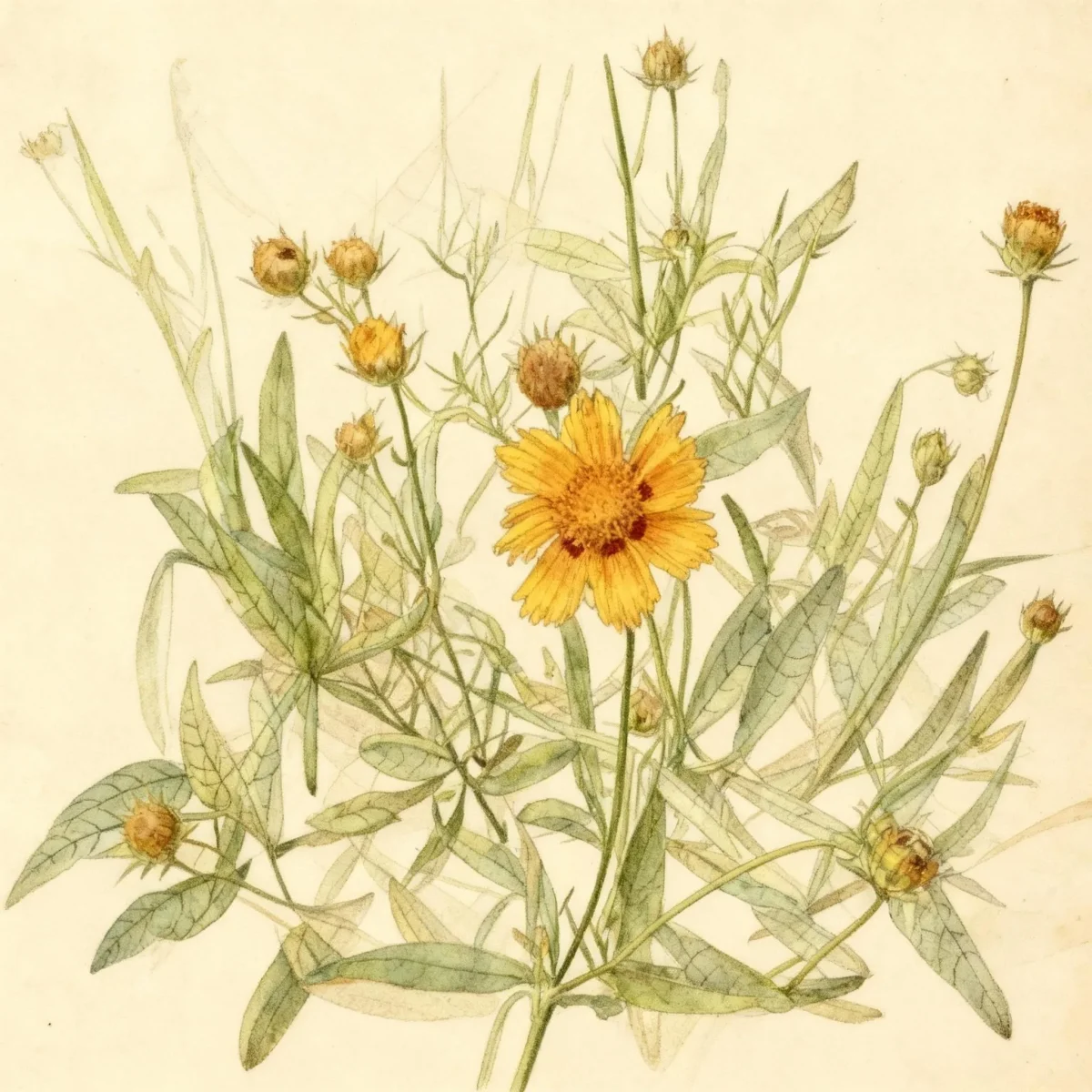
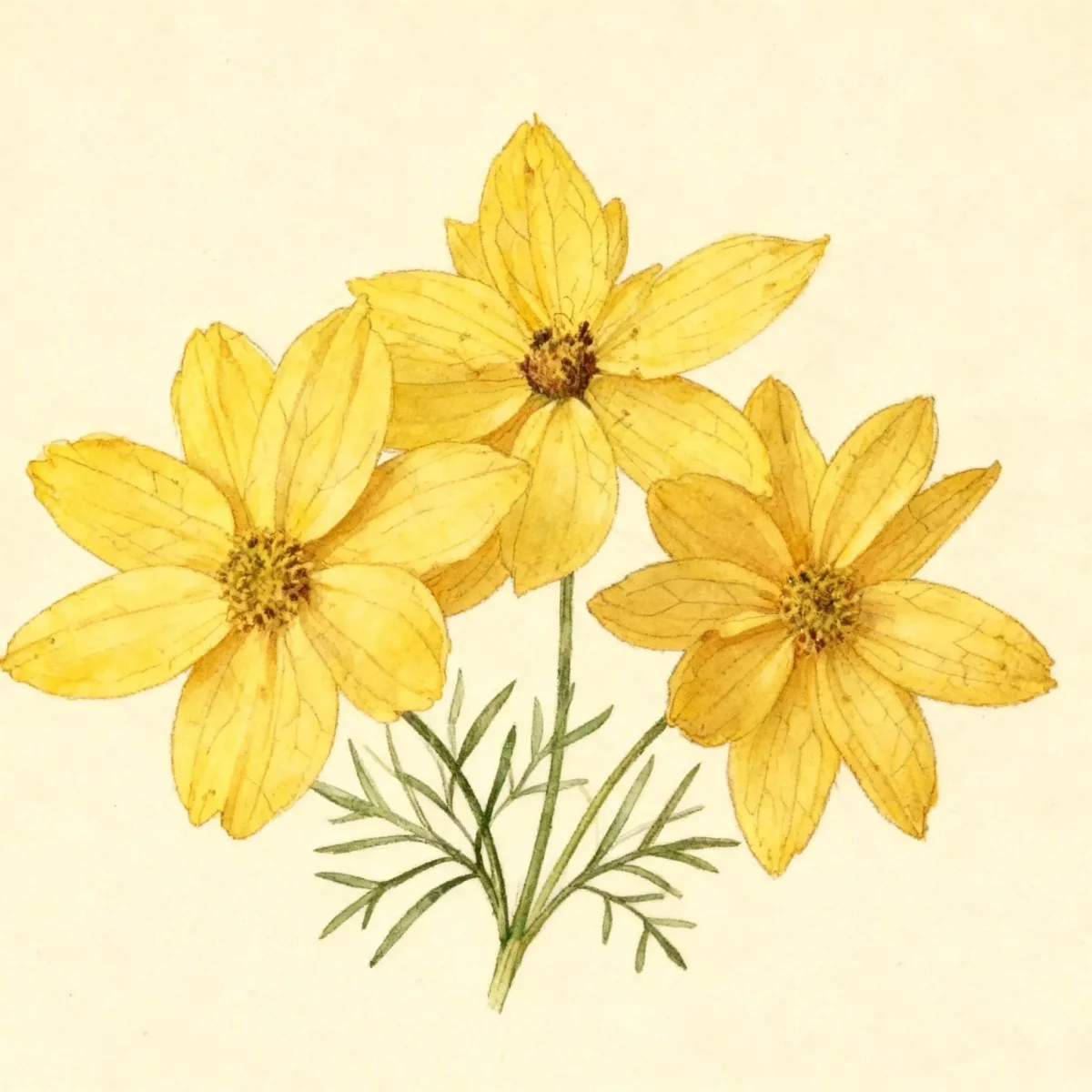
Coreopsis LI’L BANG GOLDILOCKS, commonly known as Tickseed, is a superb compact hybrid offering gardeners years of bright, cheerful color. This selection is highly valued for its extended bloom period, showering the garden in vibrant yellow flowers from early summer right through the fall. Its structure remains tidy, reaching only about one foot high, making it exceptionally versatile for various garden designs.
As a hardy herbaceous perennial, this Tickseed variety thrives in conditions where many other plants struggle, tolerating both heat and humidity with relative ease. It demands little attention once established, fitting perfectly into low-effort, high-impact landscapes. The standout feature is its bright yellow, ruffled petals, which strongly attract numerous native butterflies and other beneficial insect pollinators.
The genus name Coreopsis derives from Greek words referencing a bug shape, but gardeners know this plant simply as a reliable powerhouse. For those seeking long-lasting summer color combined with exceptional drought tolerance, Coreopsis LI’L BANG GOLDILOCKS is an outstanding choice to anchor borders or brighten patio containers.
Fast Facts
- Plant Family: Asteraceae
- Plant Type: Herbaceous perennial
- Hardiness Zones: USDA Zones 4-9
- Size at Maturity:
- Height: 0.75-1 ft
- Spread: 0.75-1 ft
- Bloom Time: June to September
- Bloom Description: Yellow
- Sun Exposure: Full sun
- Water Needs: Dry to medium
- Maintenance Level: Low
How to Grow
Planting Coreopsis LI’L BANG GOLDILOCKS should occur in a location receiving full sun exposure, which is critical for maximizing bloom production. This tickseed prefers dry to medium moisture levels, thriving best in well-drained soils. Poorly drained sites are the primary enemy of this perennial.
Maintenance is generally low. Water only as needed; once established, this hybrid tolerates drought well, fitting nicely into xeriscaping designs. Fertilization is rarely required, as too much feed can encourage weak, sprawling growth rather than profuse flowering.
A key care tip for ensuring consistent blooming is shearing. Plants may be sheared lightly in mid to late summer immediately after the first major flush fades. This practice encourages tighter new growth and promotes a return of flowering right into early fall.
Since Coreopsis LI’L BANG GOLDILOCKS may spread slowly via rhizomes, clumps benefit from division every 2-3 years, ideally performed in the spring, especially when used in formal borders to maintain sharp edging and vigor. Remember that the longevity of hybrid coreopsis depends heavily on proper site conditions.
Landscape Uses
The compact nature and reliable, low-growing habit of Coreopsis LI’L BANG GOLDILOCKS make it ideal for defining the front edge of layered garden beds. Use it along sidewalk edgings where its bright yellow provides a striking, cheerful contrast against hardscaping materials. It excels in cottage gardens or naturalized areas where its tolerance for poor, dry soils shines.
Due to its resilience, this Tickseed is also an excellent ingredient for patio containers. Group it with taller, contrasting textures or complementary colors, ensuring the container provides the necessary excellent drainage. It performs beautifully in areas designated for low-water landscaping.
This plant performs well in areas that struggle to hold moisture, making it a reliable workhorse among the border fronts. Its ability to handle shallow or rocky soil conditions further expands its usefulness across diverse landscape settings where other perennials might fail.
Standout Features
Flower Qualities
- Showy
Noteworthy Characteristics
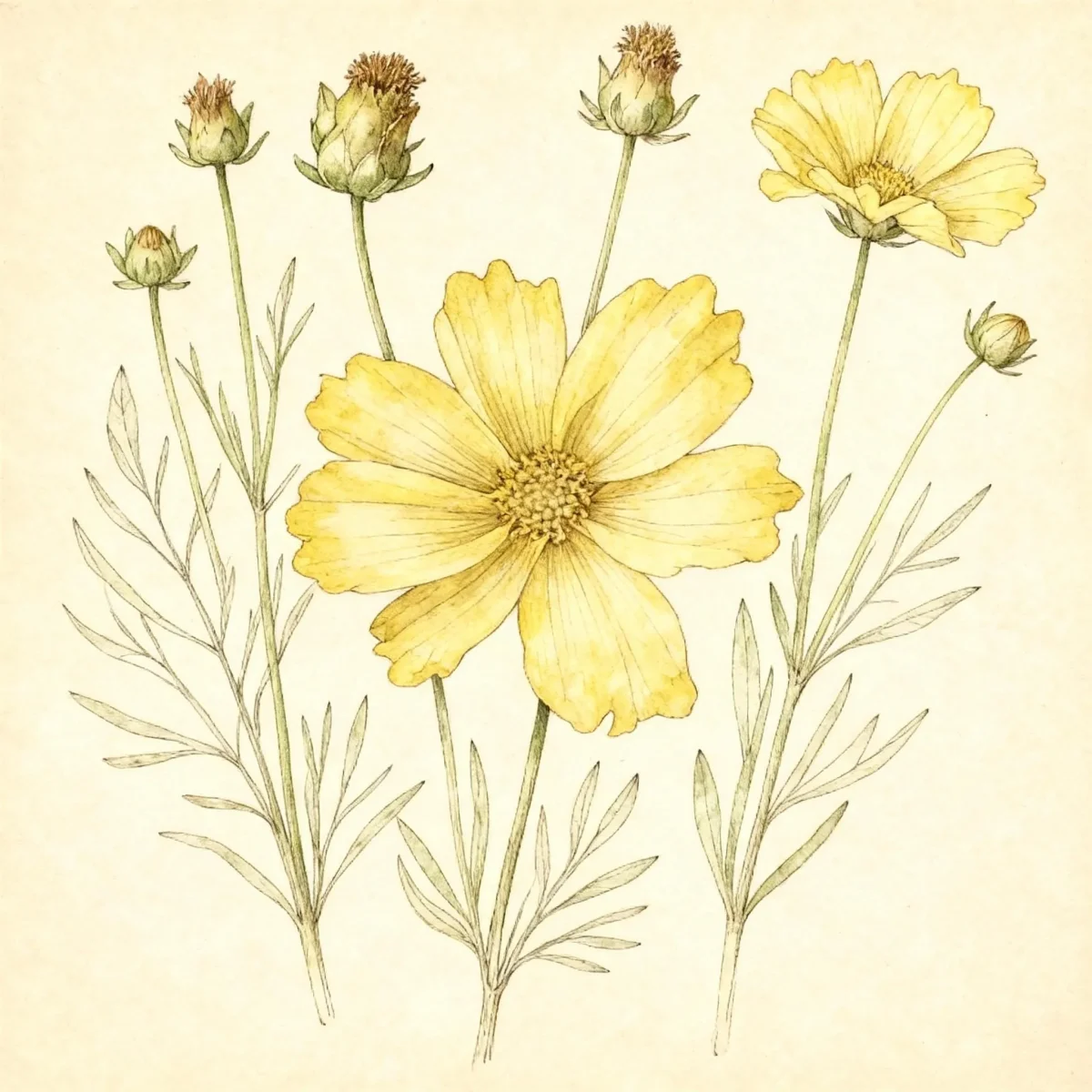
Coreopsis is a genus noted for its resilience and appealing form; the name itself refers to the seed shape resembling a bug or tick. LI’L BANG GOLDILOCKS is recognized as a compact, hybrid selection defined by its highly branched stems and narrow foliage that perfectly frame the bright yellow blooms. These petals feature unique, ruffled tips, creating a wavy visual effect highly attractive to butterflies throughout the season.
Tolerances
- Deer
- Dry Soil
- Shallow-Rocky Soil
Potential Problems
The main vulnerability for Coreopsis LI’L BANG GOLDILOCKS arises from excess moisture, specifically crown rot if the plant sits in moist, poorly drained soils throughout the season. Prevention involves ensuring superior soil drainage at planting time.
While uncommon, fungal issues like powdery mildew and botrytis can appear, especially in humid climates combined with poor air circulation. Proper spacing during planting helps mitigate these airborne diseases. Another concern is potential stem sprawling, which often occurs in hot, humid conditions receiving heavy summer rain; shearing helps combat this unstructured look. Deer tend to avoid this plant, offering good protection in areas with browsing pressure.
Frequently Asked Questions
What hardiness zones is Tickseed suitable for?
Coreopsis LI’L BANG GOLDILOCKS is hardy and reliable across USDA Zones 4 through 9.
How large does Coreopsis LI’L BANG GOLDILOCKS grow?
This compact Tickseed typically matures to a height between 0.75 and 1 foot tall, with a slightly wider spread of 0.75 to 1 foot.
What sun exposure does Tickseed need?
This plant requires full sun exposure to achieve its best performance and heaviest bloom set.
When does Coreopsis LI’L BANG GOLDILOCKS bloom?
You can expect robust flowering from this perennial throughout the months of June to September, showcasing its bright yellow color.
Conclusion
Coreopsis LI’L BANG GOLDILOCKS offers superb value to the garden through its impressive tolerance for dry conditions, low maintenance needs, and extended period of brilliant yellow flowers. This Tickseed selection is a reliable choice for providing texture and attracting vital pollinators without demanding constant oversight. Before planting, confirm that your site provides the essential full sun and well-drained conditions necessary for this perennial to thrive.
Companion Planting
Selecting appropriate companions helps maximize the visual appeal and health of your Coreopsis LI’L BANG GOLDILOCKS. Because this Tickseed prefers dry soil and full sun, pair it with other drought-tolerant perennials that share similar cultural needs. Good companions include Sedum (stonecrop), Russian Sage (Perovskia), and various ornamental grasses which offer textural contrast without competing aggressively for water. Avoid planting aggressively spreading or moisture-hungry perennials directly against the base of the coreopsis.
Wildlife Benefits
The bright, open structure of the yellow flowers on Coreopsis LI’L BANG GOLDILOCKS acts as a magnet for beneficial insects. Gardeners focused on supporting local ecosystems will appreciate its high attractiveness to butterflies, which use the nectar as a primary food source during the long summer bloom season. While this species does not typically provide significant cover or direct food for birds other than seed in fall, its strong support for pollinators makes it an essential component of any wildlife-friendly border design.