Rodgersia (Rodgersia pinnata 'Chocolate Wing')
Rodgersia pinnata 'Chocolate Wing' is a bold, rhizomatous perennial valued for dark purple-brown textured foliage and mid-summer deep pink blooms.
Scroll down to discover growing tips, care requirements, companion plants, and more
Complete Plant Information
Overview
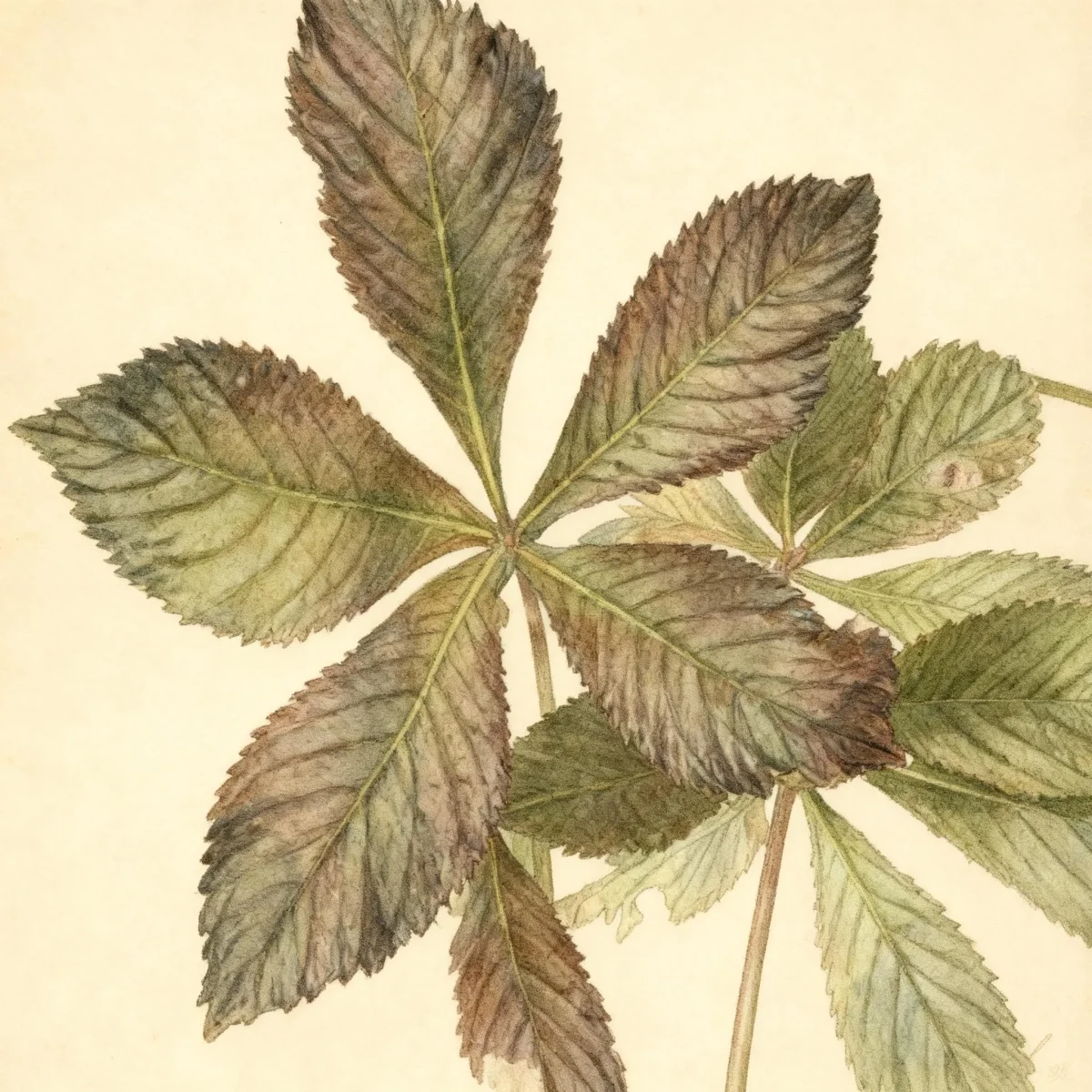
The Rodgersia pinnata ‘Chocolate Wing’ is a distinguished herbaceous perennial celebrated for its substantial architectural foliage, offering tremendous texture and color contrast in the garden. This magnificent Rodgersia variety emerges with foliage emerging dark purple-brown in spring, providing immediate visual impact well before its flowering period. It thrives in moist conditions, making it a superb choice for areas where other specimen plants might struggle with consistent hydration.
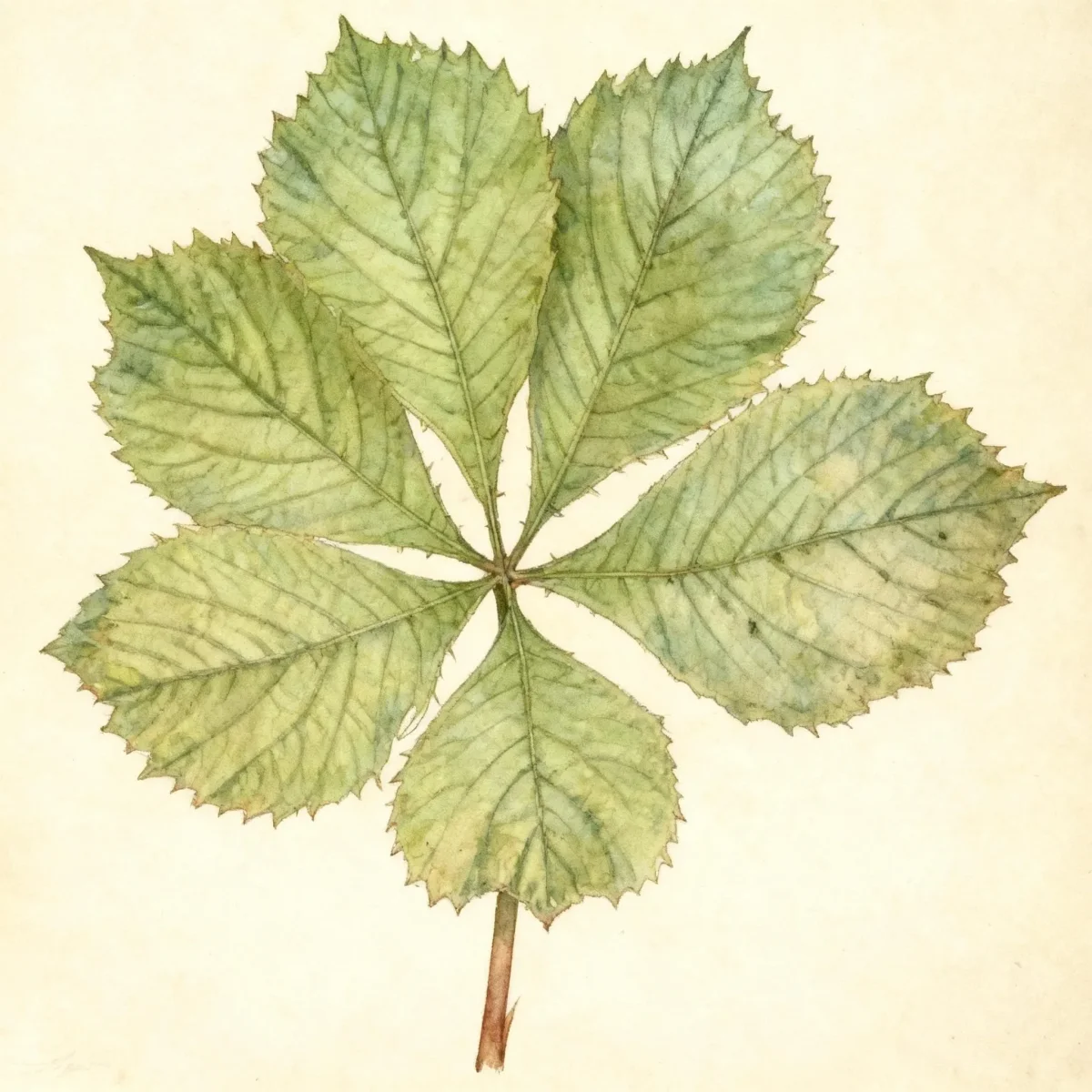
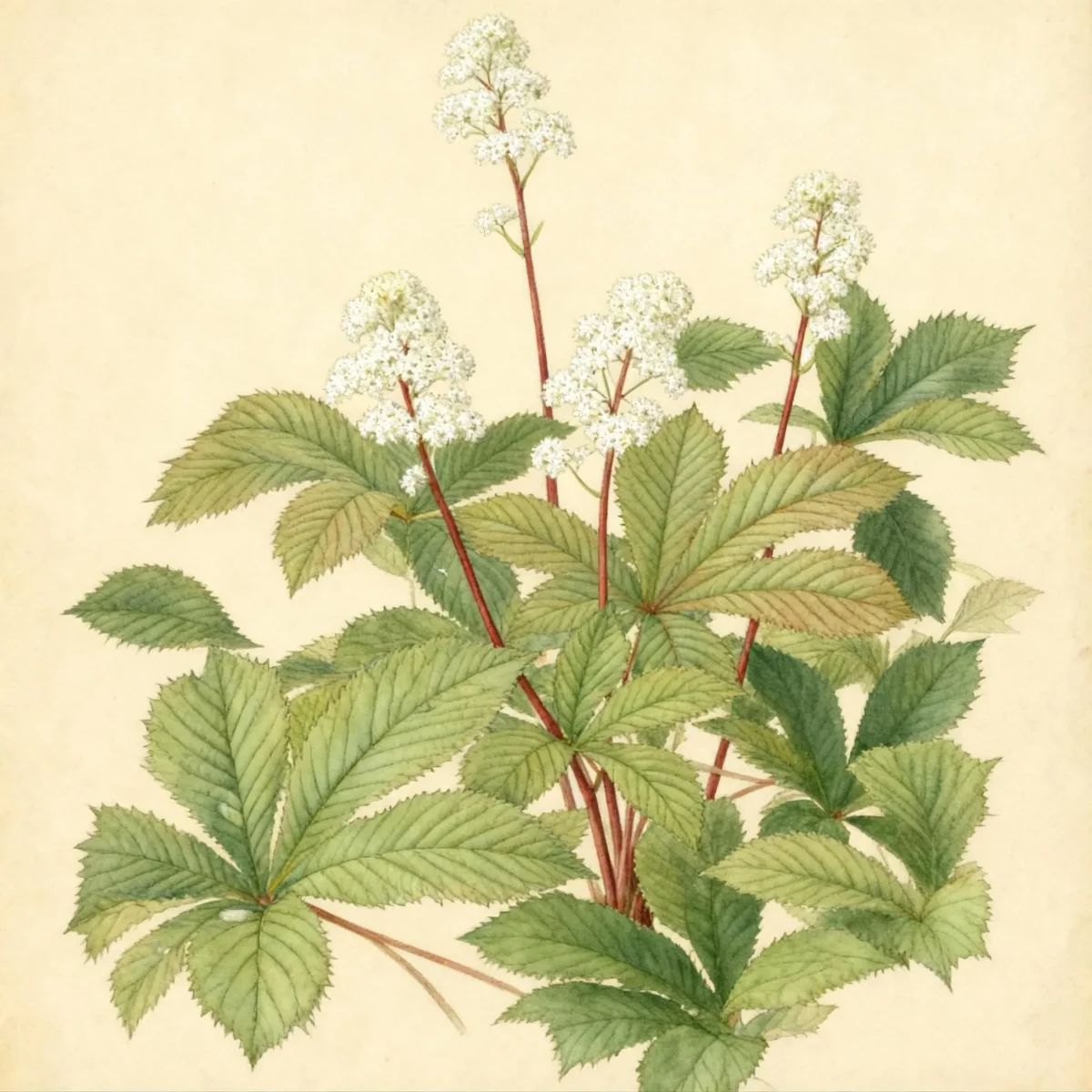
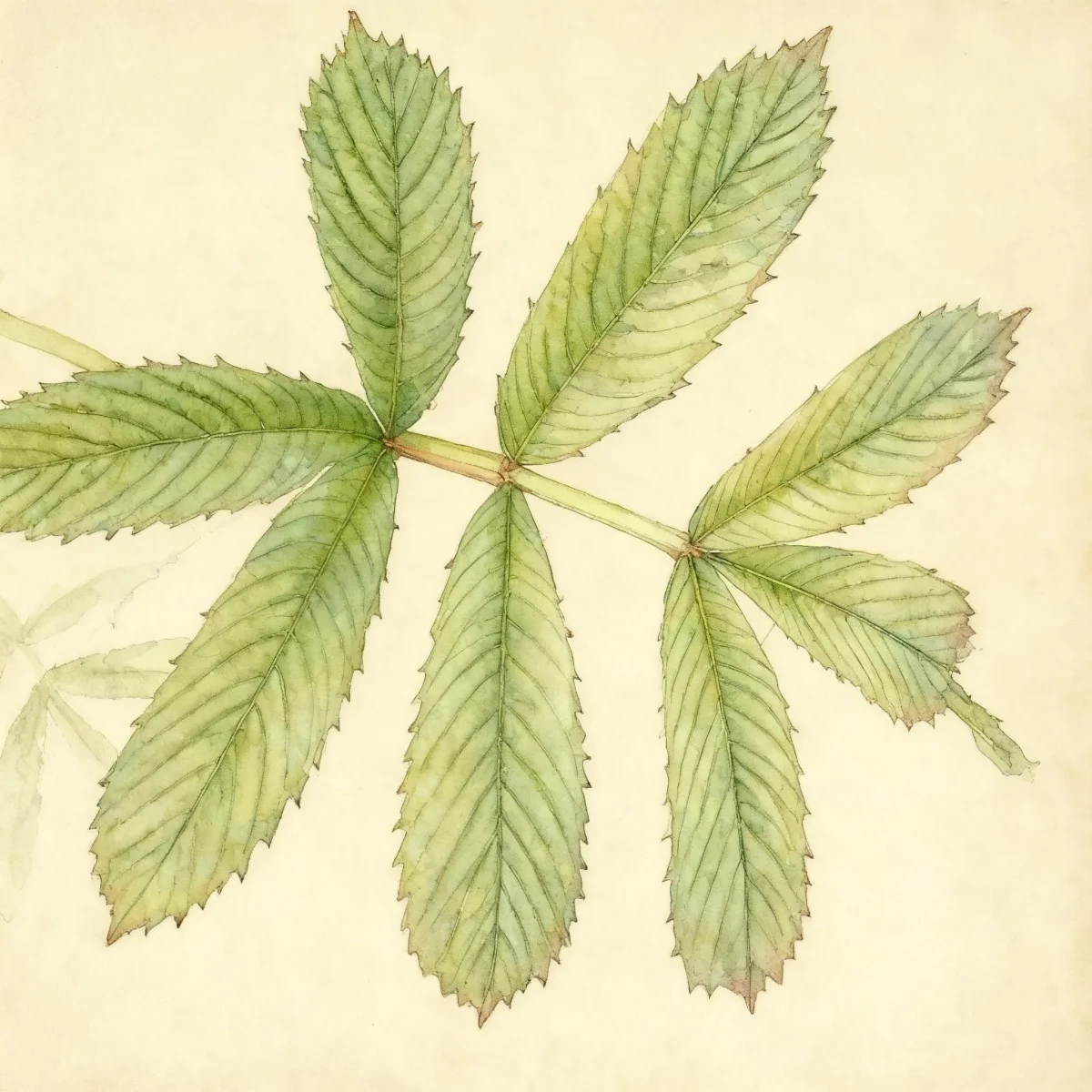
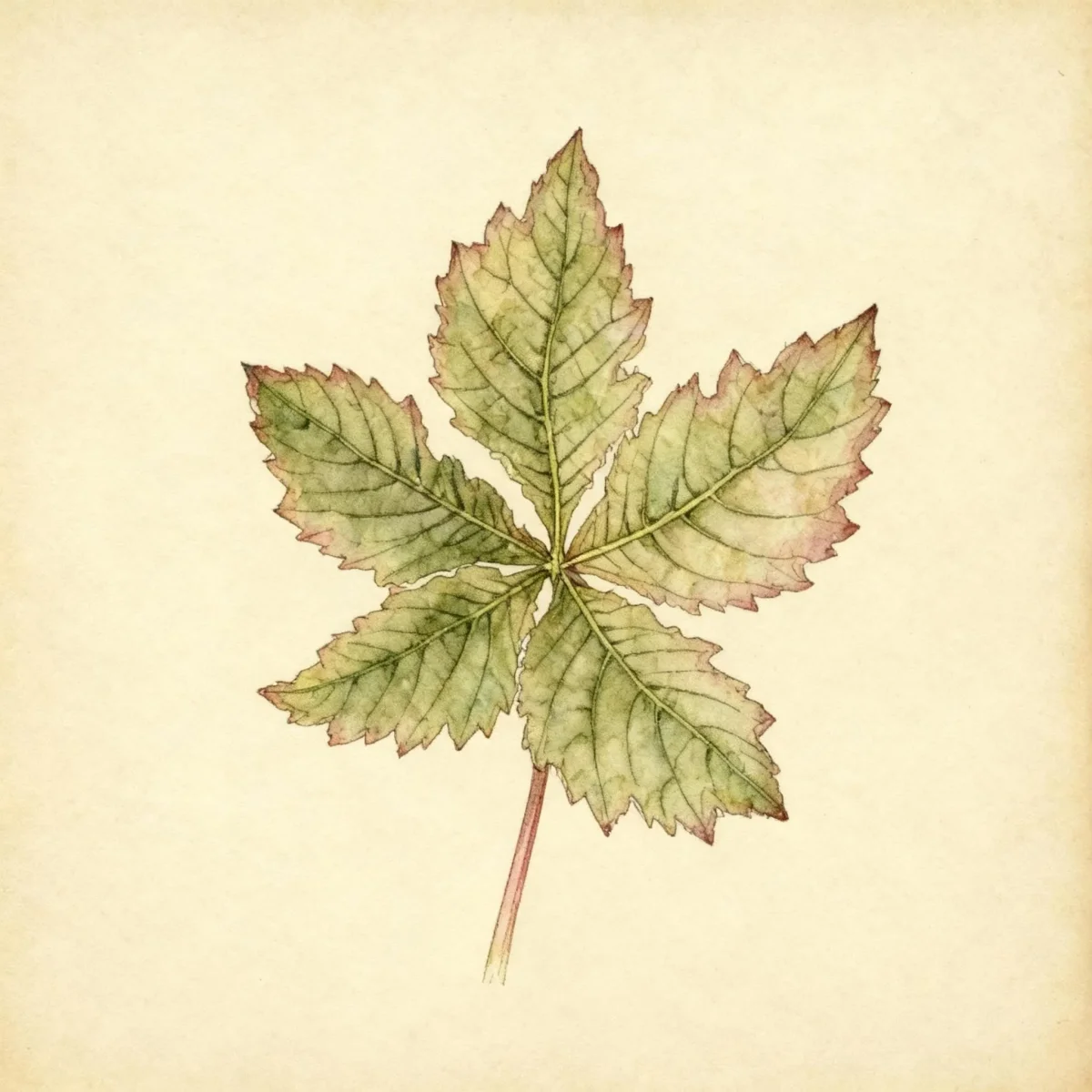
As a rhizomatous perennial, Rodgersia pinnata ‘Chocolate Wing’ forms impressive clumps of deeply textured, pinnately compound leaves that mature from green to rich bronze and burgundy tones by fall. Clusters of small, dark pink, astilbe-like flowers rise above the foliage mound in mid-summer, adding a vertical element to its rugged presence. Gardeners rely on this plant for its reliable structure and dramatic seasonal color shifts.
Ideal for boggy margins or deeply watered borders, this selection of Rodgersia combines bold aesthetics with robust performance, provided its preference for organically rich and consistently moist soil is met. Its mature size, reaching up to three feet tall and wide, allows it to serve as an effective specimen or anchor in a moisture-rich woodland setting.
Fast Facts
- Plant Family: Saxifragaceae
- Plant Type: Herbaceous perennial
- Hardiness Zones: USDA Zones 4-8
- Size at Maturity:
- Height: 2.5-3 ft
- Spread: 2.75-3.25 ft
- Bloom Time: June to July
- Bloom Description: Deep pink
- Sun Exposure: Full sun to part shade
- Water Needs: Medium to wet
- Maintenance Level: Medium
How to Grow
Plant Rodgersia pinnata ‘Chocolate Wing’ in spring or early fall when soil temperatures are favorable for root establishment. This perennial demands a location with organically rich, well-drained soil that maintains consistent moisture, whether in full sun or partial shade. Incorporating ample compost or aged manure at planting helps mimic the rich, damp woodland floors where it naturally prefers to grow.
Maintain consistent moisture throughout the growing season; the “wet” designation in its water needs means drought tolerance is low. Water deeply and regularly, especially during dry spells, to keep leaf scorch at bay and ensure vigorous growth for the next season. Fertilization is generally unnecessary if the soil is rich, but a spring topdressing of organic compost will support robust annual performance.
Maintenance for Rodgersia is generally low beyond ensuring adequate water. Pruning is minimal, usually involving cutting back the flower stalks after blooming if desired, though seed heads can add winter interest. In colder zones, the foliage will die back in the fall; ensure the root zone is protected by a thick layer of mulch if planting near the minimum hardiness zone boundary.
Landscape Uses
Rodgersia pinnata ‘Chocolate Wing’ excels in situations requiring bold, moisture-loving foliage. It is highly recommended for mass planting or grouping in moist woodland gardens where it can form an imposing groundcover. Consider placing it along the edges of ponds or streams, where its high water requirements are easily satisfied, transforming wet margins from utilitarian areas into dramatic focal points.
Due to its significant vertical presence and deeply textured leaves, this Rodgersia acts as an excellent accent or specimen plant. In a formal border setting, ensure that companion plants surrounding it share similar needs for consistent moisture and appreciate dappled sunlight. It pairs beautifully with hostas, astilbes (which share a similar flower structure), ferns, and moisture-loving perennials like Ligularia.
The dark, bronzy-purple new growth of Rodgersia pinnata ‘Chocolate Wing’ provides incredible contrast against lighter green shrubs or plants with fine, airy textures. Use it strategically to break up large expanses of lawn or uniform plantings, leveraging its capability to spread to fill a three-foot area over time.
Standout Features
Flower Qualities
- Showy
Noteworthy Characteristics
Rodgersia pinnata is a bold, rhizomatous perennial with pinnately compound, basal leaves which appear palmate. Clusters of apetalous, creamy pink to red flowers appear in late spring to early summer in branched, astilbe-like panicles rising above the foliage mound. ‘Chocolate Wing’ features highly textured foliage that emerges dark purple-brown in spring before maturing from green to bronze and burgundy in fall. Branched panicles of small, dark pink flowers are held above the foliage in mid-summer, making Rodgersia pinnata ‘Chocolate Wing’ a multi-season interest plant.
Tolerances
- Wet Soil
Potential Problems
This plant generally suffers from no serious insect or disease problems when provided with its preferred cultural conditions. Good air circulation can help prevent minor fungal issues, though this is rarely a significant concern. Careful attention to soil moisture is the primary management strategy; if the soil dries out, the large leaves of the Rodgersia will quickly show stress or scorch.
Frequently Asked Questions
What hardiness zones is Rodgersia suitable for?
This plant performs reliably in USDA Hardiness Zones 4 through 8.
How large does Rodgersia pinnata ‘Chocolate Wing’ grow?
Mature clumps typically reach heights between 2.5 to 3 feet tall, spreading to occupy an area of about 2.75 to 3.25 feet wide.
When does Rodgersia pinnata ‘Chocolate Wing’ bloom?
Rodgersia typically offers its deep pink blooms during the peak summer window from June into July.
What sun exposure does Rodgersia pinnata ‘Chocolate Wing’ need?
It performs well in conditions ranging from full sun to part shade, though constantly moist soil is crucial if planting in the sunnier spots.
Conclusion
The Rodgersia pinnata ‘Chocolate Wing’ offers unparalleled texture and dramatic color transformation throughout the growing season, making it an exceptional choice for substantial perennial borders and wet landscape areas. By respecting its need for richly amended, consistently wet soil, gardeners can successfully cultivate this bold architectural specimen. Verify your local hardiness zone compatibility, and plan to plant your Rodgersia during a cool, moist period for the best establishment results.
Design Ideas for Moist Gardens
Because of its high water requirements, Rodgersia naturally groups well with other moisture-loving stars like Gunnera (in warmer zones) or large varieties of Rodgersia itself for mass effect. Use its bold, coarse texture as a grounding element against finer-textured plants like Japanese Forest Grass (Hakonechloa macra) or various shade-loving ferns that thrive near water features. The dark foliage provides a dramatic backdrop, allowing the bright greens and whites of spring ephemerals to truly pop before they fade in summer heat.
When incorporating Rodgersia pinnata ‘Chocolate Wing’ into a complex design, consider its seasonal rhythm. While the spring emergence is dark purple, the summer flowers are deep pink, followed by autumnal bronzes. Place shorter, later-blooming plants in front of it so the border remains visually appealing once the Rodgersia blooms fade. Its imposing structure makes it an ideal centerpiece for a bog garden display.
Seasonal Care Calendar
Spring preparation involves renewing the mulch layer around the base of the Rodgersia clumps to help hold moisture and stabilize soil temperatures as new growth emerges. This is also the ideal time to incorporate a balanced top-dressing of compost around the plant collar, avoiding direct contact with new shoots. Throughout the summer, monitor moisture levels daily during heatwaves; deep, slow watering is always preferable to light, frequent sprinkles to encourage deep root development.
In the autumn, after the foliage has died back naturally—often retaining attractive bronze hues—clean up any remaining debris if you have not left it for winter structure. In very cold regions (Zone 4), ensure a substantial layer of loose mulch remains over the rhizomes going into winter. Avoid disturbing the root area during the growing season, as it dislikes being transplanted or divided except when absolutely necessary, typically every few years in early spring.