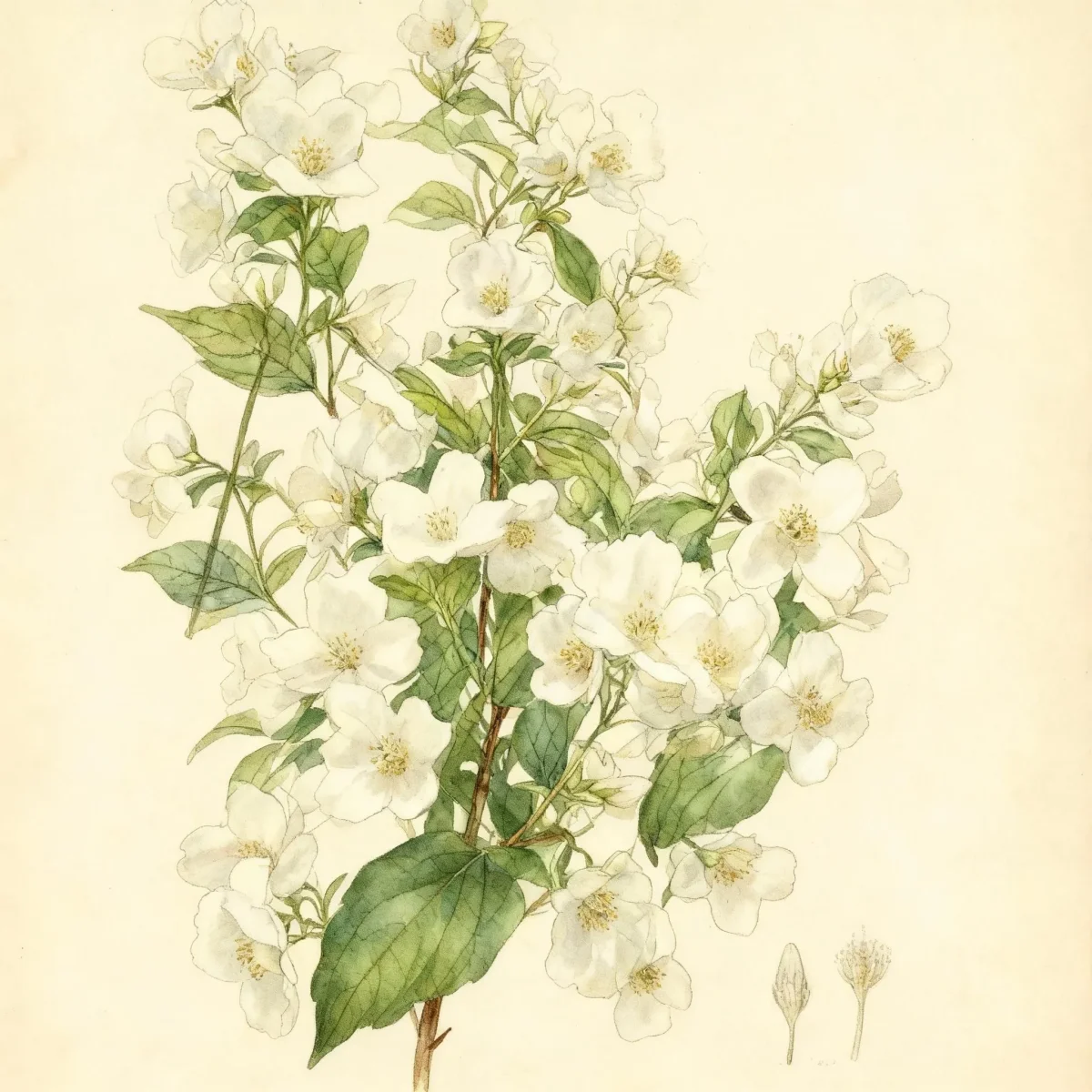
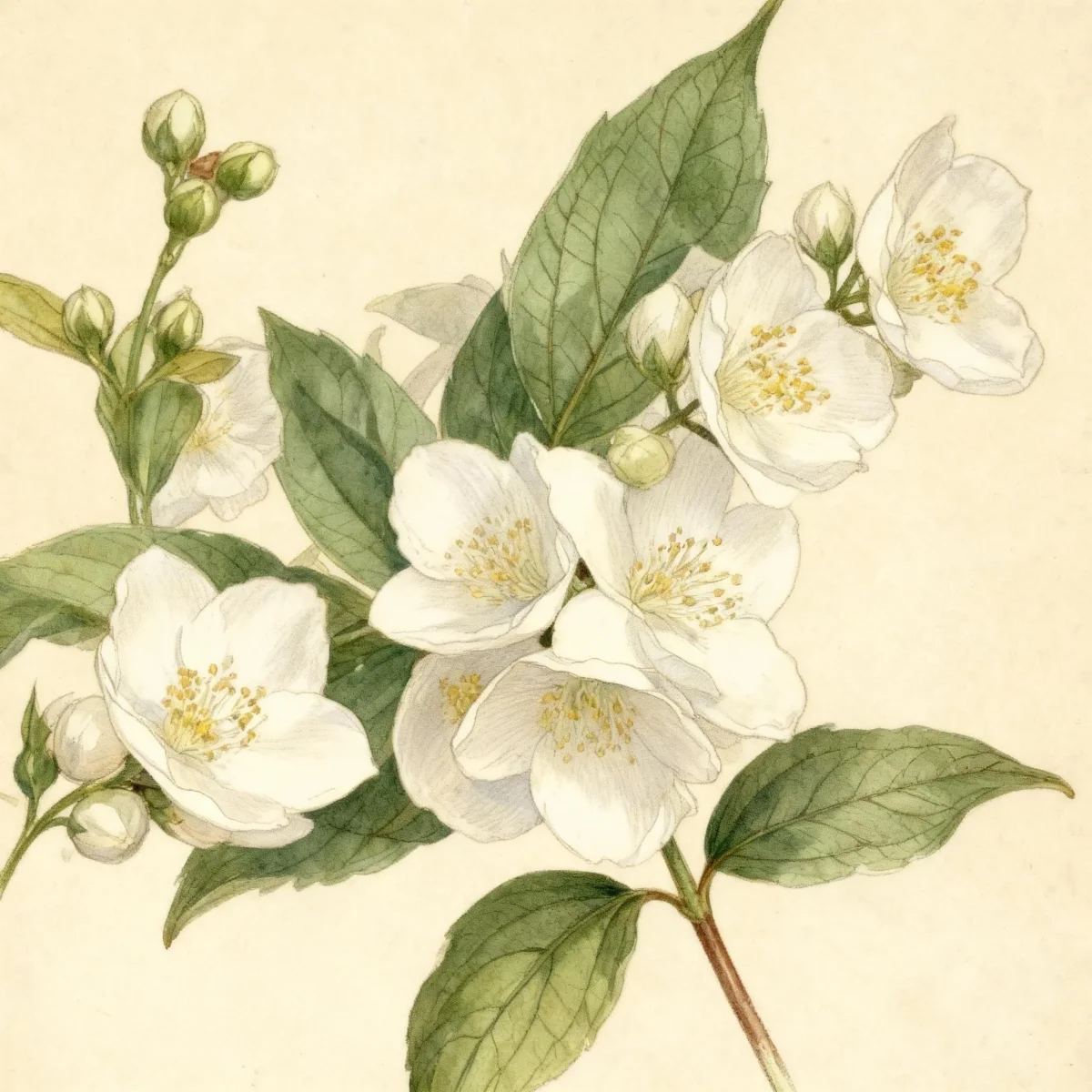
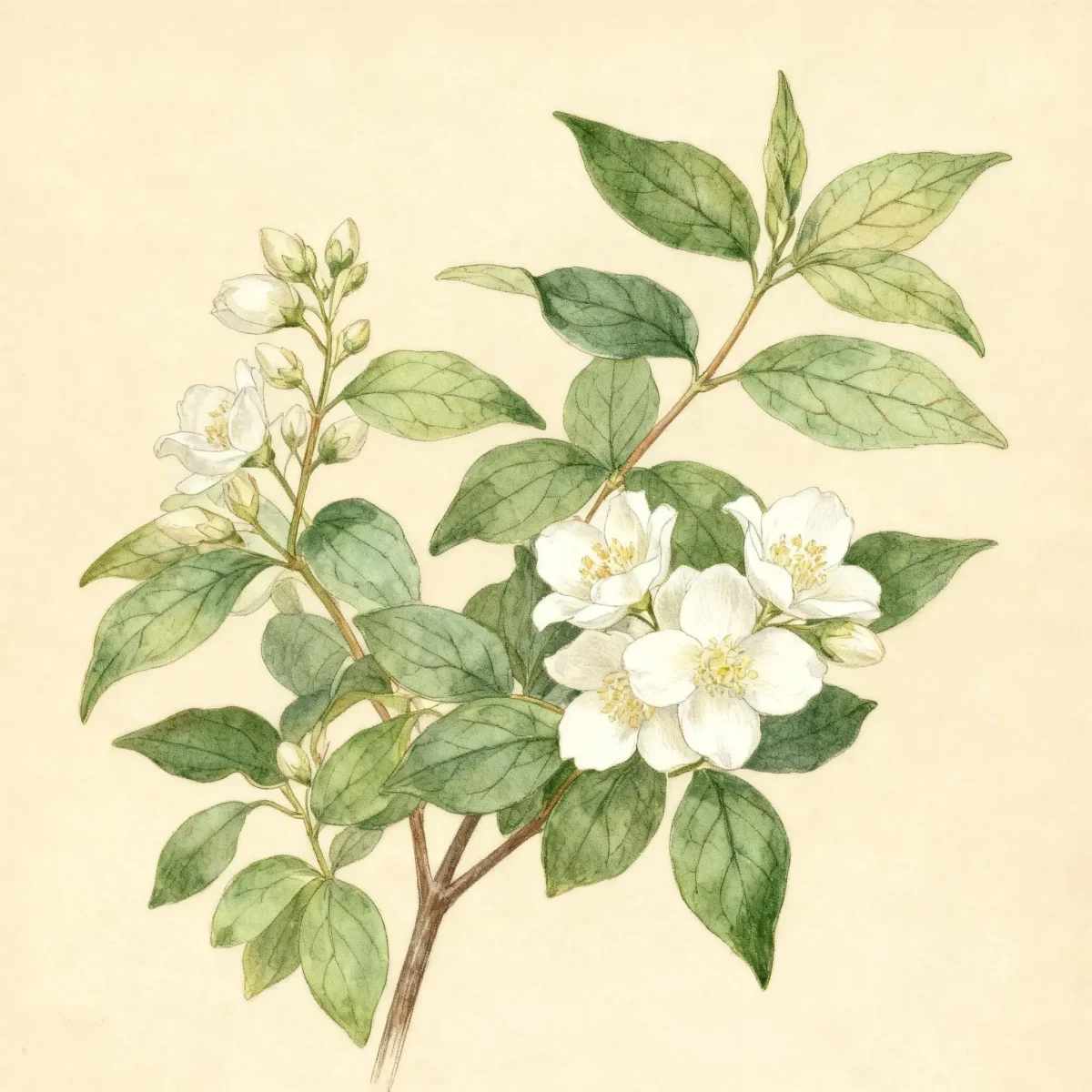
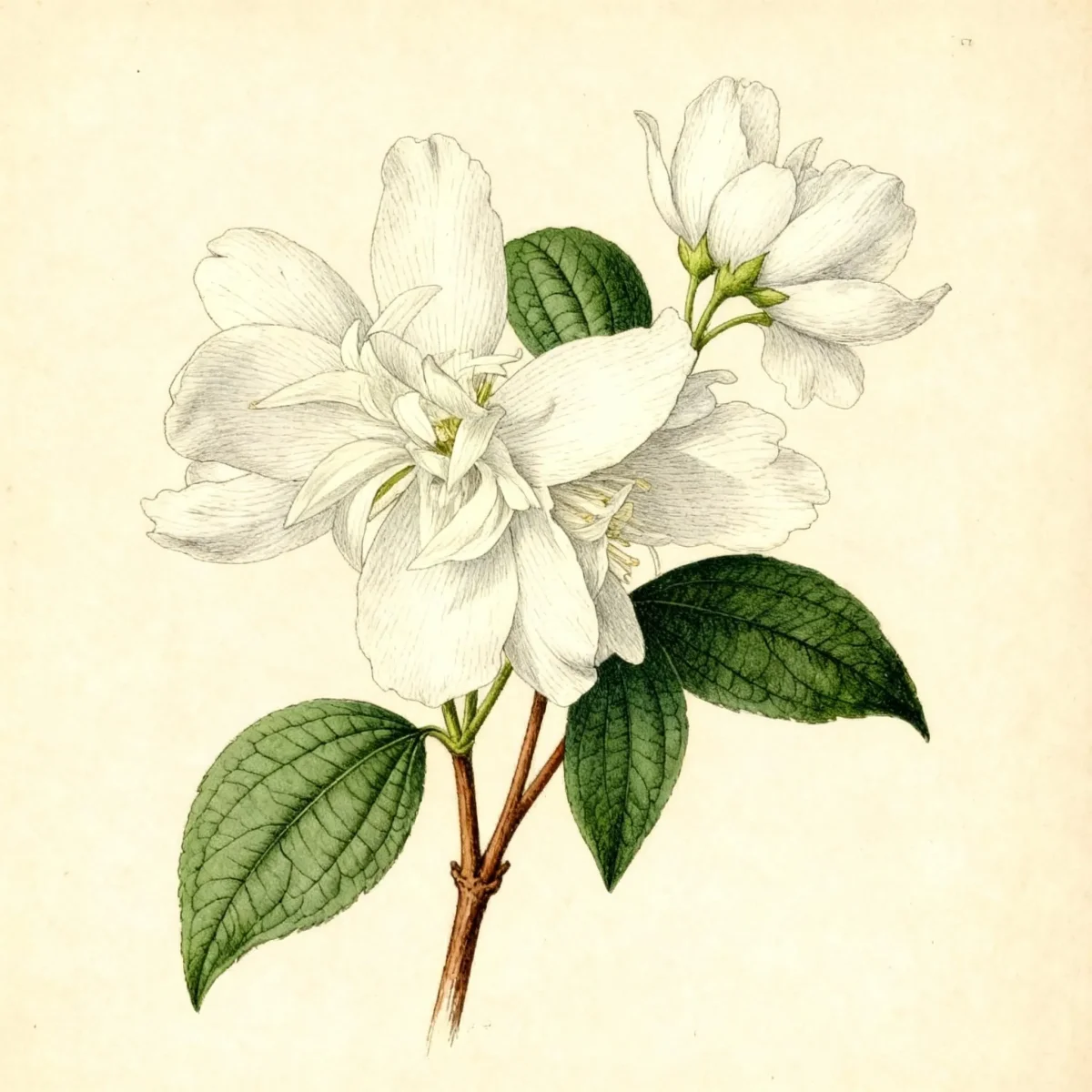
Mock orange (Philadelphus coronarius 'SMNPVG' ILLUMINATI TOWER)
Discover Philadelphus coronarius 'SMNPVG' ILLUMINATI TOWER, a compact Mock orange renowned for intensely fragrant white spring blooms and low maintenance.
Scroll down to discover growing tips, care requirements, companion plants, and more
Complete Plant Information
Overview
The Philadelphus coronarius ‘SMNPVG’ ILLUMINATI TOWER, often recognized as a select cultivar of Mock orange, is highly valued for its intense spring fragrance and tight, columnar habit, making it an exceptional choice for smaller garden spaces. This compact, upright selection maintains excellent structure while delivering a profusion of showy, white flowers that fill the early summer air with perfume. It offers reliable performance across a wide range of soil types, requiring minimal attention once established.
This deciduous shrub is ideal for gardeners seeking high impact without high maintenance. Its structure makes it perfect for defined spaces, contrasting nicely with broader shrubs in borders. The blooms of this Mock orange are highly appealing to butterflies and other beneficial insect pollinators, adding ecological value to its impressive aesthetic qualities.
Mature specimens of Philadelphus coronarius ‘SMNPVG’ ILLUMINATI TOWER typically achieve a height between 3 to 4 feet with a narrow spread of only 1 to 2 feet. This tidy growth pattern distinguishes it from larger traditional Mock orange types, providing vertical interest when space is at a premium.
Fast Facts
- Plant Family: Hydrangeaceae
- Plant Type: Deciduous shrub
- Hardiness Zones: USDA Zones 4-7
- Size at Maturity:
- Height: 3-4 ft
- Spread: 1-2 ft
- Bloom Time: May to June
- Bloom Description: White
- Sun Exposure: Full sun to part shade
- Water Needs: Medium
- Maintenance Level: Low
How to Grow
For optimal flowering and density, plant the Philadelphus coronarius ‘SMNPVG’ ILLUMINATI TOWER in full sun, though it will tolerate light afternoon shade. This shrub adapts well to average, medium moisture conditions, but it thrives best in organically rich, well-drained soil. While it tolerates a variety of soil compositions, avoid areas where water pools, as poorly-drained sites are detrimental.
Watering should be consistent, aiming for medium moisture, especially during establishment and dry summer periods. This Mock orange generally requires low maintenance; fertilizing is usually unnecessary if the soil is already rich. The key cultural practice involves pruning.
Since flowers bloom on wood produced the previous year, prune Philadelphus coronarius ‘SMNPVG’ ILLUMINATI TOWER only as needed immediately after the spring bloom period concludes. This timing ensures that you do not sacrifice next year’s flowers. Neglecting timely pruning may result in less prolific flowering but does not typically harm the plant’s structure significantly.
Landscape Uses
The narrow, columnar habit of Philadelphus coronarius ‘SMNPVG’ ILLUMINATI TOWER makes it exceptionally useful for formal or contemporary garden designs where space conservation is necessary. It excels when utilized in foundation plantings where height must be carefully controlled, providing continuous fragrance near entryways or windows. This Mock orange also functions perfectly as a low screen or as vertical accents within a mixed shrub border.
Consider using this fragrant shrub in cottage gardens for a refined, structured interpretation of the classic style. Because of its compact nature, three plants spaced about 1.5 feet apart can create a dense, narrow hedge early in its life. Groupings of these shrubs provide a stunning mass of white bloom in late spring.
Standout Features
Flower Qualities
- Showy
- Fragrant
- Good Cut
Noteworthy Characteristics
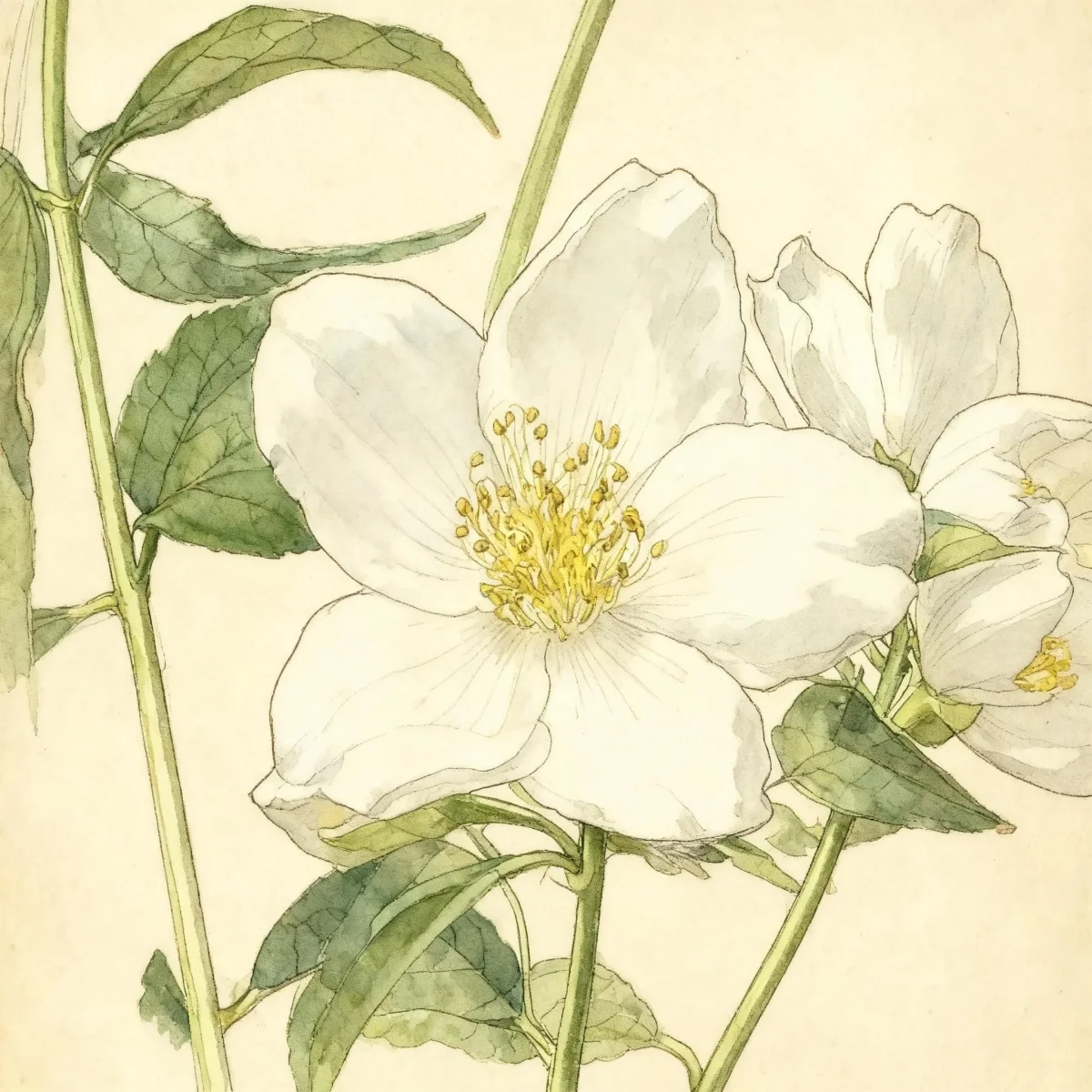
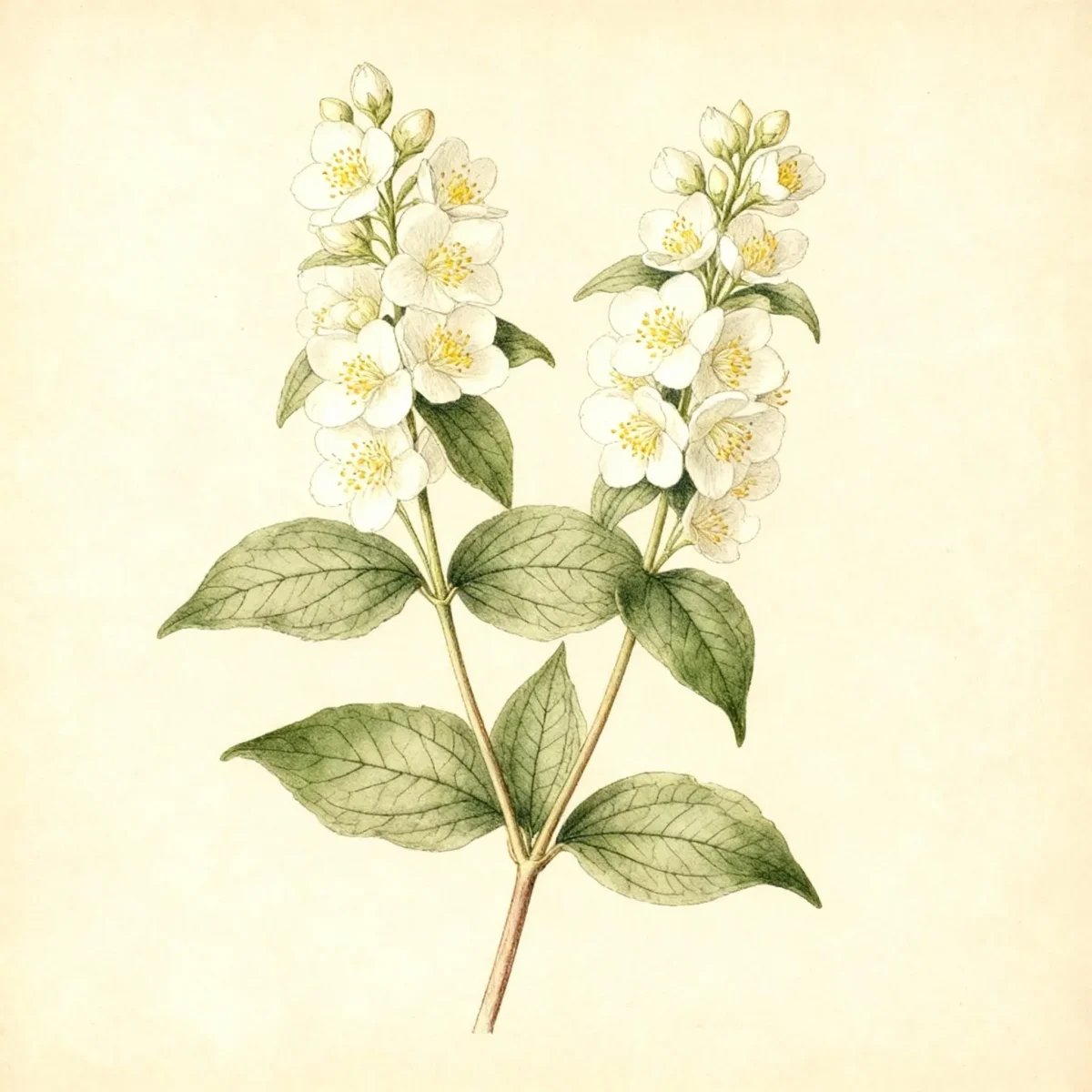
Philadelphus coronarius ‘SMNPVG’ ILLUMINATI TOWER is a dense, compact selection of Mock orange perfect for smaller landscapes, blooming profusely in May and early June. Its 4-petaled white flowers resemble orange blossoms, leading to its delightful common name, and they possess a very strong fragrance attractive to pollinators. The shrub maintains a narrow, columnar shape, reaching about 4 feet tall by 2 feet wide at maturity, making it suitable for fresh cut arrangements.
Tolerances
- Deer
- Clay Soil
Potential Problems
This Mock orange shows some susceptibility to common fungal issues, including powdery mildew, leaf spot, canker, and rust. Vigilant monitoring, especially in humid conditions, can prevent widespread outbreaks. Good air circulation, achieved through proper spacing and timely pruning, mitigates these fungal risks significantly.
Pest issues are generally minor but can include sporadic infestations of scale, aphids, leaf miners, or nematodes. If pests are observed, targeted treatment using horticultural oils or insecticidal soaps is often effective. Remember that deer tend to actively avoid this shrub, offering excellent protection in deer-prone areas where other susceptible plants might suffer damage.
Frequently Asked Questions
What hardiness zones is Mock orange suitable for?
The Philadelphus coronarius ‘SMNPVG’ ILLUMINATI TOWER is hardy and reliable across USDA Zones 4 through 7.
How large does Mock orange grow?
This specialized cultivar maintains a compact size, reaching mature heights of 3 to 4 feet tall and spreading narrowly between 1 and 2 feet wide.
What sun exposure does Philadelphus coronarius ‘SMNPVG’ ILLUMINATI TOWER need?
For the best flowering display and densest habit, aim to site this shrub where it receives full sun, although it will tolerate light shade.
When does Mock orange bloom?
This beautiful Mock orange produces its intensely fragrant white flowers primarily from May into June.
Conclusion
The Philadelphus coronarius ‘SMNPVG’ ILLUMINATI TOWER represents a superb modern selection of Mock orange, delivering powerful floral fragrance and robust structure in a manageable, low-maintenance package. Its tolerance for clay soil and deer resistance adds significant practical value for diverse garden settings. Before planting, confirm your location falls within USDA Zones 4–7 to ensure the best success with this fragrant columnar shrub.
Companion Planting
When selecting neighbors for your Philadelphus coronarius ‘SMNPVG’ ILLUMINATI TOWER, consider plants that complement its mid-spring bloom time or benefit from its upright structure. Plants that bloom slightly earlier or later will extend the visual interest in the border. Good companions often include late-blooming Alliums for spiky height contrast, or late spring perennials like Peonies, whose foliage remains attractive long after the Mock orange finishes flowering.
Since this plant prefers medium moisture, pair it with other shrubs or perennials that share similar water needs, such as Astilbes or Hostas, provided the Astilbes receive adequate shade under the shrub’s canopy if placed tightly against it. Avoid very drought-tolerant plants immediately adjacent to the root zone, as competition for water could stress the Mock orange.
Wildlife Benefits
The fragrant white flowers of the Philadelphus coronarius ‘SMNPVG’ ILLUMINATI TOWER serve as an important early-to-mid-season nectar source. These blooms are highly favored by various butterflies and other beneficial insect pollinators seeking nourishment as the garden season gains momentum. Planting this Mock orange near a patio ensures you can enjoy the visual effect while hosting this seasonal pollinator activity up close.
The dense branching habit, common to many Philadelphus species, can also offer valuable protective cover for smaller nesting birds throughout the growing season. While the seeds produced are not typically a primary food source, the structure itself contributes to garden biodiversity in a small footprint.