Boston fern (Nephrolepis exaltata 'Tiger Fern')
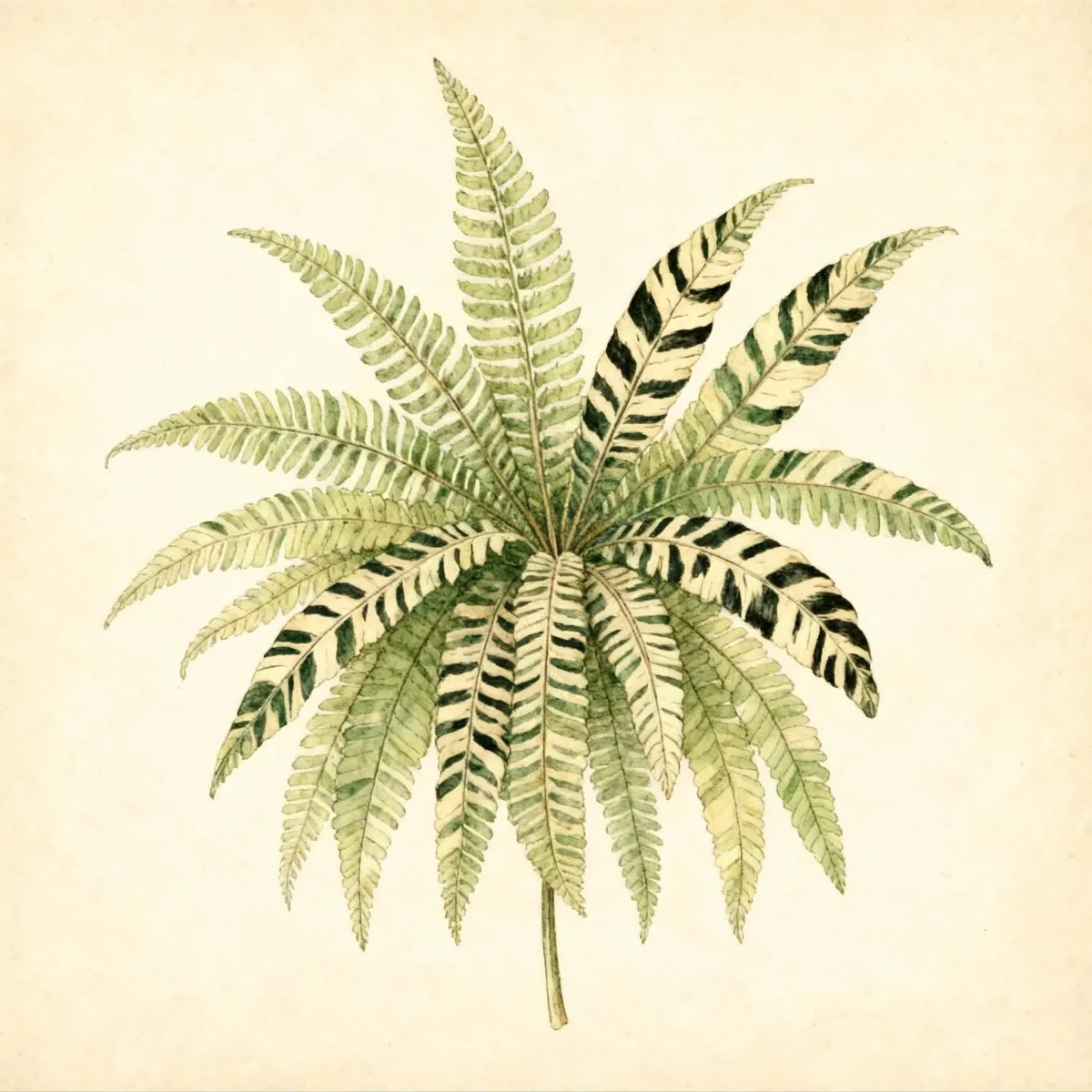
The striking Nephrolepis exaltata 'Tiger Fern' boasts variegated fronds. This low-maintenance Boston fern thrives indoors.
Scroll down to discover growing tips, care requirements, companion plants, and more
Complete Plant Information
Overview
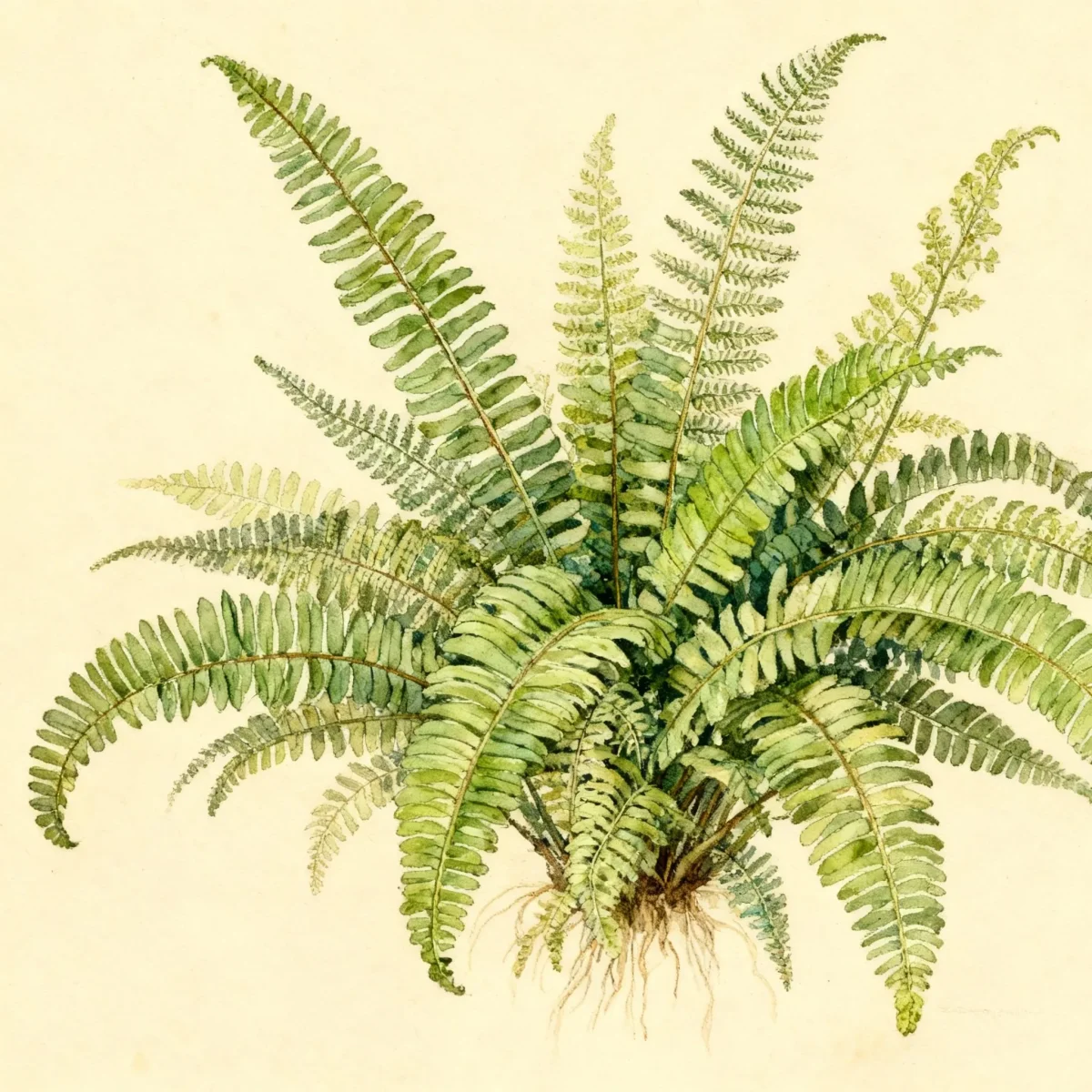
Nephrolepis exaltata ‘Tiger Fern’ is a highly sought-after cultivar known for its distinctive variegated foliage, featuring green fronds streaked with chartreuse to yellow. As a variation of the classic Boston fern, this plant brings textured, arching grace suitable for both container gardens and as a feature houseplant. It is valued for its relatively low maintenance needs, making it an accessible choice for many gardeners.
This evergreen fern exhibits an upright spreading habit, maturing typically between 1.5 to 2 feet tall with a spread of 2 to 3 feet. While native to tropical and subtropical regions, this selection of Nephrolepis exaltata performs reliably indoors across various climates due to its adaptability, provided humidity levels are addressed. The graceful arching of its fronds provides a softening effect in the landscape or interior design setting.
Gardeners seeking reliable texture and year-round greenery appreciate the consistent performance of the Boston fern. The ‘Tiger Fern’ specifically offers that visual pop missing from solid green varieties. It thrives in the dappled light conditions reminiscent of its native partially shaded environments.
Fast Facts
- Plant Family: Nephrolepidaceae
- Plant Type: Fern
- Hardiness Zones: USDA Zones 10-12
- Size at Maturity:
- Height: 1.5-2 ft
- Spread: 2-3 ft
- Bloom Time: Non-flowering
- Bloom Description: Non-flowering
- Sun Exposure: Part shade
- Water Needs: Medium
- Maintenance Level: Low
How to Grow
For those growing Nephrolepis exaltata ‘Tiger Fern’ outdoors in its perennial zones (10-12), plant in spring or fall in moist, humus-rich, well-drained soils under part shade. Indoors, where it is most commonly grown, utilize a peaty, soil-based potting mix housed in bright indirect light, carefully avoiding any direct sun exposure which can scorch the leaves.
Consistent moisture is crucial for this Boston fern; soils must be kept moist, though you can slightly reduce watering from fall into late winter. High ambient humidity is strongly preferred, and placing the pot on a tray of wet pebbles is an excellent method to maintain this essential moisture level around the foliage. Apply weak fertilizer applications monthly throughout the growing season, spring through early fall.
If the soils dry out significantly, the plant will shed fronds. In this case, prune hard by cutting all affected fronds back to about 2 inches above the soil line to encourage full regeneration. Be aware that low indoor humidity during winter, especially combined with cooler conditions, often causes leaf/frond tip browning.
Landscape Uses
When grown outdoors in applicable zones, the Nephrolepis exaltata ‘Tiger Fern’ shines in mass plantings across shady border areas or underneath larger shrubs and trees where filtered light is guaranteed. Its medium size makes it an excellent textural component near woodland paths or foundations.
Indoors, the Boston fern is ideally suited for pedestals or hanging baskets where its cascading, variegated fronds can be fully appreciated. Kitchens or bathrooms often provide the necessary humidity boost for this tropical favorite, ensuring the ‘Tiger Fern’ maintains its crisp color and health.
Standout Features
Noteworthy Characteristics
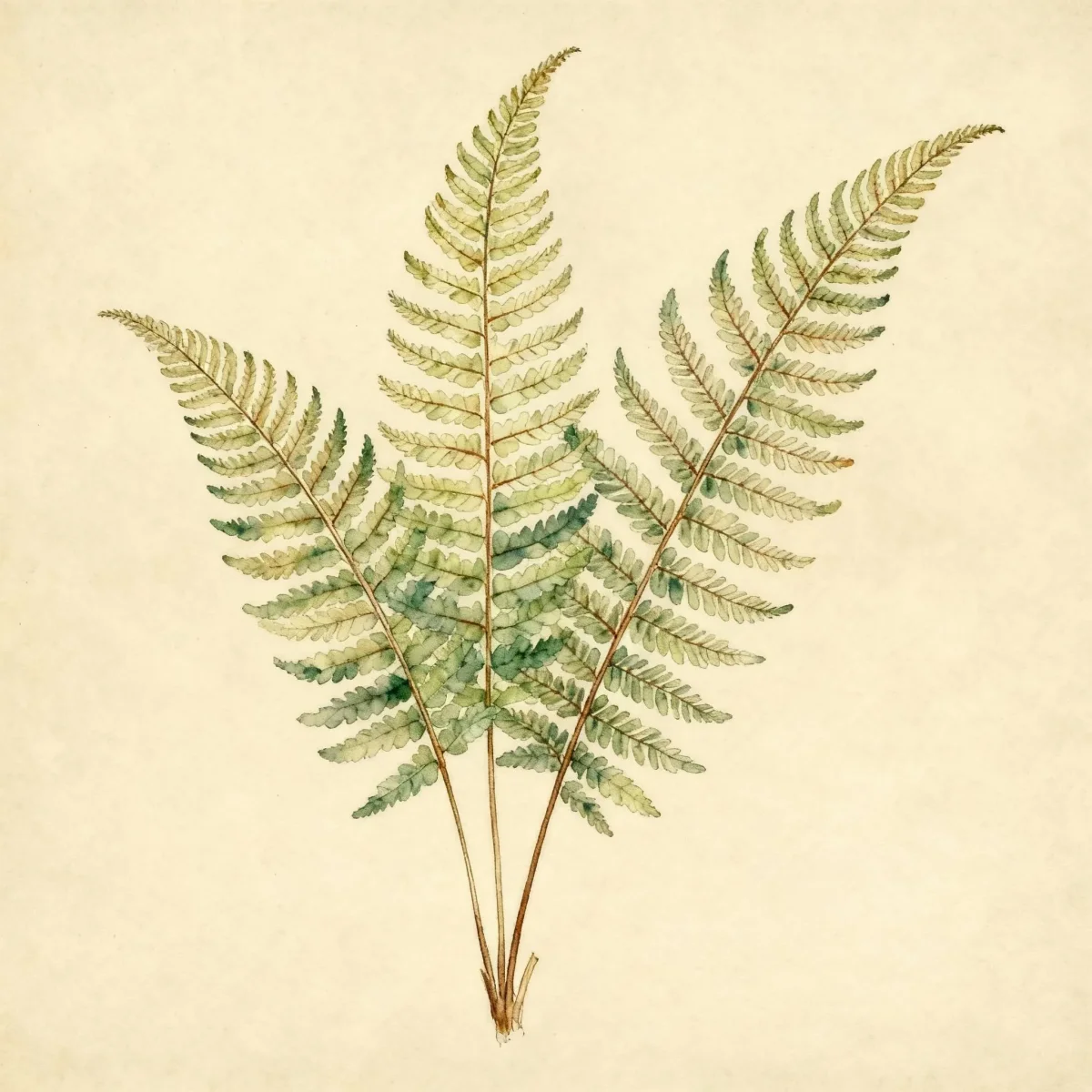
Nephrolepis exaltata, commonly called sword fern or Boston fern, is native to Florida, West Indies, Mexico, Central America, South America, Polynesia and Africa. It is an evergreen fern that grows with an upright spreading habit to 3’ tall and as wide. In its native habitat, it may grow to as much as 7’ tall. It is an easy and popular fern to grow indoors. Generally sword-shaped fronds have shallow toothed to entire pinnae. Fronds initially grow upward but arch gracefully with age. A number of different forms are available in commerce including the very popular cultivar ‘Bostoniensis’ which many years ago earned the reputation of being a classic parlor fern. A number of additional cultivars in commerce feature such variations as curly, wavy, twisted, drooping, double-pinnate and overlapping fronds.Genus name comes from the Greek words nephros meaning a kidney and lepis meaning a scale.Specific epithet means very tall or lofty.‘Tiger Fern’ is a variegated Boston fern selection that features green foliage with streaks of chartreuse to yellow. Mature plants can reach 2’ tall with a 3’ spread. Young and emerging fronds are upright but gently arch with age. Plant patent number PP15315 applies to this cultivar.
Tolerances
- Tolerant of some shade
Potential Problems
Common pests affecting the Boston fern include scale, mealybugs, slugs, and whiteflies. Vigilant inspection, particularly of the undersides of older fronds, is the best defense against these sap-suckers. Promptly treat infestations with insecticidal soap or horticultural oil, targeting affected areas thoroughly.
Leaf drop or browning frond tips are common indoor issues, often resulting from inconsistent watering or low humidity, rather than pests. If shedding occurs due to drying out, a hard prune will encourage fresh, healthy growth once humidity and watering routines are corrected.
Frequently Asked Questions
What hardiness zones is Nephrolepis exaltata ‘Tiger Fern’ suitable for?
The Nephrolepis exaltata ‘Tiger Fern’ is winter hardy outdoors in USDA Zones 10 through 12.
How large does Boston fern grow?
This cultivar typically reaches a height of 1.5 to 2 feet, displaying a spread between 2 and 3 feet.
What sun exposure does Nephrolepis exaltata ‘Tiger Fern’ need?
This fern prefers part shade; indoors, ensure it receives bright indirect light while strictly avoiding direct sun exposure.
When does Boston fern bloom?
Nephrolepis exaltata ‘Tiger Fern’ is non-flowering.
Conclusion
The variegated foliage of Nephrolepis exaltata ‘Tiger Fern’ provides excellent visual texture, making this popular Boston fern a star houseplant or a lush accent in shaded outdoor areas within tropical climates. For optimal vibrancy, focus on providing high humidity and routine moisture management. Before planting, confirm that your local zone supports outdoor growth, or plan its indoor placement carefully to ensure consistent, gentle light conditions.
Companion Planting
When growing the Nephrolepis exaltata ‘Tiger Fern’ indoors, place it near other moisture-loving tropicals. Good companions include Calatheas, large-leafed Philodendrons, or Peace Lilies, as they share similar requirements for high ambient humidity. In outdoor shade gardens in Zones 10-12, pair this fern with hostas (in pots or perpetually moist areas), Astilbe, or various shade-loving shade-loving Impatiens for contrasting leaf shapes and colors beneath hardwood trees.
Seasonal Care Calendar
For indoor cultivation, follow a consistent schedule; use weak fertilizer lightly once a month from spring through early fall, ceasing feeding during winter dormancy. Throughout the year, monitor moisture levels closely; ferns hate drying out, so check soil daily during summer heat. If frond tips brown during low winter humidity, increase misting or use a pebble tray to mitigate dry air damage. Annually, consider repotting if root-bound, or perform a light cleanup prune in early spring to remove any damaged or old fronds before the main growth flush begins.