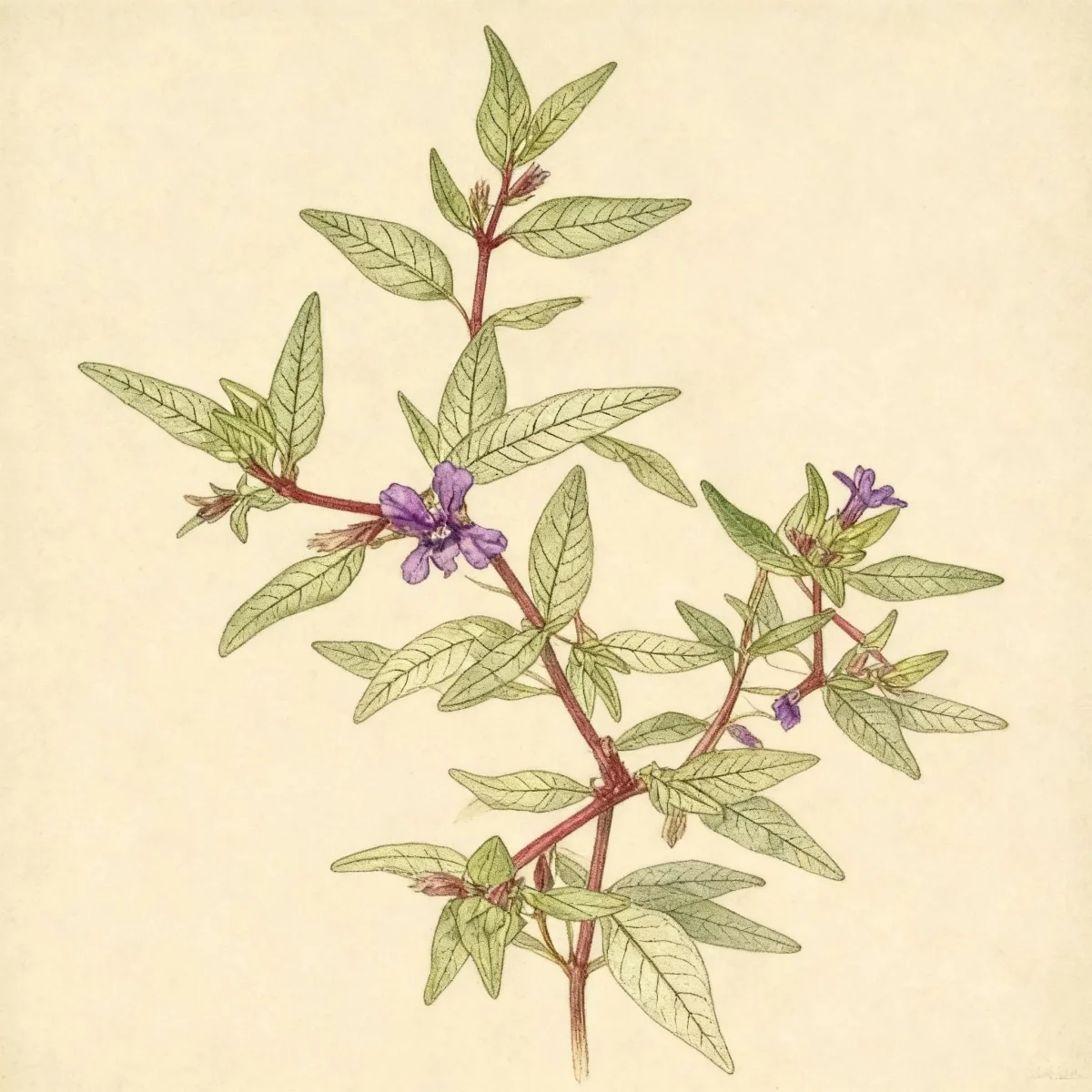
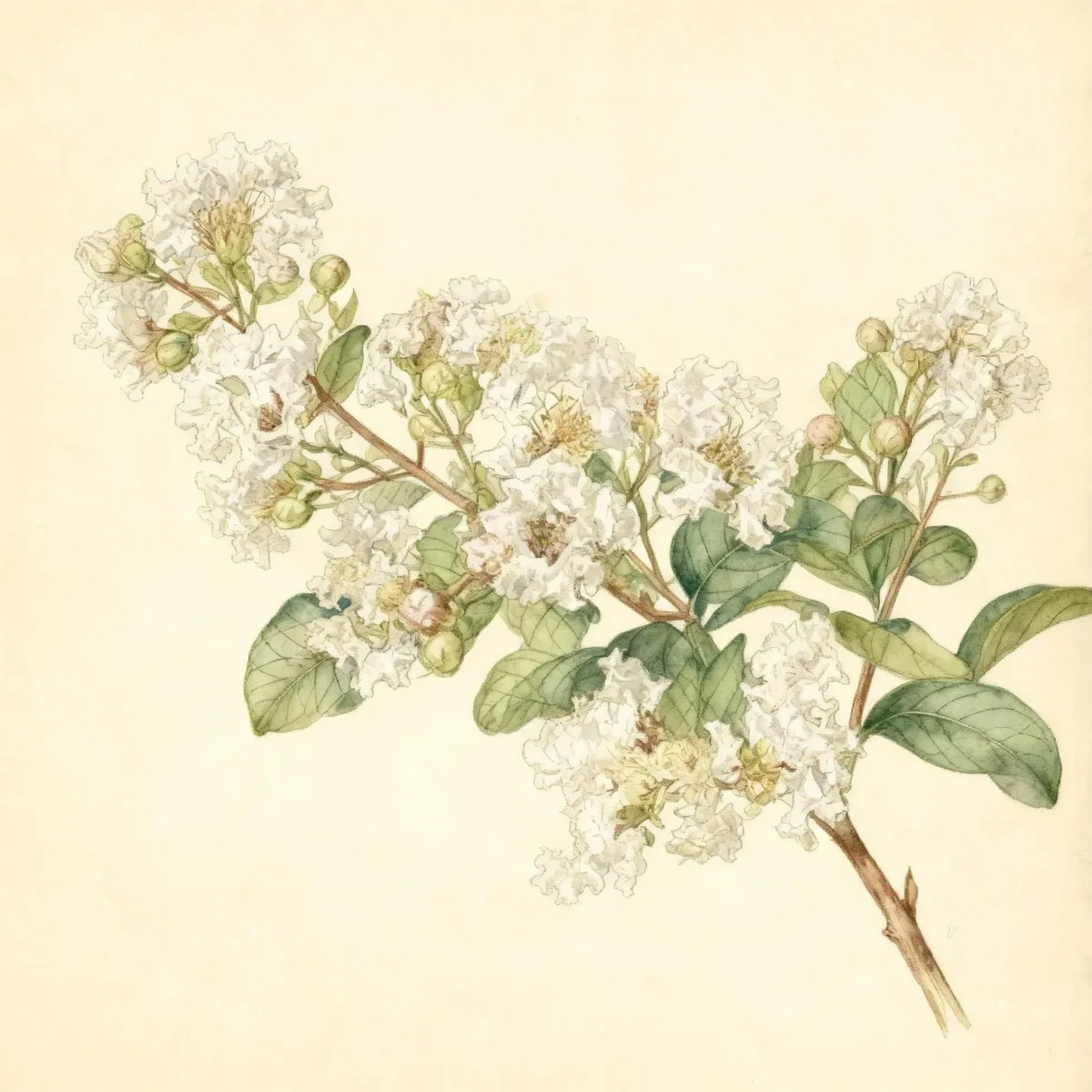
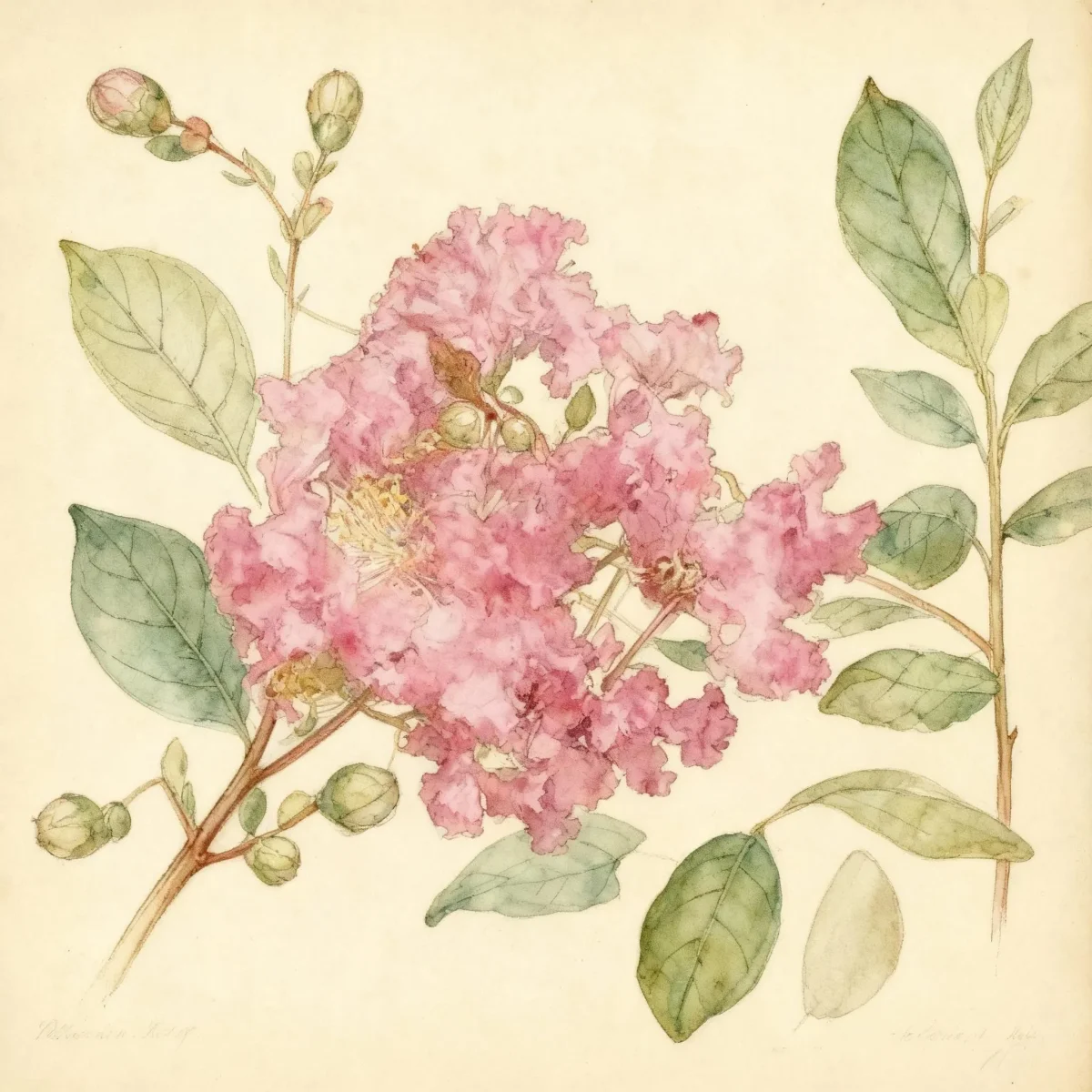
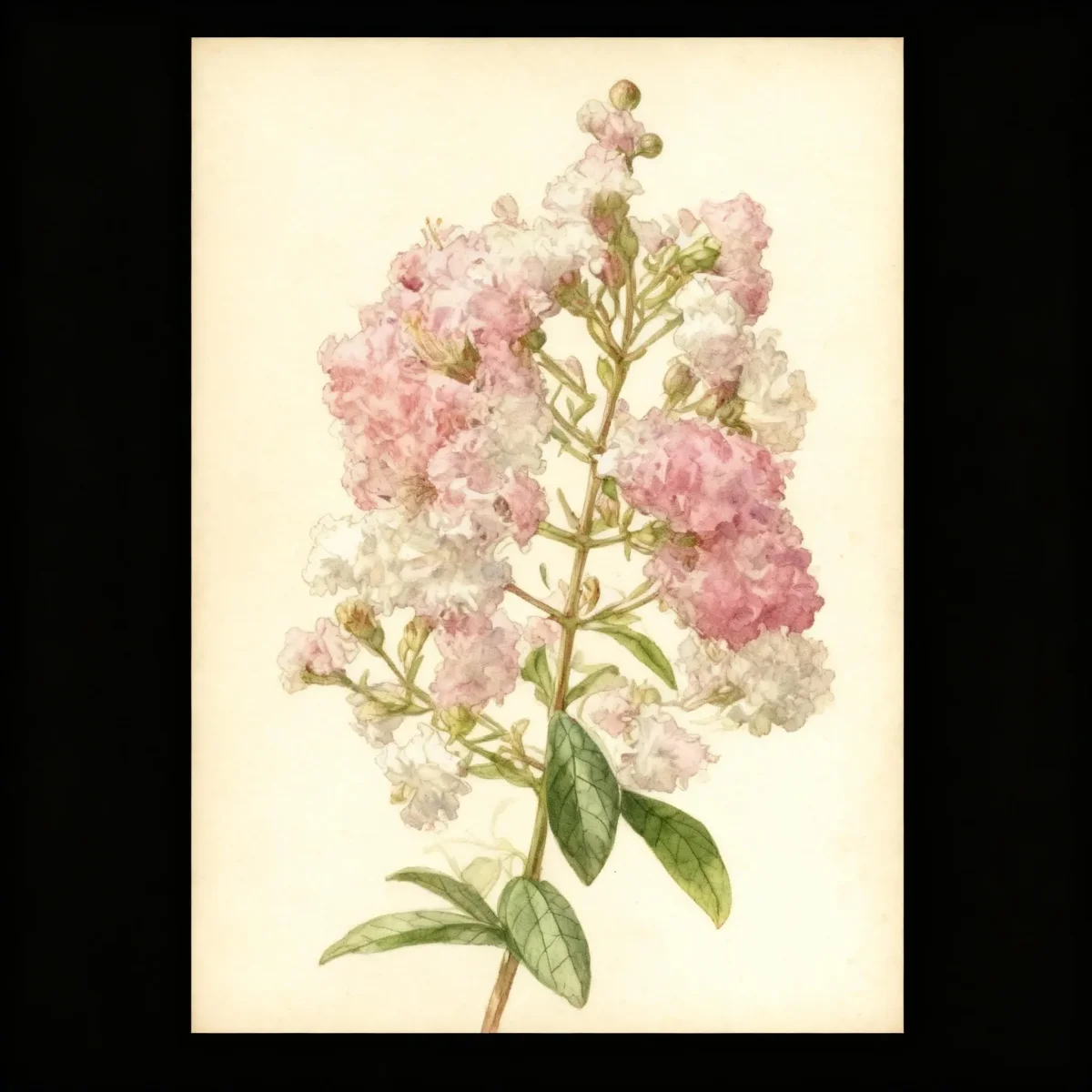
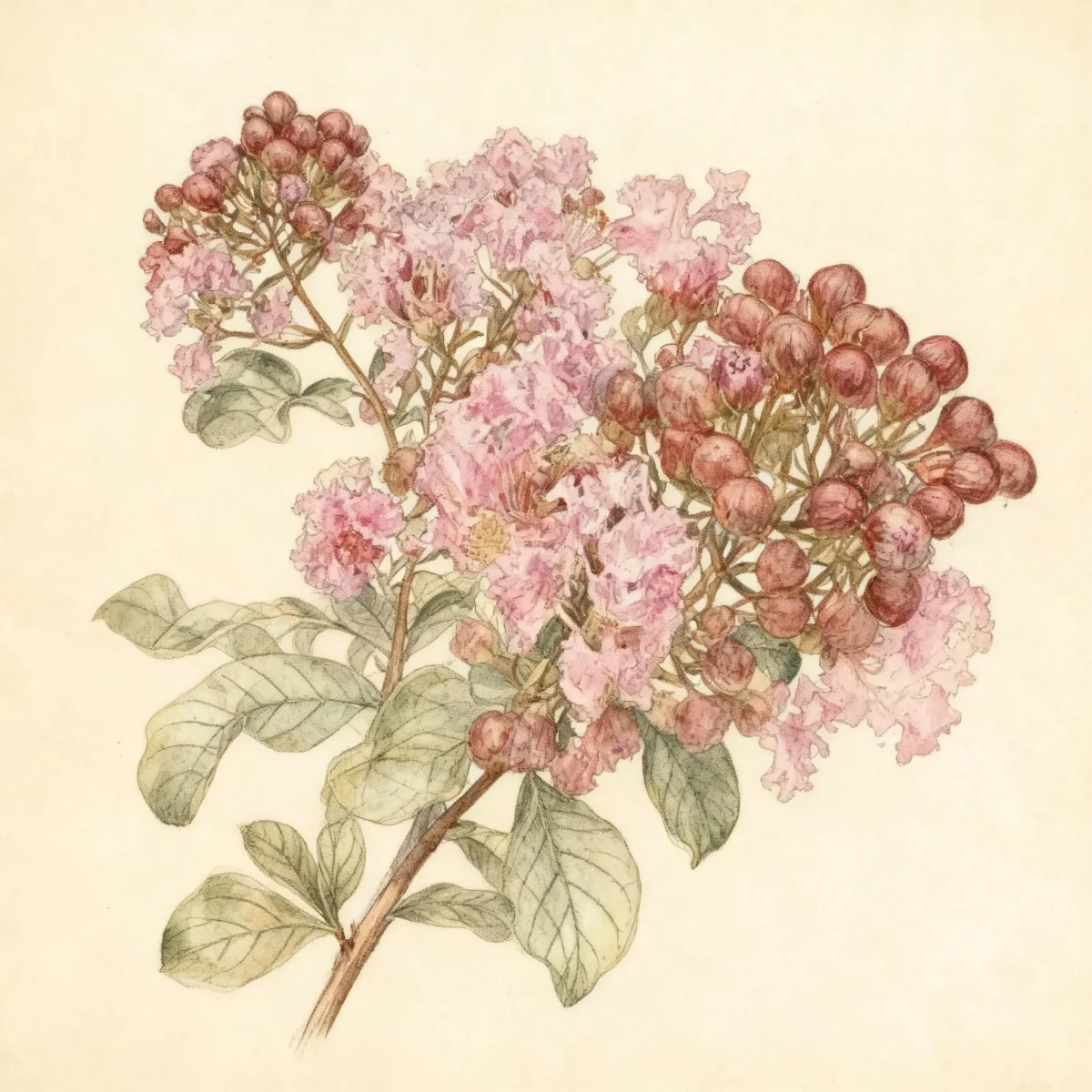
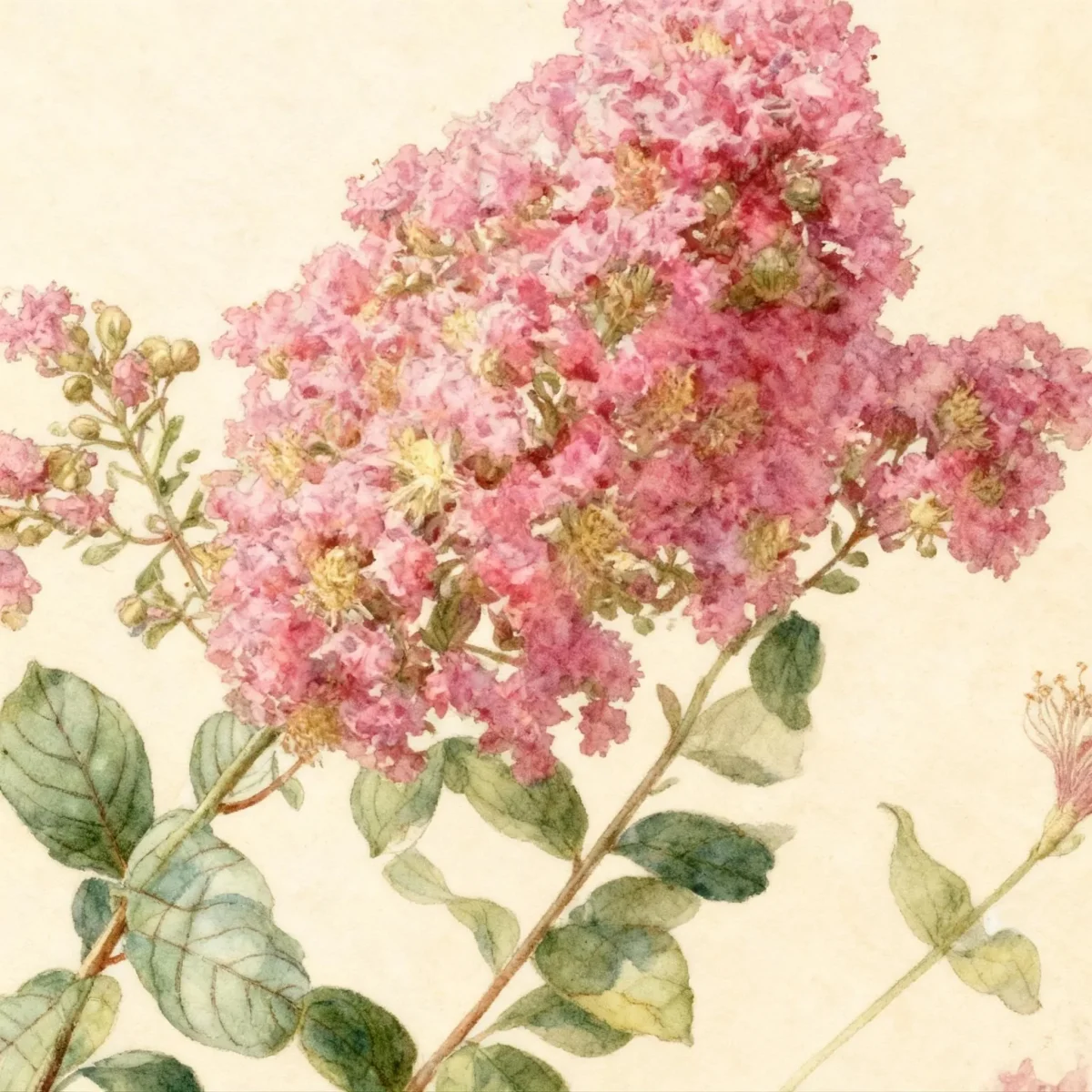
Japanese crepe myrtle (Lagerstroemia fauriei)
Discover Lagerstroemia fauriei, the Japanese crepe myrtle. A low-maintenance tree prized for its exfoliating bark and summer white blooms.
Scroll down to discover growing tips, care requirements, companion plants, and more
Complete Plant Information
Overview
The Japanese crepe myrtle, scientifically known as Lagerstroemia fauriei, is a superb choice for gardeners seeking outstanding year-round structure and minimal upkeep. This deciduous tree stands out due to its dramatically exfoliating, cinnamon-colored bark, which provides significant winter interest long after the summer flowers fade. It offers a refined, natural silhouette that elevates any landscape composition.
Native to southern Japan, this species is prized not only for its own merits but also as a foundational parent in hybridization programs that created many popular crape myrtle cultivars. Lagerstroemia fauriei typically matures into a small, multi-stemmed specimen reaching 20 to 35 feet tall. It provides airy shade beneath its rounded canopy during the growing season.
Gardeners value this tree for its stunning texture and relatively low maintenance needs, especially its good tolerance for various soil types once established. Plant this magnificent specimen where the arresting bark texture can be fully appreciated against a contrasting wall or within an open space.
Fast Facts
- Plant Family: Lythraceae
- Plant Type: Tree
- Native Range: Japan
- Hardiness Zones: USDA Zones 6-10
- Size at Maturity:
- Height: 20-35 ft
- Spread: 20-35 ft
- Bloom Time: June to August
- Bloom Description: White
- Sun Exposure: Full sun
- Water Needs: Medium
- Maintenance Level: Low
How to Grow
For optimal establishment, plant Lagerstroemia fauriei in spring after the danger of hard frost has passed, or in early fall. The ideal location demands full sun exposure; at least six hours of direct sunlight daily is necessary to encourage robust flowering and preserve the bark’s distinctive exfoliating qualities. While it thrives in evenly moist, well-draining soils, this Japanese crepe myrtle exhibits remarkable adaptability.
Water deeply and regularly during the first one to two growing seasons to establish a strong root system. Once mature, the tree exhibits drought tolerance, making it suitable for areas where supplementary irrigation is infrequent. Fertilize sparingly, if at all, focusing instead on improving soil structure. Avoid high-nitrogen fertilizers which can encourage overly lush summer growth susceptible to potential pest issues.
Pruning is minimal; focus mainly on removing crossing branches to maintain an attractive, open, multi-stem structure. Winter care in Zone 6 should involve monitoring for dieback, as top growth can sustain some cold injury. However, the tree reliably regenerates from harder frosts.
Landscape Uses
The recommended use for Lagerstroemia fauriei is as a striking specimen or accent tree. Its primary decorative appeal lies in its cinnamon-colored, exfoliating bark that is best showcased when viewed up close or against a backdrop of dark evergreens or light-colored architectural elements. Its rounded canopy provides soft, filtered light perfect for patio placement.
Because it offers multi-season interest—summer flowers, dense green foliage, and spectacular bark—the Japanese crepe myrtle works beautifully as a focal point in a mixed shrub border or an open lawn setting. It transitions well with underplantings that appreciate sun, such as hardy perennials or low-growing groundcovers that won’t compete heavily for resources.
Consider planting several Japanese crepe myrtles together for a screen effect, allowing their individual trunks to merge into a dynamic composition of texture and color. Its adaptable nature means it fits well into both formal and naturalistic garden designs.
Standout Features
Flower Qualities
- Showy
Noteworthy Characteristics
Lagerstroemia fauriei, commonly called Japanese crepe myrtle is a small, multi-stemmed, deciduous tree native to southern Japan. Mature trees will reach 20-35’ tall with a similarly wide, rounded to vase-shaped canopy. The trunks have attractive cinnamon-colored, exfoliating bark. Small, white flowers are held in 3-4” long terminal panicles and bloom in summer. L. Fauriei and L. Indica are the two most popular species used to create hybrid crape myrtles.
Tolerances
- Drought
- Clay Soil
Potential Problems
This species boasts high resistance to powdery mildew, a common ailment for many Lagerstroemia relatives, which is a significant advantage in humid summers. Gardeners should remain vigilant, however, for occasional pest outbreaks, specifically aphids and scale insects. Small infestations can often be managed with horticultural oils or insecticidal soaps applied according to label directions.
Winter injury is a concern primarily in the colder end of its range, Zone 6. If prolonged deep freezes occur, protect younger specimens, or expect potential dieback on the upper tree structure, necessitating prompt pruning in early spring to clean up damaged wood.
Frequently Asked Questions
What hardiness zones is Japanese crepe myrtle suitable for?
The Japanese crepe myrtle (Lagerstroemia fauriei) is hardy in USDA Zones 6 through 10.
How large does Lagerstroemia fauriei grow?
This specimen tree typically matures to a height and spread between 20 to 35 feet.
What sun exposure does Lagerstroemia fauriei need?
For best results, the Japanese crepe myrtle requires full sun exposure to flourish.
When does Japanese crepe myrtle bloom?
This tree produces white flowers from June through August.
Conclusion
The Lagerstroemia fauriei, or Japanese crepe myrtle, is an exceptional landscape asset, celebrated for its low maintenance requirements and stunning exfoliating cinnamon bark that provides visual interest year-round. Its reliable summer blooms and hardiness across Zones 6-10 make it a versatile choice for many gardeners. Before planning your installation, confirm your local zone compatibility and ensure you site this beautiful tree where its unique trunk texture can be fully admired.
Companion Planting Strategies
Selecting companions for Lagerstroemia fauriei centers on complementing its texture and ensuring shared environmental needs, primarily full sun and well-drained soil. Since the Japanese crepe myrtle prefers dry spells once established, avoid pairing it with plants requiring consistently saturated conditions. Excellent partners include drought-tolerant Mediterranean shrubs like Lavender (Lavandula) or Rosemary (Salvia rosmarinus), whose gray-green foliage beautifully contrasts with the smooth texture of the crape myrtle’s bark.
For layered interest beneath the canopy, consider evergreen groundcovers that won’t shade the trunk too heavily. Low-growing Sedums or creeping Thyme varieties thrive in the sun and possess root systems that won’t aggressively compete with the tree. These choices maintain the low-water profile that L. fauriei appreciates.
Seasonal Care Calendar
Spring marks the beginning of the active growing season for Lagerstroemia fauriei. This is the ideal time for observing the tree closely for any winter-damaged wood, which should be pruned out as new leaf buds begin to swell. Avoid applying heavy fertilizer early, focusing instead on amending the soil lightly if necessary.
Summer is all about appreciating the white blooms and managing potential pest pressure. If aphids or scale become noticeable, apply corrective treatments early in the season before infestations become severe. Ensure medium water requirements are met during extreme heat spells, particularly for newly planted specimens.
As fall approaches, the tree will begin shedding its leaves. Once dormant, your primary job is scouting for winter injury potential in Zone 6. Apply a deep layer of mulch (applied away from the trunk flare) to insulate the root zone, preparing the Japanese crepe myrtle for the colder months ahead.