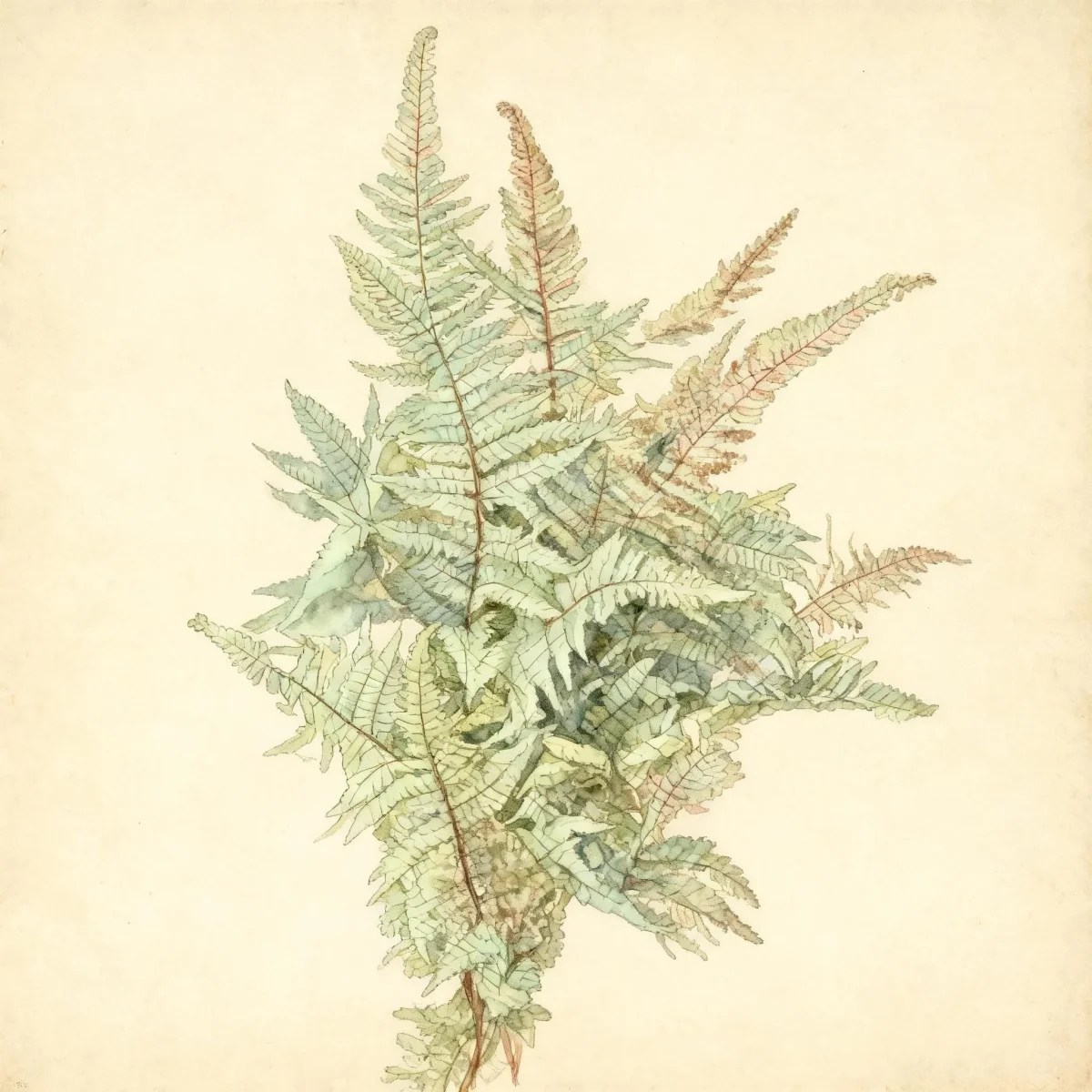
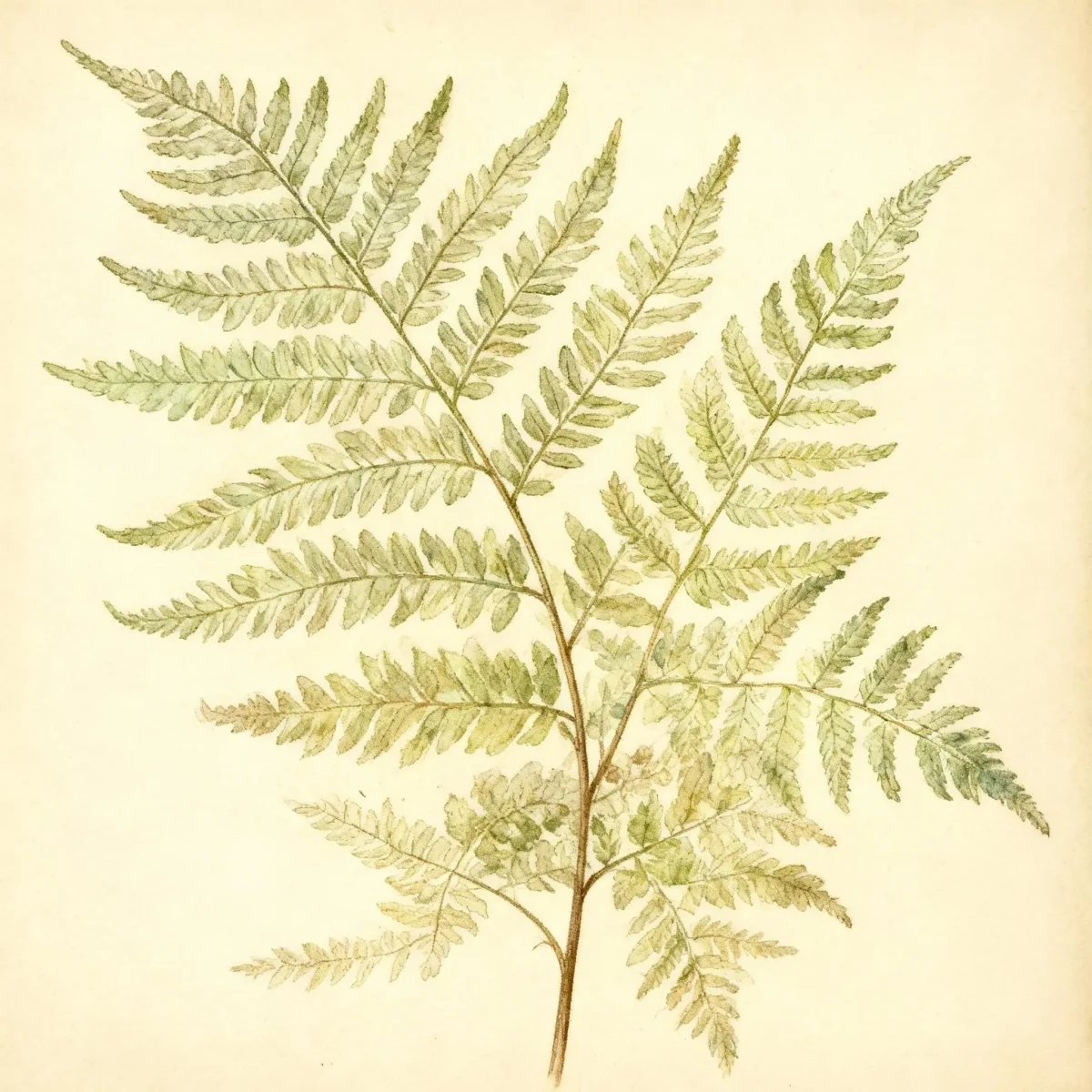
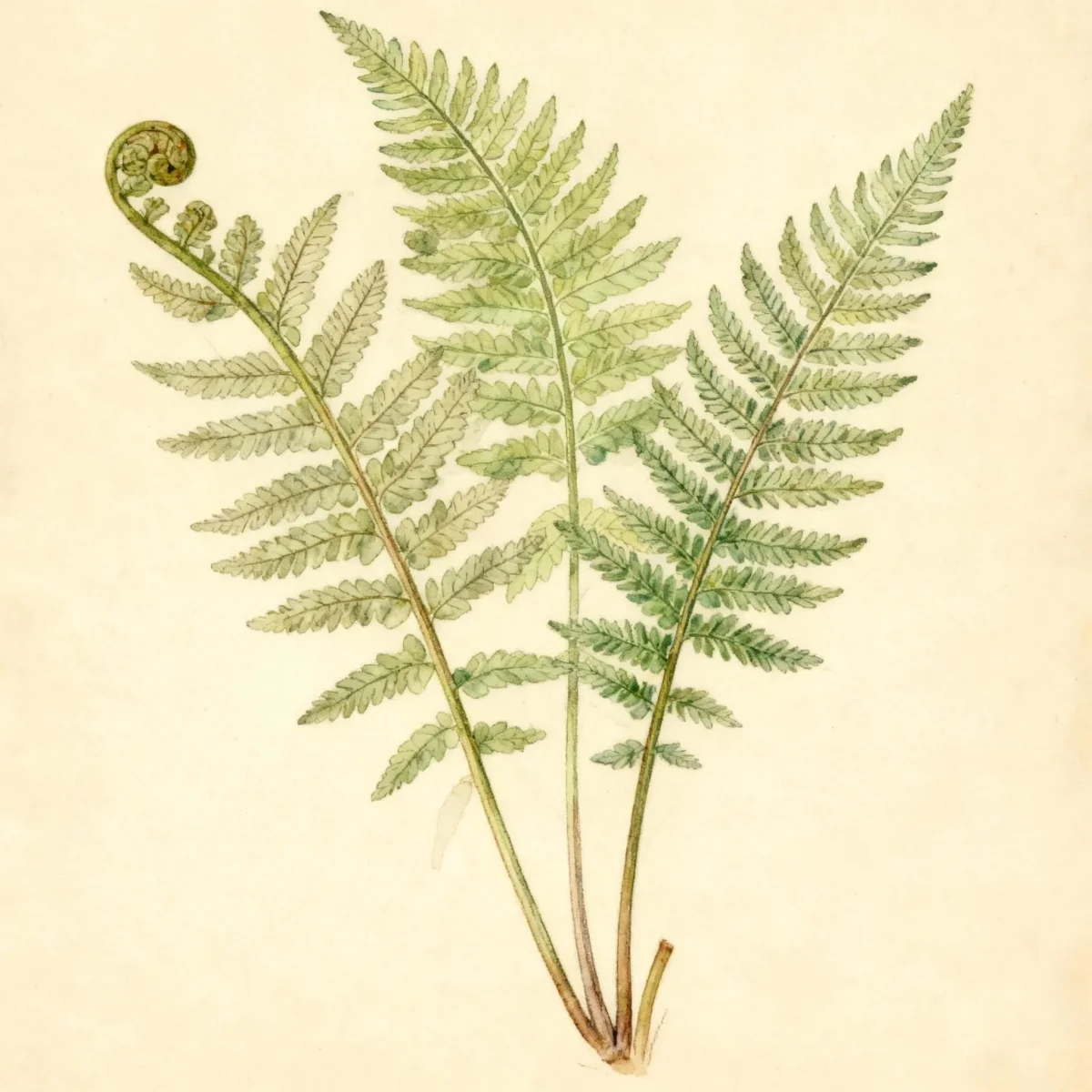
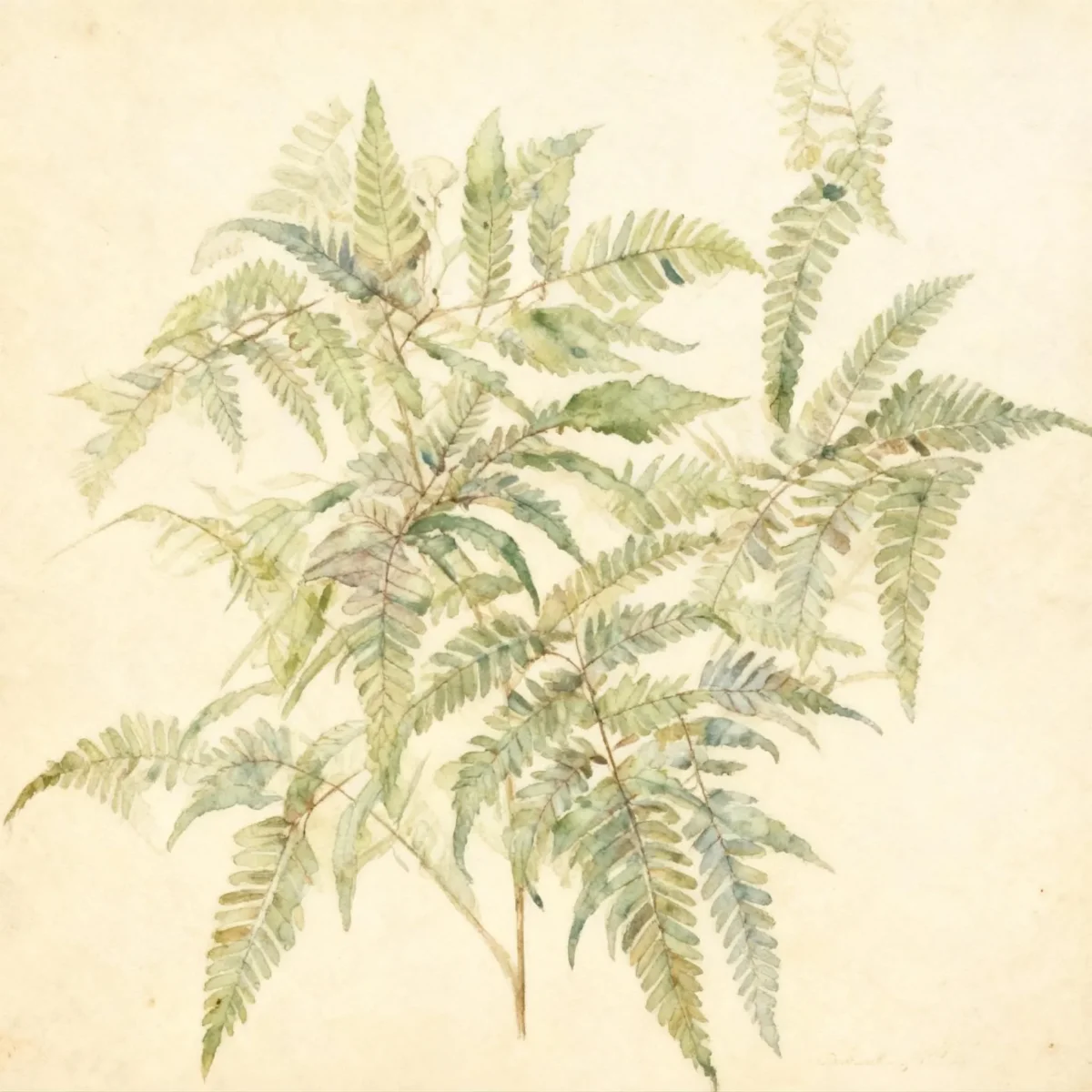
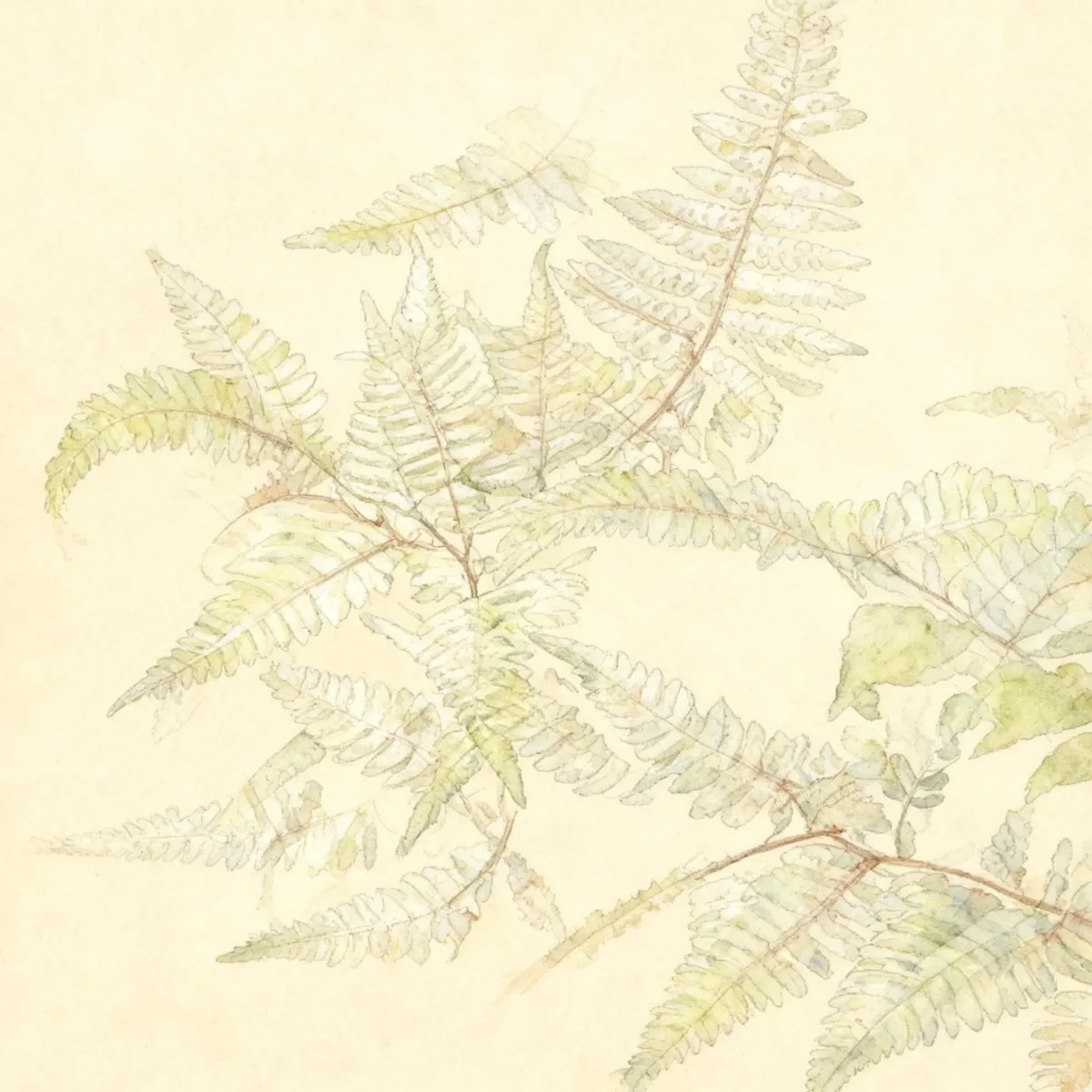
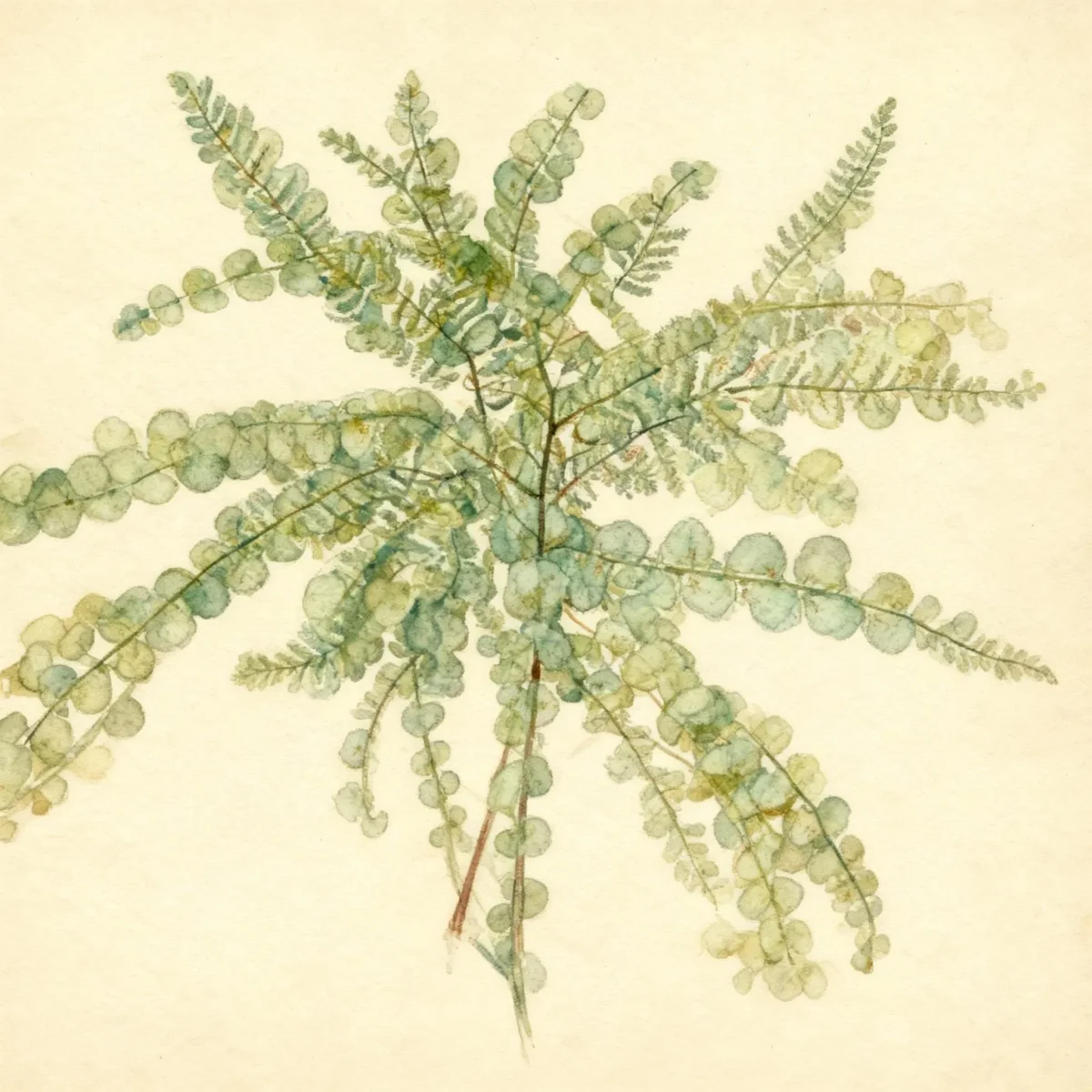
Southern lady fern (Athyrium asplenioides)
The Southern lady fern, Athyrium asplenioides, thrives in shade, offering lacy, light green fronds perfect for woodland gardens. Low maintenance.
Scroll down to discover growing tips, care requirements, companion plants, and more
Complete Plant Information
Overview
The Southern lady fern (Athyrium asplenioides) is a highly valued deciduous fern that brings delicate, lacy texture to darker garden areas. Its light green fronds grow in a dense, circular clump, providing an essential vertical element in woodland and shade settings. As a low-maintenance native plant, the Athyrium asplenioides offers superior textural contrast against broad-leaved groundcovers.
This species is celebrated for its resilience, particularly in shaded environments where many other perennials struggle. While it prefers moist conditions, the Southern lady fern demonstrates greater drought tolerance than many of its fern relatives once established, making garden care simpler. Its native range spans the central and eastern United States, establishing it as a reliable woodland feature.
Gardeners rely on Athyrium asplenioides to create lush, cooling displays in the landscape. It offers year-round structure (as the fronds retain some form until hard frost) and requires minimal intervention beyond occasional division, affirming its status as an easy-to-grow perennial for shade gardens.
Fast Facts
- Plant Family: Athyriaceae
- Plant Type: Fern
- Native Range: Central and eastern United States
- Hardiness Zones: USDA Zones 5-9
- Size at Maturity:
- Height: 2-3 ft
- Spread: 2-3 ft
- Bloom Time: Non-flowering
- Bloom Description: Non-flowering
- Sun Exposure: Part shade to full shade
- Water Needs: Medium
- Maintenance Level: Low
How to Grow
Planting the Southern lady fern is best achieved in spring or fall, ensuring the soil is rich with organic matter and offers excellent drainage. While they thrive in part shade to full shade, site selection is crucial; rich, consistently moist soil is ideal for optimal growth of Athyrium asplenioides.
Routine care involves maintaining medium soil moisture. Although this fern tolerates drier conditions better than some, significantly prolonged drought can stress the fronds. Avoid fertilizing heavily; enriched soil tends to be sufficient. Shelter the plant from strong winds, which can easily break the delicate fronds.
For plant maintenance, divide clumps every few years in the spring if crowns begin to pile too high, ensuring they stay near the soil level. Gardeners should expect the fronds to look somewhat tattered by mid-summer, which is normal natural wear for this deciduous fern.
Landscape Uses
The inherent elegance and shade tolerance of Athyrium asplenioides make it invaluable for creating cohesive woodland garden designs. It excels when massed beneath high canopy trees or along shady border fronts where deep greens and fine textures are desired. Its moderate size makes it a perfect transition plant between groundcovers and larger shrubs.
Use the Southern lady fern to line shaded walkways or strategically place it near streams or ponds where natural moisture levels are higher. They pair exceptionally well with plants that offer contrasting leaf shapes and colors, such as hostas with blue or variegated foliage, or broad-leaved epimediums. The upright growth habit of Athyrium asplenioides provides necessary vertical lift in otherwise low-growing shady beds.
Standout Features
Noteworthy Characteristics
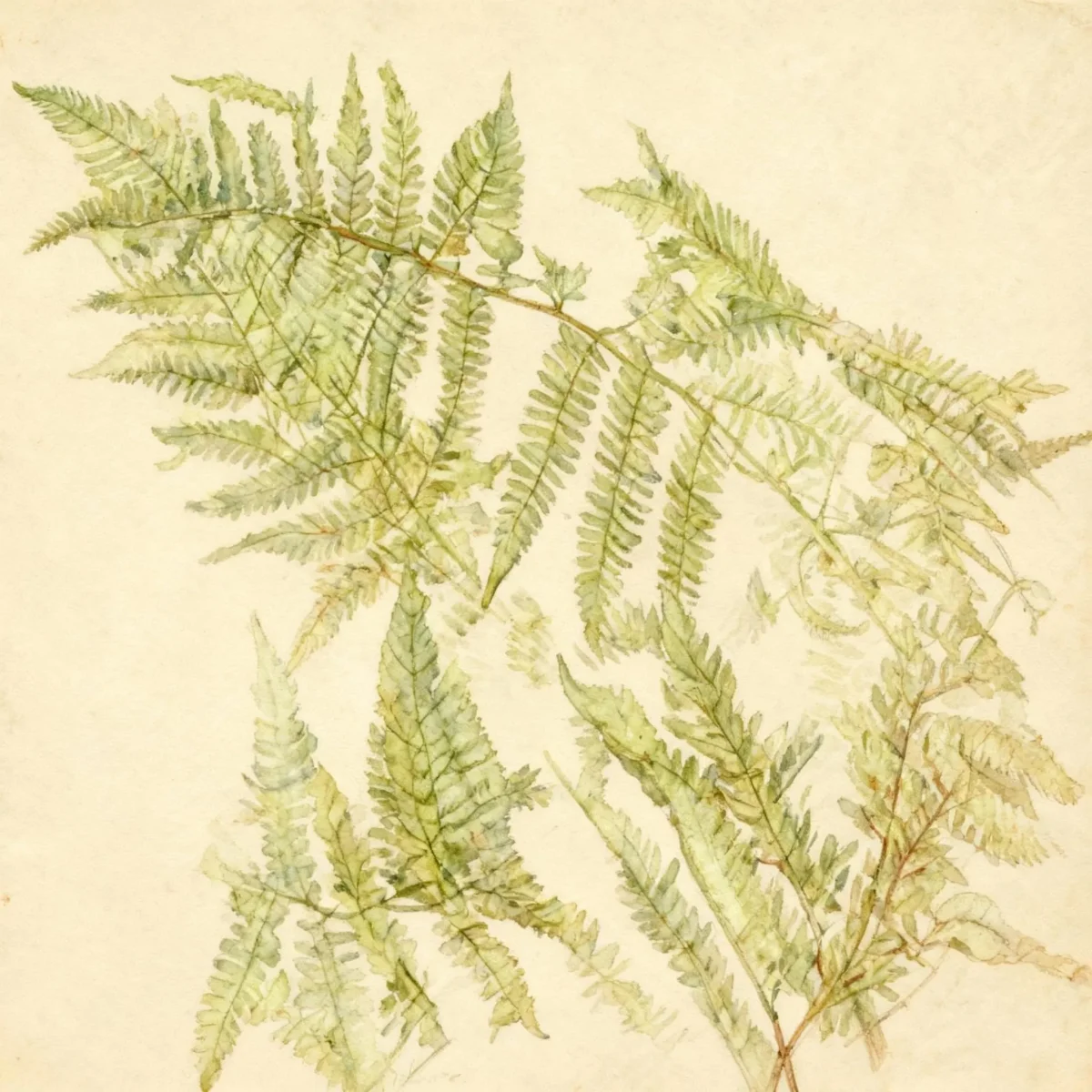
Athyrium filix-femina, commonly called lady fern, is a deciduous fern that features lacy-cut, erect or ascending, 2 to 3-pinnate or pinnatifid, finely-divided, lanceolate, light green fronds which grow in a dense circular shuttlecock-like clump to 2-3’ tall. The specific subspecies, Athyrium asplenioides, native to the Southeast US, differs slightly from the main species by having brown spores and a shorter stipe relative to blade length. The genus name references the “doorless” nature of the spore covers, contrasting with related ferns.
Tolerances
- Rabbit
- Heavy Shade
Potential Problems
The Southern lady fern is generally free from serious pest or disease issues, contributing to its low-maintenance profile. The primary aesthetic concern involves the natural breakdown of the foliage during the summer heat. Fronds frequently become somewhat tattered in appearance by mid-summer due to exposure, insect wear, or simple maturity. No specific preventative chemicals are usually required for this hardy species.
Frequently Asked Questions
What hardiness zones is Southern lady fern suitable for?
The Athyrium asplenioides is reliably hardy in USDA Zones 5 through 9.
How large does Southern lady fern grow?
This species typically reaches a mature height between 2 and 3 feet tall, with a similar spread of 2 to 3 feet wide.
What sun exposure does Athyrium asplenioides need?
Athyrium asplenioides prefers conditions ranging from part shade to full shade for the healthiest growth, though it can handle full sun if kept constantly moist.
When does Southern lady fern bloom?
As a fern, the Southern lady fern is non-flowering; it reproduces via spores found underneath its fronds.
Conclusion
The Southern lady fern (Athyrium asplenioides) is an indispensable element for establishing texture and lushness in shaded garden spaces. Its reliable growth habit, coupled with minimal maintenance requirements, secures its place as a premier native fern choice. Before planting, confirm that your site offers rich, well-drained soil and consult your local zones to ensure proper establishment of this beautiful plant.
Companion Planting
Selecting appropriate neighbors helps enhance the beauty and cultural needs of the Athyrium asplenioides. Since ferns thrive in humus-rich, consistently moist conditions, look for woodland companions that share these requirements. Consider pairing the fine texture of the Southern lady fern with bold-leaved plants like Hosta varieties (especially chartreuse or blue types) or large Geraniums. Astilbes and Tiarella (Foamflower) also make excellent partners, as they appreciate similar shade levels and soil moisture, creating a multilayered, cool, and inviting garden vignette.
Propagation Tips
The primary method for increasing your stock of Southern lady fern is through clump division. Every few years, typically in early spring before new growth begins, carefully excavate the established clump. Using a sharp spade or knife, divide the crown into smaller sections, ensuring each section retains healthy rhizomes and viable leaf bases. Replant these divisions immediately at the correct depth to maintain the crown position near the soil surface. While Athyrium asplenioides produces spores, division is significantly faster and more reliable for gardeners wanting immediate, mature plants.