Rosemary (Salvia rosmarinus)
Discover Rosemary (Salvia rosmarinus), an evergreen shrub with aromatic foliage, ideal for culinary use in Zones 8-10.
Scroll down to discover growing tips, care requirements, companion plants, and more
Complete Plant Information
Overview
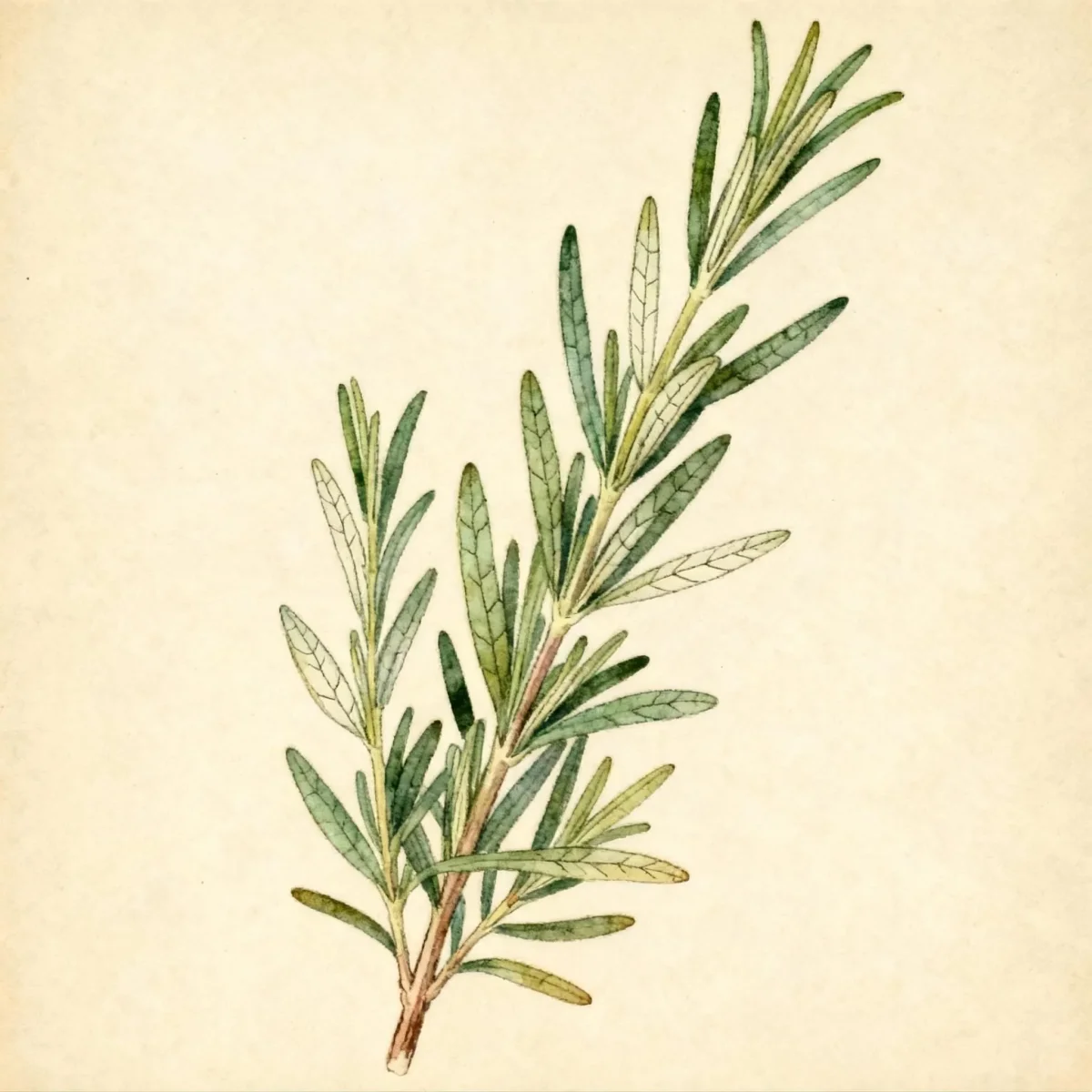
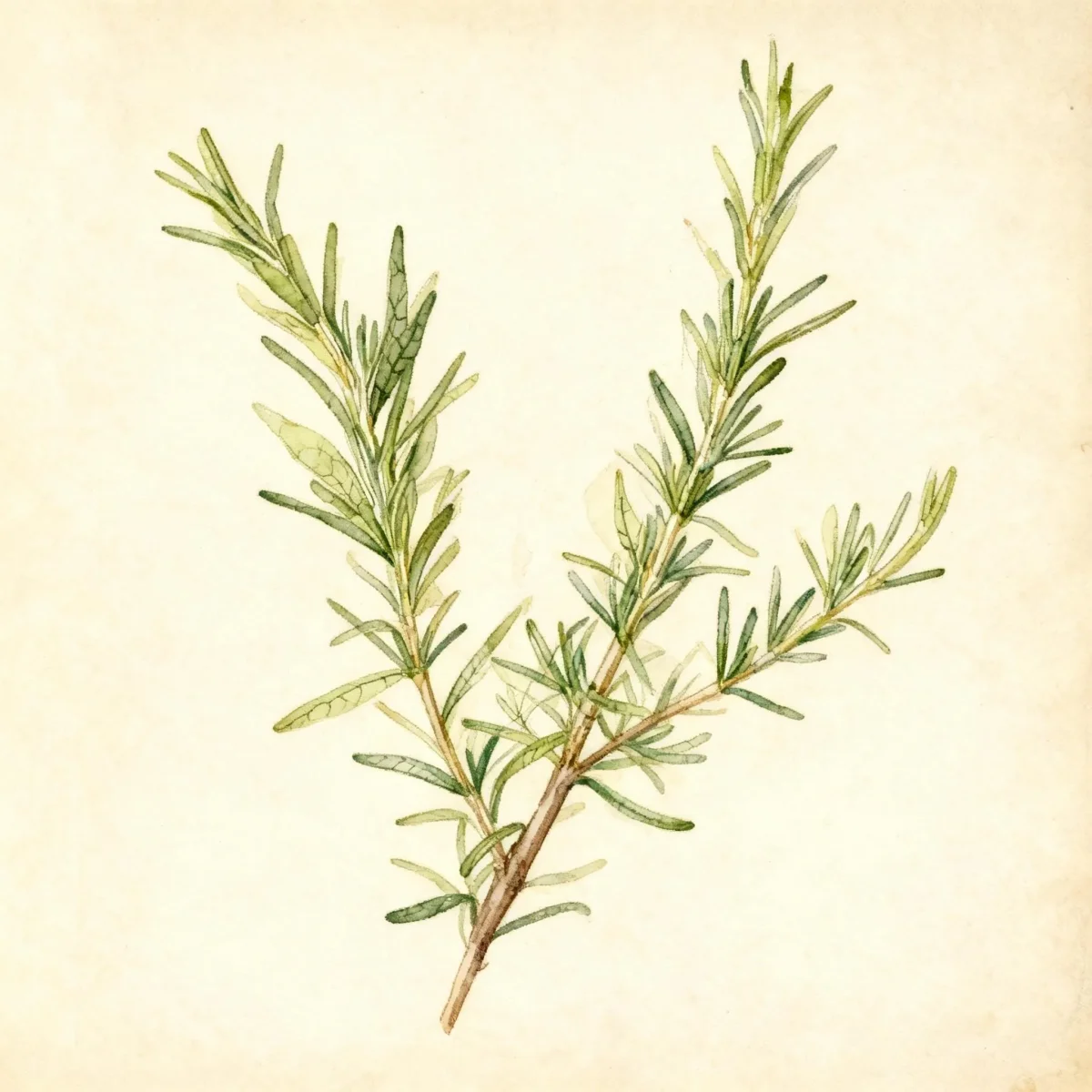
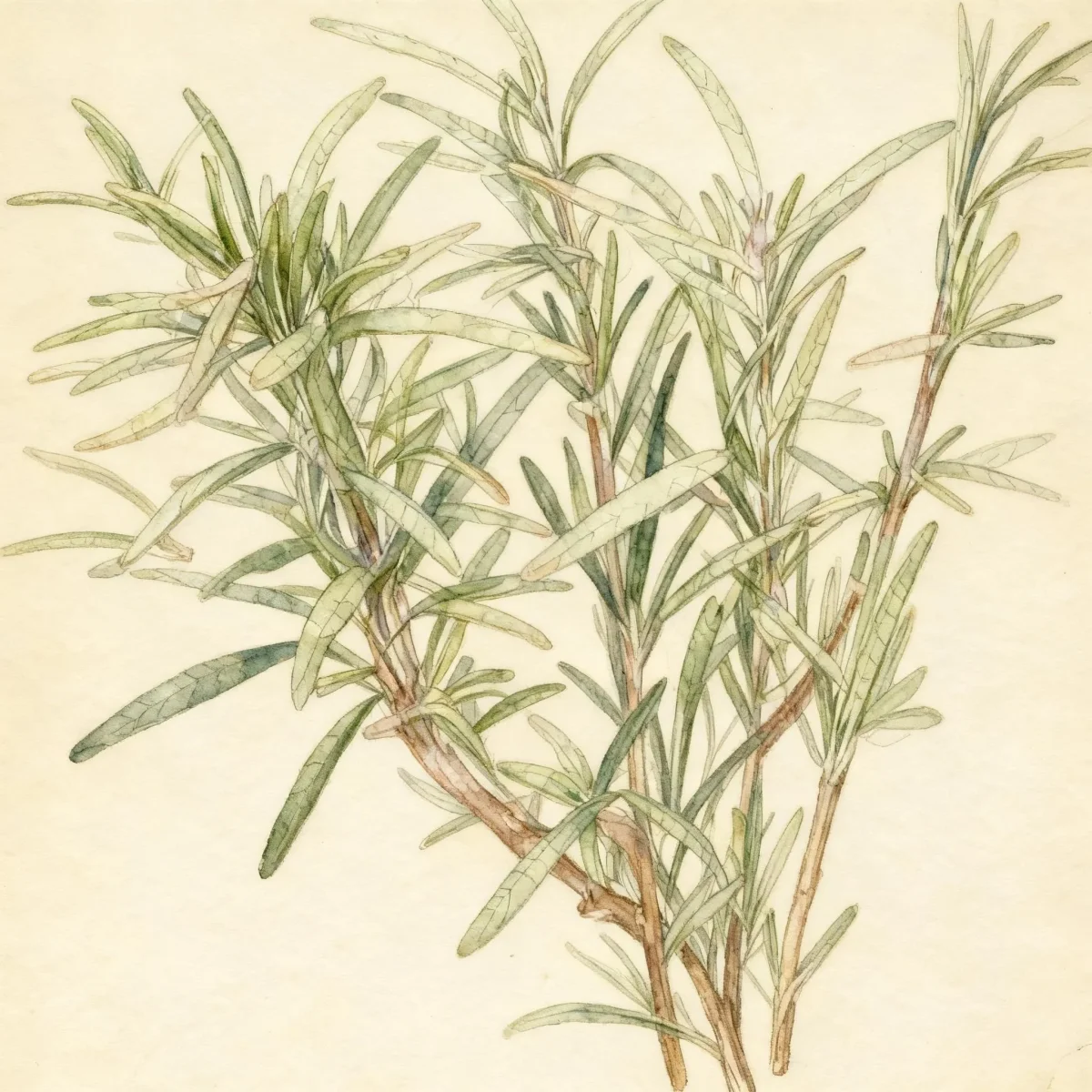
Salvia rosmarinus, widely recognized as Rosemary, is a valuable addition to any Mediterranean or herb garden due to its intensely fragrant, needle-like, gray-green foliage. This evergreen shrub delivers not only striking visual texture but also highly valued aromatic leaves used extensively in cooking, toiletries, and sachets. It thrives as a perennial in warmer climates but is widely grown as a container specimen elsewhere.
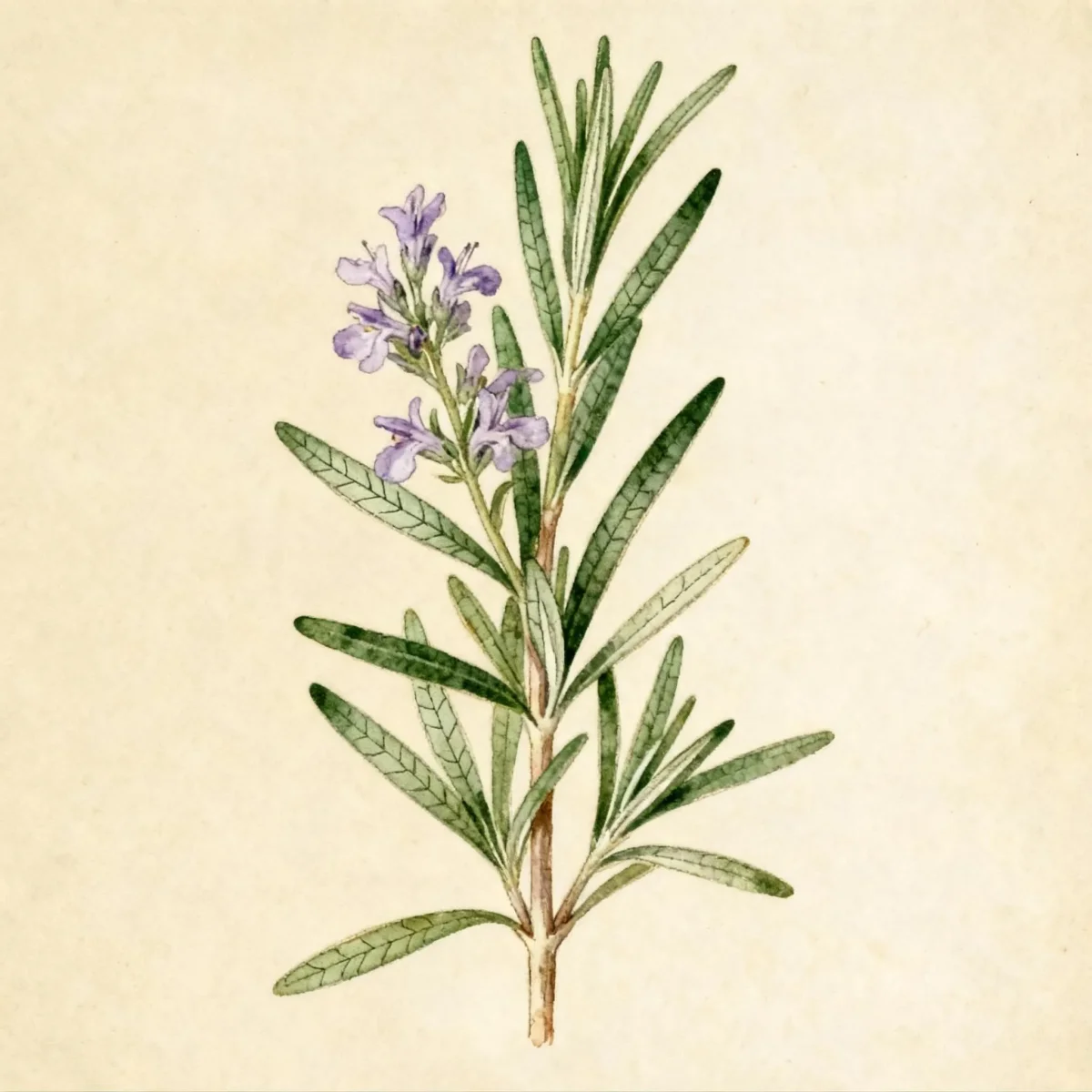
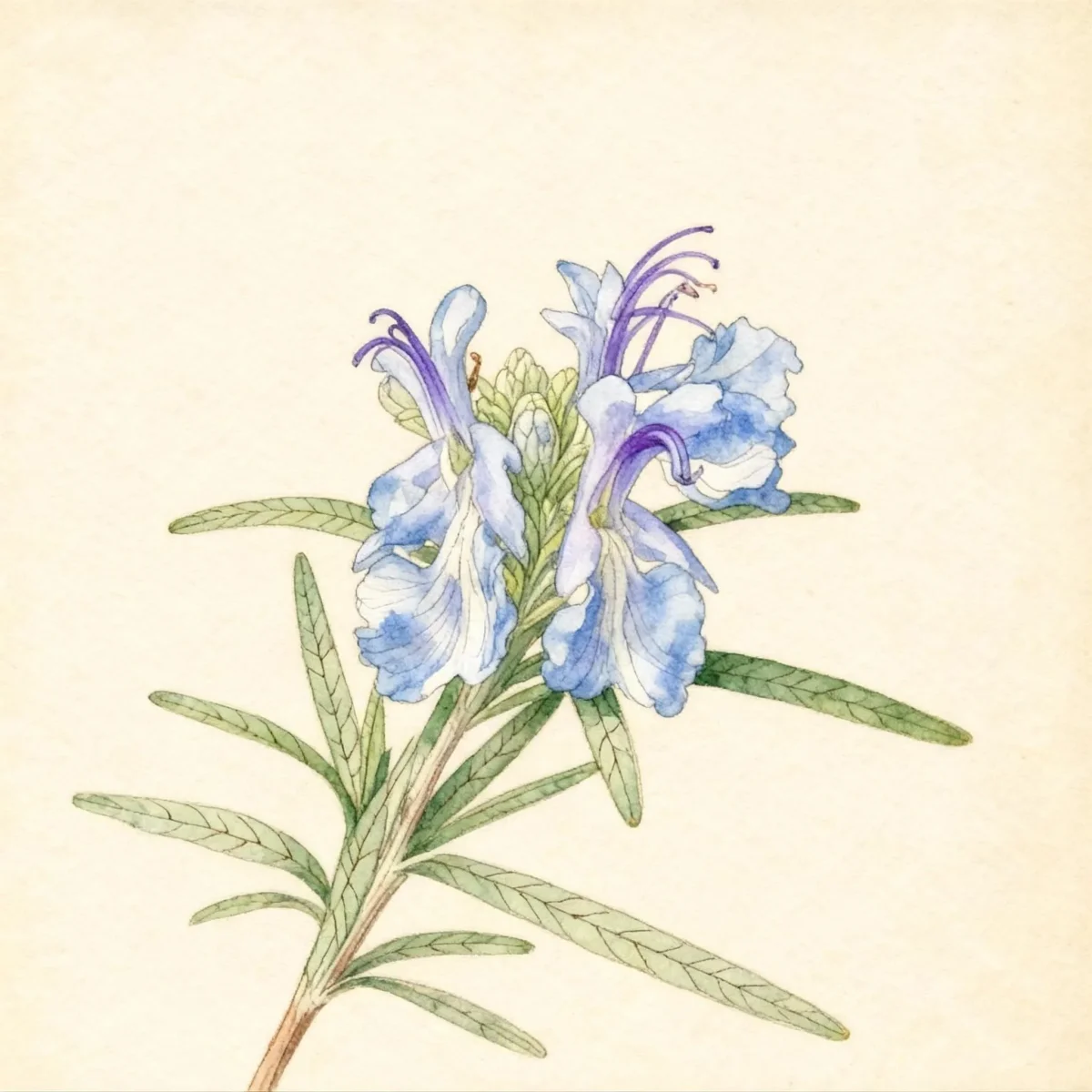
As a member of the Lamiaceae family, Rosemary exhibits classic Mediterranean tolerances for dry, sunny conditions once established. It generally matures into an erect, rounded shrub, providing year-round structure in mild regions. The small, pale blue to white flowers that appear in summer add delicate seasonal appeal.
Gardeners appreciate Salvia rosmarinus for its resilience against deer and drought, making it a practical choice for low-maintenance landscaping bordering herb gardens or patios. The plant’s versatility allows it to serve as an ornamental specimen, a low hedge, or a thriving container plant that can be enjoyed indoors during winter months.
Fast Facts
- Plant Family: Lamiaceae
- Plant Type: Herbaceous perennial
- Native Range: Northern Africa, western Asia, southern Europe
- Hardiness Zones: USDA Zones 8-10
- Size at Maturity:
- Height: 2-6 ft
- Spread: 2-4 ft
- Bloom Time: June to July
- Bloom Description: Pale blue to white
- Sun Exposure: Full sun
- Water Needs: Dry to medium
- Maintenance Level: Medium
How to Grow
Plant Salvia rosmarinus outdoors in autumn or spring in light, slightly acidic, well-drained soil. Full sun is essential for vigorous growth and the best production of aromatic oils, although the plant tolerates light shade. It performs poorly in heavy clay soils, and sitting in wet, poorly-drained conditions, especially during winter, is typically fatal for Rosemary roots.
Watering should be conservative; allow the soil surface to dry out between applications, but avoid letting the soil become bone dry throughout. Overwatering is the quickest path to root rot, a major concern for this drought-tolerant herb. Fertilization is usually unnecessary if the native soil is adequate, as rich soil can actually diminish flavor intensity.
Prune Rosemary after its main bloom period to encourage denser foliage, or prune it into specific shapes as desired. While propagation by cuttings is the best method, gardeners in colder areas (below Zone 8) must plan for winter care. Bring containerized Rosemary indoors before the first hard frost, overwintering it in a cool, sunny location, ideally a south-facing window, ensuring good air circulation to prevent powdery mildew.
Landscape Uses
In regions where it is winter hardy, Rosemary excels as an evergreen element in borders, rock gardens, and seaside plantings, offering structure year-round. Its upright habit makes it suitable for use as a low, fragrant hedge or as a standalone ornamental specimen near foundations or walkways where its aroma can be appreciated. Container culture is highly successful, allowing gardeners to place thriving Rosemary pots on decks and patios for easy culinary access.
The foliage is intensely flavorful and can be dried or used fresh in baking, stuffing, or seasoning meats, fish, and vegetables. Beyond the kitchen, the leaves and flowers contribute pleasing fragrance to sachets, and the essential oils are commercially utilized in perfumes and toiletries. This plant provides functional beauty alongside aesthetic appeal.
When selecting companions, choose other drought-tolerant, full-sun Mediterranean herbs like Thyme or Lavender, as they share similar soil and water requirements. This grouping naturally creates a low-water, high-fragrance garden section.
Standout Features
Flower Qualities
- Showy
Noteworthy Characteristics
Salvia rosmarinus, commonly known as rosemary, is a generally erect, rounded, evergreen shrub with aromatic, needle-like, gray-green leaves and tiny, two-lipped, pale blue to white flowers. The intensely fragrant foliage of this shrub is commonly harvested for a variety of purposes including culinary flavorings, toiletries and sachets. These plants also add excellent ornamental value to borders, herb gardens, patio areas and foundations both when grown in the ground and/or as container plants.
Tolerances
- Deer
- Drought
Potential Problems
Rosemary is susceptible to fungal issues like powdery mildew, especially when humidity is high and air circulation is poor around the dense foliage. Botrytis can also become a concern under damp conditions. The cardinal rule for avoiding root rot is excellent drainage; avoid watering inconsistently or too frequently.
Indoor care presents unique pest challenges for containerized Rosemary. Watch carefully for common houseplant pests like aphids, mealybugs, whiteflies, and spider mites, which are far less problematic on outdoor plants. Increase humidity and ensure strong airflow indoors during overwintering to actively manage mildew development.
Frequently Asked Questions
What hardiness zones is Rosemary suitable for?
Salvia rosmarinus is winter hardy primarily within USDA Zones 8 through 10 in the ground.
How large does Rosemary grow?
When planted outdoors in suitable climates, Rosemary typically reaches a height between 2 and 6 feet, with a spread of 2 to 4 feet.
What sun exposure does Salvia rosmarinus need?
This herb requires full sun exposure for the best performance, though it can tolerate light shade.
When does Rosemary bloom?
Rosemary typically blooms from June to July, presenting small, pale blue to white flowers.
Conclusion
Salvia rosmarinus, or Rosemary, offers unparalleled aromatic qualities and evergreen structure, making it a cornerstone herb for both culinary gardens and ornamental borders in Zones 8-10. Its high drought tolerance offsets its medium maintenance requirements, provided drainage is meticulously managed. Check your local hardiness zone compatibility before planting this beautiful Mediterranean shrub in the ground this season.
Propagation Tips
The most reliable method for increasing your supply of high-quality Rosemary plants is through cuttings. Softwood or semi-hardwood cuttings taken in late spring or summer root reliably, offering genetic consistency with the parent plant. Ensure the cuttings are free of pests and place them in a well-draining medium, keeping them lightly moist until roots develop, which is much easier than starting Salvia rosmarinus from seed.
For container plants that might be overcrowded, taking cuttings is also the perfect way to refresh stock before overwintering indoors. This approach guarantees you have healthy, vigorous young Rosemary plants ready for planting out again the following spring, potentially replacing older specimens that might struggle through multiple indoor seasons.
Wildlife Benefits
Flowers on Salvia rosmarinus, though small and pale blue to white, are attractive to beneficial insect pollinators, including butterflies and bees. Though the foliage is protected from browsing by deer, the fragrant nature of the herb can actually deter many common garden nibblers.
By incorporating Rosemary into your garden layout, you are actively supporting local pollinator populations during its primary bloom time in early summer. Use flowers in bouquets or allow them to mature to encourage pollination cycles.