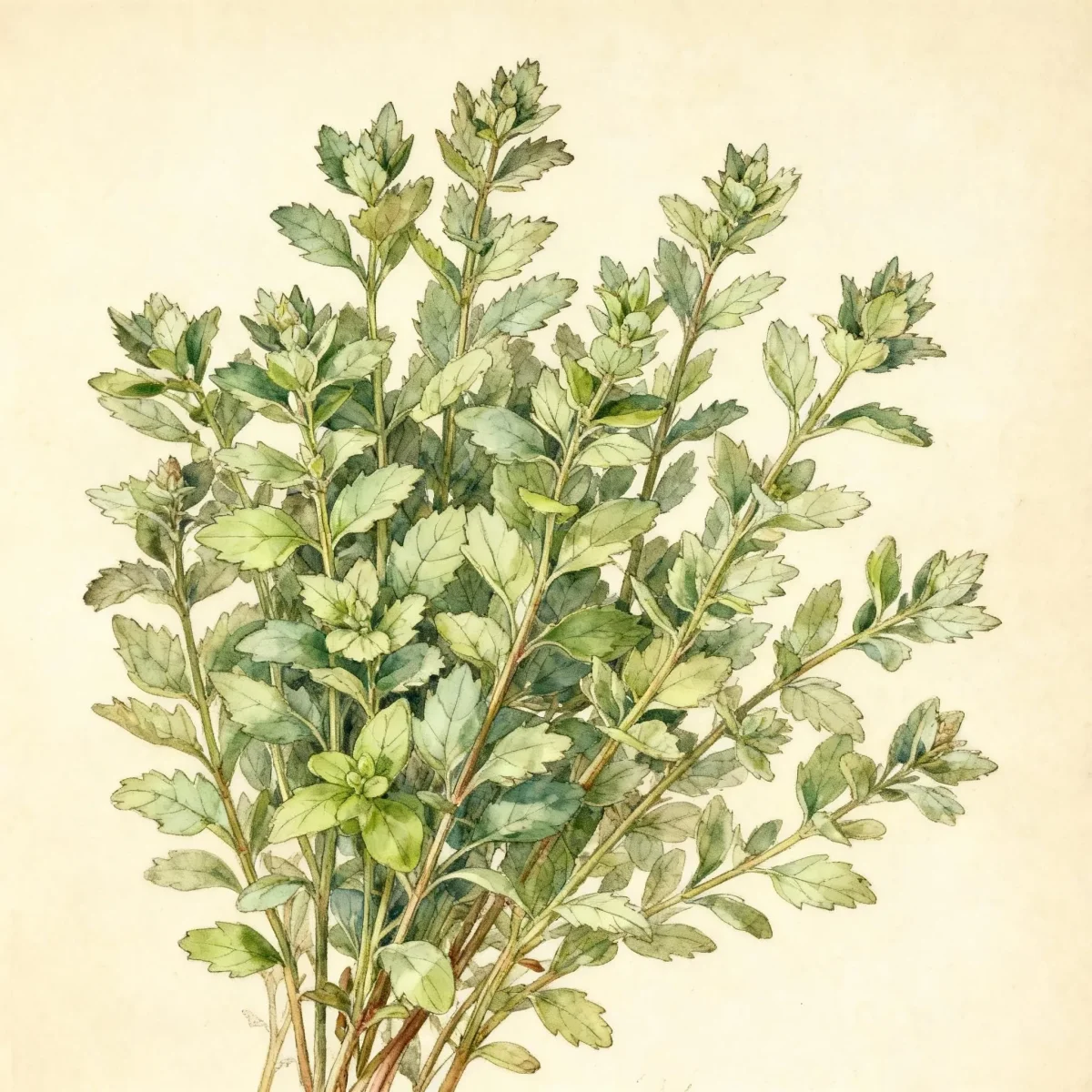
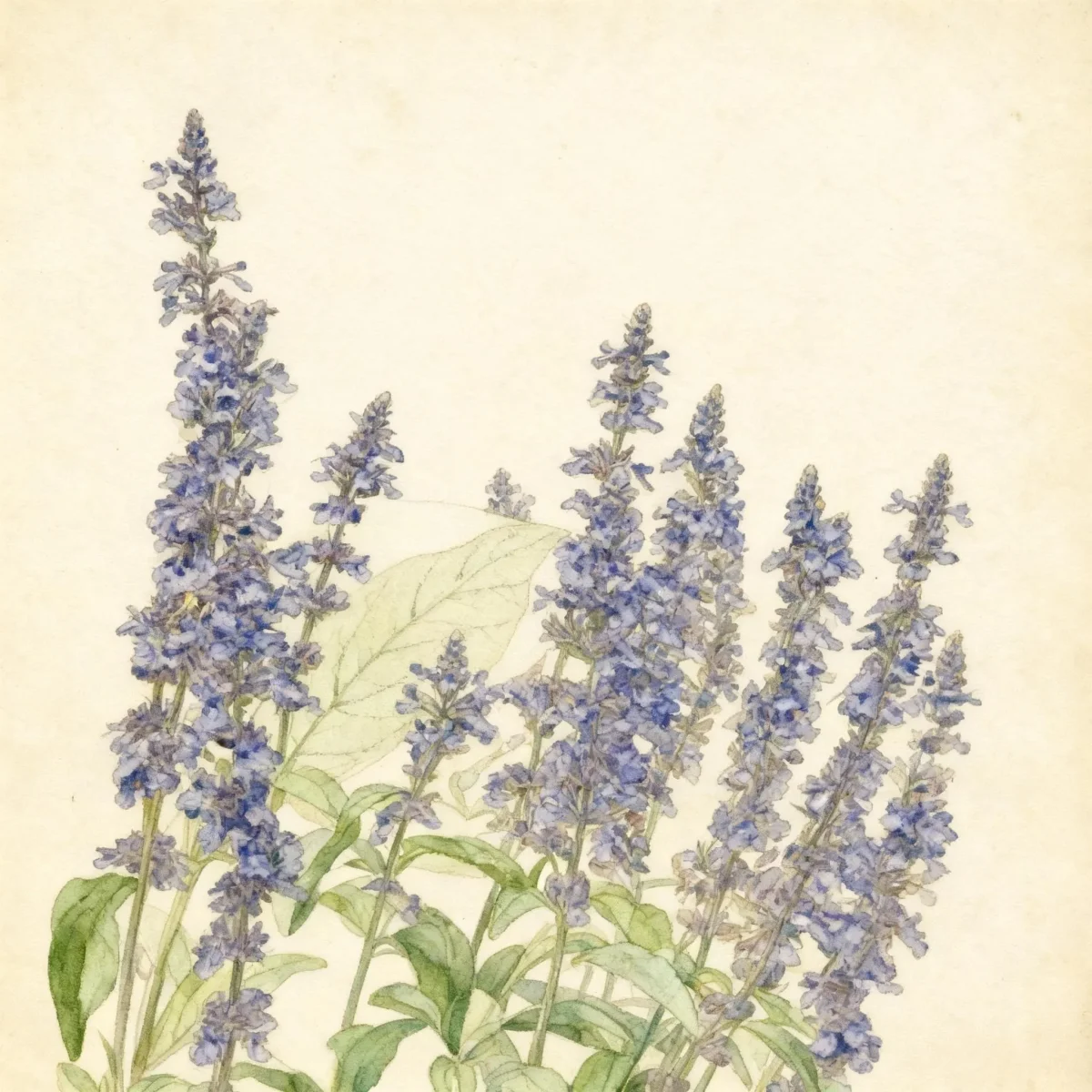
Rosemary (Salvia rosmarinus 'Spice Islands')
Salvia rosmarinus 'Spice Islands' is an upright, evergreen Rosemary valued for intensely fragrant, culinary leaves and dark blue seasonal blooms.
Scroll down to discover growing tips, care requirements, companion plants, and more
Complete Plant Information
Overview
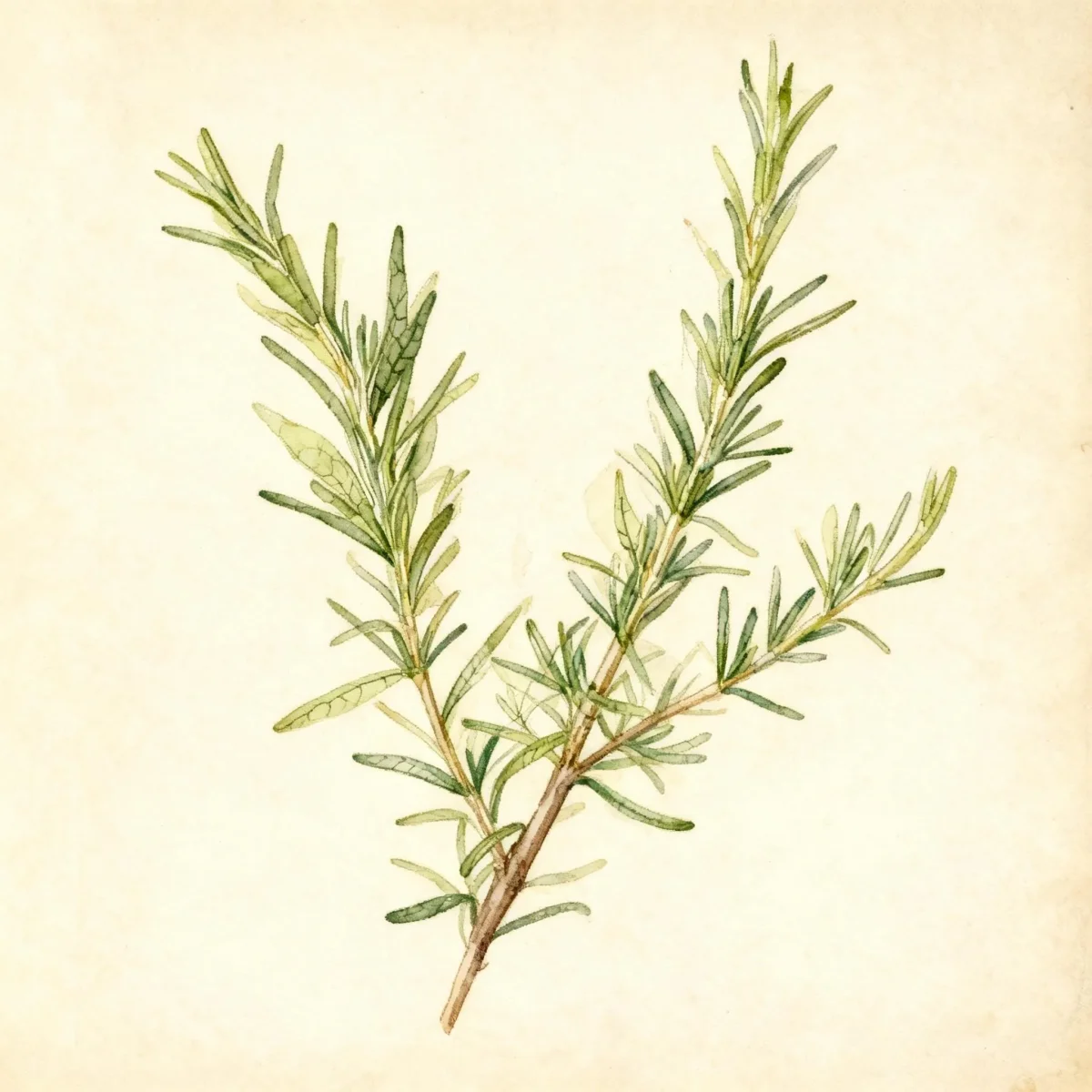
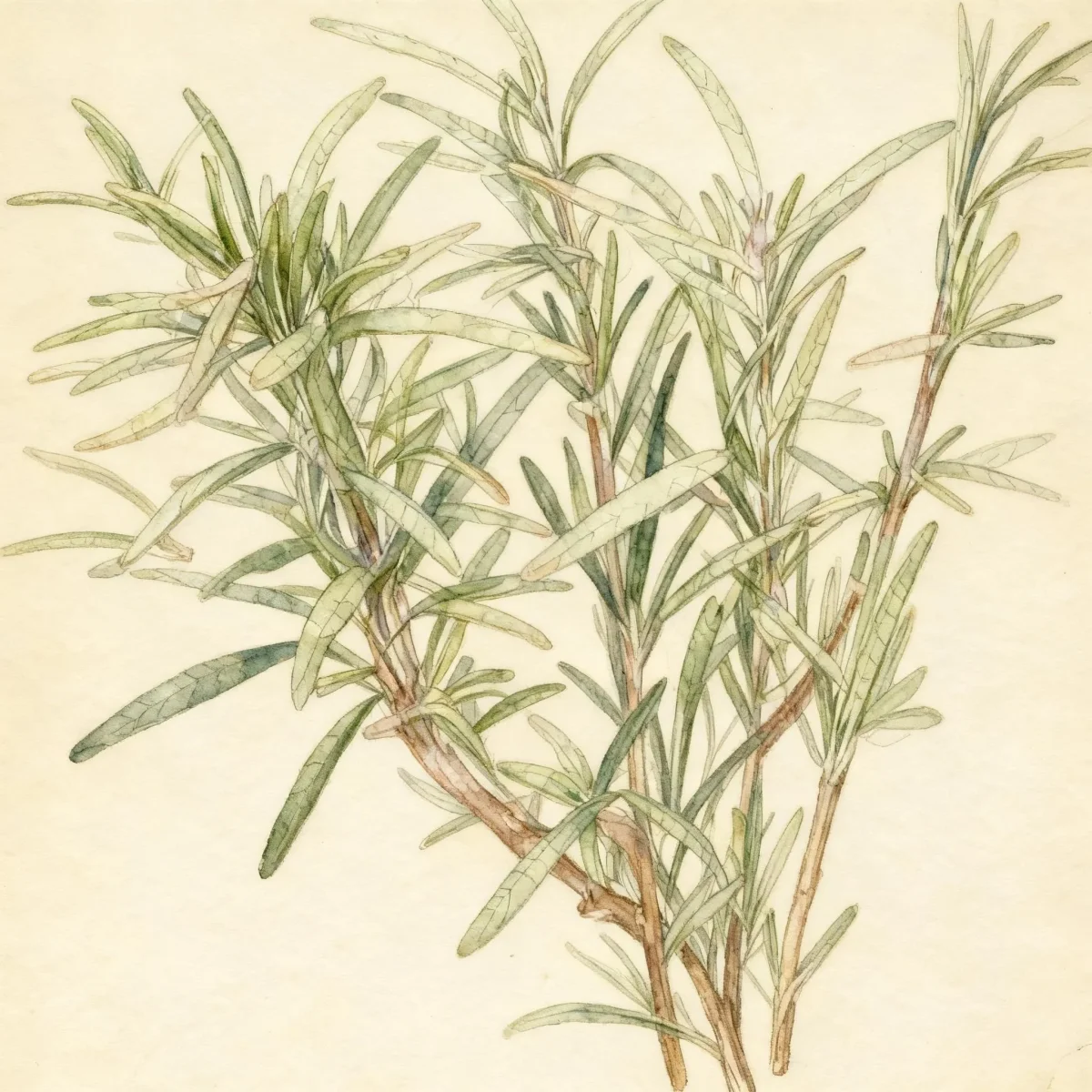
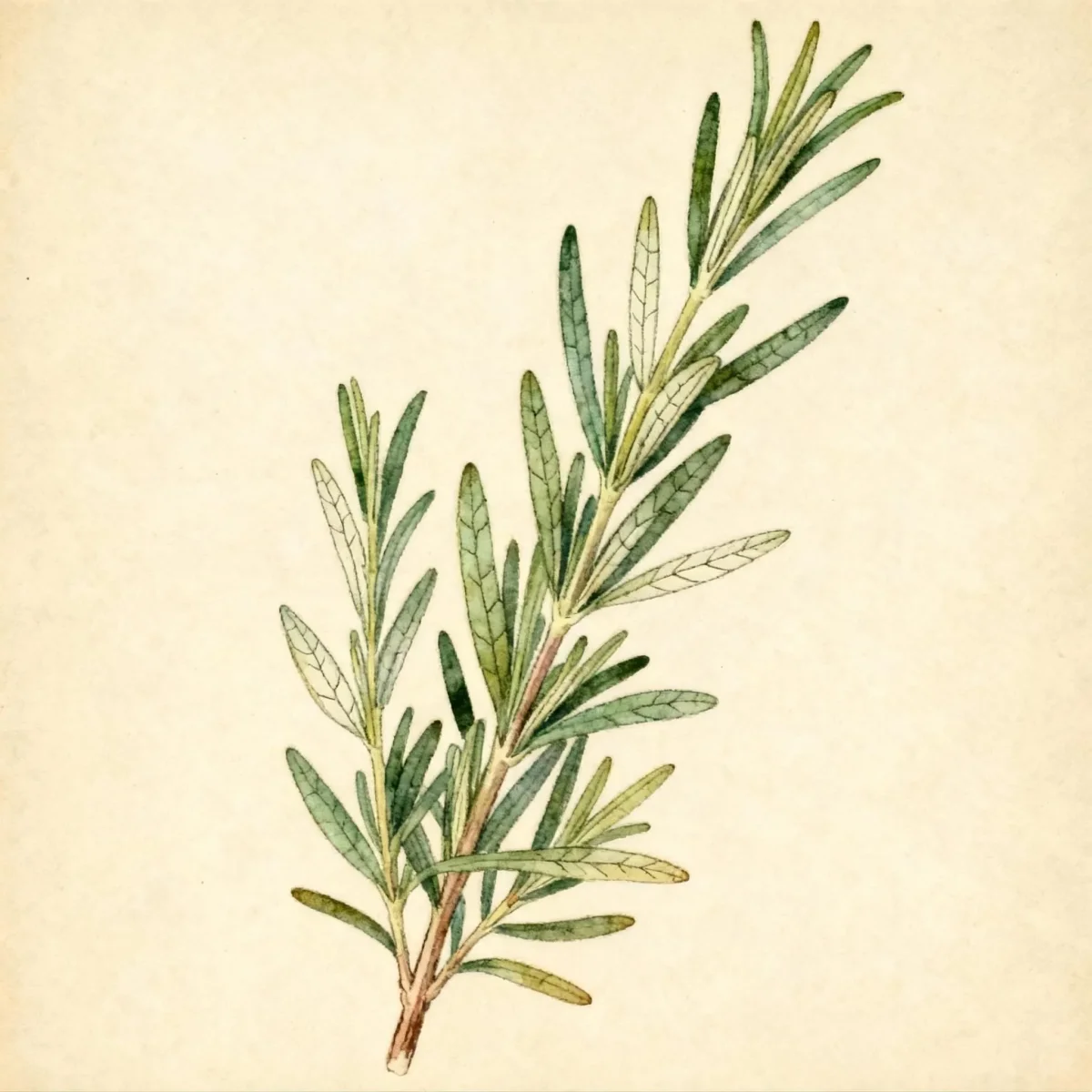
Salvia rosmarinus ‘Spice Islands’, commonly known as Rosemary, is an intensely fragrant, evergreen shrub prized widely for its aromatic, needle-like foliage used extensively in culinary arts. This cultivar, ‘Spice Islands’, is specifically noted for its upright growth habit, thick leaves, and dark blue flowers that appear seasonally where hardy. As an herb, it offers significant functional value but also provides excellent ornamental texture to garden beds and containers throughout the year.
This Rosemary typically matures between 3 to 6 feet tall and 2 to 4 feet wide in favorable climates. It thrives best when situated in full sun and demands excellent drainage, as it has good drought tolerance once established. While a hardy perennial in warmer regions, gardeners in cooler zones often treat Rosemary as an annual or bring containers indoors for winter protection.
Beyond the kitchen, the foliage of Salvia rosmarinus ‘Spice Islands’ contributes structure and evergreen color to seaside gardens, borders, and rockeries. The plant’s Mediterranean origin dictates its basic needs: bright light, low moisture once settled, and well-aerated soil, making it a rewarding addition for expert and novice gardeners alike who can meet these requirements.
Fast Facts
- Plant Family: Lamiaceae
- Plant Type: Herbaceous perennial
- Hardiness Zones: USDA Zones 8-10
- Size at Maturity:
- Height: 3-6 ft
- Spread: 2-4 ft
- Bloom Time: Seasonal bloomer
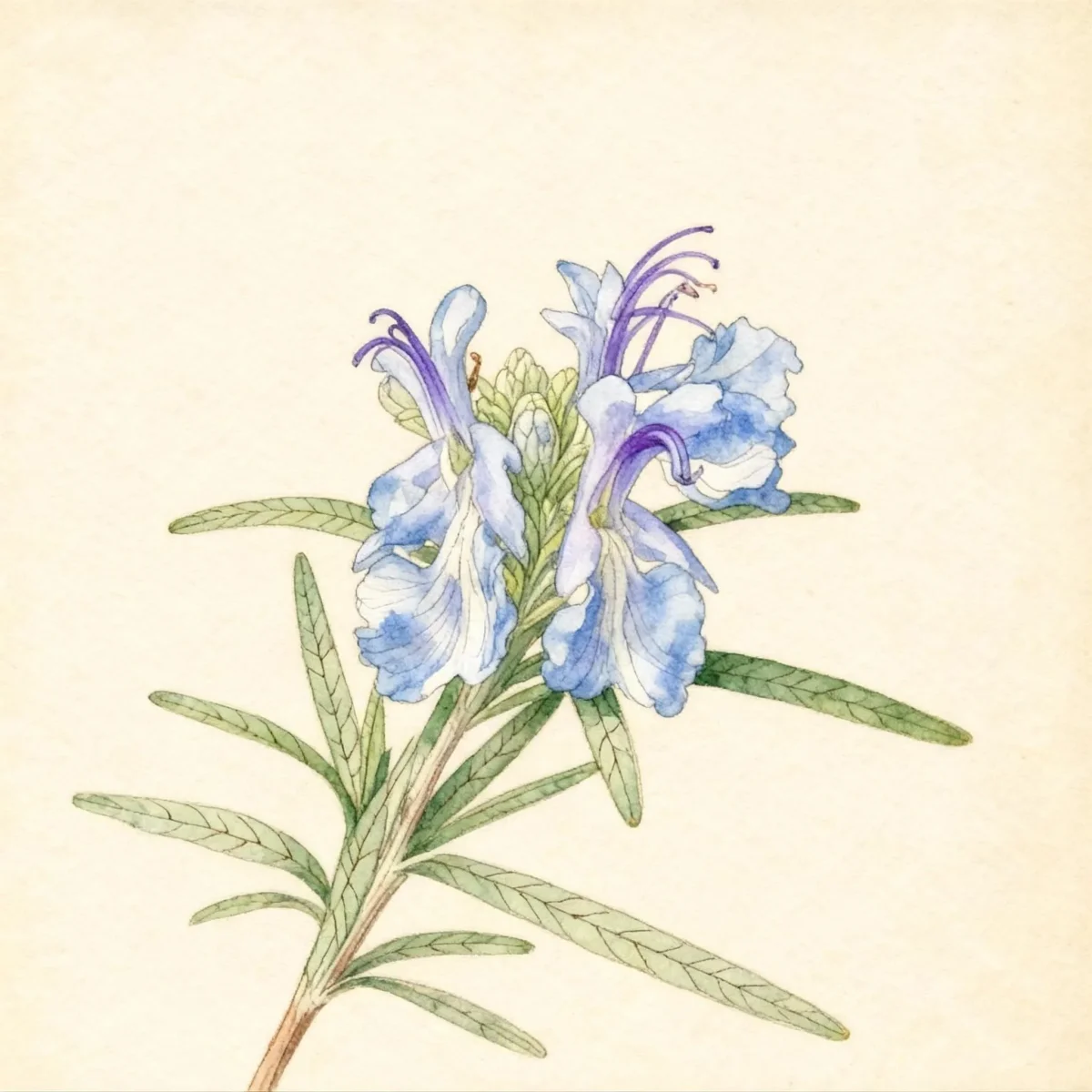
- Bloom Description: Dark blue
- Sun Exposure: Full sun
- Water Needs: Dry to medium
- Maintenance Level: Medium
How to Grow
For permanent planting outdoors, site Salvia rosmarinus ‘Spice Islands’ in its first year after all danger of frost has passed, ensuring the location receives full sun daily. Soil must be light, slightly acidic, and exceptionally well-drained; performance severely declines in heavy clay soils, and winter wetness proves fatal. Established Rosemary develops impressive drought tolerance, requiring supplemental water only during prolonged dry spells.
Ongoing care centers around water management and pruning. When watering, allow the soil surface to dry completely before applying more moisture; overwatering is a primary cause of root rot, a common issue in containers. Pruning after the main bloom period encourages dense, bushy foliage growth and allows gardeners to shape the plant, whether aiming for an ornamental specimen, a low hedge, or to harvest culinary sprigs.
Propagation via cuttings is generally the most successful method for maintaining desirable traits of the ‘Spice Islands’ cultivar. For regions outside USDA Zones 8-10, the plant requires careful overwintering indoors. During this time, provide the brightest possible south-facing window (or supplemental grow lights delivering at least six hours of light), maintain good air circulation to prevent fungal issues like powdery mildew, and significantly reduce watering frequency.
Landscape Uses
Rosemary, and especially the vigorous Salvia rosmarinus ‘Spice Islands’, offers fantastic multi-season interest, making it highly adaptable in landscape design. Where winter hardy, integrate it into herb gardens for easy access during cooking, or use its upright structure in foundation plantings and borders where Mediterranean textures are desired. Container culture is extremely popular, allowing patio plants to be moved near outdoor seating areas in summer and indoors before hard frosts hit.
Its aromatic foliage lends itself well to pairing with drought-tolerant, sun-loving companions such as lavender, thyme, and ornamental grasses, creating a fragrant, textural tapestry. The intensely flavored leaves of Rosemary are invaluable in the kitchen, flavoring meats, bread, and infused oils. Even the flowers and foliage contribute to home fragrance in sachets.
Ornamentally, the dense, gray-green needles provide year-round structure, contrasting beautifully with flowering perennials. When grown as a specimen or low hedge, the dark blue blooms during the winter or early spring add unexpected color to the landscape, attracting early pollinators.
Flower Qualities
- Showy
Noteworthy Characteristics
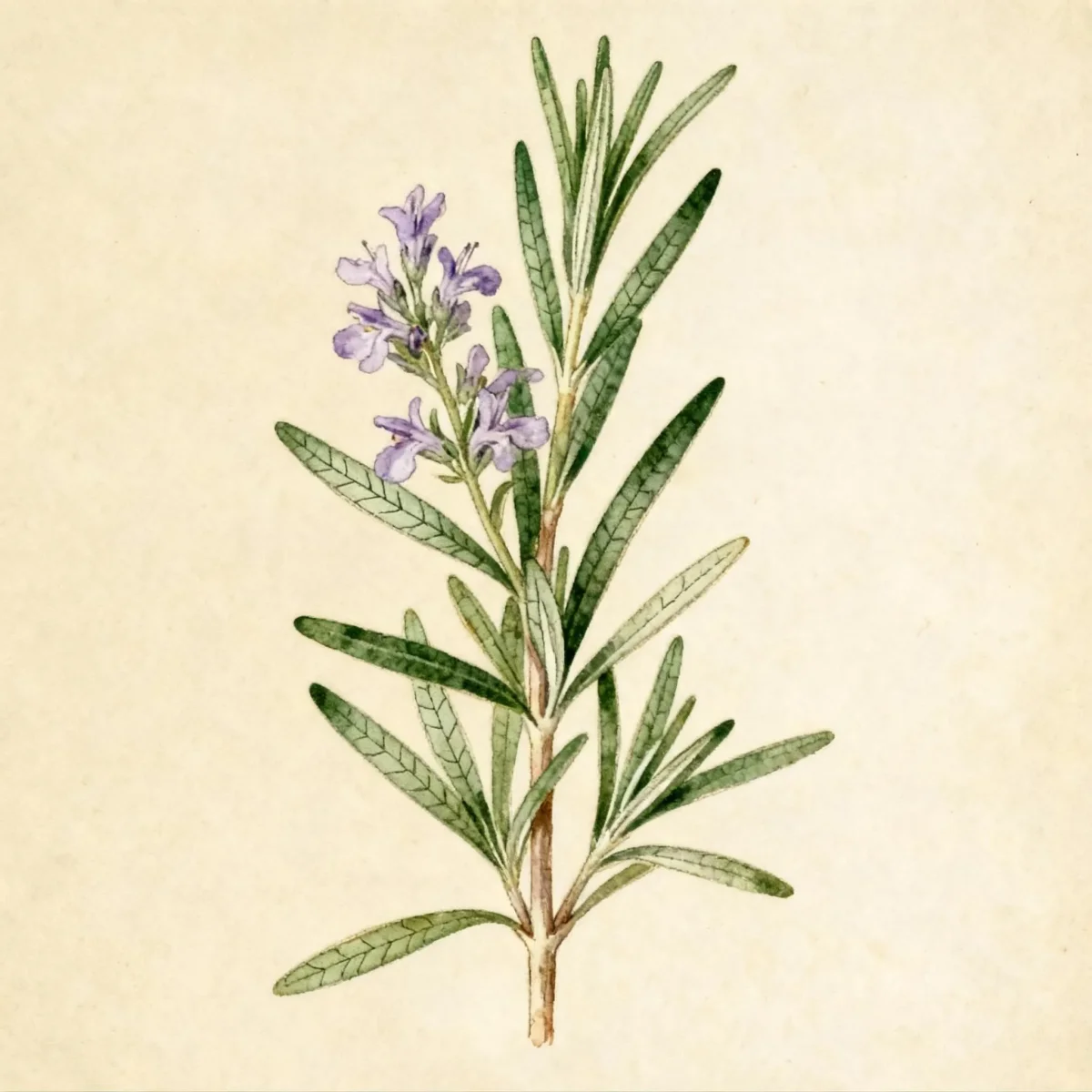
Salvia rosmarinus, commonly known as rosemary, is a generally erect, rounded, evergreen shrub with aromatic, needle-like, gray-green leaves and tiny, two-lipped, pale blue to white flowers. This cultivar, ‘Spice Islands’, features an upright habit with dark blue flowers and thick leaves, making it extremely popular for its pungent culinary flavor. Where grown outdoors in USDA Zones 8-10, flowers typically bloom from January to April, though container plants usually bloom later in the spring or summer.
Tolerances
- Deer
- Drought
Potential Problems
Rosemary is commonly afflicted by several issues, the most common being powdery mildew, especially when grown indoors or in humid outdoor settings with poor air circulation. To mitigate this, ensure vigorous airflow around the foliage whenever possible, particularly when overwintering indoor containers. Botrytis (gray mold) is also a risk under overly damp, cool conditions.
Root rots are almost always linked to improper watering, emphasized by the warnings against overwatering during indoor dormancy. Always let the soil near the roots dry out between applications. Outdoor plantings must strictly avoid poorly drained clay soils, which trap moisture and mimic the fatal conditions of overwatering.
Indoor pests such as aphids, spider mites, and mealybugs frequently target containerized Rosemary. Regularly inspect the undersides of leaves when bringing plants inside for the winter, and treat promptly with insecticidal soap if an infestation is detected. Thankfully, deer tend to leave mature Rosemary plants alone.
Frequently Asked Questions
What hardiness zones is Rosemary suitable for?
Salvia rosmarinus ‘Spice Islands’ is winter hardy in USDA Zones 8 through 10. Gardeners outside this range must plan for protection or container culture.
How large does Rosemary grow?
This cultivar typically reaches mature heights between 3 to 6 feet and spreads 2 to 4 feet wide, though container specimens may remain smaller.
What sun exposure does Rosemary need?
Rosemary requires full sun for the best flavor development and overall performance, though brief periods of light shade are tolerated.
When does Rosemary bloom?
This plant has a seasonal bloom period, typically producing tiny, dark blue flowers during late winter into early spring when grown outdoors in its hardy zones.
Conclusion
Salvia rosmarinus ‘Spice Islands’ provides exceptional year-round value through its intensely aromatic, culinary foliage and attractive evergreen structure. By prioritizing full sun and excellent drainage, gardeners can successfully cultivate this Mediterranean native, whether utilizing it in the ground or as an overwintered container display. Check your local USDA zone compatibility now and plan your planting site to match the robust sun and dry soil preferences of this wonderful Rosemary.
Propagation Tips
Growing new Rosemary plants from cuttings is highly effective and ensures genetic consistency with the preferred ‘Spice Islands’ cultivar. Cuttings should ideally be taken from semi-hardwood stems—stems that are no longer floppy green but haven’t turned fully woody. Aim to take cuttings in late spring through early summer for the highest success rate when rooting outdoors or in a greenhouse environment.
Prepare the cuttings by removing the lower leaves and dipping the cut end into rooting hormone powder. Plant them in a sterile, light medium, such as a mix of sand and peat moss, ensuring high humidity around the base helps stimulate root development. Overwintering cuttings indoors is often necessary if you are propagating late in the season.
Companion Planting
Due to the specific soil and moisture requirements of Rosemary, companion planting should focus on species that share a Mediterranean heritage or thrive in sharp drainage and full sun. Plants like Lavender (Lavandula spp.), Thyme (Thymus vulgaris), and many varieties of Sedum provide excellent textural and visual contrast without competing aggressively for the same resources. Avoid placing Rosemary near plants that require consistently moist conditions, such as hostas or water-loving annuals, as this promotes root rot in the Rosemary.