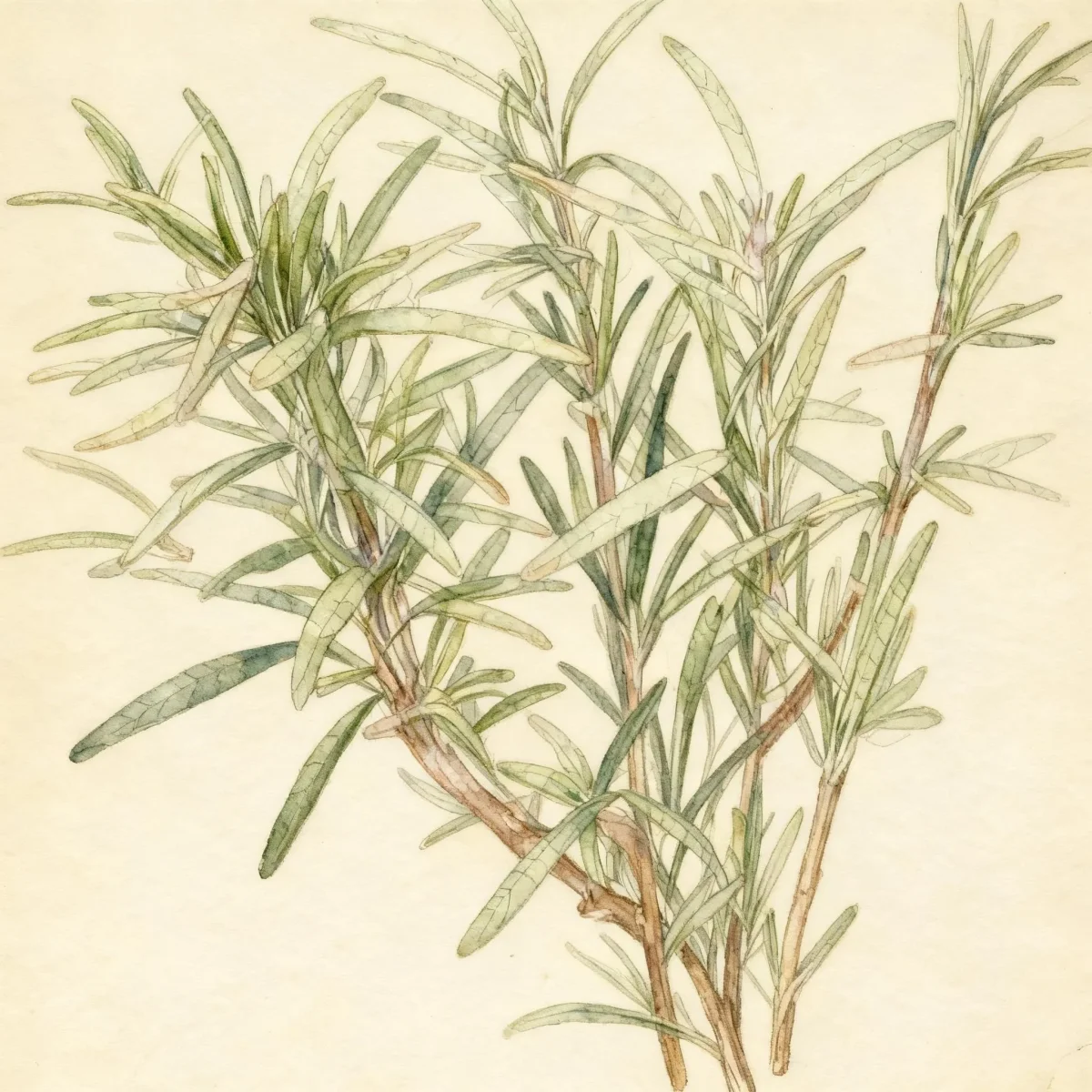
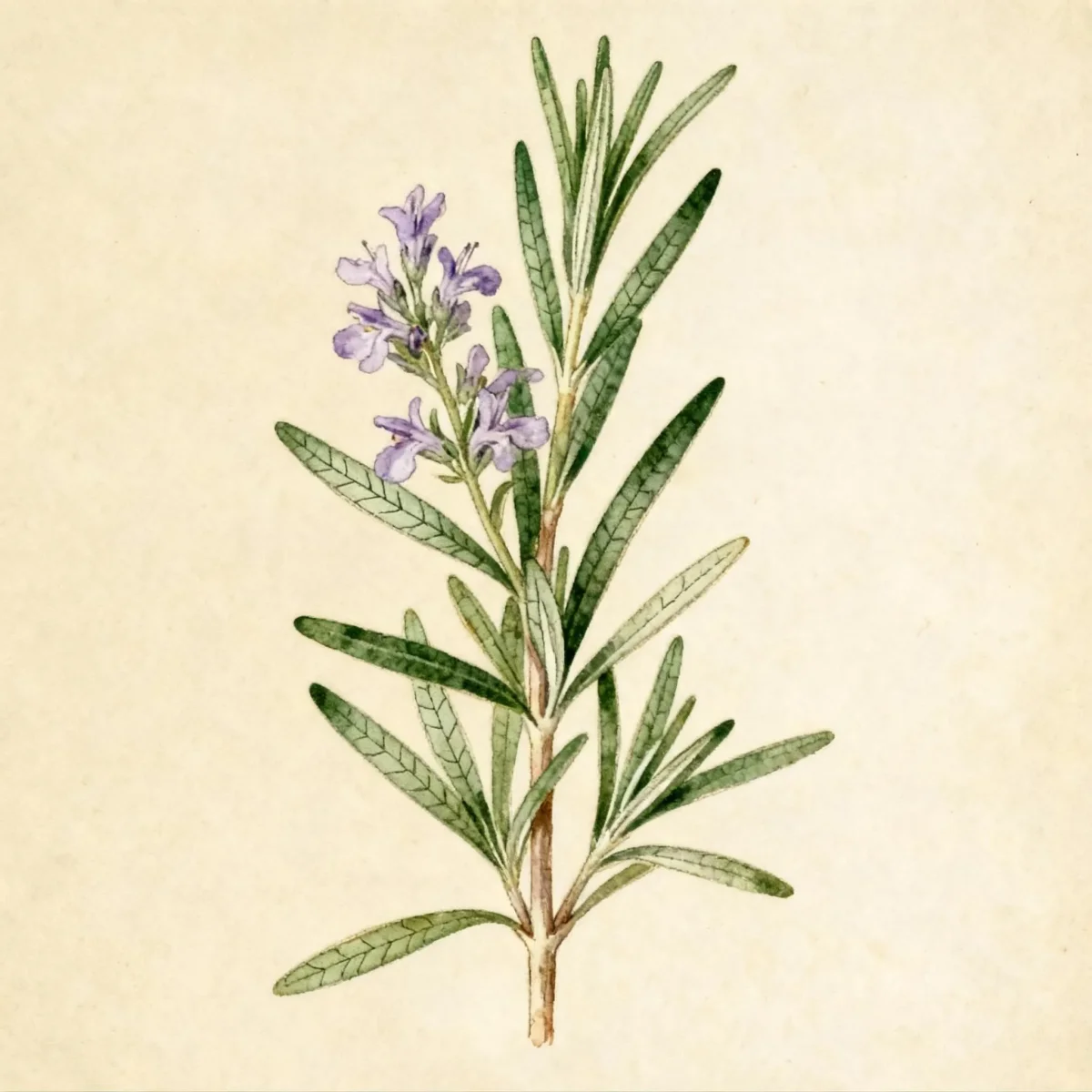
Rosemary (Salvia rosmarinus 'Arp')
Salvia rosmarinus 'Arp' offers intensely fragrant, evergreen foliage and light blue flowers. A drought-tolerant Rosemary perfect for culinary use.
Scroll down to discover growing tips, care requirements, companion plants, and more
Complete Plant Information
Overview
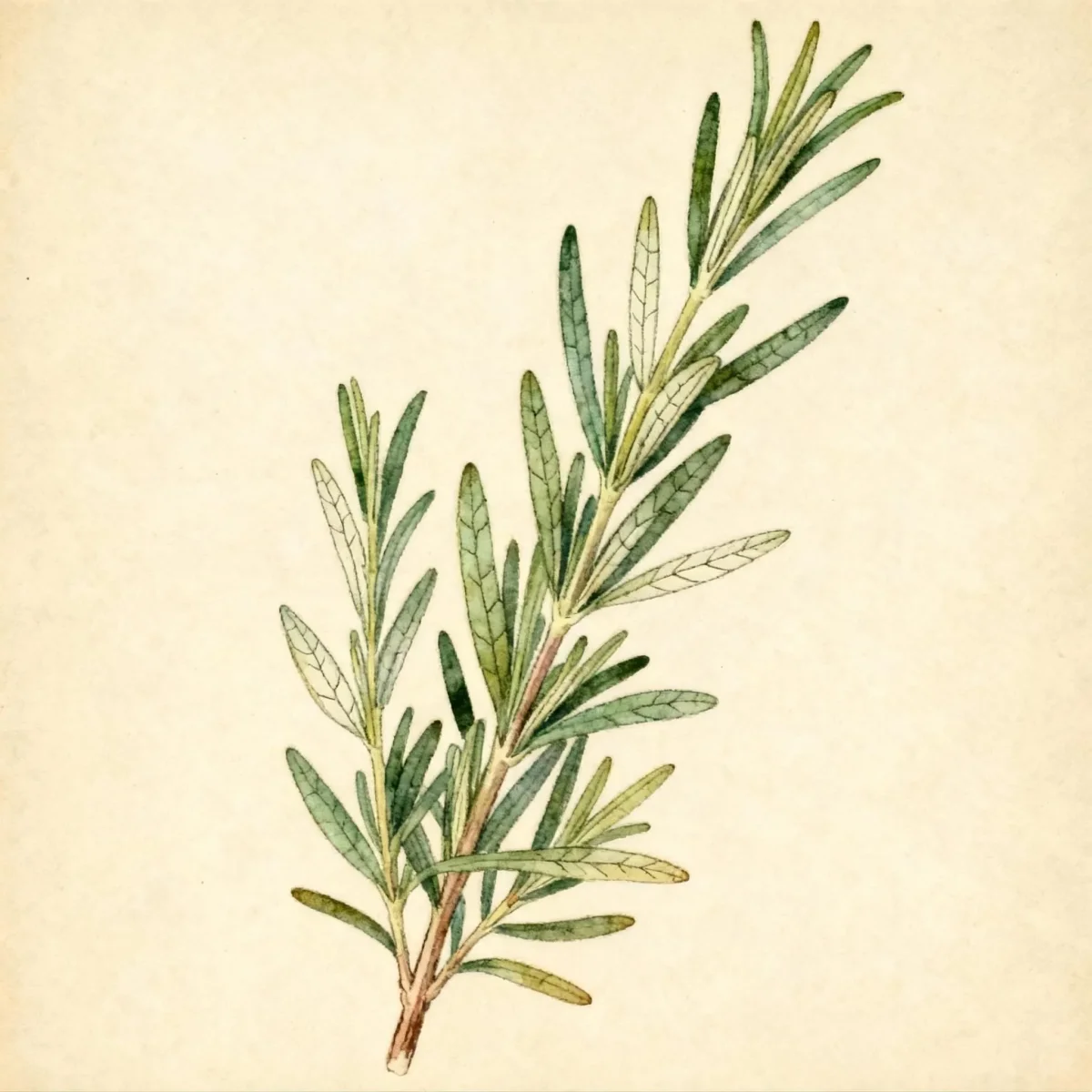
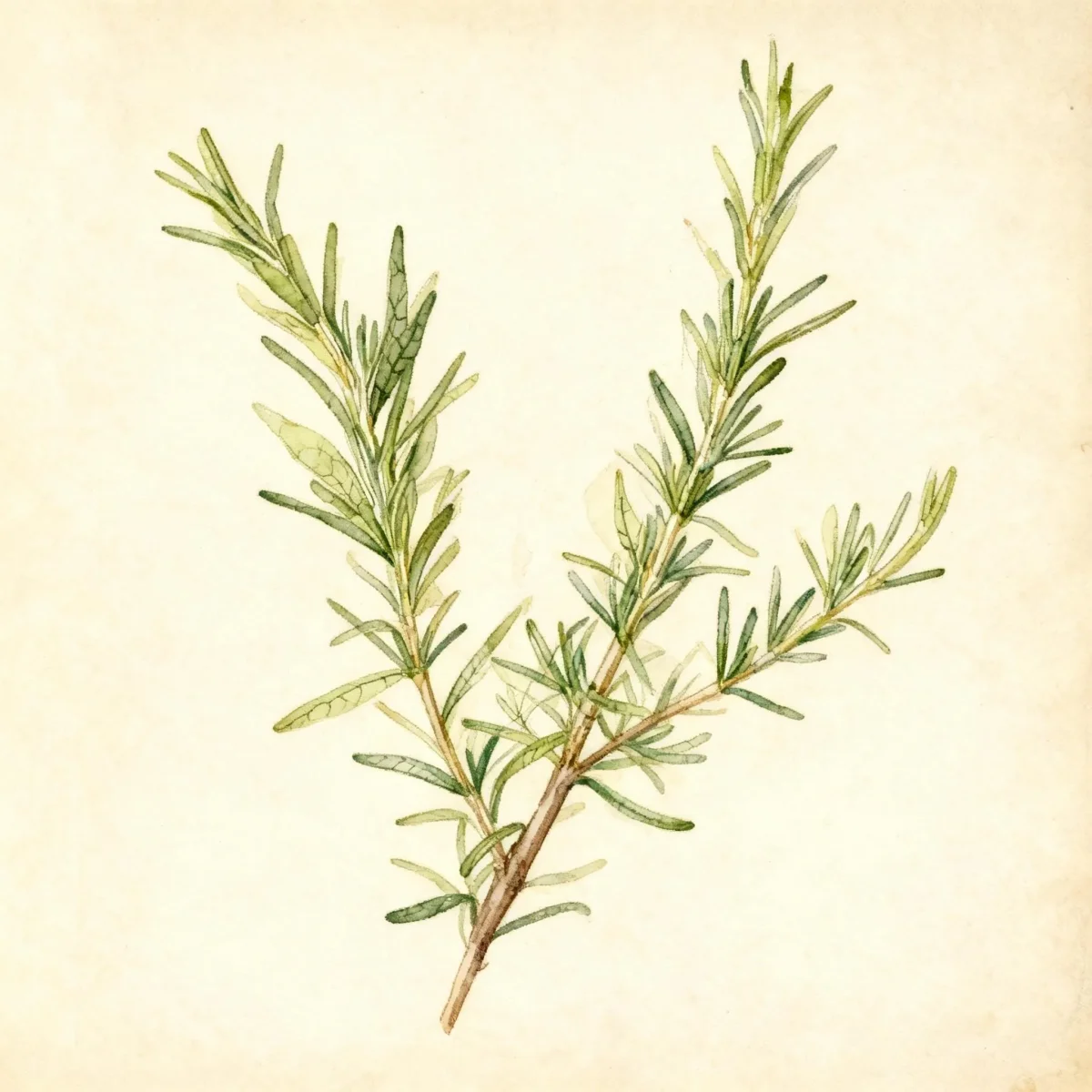
Salvia rosmarinus ‘Arp’, commonly known as Rosemary, is a highly valued, generally erect, rounded evergreen shrub prized for its aromatic, needle-like, gray-green foliage. This specific cultivar, ‘Arp’, is celebrated for its robust nature and reportedly enhanced winter hardiness compared to other types of Rosemary. Gardeners appreciate this shrub not only for its ornamental appeal in borders and containers but also because its intensely fragrant leaves are essential for culinary flavorings and use in toiletries.
This Rosemary cultivar performs best when provided with full sun and excellent drainage. While native to dry scrub regions, understanding the specific needs of Salvia rosmarinus ‘Arp’ regarding soil moisture—avoiding wet winter conditions—is key to its success outdoors in zones 8-10. When grown in areas outside its hardiness range, it transitions effectively to container culture, providing evergreen interest year-round.
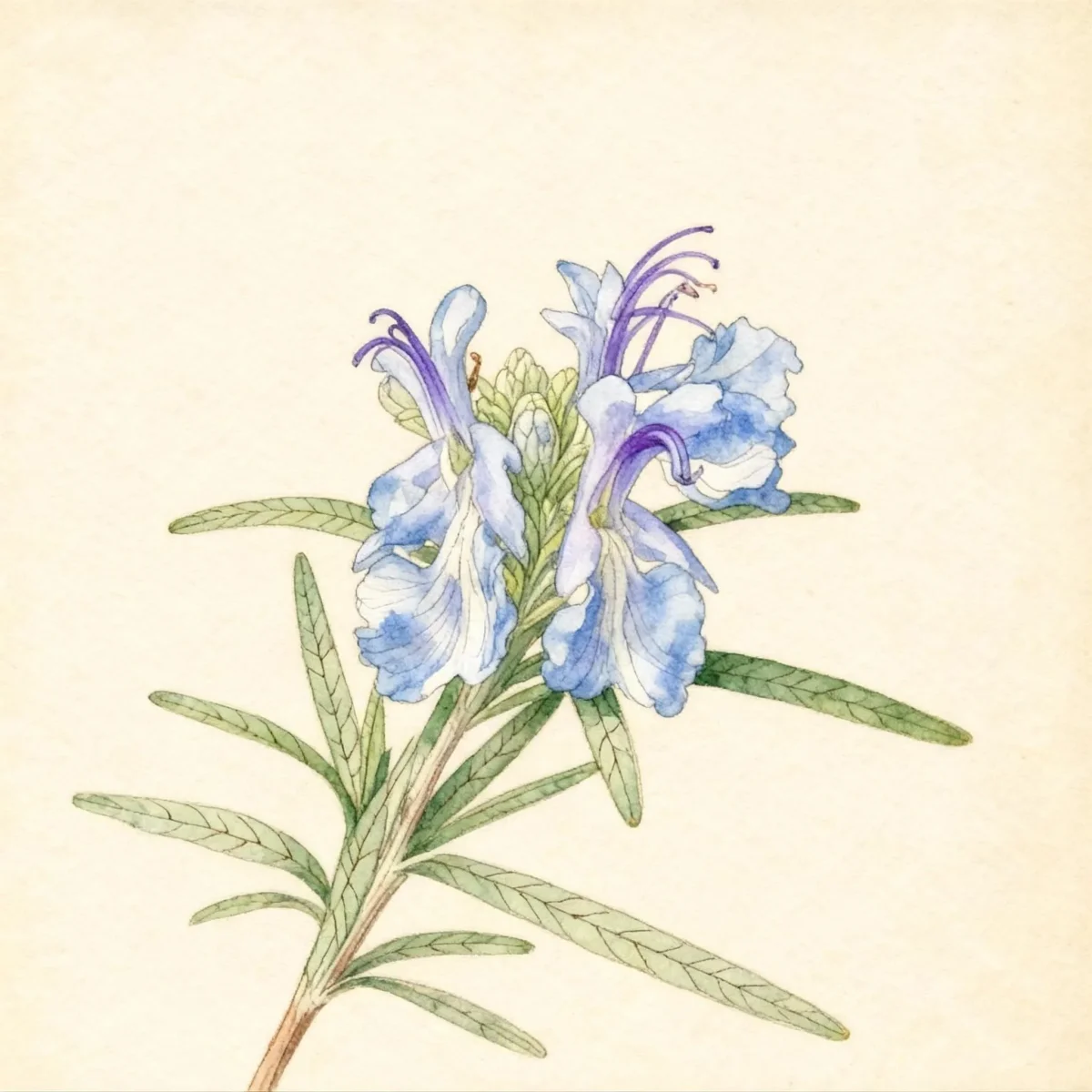
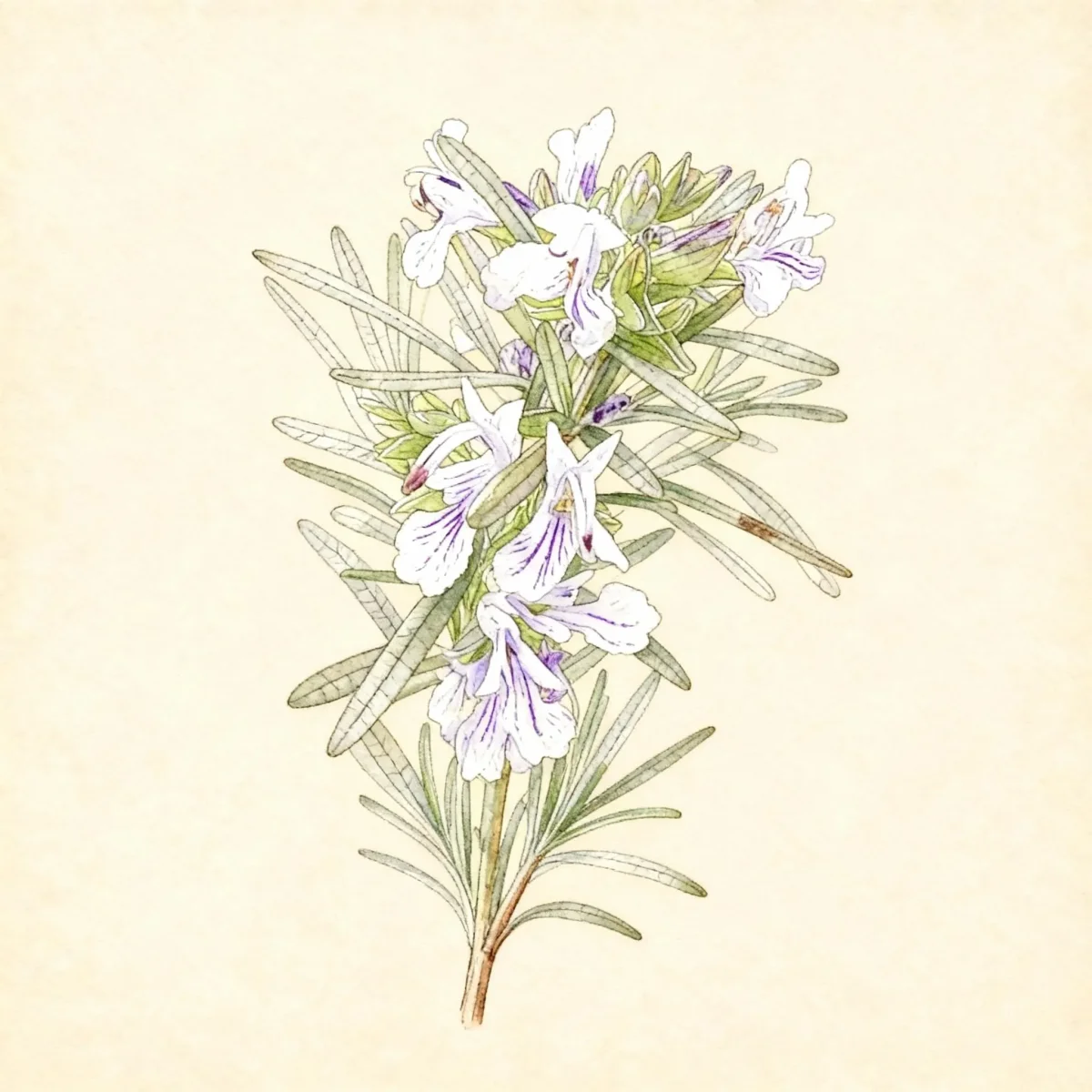
The plant produces tiny, two-lipped flowers, usually dark blue or pale blue, along the shoots of the previous year’s growth, often blooming heavily in late winter to spring where hardy. Whether used as an aromatic focal point or harvested for its potent flavor, Salvia rosmarinus ‘Arp’ offers significant year-round return on investment for the dedicated gardener.
Fast Facts
- Plant Family: Lamiaceae
- Plant Type: Herbaceous perennial
- Hardiness Zones: USDA Zones 7-10
- Size at Maturity:
- Height: 3-6 ft
- Spread: 2-4 ft
- Bloom Time: Seasonal bloomer
- Bloom Description: Dark blue
- Sun Exposure: Full sun
- Water Needs: Dry to medium
- Maintenance Level: Medium
How to Grow
When planting Rosemary outdoors, choose a location receiving full sun for optimal production. Salvia rosmarinus ‘Arp’ requires light, slightly acidic, dry-to-medium soil that is exceptionally well-drained. Because this Rosemary performs poorly in heavy clay or wet conditions—which are often fatal in winter—amend the site heavily with grit or sand if drainage is suspect. Propagation is best achieved through cuttings.
Established Rosemary plants benefit from robust drought tolerance, meaning regular watering is unnecessary once settled. Allow the soil to dry out thoroughly between water applications; water lightly rather than deeply to avoid the root rot that often affects containerized plants. Pruning should be done lightly after blooming ceases to encourage denser, bushier growth, or shaped as desired.
For gardeners in cooler zones (below Zone 8), container culture is the necessary approach for overwintering Salvia rosmarinus ‘Arp’. Bring pots indoors before the first hard frost, placing them in a cool, sunny room (a south-facing window is ideal). Ensure good air circulation to prevent powdery mildew and allow the soil to dry between sparse indoor waterings. Introduce containers back outdoors only after all danger of frost has passed in mid-spring.
Landscape Uses
The culinary and aesthetic contributions of Rosemary make it indispensable in garden design. Where winter hardy (Zones 8-10), it excels as an ornamental specimen, a low hedge bordering paths, or integrated into rock gardens or seaside settings. The upright growth habit of Salvia rosmarinus ‘Arp’ works well to anchor container arrangements on patios and decks.
Functionally, this plant belongs in every herb garden. Its aromatic leaves provide season-long interest beyond its bloom time and can be used fresh or dried in cooking, infusing flavor into meats, breads, and vinegars. The flowers and foliage are also popularly incorporated into fragrant sachets.
Consider pairing this evergreen shrub with plants that share its need for sharp drainage and full sun, such as Mediterranean natives like Lavender or Thyme. Its gray-green foliage also offers excellent contrast against deeper green evergreens or bright flowering annuals, softening the edges of foundations or walkways.
Standout Features
Flower Qualities
- Showy
Noteworthy Characteristics
Salvia rosmarinus, commonly known as rosemary, is a generally erect, rounded, evergreen shrub with aromatic, needle-like, gray-green leaves and tiny, two-lipped, pale blue to white flowers. The intensely fragrant foliage of this shrub is commonly harvested for a variety of purposes including culinary flavorings, toiletries and sachets. The cultivar ‘Arp’ is specifically noted for its excellent winter hardiness and features small, fragrant, lance-shaped, gray-green foliage.
Tolerances
- Deer
- Drought
Potential Problems
Rosemary is susceptible to debilitating fungal issues, primarily powdery mildew, which thrives in humid conditions coupled with poor air circulation, a common issue when overwintering indoors. Botrytis rot is another fungal concern to watch for. The most frequent cause of decline, particularly with containerized Rosemary, is overwatering, which quickly leads to fatal root rots. Indoors, monitor for common pests like aphids, mealybugs, whiteflies, and spider mites. Good air movement and careful watering are your best defenses against these issues.
Frequently Asked Questions
What hardiness zones is Rosemary suitable for?
Salvia rosmarinus ‘Arp’ is generally hardy in USDA Zones 7 through 10 when planted in the ground, though it may require protection in Zone 7.
How large does Rosemary grow?
This herbaceous perennial typically matures to a size between 3 to 6 feet tall and spreads between 2 to 4 feet wide.
What sun exposure does Salvia rosmarinus ‘Arp’ need?
This Rosemary thrives best when positioned in full sun, though it can tolerate very light shade while still performing well.
When does Rosemary bloom?
This plant is a seasonal bloomer, typically displaying small, dark blue flowers along its stems from winter through early spring in warmer climates.
Conclusion
Salvia rosmarinus ‘Arp’ is a highly rewarding shrub, offering intensely aromatic, evergreen foliage year-round along with drought tolerance once established. Its dual role as an ornamental accent and a potent culinary herb ensures its popularity in many gardens. Before planting, confirm your local USDA zone compatibility or ensure you have a bright, cool spot ready for overwintering your containerized Rosemary.
Container Growing
Growing Salvia rosmarinus ‘Arp’ in containers is an excellent strategy for gardeners outside the primary hardiness zones. Clay pots are often recommended as they facilitate greater moisture evaporation, which helps prevent the fatal root rot associated with overly wet soil. When keeping Rosemary indoors for winter, mimic its native, cool Mediterranean environment as closely as possible.
Watering containers indoors demands restraint; let the top inch or two of soil dry completely before watering again, and never allow the pot to sit in standing water. If you cannot provide at least six hours of direct, bright sunlight indoors—such as through a sunny southern window—supplemental grow lights are strongly advised to maintain healthy foliage until you can move the plant back outside after the last spring frost.
Propagation Tips
The most reliable way to multiply your existing Rosemary is through taking softwood or semi-hardwood cuttings. This method ensures that the new plant retains the desired characteristics of the ‘Arp’ cultivar. Cuttings should be wounded slightly at the base and placed in a sterile, moist medium, ideally under high humidity or using bottom heat to encourage root development.
Once rooted, these cuttings are already adapted to the challenging soil conditions Rosemary prefers, unlike seed-grown plants whose genetics may vary. While a medium maintenance level is noted for established plants, the initial propagation stage requires consistent attention to moisture and environment during the rooting process before transitioning them to their permanent, dry-to-medium soil conditions.