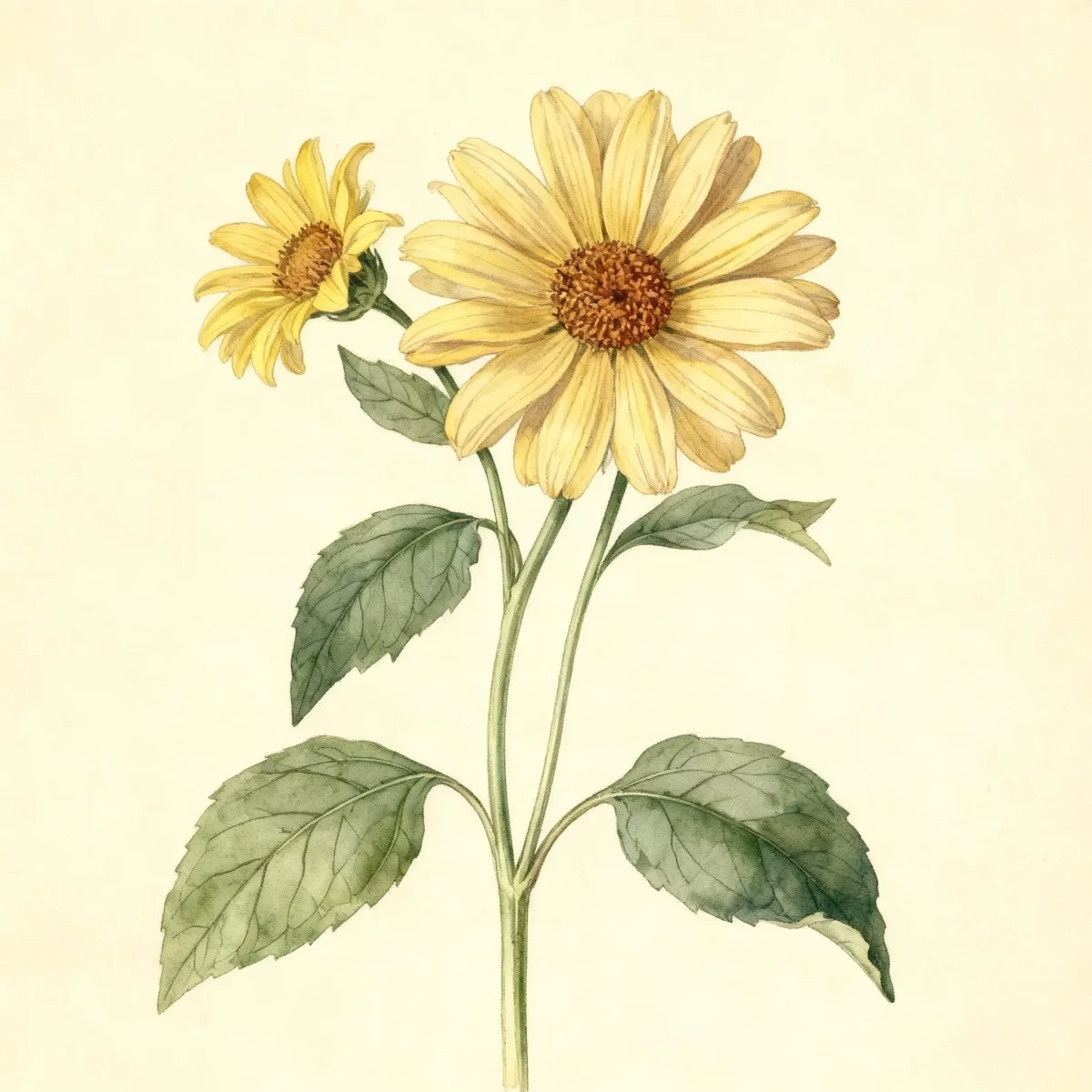
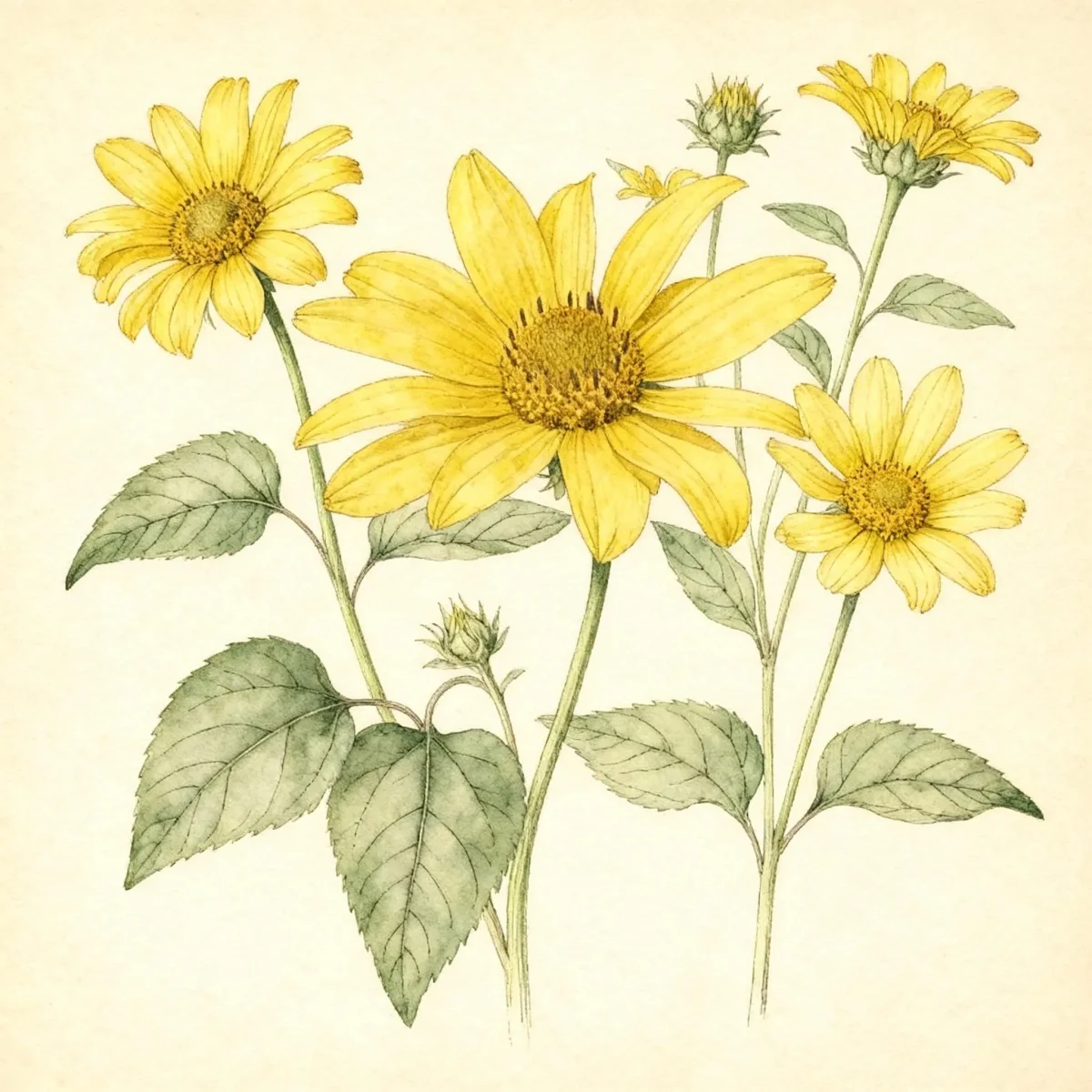
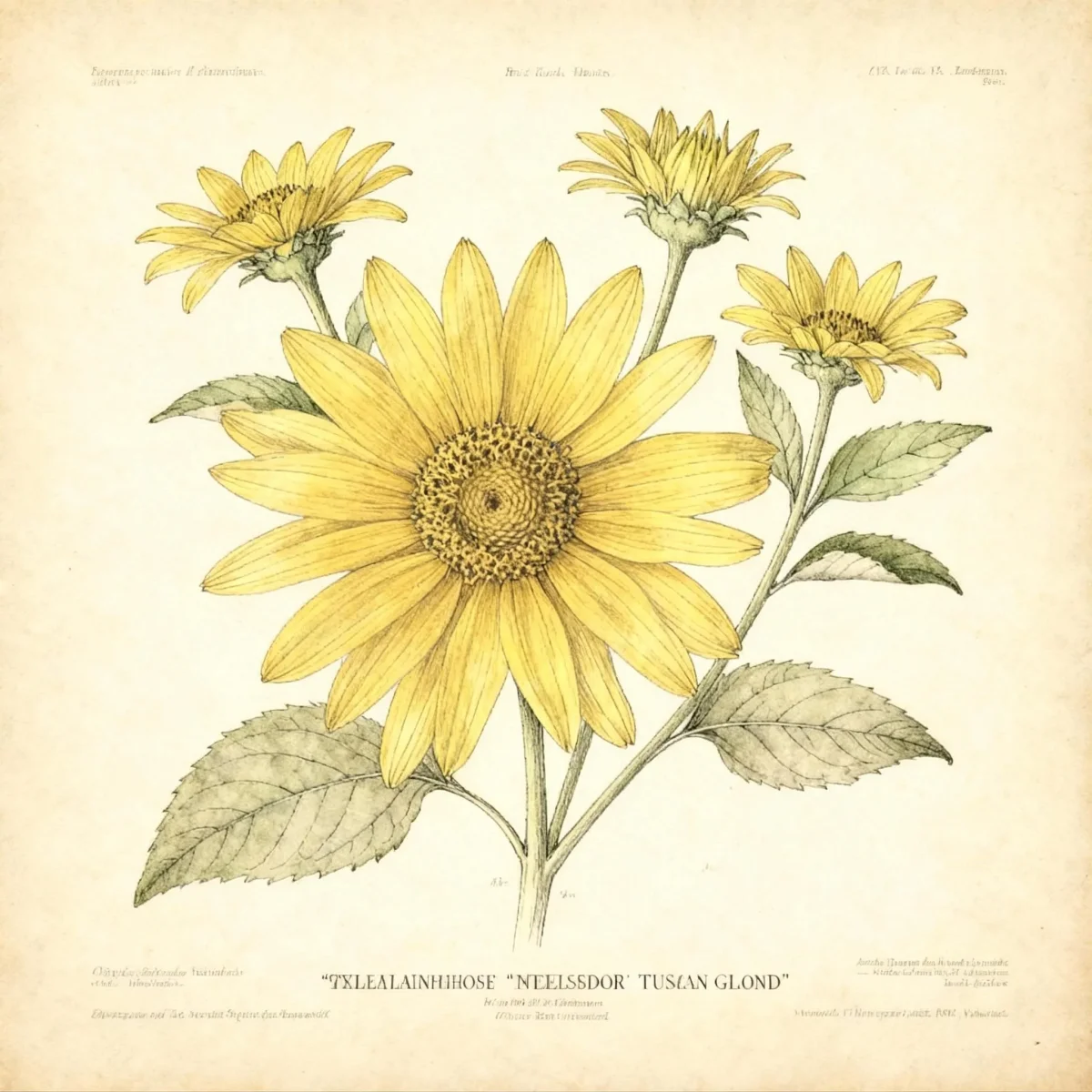
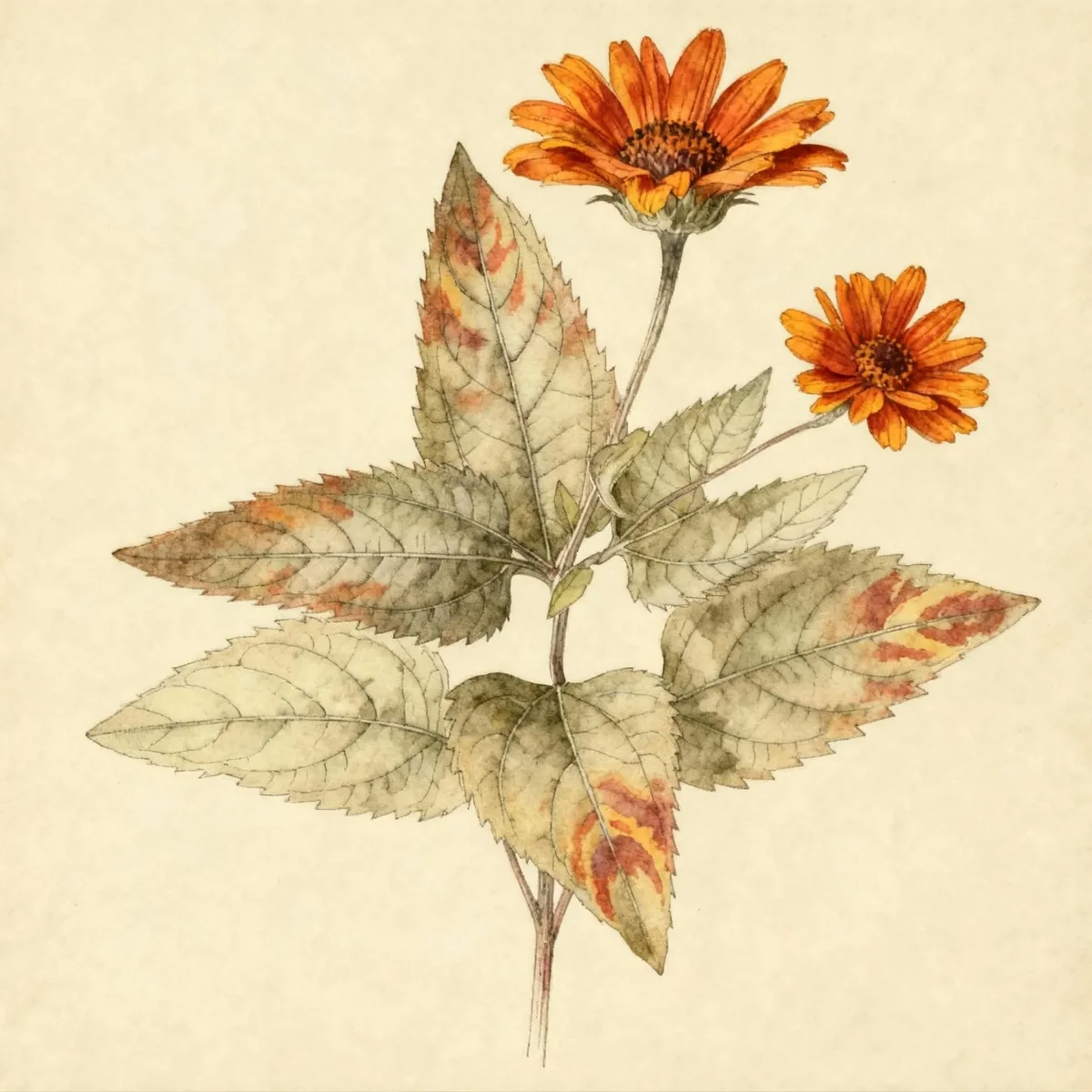
Oxeye sunflower (Heliopsis helianthoides 'Fire Twister')
Heliopsis helianthoides 'Fire Twister' is a striking Oxeye sunflower, offering showy red-orange flowers and deep burgundy foliage through summer.
Scroll down to discover growing tips, care requirements, companion plants, and more
Complete Plant Information
Overview
Heliopsis helianthoides ‘Fire Twister’, a distinguished cultivar of the Oxeye sunflower, brings dramatic color and texture to the summer garden. This perennial stands out due to its nearly continuous bloom period and its unique dark, burgundy-tinged foliage that contrasts beautifully with the floral display. Gardeners prize this variety for its low-maintenance nature and long performance across diverse soil types.
This upright, clump-forming perennial is closely related to true sunflowers (Helianthus) and is sometimes called false sunflower. It provides excellent visual interest from June straight through September with its striking red-orange flower heads. The vigorous nature of the Oxeye sunflower ensures reliable summer color, making Heliopsis helianthoides ‘Fire Twister’ a staple in dynamic perennial borders.
Native to eastern and central North America, this plant offers ecological benefits by attracting numerous insect pollinators while its seeds later feed small birds. Its robust constitution means it thrives where some less adaptable plants struggle, offering dependable structure and vibrant color with minimal gardener intervention.
Fast Facts
- Plant Family: Asteraceae
- Plant Type: Herbaceous perennial
- Hardiness Zones: USDA Zones 3-9
- Size at Maturity:
- Height: 2-2.5 ft
- Spread: 1.75-2 ft
- Bloom Time: June to September
- Bloom Description: Red-orange with dark brown center disks
- Sun Exposure: Full sun
- Water Needs: Dry to medium
- Maintenance Level: Low
How to Grow
Planting should occur in spring once frost danger passes, establishing Heliopsis helianthoides ‘Fire Twister’ in a location receiving full sun for the best bloom density. This species is highly adaptable, thriving in average, well-drained soil, but it readily accepts poor, dry, or clay soils without complaint. While it tolerates drought once established, regular watering during dry spells will maximize vigor and flower production.
Maintenance for the Oxeye sunflower is remarkably easy, fitting well into low-input gardening themes. Deadheading spent flowers will encourage a longer blooming season, extending the display of the red-orange Heliopsis helianthoides ‘Fire Twister’ blooms well into fall. For a more compact habit, especially in shadier spots where stems might flop, consider cutting stems back by one-third to one-half in late May.
Plants that receive too much afternoon shade will become less vigorous, and the stems may require staking for support, a common issue with taller flowering perennials. Due to its robust nature, pest and disease issues are minimal, though occasional minor aphid infestations might occur and can usually be managed with a strong spray of water.
Landscape Uses
The reliable height and long season of bloom make the Oxeye sunflower ideal for the middle or back tiers of the mixed perennial border. Since Heliopsis helianthoides ‘Fire Twister’ presents such vivid color, it pairs well visually with plants that offer cool tones, such as blues and purples, providing excellent contrast. Consider using it in native plant or wild garden settings where its natural lineage can be emphasized.
This variety is also highly recommended for the cutting garden, as the blooms hold up well in arrangements. When planting in naturalized areas or prairies, group clumps of this robust perennial to create broad sweeps of summer color punctuated by the dark foliage of Heliopsis helianthoides ‘Fire Twister’. Its adaptability to dry conditions also makes it a sturdy choice for sunny slopes.
Standout Features
Flower Qualities
- Showy
- Good Cut
Noteworthy Characteristics
Heliopsis helianthoides, commonly called oxeye sunflower or ox-eye daisy, is an upright, clump-forming, nearly glabrous, sunflower-like, short-lived perennial that is native to eastern and central North America. The cultivar ‘Fire Twister’ specifically features deep, burgundy foliage that contrasts strikingly with its 3.5” diameter red-orange flowers, making it suitable for fresh cut arrangements. Genus name comes from the Greek words helios meaning the sun and opsis meaning resembling in allusion to the rayed yellow flower heads, reflecting its sunny demeanor.
Tolerances
- Drought
- Clay Soil
- Dry Soil
- Shallow-Rocky Soil
Potential Problems
This plant generally experiences no serious insect or disease problems, which contributes to its low maintenance profile. However, be aware of some occasional susceptibility to aphids, particularly when plants are stressed or growth is dense. Taller stems, especially if planted in partial shade, may require staking or other structural support to prevent flopping later in the season.
Frequently Asked Questions
What hardiness zones is Oxeye sunflower suitable for?
Heliopsis helianthoides ‘Fire Twister’ is adaptable across USDA Zones 3 through 9, offering wide regional applicability for this reliable perennial.
How large does Oxeye sunflower grow?
Mature clumps of this cultivar typically reach 2 to 2.5 feet in height, spreading to occupy an area between 1.75 and 2 feet wide.
What sun exposure does Oxeye sunflower need?
For optimal flowering and the strongest stems, Heliopsis helianthoides ‘Fire Twister’ requires full sun exposure throughout the day.
When does Oxeye sunflower bloom?
The Oxeye sunflower provides continuous color from June right through September, displaying rich red-orange flowers with dark brown center disks.
Conclusion
Heliopsis helianthoides ‘Fire Twister’ is an indispensable perennial valued for its lengthy bloom time, drought tolerance, and unique dark foliage. Incorporating the Oxeye sunflower into your sunny borders ensures vibrant, low-effort color season after season. Check your local hardiness zone classification and plan for spring planting to enjoy the dramatic performance of this perennial.
Companion Planting
When designing a border around Heliopsis helianthoides ‘Fire Twister’, select partners whose aesthetic and cultural needs align closely, favoring plants that also enjoy full sun and dry to medium moisture levels. Blue or lavender-flowering salvias, Russian sage (Perovskia atriplicifolia), or the silvery foliage of Lamb’s Ears (Stachys byzantina) provide cool color complements to the fiery red-orange blooms. Plants that fill in the base, such as ornamental grasses or low-growing Sedum varieties, help provide visual grounding for the height of the Oxeye sunflower.
Wildlife Benefits
The daisy-like structure of the blooms on Heliopsis helianthoides ‘Fire Twister’ acts as an accessible landing pad for a variety of beneficial insect pollinators throughout the summer. Maximizing biodiversity is easy with this plant, as its abundant flowers attract bees and butterflies seeking nectar during the heat of the mid-season. Furthermore, leaving the dried seed heads intact in autumn provides a valuable food source for small songbirds foraging through the colder months.