Rosemary (Salvia rosmarinus 'Barbeque')
Salvia rosmarinus 'Barbeque' (Rosemary) is an upright evergreen shrub prized for its intensely fragrant, edible foliage and upright growth habit.
Scroll down to discover growing tips, care requirements, companion plants, and more
Complete Plant Information
Overview
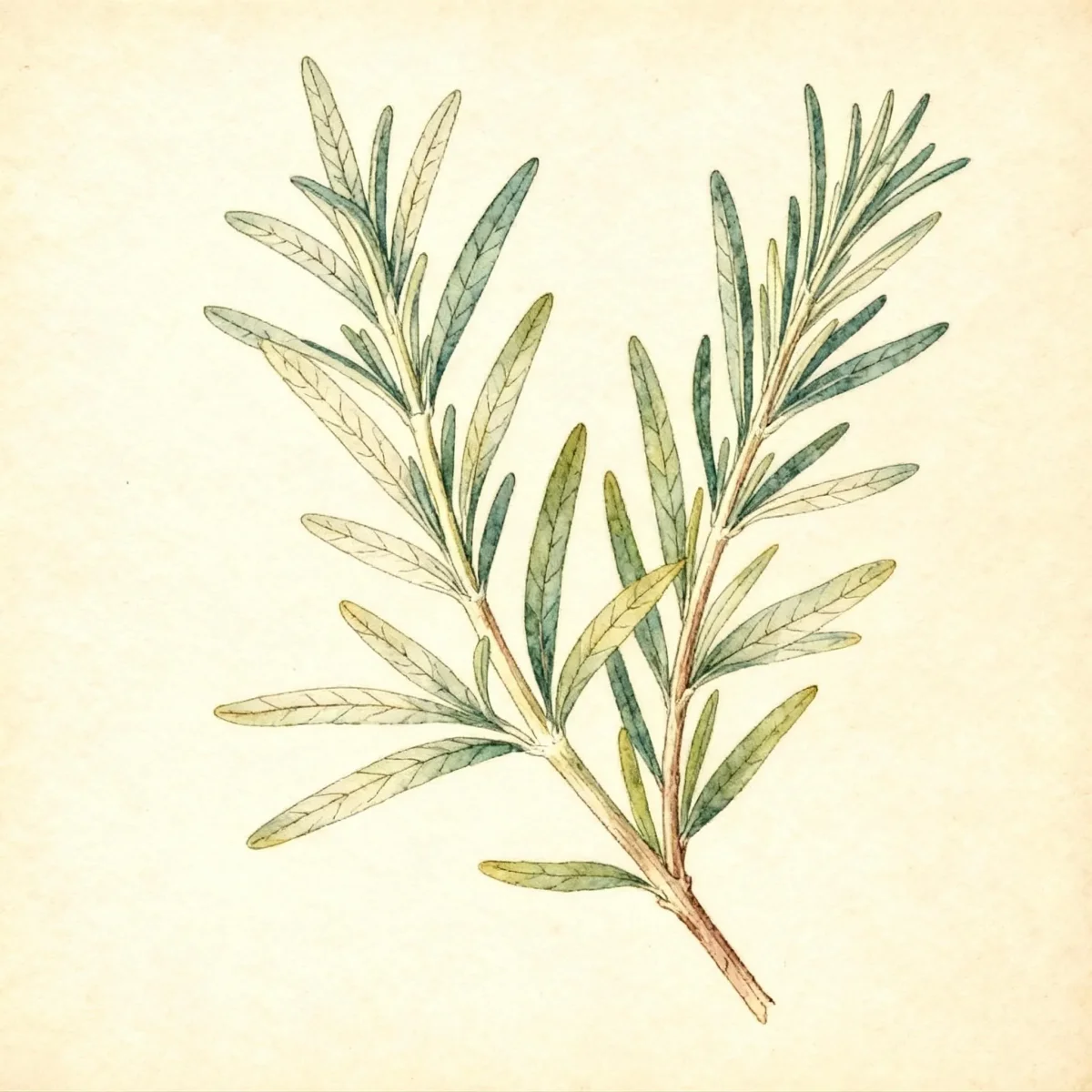
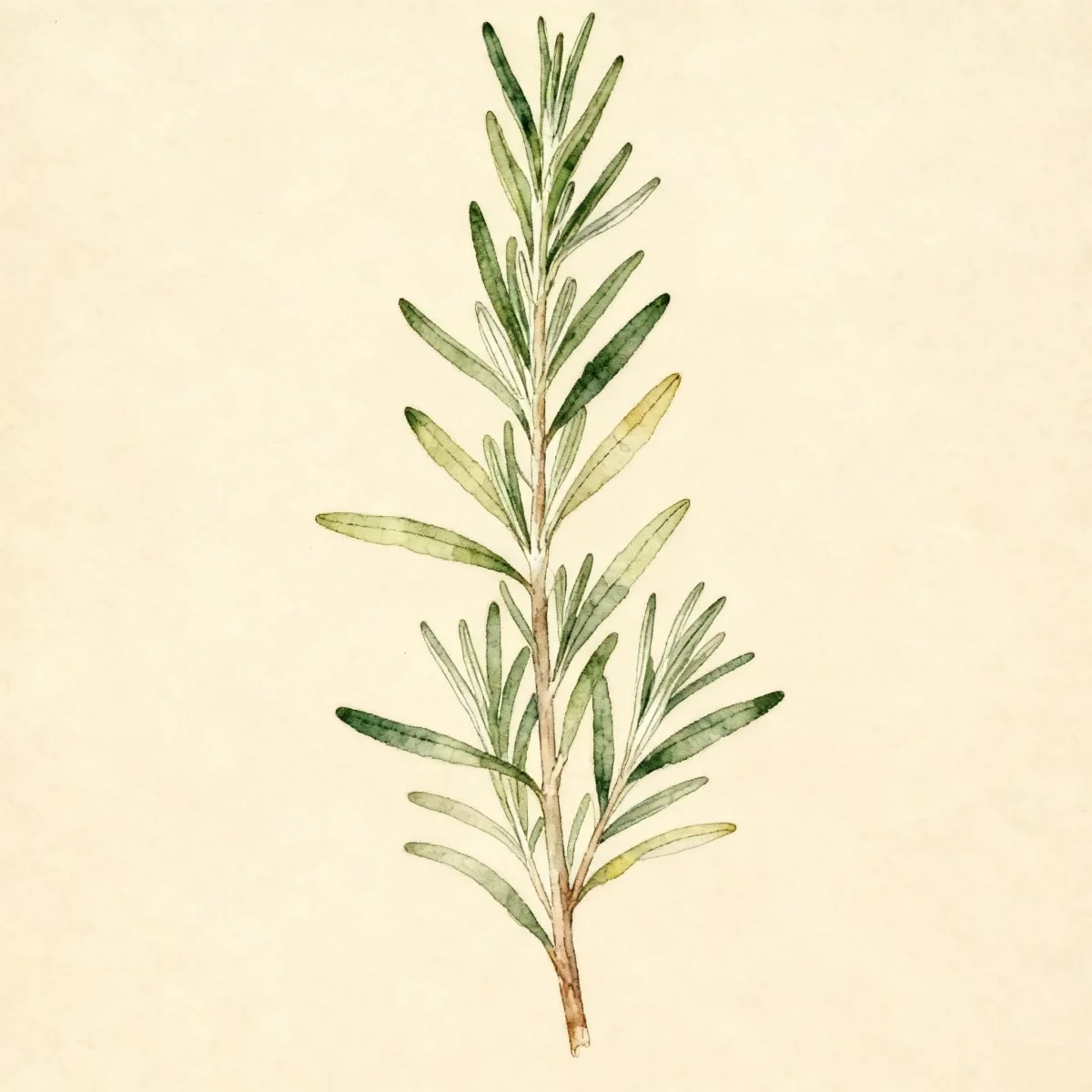
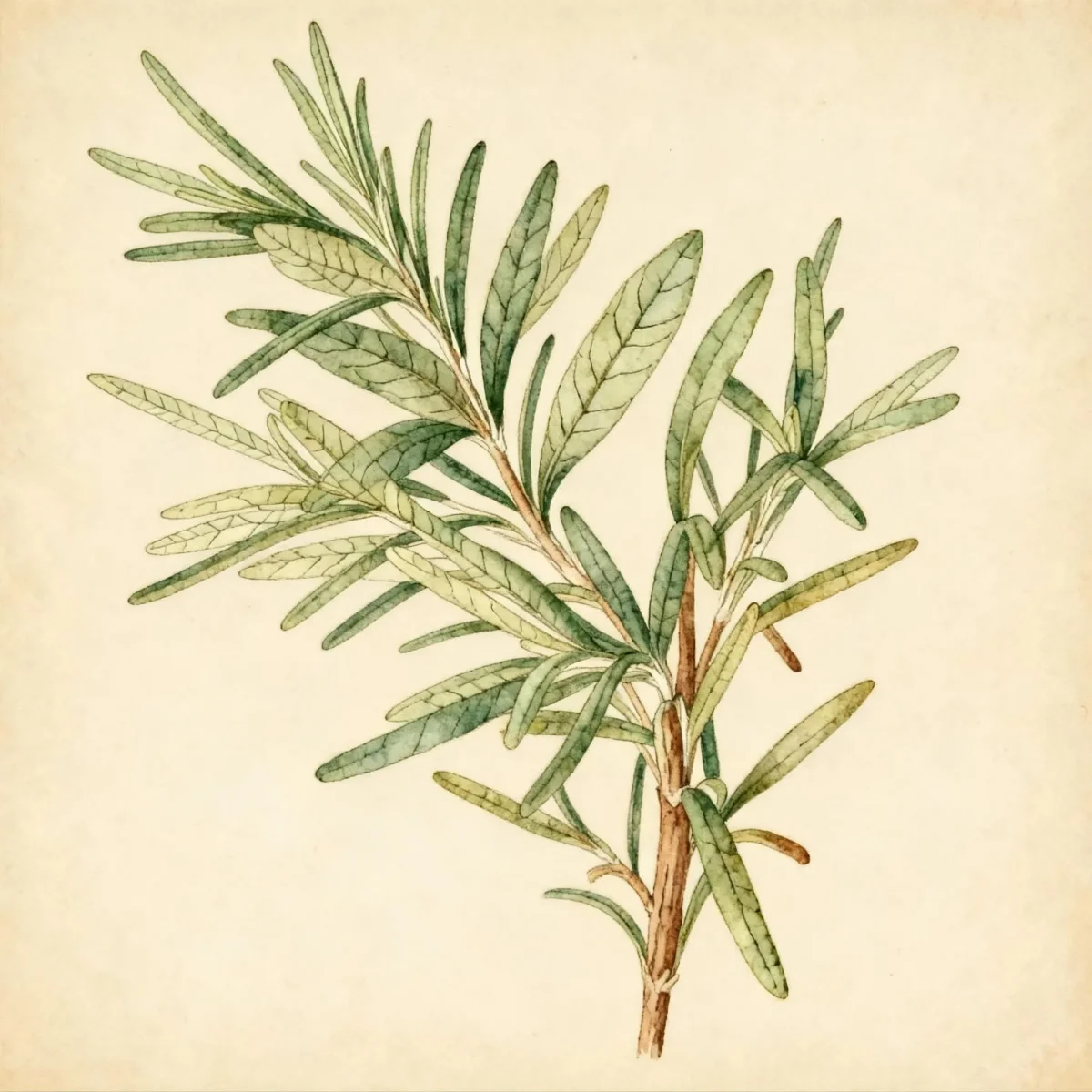
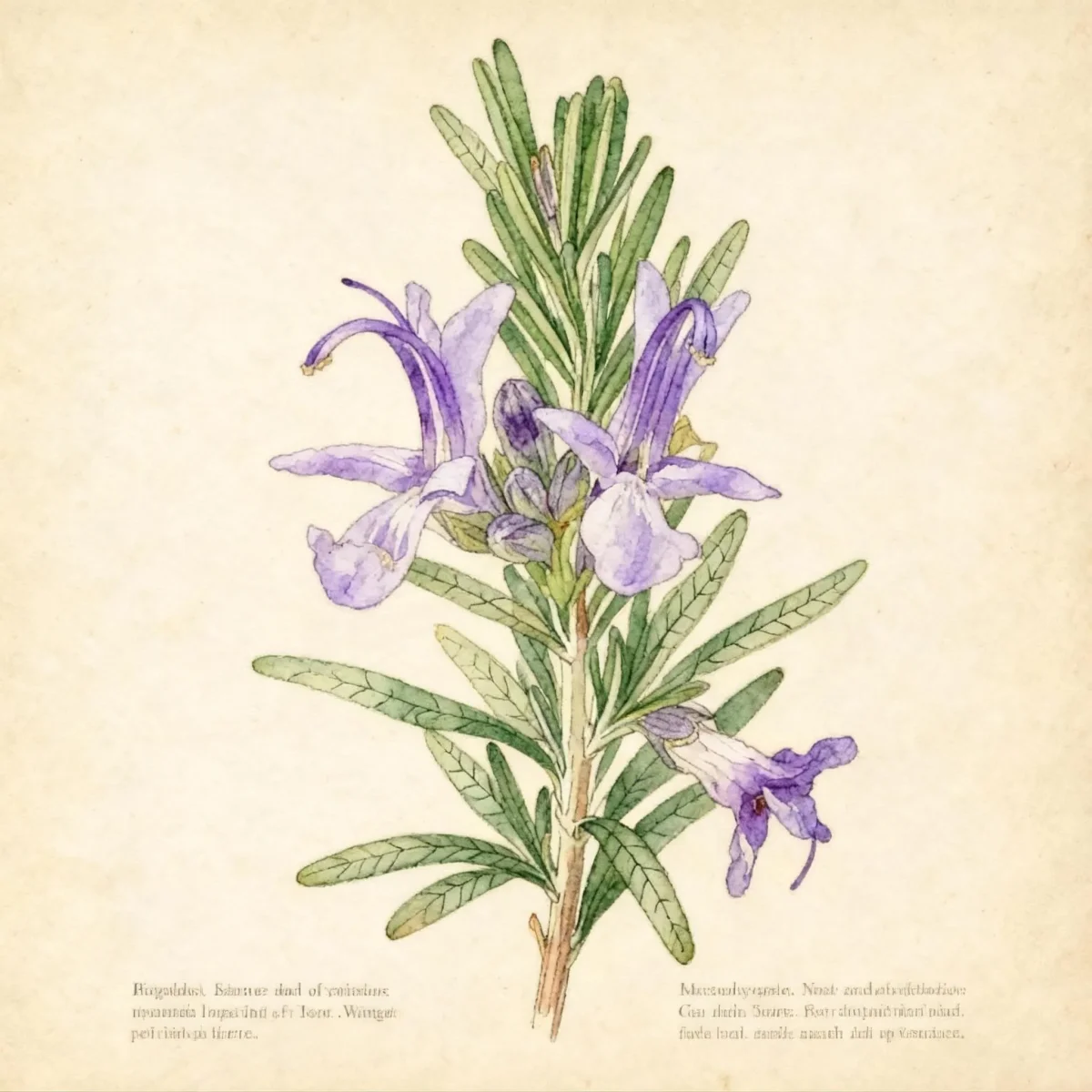
Salvia rosmarinus ‘Barbeque’ is a highly valued woody, broadleaf evergreen shrub, commonly known as Rosemary. This cultivar is particularly sought after for its intensely aromatic, needle-like, gray-green foliage, which features upright, sturdy stems perfect for culinary use or ornamental structure. It offers significant textural contrast in the garden, making it a staple in herb gardens and foundation plantings where its fragrance can be appreciated.
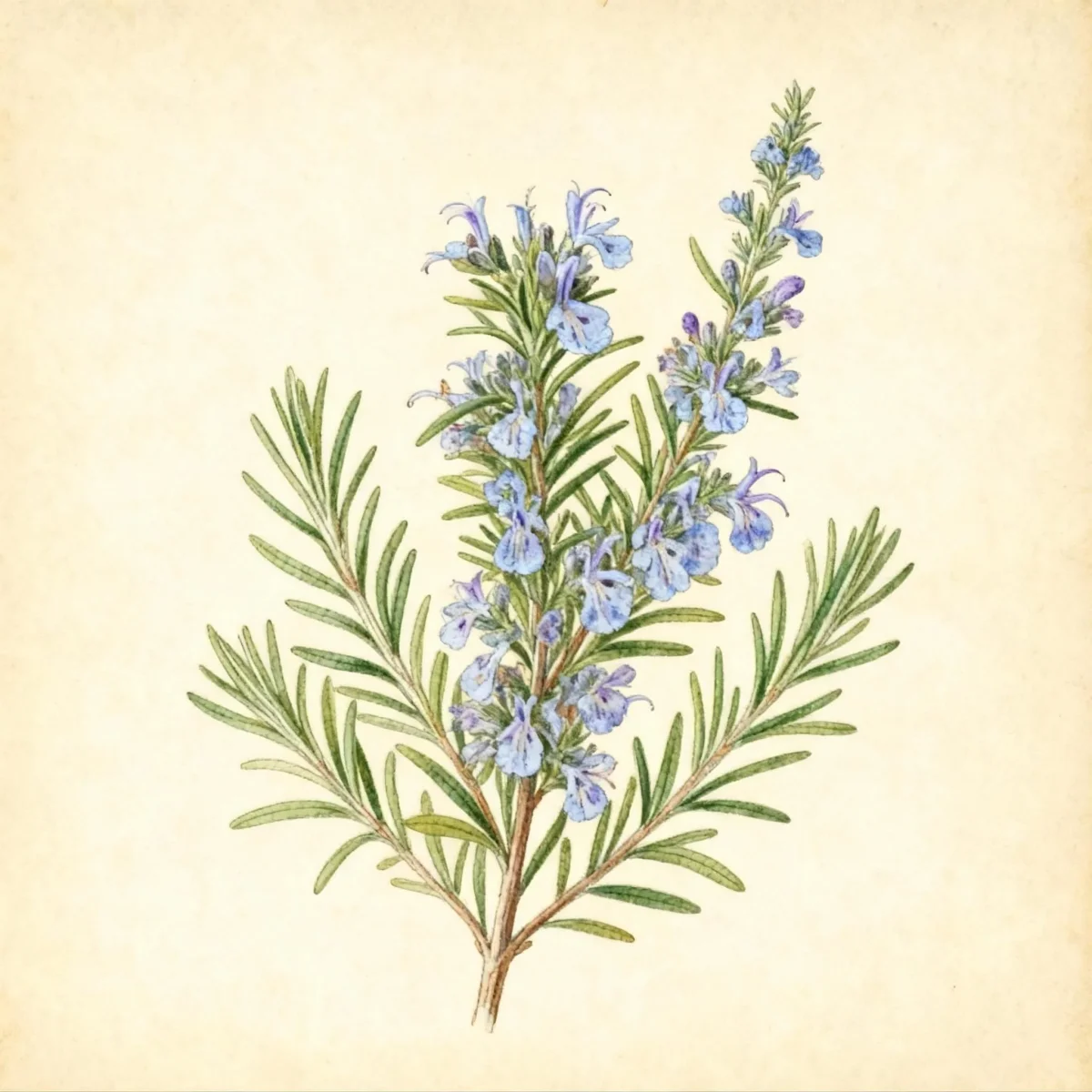
As its native range suggests, Rosemary thrives in sunny, well-drained environments mimicking the dry scrublands of the Mediterranean. While very drought-tolerant once established, this plant demands excellent drainage; wet winter soils are often fatal to Rosemary planted outdoors. The pale blue, tiny flowers provide seasonal interest, particularly attractive to pollinators like bees and butterflies.
Whether incorporated into a border or kept as a container specimen brought indoors for winter, Salvia rosmarinus ‘Barbeque’ fulfills roles ranging from a low hedge to a functional kitchen herb. Its versatility, combined with excellent drought resistance, makes it a rewarding, medium-maintenance addition to sun-drenched garden spaces within its hardiness range.
Fast Facts
- Plant Family: Lamiaceae
- Plant Type: Broadleaf evergreen
- Hardiness Zones: USDA Zones 8-10
- Size at Maturity:
- Height: 2-3 ft
- Spread: 3-4 ft
- Bloom Time: Seasonal bloomer
- Bloom Description: Pale blue
- Sun Exposure: Full sun
- Water Needs: Dry to medium
- Maintenance Level: Medium
How to Grow
Plant Salvia rosmarinus ‘Barbeque’ in the early spring or fall in prepared sites, ensuring the location receives full, unobstructed sun for the best growth and strongest essential oil development. The primary cultural requirement is excellent soil drainage; amend heavy soils significantly with grit or sand. Light, slightly acidic, dry to medium soil conditions are ideal. If planting in containers, use clay pots, which allow for better moisture regulation than plastic.
Watering should be infrequent. Allow the soil to become dry on the surface before applying water deeply, ensuring the entire root ball is moistened, but never allowing standing water. Overwatering is a leading cause of death, inevitably causing root rot. Fertilization is generally unnecessary, especially if the plant is well-established in lean soil, as high fertility can dilute the flavor of the culinary foliage.
Pruning should be done moderately after the main bloom period to maintain a dense shape and encourage new flavorful growth. If you live outside Zones 8-10, plan on overwintering containerized Rosemary indoors. Move plants inside well before the first frost, placing them in the brightest available window (southern exposure is best). Ensure high air circulation indoors to mitigate the risk of powdery mildew, and allow the soil to dry significantly between indoor waterings.
Landscape Uses
Rosemary offers immense value across various landscape applications, particularly where winter hardiness allows ground planting in USDA Zones 8-10. It functions beautifully as a low, fragrant hedge along pathways or foundations, or utilized as a striking specimen plant in herb gardens. The stiff, upright stems of Salvia rosmarinus ‘Barbeque’ make it an excellent choice for adding vertical interest to mixed plantings.
For container gardening, Rosemary excels on sunny patios and decks, providing year-round structure and easily accessible flavor. Its drought tolerance means it pairs well visually and culturally with other Mediterranean-style plants like lavender or sedum. When used as an ornamental specimen, its clean, evergreen texture elevates traditional garden beds throughout the dormant winter months.
Perhaps its most recognized role remains the culinary one. The strongly flavored, aromatic leaves are essential for seasoning meats, stews, and breads. Furthermore, the fragrant foliage and flowers have been historically used in sachets and toiletries, enhancing the sensory experience of the garden space you create around your Rosemary plantings.
Standout Features
Flower Qualities
- Showy
Noteworthy Characteristics
Salvia rosmarinus, commonly known as rosemary, is a generally erect, rounded, evergreen shrub with aromatic, needle-like, gray-green leaves and tiny, two-lipped, pale blue to white flowers. It typically grows to 4-6’ tall in areas where it is winter hardy. The intensely fragrant foliage of this shrub is commonly harvested for a variety of purposes including culinary flavorings, toiletries and sachets. These plants also add excellent ornamental value to borders, herb gardens, patio areas and foundations both when grown in the ground and/or as container plants which are often brought indoors for overwintering.
Tolerances
- Deer
- Drought
Potential Problems
Rosemary is generally resilient outdoors in ideal conditions, but indoor overwintering presents several challenges. The primary concern is fungal disease: powdery mildew frequently appears in humid indoor environments lacking good air circulation. Botrytis is another potential threat under similar damp, stagnant conditions.
Control these issues by maximizing airflow around the containerized Salvia rosmarinus ‘Barbeque’, perhaps using a small fan indoors, and strictly avoiding overhead watering. Root rots are almost always associated with overwatering; always let the top several inches of soil dry out completely between applications. Pests like aphids, spider mites, and mealybugs can infest indoor plants; treat promptly with insecticidal soap or horticultural oil if infestations begin.
Frequently Asked Questions
What hardiness zones is Rosemary suitable for?
Salvia rosmarinus ‘Barbeque’ is winter hardy in USDA Zones 8 through 10 when grown outdoors in well-drained soils.
How large does Rosemary grow?
Mature plants typically reach a height between 2 and 3 feet and spread to cover an area 3 to 4 feet wide.
What sun exposure does Salvia rosmarinus ‘Barbeque’ need?
This evergreen requires full sun for optimal performance, though it can tolerate light shade; best foliage quality is achieved with maximum sun exposure.
When does Rosemary bloom?
Rosemary is a seasonal bloomer, typically producing its pale blue flowers from January through April when established outdoors in warmer zones.
Conclusion
Salvia rosmarinus ‘Barbeque’ provides the gardener with intensely fragrant, highly useful evergreen foliage and pleasing aesthetic structure throughout the year. Its tolerance for drought, once established, combined with its ornamental value makes this Rosemary variety a worthy focus plant for sunny spots. Before planting, confirm your climate falls within USDA Zones 8-10 or prepare suitable container solutions for winter protection.
Propagation Tips
Propagation of Rosemary is most successful through the use of cuttings, rather than seed, which is highly recommended for maintaining the specific traits of cultivars like ‘Barbeque’. Softwood or semi-hardwood cuttings harvested from healthy parent plants yield the best results. Take cuttings in late spring or early summer, ensuring each piece has several nodes, and dip the base in rooting hormone before planting into a sterile, well-draining medium.
Maintaining high humidity and warmth around the cuttings promotes root development, though the medium must not be kept soggy, as this will lead to rot rather than rooting. Once rooted, the young Salvia rosmarinus ‘Barbeque’ plants can be gradually acclimated to drier conditions before being transplanted into their permanent, well-drained sunny locations outside, or into containers for the winter.
Companion Planting
Due to its specific needs—full sun, excellent drainage, and dry to medium water requirements—Rosemary pairs naturally with other Mediterranean herbs and drought-tolerant perennials. Good choices include ornamental grasses that prefer lean soil, various Sedum varieties, and drought-tolerant Salvias. Avoid planting Salvia rosmarinus ‘Barbeque’ directly near thirsty plants that require consistent moisture, such as hostas or astilbes, as this can lead to differential watering stress that damages the Rosemary.