Rosemary (Salvia rosmarinus 'Roman Beauty' CHEF'S CHOICE)
Compact, aromatic Salvia rosmarinus 'Roman Beauty' CHEF'S CHOICE Rosemary thrives in full sun in Zones 8-10, prized for culinary use and drought tolerance.
Scroll down to discover growing tips, care requirements, companion plants, and more
Complete Plant Information
Overview
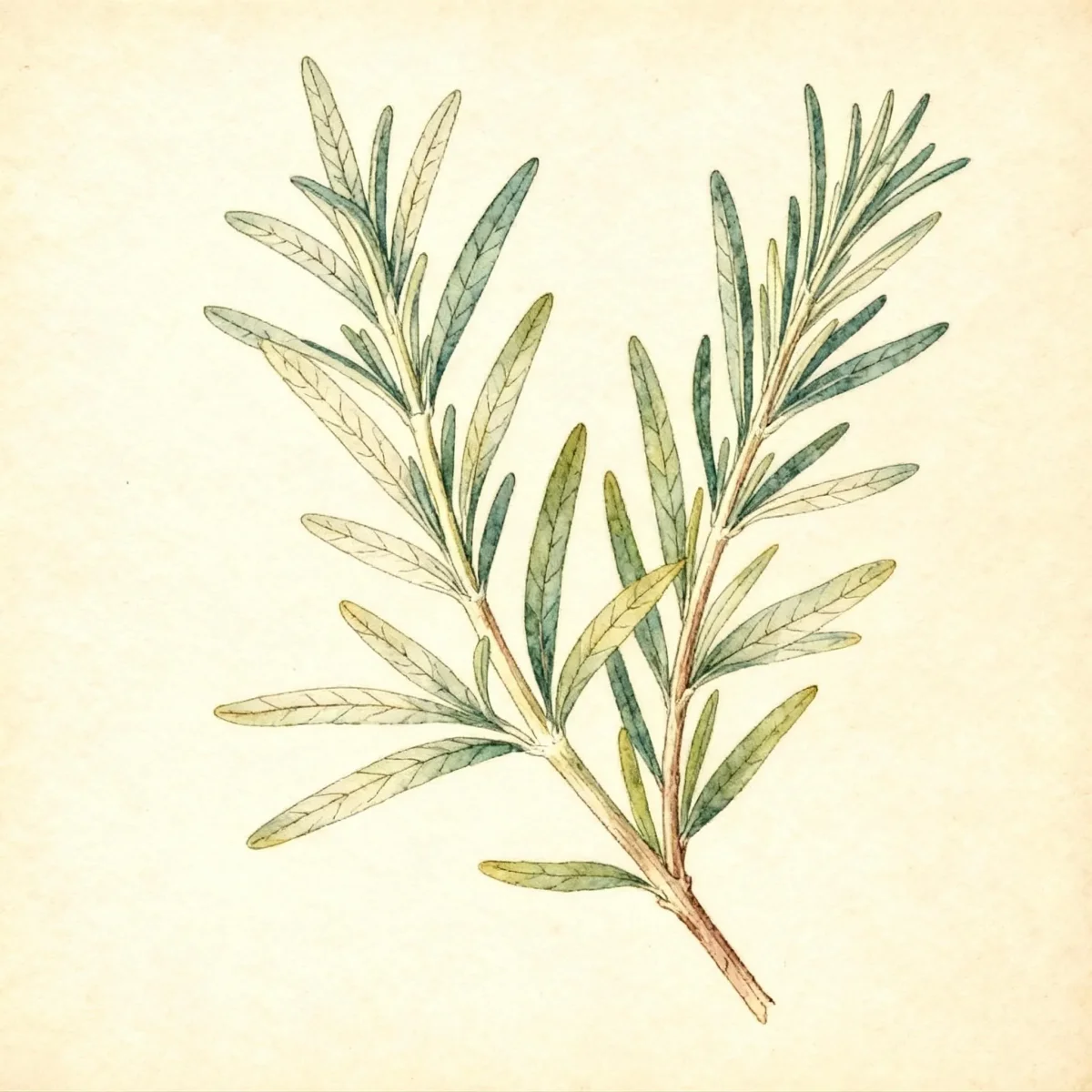
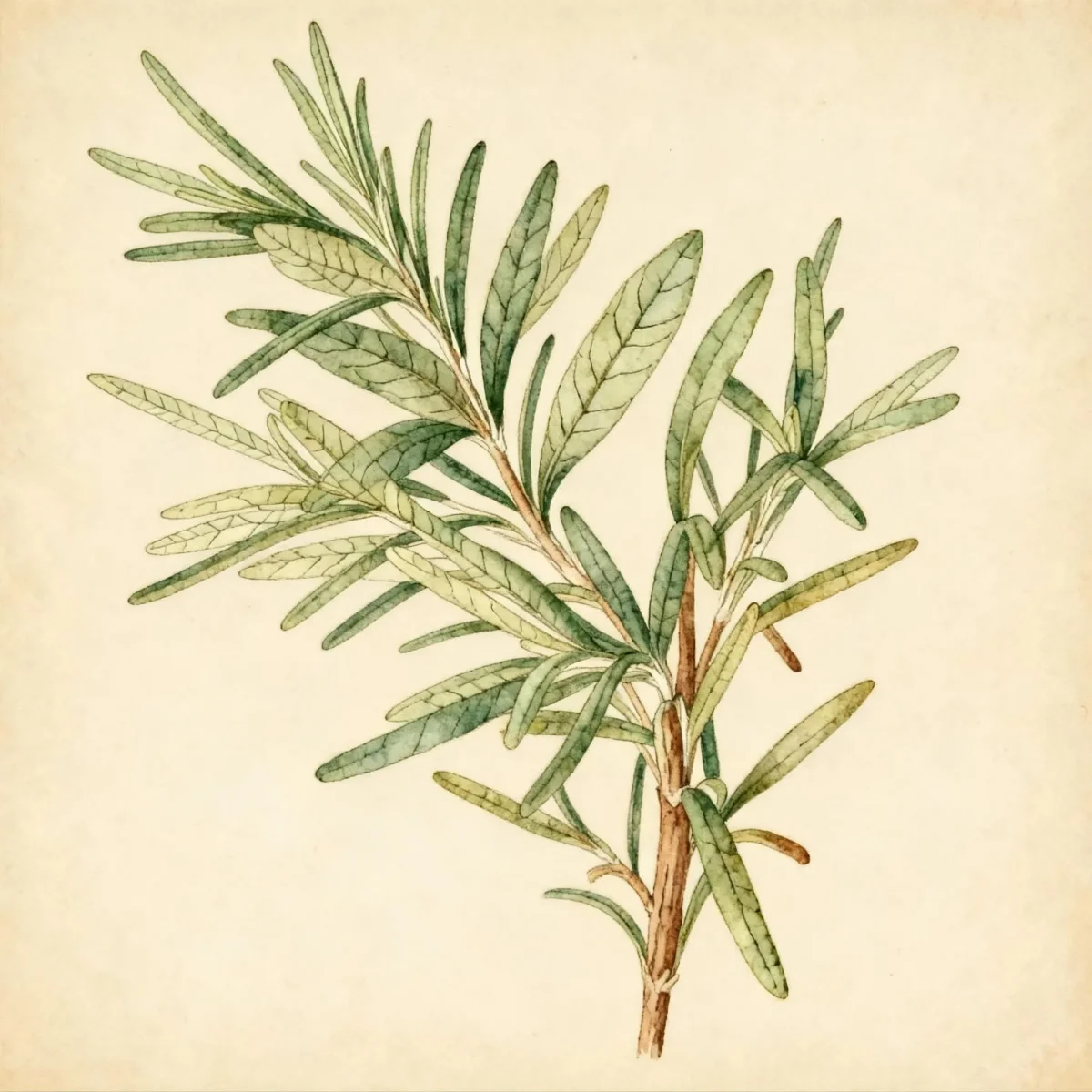
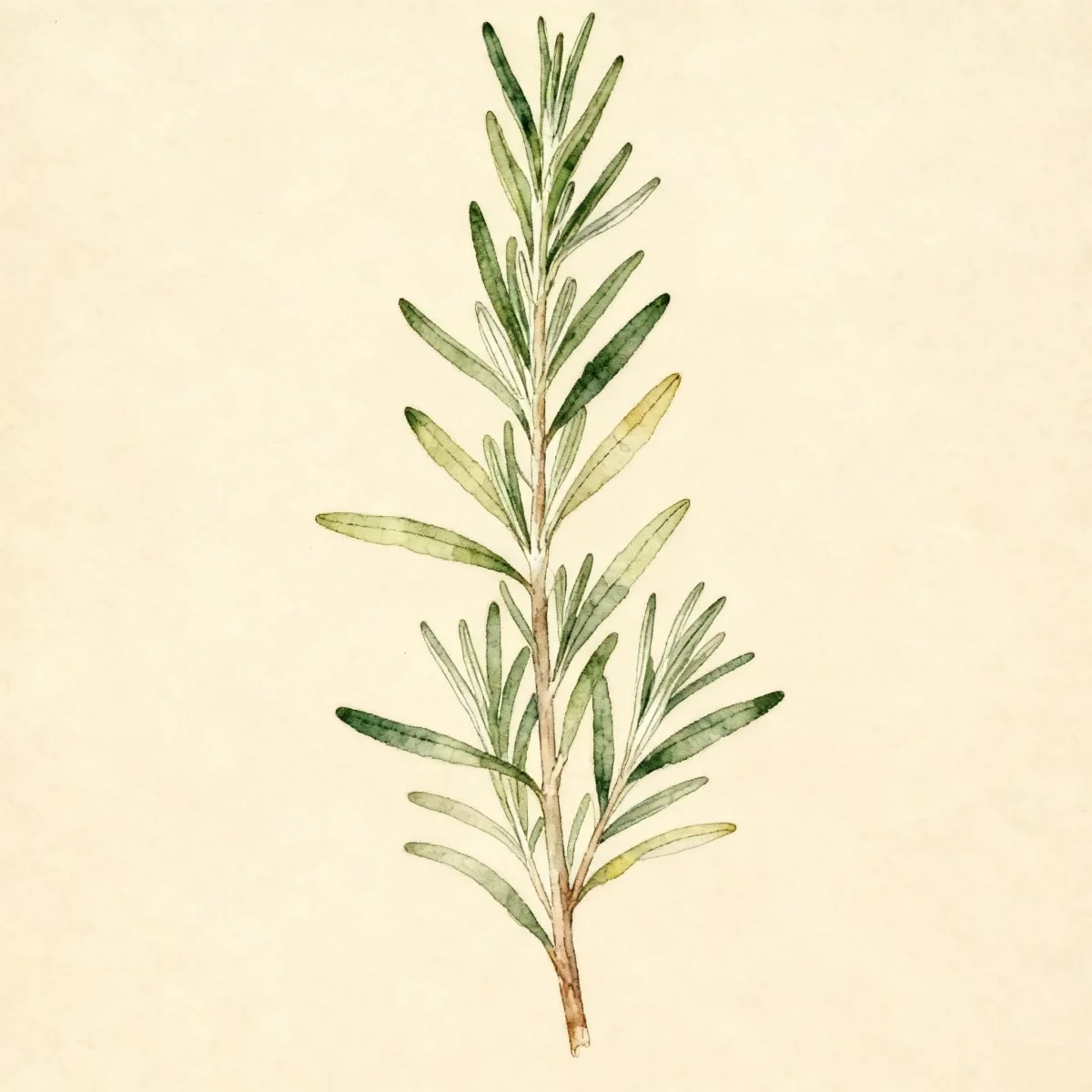
The Salvia rosmarinus ‘Roman Beauty’ CHEF’S CHOICE, commonly known as Rosemary, is a highly prized broadleaf evergreen shrub cherished globally for its intensely aromatic, needle-like foliage. This cultivar offers a compact, upright habit suitable for smaller garden spaces or containers, distinguishing itself with a reportedly higher oil content and a spicy flavor that excels in culinary applications. As a drought-tolerant plant once established, it provides excellent texture and fragrance throughout the year in compatible climates.
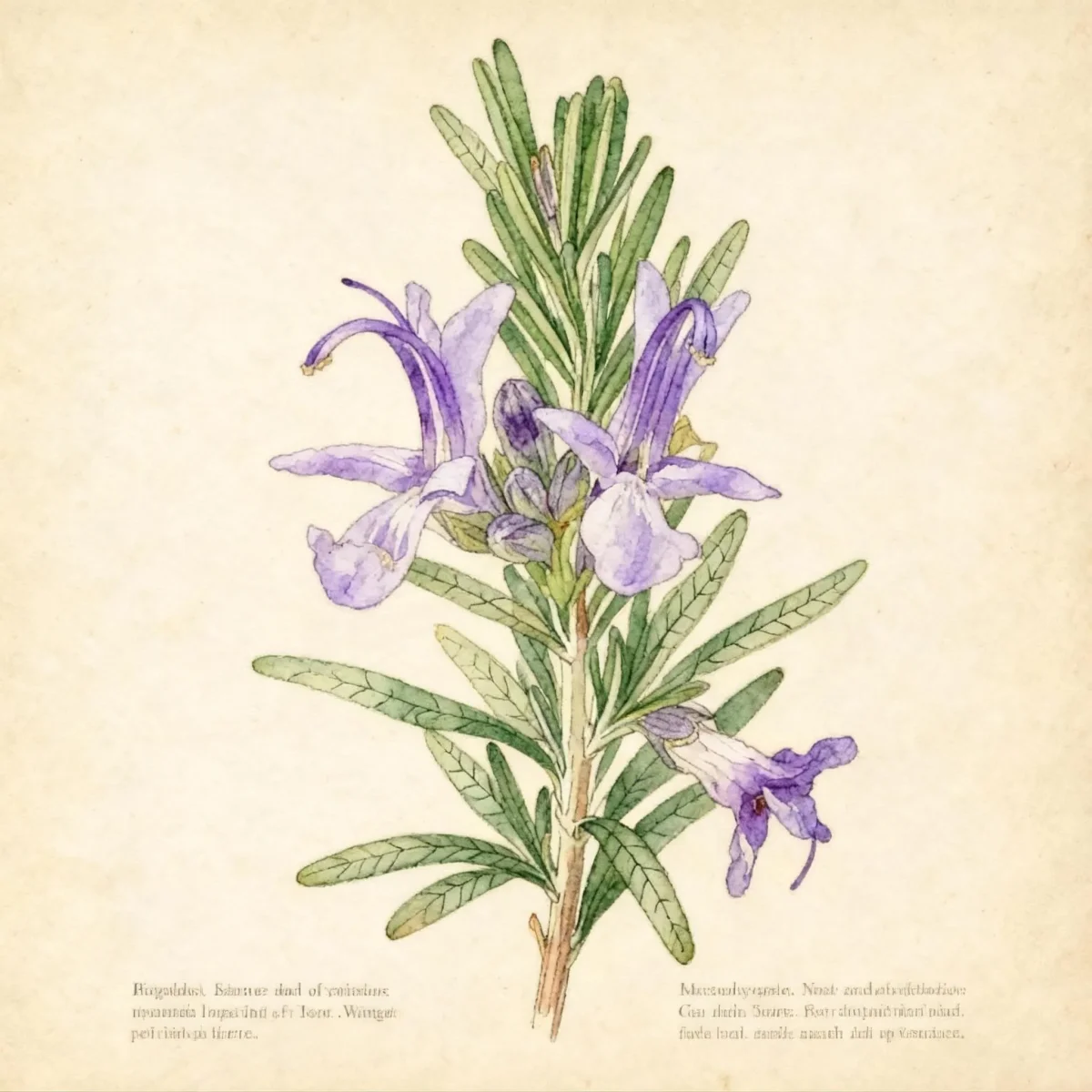
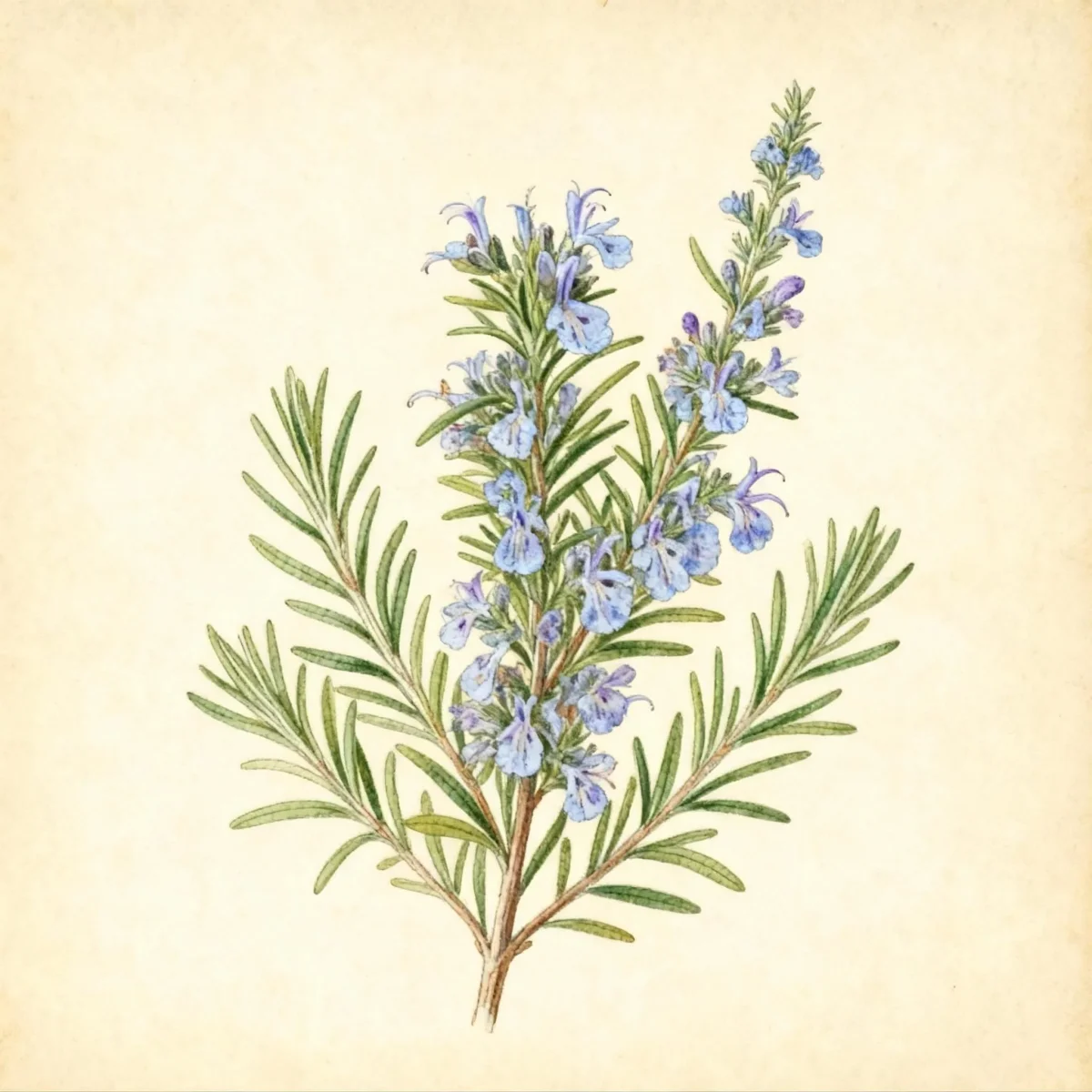
Native to the Mediterranean scrublands, this Rosemary thrives when mimicking its arid origins, demanding excellent drainage and plentiful sunshine. Beyond its function as a staple herb, the evergreen presence of Salvia rosmarinus ‘Roman Beauty’ CHEF’S CHOICE lends visual structure to borders and patio arrangements. Gardeners value its versatility, ability to repel deer, and the beautiful, though small, violet-blue flowers it produces in early summer.
Fast Facts
- Plant Family: Lamiaceae
- Plant Type: Broadleaf evergreen
- Hardiness Zones: USDA Zones 8-10
- Size at Maturity:
- Height: 2-3 ft
- Spread: 1-2 ft
- Bloom Time: June to July
- Bloom Description: Violet-blue
- Sun Exposure: Full sun
- Water Needs: Dry to medium
- Maintenance Level: Medium
How to Grow
Plant Rosemary, including the desirable Salvia rosmarinus ‘Roman Beauty’ CHEF’S CHOICE, in light, slightly acidic, well-drained soil. Full sun exposure is critical for the best performance, though the plant tolerates light shade. Planting should occur when frost risk has passed in spring. Established plants exhibit good drought tolerance, reflecting their Mediterranean heritage, but they perform very poorly in heavy clay soils. Wet or poorly-drained soils, especially during winter, are usually fatal to Rosemary.
Watering should be conservative; allow the soil surface to dry out between applications, but ensure the soil is not bone dry throughout the entire root ball. Overwatering is the quickest path to root rot. Maintenance is medium; actively prune plants after they bloom to encourage dense, bushy foliage growth, or prune them into specific ornamental shapes. Propagation is best achieved through cuttings.
For gardeners outside USDA Zones 8-10, growing Rosemary in containers, preferably clay pots, is necessary. These must be brought indoors before the first hard frost. Overwintering requires a sunny southern window providing at least six hours of direct light daily; supplemental grow lights are often necessary indoors. Ensure good air circulation to mitigate powdery mildew risk, and allow the soil to dry out significantly between indoor watering sessions. Move containers back outside in mid-spring after all danger of frost has passed.
Landscape Uses
The culinary value of Rosemary alone secures its place in any functional herb garden, but its ornamental qualities allow for broader landscape integration. Where winter hardy (Zones 8-10), use it as an ornamental specimen, a low hedge bordering a walkway, or tucked into rock gardens. The compact form of Salvia rosmarinus ‘Roman Beauty’ CHEF’S CHOICE makes it an excellent choice for containers flanking patios or entryways.
Its gray-green, aromatic foliage contrasts beautifully with brighter greens and soft flowering perennials. Consider pairing Rosemary with plants that share similar dry, sunny requirements, such as Lavender or Sedum, to create a drought-tolerant Mediterranean tapestry. The fragrant leaves and flowers are also excellent additions to sachets, providing long-lasting scent indoors.
Flower Qualities
- Showy
Noteworthy Characteristics
Salvia rosmarinus, commonly known as rosemary, is generally an erect, rounded, evergreen shrub known for its aromatic, needle-like, gray-green leaves and tiny, two-lipped, pale blue to white flowers. The intensely fragrant foliage is widely harvested for culinary flavorings, toiletries, and sachets, while the plant adds excellent ornamental value to borders and herb gardens. The specific cultivar, ‘Roman Beauty’, commonly sold as CHEF’S CHOICE, features a compact upright habit and violet-blue flowers, reportedly possessing a strong, spicy flavor profile.
Tolerances
- Deer
- Drought
Potential Problems
Rosemary is susceptible to several issues, primarily relating to environmental stress. Powdery mildew can appear, especially when plants are kept indoors in humid conditions with poor air circulation. Botrytis blight is another concern under overly moist conditions. The primary cause of demise for Rosemary, both inside and outside, is root rot, which occurs due to overwatering, particularly in heavy or poorly-drained winter soils.
Indoors, be vigilant for common houseplant pests such as aphids, mealybugs, whiteflies, and spider mites, although outdoor plants are generally less bothered. Maintaining appropriate watering practices—letting the topsoil dry out before watering—is the most effective preventative measure against the most common fatal issues.
Frequently Asked Questions
What hardiness zones is Rosemary suitable for?
Salvia rosmarinus ‘Roman Beauty’ CHEF’S CHOICE is suitable for USDA Hardiness Zones 8 through 10.
How large does Rosemary grow?
This variety typically reaches a mature height between 2 to 3 feet tall, with a spread ranging from 1 to 2 feet wide.
What sun exposure does Rosemary need?
Rosemary requires full sun for optimal growth, flowering, and foliage development for the best flavor intensity.
When does Rosemary bloom?
This Rosemary variety typically produces violet-blue blooms between June and July.
Conclusion
The Salvia rosmarinus ‘Roman Beauty’ CHEF’S CHOICE offers gardeners the robust fragrance and utility of traditional Rosemary in a manageable, attractive evergreen form. Its resistance to deer and notable drought tolerance make this a low-fuss performer in sunny, well-drained spots. Before planting, confirm that your local climate falls within USDA Zones 8-10, or plan ahead for necessary container winterization for successful enjoyment of this versatile herb.
Propagation Tips
Best propagation methods for Rosemary involve taking cuttings, as this ensures the new plant retains the desirable characteristics of the parent, such as the flavor profile of ‘Roman Beauty’ CHEF’S CHOICE. Cuttings should be softwood or semi-hardwood cuttings taken in the growing season. Dip the base of the cutting in rooting hormone and place it in a moist, well-draining medium like a peat:sand mix.
Maintaining high humidity and warmth, but keeping the cuttings out of direct, intense sun, encourages root development. Once well-rooted, perhaps after several weeks, the new Rosemary plants can be treated as mature stock, though they will require protection if planted outside the designated hardy zones.
Companion Planting
When planning your garden layout, companion planting near Rosemary should focus on species that share its Mediterranean origins and specific soil needs. Plants that prefer dry to medium moisture and full, intense sunlight will coexist happily. Excellent companions include Lavender, Thyme, Marjoram, and Oregano.
Avoid placing robust Rosemary next to plants that require consistent moisture or heavy feeding, as these differing needs can lead to root stress or nutrient competition, potentially encouraging fungal issues in the Rosemary. The dense, low-growing habit of dwarf Rosemary varieties like ‘Roman Beauty’ also works well as an aromatic edging alongside slightly taller summer annuals.