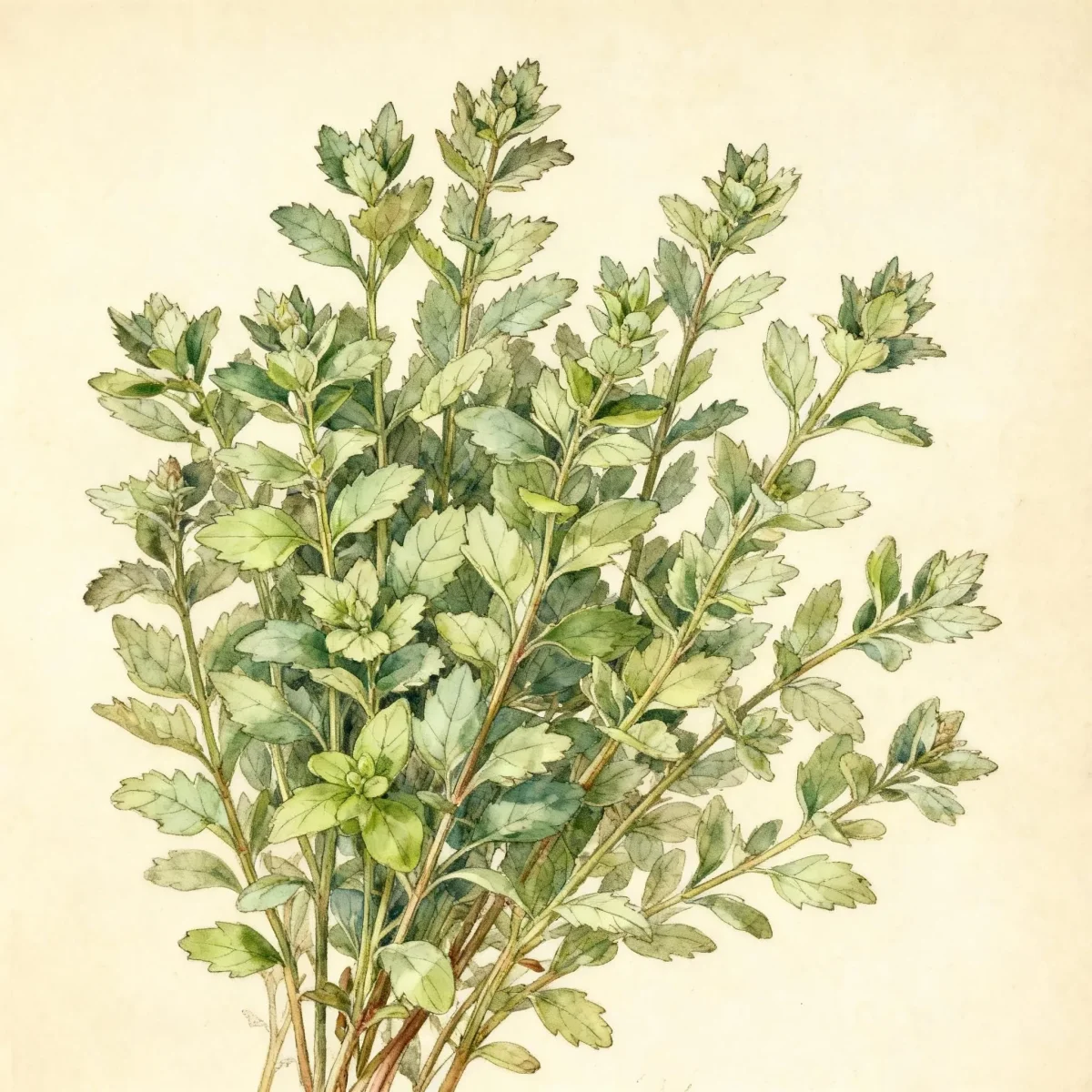
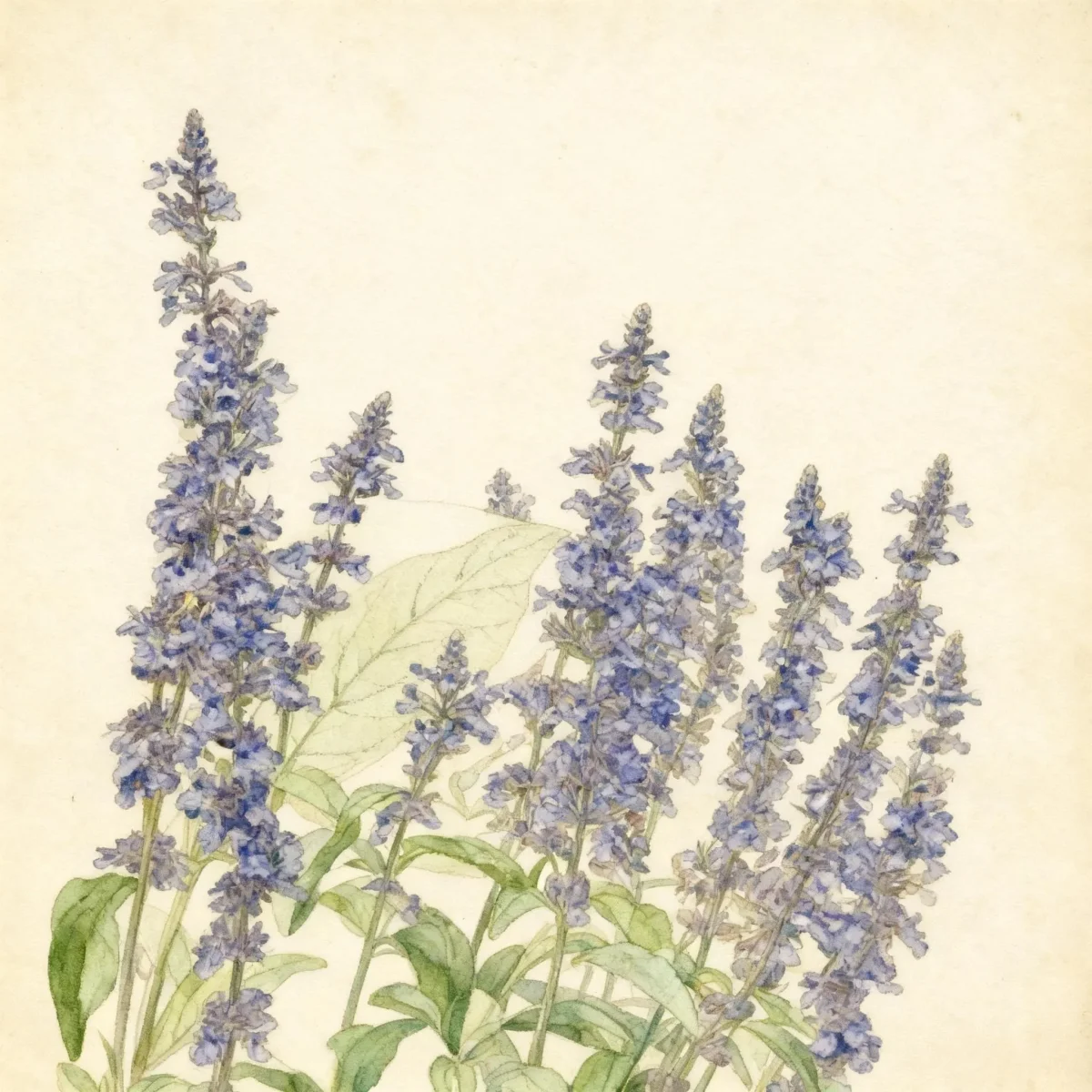
Rosemary (Salvia rosmarinus 'Salem')
Salvia rosmarinus 'Salem' is a hardy, narrow-leaved Rosemary cultivar offering pale blue flowers and strong aromatic foliage suitable for culinary use.
Scroll down to discover growing tips, care requirements, companion plants, and more
Complete Plant Information
Overview
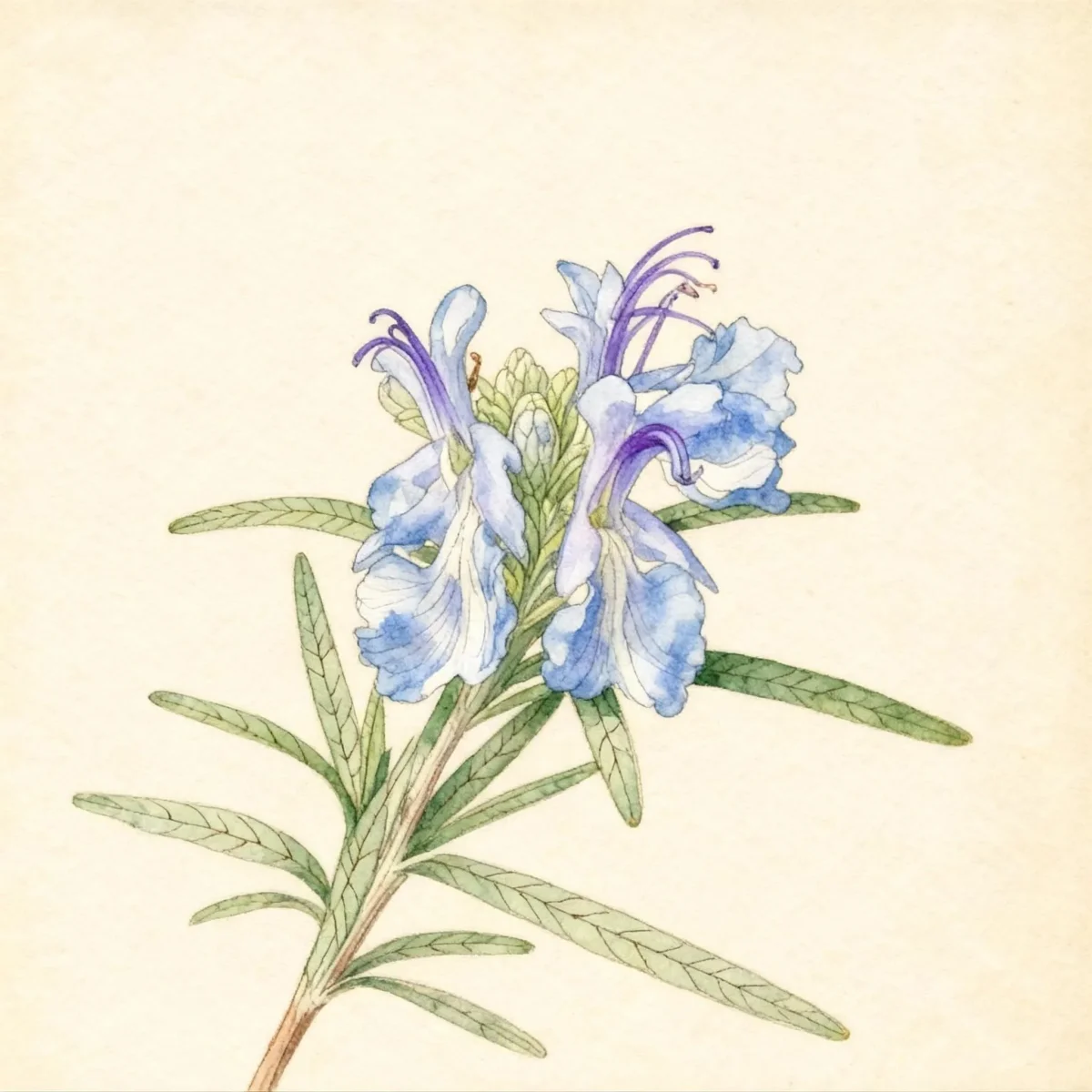
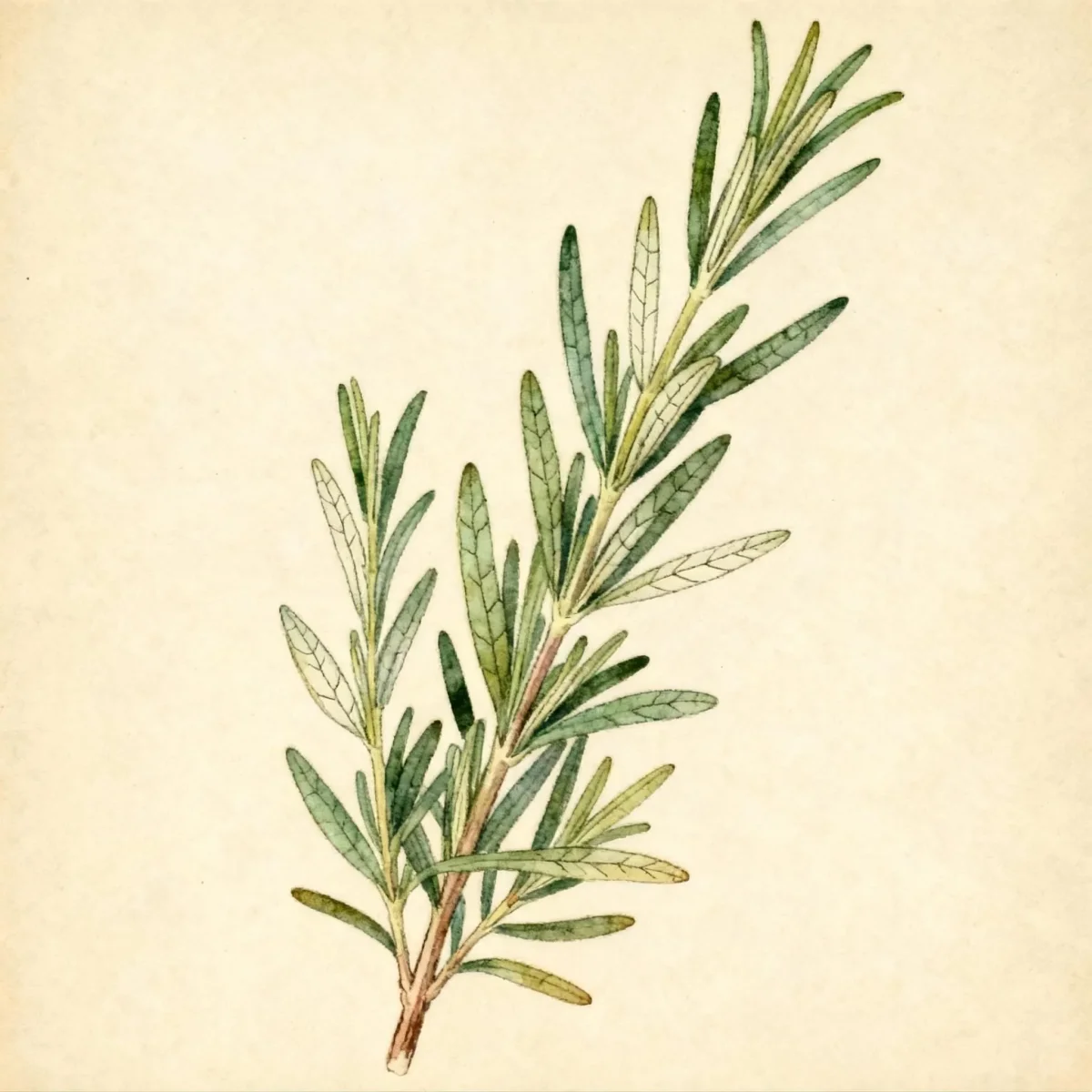
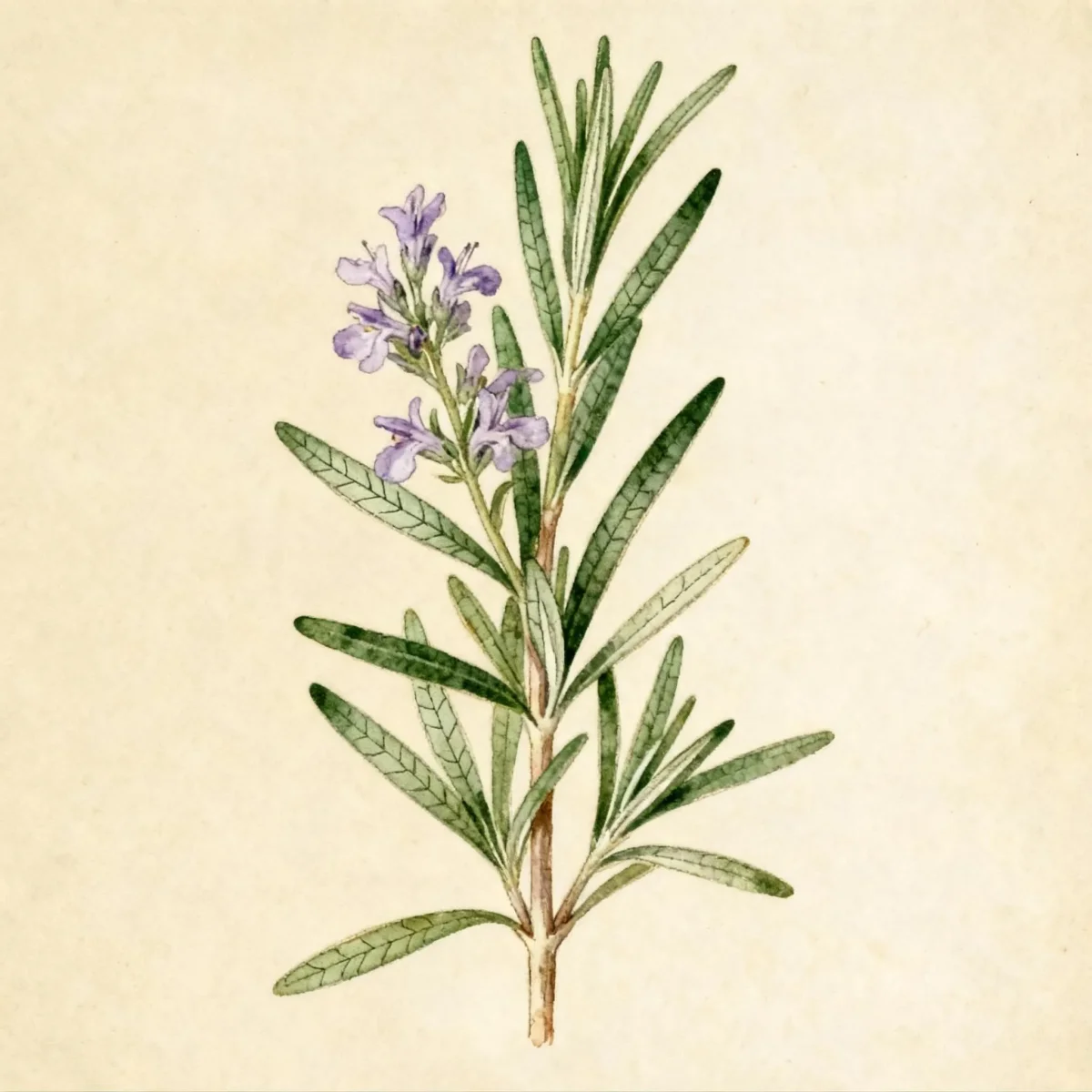
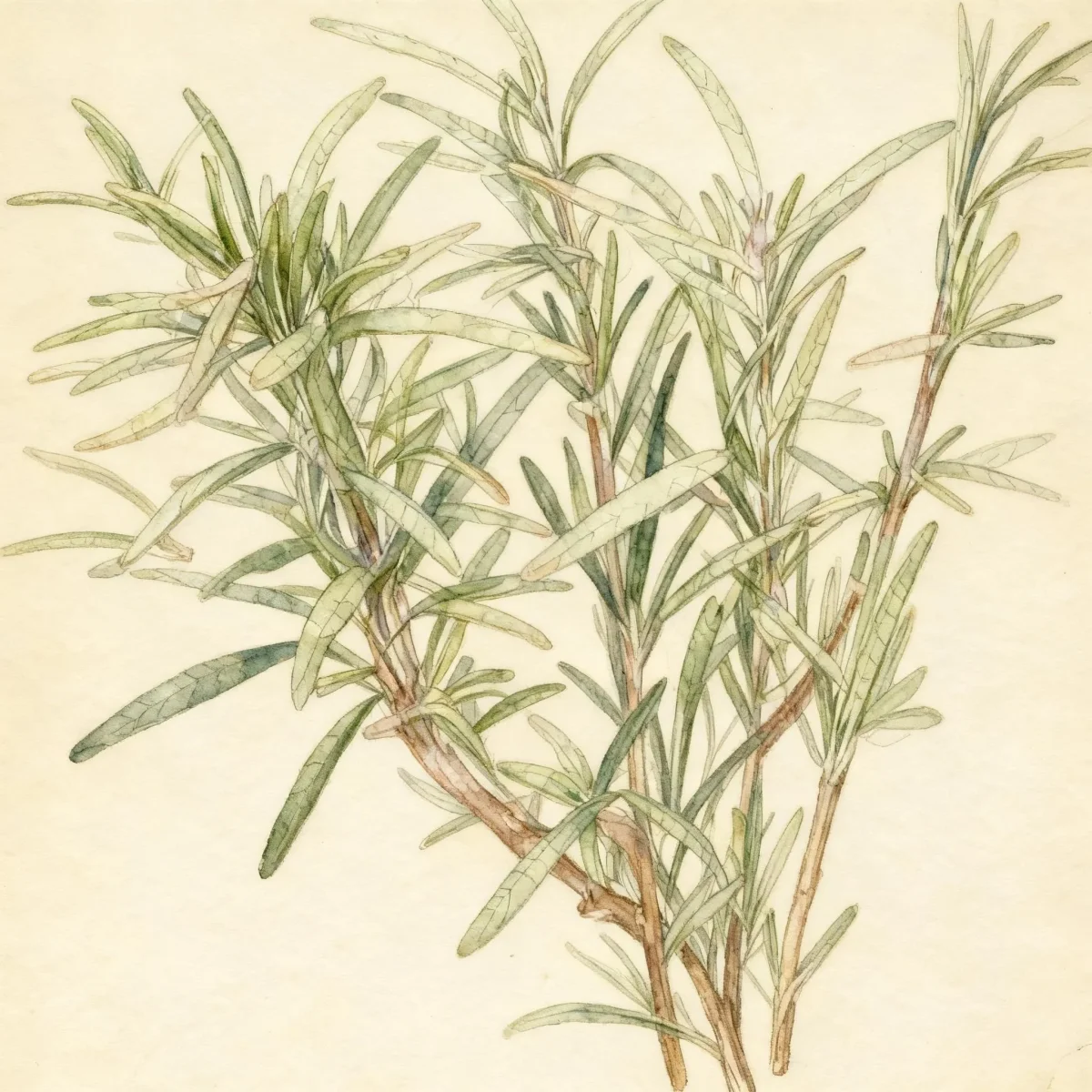
Salvia rosmarinus ‘Salem’, commonly known as Rosemary, is a highly valued, generally erect, rounded evergreen shrub prized for its intensely fragrant, needle-like, gray-green leaves. This specific cultivar, Salvia rosmarinus ‘Salem’, grows tall and narrow, featuring delicate pale blue flowers and demonstrating better winter hardiness than many common Rosemary types. Beyond its significant ornamental appeal in borders and containers, the aromatic foliage of Rosemary makes it an indispensable culinary herb used globally.
As an herbaceous perennial in warmer climates (Zones 8-10), this plant reaches heights between 3 to 6 feet, offering structure year-round. It thrives best when treated as a container specimen in colder regions, where it can be overwintered indoors to protect it from freezing temperatures. Gardeners appreciate Rosemary for its drought tolerance once established and its ability to provide texture and scent along paths and foundations.
Fast Facts
- Plant Family: Lamiaceae
- Plant Type: Herbaceous perennial
- Hardiness Zones: USDA Zones 8-10
- Size at Maturity:
- Height: 3-6 ft
- Spread: 2-4 ft
- Bloom Time: Seasonal bloomer
- Bloom Description: Blue
- Sun Exposure: Full sun
- Water Needs: Dry to medium
- Maintenance Level: Medium
How to Grow
The key to successful in-ground cultivation of Salvia rosmarinus ‘Salem’ is ensuring perfect drainage. Plant this Rosemary in light, slightly acidic, well-drained soils, preferably in a location receiving full sun for optimal performance, although it can tolerate light shade. When planting, avoid heavy clay soils, as Rosemary performs poorly in them, and wet, poorly-drained conditions during winter are typically fatal to established exterior plants.
Watering should be approached cautiously; allow the soil surface to dry out completely between applications, but ensure the root ball is not allowed to desiccate entirely. Established plants display good drought tolerance, reinforcing the need to avoid overwatering, which inevitably leads to root rot—the primary cause of failure for this shrub. Pruning is beneficial; shape plants as desired or prune lightly after the main bloom period to encourage dense, bushy foliage growth.
For gardeners outside the reliable Zone 8-10 range, container culture is recommended. Use clay pots for best results, bringing them indoors before the first hard frost. Overwintering requires a sunny southern window providing at least six hours of direct light daily, supplemented by grow lights if necessary. Ensure good air circulation indoors to mitigate the risk of powdery mildew, and allow soil to dry between waterings.
Landscape Uses
Rosemary, particularly the hardy cultivar Salvia rosmarinus ‘Salem’, serves beautifully as an ornamental specimen or can be utilized to form a low hedge due to its upright structure. Where winter hardy, incorporate this herb into rock gardens, seaside plantings, or along borders where its aroma is released when brushed by passersby. Container specimens are highly versatile, gracing patios, decks, and sunny entryways throughout the growing season.
The practical applications extend far beyond aesthetics. The intensely flavorful, needle-like leaves of Rosemary are highly recommended in culinary applications, flavoring everything from roasted meats and fish to breads and herbal vinegars. For year-round enjoyment, grow Salvia rosmarinus ‘Salem’ in containers that allow for easy transition indoors during winter months.
Standout Features
Flower Qualities
- Showy
Noteworthy Characteristics
Salvia rosmarinus, commonly known as rosemary, is a generally erect, rounded, evergreen shrub with aromatic, needle-like, gray-green leaves and tiny, two-lipped, pale blue to white flowers. This cultivar, ‘Salem’, is noted for being tall and narrow-leaved with pale blue flowers and excellent winter hardiness, sometimes hardy as far north as Salem, Massachusetts. The intensely fragrant foliage is widely harvested for culinary uses, providing excellent flavor to meats and vegetables.
Tolerances
- Deer
- Drought
Potential Problems
Rosemary is generally avoided by deer, but indoor cultivation introduces common houseplant pests. Watch diligently for aphids, mealybugs, whiteflies, and spider mites, especially during dry indoor winter months. Outdoors, powdery mildew remains a concern, usually triggered by high humidity coupled with poor air circulation. To manage this, ensure good airflow around the plant, either by spacing outdoor plants correctly or by providing supplemental air movement for indoor containers. Root rots are always a risk if watering practices are too generous; always let the soil dry sufficiently between waterings.
Frequently Asked Questions
What hardiness zones is Rosemary suitable for?
Salvia rosmarinus ‘Salem’ is reliably winter hardy in USDA Zones 8 through 10 when grown in the ground.
How large does Rosemary grow?
This specific cultivar typically reaches a height of 3 to 6 feet and spreads between 2 to 4 feet wide when grown outdoors to its full potential.
What sun exposure does Salvia rosmarinus ‘Salem’ need?
For the best performance, growth, and flowering, Salvia rosmarinus ‘Salem’ requires full sun exposure, though it can tolerate light shade.
When does Rosemary bloom?
It is considered a seasonal bloomer, typically presenting tiny, pale blue flowers from late winter into early spring (January to April) in warmer zones.
Conclusion
Salvia rosmarinus ‘Salem’ offers gardeners the dual benefit of a handsome, evergreen ornamental and an intensely aromatic, useful culinary herb. Its improved hardiness makes it a fantastic choice for Zone 8 gardeners seeking a mature Rosemary shrub. Before planting, confirm your zone compatibility or prepare to manage it as a successful container plant throughout the winter.
Propagation Tips
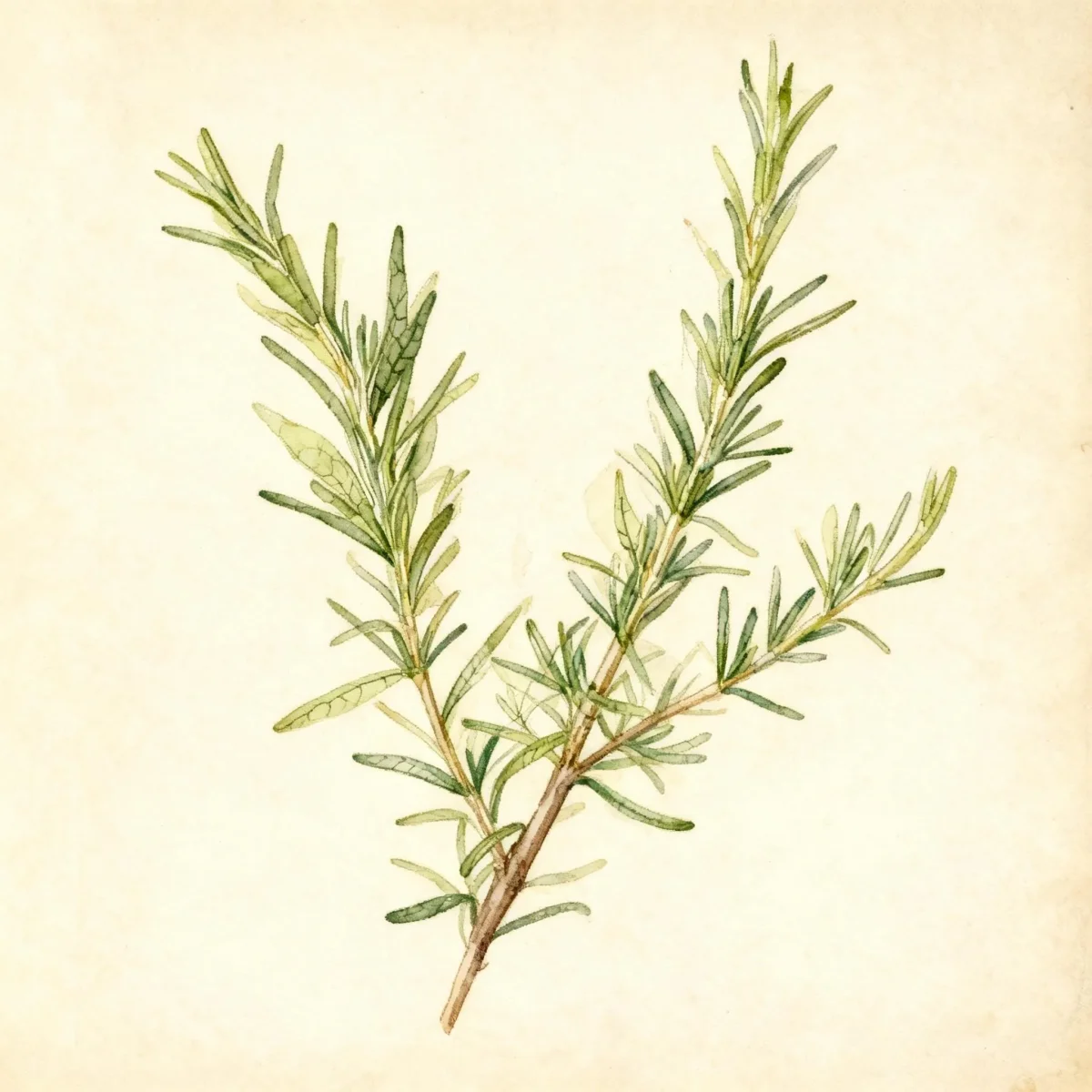
Since Rosemary does not always come true to seed and is best maintained true to its named cultivar, propagation is most effectively achieved through cuttings. Take semi-hardwood cuttings from actively growing stems, preferably after the main spring bloom period. Ensure cuttings include several sets of needle-like leaves and dip the base in rooting hormone before placing them in a sterile, moist medium. Maintaining high humidity aids in successful rooting for Salvia rosmarinus ‘Salem’.
Companion Planting
Rosemary thrives alongside many other Mediterranean herbs that share its love for dry, well-drained conditions and full sun. Consider planting it near drought-tolerant companions such as Thyme, Lavender, or Oregano in your herb garden, as they share similar water and soil requirements. Avoid planting Rosemary next to moisture-loving plants, as this creates conflicting watering needs that can lead to root rot in the Rosemary.