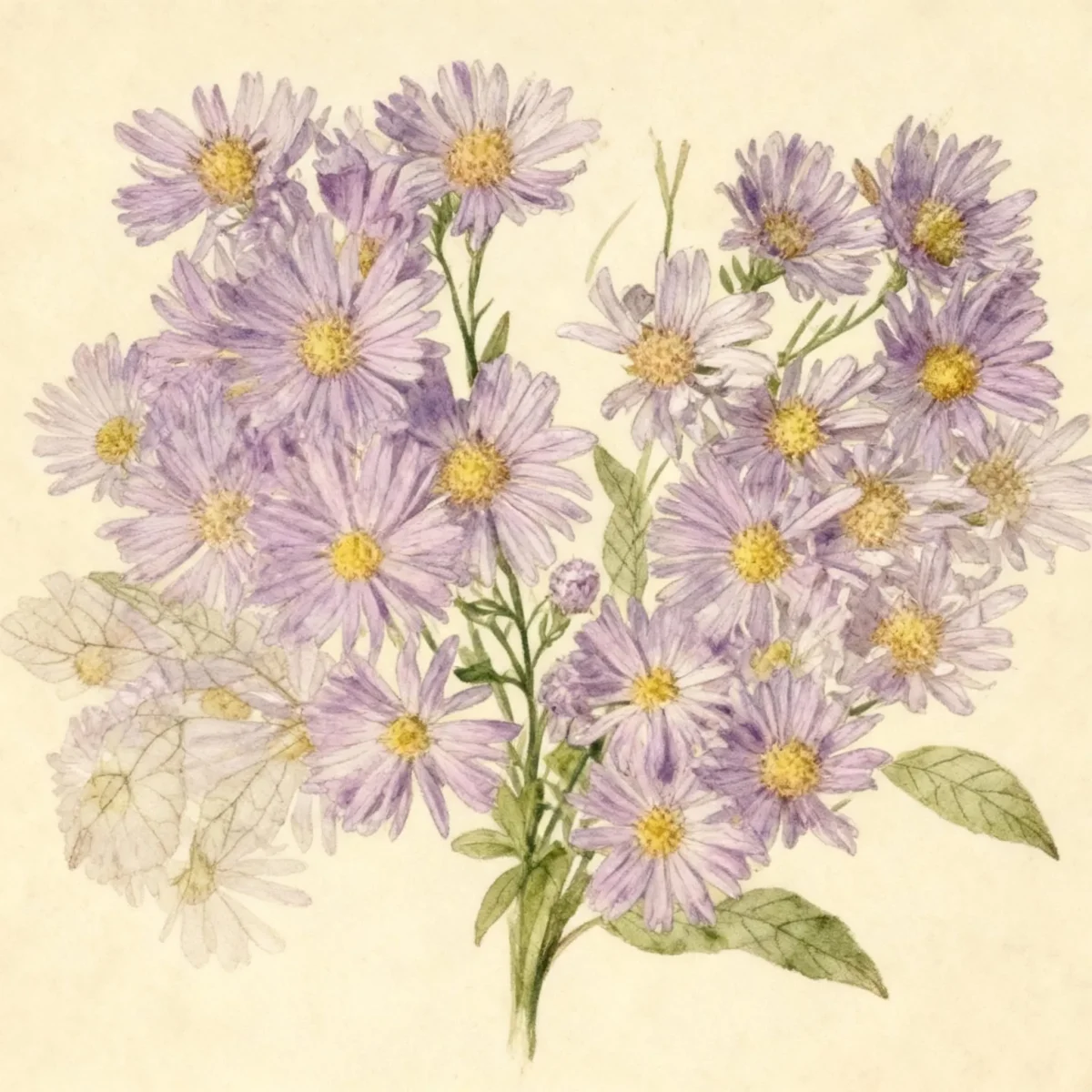
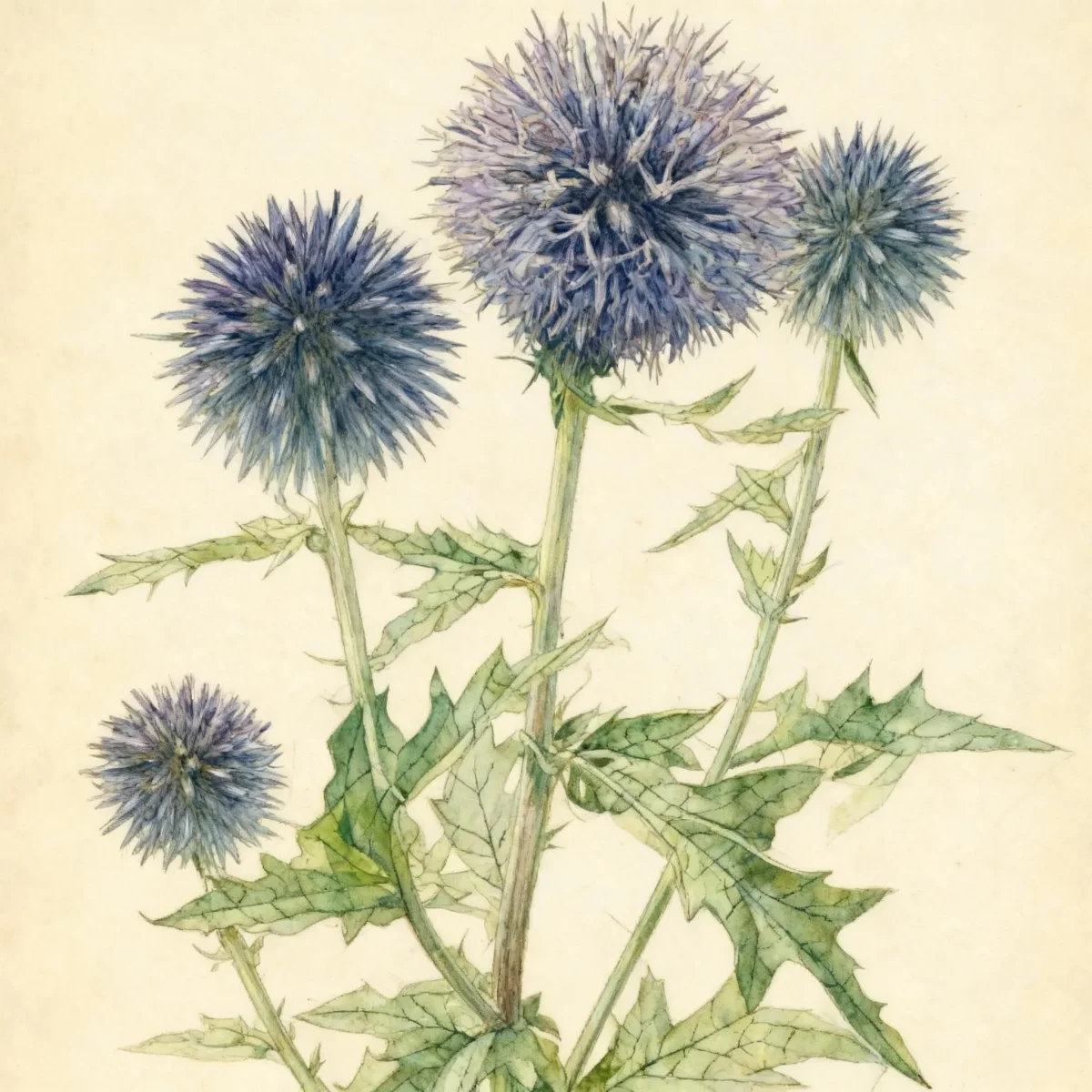
Michaelmas daisy (Symphyotrichum ''Wood''s Blue'')
Symphyotrichum 'Wood's Blue' is a compact Michaelmas daisy offering showy blue-purple late-season color. Low maintenance herbac...
Scroll down to discover growing tips, care requirements, companion plants, and more

Complete Plant Information
Overview
Symphyotrichum ‘Wood’s Blue’ provides essential late-season color, serving as a cornerstone plant for autumn landscapes. This floriferous selection of the popular Michaelmas daisy develops stunning blue-purple flowers, making it an indispensable choice for gardeners looking to extend visual interest beyond mid-summer. Its compact nature allows it to fit seamlessly into smaller gardens or crowded borders.
As an herbaceous perennial native mostly to North America, Symphyotrichum ‘Wood’s Blue’ is highly valued both for its aesthetic qualities and its ecological role. The blooms are critical late-season nectar sources for butterflies and other insect pollinators. Growing this variety ensures your garden remains vibrant into October when many other perennials have faded.
Cultivating Symphyotrichum ‘Wood’s Blue’ is straightforward, requiring full sun and medium water conditions. With low maintenance needs, this plant rewards attentive care with sturdy stems and profuse flowering. It is an excellent choice for mixed borders or native plant enthusiasts seeking reliable, late-blooming structure.
Fast Facts
- Plant Family: Asteraceae
- Plant Type: Herbaceous perennial
- Hardiness Zones: USDA Zones 4-8
- Size at Maturity:
- Height: 0.75-1.25 ft
- Spread: 1-1.5 ft
- Bloom Time: September to October
- Bloom Description: Blue-purple with yellow central disks
- Sun Exposure: Full sun
- Water Needs: Medium
- Maintenance Level: Low
How to Grow
The best conditions for Symphyotrichum ‘Wood’s Blue’ involve planting in a location receiving full sun throughout the day. This plant thrives best when grown in soil that retains consistent moisture but remains well-draining, preferring areas described as evenly moist to wet. Proper drainage is crucial to prevent root issues, despite its preference for moisture.
Watering should be consistent, especially during dry periods, aligning with its medium water requirement. Fertilization is generally unnecessary if the soil is reasonably fertile. The most important cultural practice for achieving a spectacular floral display from this Michaelmas daisy is summer pinching.
To promote a bushier habit and prevent flopping, pinch the stems back one or two times before mid-summer arrives. Avoid hard pruning after mid-summer; this pruning encourages dense new growth that will not have time to harden off before fall frosts. This simple step ensures the sturdy stems support the heavy bloom load of Symphyotrichum ‘Wood’s Blue’.
Landscape Uses
Symphyotrichum ‘Wood’s Blue’ excels in mixed borders, providing necessary texture and late-season color contrast against golds and reds. Its manageable height (up to 1.25 feet) makes it ideal for the middle layer of a perennial border, preventing taller composites from overshadowing shorter inhabitants. Its deep blue-purple flowers harmonize well with late-blooming grasses or sedums.
This perennial is also a fantastic addition to native gardens, supporting local ecology while offering reliable structure. Because it handles a range of moisture conditions, it integrates well into rain gardens or areas where soil moisture varies slightly throughout the season. Consider planting drifts of this Michaelmas daisy for maximum visual impact.
Furthermore, Symphyotrichum ‘Wood’s Blue’ performs surprisingly well in containers. Ensure the container offers excellent drainage and keep the soil consistently moist. Grouped pots make excellent temporary fall color displays near entryways, providing a final burst of color before winter dormancy.
Flower Qualities
- Showy
- Good Cut
Noteworthy Characteristics
Symphyotrichum is a genus of around 90 species of herbaceous perennials and annuals native mostly to North America, with some species also found in the West Indies, Central and South America, and Asia. This group of plants belongs to the aster family and was originally included in the genus Aster before being separated into their own distinct genus. The common name michaelmas daisy refers to the feast of St. Michael, which falls on September 29 when many Symphyotrichum species are in bloom. ‘Wood’s Blue’ is a compact, floriferous selection of michaelmas daisy that features a showy display of blue-purple flowers atop sturdy stems. The blooms are attractive to butterflies and other insect pollinators and are a crucial late-season nectar and pollen source.
Tolerances
- Rabbit
- Deer
Potential Problems
This variety generally exhibits low susceptibility to common garden issues. The primary concerns for aster-family plants are fungal diseases like powdery mildew and rust. However, gardeners should note that ‘Wood’s Blue’ is specifically noted for offering improved rust resistance compared to the original species.
To minimize the risk of powdery mildew, ensure adequate air circulation around the plants by spacing them properly and avoiding overhead watering late in the afternoon. Pinching early in the season, as recommended for shaping, also assists in creating a more open habit, allowing foliage to dry quickly. Deer and rabbits typically find this plant unpalatable, offering inherent protection against browsing pests.
Frequently Asked Questions
What hardiness zones is Michaelmas daisy suitable for?
Symphyotrichum ‘Wood’s Blue’ is well-suited for garden environments ranging from USDA Zones 4 through Zone 8, offering reliable perennial performance across these regions.
How large does Michaelmas daisy grow?
When mature, this specific selection typically reaches a height between 0.75 and 1.25 feet, spreading out to occupy an area between 1 and 1.5 feet wide.
When does Michaelmas daisy bloom?
This plant delivers its peak performance in the late season, blooming reliably from September straight through October, showcasing blue-purple flowers with bright yellow central disks.
What sun exposure does Symphyotrichum ‘Wood’s Blue’ need?
For the most vigorous growth and best flower production, gardeners must site Symphyotrichum ‘Wood’s Blue’ where it will receive full sun exposure daily.
Conclusion
Symphyotrichum ‘Wood’s Blue’ stands out as a low-maintenance champion, providing vital late-summer and fall color with its striking blue-purple blooms. Its relative disease resistance and pest tolerance make this Michaelmas daisy a dependable addition to any sunny spot. Check your local hardiness zone compatibility and plan your mid-spring pinching now to ensure a spectacular autumn display from your Symphyotrichum ‘Wood’s Blue’.
Companion Planting
When planning the composition surrounding your Michaelmas daisy, select plants that share a similar preference for consistent moisture and full sun. Companion planting with ornamental grasses, such as switchgrass or little bluestem, provides contrasting texture and vertical interest as the season progresses. Look for companions that bloom earlier in the season, like coneflowers or black-eyed Susans, allowing the Symphyotrichum ‘Wood’s Blue’ to take over the mid-to-late season show.
These companions should also mature at a height that complements the 1 to 1.5-foot spread of the aster. Placing shorter, silvery foliage plants—like certain varieties of Artemisia or shorter Sedums—near the front edge of the border can effectively showcase the vibrant blue tones of the fall-blooming perennial.
Wildlife Benefits
The late bloom time of Symphyotrichum ‘Wood’s Blue’ confers significant ecological value on the garden ecosystem. As many summer flowers fade, this Michaelmas daisy offers a crucial, reliable nectar source when migratory insects, such as Monarch butterflies, are passing through or preparing for winter. Gardeners focused on pollinator support should ensure several clumps are present.
In addition to nectar for butterflies, the central yellow disks provide accessible pollen for late-season bee activity. After the flowers fade, the seeds remain available, offering food for small seed-eating birds throughout the early winter months. Planting this native selection directly supports local biodiversity.