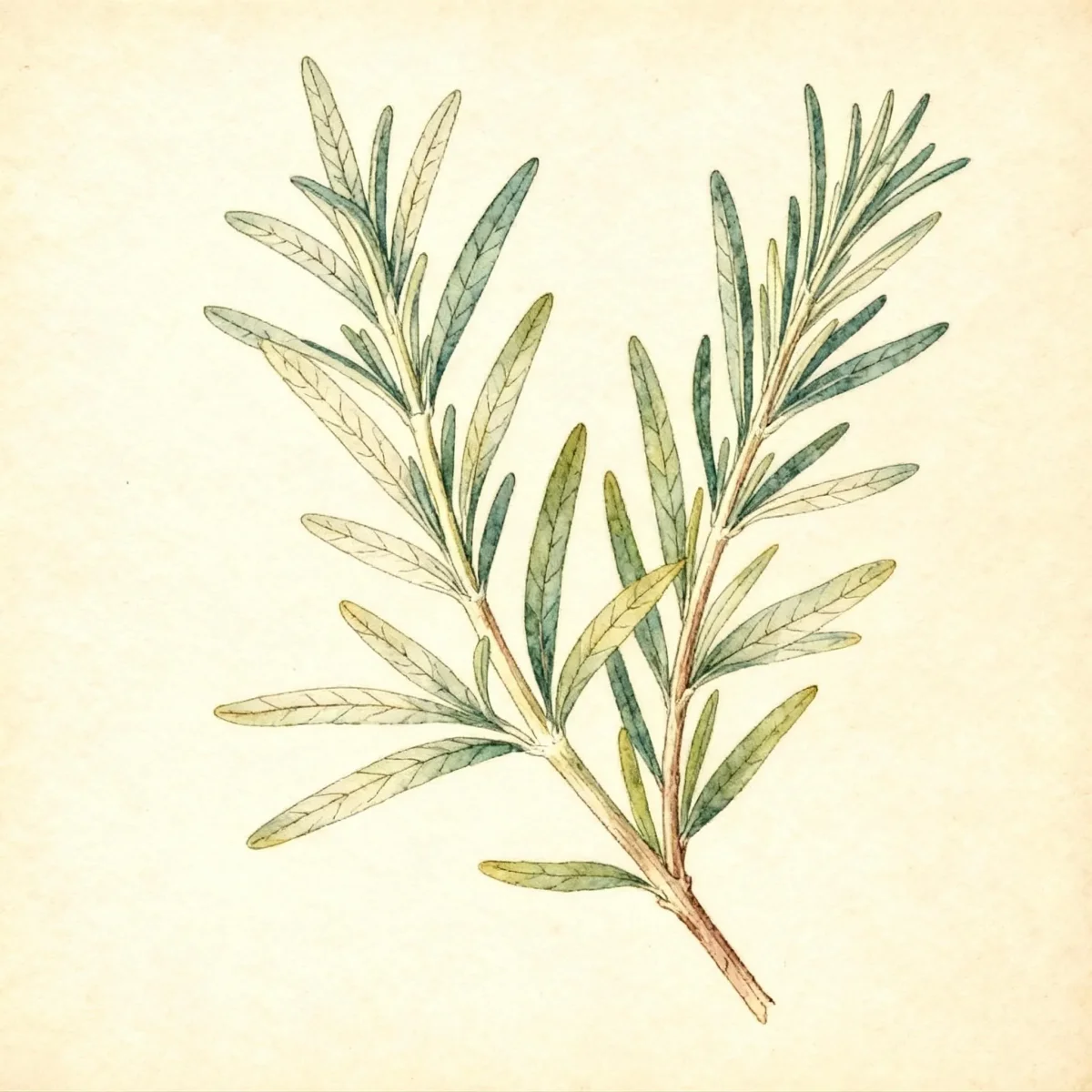
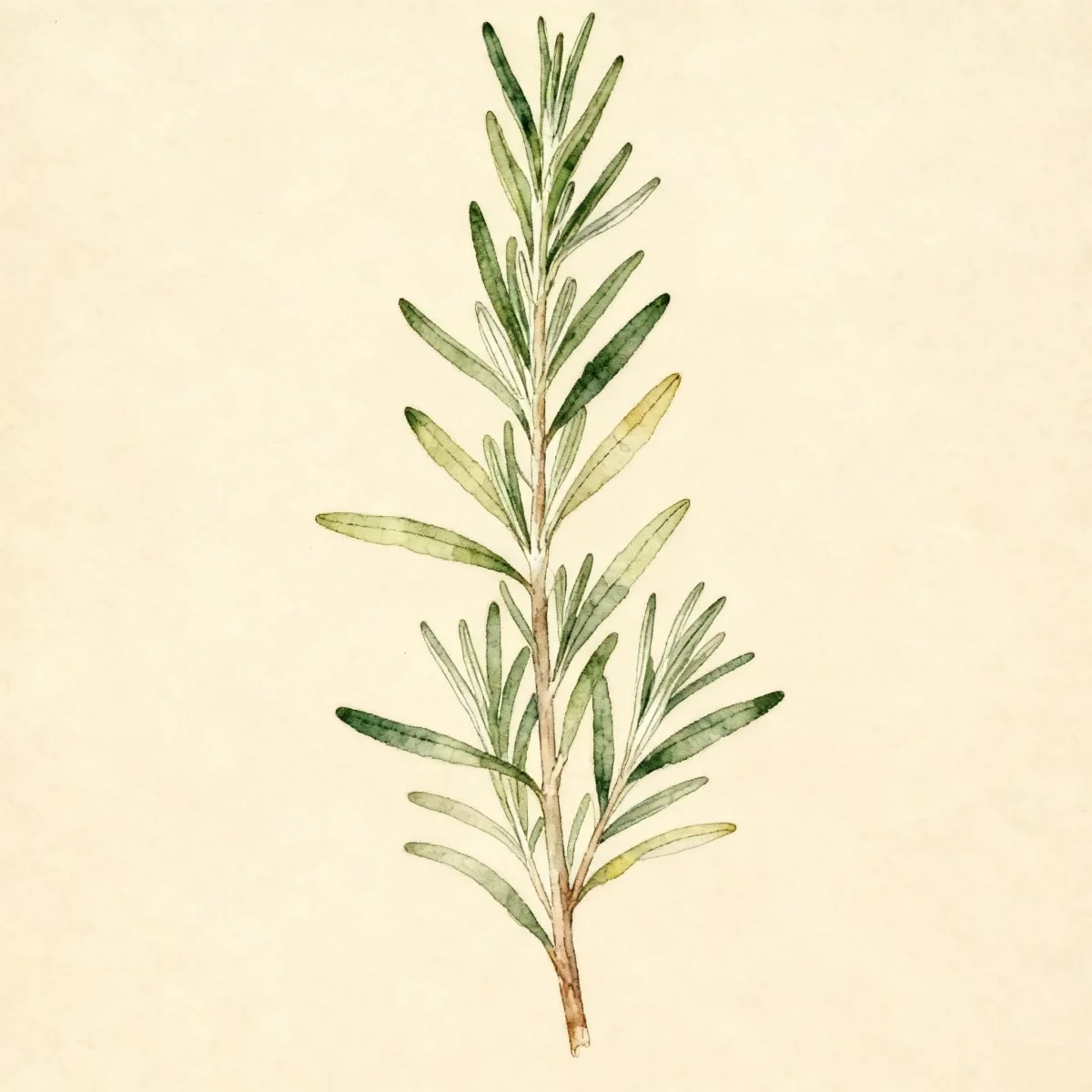
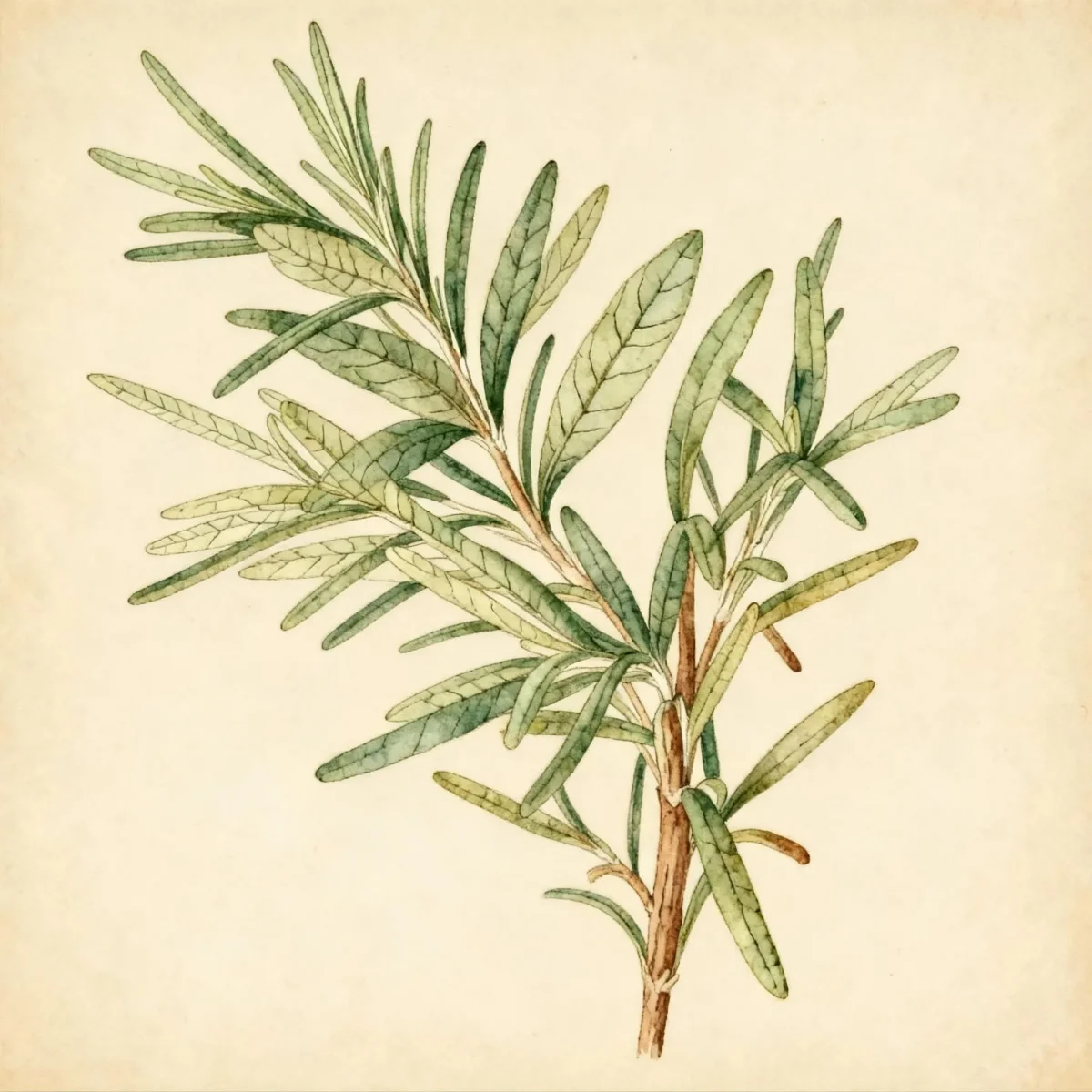
Rosemary (Salvia rosmarinus 'Gorizia')
Salvia rosmarinus 'Gorizia' (Rosemary) is an upright evergreen shrub with highly aromatic foliage, thriving in full sun zones 8-10.
Scroll down to discover growing tips, care requirements, companion plants, and more
Complete Plant Information
Overview
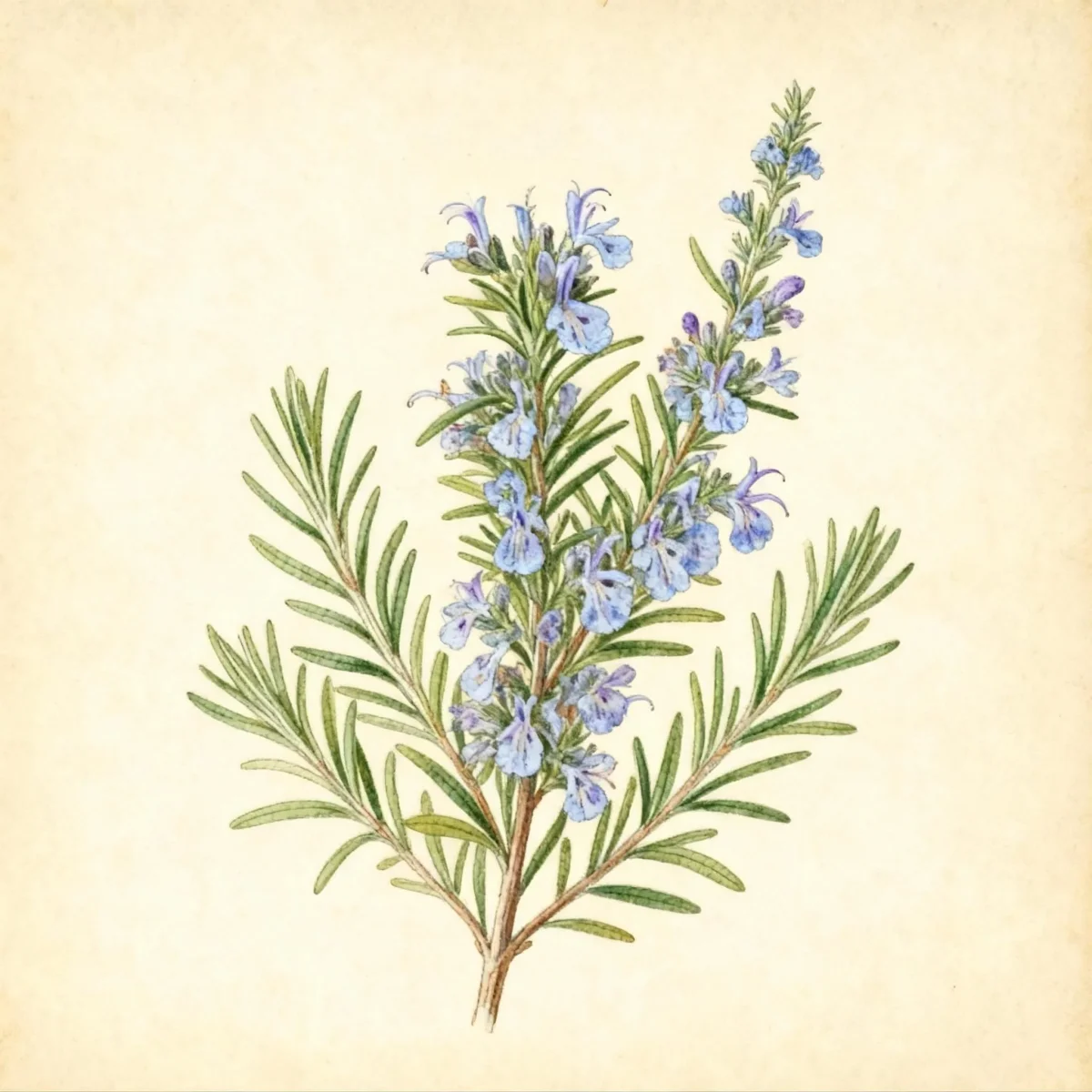
Salvia rosmarinus ‘Gorizia’, commonly known as Rosemary, is valued not only for its intensely fragrant, needle-like foliage but also as a robust, upright, broadleaf evergreen shrub in suitable climates. This specific cultivar, ‘Gorizia’, is notable for having leaves that are twice the size of other rosemary types, possessing a mild, slightly gingery flavor perfect for culinary use. While native to the dry scrubs of the Mediterranean, this Rosemary variety adapts well to cultivation where winter hardy.
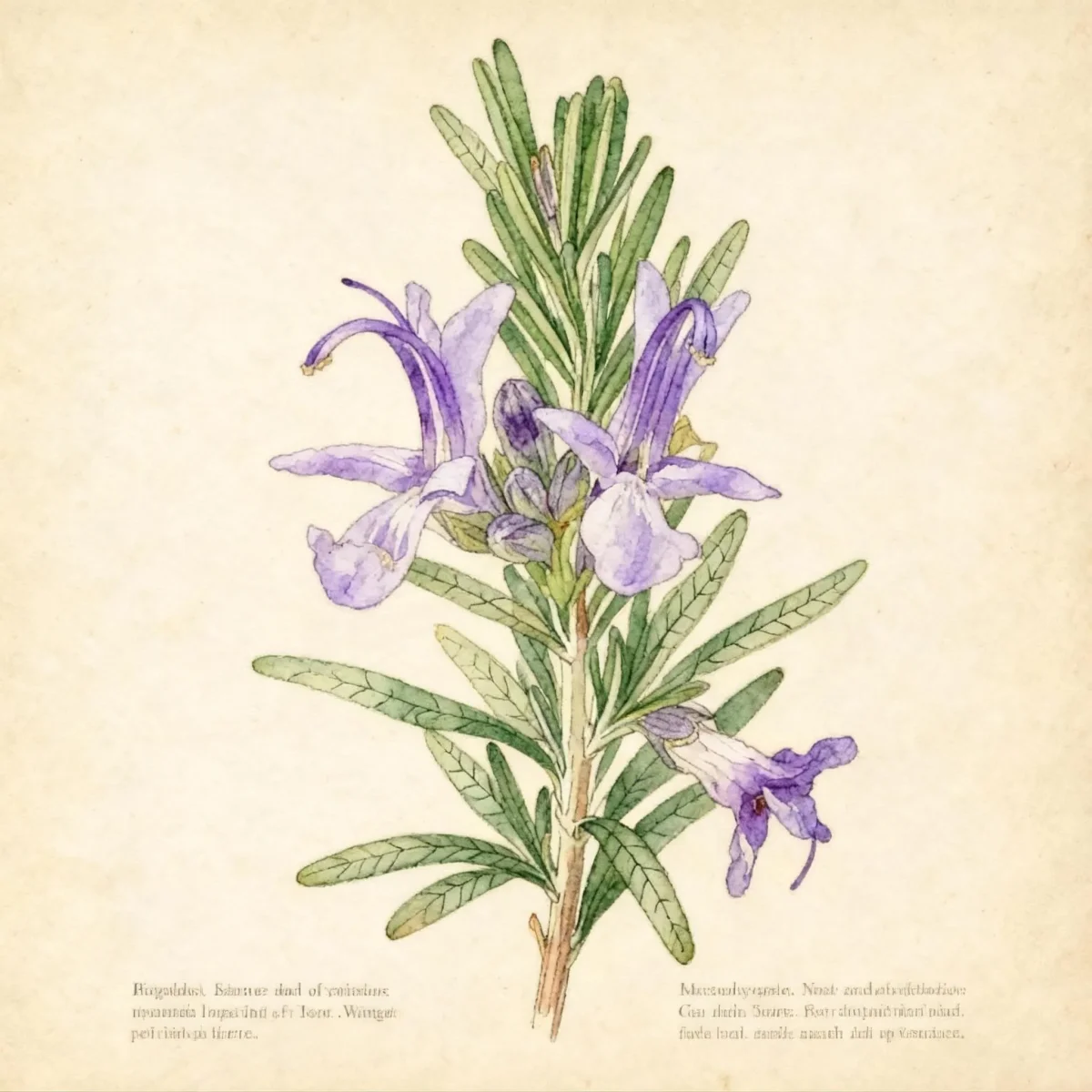
This evergreen shrub typically develops into a rounded form, reaching heights between 3 and 5 feet, making it excellent for specimen planting or low hedges in warm regions. The aromatic quality of the foliage is the main draw, making Salvia rosmarinus ‘Gorizia’ a staple in herb gardens, borders, and container plantings. Beyond the fragrance, it produces light blue flowers in the summer months, adding subtle ornamental appeal.
Gardeners appreciate this Rosemary for its reliability when cultural needs—namely full sun and excellent drainage—are met. It offers year-round texture and aroma to the landscape in USDA Zones 8 through 10. For gardeners outside these zones, it transitions beautifully into a high-value container plant that provides fresh herbs indoors during the winter months.
Fast Facts
- Plant Family: Lamiaceae
- Plant Type: Broadleaf evergreen
- Hardiness Zones: USDA Zones 8-10
- Size at Maturity:
- Height: 3-5 ft
- Spread: 3-5 ft
- Bloom Time: June to July
- Bloom Description: Light blue
- Sun Exposure: Full sun
- Water Needs: Dry to medium
- Maintenance Level: Medium
How to Grow
The key to successfully growing Salvia rosmarinus ‘Gorizia’ outdoors is providing full sun and ensuring impeccable soil drainage. Plant in light, slightly acidic soil that is dry to medium in moisture preference, ideally during spring after the danger of frost has passed. This plant performs poorly in heavy clay soils, and exposure to wet, poorly-drained conditions during winter is often fatal. Although it tolerates light shade, achieving the best growth and flavor requires soaking up a minimum of six hours of direct sun daily.
Watering practices must favor dryness; allow the soil to dry out on the surface before watering again, but avoid letting the entire root ball become parched. Overwatering is a common pitfall leading directly to root rot, so drought tolerance is a useful trait once established. Fertilization is generally not required if planted in moderately fertile soil.
Pruning is best done after the main bloom period to maintain a dense, attractive shape. Salvia rosmarinus ‘Gorizia’ is best propagated using cuttings, which secures the desirable characteristics of the cultivar. When overwintering in colder climates (below Zone 8), use clay pots and bring containers indoors before the first hard frost, ensuring they receive bright light and good air circulation to prevent common issues like powdery mildew.
Landscape Uses
Rosemary, especially the large-leaved Salvia rosmarinus ‘Gorizia’, excels in functional yet beautiful landscape applications. Where winter hardy, feature this evergreen shrub prominently in herb gardens, rock gardens, or along sunny borders where its texture contrasts nicely with softer perennials. It serves well as an ornamental specimen or can be maintained as a short, fragrant hedge around foundations or defining paths.
For gardeners practicing container gardening, Rosemary is a premium choice for patios and decks. The long, thick stems of the ‘Gorizia’ cultivar even lend themselves well to being used as skewers for outdoor grilling, adding their aroma directly to food preparation. The intensely aromatic foliage is widely harvested for culinary uses—seasoning meats, breads, and vinegars—or incorporated into homemade sachets and toiletries.
This plant adds sensory interest throughout the year; the gray-green needles provide evergreen structure, while the summer bloom attracts essential pollinators like butterflies and bees. Pairing Rosemary with drought-tolerant Mediterranean herbs or sun-loving, well-drained annuals creates cohesive, low-water landscape designs.
Standout Features
Flower Qualities
- Showy
Noteworthy Characteristics
The Latin name Salvia rosmarinus references its purported curative properties, while the epithet rosmarinus means “dew of the sea,” reflecting its native habitat. The ‘Gorizia’ cultivar, introduced in 1986, is distinguished by its upright shape and leaves that are significantly larger than many other Rosemary types, offering a stronger, slightly gingery culinary profile. This sturdy evergreen provides excellent ornamental value alongside its highly prized aromatic uses.
Tolerances
- Deer
- Drought
Potential Problems
Rosemary generally suffers from fewer pest issues when grown outdoors, but indoor overwintering requires vigilance against common houseplant pests like aphids, mealybugs, whiteflies, and spider mites. The most significant danger for both indoor and outdoor Rosemary is fungal disease, particularly powdery mildew, which thrives when air circulation is poor, especially in humid indoor settings. Root rots pose a serious threat if the plant is overwatered or sits in soggy conditions, making well-drained soil non-negotiable. The ‘Gorizia’ cultivar is reputed to offer better resistance to mildew than some older types, but prevention is crucial.
Frequently Asked Questions
What hardiness zones is Rosemary suitable for?
Salvia rosmarinus ‘Gorizia’ is winter hardy in USDA Zones 8 through 10 when planted in the ground.
How large does Rosemary grow?
This cultivar typically matures to a height and spread range of 3 to 5 feet tall and 3 to 5 feet wide.
What sun exposure does Rosemary need?
For optimal growth and aromatic oil production, Rosemary requires full sun exposure.
When does Rosemary bloom?
This Rosemary variety typically flowers from June into July, producing light blue blossoms along the stems.
Conclusion
The Salvia rosmarinus ‘Gorizia’ offers exceptional value due to its large, aromatic foliage, making it both an ornamental specimen and a highly useful culinary herb. Whether utilized as a resilient, drought-tolerant shrub in Zones 8-10 or carefully containerized for winter protection, this Rosemary is a rewarding addition to any sunny, well-drained location. Be sure to check your local hardiness zone compatibility before establishing this essential Mediterranean favorite in your garden design.
Propagation Tips
Because Salvia rosmarinus ‘Gorizia’ is a distinct cultivar, propagating by seed is unreliable for maintaining its unique characteristics. The best and most common method for successful propagation is taking stem cuttings. Cuttings should be taken from softwood or semi-hardwood stems, preferably after the spring growth spurt has slightly matured.
Ensure the cuttings are four to six inches long, removing the lower leaves to prepare for planting. Dip the cut end in rooting hormone to encourage faster development, though Rosemary can often root without it. Plant these prepared cuttings directly into a sterile, well-draining medium, such as a mixture of perlite and potting soil, keeping them consistently moist but not wet until roots form.
Once rooted, treat these new plants as you would established Rosemary, focusing on high light and low water, especially before transplanting them into their permanent outdoor locations or appropriately sized pots for indoor overwintering.
Wildlife Benefits
The small, two-lipped flowers produced by Salvia rosmarinus ‘Gorizia’ during its bloom time in early summer are quite attractive to key garden pollinators. While primarily grown for its scent and culinary use, the pale blue blooms serve as a nectar source for various beneficial insects.
These flowers are specifically noted as being attractive to butterflies, bees, and other insect pollinators visiting the garden. Planting this Rosemary near vegetable patches or flower borders can increase the general activity level of beneficial insects, contributing to a healthier overall ecosystem.
While deer tend to avoid this aromatic plant due to its strong scent and texture, its value to native insect populations makes it a worthwhile addition for supporting local biodiversity.