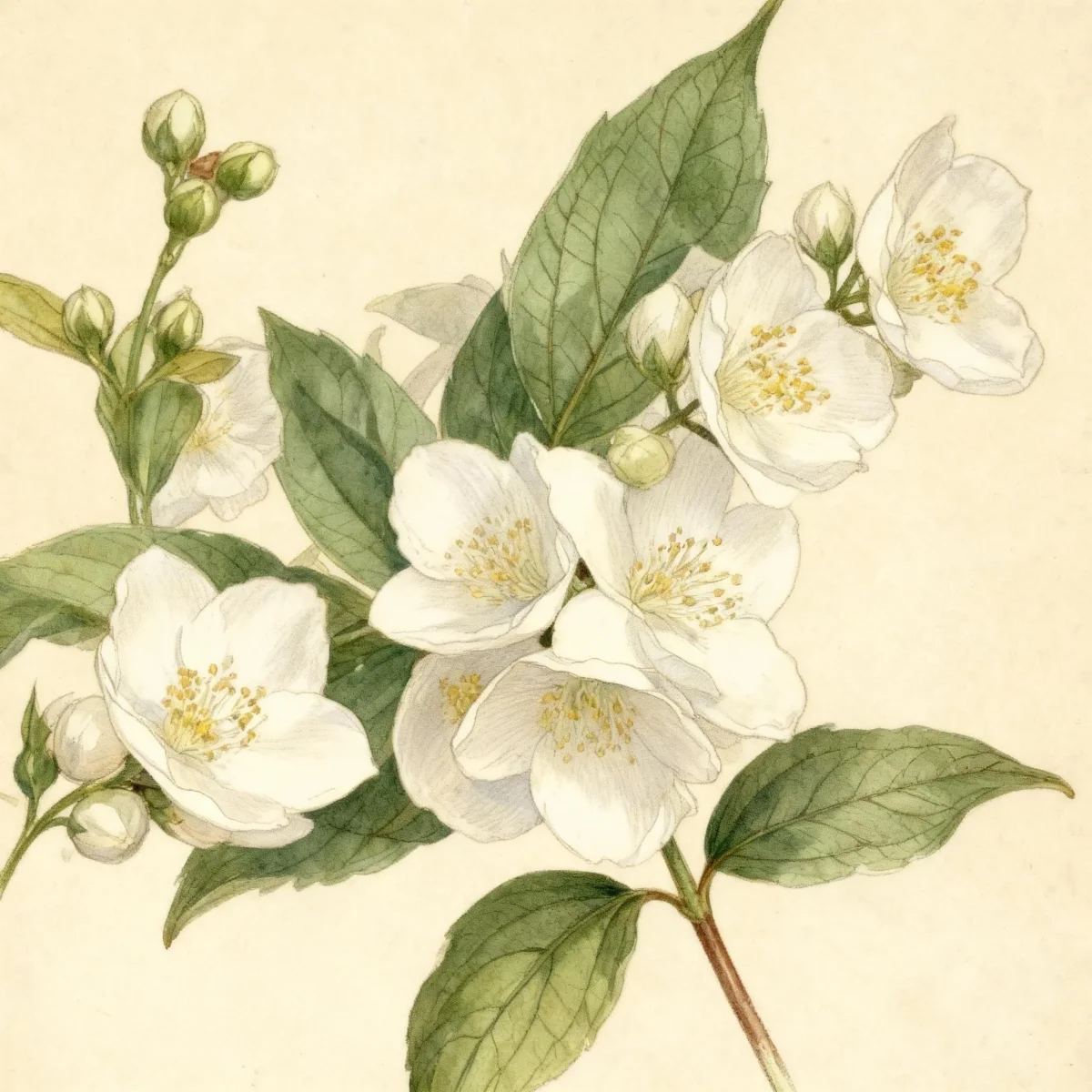
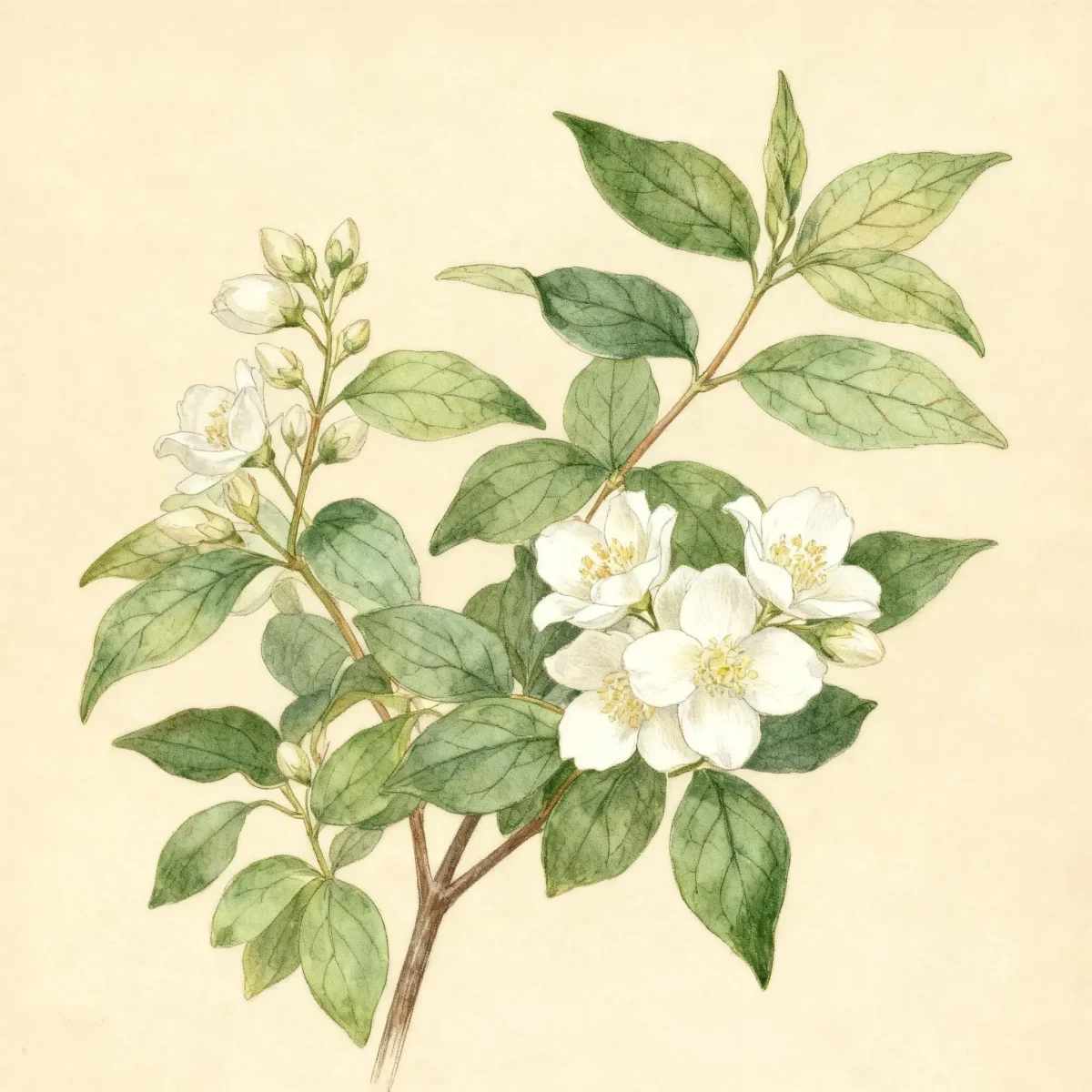
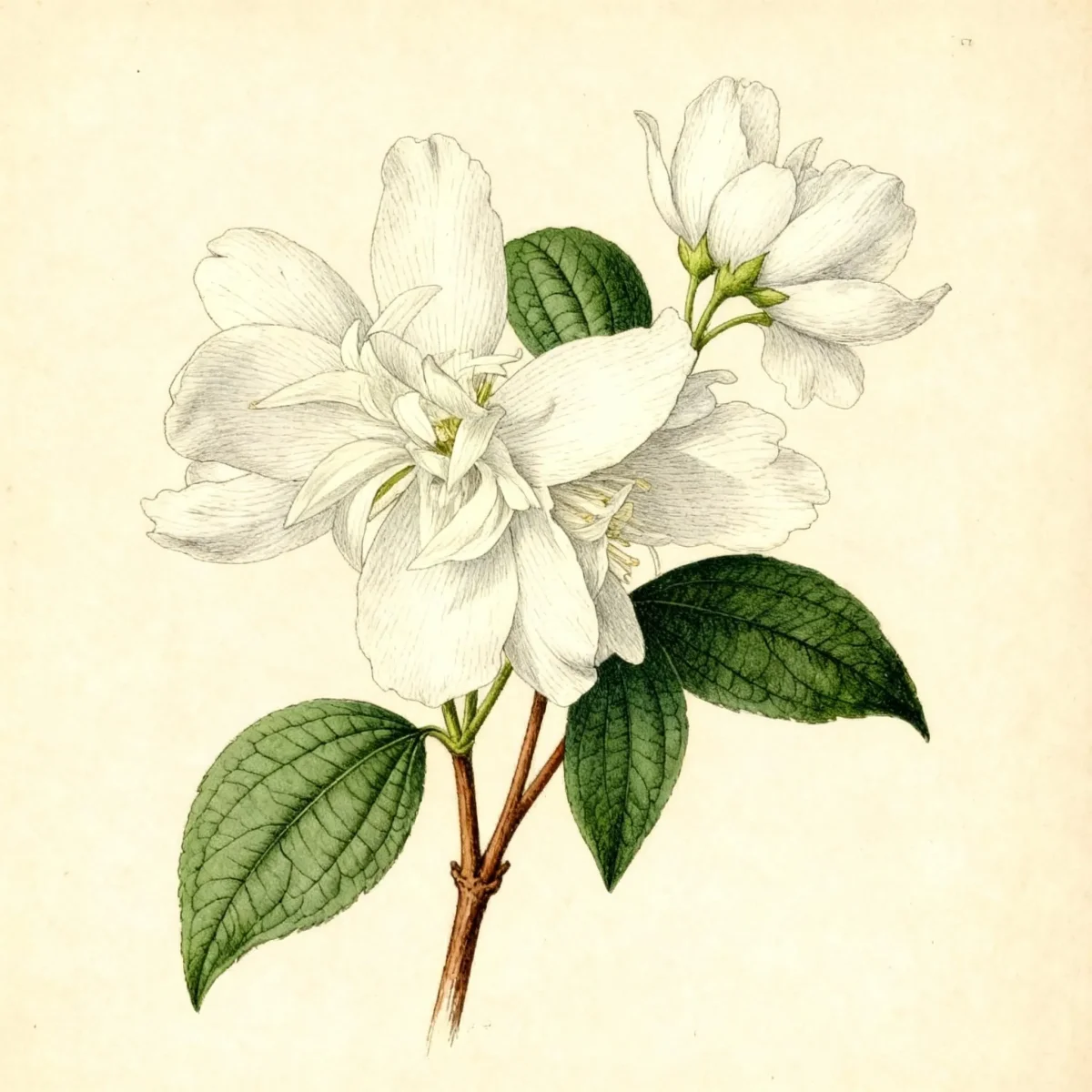
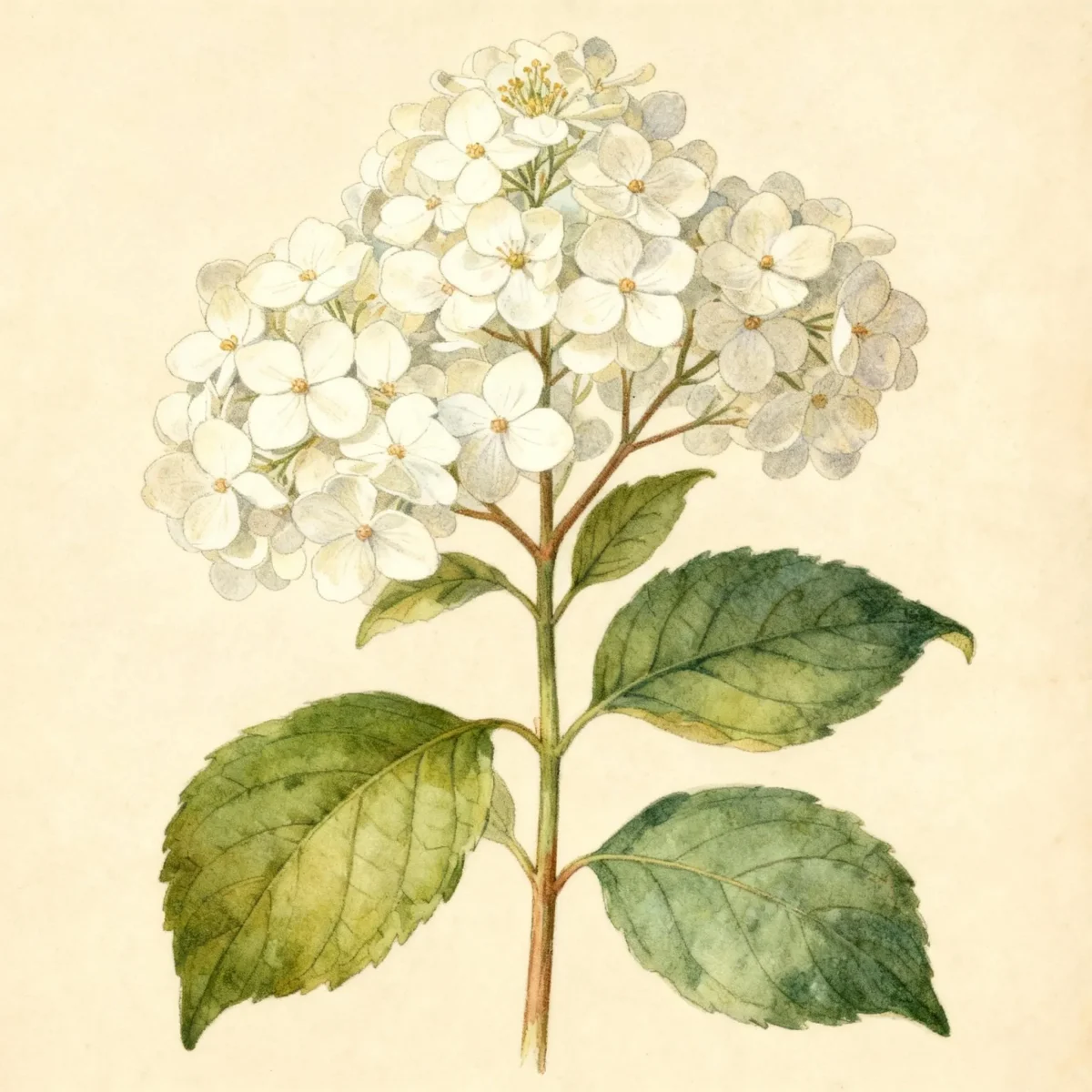
Panicle hydrangea (Hydrangea paniculata 'WIMS RED' FIRE AND ICE)
Discover Hydrangea paniculata 'WIMS RED' FIRE AND ICE, a low-maintenance Panicle hydrangea. Blooms white to deep red in USDA Zones 3-8.
Scroll down to discover growing tips, care requirements, companion plants, and more
Complete Plant Information
Overview
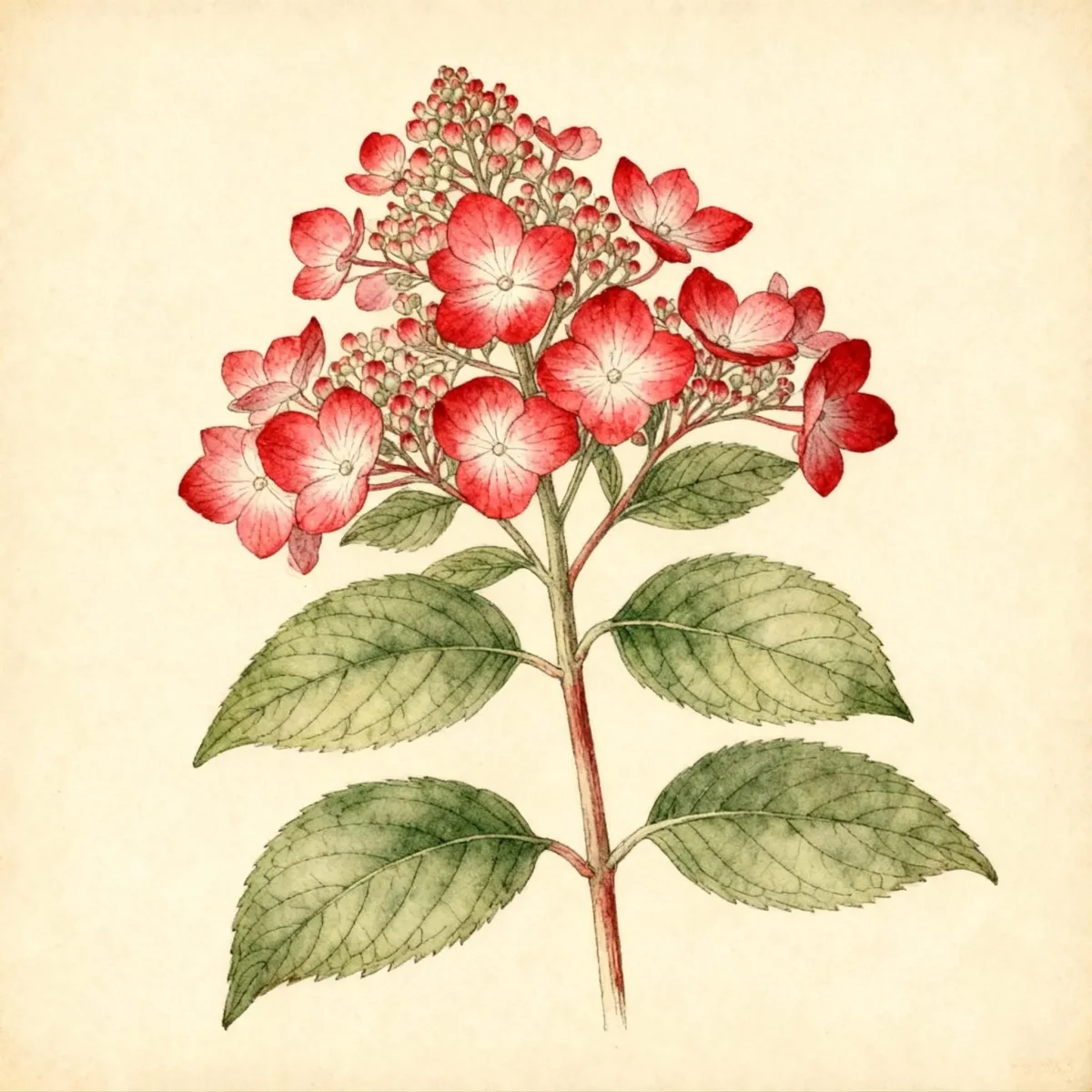
Hydrangea paniculata ‘WIMS RED’ FIRE AND ICE offers exceptional late-season color, making it a standout choice for gardeners seeking reliable performance. This cultivar of Panicle hydrangea is prized for its vigorous, upright habit and its stunning flower transformation from cool white to deep, fiery red as the season progresses into early fall. It is considered one of the most winter-hardy options available in the genus.
As a low-maintenance, deciduous shrub, Hydrangea paniculata ‘WIMS RED’ FIRE AND ICE provides structure and continuous visual interest where few other shrubs are flowering. Its sturdy stems reliably support the conical flower panicles, ensuring it maintains an attractive form whether grown as a substantial hedge or a feature specimen. This plant thrives even in challenging urban environments.
Gardeners appreciate the longevity of the blooms, which are excellent for fresh bouquets or for drying after the color deepens. The relatively compact size for a panicle type, reaching up to 6 feet, allows this Panicle hydrangea to fit well even in smaller landscapes or mixed perennial borders, delivering maximum impact with minimal fuss.
Fast Facts
- Plant Family: Hydrangeaceae
- Plant Type: Deciduous shrub
- Hardiness Zones: USDA Zones 3-8
- Size at Maturity:
- Height: 3-6 ft
- Spread: 3-4 ft
- Bloom Time: June to September
- Bloom Description: White maturing to pink and deep red
- Sun Exposure: Full sun to part shade
- Water Needs: Medium
- Maintenance Level: Low
How to Grow
For optimal establishment, plant Hydrangea paniculata ‘WIMS RED’ FIRE AND ICE in spring or fall when soil temperatures are moderate. This Panicle hydrangea prefers organically rich, well-drained soils and requires medium moisture levels. While it tolerates full sun, planting in a location that receives afternoon shade will help prevent leaf scorch during the hottest part of the summer.
Maintenance for this cultivar is generally low. Watering should be consistent, particularly during establishment and dry spells, as it prefers medium moisture. Fertilization is rarely required if grown in rich soil, but a balanced, slow-release fertilizer applied in early spring can support robust flowering.
Pruning is key to maximizing bloom size and shaping the shrub. Bloom occurs on current season’s growth, allowing gardeners flexibility; perform necessary pruning in late winter to early spring before new growth begins. To encourage larger flower panicles, thin the plant to 5-10 primary shoots annually. Note that the weight of the large flower clusters in full bloom often causes branches of Hydrangea paniculata ‘WIMS RED’ FIRE AND ICE to arch attractively.
Landscape Uses
Hydrangea paniculata ‘WIMS RED’ FIRE AND ICE excels in foundation plantings or as a structural element within a mixed shrub border, providing crucial late-season color. Its upright nature makes it effective when used in mass plantings to create a flowing hedge that transitions beautifully from white to deep red. These plants also function excellently as lawn specimens, drawing the eye with their conical blooms.
Consider pairing this Panicle hydrangea with late-blooming perennials like Sedum ‘Autumn Joy’ or ornamental grasses, which share similar sunlight and water needs, to create a cohesive late-summer/early-autumn scene. Because the plant is hardy and adaptable, it also performs well in open woodland gardens where it receives dappled light.
Standout Features
Flower Qualities
- Showy
- Good Cut
- Good Dried
Noteworthy Characteristics
Hydrangea paniculata, commonly called panicle hydrangea, is a vigorous, upright, rapid-growing, somewhat coarsely textured, deciduous shrub that is native to China and Japan. It typically grows to 8-15’ (less frequently to 25’) tall, and features oval to ovate dark green leaves and upright, sharply-pointed, conical, terminal flower panicles (to 6-8” long) containing both fertile and sterile flowers (mostly non-showy fertile flowers) that bloom from mid-summer into fall. The genus name Hydrangea comes from hydor meaning “water” and aggeion meaning “vessel”, in reference to the cup-like capsular fruit. The specific epithet paniculata refers to the arrangement of the flowers in panicles. ‘WIMS RED’ is a compact, upright, early blooming selection of panicle hydrangea that features loose, terminal panicles of small fertile florets and showy sterile florets. The broadly cone-shaped panicles can reach 5.5” long, 4.75” wide, and are held on sturdy stems. The sterile florets mature from white to pale pink in summer and finally to deep red in early fall. Excellent cut flower for fresh or dried arrangements. Mature plants can reach up to 6’ tall with a 4’ spread. Commonly sold at nurseries and garden centers under the name FIRE AND ICE. Plant patent number PP26005 applies to this cultivar.
Tolerances
- Air Pollution
Potential Problems
This shrub exhibits some susceptibility to common hydrangea issues, including bud blight, bacterial wilt, leaf spot, rust, and mildew. Regular scouting, especially during humid periods, is advised to catch fungal issues early; ensure adequate air circulation when planting to mitigate these risks.
Occasionally, sucking insects like aphids and spider mites may be observed feeding on the foliage or new growth. Minor infestations can often be managed using a strong spray of water. For persistent problems, look for horticultural oils or insecticidal soaps labeled for control on hydrangeas.
Frequently Asked Questions
What hardiness zones is Panicle hydrangea suitable for?
Hydrangea paniculata ‘WIMS RED’ FIRE AND ICE is suitable for planting in USDA Hardiness Zones 3 through 8, offering excellent winter survival capabilities.
How large does Hydrangea paniculata ‘WIMS RED’ FIRE AND ICE grow?
This cultivar typically matures to a height between 3 and 6 feet and spreads between 3 and 4 feet wide, maintaining a manageable, upright stature.
When does Panicle hydrangea bloom?
The flowers appear from June and continue through September, beginning white and progressively maturing to a deep red hue.
What sun exposure does Panicle hydrangea need?
It performs best when positioned in full sun or a location that provides partial afternoon shade.
Conclusion
The dependable blooming schedule, vibrant color shift, and reliable hardiness make Hydrangea paniculata ‘WIMS RED’ FIRE AND ICE a premier choice for gardeners. This resilient Panicle hydrangea delivers significant structural interest and beautiful cut flowers across multiple seasons. Before planting, confirm that your local climate falls within USDA Zones 3-8 to ensure the best long-term success for your Hydrangea paniculata ‘WIMS RED’ FIRE AND ICE.
Companion Planting with Hydrangea paniculata ‘WIMS RED’ FIRE AND ICE
Since this Panicle hydrangea prefers well-drained soil and medium water, pairing it with other sun-tolerant, medium-water shrubs and perennials creates a unified planting scheme. Consider using native grasses like Switchgrass (Panicum virgatum) varieties, which offer contrasting texture and strong fall color synergy with the turning foliage of the hydrangea. Similarly, Russian Sage (Perovskia atriplicifolia) provides vertical, silvery accents that bloom concurrently, requiring similar sun exposure.
Avoid placing the Hydrangea paniculata ‘WIMS RED’ FIRE AND ICE directly beside moisture-loving plants like bog ferns or traditional Hydrangea macrophylla, as their water requirements diverge, potentially leading to stress for one or the other during dry periods. Focus on companion plants that thrive in full sun to part shade conditions.
Seasonal Care Calendar for FIRE AND ICE
Late Winter through Early Spring is the target time for structural work on your Hydrangea paniculata ‘WIMS RED’ FIRE AND ICE. This is when you should perform hard pruning to shape the shrub and encourage larger blooms by selecting 5-10 strong, primary shoots to retain for the season’s growth. If heavy bloom size is desired, aggressive thinning here yields the best results.
Mid-Summer checks should focus on moisture and pests. While established plants are reasonably drought-tolerant, ensure consistent medium watering during intense heat waves. Inspect the foliage for any signs of mild yellowing or leaf spot, treating promptly if necessary, to keep the dark green leaves healthy throughout the peak growing season.
In Autumn, enjoy the full development of the deep red coloration in the flower panicles. The spent blooms are often attractive and can be left standing through the winter for texture, or they can be carefully harvested for drying once they achieve peak color, supporting their status as an excellent cut flower.