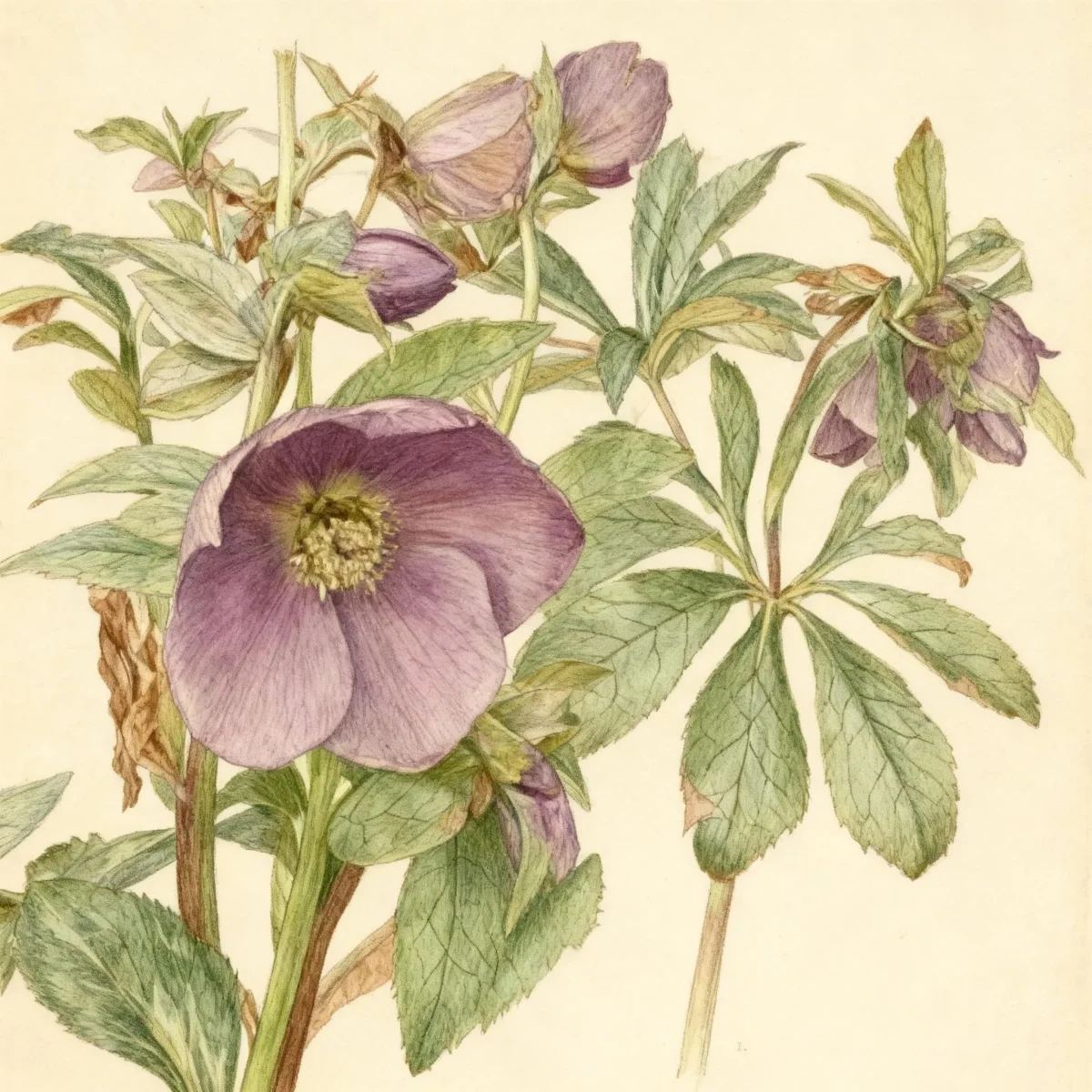
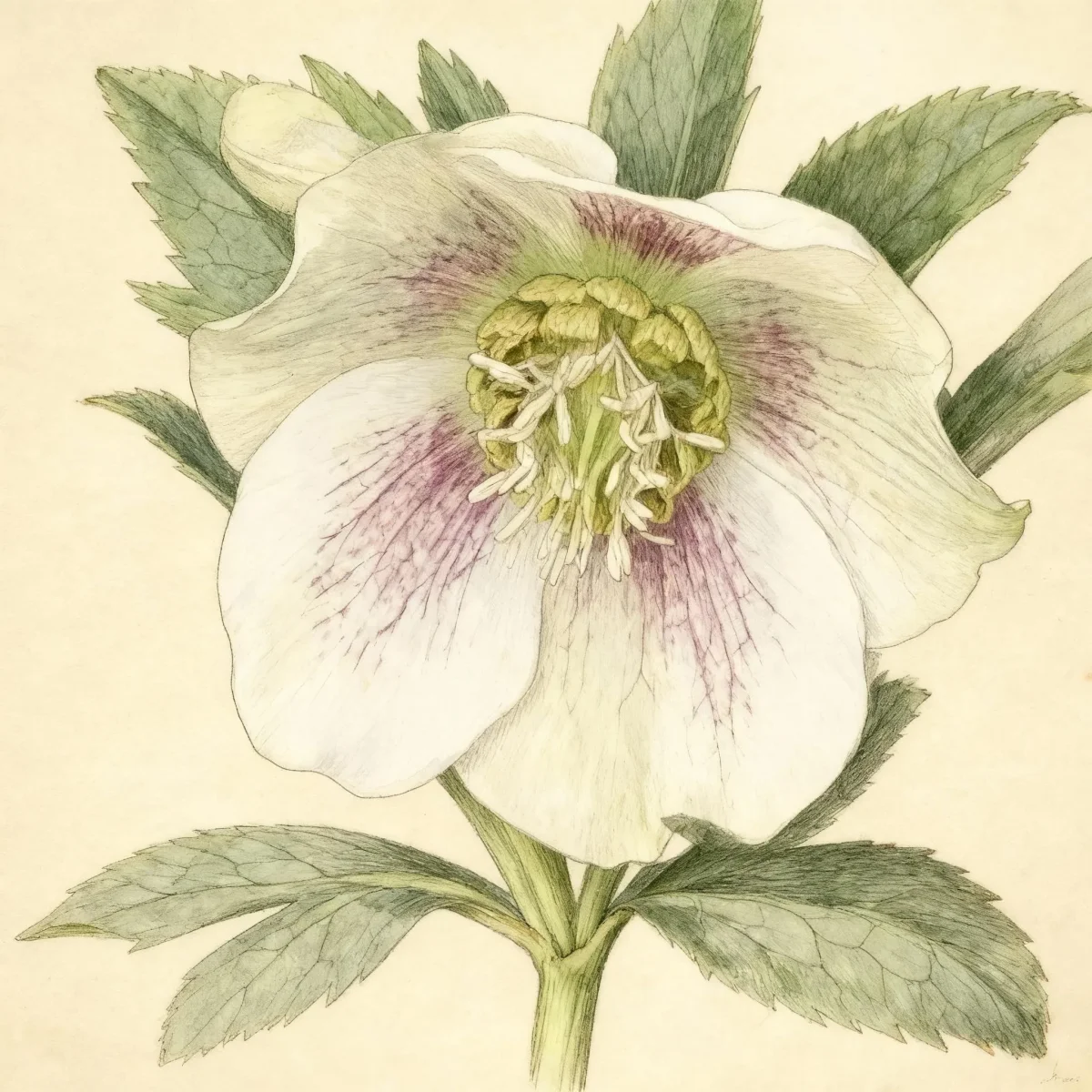
Hellebore (Helleborus HONEYMOON ROME IN RED)
Helleborus HONEYMOON ROME IN RED is a low-maintenance Hellebore, offering deep maroon-red blooms from March to April in shady spots.
Scroll down to discover growing tips, care requirements, companion plants, and more
Complete Plant Information
Overview
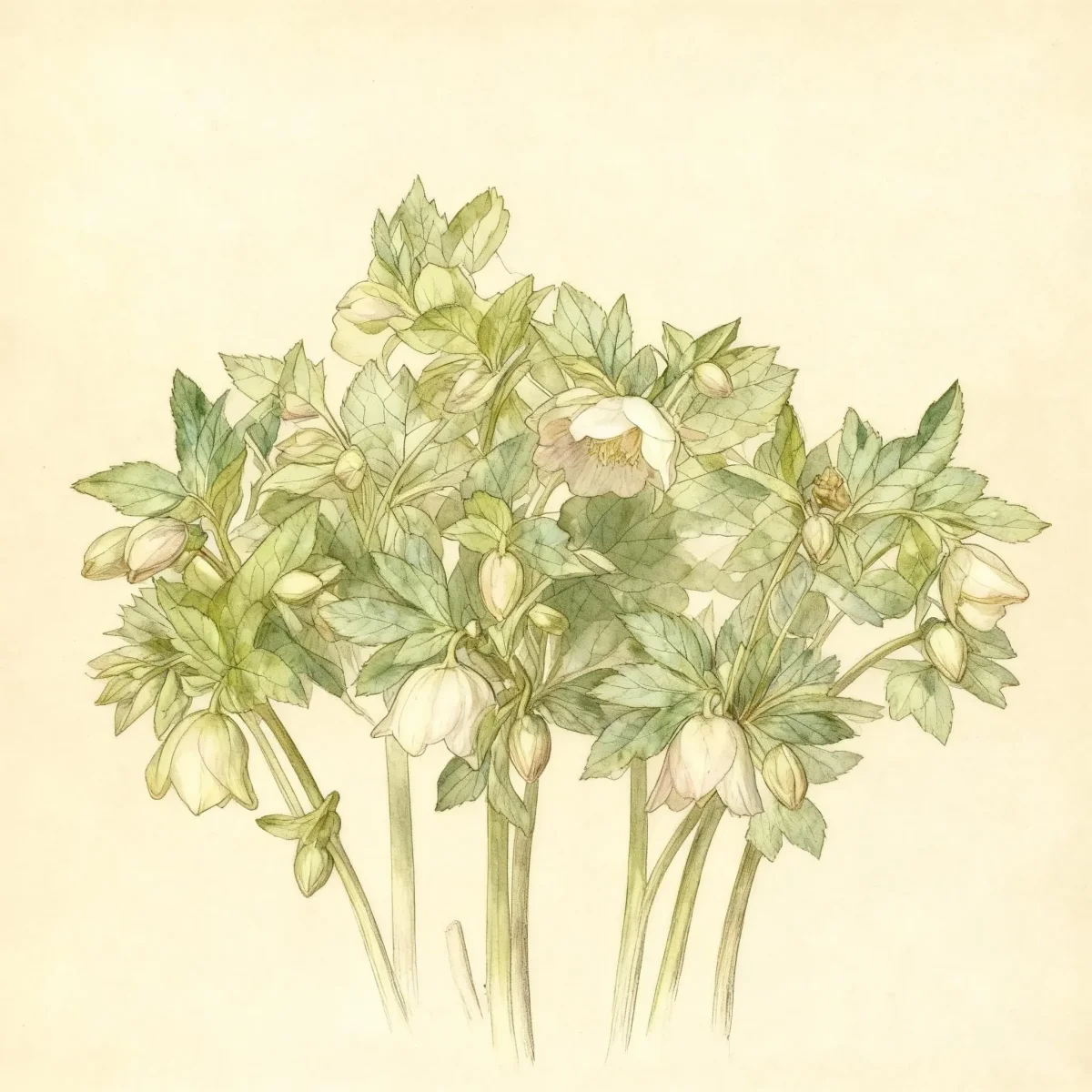
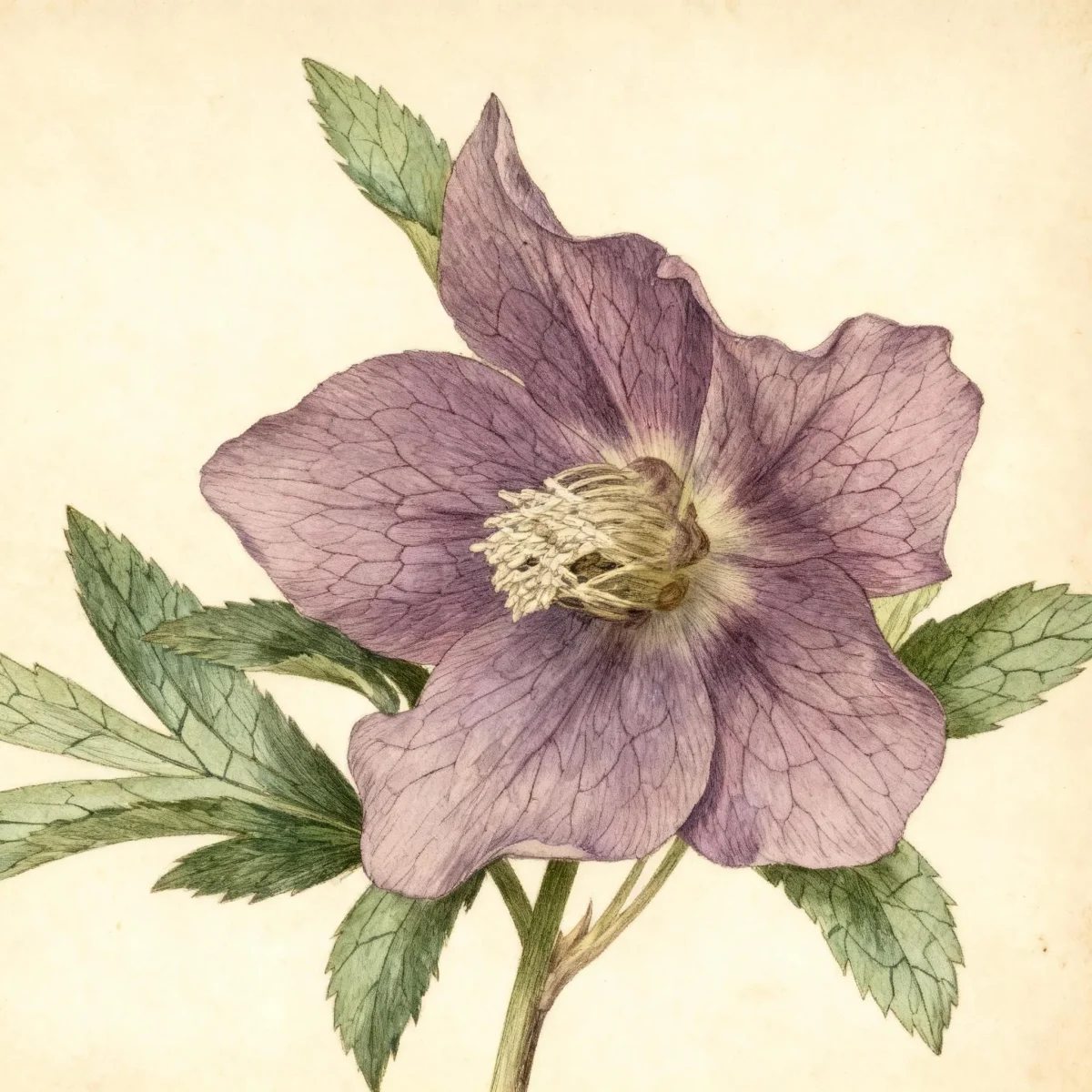
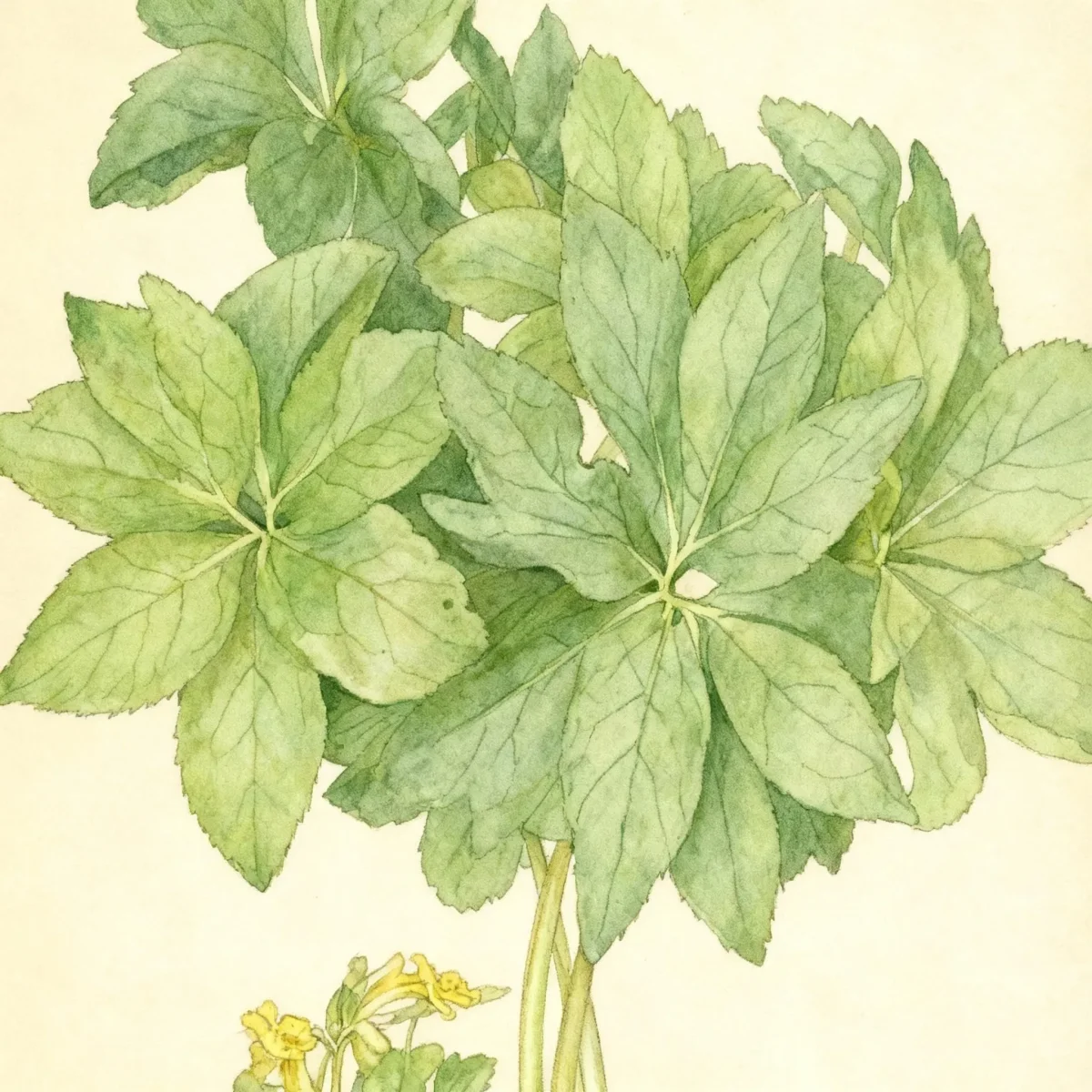
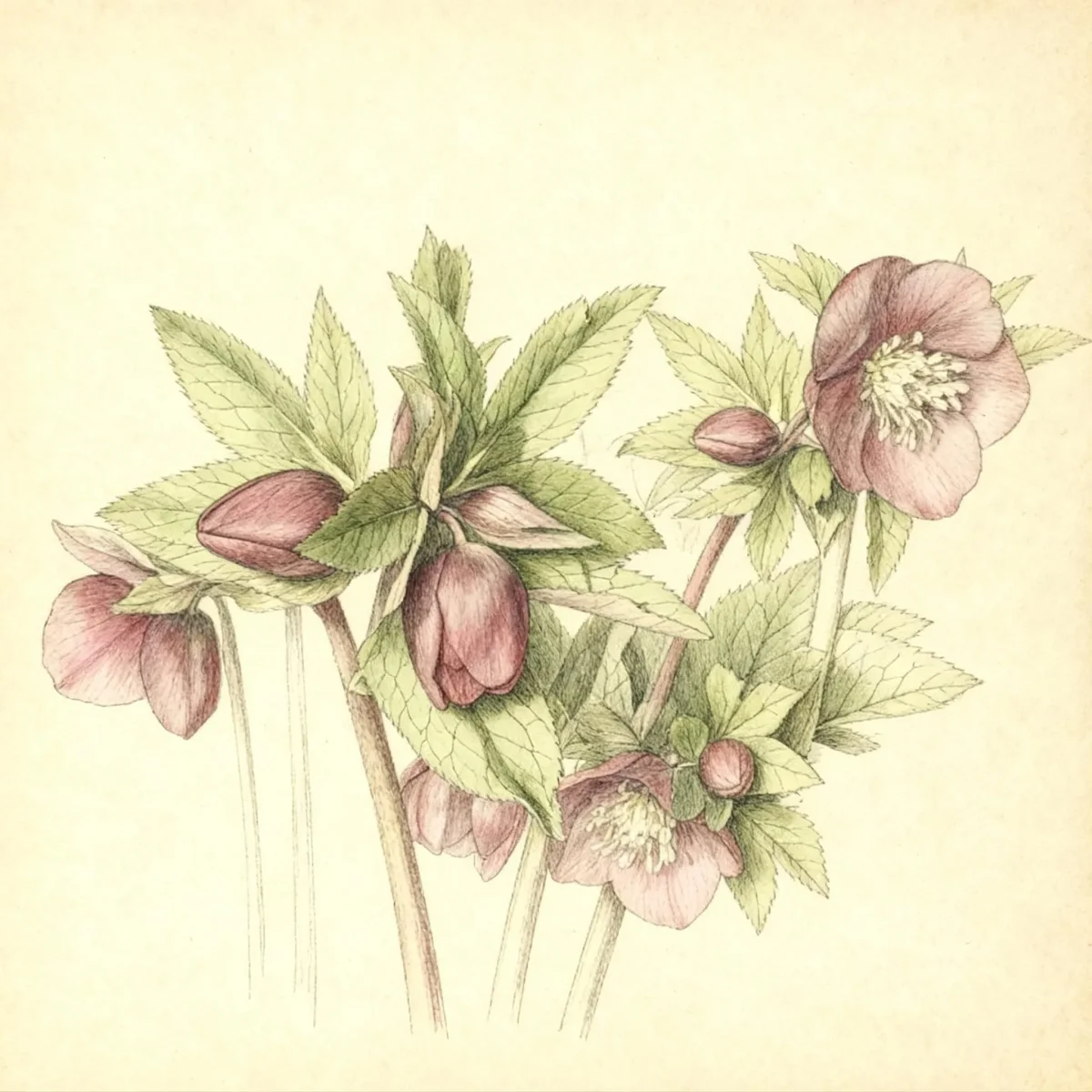
The Helleborus HONEYMOON ROME IN RED is a distinguished herbaceous perennial, highly valued for its exceptionally early bloom time, providing color when little else stirs. This variety of Hellebore boasts rich, single, deep maroon-red flowers, announcing the impending spring season typically between March and April. Its evergreen, dark green foliage offers excellent texture and structure throughout the entire year, making it a reliable anchor in the garden.
This specific hybrid Hellebore is celebrated for being vigorous yet beautifully understated, maturing to about two feet tall and wide. Gardeners appreciate the Helleborus HONEYMOON ROME IN RED for its low-maintenance needs once established, thriving reliably in the shaded corners where other flowering plants often struggle. It is a fundamental choice for creating enduring beauty beneath established trees or in woodland settings.
As a robust ground cover, the Hellebore slowly spreads to form attractive clumps, offering year-round visual appeal. The stunning, long-lasting blooms of the Helleborus HONEYMOON ROME IN RED signal hope for the coming growing season and are perfectly positioned to be enjoyed near walkways or windows.
Fast Facts
- Plant Family: Ranunculaceae
- Plant Type: Herbaceous perennial
- Hardiness Zones: USDA Zones 4-9
- Size at Maturity:
- Height: 1.5-2 ft
- Spread: 1.5-2 ft
- Bloom Time: March to April
- Bloom Description: Maroon-red
- Sun Exposure: Part shade to full shade
- Water Needs: Medium
- Maintenance Level: Low
How to Grow
Planting your Helleborus HONEYMOON ROME IN RED should ideally occur in the fall, giving the roots time to establish before spring flowering. Locate these plants where they receive full shade to moderate protection from the afternoon sun. The ideal soil is organically rich, fertile, humusy, and alkaline, ensuring the medium is well-drained to prevent moisture pooling around the crown.
Water needs are medium; ensure soil remains consistently moist but not waterlogged, especially during dry periods, though established Hellebores are quite resilient. Minimal supplementary feeding is usually required if the soil structure is already rich in organic matter. Note that while the foliage is evergreen, it can become scorched or tattered in extremely harsh winters, so sheltering it from harsh winter winds can be beneficial.
After the eye-catching maroon-red blooms fade, plan to cut back the flowering stems to encourage the production of fresh, healthy foliage. This is also a good time to incorporate compost around the base to maintain soil fertility. Established clumps of Hellebore that become congested can be divided in the late summer or early fall, though plants grown from seed may take two full years to reach blooming maturity.
Landscape Uses
The Helleborus HONEYMOON ROME IN RED excels as a standout plant for foundational shade gardens. Due to its spreading nature, it is highly recommended when used in large groups to function effectively as a year-round ground cover, suppressing weeds while providing seasonal color. Grouping these plants under the canopy of large shrubs or mature trees creates a sophisticated, naturalized woodland effect where heavy shade lightens the mood.
We strongly suggest positioning Hellebores near frequently used outdoor living spaces or kitchen windows. This placement maximizes enjoyment of the early spring flowers, which truly act as harbingers of warmth returning to the garden. While primarily used as a mass planting or naturalized element, the consistent deep green leaves ensure attractive texture even when not in bloom.
Considering its preference for rich, well-drained, alkaline conditions, the Hellebore pairs well with other woodland-edge natives that enjoy similar environments, such as Hostas, Lungworts (Pulmonarias), or early spring bulbs that finish their cycle before the Helleborus becomes dense. This Hellebore variety is perfect for the long-term, low-effort garden design.
Standout Features
Flower Qualities
- Showy
Noteworthy Characteristics
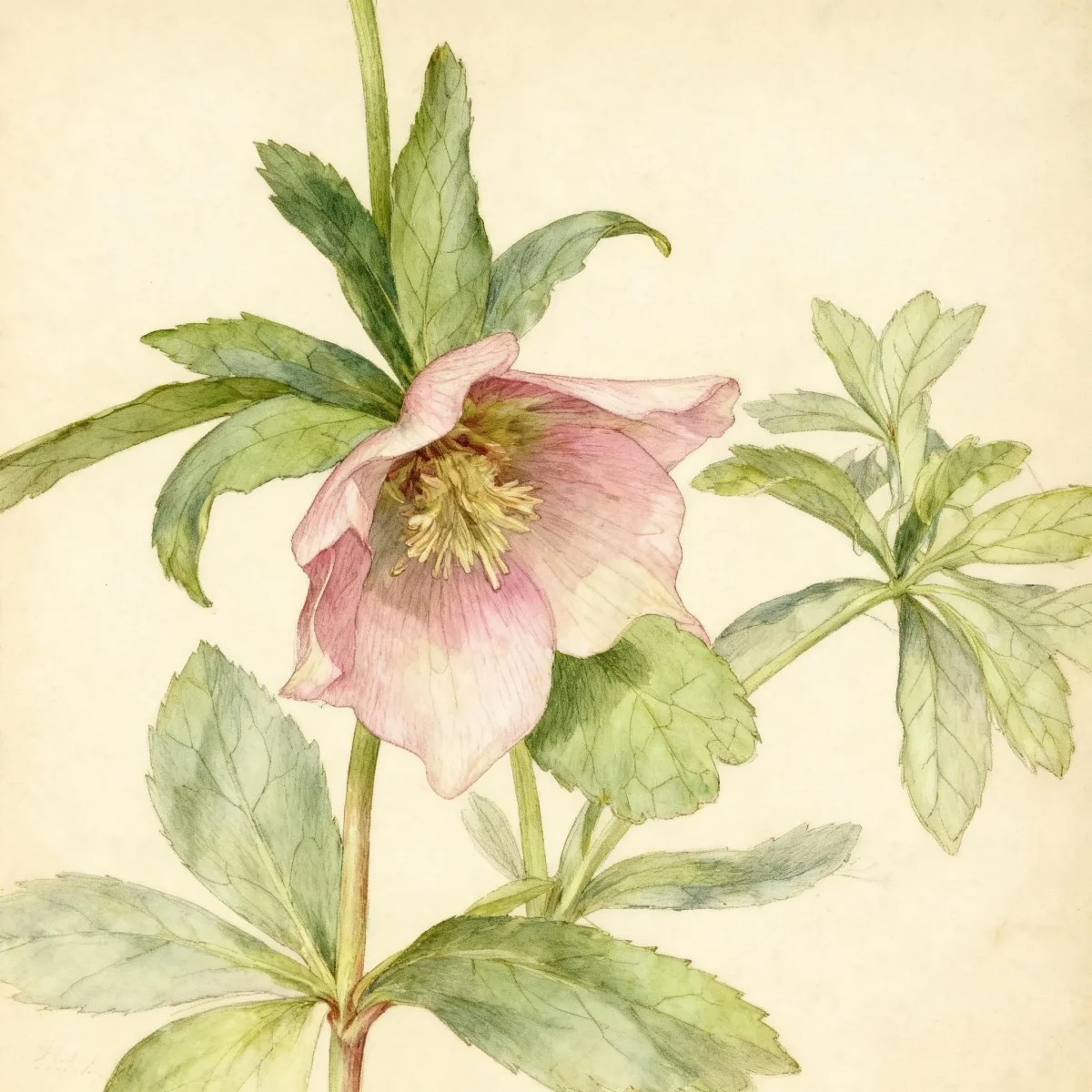
Hybrid hellebores, sometimes commonly called hybrid Lenten roses or hybrid winter roses, are bushy, clump-forming perennials which typically grow to 12-15” tall. They are noted for producing single, cup-shaped flowers (typically 2-3” diameter) with five showy, usually overlapping petals (technically sepals), but sometimes come in a double flowered form. Flowers bloom in a large variety of colors, including various shades and tints of white, pink, red, purple, and yellow, and sometimes have inside spotting. Bloom typically commences in late winter extending into early spring. Flowers appear at the tips of branched stems clad with evergreen dark green leaves which are divided into glossy, leathery, deeply-lobed, often toothed, lanceolate to elliptic segments.Genus name comes from the Greek words bora meaning “food” and helein meaning “injures/destroys” in reference to the plant’s toxic leaves, stems and roots which are poisonous to humans if ingested.Hellebores is the old Greek name for H. Orientalis.HONEYMOON ROME IN RED is a vigorous hybrid hellebore that features 3-4” wide, single, deep maroon-red blooms. Mature plants will reach around 2’ tall and spread to fill a similar area.
Tolerances
- Rabbit
- Deer
- Heavy Shade
Potential Problems
Hellebores, including the Helleborus HONEYMOON ROME IN RED, are recognized for generally having few serious insect or disease issues, which contributes significantly to their low maintenance rating. Occasional fungal issues like crown rot or leaf spot can occur, usually indicating poor air circulation or overly wet soil conditions. Ensure excellent drainage to mitigate these risks significantly.
One crucial consideration is toxicity: the leaves, stems, and roots of all parts of the Hellebore are poisonous if ingested by humans or pets. For gardeners, this toxicity translates into a distinct advantage regarding wildlife, as Deer and rabbits tend to readily avoid consuming this desirable plant. Planting them strategically means you get the ornamental beauty without the grazing pressure.
Frequently Asked Questions
What hardiness zones is Hellebore suitable for?
The Helleborus HONEYMOON ROME IN RED is hardy across a wide range, suitable for USDA Zones 4 through 9.
How large does Hellebore grow?
This herbaceous perennial typically reaches a mature height between 1.5 to 2 feet, spreading to cover a similar area, forming neat clumps.
When does Hellebore bloom?
The Helleborus HONEYMOON ROME IN RED provides excellent early season color, blooming reliably from March to April with deep maroon-red flowers.
What sun exposure does Hellebore need?
For best performance, plant your Hellebore where it benefits from part shade to full shade; protecting it from intense afternoon sun will preserve its handsome evergreen foliage.
Conclusion
The Helleborus HONEYMOON ROME IN RED provides unmatched early-season structure and deep color, making it an indispensable, low-maintenance Hellebore hybrid for any shaded area. Its resistance to deer and rabbits further cements its value as a reliable perennial performer. Before planting, confirm your garden’s hardiness zone falls between 4 and 9, and aim for fall planting to enjoy its spectacular maroon-red display next spring.
Companion Planting
Selecting companions that share the Hellebore’s need for shade and rich, moist soil helps create a harmonious woodland tapestry. Spring ephemeral bulbs like Snowdrops (Galanthus) or Squills (Scilla) will often finish blooming just as the Helleborus is reaching its peak display time. Once the weather warms further, shade-loving foliage plants such as golden Hakonechloa grass or various Hosta cultivars provide contrasting leaf textures around the clump-forming mounds of the Helleborus HONEYMOON ROME IN RED.
Propagation Tips
While nursery stock offers immediate results, the Hellebore can be increased via division or seed. Division is best performed in late summer to early fall when the plant is dormant or semi-dormant, ensuring that each division retains a healthy cluster of roots attached to some leaf mass. If growing Helleborus HONEYMOON ROME IN RED from seed, be aware that hybrid varieties do not always come true to type, and it will take about two years before seedlings produce their first blooms.