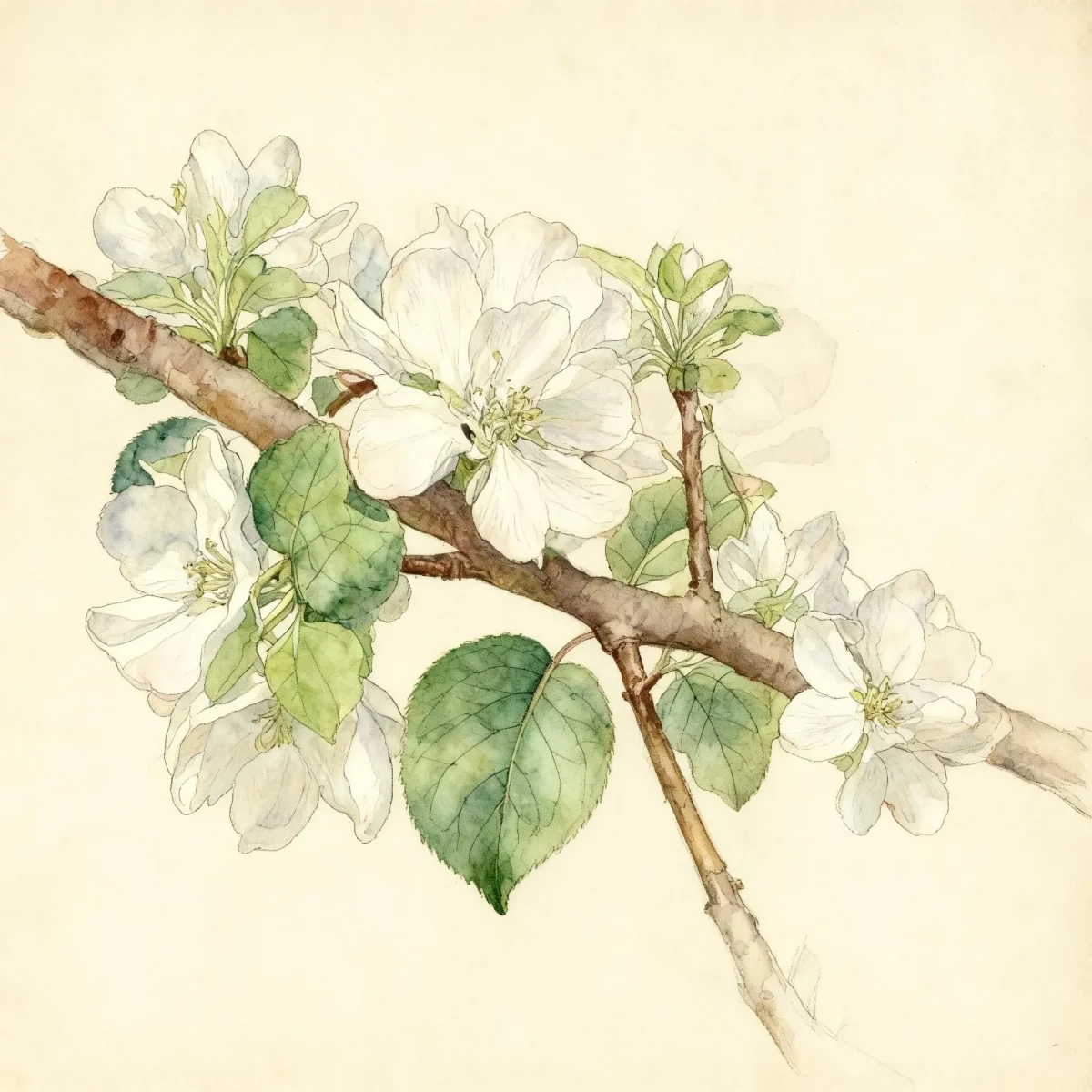
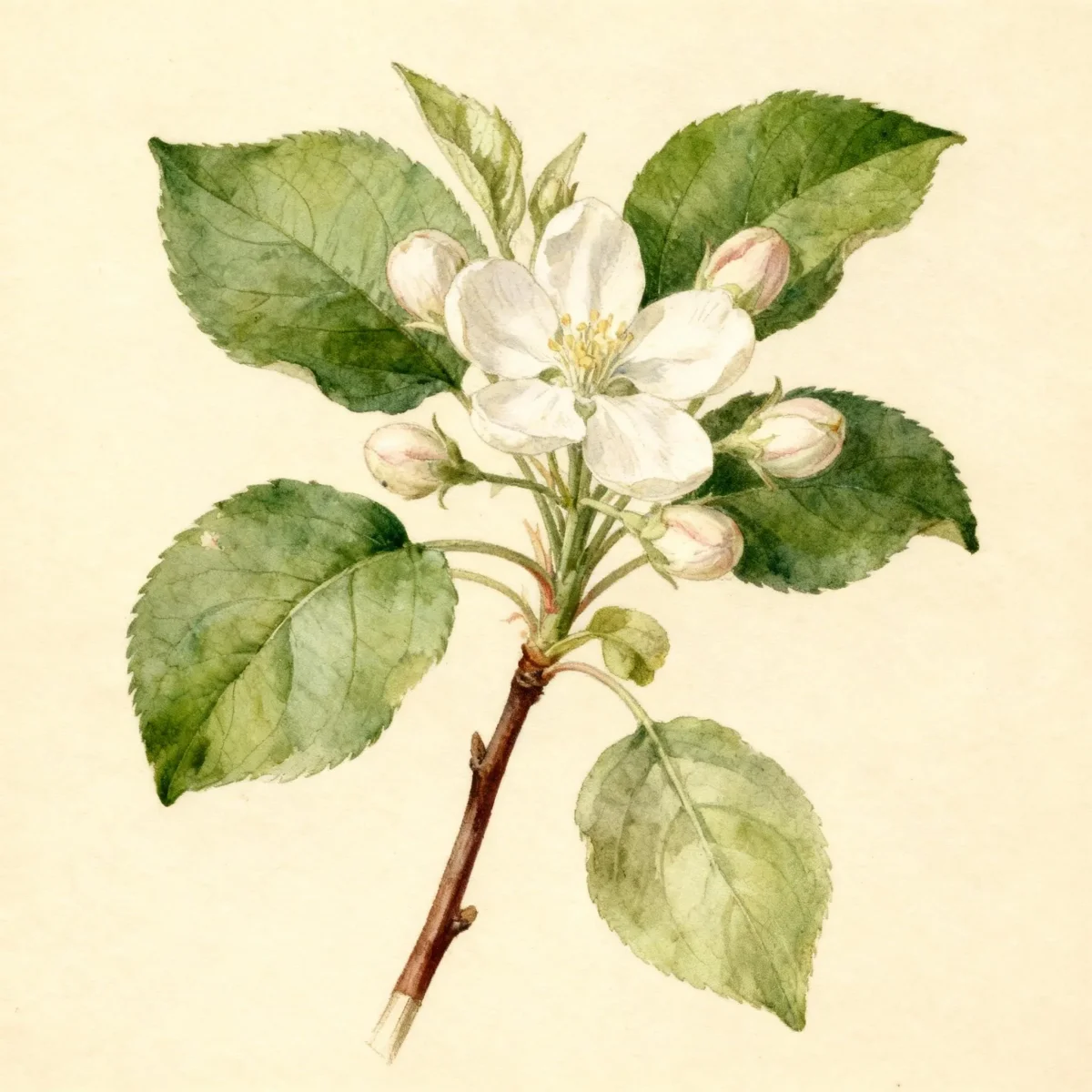
Dwarf apricot (Prunus armeniaca 'Garden Annie')
Prunus armeniaca 'Garden Annie' is a high-maintenance Dwarf apricot producing showy, edible fruit in sunny, well-drained locations.
Scroll down to discover growing tips, care requirements, companion plants, and more
Complete Plant Information
Overview
The Dwarf apricot, scientifically known as Prunus armeniaca ‘Garden Annie’, is a prized selection among fruit enthusiasts seeking manageable cultivation without sacrificing yield or ornamental quality. This variety is highly valued for its early spring flowering display and the production of medium to large, golden-orange edible fruits that ripen in early summer. As a genetic dwarf, Prunus armeniaca ‘Garden Annie’ offers the classic apricot experience in a reduced stature suitable for smaller gardens or dense plantings.
This deciduous tree thrives only when provided optimum conditions, characterized by full sun exposure and consistent moisture management. While it offers significant aesthetic appeal, gardeners must be prepared for its high maintenance needs, particularly concerning site selection and protection from spring frosts that threaten its early blossoms. Ultimately, the reward for diligent care is sweet, semi-freestone fruit and a beautiful flowering accent in the spring landscape.
Fast Facts
- Plant Family: Rosaceae
- Plant Type: Fruit
- Hardiness Zones: USDA Zones 6-9
- Size at Maturity:
- Height: 8-10 ft
- Spread: 10-12 ft
- Bloom Time: April
- Bloom Description: Pale pink
- Sun Exposure: Full sun
- Water Needs: Medium
- Maintenance Level: High
How to Grow
Planting the Dwarf apricot requires careful placement to ensure successful fruiting. Choose a site that receives Full sun throughout the day, as insufficient light reduces fruit production. The best practice is to site the tree in a sheltered location, such as on sloping ground on the south side of the home, to slightly mitigate the threat of frost pockets common in low-lying areas. Soil preparation is crucial: Prunus armeniaca ‘Garden Annie’ must have average, medium moisture soil that drains exceptionally well, as apricots suffer readily in continually soggy conditions.
Ongoing care focuses heavily on water regulation and pest management. Provide Medium water needs consistently, ensuring the soil remains moist but never waterlogged, especially during fruit development. Due to this cultivar’s early flowering nature, which makes it susceptible to late frosts, growers in Zones 5-8 should exercise extreme caution; Prunus armeniaca ‘Garden Annie’ is explicitly recommended for Zones 6-9 to account for this early blooming schedule.
Maintenance is rated as High because apricots are prone to various insect and disease complications, requiring proactive monitoring. Sanitation practices, removing fallen debris, and potential chemical spraying may be necessary to manage pests like plum curculio and diseases such as brown rot. Regular pruning is required to maintain the dwarf shape and ensure good air circulation within the dense, spreading canopy.
Landscape Uses
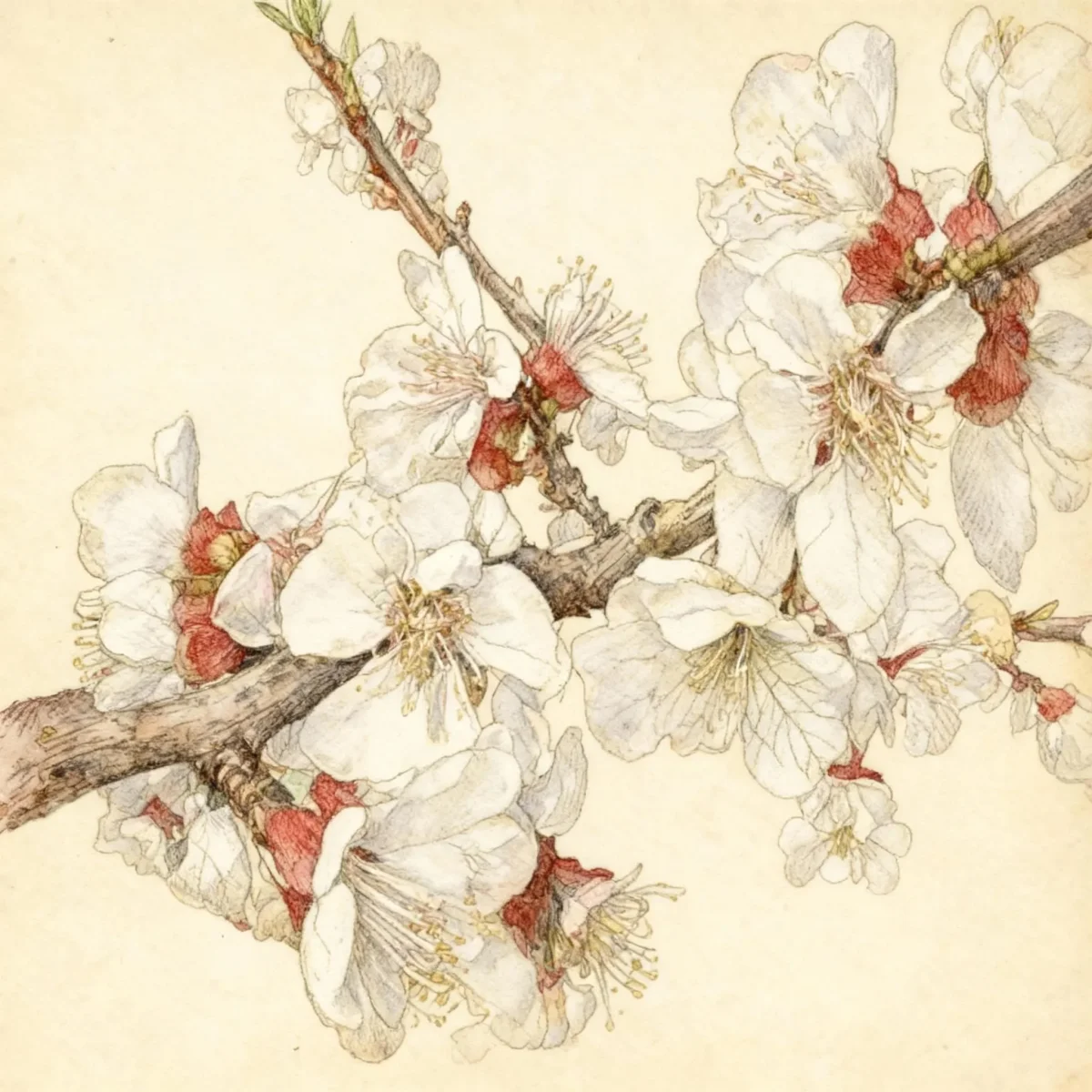
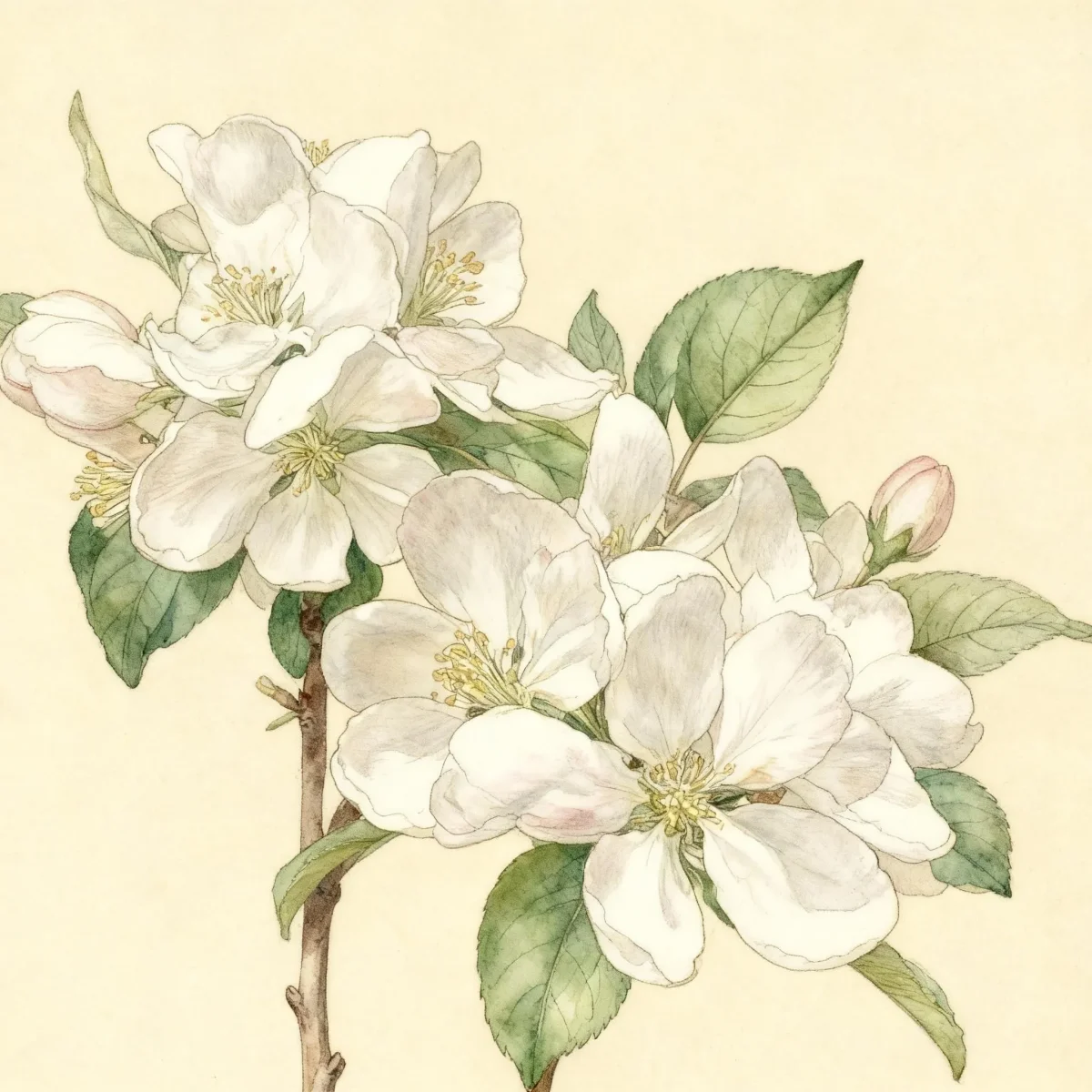
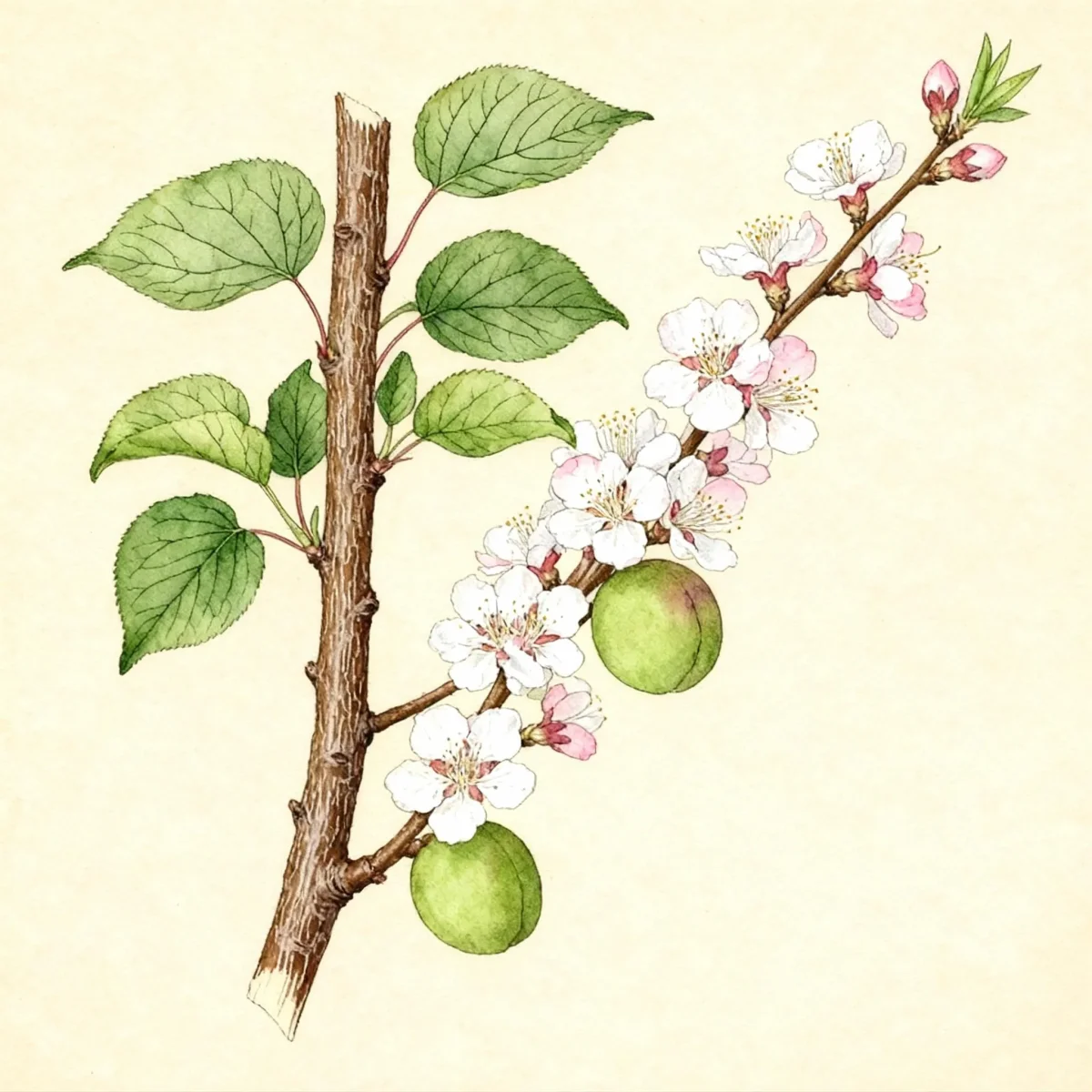
The ornamental value of this Dwarf apricot is significant, particularly when used as a Flowering Tree. Before the foliage appears, the tree erupts in pale pink blossoms, providing excellent early-season color when few other trees are active. This makes Prunus armeniaca ‘Garden Annie’ an ideal specimen tree for focal points near patios or entryways where its spring display can be fully appreciated.
Beyond its aesthetic merits, the primary objective for growing this variety is the Edible fruit crop. Due to its moderate mature height of 8 to 10 feet, the Dwarf apricot is far easier to manage for harvesting and pruning than standard-sized apricot trees. Consider incorporating it into informal orchard settings or using it as a specimen plant against darker evergreen backgrounds to highlight the early flowers and later golden fruit.
Standout Features
Flower Qualities
- Showy
- Fragrant
Fruit Qualities
- Showy
- Edible
Noteworthy Characteristics
Prunus armeniaca ‘Garden Annie’ is specifically noted as an early-fruiting, dwarf apricot selection that can be maintained near 8 to 10 feet tall. Its spring blooms are pale pink, soon giving way to golden-orange fruits that feature firm, sweet, semi-freestone flesh. While this cultivar is self-fertile, planting another apricot nearby can enhance overall yield, making it a productive cornerstone for small fruit gardens.
Tolerances
No specific tolerances were listed.
Potential Problems
Apricot trees, including the Dwarf apricot, face cultural hurdles, especially regarding their very early bloom time which precedes most protective frosts. For example, if grown outside its preferred zone range, frost injury to the blossoms is a major threat. Furthermore, the species is susceptible to numerous health issues.
Potential disease issues requiring vigilance include brown rot, which can quickly impact blossoms and fruit, as well as root rot if drainage is inadequate. Insect pests commonly target apricots; watch for plum curculio, borers, and infestations of aphids. Successful cultivation of Prunus armeniaca ‘Garden Annie’ almost always necessitates consistent sanitation and a proactive pest management program.
Frequently Asked Questions
What hardiness zones is Dwarf apricot suitable for?
Prunus armeniaca ‘Garden Annie’ is best suited for USDA Hardiness Zones 6 through 9.
How large does Dwarf apricot grow?
This cultivar typically reaches a mature height between 8 and 10 feet tall, with a spread ranging from 10 to 12 feet wide.
When does Dwarf apricot bloom?
The pale pink flowers of the Dwarf apricot generally appear in April before the new foliage emerges.
What sun exposure does Prunus armeniaca ‘Garden Annie’ need?
This fruit tree requires Full sun exposure for optimal health and fruit production.
Conclusion
The Dwarf apricot, Prunus armeniaca ‘Garden Annie’, offers a desirable combination of early spring beauty and delicious, manageable fruit production, provided it receives high levels of care. Its compact size makes it a fantastic choice for modern yards. Before planting, confirm your location falls within Zones 6-9 and plan for robust seasonal pest monitoring to ensure a successful harvest.
Companion Planting for Apricots
Selecting appropriate neighbors is key to managing the high maintenance demands of Prunus armeniaca ‘Garden Annie’. Since apricots require excellent drainage, avoid planting moisture-loving species directly beneath the canopy where competition for dry soil might stress the tree. Good companions are often those that benefit from the occasional light shade provided as the season progresses, or those that help manage pests without attracting diseases the apricot is susceptible to.
Consider planting low-growing herbs like mint or chamomile around the drip line, keeping in mind these should not compete for water directly at the base. Fruit trees generally benefit from diversity nearby, but always ensure companion plants do not share the same serious fungal diseases common to the Rosaceae family.
Seasonal Care Calendar Tips
Managing the sensitivity of the early-blooming Dwarf apricot dictates much of the annual care schedule. In late winter/early spring, before the pale pink buds swell, apply dormant oil and fungicides to mitigate overwintering pests and fungal spores. Protecting early blossoms from unexpected dips below freezing is paramount; utilize frost cloths or temporary heating sources if a hard frost is predicted during bloom time in April.
Summer care revolves around consistent, deep watering during dry spells, especially as the fruit enlarges, coupled with regular monitoring for insect activity. In early summer, harvest the fruits promptly once ripe to prevent them from becoming too soft on the tree. Fall cleanup involves removing all fallen leaves and fruit debris promptly to reduce overwintering sites for diseases like brown rot, improving the outlook for the following year’s bloom cycle for your Prunus armeniaca ‘Garden Annie’.