Common pear (Pyrus communis 'Seckel')
Pyrus communis 'Seckel', the Common pear, offers fragrant white blooms followed by edible fruit; needs high maintenance in Zones 5-8.
Scroll down to discover growing tips, care requirements, companion plants, and more

Complete Plant Information
Overview
Pyrus communis ‘Seckel’, commonly known as the Common pear, is a valued fruit producer whose lineage forms the basis for many supermarket favorites. This specific cultivar, Pyrus communis ‘Seckel’, is prized for its vigorous growth habit and highly sweet, aromatic fruit, making it a highly desirable addition to orchards or larger landscapes. While it produces beautiful spring blossoms, its primary draw remains the production of its distinctive, small-to-medium sized edible pears.
This tree establishes itself as a significant focal point, reaching manageable heights between 10 and 15 feet, though it requires high maintenance to ensure optimal fruit quality and disease management. Gardeners should be prepared for diligent care, especially regarding pest and disease vigilance common to the Pyrus communis species.
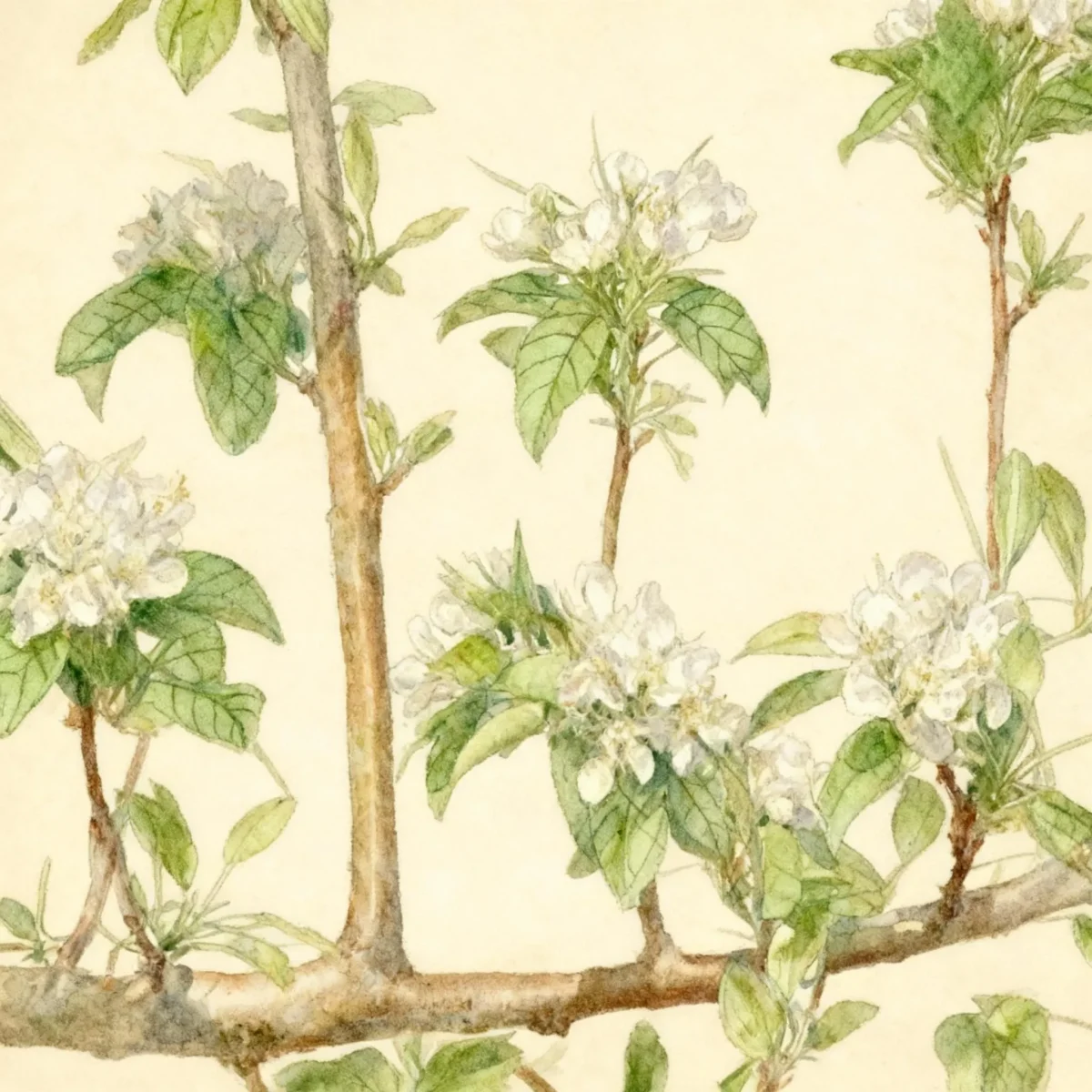
Although commonly cultivated for its harvest, the early spring display of creamy white flowers offers significant aesthetic value, presenting a fragrant spectacle before leaf-out. Successful cultivation of the Common pear depends on full sun exposure and consistent moisture management throughout the growing season.
Fast Facts
- Plant Family: Rosaceae
- Plant Type: Fruit
- Hardiness Zones: USDA Zones 5-8
- Size at Maturity:
- Height: 10-15 ft
- Spread: 8-12 ft
- Bloom Time: April to May
- Bloom Description: White
- Sun Exposure: Full sun
- Water Needs: Medium
- Maintenance Level: High
How to Grow
Plant Pyrus communis ‘Seckel’ in early spring or late fall when the tree is dormant, ensuring it receives full sun exposure—at least six to eight hours daily. While adaptable, ensure the planting site offers well-draining soil, even though the tree shows tolerance for clay soil. Proper spacing is critical; allow enough room for its mature spread of 8 to 12 feet.
Ongoing care for this Common pear cultivar requires medium water use, especially during dry spells and fruit development. Fertilization should be managed carefully, focusing on balanced nutrients after the initial establishment phase to avoid excessive vegetative growth at the expense of fruiting. Pruning is a key component of high maintenance; annual dormant pruning helps maintain structure, thin the canopy for air circulation, and encourage spur development necessary for fruit production.
Be vigilant about potential diseases. Although ‘Seckel’ shows resistance to fireblight, yearly scouting for anthracnose, scab, and insect pests like coddling moth is essential. Winter protection is minor in its established zones (5-8), but monitoring for rodent damage on young bark is always advised.
Landscape Uses
While Pyrus communis ‘Seckel’ is fundamentally grown for its excellent fruit crop, its structure and bloom qualify it for specific landscape roles. It functions well as a specimen tree where its shape can be appreciated, or, given the species’ historical uses, it may be trained as an espalier against a sunny wall or fence. This method concentrates fruit production while creating a dramatic architectural element.
For effective companion planting, consider deciduous border shrubs that share similar sun and water needs, such as late-flowering Lilacs or other fruiting trees that bloom at a different time. If planting multiple pears for cross-pollination, remember that although Pyrus communis ‘Seckel’ is partially self-fertile, yields improve significantly with a compatible pollinator nearby.
Standout Features
Flower Qualities
- Showy
- Fragrant
Fruit Qualities
- Showy
- Edible
Noteworthy Characteristics
Pyrus communis, commonly called European pear or common pear, is the parent species for the majority of commercially grown fruit varieties, including famous ones like ‘Bartlett’. Cultivated pears are grafted onto rootstocks that dictate final size, pest resistance, and longevity. The ‘Seckel’ cultivar specifically is recognized for its vigorous growth, producing small to medium fruits with exceptional sweetness, bronzy purple to yellow skin, and uniquely smooth, aromatic flesh.
Tolerances
- Clay Soil
Potential Problems
Pears are notoriously susceptible to fireblight, exacerbated by warm, wet spring conditions, though Pyrus communis ‘Seckel’ exhibits notable resistance to this severe bacterial disease. Even with this advantage, gardeners must remain vigilant for other common issues impacting the wider species. These secondary concerns include fungal diseases like anthracnose, canker, and scab, as well as insect pressures from pear psylla and borers.
Management should focus on proactive cultural practices. Ensure good air circulation through adequate pruning to reduce humidity around foliage, making it harder for fungal spores to establish. Sanitation is crucial; immediately remove and destroy infected branches to limit disease spread across the orchard or garden space.
Frequently Asked Questions
What hardiness zones is Common pear suitable for?
The Pyrus communis ‘Seckel’ cultivar is reliably hardy in USDA Zones 5 through 8.
How large does Common pear grow?
This tree reaches a moderate height of 10 to 15 feet upon maturity, with an equivalent spread between 8 and 12 feet, though dwarfing rootstocks can restrict its size further.
What sun exposure does Pyrus communis ‘Seckel’ need?
Pyrus communis ‘Seckel’ requires full sun exposure to thrive, flower well, and produce bountiful, high-quality fruit.
When does Common pear bloom?
The beautiful, fragrant white flowers of the Common pear appear relatively early, typically blooming from April into May.
Conclusion
The Pyrus communis ‘Seckel’ offers gardeners a high-value combination of showy spring fragrance and exceptional edible fruit production, despite requiring a high level of ongoing maintenance. Successfully integrating this high-performing Common pear into your landscape means critically assessing your annual pruning and disease monitoring schedule. Before planting, confirm that your site provides the essential full sun and that you are prepared for the necessary yearly attention to keep this tree productive.
Companion Planting
Selecting appropriate neighbors is vital for managing the high maintenance needs of Pyrus communis ‘Seckel’. Avoid planting susceptible fruit trees close by, as diseases like scab or fireblight can spread easily between susceptible hosts during damp weather. Instead, focus on low-maintenance, disease-resistant perennials beneath and around the canopy that won’t compete heavily for water or nutrients.
Groundcovers that perform well in partial shade (as the tree matures and develops a denser canopy) and that tolerate good drainage are ideal. Good companions might include spring bulbs like Daffodils, which bloom early and die back before intense summer watering is needed, or hardy herbs like Chives, which can help deter some ground-level pests.
Seasonal Care Calendar
Spring management centers around the bloom period in April/May. This is the critical time to watch for any signs of fireblight, especially after warm, rainy weather, and remove flagged branches immediately. Post-bloom, apply dormant oil or targeted sprays if insect issues from the previous year, such as pear psylla, were problematic.
Summer is dedicated to fruit maturation and consistent medium watering; water deeply rather than frequently to encourage strong root development. Monitor the small fruits; their sweet flavor is a major asset, but thinning may be necessary if the tree sets too heavily following successful pollination.
Winter is the best time for structural and maintenance pruning while the tree is dormant. Remove crossing branches, clean out weak growth, and thin the wood to promote deep light penetration, which is crucial for fruit quality on this Common pear cultivar.