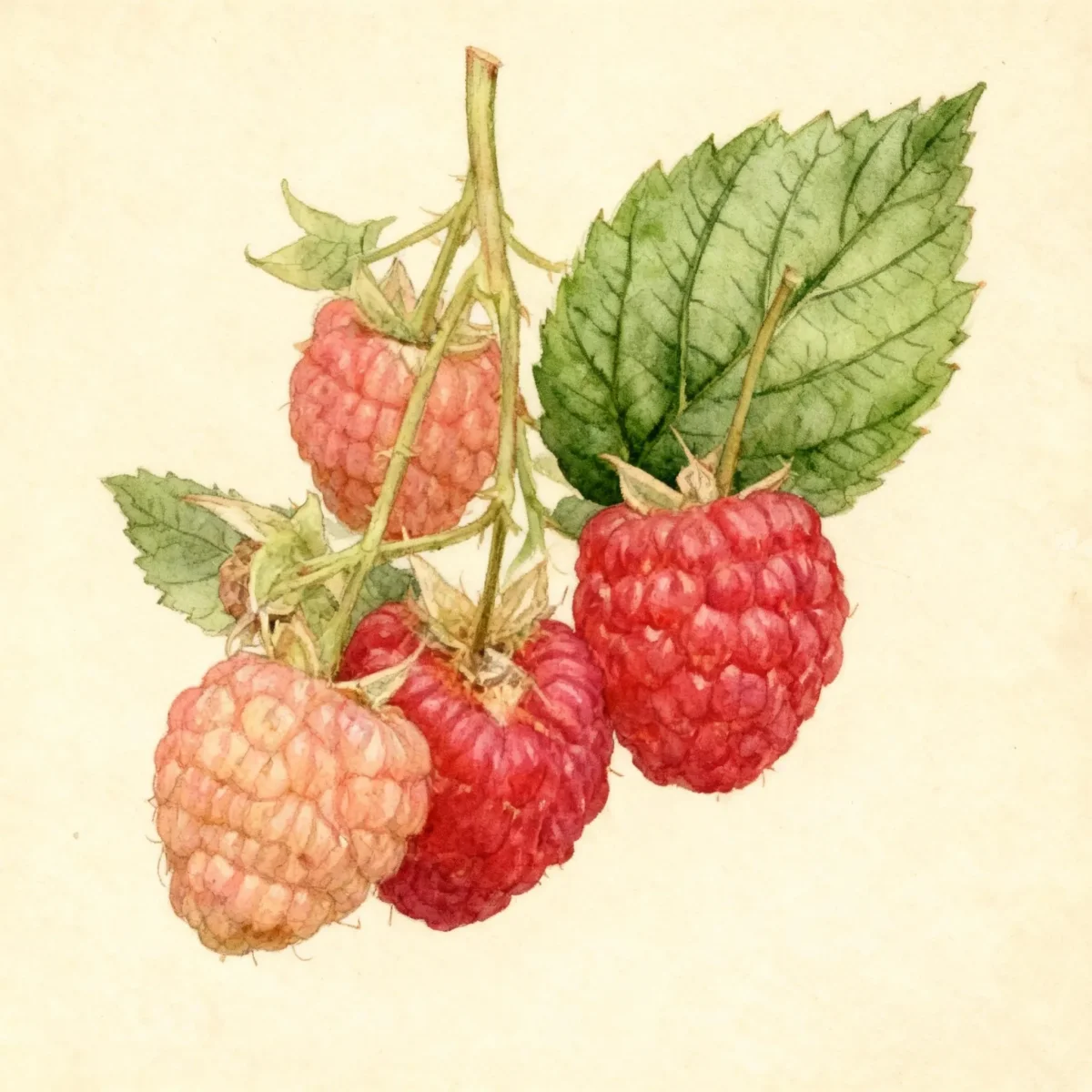
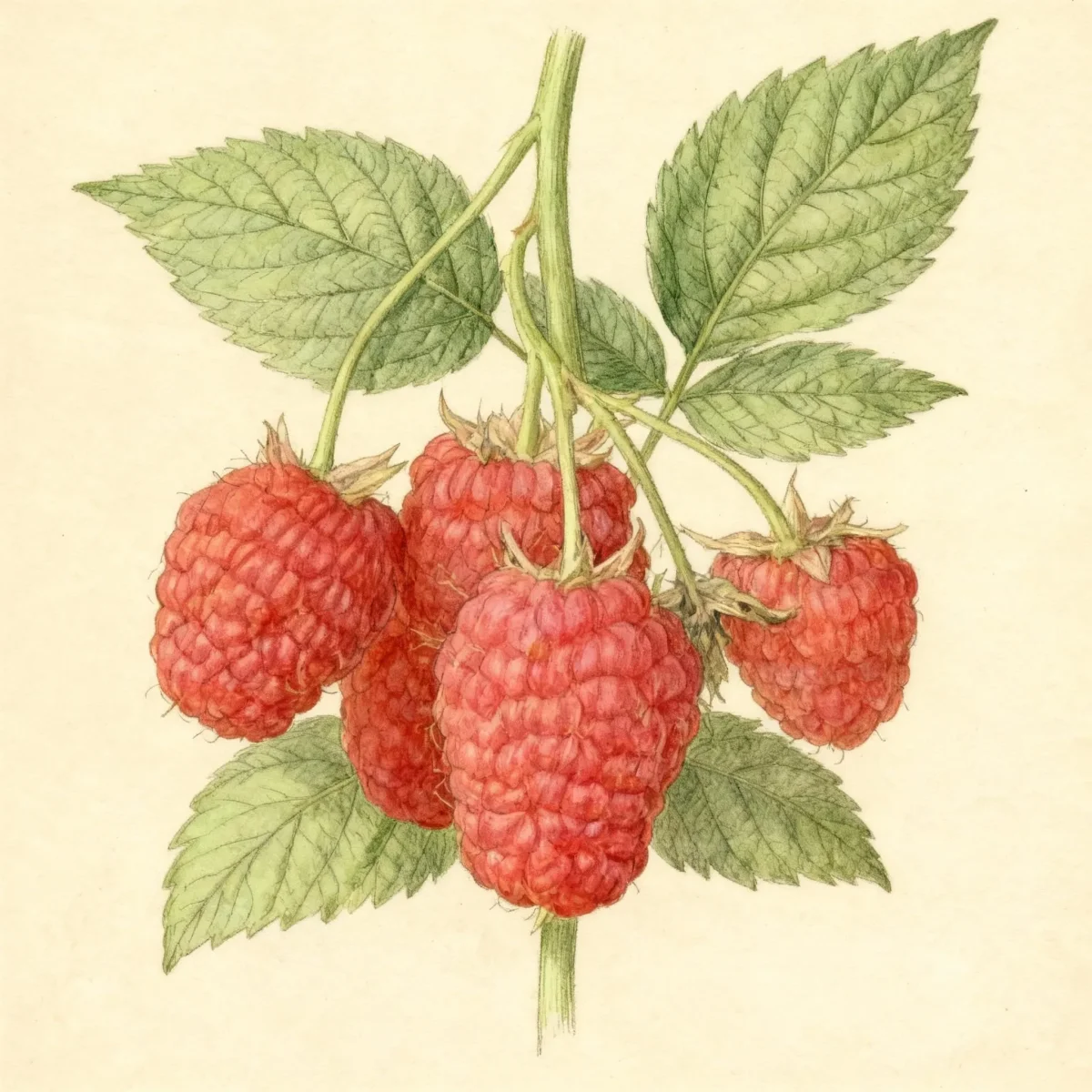
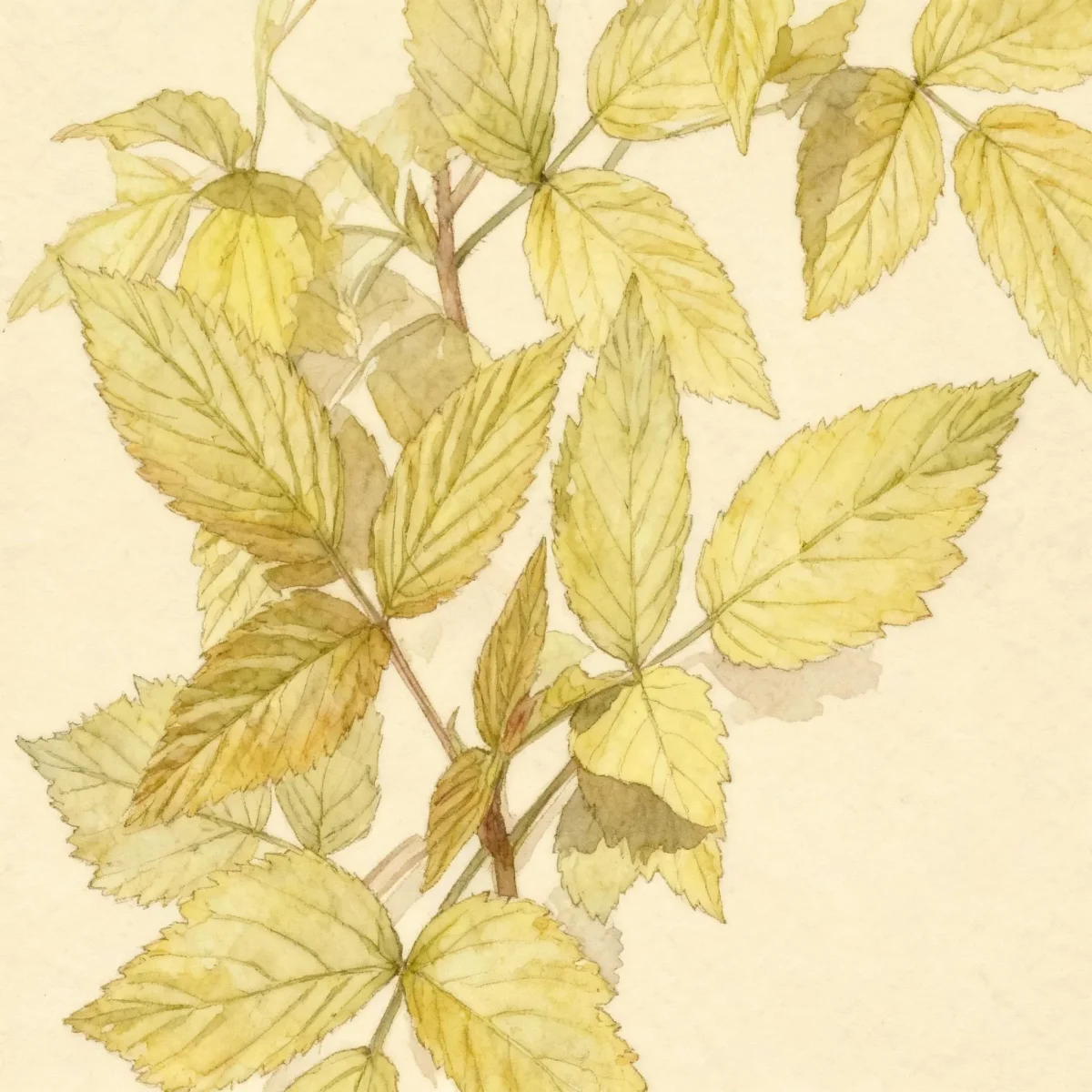
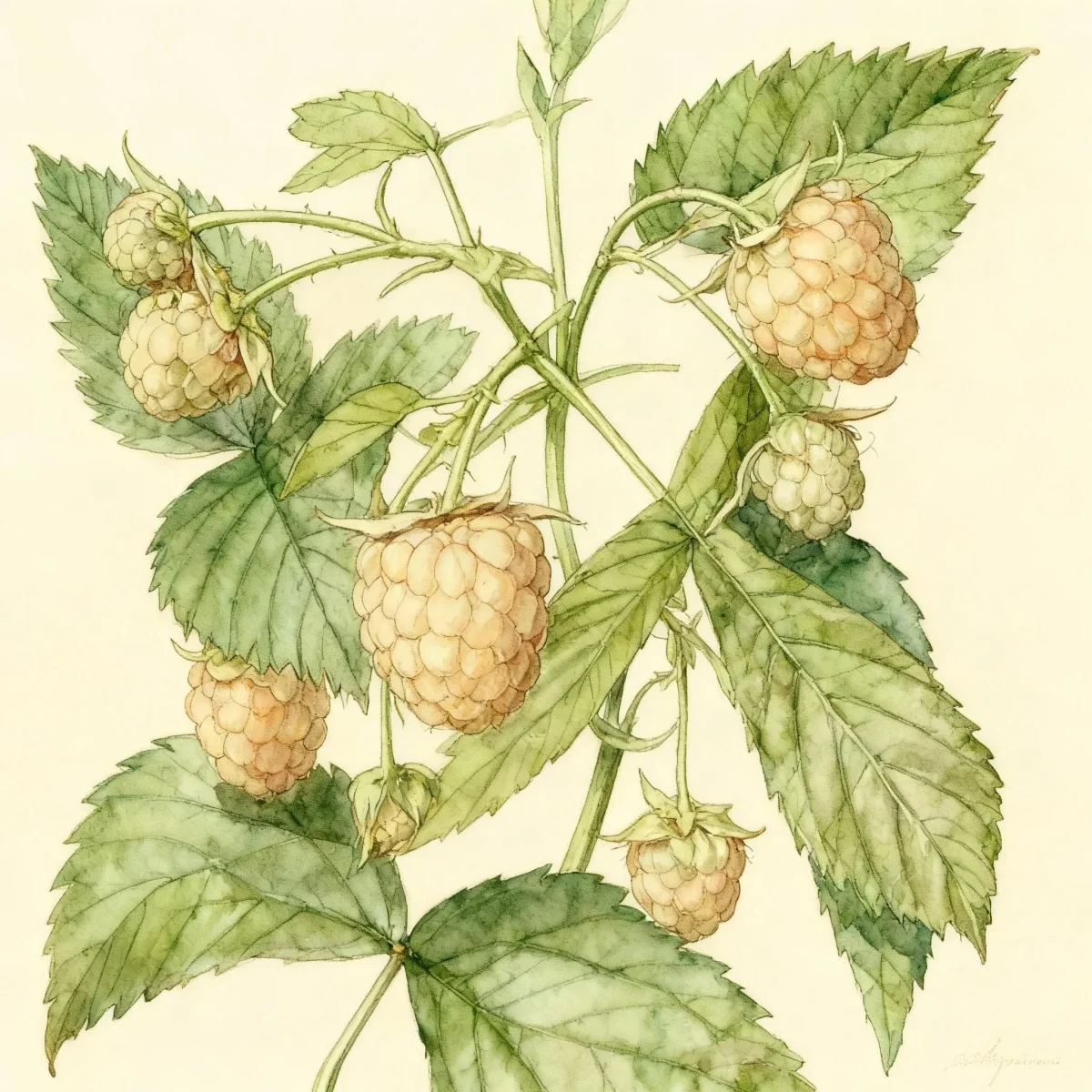
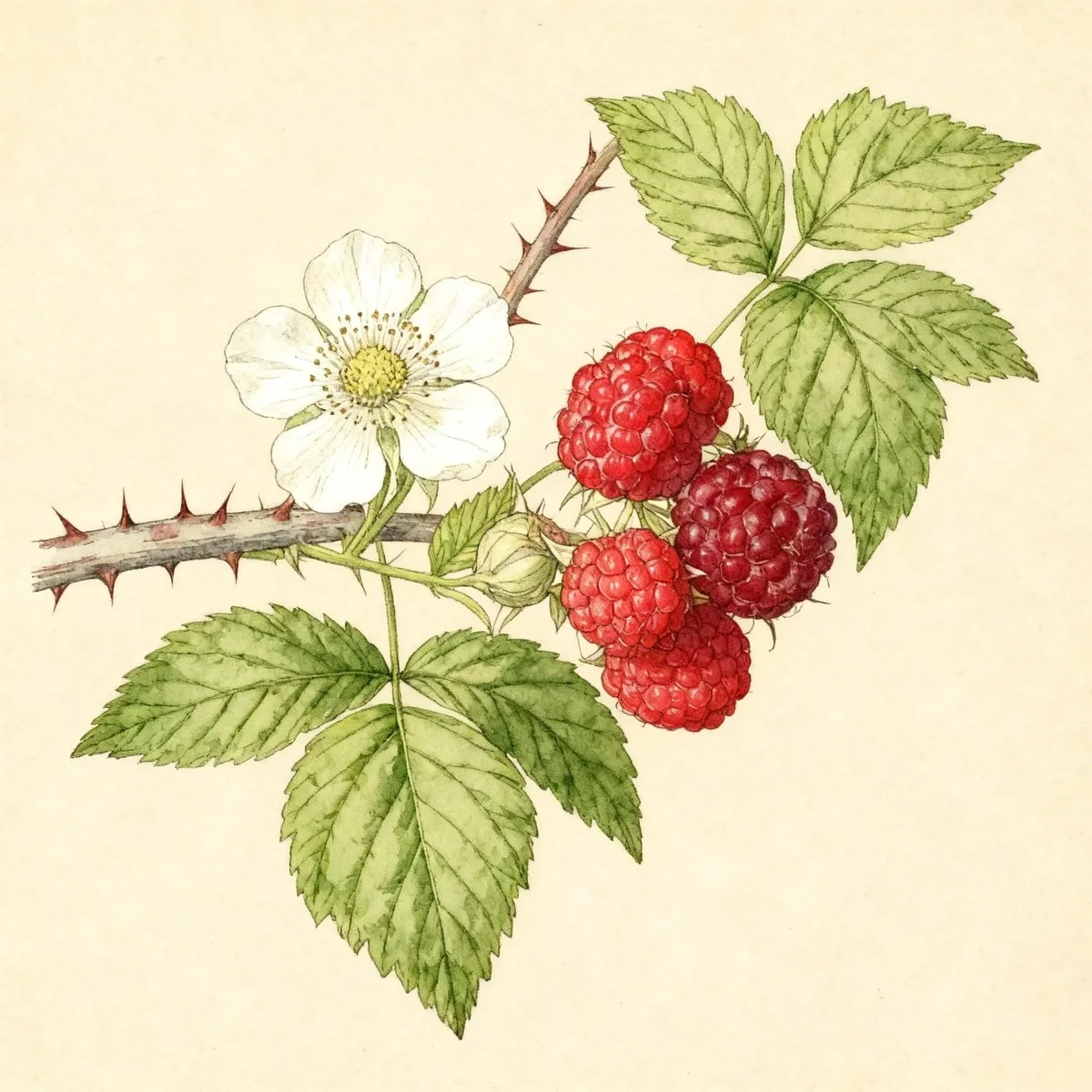
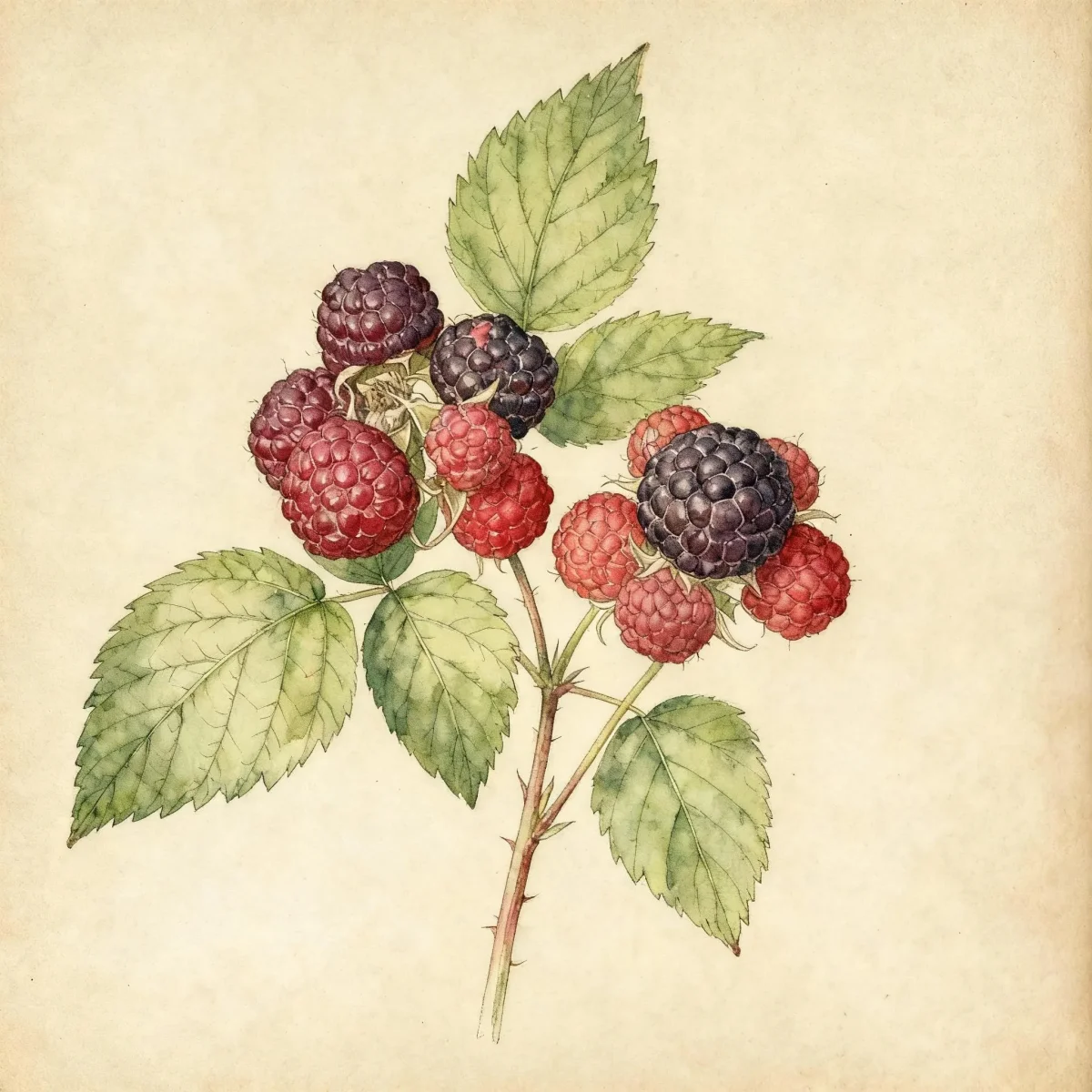
Raspberry (Rubus idaeus 'Double Gold')
Cultivate the sweet, golden coral fruits of Rubus idaeus 'Double Gold' Raspberry. Hardy in Zones 4-8, requiring medium care.
Scroll down to discover growing tips, care requirements, companion plants, and more
Complete Plant Information
Overview
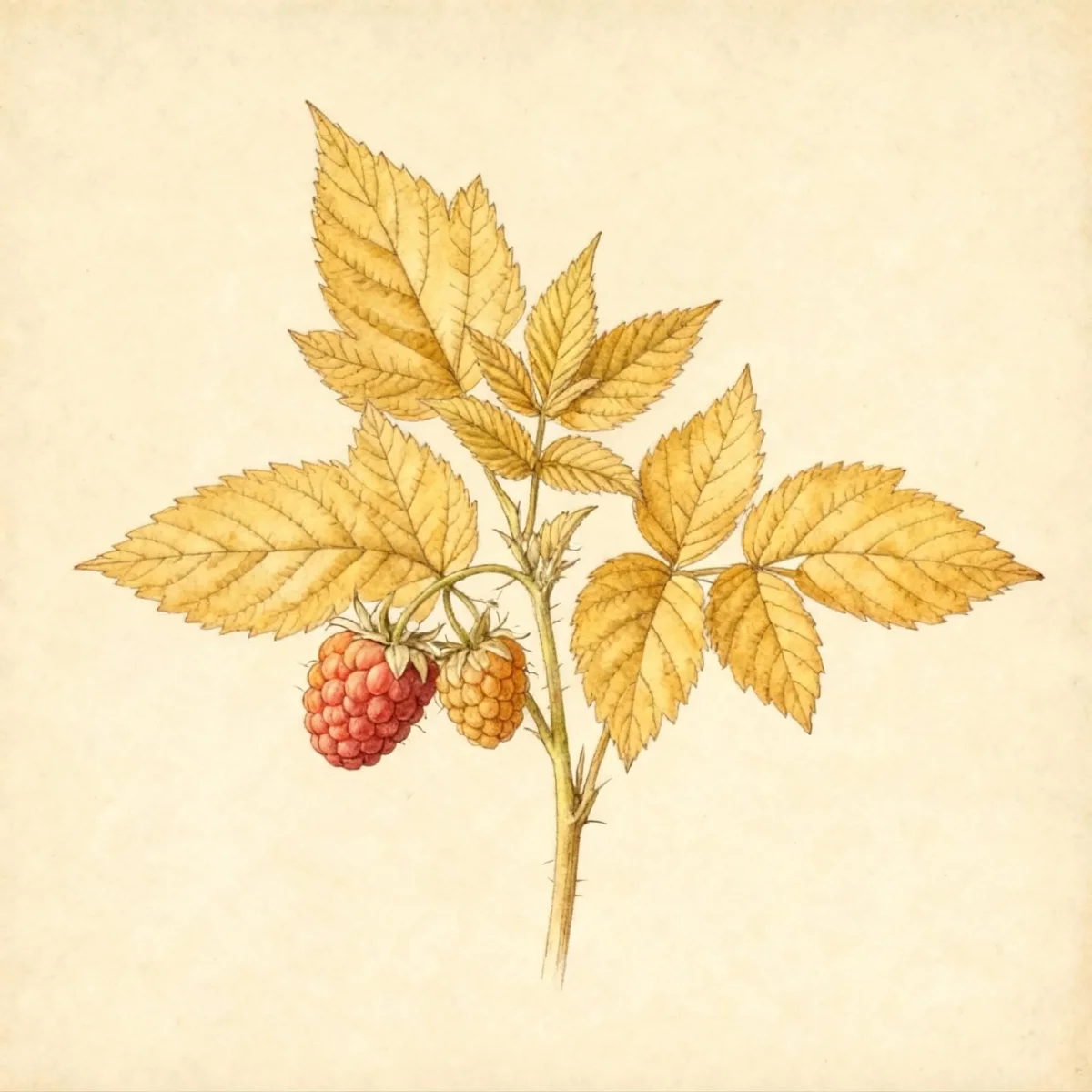
The Rubus idaeus ‘Double Gold’ Raspberry is a sought-after cultivar valued by home gardeners for its vigorous growth and unique, sweet, golden coral to pink blushed fruit. This deciduous shrub produces characteristic biennial canes, meaning garden management hinges significantly on proper pruning techniques each season. As a type of Raspberry, it offers both visual appeal when flowering and significant harvest potential.
This plant thrives best when provided with consistent moisture and rich soil conditions, avoiding overly wet areas that can quickly lead to root rot issues. Rubus idaeus ‘Double Gold’ offers flexible fruiting, potentially bearing fruit on older two-year-old canes (floricane) or on current season’s growth (primocane), making it an adaptable choice for extending the harvest window in warmer zones.
Gardeners seeking reliable fruit production will appreciate that this Raspberry cultivar adapts well to various soils, though its structure means it spreads readily via suckers, requiring vigilant control to maintain tidiness. Planting Rubus idaeus ‘Double Gold’ ensures a supply of delicious fruit while adding textural interest to the edible landscape.
Fast Facts
- Plant Family: Rosaceae
- Plant Type: Fruit
- Hardiness Zones: USDA Zones 4-8
- Size at Maturity:
- Height: 4-6 ft
- Spread: 1-2 ft
- Bloom Time: April to May
- Bloom Description: White
- Sun Exposure: Full sun to part shade
- Water Needs: Medium
- Maintenance Level: Medium
How to Grow
For optimal performance, plant Rubus idaeus ‘Double Gold’ in spring or fall when soil temperatures are manageable. Select a site offering full sun, though light afternoon shade is tolerated, ensuring the location has organically rich, slightly acidic, moist but well-drained soil. Gardeners in areas prone to heavy clay should strongly consider using raised beds to guarantee excellent drainage, preventing the root rot that this Raspberry variety cannot tolerate.
Consistent moisture is key; provide medium watering, especially during fruit development, but never allow the soil to become waterlogged. Pruning is non-negotiable for maintaining healthy production and structure. Immediately after summer-bearing canes finish fruiting, prune out those spent canes and remove any weak or diseased growth.
Late winter is the time for final checks: remove canes damaged by winter cold and thin remaining canes as needed. For everbearing ‘Double Gold’ fruiting on primocanes, cut back the tips that fruited the previous fall, leaving the remainder of the cane for potential summer fruiting. Always promptly remove excess suckers to control the natural spreading habit of the Raspberry genus.
Landscape Uses
Raspberries like Rubus idaeus ‘Double Gold’ are superstars in productive landscapes, primarily planted where their tasty fruits can be easily harvested. While often treated as a functional crop, these shrubs offer excellent vertical interest, lending structure to the back of perennial borders or forming informal screening hedges. Their spreading growth habit means they are ideally suited for areas where they can naturalize slightly, though vigilant care is needed to prevent aggressive encroachment.
For a functional edible garden, group ‘Double Gold’ alongside other cane fruits like currants or gooseberries, ensuring adequate airflow between plants to mitigate potential fungal issues common to this family. If space allows, plant them along pathways where their prickly stems (characteristic of the species) are less likely to interfere with foot traffic, offering a beautiful display of foliage and eventual golden fruit in summer.
Standout Features
Flower Qualities
- Showy
Fruit Qualities
- Showy
- Edible
Noteworthy Characteristics
Rubus idaeus, commonly called red raspberry, is typically an erect to sprawling, thicket-forming shrub characterized by biennial, often prickly, cane-like stems that generally reach 3-9’ tall in the wild. The genus name translates from Latin as “brambles.” The distinctive ‘Double Gold’ cultivar matures to about 6’ tall and 3’ wide, producing flavorful, conical fruits borne on reddish-purple, prickly canes.
Tolerances
- Intolerant of wet soils which can cause root rot.
Potential Problems
Be vigilant against common Raspberry adversaries, including anthracnose, botrytis, and root rot, all of which are fungal diseases that may require targeted chemical treatments for control. Insect pests like cane borers and crown borers also pose significant threats to the health and productivity of your canes. Maintaining good air circulation through timely pruning is the best preventative cultural practice against fungal infections.
Frequently Asked Questions
What hardiness zones is Raspberry suitable for?
Rubus idaeus ‘Double Gold’ is generally hardy in USDA Zones 4 through 8.
How large does Raspberry grow?
Mature plants typically reach a height between 4 and 6 feet with a spread of 1 to 2 feet.
What sun exposure does Raspberry need?
This Raspberry cultivar prefers full sun but can tolerate partial shade conditions.
When does Raspberry bloom?
The blooming period for Rubus idaeus ‘Double Gold’ is typically from April to May, producing white flowers.
Conclusion
The Rubus idaeus ‘Double Gold’ offers gardeners a reliable source of delicious, unique-colored fruit coupled with moderate maintenance requirements. Successfully growing this Raspberry cultivar relies heavily on selecting well-drained sites and adhering strictly to its biennial pruning schedule. Check your local climate against the USDA Zones 4-8 rating before planning your planting area this season.
Companion Planting
When planning the edible garden layout, consider companions that share similar light and water needs to enhance the environment for your Raspberry canes. Placing culinary herbs like Chives or Dill nearby can sometimes help deter specific pests that target cane fruits, though diligent monitoring remains crucial. Avoid planting Solanaceous crops (tomatoes, potatoes) close by, as they share a susceptibility to similar soil-borne diseases that can devastate Rubus species.
Seasonal Care Calendar
Spring cleanup involves removing any canes damaged over winter and performing the first light thinning of remaining growth before active growth begins. As summer progresses, focus intensely on irrigation during dry spells, especially when the golden fruits are swelling. In late summer immediately after the first flush of fruit production ceases, prune out the spent fruiting canes entirely; this promotes a healthier structure for next year’s growth cycle.