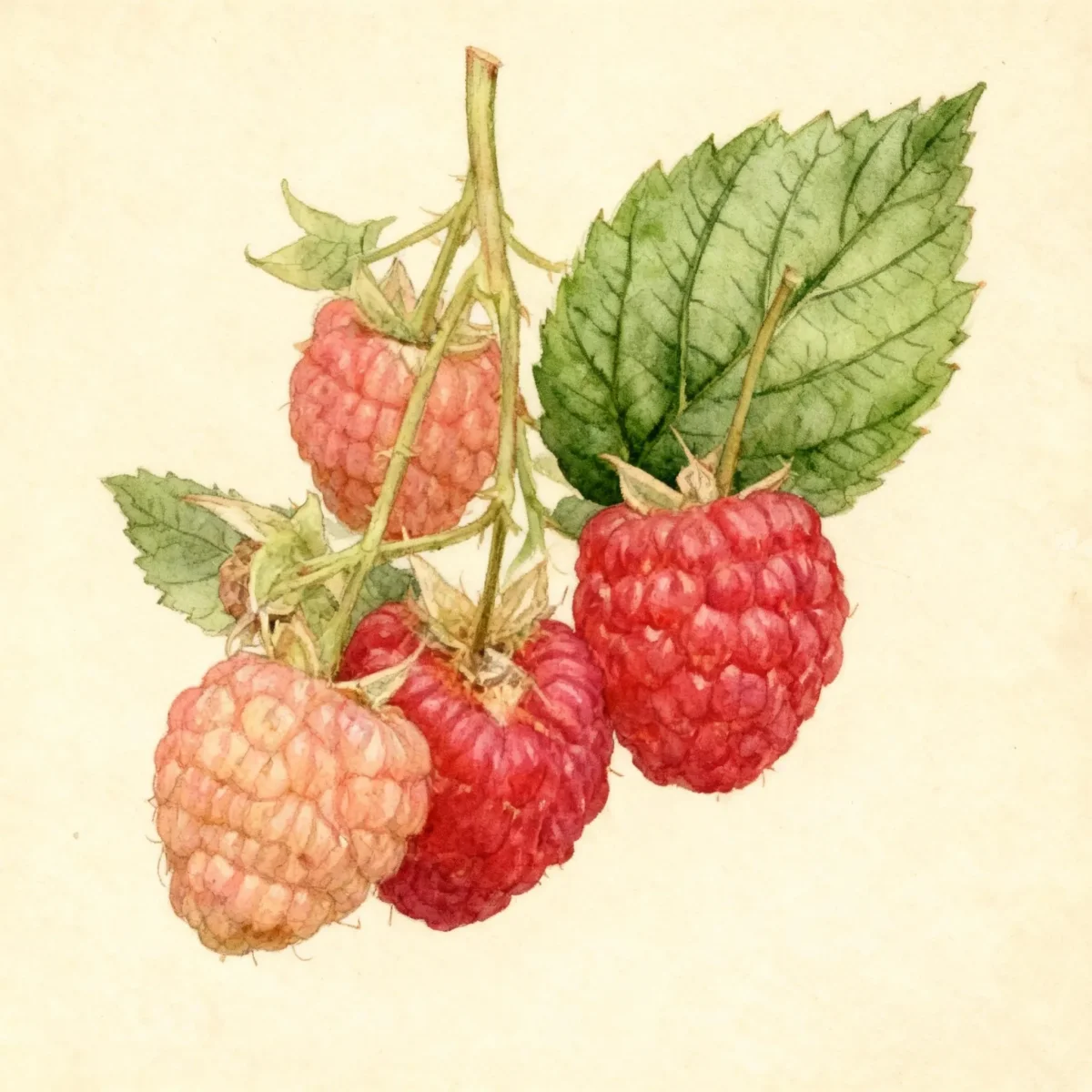
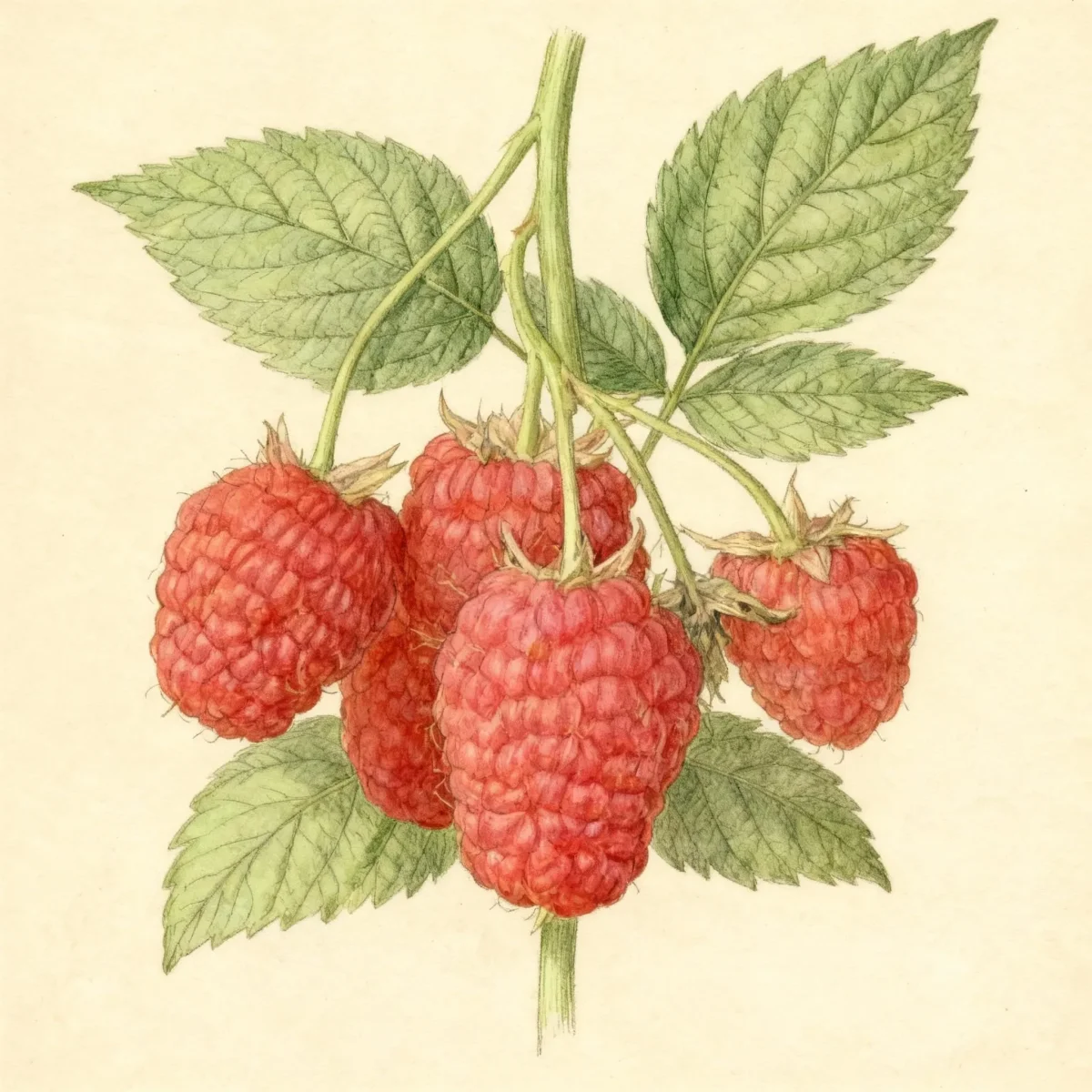
Blackberry (Rubus 'APF-236T' BUSHEL AND BERRY CAKES)
Grow the thornless Rubus 'APF-236T' BUSHEL AND BERRY BABY CAKES Blackberry. A dwarf primocane perfect for fresh summer fruit in zones 4-8.
Scroll down to discover growing tips, care requirements, companion plants, and more
Complete Plant Information
Overview
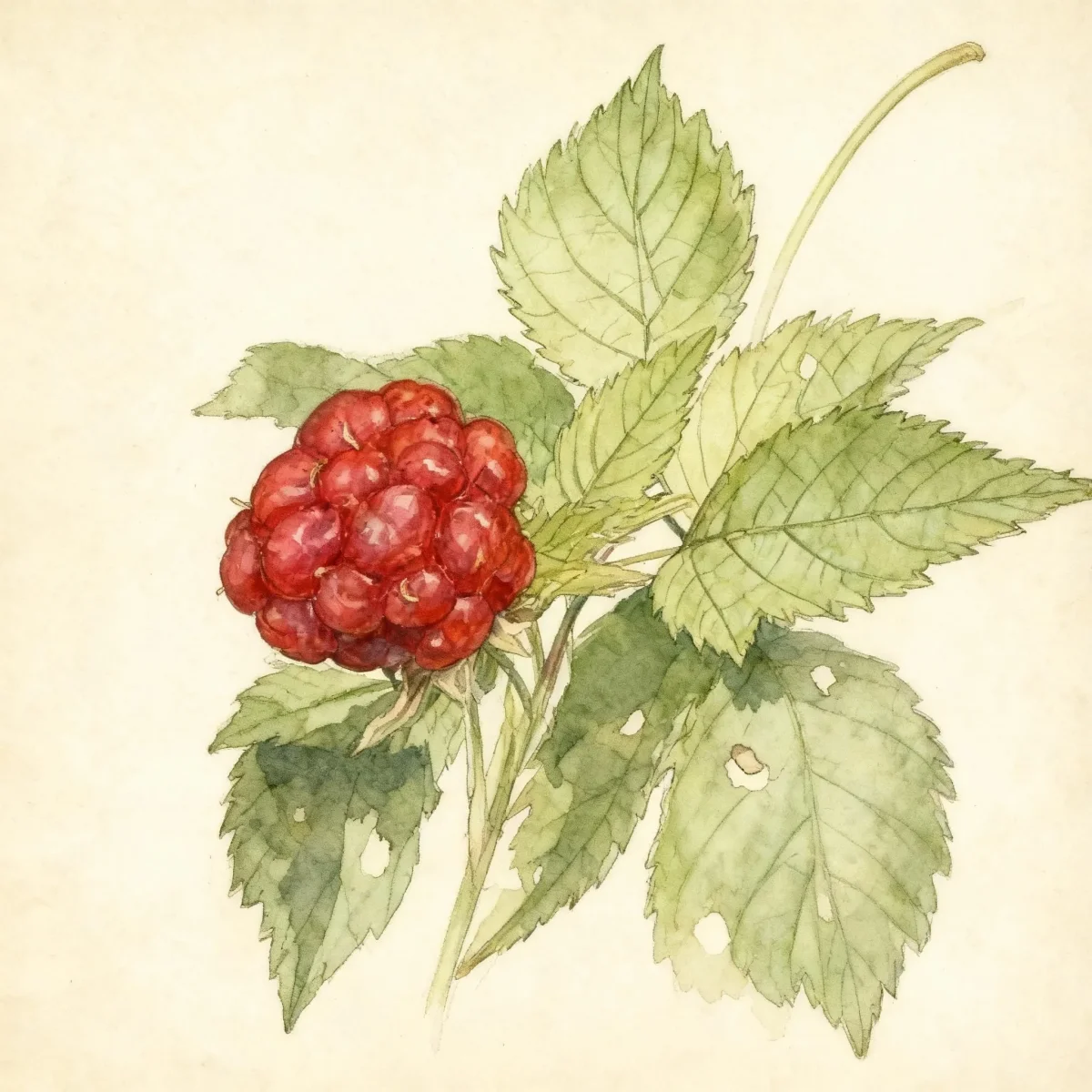
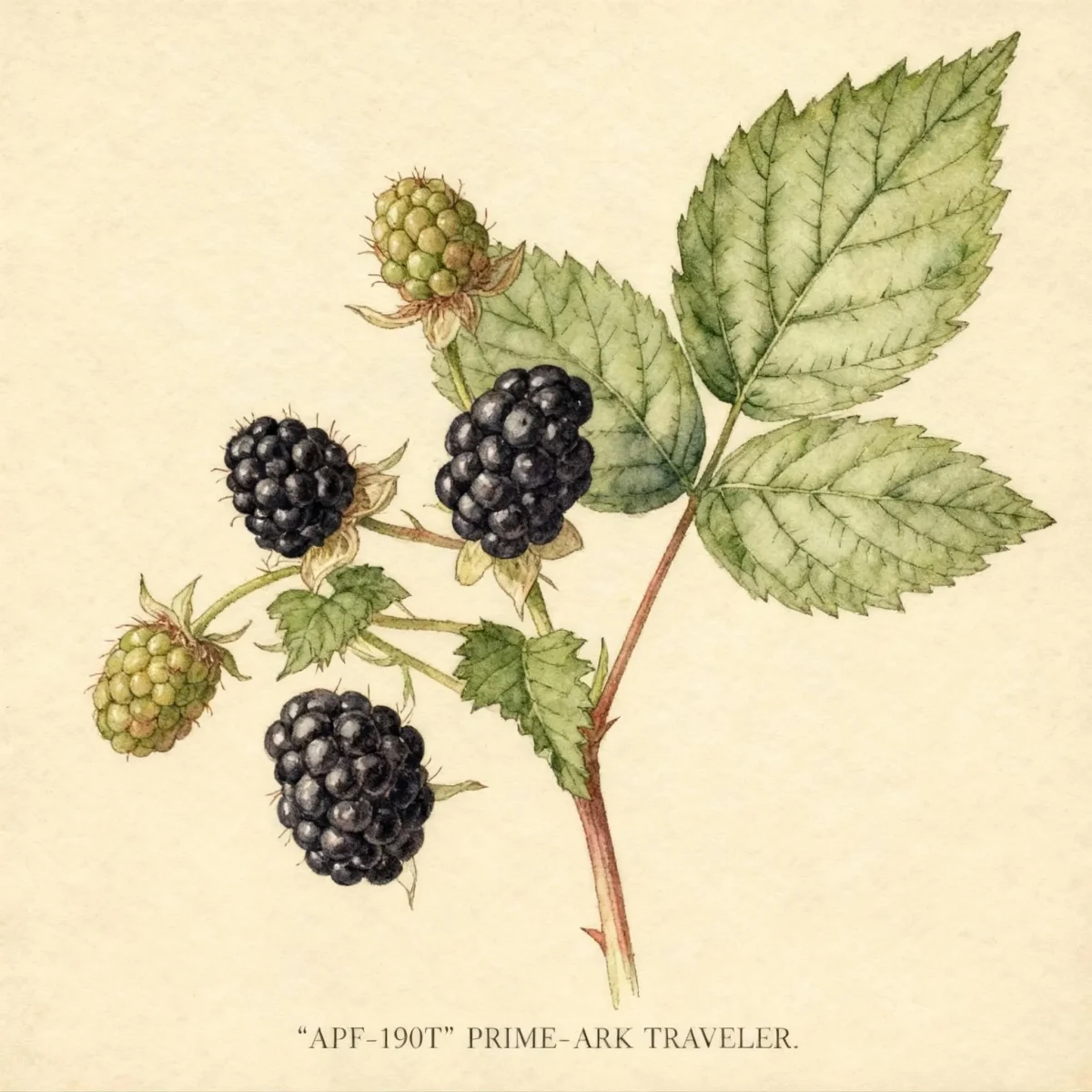
The Rubus ‘APF-236T’ BUSHEL AND BERRY BABY CAKES, commonly known as Blackberry, is a fantastic selection for home growers seeking manageable, productive brambles. This cultivar is specifically valued as a dwarf primocane variety, meaning it produces fruit on new growth, simplifying the biennial cane structure typical of many members of the Rubus genus. It delivers medium to large, sweet, dark, and shiny berries held in attractive upright clusters.
This specific Blackberry cultivar is compact, mature plants typically reaching only 3 to 4 feet tall and wide, making it ideal for smaller spaces, including large containers. Despite its manageable size, the Rubus ‘APF-236T’ BUSHEL AND BERRY BABY CAKES offers excellent yield of edible fruit, establishing itself as a reliable backyard staple. Growers should plan for medium maintenance to ensure the best harvest quality of these renowned berries.
Distinctive features of this selection include its thornless, erect stems, which significantly improve harvesting ease compared to thorny types. For gardeners planting this specific Blackberry, understanding the primocane fruiting habit is key to proper annual pruning, separating it slightly from traditional floricane types.
Fast Facts
- Plant Family: Rosaceae
- Plant Type: Fruit
- Hardiness Zones: USDA Zones 4-8
- Size at Maturity:
- Height: 3-4 ft
- Spread: 3-4 ft
- Bloom Time: May
- Bloom Description: White
- Sun Exposure: Full sun to part shade
- Water Needs: Medium
- Maintenance Level: Medium
How to Grow
Blackberries, including the Rubus ‘APF-236T’ BUSHEL AND BERRY BABY CAKES, thrive when planted in moist, organically rich, and slightly acidic soil. Ensure excellent drainage, as the plants are intolerant of wet soils—consider using raised beds if your native soil is heavy clay. Full sun promotes the best fruit production, though partial shade tolerance is acceptable.
Watering should be consistent to meet medium needs, especially during fruit development. Regular feeding with a balanced fertilizer appropriate for fruit plants will support vigorous growth. Because this Blackberry exhibits biennial cane growth, pruning is a non-negotiable part of successful culture.
Pruning must align with its primocane nature. Tip-prune new, non-fruiting canes in the summer. Crucially, immediately after the main fruit harvest concludes, remove all canes that have fruited entirely, cutting them back to the ground. In late winter or early spring, thin the remaining healthy canes, selecting for 4 or 5 strong, well-spaced canes, and trim their laterals. These plants generally perform best when staked to support the weight of the ripening fruit clusters.
Landscape Uses
While the underlying species contributes to many landscapes, the Rubus ‘APF-236T’ BUSHEL AND BERRY BABY CAKES is grown primarily for its edible yield rather than strictly ornamental appeal, although the developing fruit is showy. Its compact, erect habit makes it highly suitable for planting in dedicated berry patches or integrated into edible landscaping designs where height control is necessary.
Given its manageable 4-foot stature, this Blackberry excels in large containers, such as half whiskey barrels or deep planters, offering portability and excellent root zone control, which benefits drainage. When planting near other edibles, pair it with complementary crops like strawberries or blueberries in an acidic soil blend, ensuring they share similar sun and water requirements. This thornless cultivar is also excellent for creating low, productive edible screens where access during harvest is frequently required.
Standout Features
Flower Qualities
- Insignificant
Fruit Qualities
- Showy
- Edible
Noteworthy Characteristics
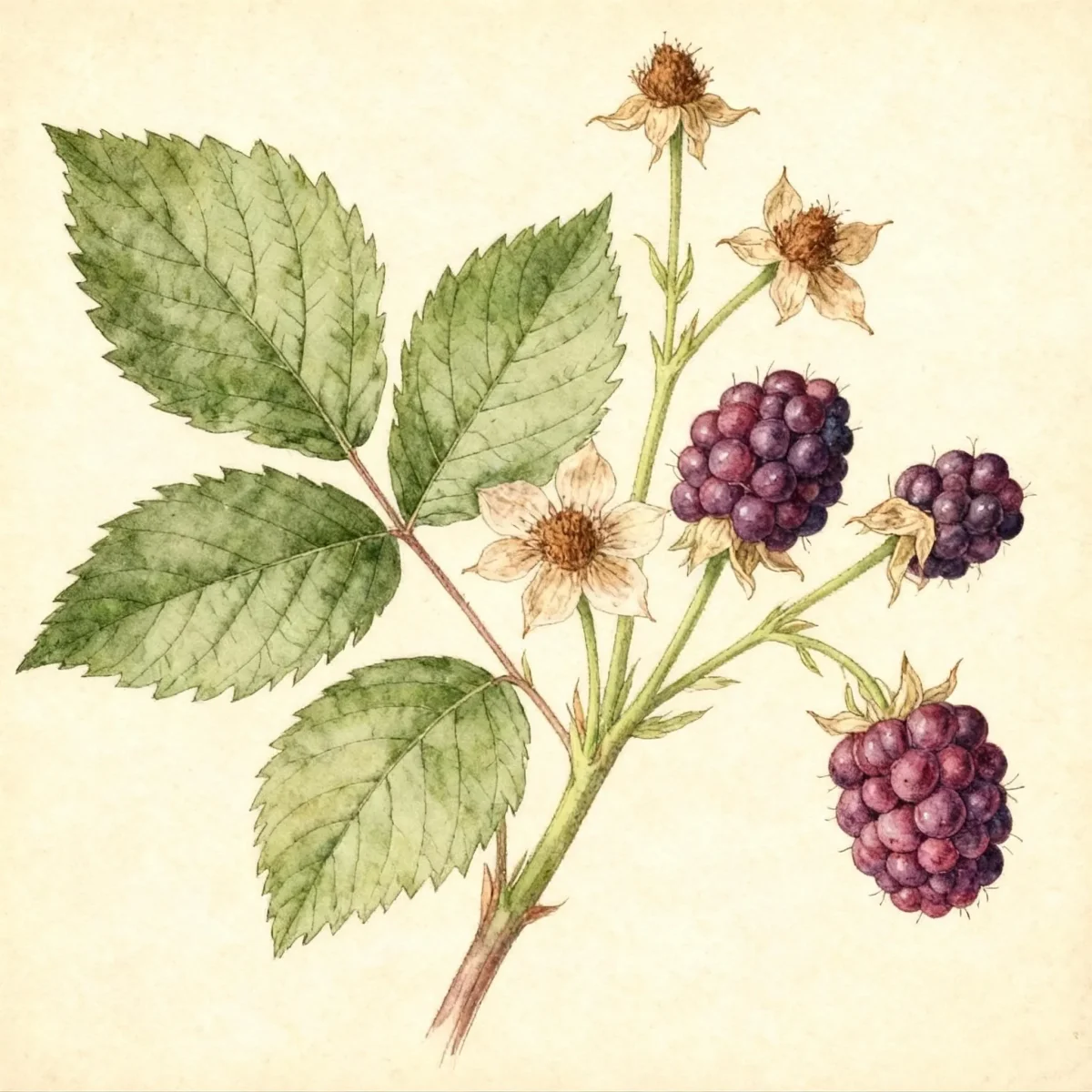
Blackberries are aggregate fruited brambles with biennial canes emerging from a perennial rootstock. Modern cultivars like this one are often hybrids, distinguished from raspberries because the receptacle remains attached upon picking. The Rubus ‘APF-236T’ BUSHEL AND BERRY BABY CAKES is a dwarf primocane selection, featuring thornless, erect stems reaching up to 4 feet, bearing sweet 1-inch, dark, elongated berries in upright clusters on new wood annually. This particular variety is frequently marketed as BUSHEL AND BERRY BABY CAKES and holds patent number PP27032.
Tolerances
(No data provided)
Potential Problems
This Blackberry variety can face serious challenges from common fungal issues; Anthracnose, botrytis, and verticillium wilt must be vigilantly managed through proper air circulation and sanitation. Pests such as cane borers and crown borers pose risks to the structural integrity and longevity of the canes. Prevention centers on correct maintenance: ensuring good air flow by proper thinning, immediately removing spent fruiting canes, and monitoring signs of infestation early in the season.
Frequently Asked Questions
What hardiness zones is Blackberry suitable for?
The Rubus ‘APF-236T’ BUSHEL AND BERRY BABY CAKES is well-suited for cultivation in USDA Zones 4 through 8.
How large does Blackberry grow?
Mature plants are relatively compact, achieving a height between 3 to 4 feet, with a spread also ranging from 3 to 4 feet.
What sun exposure does Blackberry need?
This Blackberry prefers full sun conditions for optimal fruit production but will tolerate part shade.
When does Blackberry bloom?
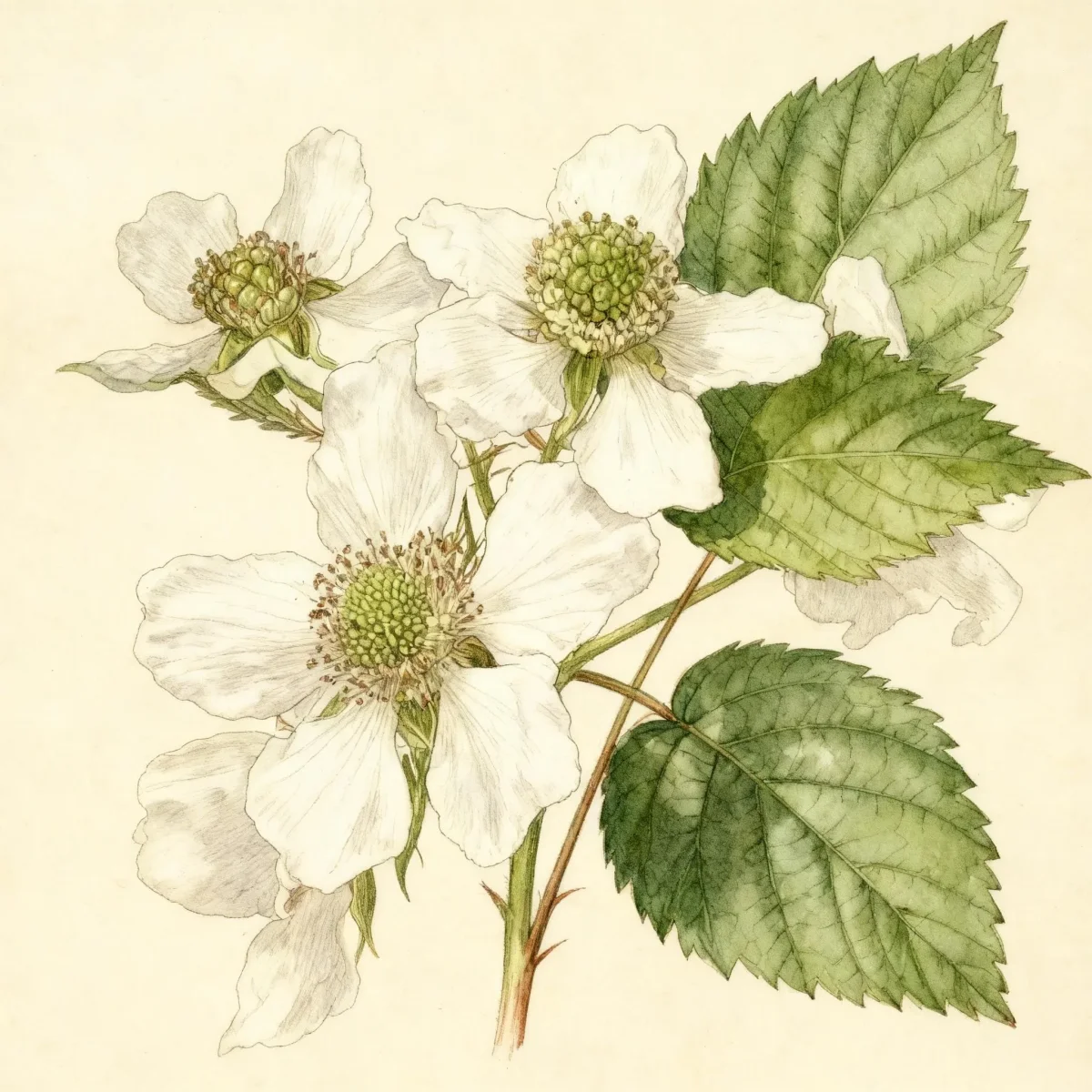
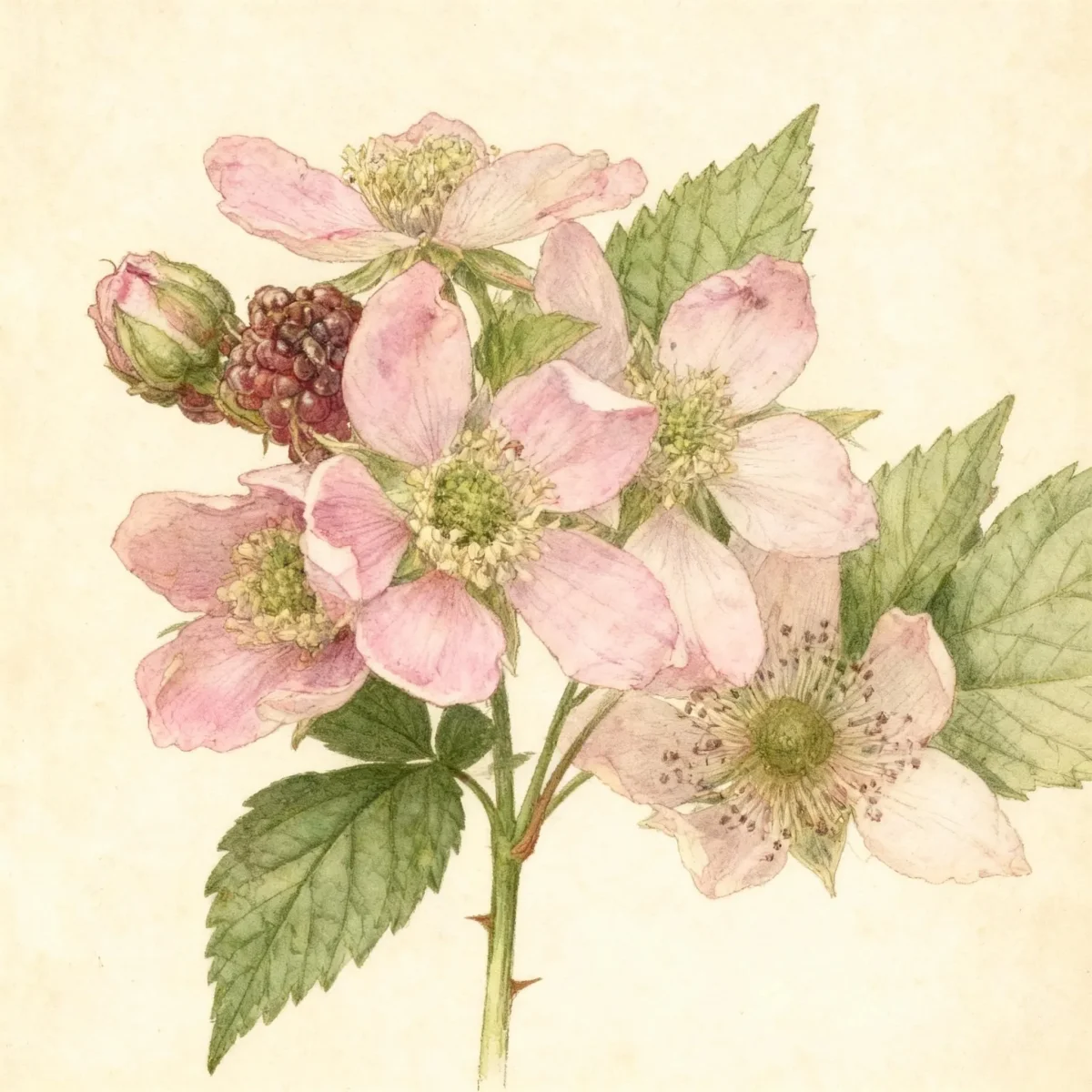
Blooming occurs in May, producing white flowers that are not considered ornamentally significant.
Conclusion
The Rubus ‘APF-236T’ BUSHEL AND BERRY BABY CAKES offers home gardeners a manageable, thornless, and productive source of sweet fruit. As a unique dwarf primocane Blackberry, its successful establishment relies on providing rich, well-drained soil and adhering strictly to its specific pruning schedule following harvest. Before planting, always verify that your growing location falls within USDA Zones 4-8 for the best yearly performance.
Companion Planting
When planning your berry patch, consider companions that prefer similar acidic soil profiles and moisture levels. Strawberries make excellent ground cover companions for Blackberry, provided they are spaced adequately to prevent competition for light and nutrients at the base of the canes. Vegetables like bush beans or leafy greens can sometimes be tucked into the sunny edges of the berry plot, though caution is needed to maintain the required open space around the canes for air circulation.
Container Growing Tips
Growing the Rubus ‘APF-236T’ BUSHEL AND BERRY BABY CAKES in containers is highly recommended, especially for gardeners with poor native drainage or limited space. Use a large container, ideally holding at least 15-20 gallons, to allow the perennial root system sufficient room. Use a high-quality potting mix amended with peat moss or compost to maintain the slightly acidic pH required, and ensure the pot has excellent drainage holes to satisfy the plant’s intolerance for wet feet.