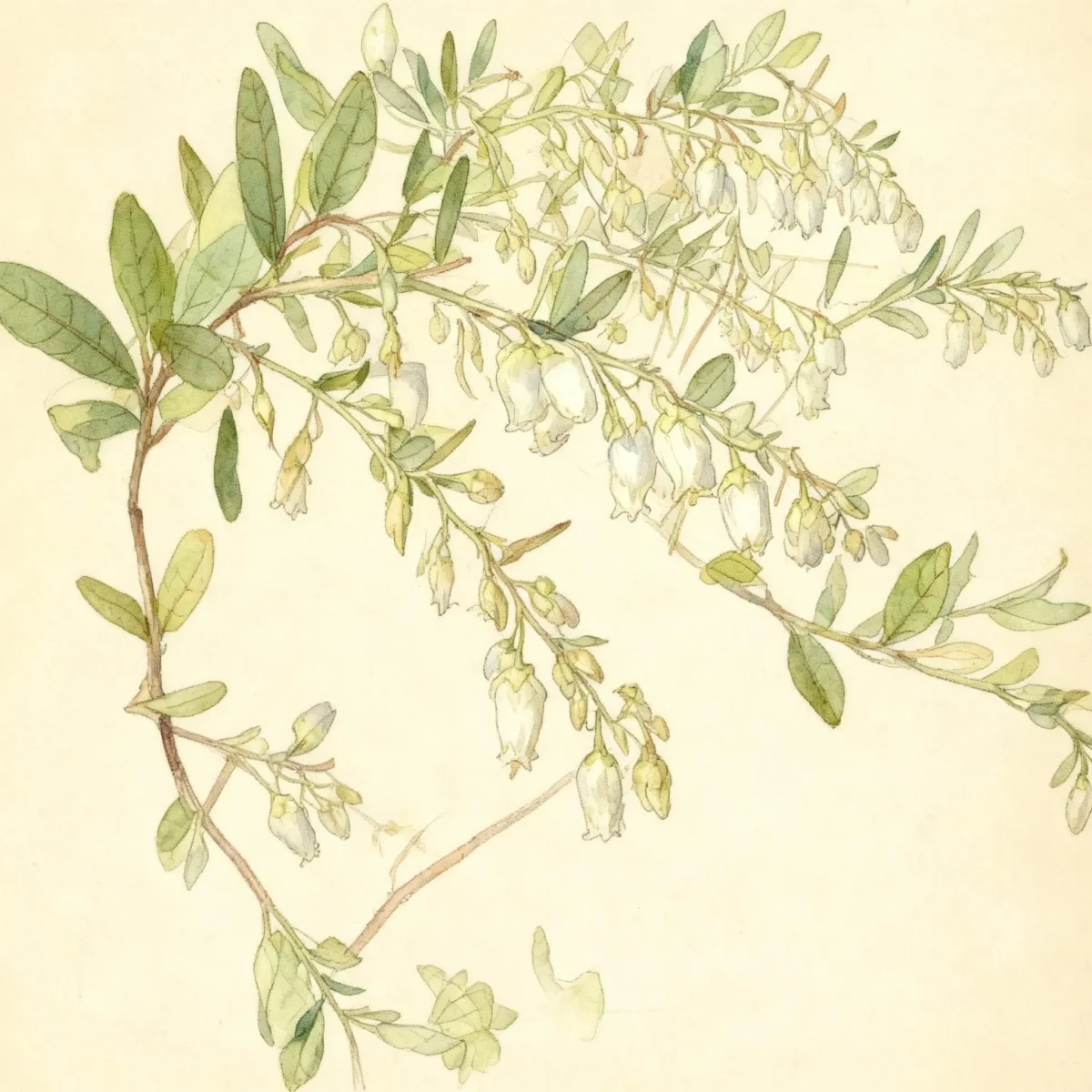
Blueberry (Vaccinium 'Northblue')
Vaccinium 'Northblue' is a cold-hardy, compact Blueberry producing juicy, edible fruit. Ideal for Zones 3-7 hedges and small spaces.
Scroll down to discover growing tips, care requirements, companion plants, and more
Complete Plant Information
Overview
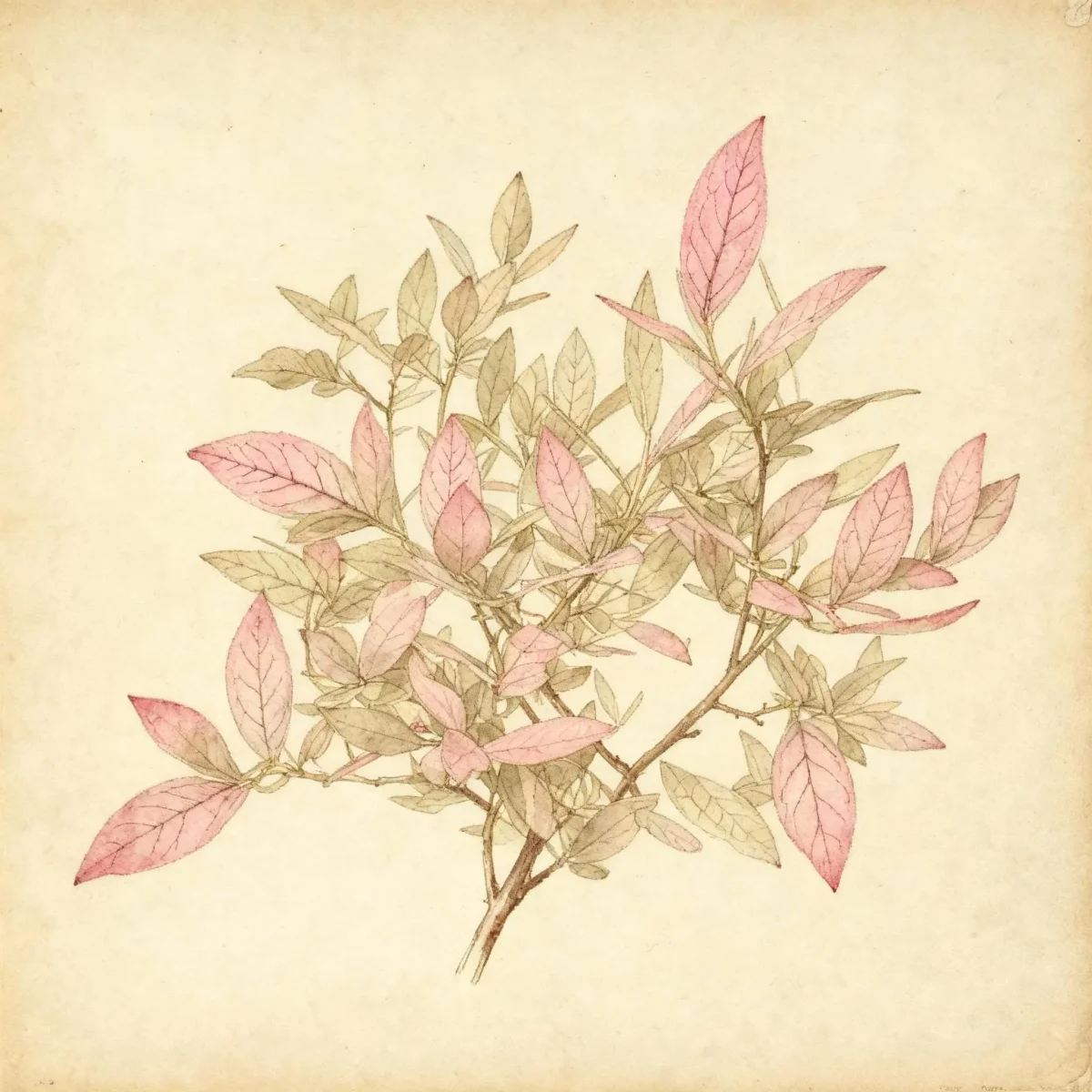
The Vaccinium ‘Northblue’ Blueberry is a highly valued, cold-hardy hybrid selection perfect for gardeners seeking both ornamental appeal and delicious fresh fruit yields. This compact variety matures to a manageable size, making it an excellent choice for smaller yards or container gardening where larger bushes struggle to fit. Its dense branching habit adds year-round structure.
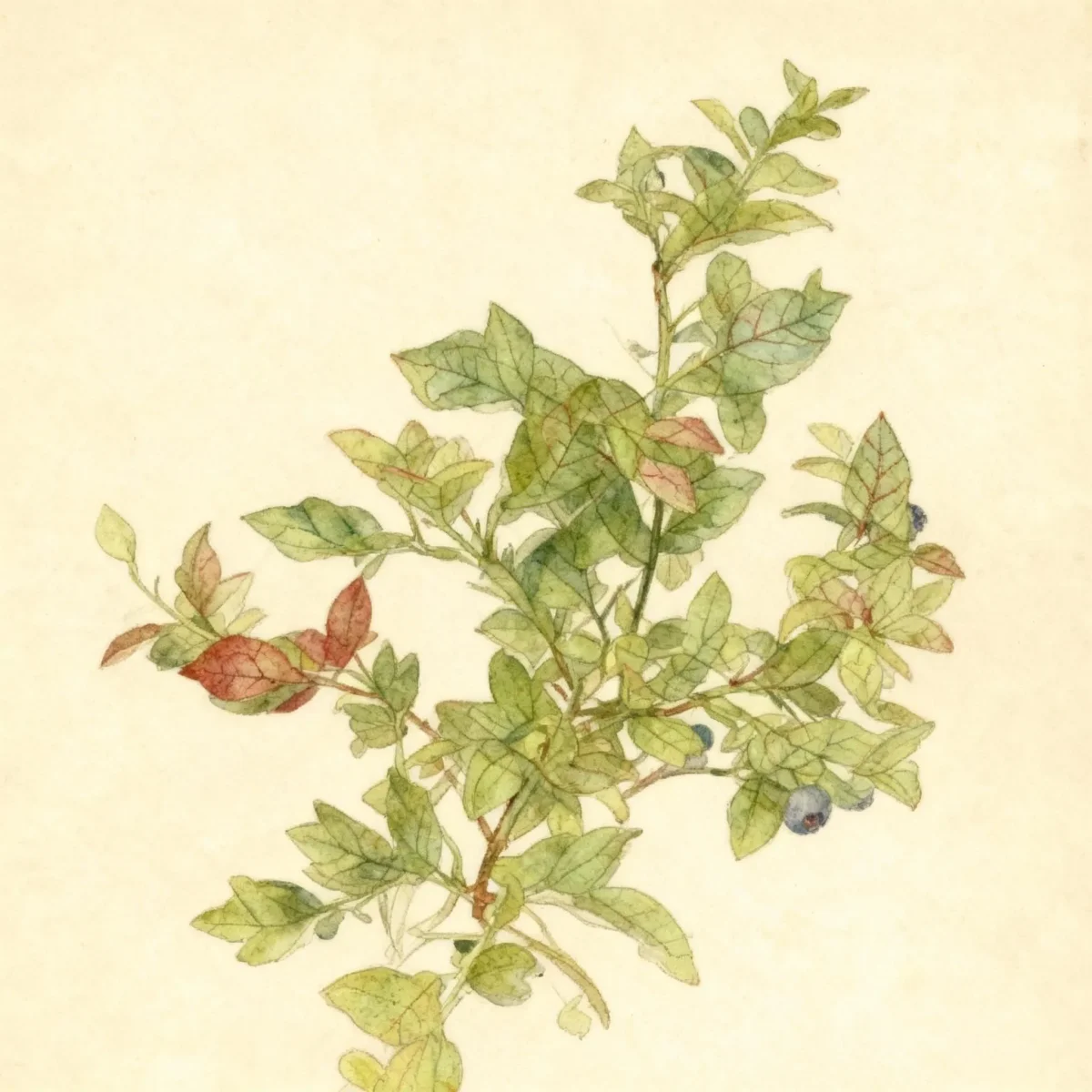
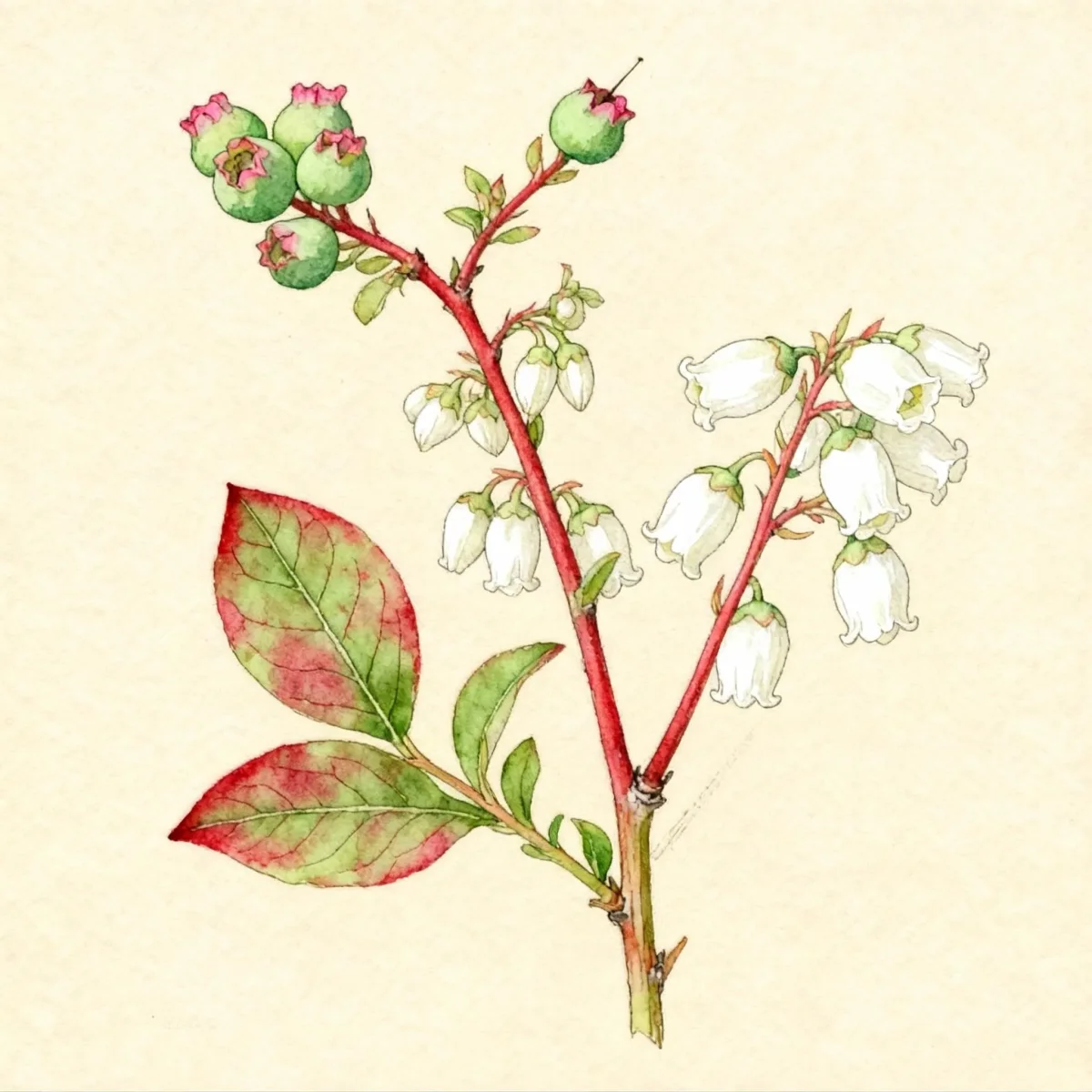
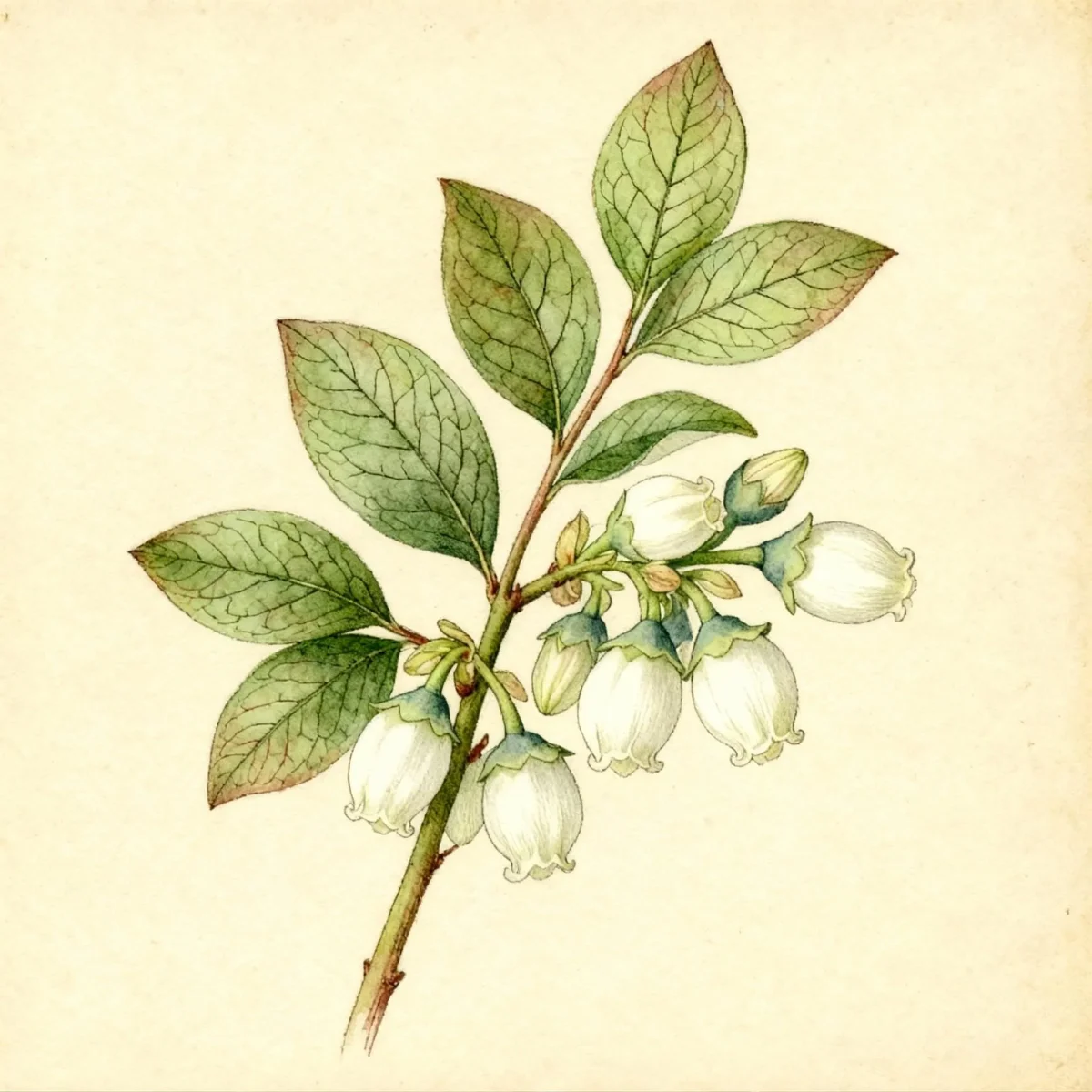
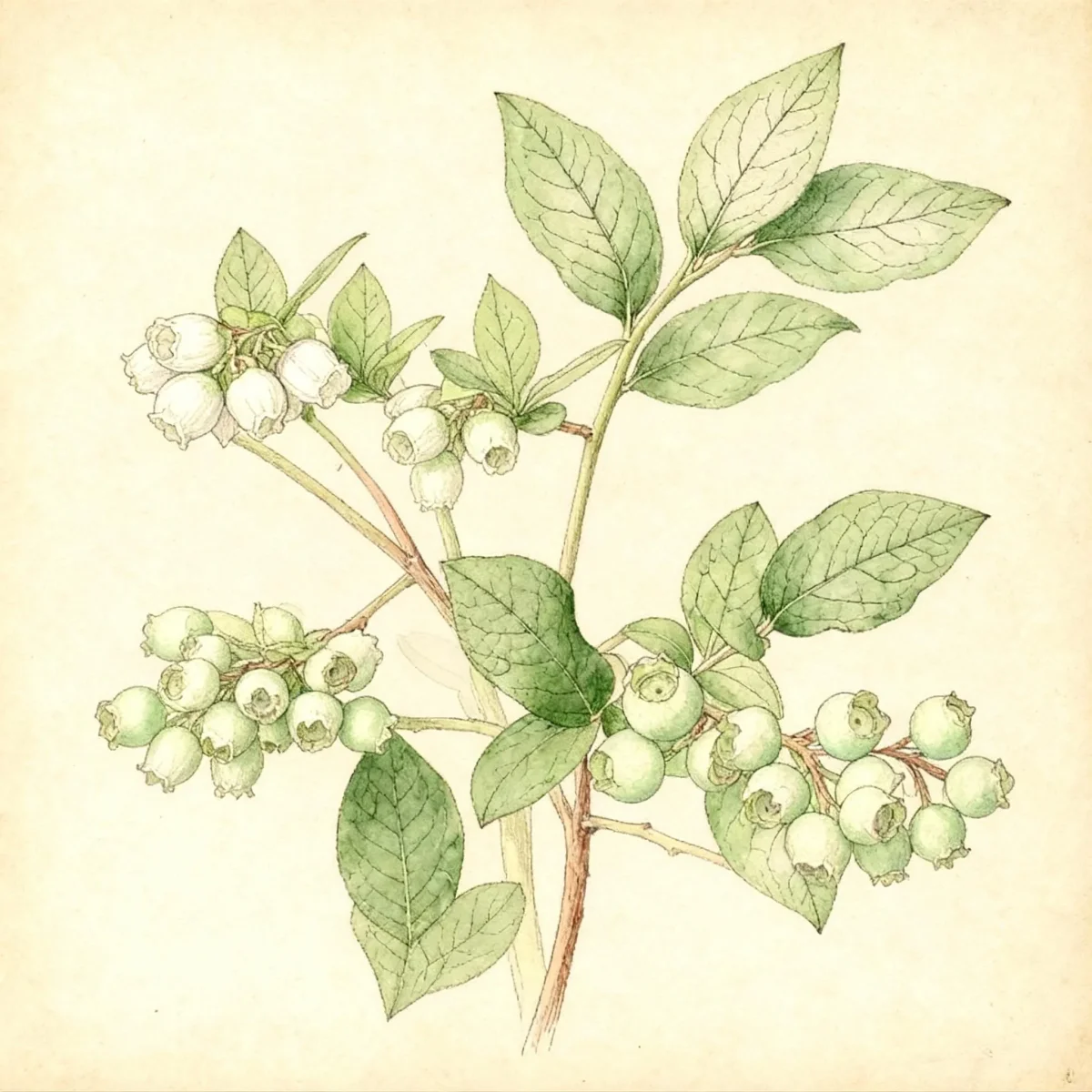
As a dwarf Blueberry, Vaccinium ‘Northblue’ offers small, urn-shaped flowers noted for their delicate white color with a charming pink blush in May. These give way to sweet and tart, dark blue berries that are perfectly edible. While self-fertile, providing good crossed pollination will significantly enhance your overall harvest quality and quantity.
This plant thrives when specific acidic soil conditions are met, presenting a medium maintenance requirement geared towards maintaining soil pH and consistent moisture. Successful cultivation of this Blueberry ensures a reliable source of summer berries alongside attractive seasonal foliage.
Fast Facts
- Plant Family: Ericaceae
- Plant Type: Fruit
- Hardiness Zones: USDA Zones 3-7
- Size at Maturity:
- Height: 2-3 ft
- Spread: 2-3 ft
- Bloom Time: May
- Bloom Description: White with pink blush
- Sun Exposure: Full sun to part shade
- Water Needs: Medium to wet
- Maintenance Level: Medium
How to Grow
Planting Vaccinium ‘Northblue’ requires special attention to soil acidity. Aim for peaty, organically rich soil with a pH strictly between 4.0 and 5.2. These Blueberry plants possess shallow, fibrous roots that demand constant moisture alongside excellent drainage. Planting is best done when dormant, ensuring you amend the planting hole generously with organic matter to improve retention and acidity.
Consistent watering is crucial; the soil should remain medium to wet, never fully drying out. Applying a good organic mulch helps conserve this moisture and moderates soil temperature around the sensitive roots. While the Vaccinium ‘Northblue’ is self-fertile, planting another compatible variety nearby is recommended to maximize berry size and yield via cross-pollination.
To develop a strong structure, remove all flower buds during the first year of planting and again the following year. This redirects energy into vegetative growth rather than premature fruiting. Pruning should commence in late winter, beginning in the third year after planting, removing older canes as needed to maintain an open, productive habit.
Landscape Uses
Vaccinium ‘Northblue’ excels in applications where space is a consideration or where multi-season interest is desired. Its compact, upright form makes it an ideal candidate for use as a formal or informal hedge, providing structure along paths or property lines. Since it produces lovely flowers, fruit, and good summer foliage, it is highly useful purely for ornamental purposes.
This dwarf Blueberry is perfectly sized for container gardening, allowing you to easily control the necessary acidic soil conditions, even in alkaline regions. Grouping several Vaccinium ‘Northblue’ plants together not only ensures better fruit set but also creates a lush, continuous band of interest throughout the growing season.
Standout Features
Flower Qualities
- Showy
Fruit Qualities
- Showy
- Edible
Noteworthy Characteristics
The Vaccinium ‘Northblue’ cultivar is a dwarf hybrid resulting from a cross of V. corymbosum and V. angustifolium. Mature plants maintain a compact, densely branched habit, reaching up to 3 feet tall and wide, presenting small, pendulous white flowers with a pink blush. The resulting blue berries are sweet and tart, making this a valuable dual-purpose plant for the garden.
Tolerances
Potential Problems
The Vaccinium ‘Northblue’ generally faces few serious insect or disease pressures, especially when grown primarily for ornamental appeal. The most common issue gardeners face is birds, which aggressively target the ripening fruit; expect to use netting to protect your crop as harvest time approaches. Chlorosis, or yellowing of the foliage, is a major warning sign indicating the soil pH is too high. Ensuring soil acidity (pH 4.0–5.2) prevents this. Infrequent but possible fungal issues include stem blight, root rot, and mummy berry, which often requires sanitation and proper air circulation through timely pruning.
Frequently Asked Questions
What hardiness zones is Blueberry suitable for?
The Vaccinium ‘Northblue’ Blueberry is hardy across USDA Zones 3 through 7, offering excellent cold tolerance.
How large does Vaccinium ‘Northblue’ grow?
This dwarf cultivar reaches a mature height and spread of 2 to 3 feet.
When does Blueberry bloom?
This variety typically blooms in May, producing distinctive white flowers blushed with pink.
What sun exposure does Vaccinium ‘Northblue’ need?
It performs best in full sun but can tolerate partial shade, though fruit production may be slightly reduced.
Conclusion
The Vaccinium ‘Northblue’ Blueberry offers gardeners a low-growing, highly ornamental plant that reliably provides sweet, usable fruit. By prioritizing its need for acidic soil and consistent moisture, you can ensure a healthy specimen that delivers on both aesthetic appeal and harvest potential. Check your local soil pH now and plan your planting this spring or fall to enjoy this compact Blueberry variety.
Companion Planting
Blueberries thrive alongside other acid-loving plants, which naturally share similar soil amendment requirements. Consider planting Camellias, Azaleas, or Rhododendrons nearby; their cultural needs align perfectly with the Vaccinium ‘Northblue’. Groundcovers that enjoy acidic, moist conditions, such as certain varieties of Heather or low-growing ferns, can help shade the shallow roots and maintain soil humidity. Avoid planting with alkaline-loving species like Lavender or Lilacs, as the differing pH needs will stress one or both plants.
Seasonal Care Calendar
Spring is critical for establishing growth; ensure new plants receive dilute, acid-forming fertilizer early in the season once active growth begins. Monitor soil moisture closely as temperatures rise, especially for container-grown specimens of Vaccinium ‘Northblue.’ Summer is the payoff period; protect ripening fruit from birds. In late summer or early fall, you can begin preparing the area for winter by adding a fresh layer of mulch around the base of the plant. Winter care is minimal due to its hardiness, but ensure mulch remains thick around the roots to protect against freeze-thaw cycles, especially in the colder end of its range (Zone 3).