Blackberry (Rubus 'APF-190T' PRIME-ARK TRAVELER)
Thornless, erect Blackberry, Rubus 'APF-190T' PRIME-ARK TRAVELER bears showy, edible fruit in USDA Zones 5-8.
Scroll down to discover growing tips, care requirements, companion plants, and more
Complete Plant Information
Overview
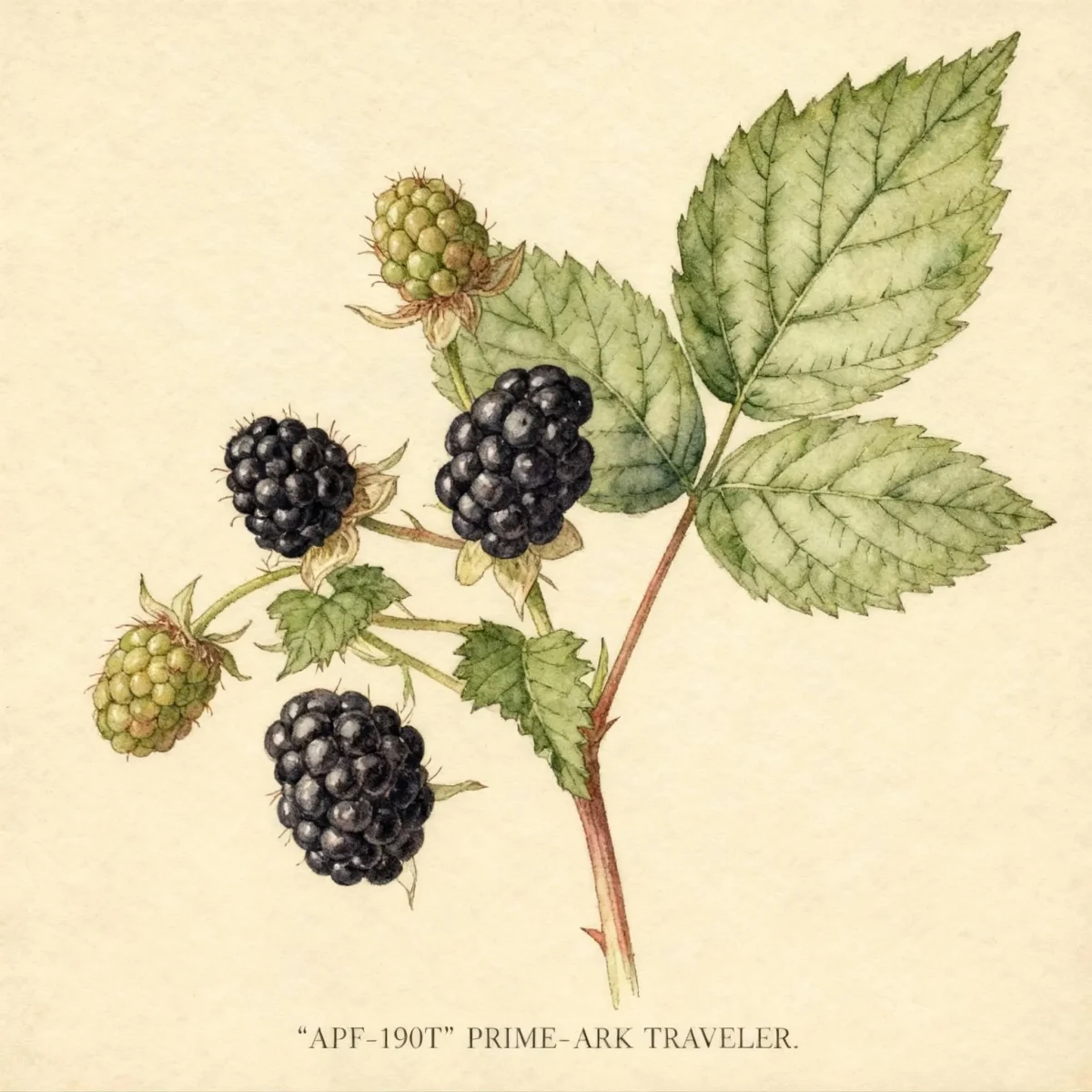
The Rubus ‘APF-190T’ PRIME-ARK TRAVELER offers home gardeners all the benefits of fresh Blackberry harvest combined with modern, manageable growth habits. This particular cultivar is highly valued for its thornless, erect stems, which significantly ease maintenance and harvesting compared to more sprawling varieties. As a primocane type, it provides reliable fruit production, making it a modern staple for those seeking high-quality, edible backyard crops.
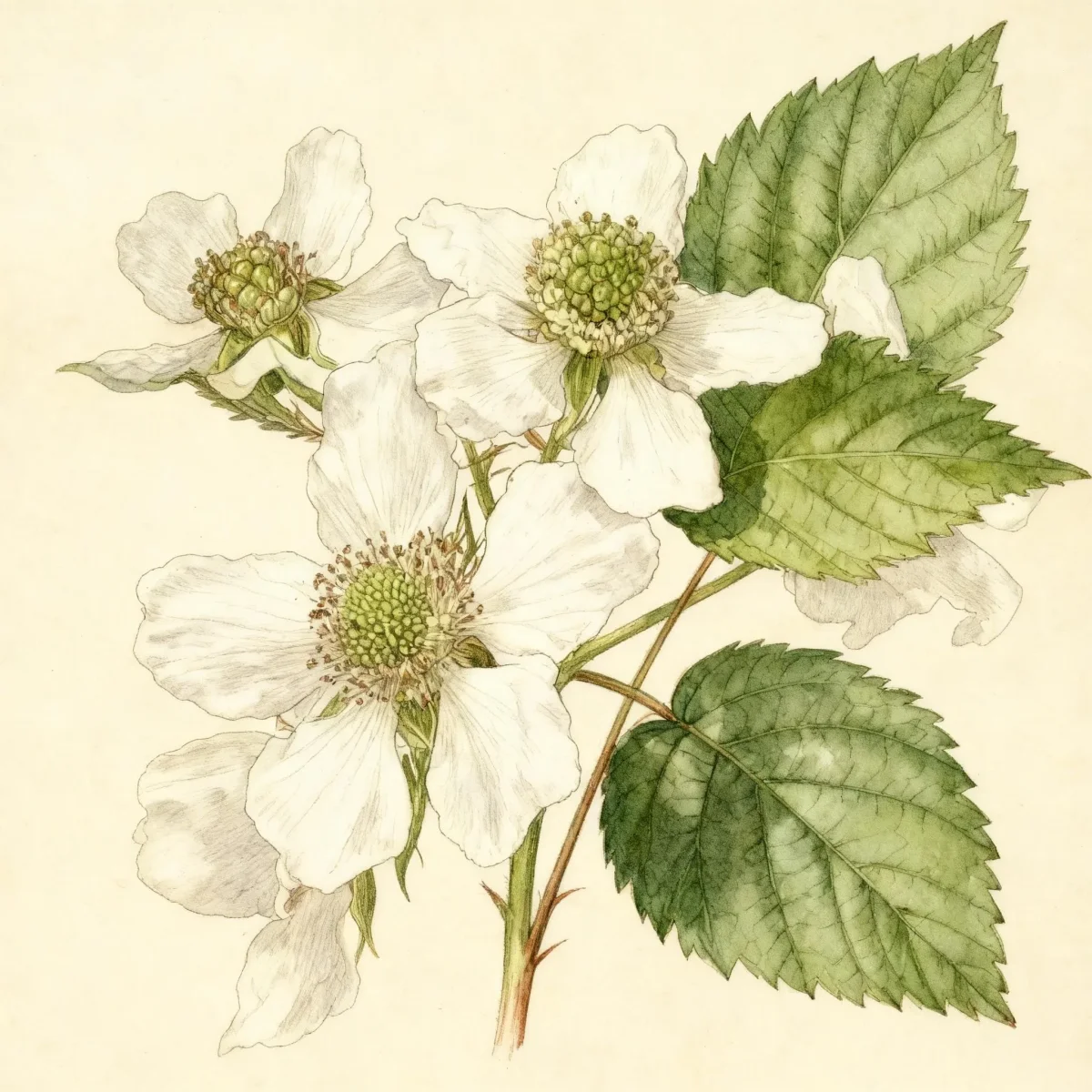
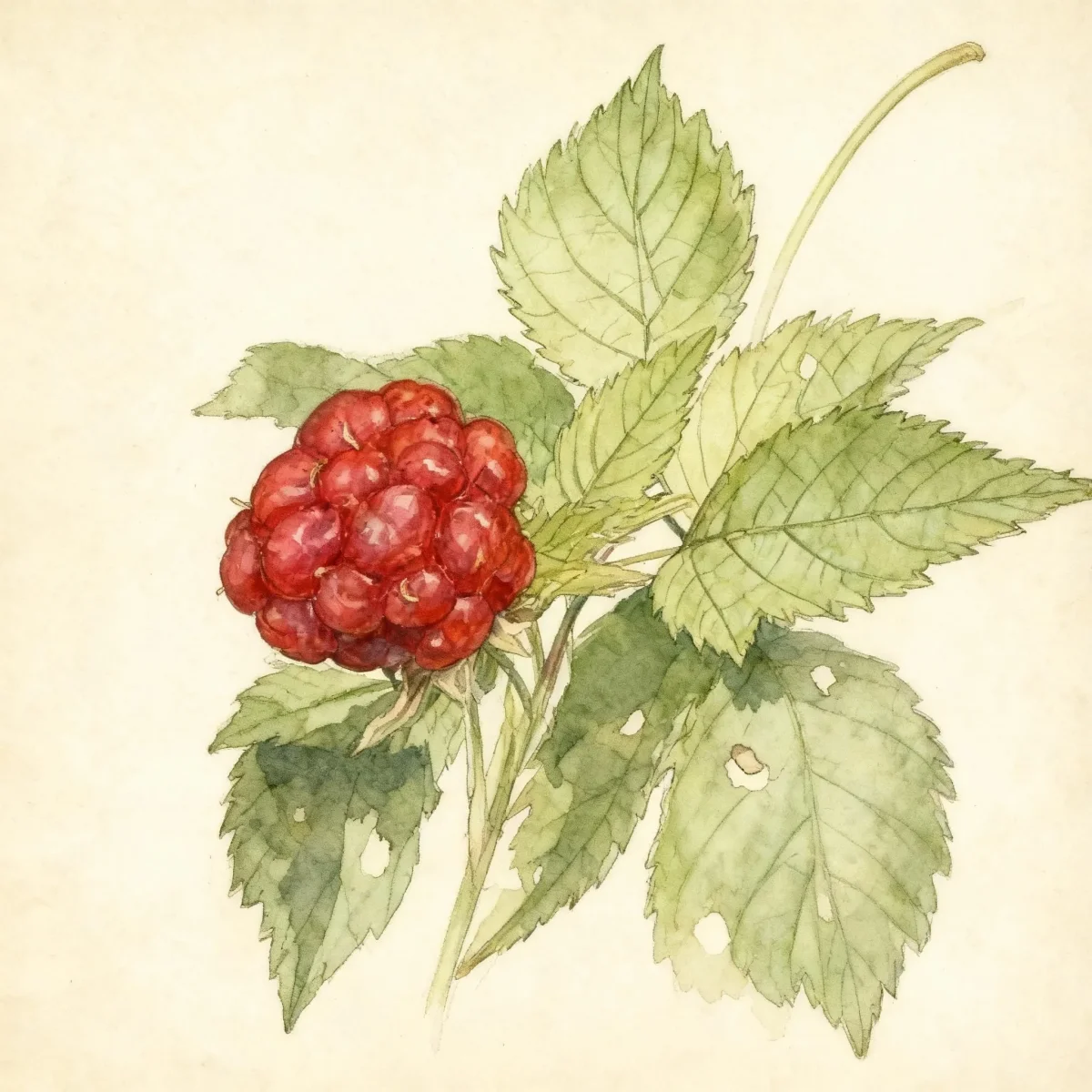
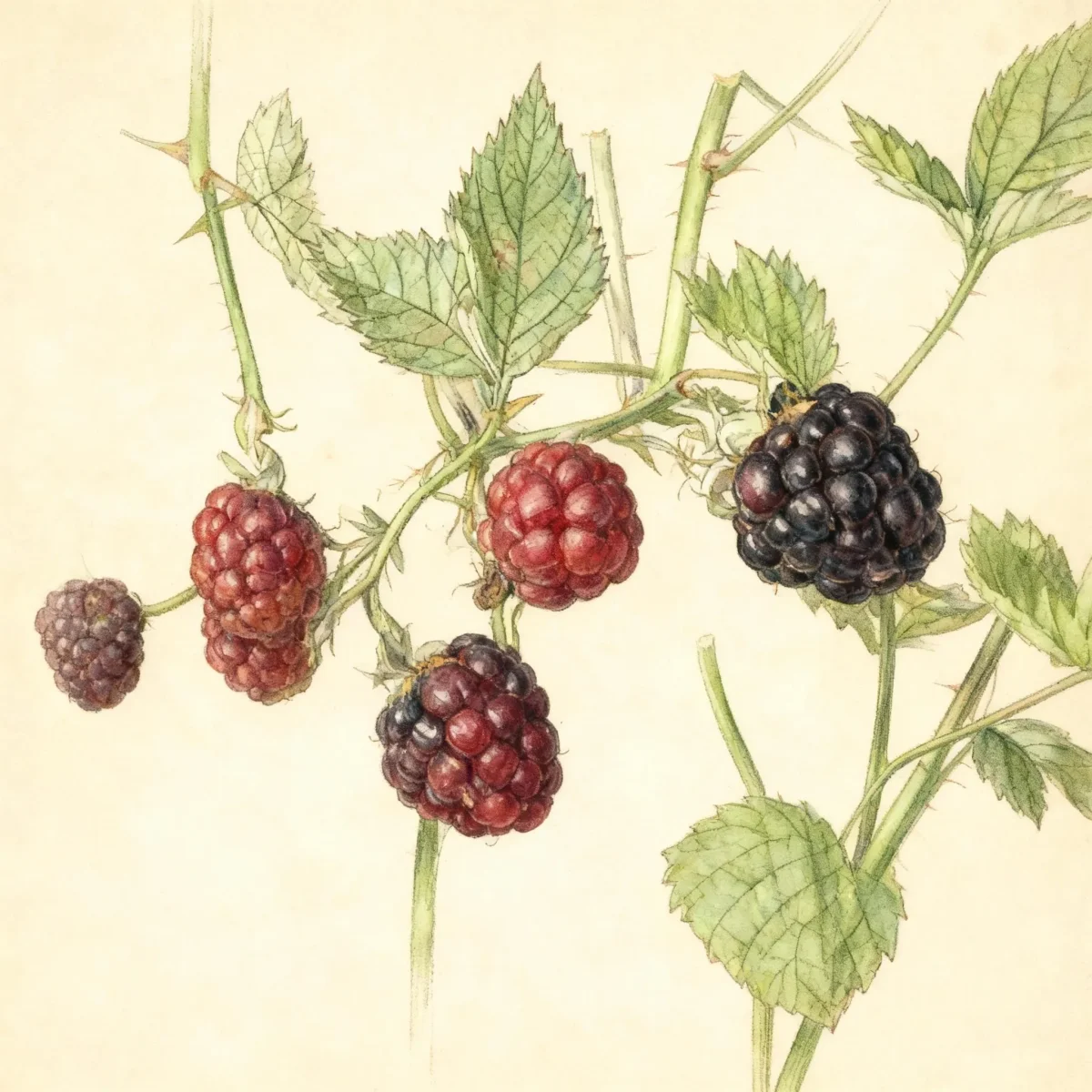
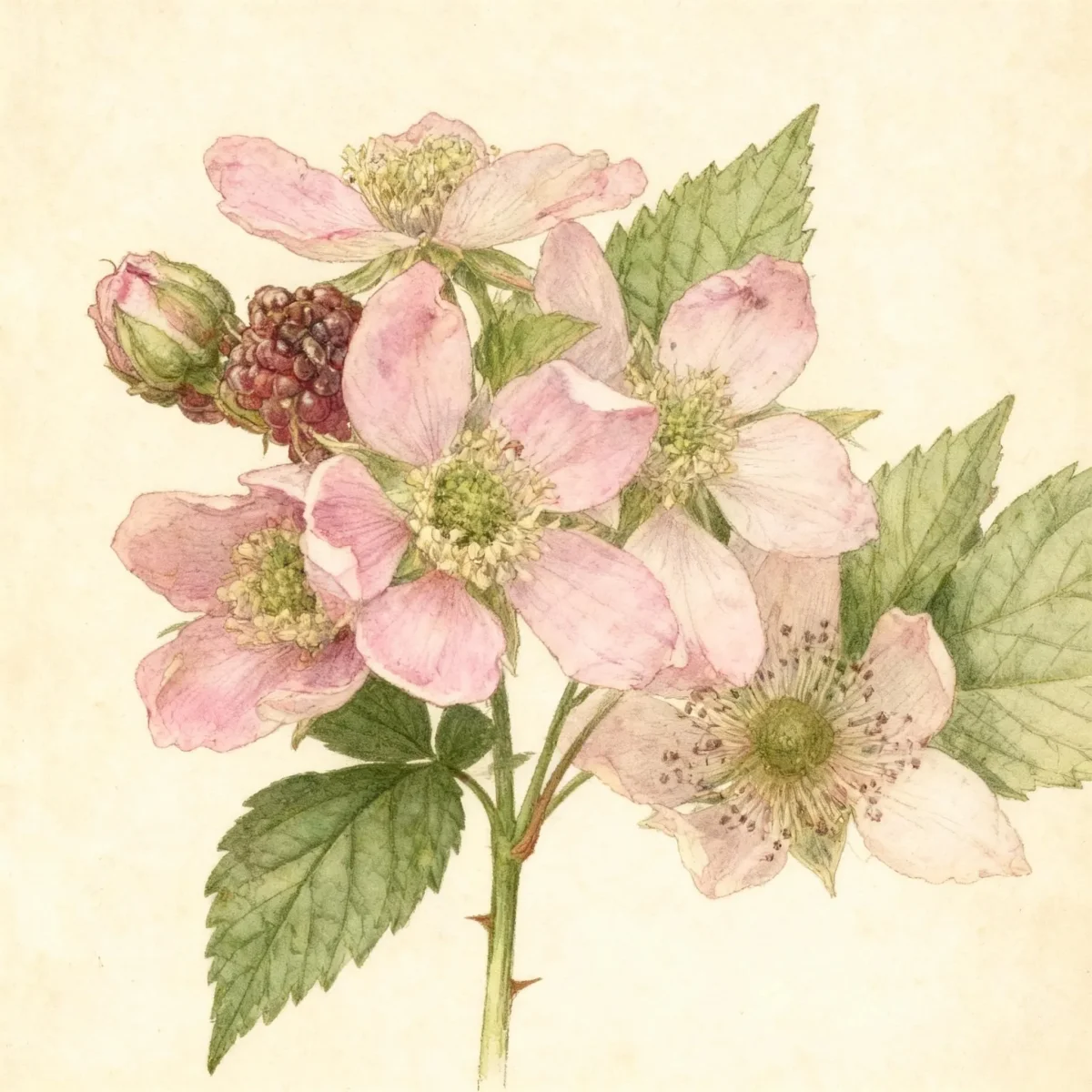
This Blackberry variety produces medium to large, dark, shiny berries that are both sweet and pleasantly tart when ripe. Mature plants typically reach 4 to 5 feet in height, maintaining a manageable spread of 3 to 4 feet, and they thrive best when provided with support structures like stakes. While the white flowers are not considered showy, they are vital for setting the excellent fruit yield that makes Rubus ‘APF-190T’ PRIME-ARK TRAVELER so popular.
Cultivating this Bramble ensures a rewarding annual harvest of highly desirable fruit. Its performance is maximized in well-drained, organically rich soil, emphasizing the need for good soil preparation before planting. Successful growing hinges on understanding its biennial cane structure, as proper pruning is essential for maximizing the productivity of the subsequent season’s crop.
Fast Facts
- Plant Family: Rosaceae
- Plant Type: Fruit
- Hardiness Zones: USDA Zones 5-8
- Size at Maturity:
- Height: 4-5 ft
- Spread: 3-4 ft
- Bloom Time: May
- Bloom Description: White
- Sun Exposure: Full sun to part shade
- Water Needs: Medium
- Maintenance Level: Medium
How to Grow
The ideal time to plant your new Rubus ‘APF-190T’ PRIME-ARK TRAVELER is when dormant, generally in early spring or late fall. Select a location that receives full sun, though partial shade tolerance exists. Soil preparation is critical; these plants demand moist, organically rich, and slightly acidic soil that drains exceptionally well. If your native soil is heavy clay, strongly consider using raised beds to mitigate the risk of root saturation, as the plant is intolerant of wet soils.
Watering should be consistent, aiming for medium moisture levels, especially during fruit development. Fertilization should follow standard recommendations for brambles, focusing on balanced nutrients applied in early spring. Because the canes are biennial, pruning strategy is paramount for this Blackberry. For established shrubs, tip-prune new, non-fruiting (vegetative) canes during the summer.
Immediate post-harvest care involves removing all canes that have just finished fruiting entirely, cutting them down to the ground. In late winter or early spring, before new growth starts, assess the remaining canes—remove any that suffered winter damage and thin the remaining structure to maintain 4 or 5 strong, well-spaced canes. Providing stakes or a trellis structure will significantly improve air circulation and plant performance for Rubus ‘APF-190T’ PRIME-ARK TRAVELER.
Landscape Uses
While the plant produces flowers, the primary motivation for growing this Blackberry is culinary, and it is generally not selected for pure ornamental value. Focus its placement where the fruit harvest will be convenient. They work wonderfully as edible hedges or along property borders, provided adequate sunlight exposure is met.
Because of their moderate height (up to 5 feet) and strong, erect habit, these plants integrate well behind shorter flowering perennials or vegetable crops. Companion planting should focus on maximizing soil health and managing pests common to the area. Avoid planting near potatoes or tomatoes to reduce the risk of sharing diseases like Verticillium Wilt.
Consider integrating the Rubus ‘APF-190T’ PRIME-ARK TRAVELER into a dedicated berry patch or an edible landscape design. Its need for structure suggests placing it near fences or dedicated trellis systems, making it an excellent candidate for productive vertical gardening within the vegetable garden space.
Standout Features
Flower Qualities
- Insignificant
Fruit Qualities
- Showy
- Edible
Noteworthy Characteristics
Blackberries are aggregate-fruited brambles characterized by biennial canes emerging from a perennial rootstock. These plants can be distinguished from raspberries because when blackberries are picked, the central receptacle remains inside the fruit, unlike the hollow center of a raspberry. The Rubus ‘APF-190T’ PRIME-ARK TRAVELER is a primocane selection, meaning it fruits on new wood, featuring thornless, erect stems perfectly suited for easy management. These plants often go by the nursery name PRIME-ARK TRAVELER and are protected under patent PP28598.
Tolerances
Potential Problems
Anthracnose, botrytis, and verticillium wilt represent serious fungal disease potentials for this Blackberry. Prevention involves ensuring excellent site drainage and good air circulation, managed through proper spacing and correct pruning techniques. Insect pests needing vigilance include cane borers and crown borers, which can seriously weaken or kill canes. Inspect new growth regularly and apply appropriate dormant oils or targeted treatments if infestations are noted early in the season.
Frequently Asked Questions
What hardiness zones is Blackberry suitable for?
This robust Blackberry variety, Rubus ‘APF-190T’ PRIME-ARK TRAVELER, is best suited for cultivation in USDA Hardiness Zones 5 through 8.
How large does Blackberry grow?
Mature plants generally reach a height between 4 and 5 feet, with a corresponding spread of 3 to 4 feet.
What sun exposure does Blackberry need?
Optimal growth for Rubus ‘APF-190T’ PRIME-ARK TRAVELER occurs in full sun, though it can tolerate partial shade conditions.
When does Blackberry bloom?
The plant produces its white blooms during the month of May.
Conclusion
The Rubus ‘APF-190T’ PRIME-ARK TRAVELER stands out as a premium choice for Blackberry enthusiasts, delivering sweet, showy fruit without the nuisance of heavy thorns on its erect canes. Its primocane fruiting habit simplifies the annual pruning routine, making it accessible even for novice fruit growers. Before planting, ensure your site offers the requisite full sun exposure and excellent drainage to successfully cultivate this superior variety of Blackberry.
Companion Planting
Selecting appropriate neighbors for your Blackberry patch can enhance production and reduce pest pressure. Good companions often include alliums, such as garlic or chives, as their strong scents can deter specific berry pests. Herbs like dill and parsley, which attract beneficial predatory insects, are excellent additions to plantings of Rubus ‘APF-190T’ PRIME-ARK TRAVELER.
Avoid planting nightshades (tomatoes, peppers) nearby, as they share susceptibility to vascular wilts, which can devastate Brambles grown in compromised soil. Focusing on companion plants that enjoy similar soil acidity and medium water needs will promote a healthier, more productive ecosystem around your prized fruit canes.
Seasonal Care Calendar
Spring is crucial for initiating the growing season for this fruit plant. As winter damage assessment is complete in late winter/early spring, finalize pruning by thinning canes. Apply balanced fertilizer just as new growth emerges, remembering to keep the soil moist through early summer dry spells.
Summer management centers heavily on harvesting and pruning, particularly for Rubus ‘APF-190T’ PRIME-ARK TRAVELER. Tip-prune vegetative canes during summer to encourage bushiness, and immediately remove all spent fruiting canes right after the harvest season ends. Ensure structures supporting the canes remain sound throughout this vigorous growth period.
Propagation Tips
Since the Rubus ‘APF-190T’ PRIME-ARK TRAVELER is a complex modern hybrid, propagation is not effectively done through seed, which will not reliably produce the parent characteristics. The most common and reliable method for increasing stocks of this Blackberry is through basal sprouting or suckering. These plants naturally produce new canes arising from the perennial root system.
To propagate via suckers, gently excavate the soil around the base of a healthy established plant where a new cane has emerged on its own roots, separate from the crown. Ensure the new shoot has a sufficient root system attached before severing it completely from the parent plant during either the dormant season or early spring.
This method maintains the exact genetic profile of the patented thornless, erect variety—crucial for gardeners wanting true Rubus ‘APF-190T’ PRIME-ARK TRAVELER plants. Root cuttings are sometimes possible but are less reliable for establishing strong, vigorous plants immediately.
Common Mistakes
The most frequent error in growing this Blackberry variety involves improper pruning, leading to reduced yields or plant dieback. Forgetting to remove all floricanes (canes that fruited) immediately after harvest prevents the plant from focusing energy on next year’s primocane crop. Similarly, allowing canes to become overcrowded due to insufficient thinning in late winter stresses the plant and blocks essential sunlight penetration needed for high-quality fruit.
Failing to provide adequate support is another serious oversight; while the canes are erect, they still benefit significantly from staking, especially when laden with fruit. Without staking, canes can flop over, increasing humidity at the base and heightening the risk of fungal diseases like anthracnose. Finally, planting in heavy, poorly drained soil guarantees root issues, making preemptive raised beds a vital consideration over improper site selection.