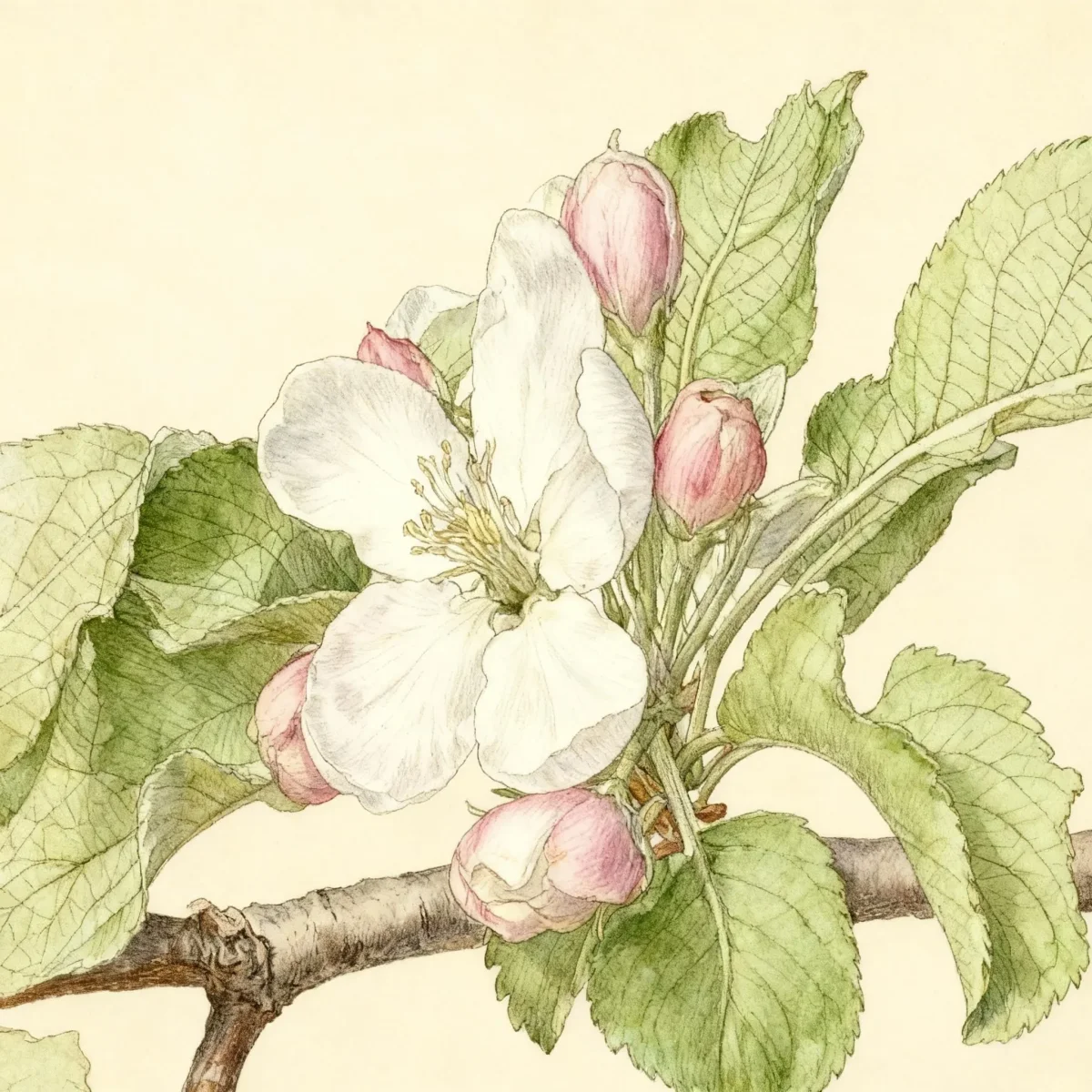
Dwarf nectarine (Prunus persica var. nectarina 'Leprechaun')
Prunus persica var. nectarina 'Leprechaun' is a stunning Dwarf nectarine perfect for small spaces, offering fragrant pink blooms and edible, sweet fruit.
Scroll down to discover growing tips, care requirements, companion plants, and more
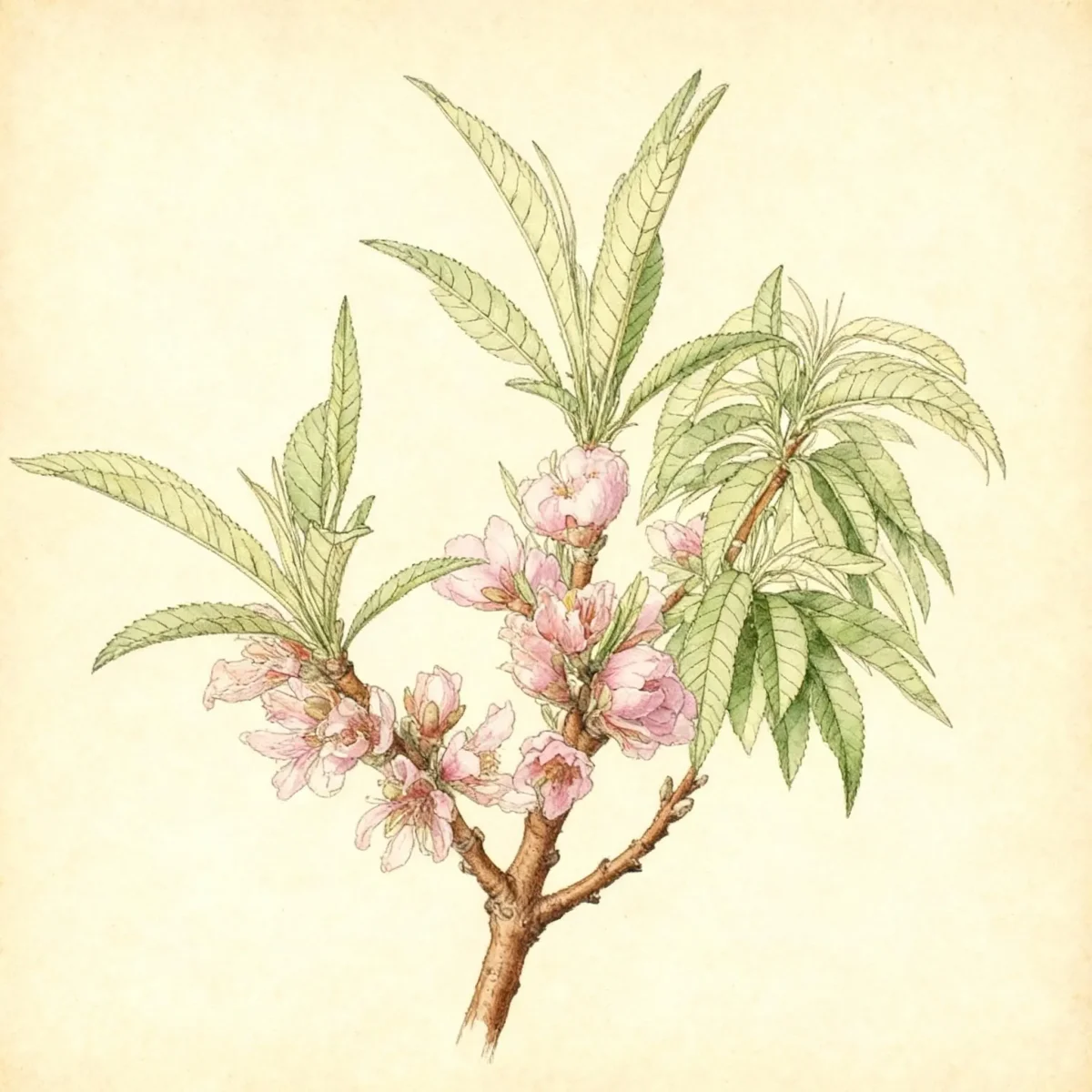
Complete Plant Information
Overview
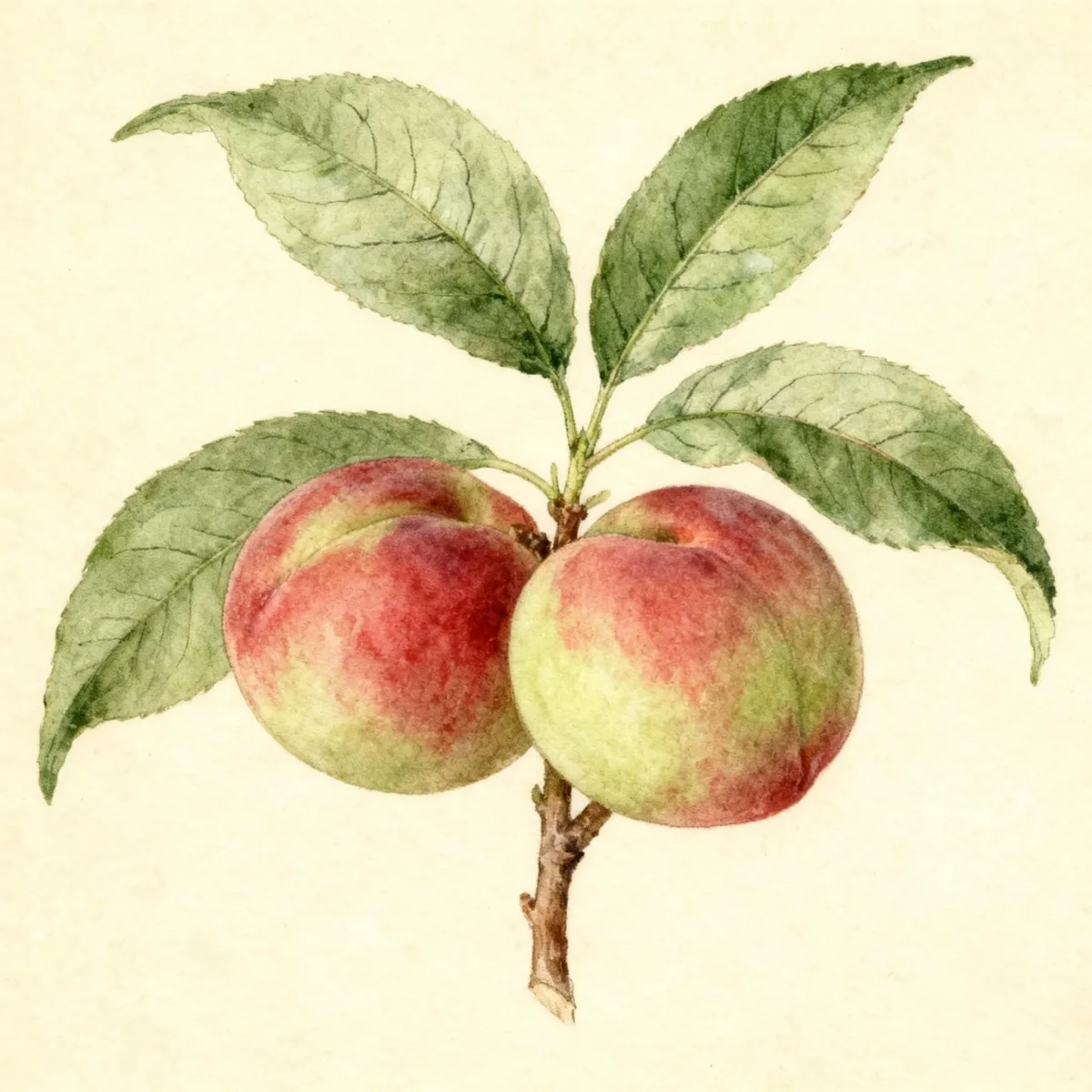
The Dwarf nectarine, scientifically known as Prunus persica var. nectarina ‘Leprechaun’, is a superb choice for gardeners seeking both ornamental beauty and fruit production in a compact form. This cultivar offers the advantage of bearing standard-sized, flavorful fruit while remaining manageable in size, reaching only about 5.5 feet tall and wide, making it ideal for smaller gardens or large containers. Not only does it deliver a sweet, freestone harvest, but it also provides a spectacular show in early spring.
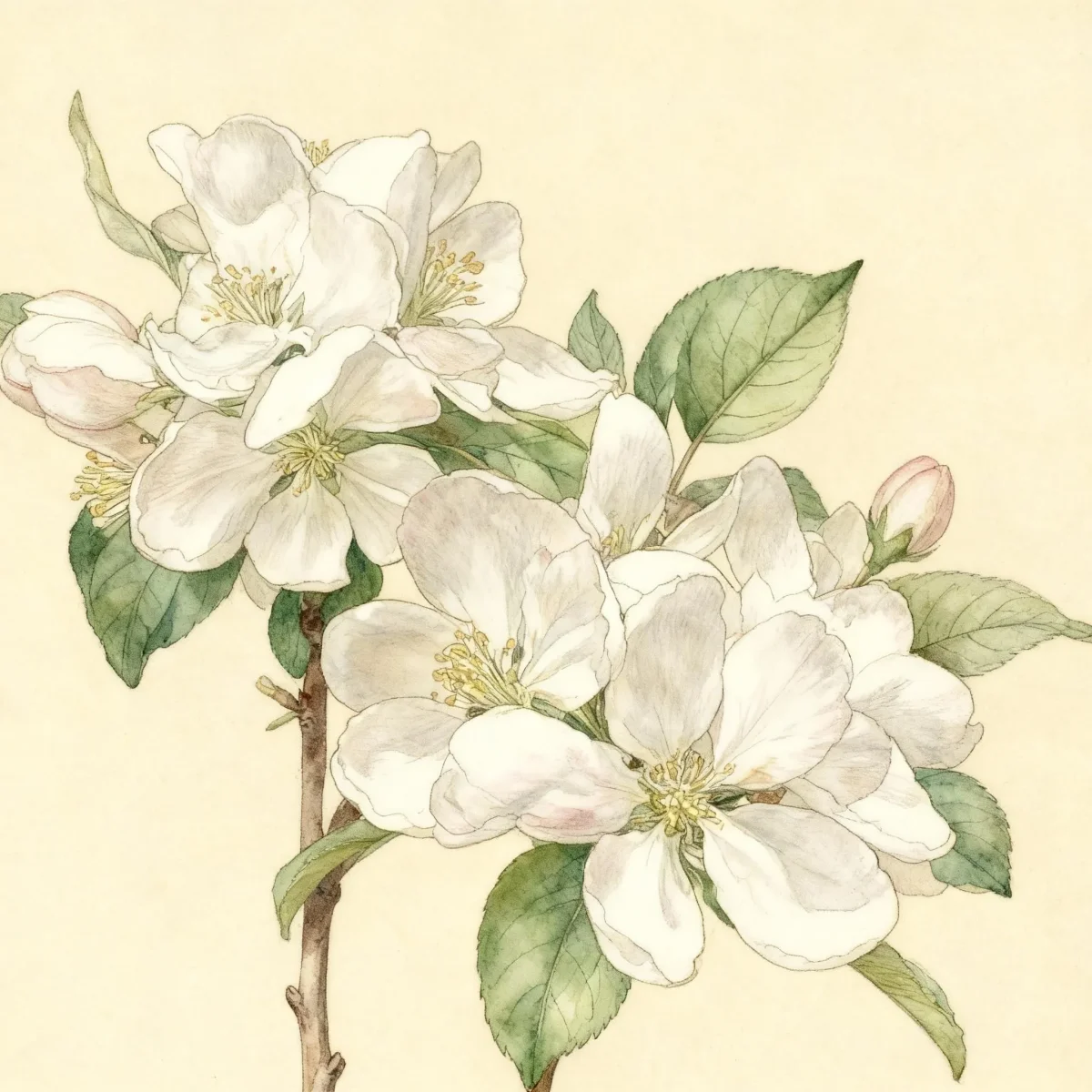
Prunus persica var. Nectarina ‘Leprechaun’ blankets the landscape with showy, fragrant pink blossoms in April, making it an attractive flowering tree long before the harvest begins. As a smooth-skinned peach relative, this dwarf selection simplifies orchard management compared to full-sized stone fruits. Gardeners must be prepared for the high maintenance required, particularly concerning pest control and diligent pruning, to ensure a successful crop of its golden yellow and red-tinged fruit.
If you desire year-round interest—from the early spring bloom to the delicious summer fruit—the Dwarf nectarine is an excellent specimen. Its manageable stature allows even novice fruit growers to participate in harvesting fresh nectarines, provided they commit to the necessary protective spraying regimen.
Fast Facts
- Plant Family: Rosaceae
- Plant Type: Fruit
- Hardiness Zones: USDA Zones 6-9
- Size at Maturity:
- Height: 4.5-5.5 ft
- Spread: 4.5-5.5 ft
- Bloom Time: April
- Bloom Description: Pink
- Sun Exposure: Full sun
- Water Needs: Medium
- Maintenance Level: High
How to Grow
The foundation for a successful Dwarf nectarine planting relies on excellent location and soil selection. Best growth occurs when planted in average, medium-moisture, well-drained soil situated in a site that receives full sun throughout the day. When planting your Prunus persica var. nectarina ‘Leprechaun’, ensure the site will not be negatively impacted by any future chemical spraying programs, as consistent pest management is crucial for nectarines. For backyard growers, dwarf trees can be sited as closely as 10 feet apart if planting multiple specimens.
Care for this high-maintenance variety centers on consistency, especially regarding moisture and nutrition. Benefits are realized through regular watering, particularly during fruit development, consistent fertilization, and disciplined annual pruning to maintain structure and air flow within the canopy. Since this is a self-pollinating variety, you only need one plant to ensure fruit set, though bloom damage from late spring frosts can still compromise the crop.
It is vital to avoid planting nectarine trees in the same soil where other stone fruits have recently grown, due to the risk of transferring soil-borne pathogens. Prepare for the growing season by monitoring for potential problems early, since regular chemical spraying regimens are generally needed to secure a satisfactory harvest against common local pests.
Landscape Uses
While Prunus persica var. Nectarina ‘Leprechaun’ is primarily cultivated for its edible yield, its role as an ornamental flowering tree should not be overlooked. The attractive early spring bloom provides essential welcome color before many other trees awaken, offering visual appeal when the garden structure is bare. Its compact size makes the Dwarf nectarine perfect for planting near patios or mixed borders where space is limited.
For design purposes, plant this specimen where its spring flowers can contrast against evergreen backdrops, emphasizing the showy, pink display. Although grown for fruit, the resulting small, golden fruit adds seasonal interest that birds may appreciate, though protection is often necessary until harvest. For smaller yards, placing a single Dwarf nectarine as a focal point ensures you benefit from both the aesthetic qualities and the subsequent harvest.
Standout Features
Flower Qualities
- Showy
- Fragrant
Fruit Qualities
- Showy
- Edible
Noteworthy Characteristics
Though typically known as peaches (Prunus persica), this smooth-skinned relative, the nectarine, is highly prized for its luscious fruit. Modern nursery stock, including ‘Leprechaun’, utilizes rootstocks to maintain a dwarf habit (around 5.5’ tall), which makes pruning and harvesting manageable while still producing standard-sized fruit. This specific selection boasts small, pink flowers in spring followed by sweet, flavorful, freestone fruit throughout the season.
Tolerances
Since no field was populated for specific tolerances, this section remains omitted.
Potential Problems
Nectarines are subject to a significant array of serious pest and disease issues, meaning that consistent vigilance is critical for the gardener. To ensure a good crop harvest from your Prunus persica var. nectarina ‘Leprechaun’, a regular schedule of chemical spraying is often required. Potential diseases include destructive threats like peach leaf curl, brown rot, canker, and bacterial leaf spot.
Insect pressures may include the peach tree borer, oriental fruit moth, plum curculio, mites, and aphids. Additionally, both very cold winter temperatures and late spring frosts pose a significant threat, potentially causing severe damage to the buds and flowers, thereby eliminating the year’s potential crop. A positive note is that the ‘Leprechaun’ cultivar shows resistance to bacterial leaf spot, simplifying management of that specific ailment.
Frequently Asked Questions
What hardiness zones is Dwarf nectarine suitable for?
Prunus persica var. nectarina ‘Leprechaun’ is typically suited for USDA Zones 6 through 9.
How large does the Dwarf nectarine grow?
This dwarf selection usually reaches a manageable height and spread between 4.5 and 5.5 feet at maturity.
When does Prunus persica var. nectarina ‘Leprechaun’ bloom?
This variety blooms in April, showcasing attractive pink flowers.
What sun exposure does the Dwarf nectarine need?
The best cultivation practices require that Prunus persica var. Nectarina ‘Leprechaun’ be planted in a site receiving full sun.
Conclusion
The Dwarf nectarine, especially the robust Prunus persica var. nectarina ‘Leprechaun’, successfully merges high ornamental value through its fragrant spring blooms with the practical reward of homegrown fruit. Its compact size makes it distinctly valuable for modern, space-conscious gardening designs. Before planting, confirm your location falls within USDA Zones 6-9 and commit to the high maintenance schedule required for successful nectarine cultivation.
Companion Planting
When planning the understory around your Dwarf nectarine, select companions that thrive in similar conditions—full sun and medium, well-drained soil—but avoid planting other stone fruits nearby to reduce disease transfer risks. Consider planting low-growing herbs like chives or garlic near the base; their strong scents can sometimes help deter certain general garden pests that might otherwise bother the tree. Low-growing, non-competitive companion plants that do not heavily shade the base of the tree are ideal for maximizing air circulation around your Prunus persica var. Nectarina ‘Leprechaun’.
Seasonal Care Calendar
Spring preparation is crucial for this high-maintenance fruit tree. As dormancy breaks, monitor aggressively for pests and pathogens, as this is when protective treatments for leaf curl and emerging insects must begin. Summer demands consistent medium watering, especially when the fruit is sizing up, to ensure the quality and sweetness of your edible harvest. In late summer or fall, perform necessary pruning to shape the tree and remove any dead or diseased wood, preparing the structure for the next season’s bloom cycle.