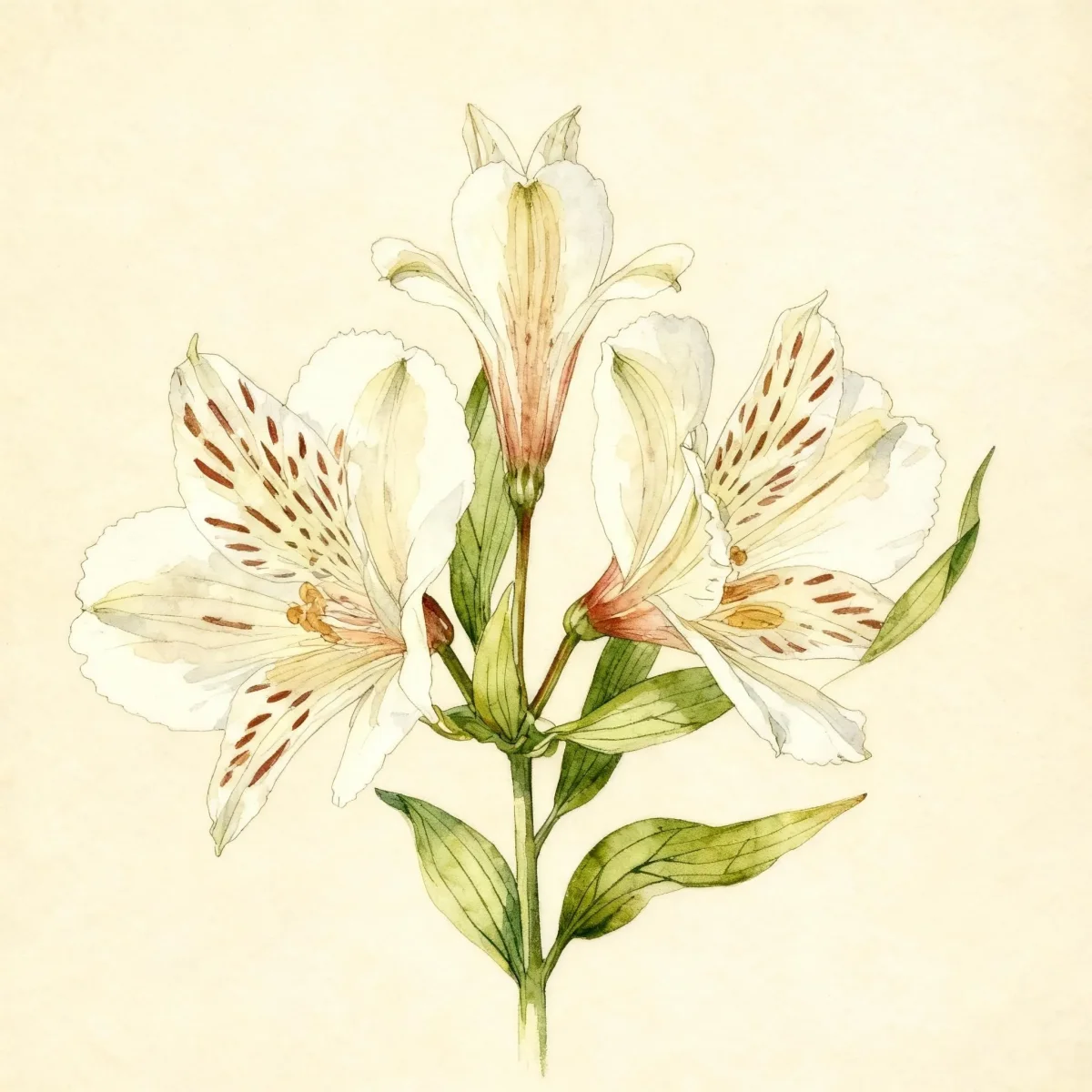
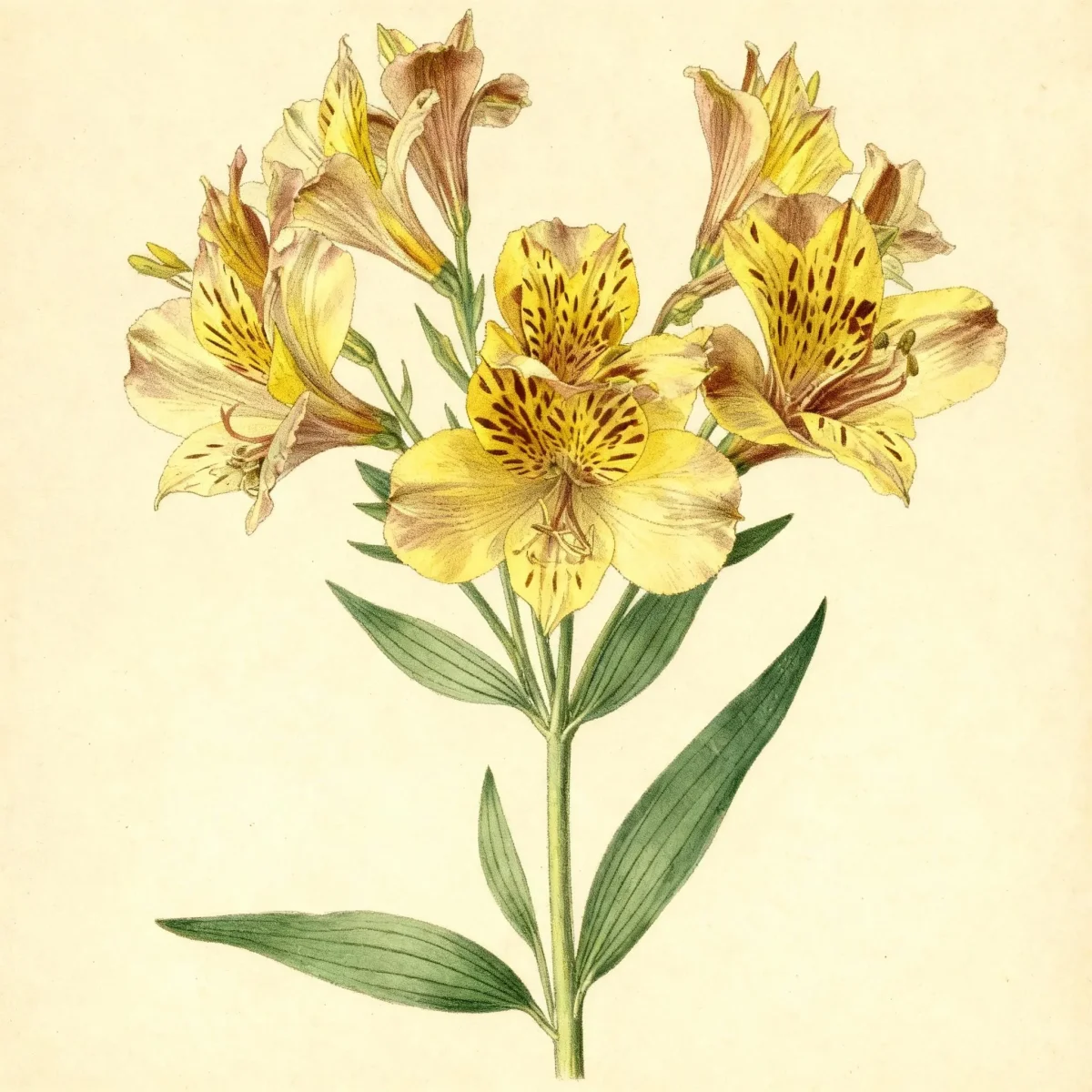
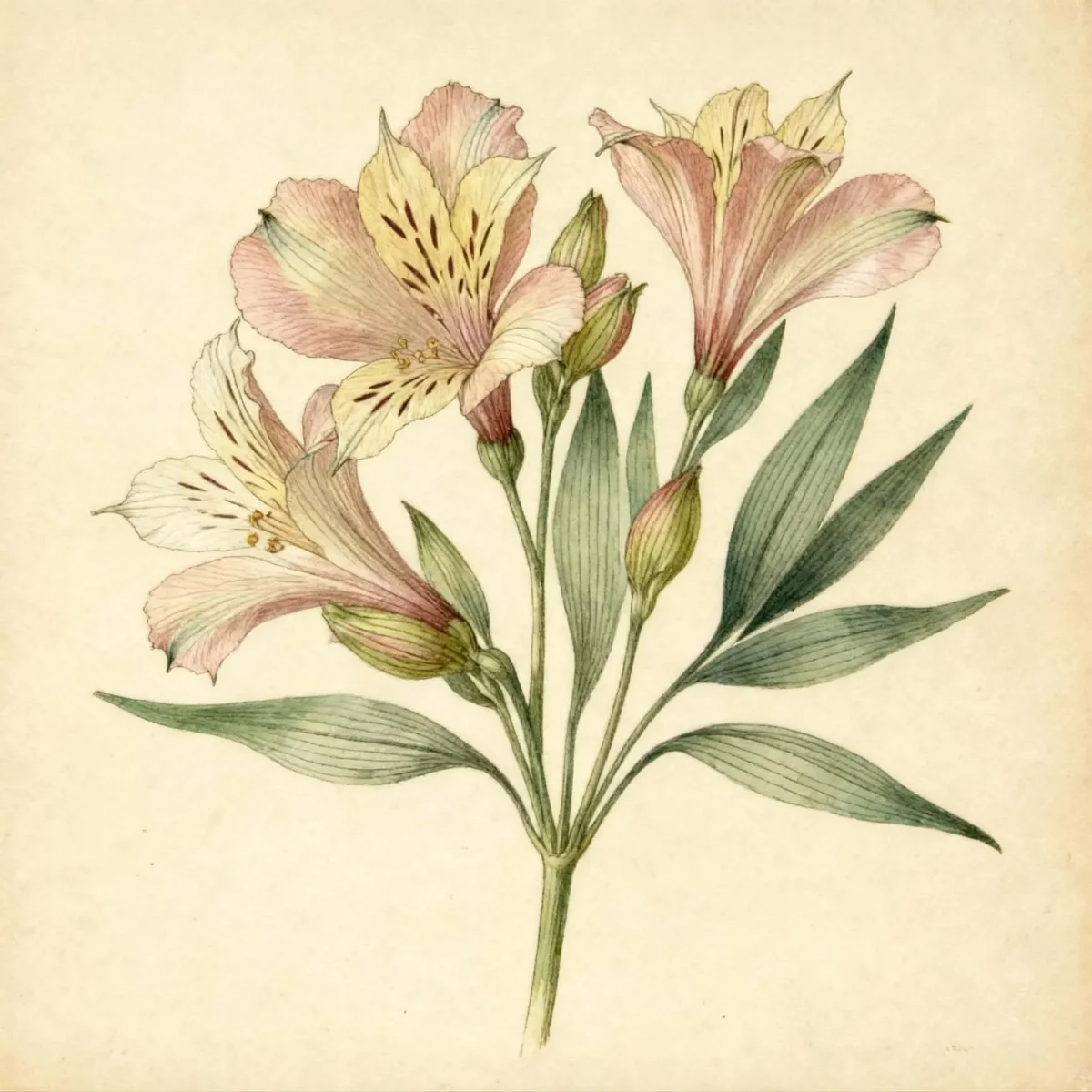
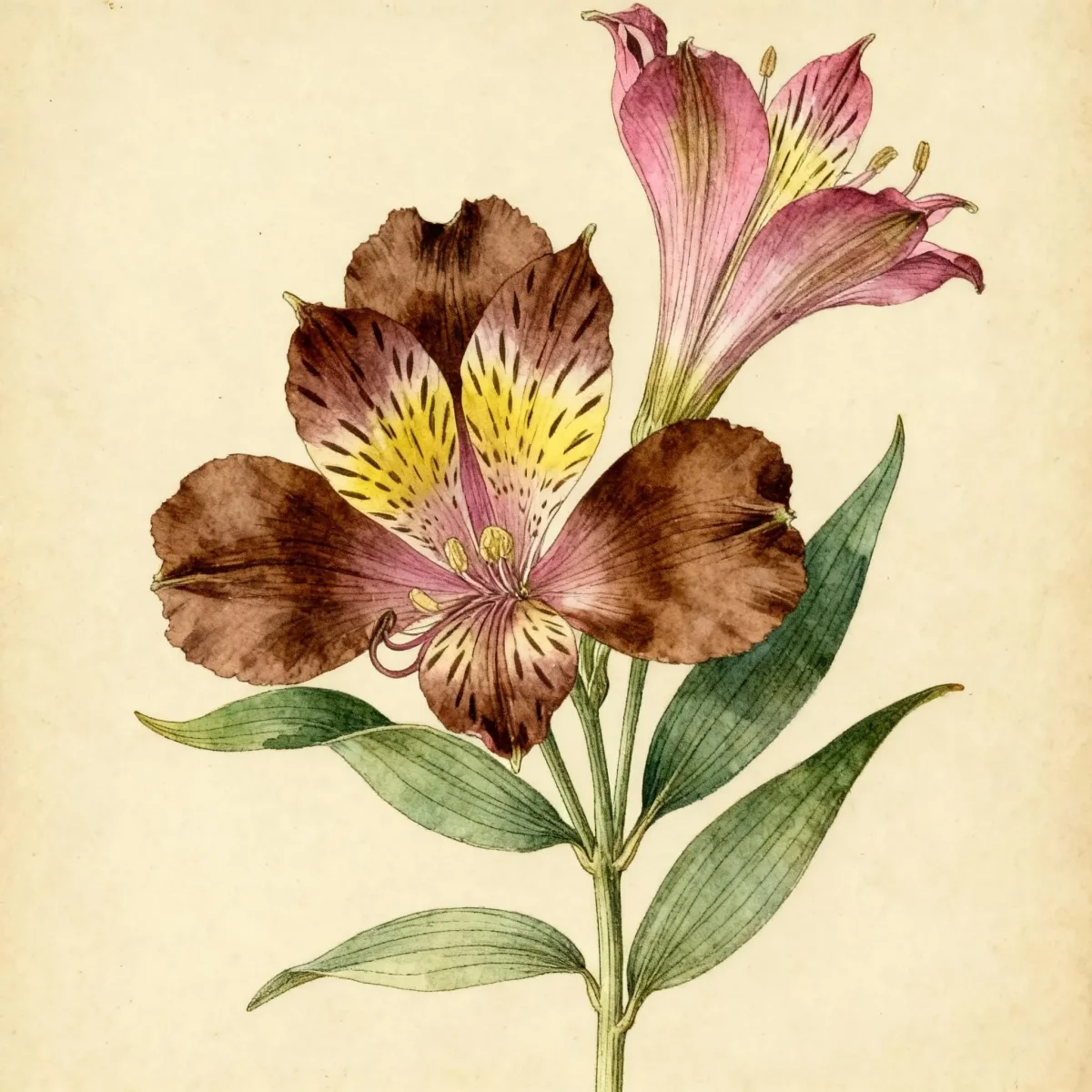
Lily of the Incas (Alstroemeria 'Jupiter')
Stunning magenta-violet blooms characterize Alstroemeria 'Jupiter', a showy Lily of the Incas perfect for cut flower gardens in Zones 7-10.
Scroll down to discover growing tips, care requirements, companion plants, and more
Complete Plant Information
Overview
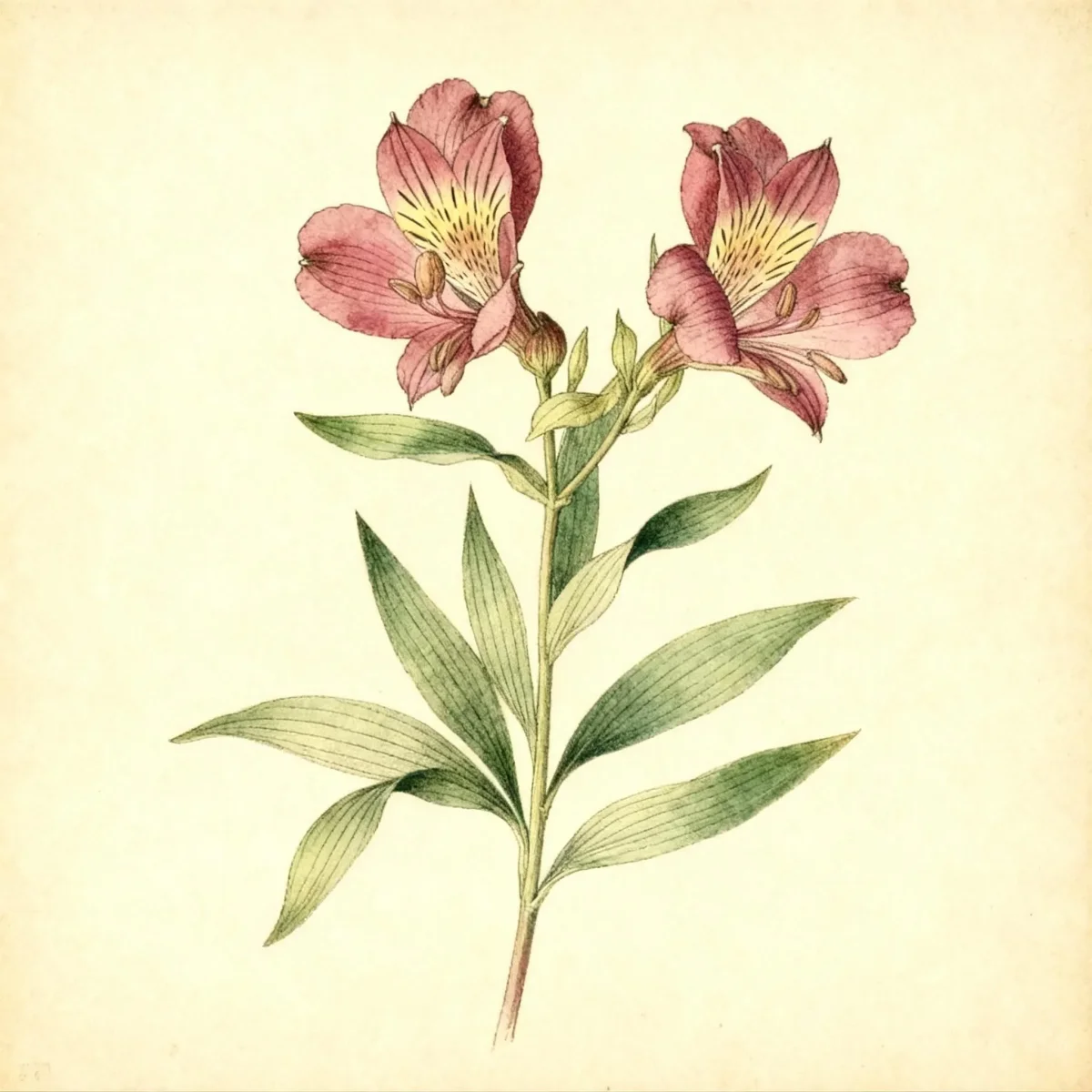
Alstroemeria ‘Jupiter’ brings exceptional color depth to the garden, noted for its substantial, showy, magenta-violet blossoms featuring striking highlights and streaks. This hybrid cultivar of the Lily of the Incas is highly valued not only for its aesthetic appeal but also for its exceptional performance as a long-lasting cut flower. As a bulbous perennial, it offers reliable bloom performance through the summer months when placed in the correct environmental conditions.
Gardeners should note that this selection forms sturdy clumps, typically reaching heights between 2.5 and 3 feet, making it an excellent vertical element. While hardy across several temperate zones, providing consistent moisture and rich soil is key to maximizing the continuous flowering potential of this Lily of the Incas. Proper care ensures that your Alstroemeria ‘Jupiter’ rewards you with vibrant color throughout the early summer season.
Fast Facts
- Plant Family: Alstroemeriaceae
- Plant Type: Bulb
- Hardiness Zones: USDA Zones 7-10
- Size at Maturity:
- Height: 2.5-3 ft
- Spread: 2-3 ft
- Bloom Time: June to July
- Bloom Description: Magenta-violet
- Sun Exposure: Full sun to part shade
- Water Needs: Medium
- Maintenance Level: Medium
How to Grow
Plant Alstroemeria ‘Jupiter’ in well-drained, organically rich, loose soil. While full sun is preferred, providing some relief from intense early afternoon heat in very hot climates will benefit the plant. This Lily of the Incas thrives with medium, consistent, and even moisture applications, especially if attempting to encourage flowering across a longer season. Planting should occur after the last frost, considering its growth habit and desired spread of 2 to 3 feet between specimens.
Maintenance for Alstroemeria ‘Jupiter’ is moderate. Taller flowering stems may benefit from occasional staking to maintain an upright appearance, particularly in exposed areas. Consistent moderate watering is crucial; drought stress can quickly impact flower production, though the plant is generally resilient once established. Feeding lightly with a balanced fertilizer during the main growing period supports robust stem development.
In colder regions, particularly those pushing the lower limits of USDA Zone 7, winter preparation is vital. The tubers require protection; apply a thick layer of mulch heavily around the base, especially for the first winter after planting. If overwintering is uncertain, tubers must be carefully dug in the fall, preferably before deep freezes, and stored cool, dark, and damp, though growers must handle them gently due to their brittle nature.
Landscape Uses
The vibrant display of Alstroemeria ‘Jupiter’ makes it a strong candidate for traditional borders, lending height and intense color among shorter perennials. Furthermore, its stiff, long-lasting blooms secure its role in the dedicated cut flower garden, providing excellent, non-fading color for vases indoors. Hybrid strains of Alstroemeria are commercially successful precisely because of these attributes, making this cultivar a professional-grade performer for the home gardener.
Consider mass plantings for dramatic impact along cottage garden paths or as an informal mid-layer planting. The magenta-violet tones pair beautifully with blues, silvers, and bright yellows, creating high contrast. Taller specimens like Alstroemeria ‘Jupiter’ serve as excellent background anchors when combined with lower-growing annuals that share similar sun and water requirements.
Standout Features
Flower Qualities
- Showy
- Good Cut
Noteworthy Characteristics
The genus Alstroemeria, native primarily to South America, boasts about 50 species and includes many common names like Peruvian lily. The hybrid strains, including Alstroemeria ‘Jupiter’, are popular commercially due to their profuse blooming, stiff stems, and exceptional vase life often exceeding two weeks. This specific cultivar is prized for its 3-inch wide, magenta-violet flowers accented by yellow, white highlights, and deep red streaks, forming sturdy clumps up to three feet tall.
Tolerances
Potential Problems
Slugs and snails are noted pests that may readily attack the foliage of the Lily of the Incas, particularly when the plants are emerging or humidity is high. Regularly inspect the undersides of leaves and surrounding mulch for signs of chewing or slime trails. Implementing physical barriers or using appropriate, targeted treatments can manage these soft-bodied invertebrates effectively.
Spider mites present another potential insect challenge, especially later in the summer if environmental conditions become hot and dry. Maintaining consistent soil moisture, as recommended for optimal Alstroemeria ‘Jupiter’ growth, often helps deter severe infestations. Good air circulation is also important when sited in partial shade to prevent fungal issues or pest buildup.
Frequently Asked Questions
What hardiness zones is Lily of the Incas suitable for?
Alstroemeria ‘Jupiter’ is typically hardy in USDA Zones 7 through 10, though Zone 7 growers should ensure heavy winter mulch is applied to protect the tubers.
How large does Alstroemeria ‘Jupiter’ grow?
This variety will reach a height between 2.5 and 3 feet tall, spreading generally between 2 and 3 feet wide when fully established.
When does Lily of the Incas bloom?
The primary bloom time for Alstroemeria ‘Jupiter’ is from June through July, producing richly colored magenta-violet flowers.
What sun exposure does Alstroemeria ‘Jupiter’ need?
It prefers a position receiving full sun to light part shade, needing protection from the most intense afternoon sun in excessively hot climates.
Conclusion
Alstroemeria ‘Jupiter’ is a superior choice for providing reliable summer color and high-quality cut flowers, thanks to its sturdy structure and striking magenta-violet blooms. Incorporating this Lily of the Incas into your garden design guarantees a sophisticated, tropical flair that elevates any border. Before planting, verify that your local climate falls within USDA Zones 7-10 or plan for mandatory winter tuber protection.
Companion Planting
When selecting companions for Alstroemeria ‘Jupiter’, focus on plants that share similar water needs (medium moisture) and tolerate the part-shade exposure that might occasionally be necessary in summer. Pairing these 3-foot-tall stalks with silver-leaved foliage plants, like Lamb’s Ears (Stachys byzantina), can provide excellent contrast that makes the dark violet flowers pop. Other good companions include salvias or perennial Geraniums that offer different textural elements while maintaining similar cultural requirements.
Seasonal Care Calendar
Spring preparation involves refreshing the soil with organic matter before active growth begins and applying the initial balanced fertilizer application once new shoots emerge. Summer is dedicated primarily to consistent watering to maintain that desirable medium moisture level, and deadheading spent flower stalks encourages new blooms on the Alstroemeria ‘Jupiter’. As autumn approaches, gardeners in colder zones (7/8) should prepare the thick layer of mulch around the base of the plants shortly before the first expected frost date.