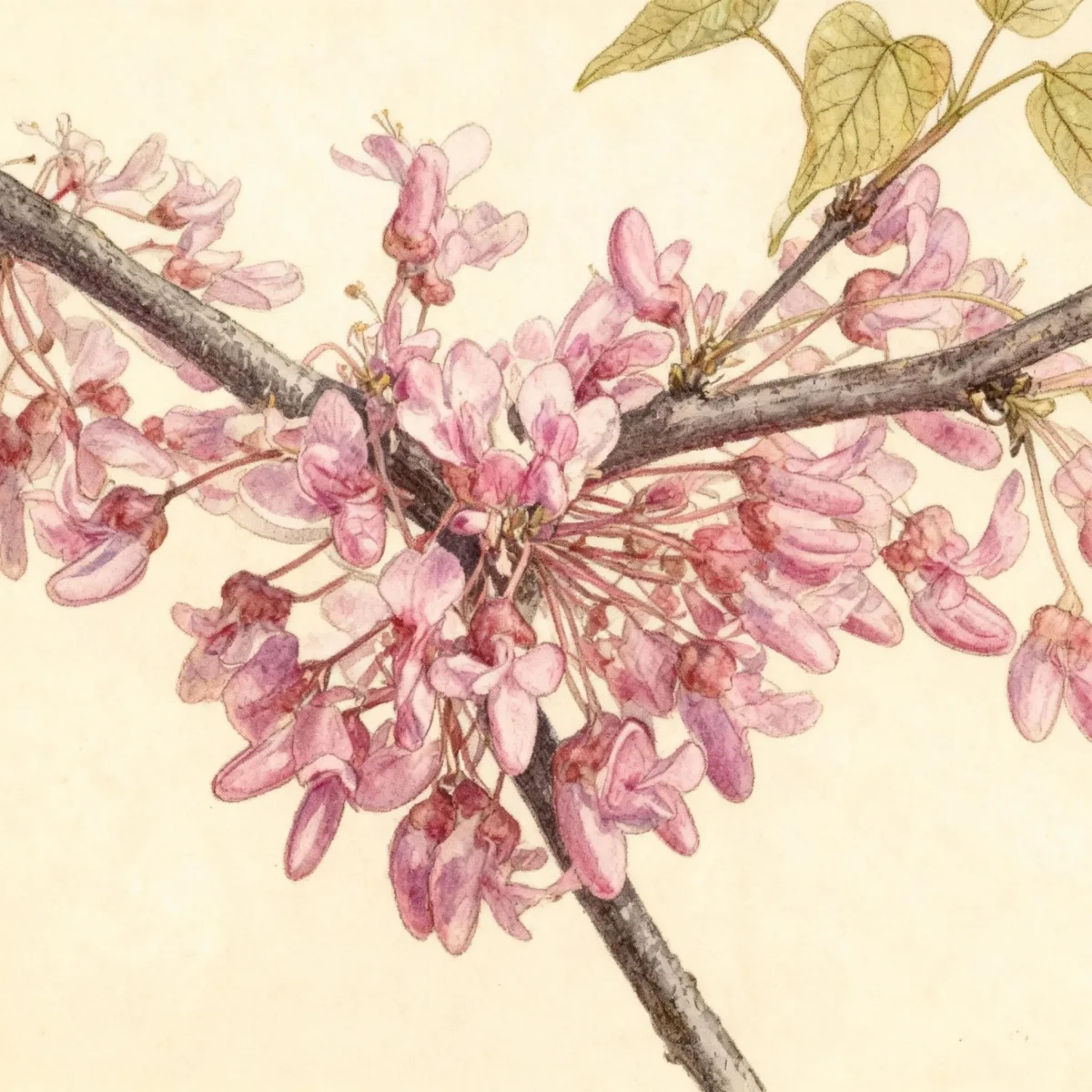
Eastern redbud (Cercis canadensis 'JN16' BLACK PEARL)
Cercis canadensis 'JN16' BLACK PEARL (Eastern redbud) is a stunning cultivar prized for its dark maroon foliage and lavender-pink spring blooms. Low maintenance tree for zones 5-9.
Scroll down to discover growing tips, care requirements, companion plants, and more
Complete Plant Information
Overview
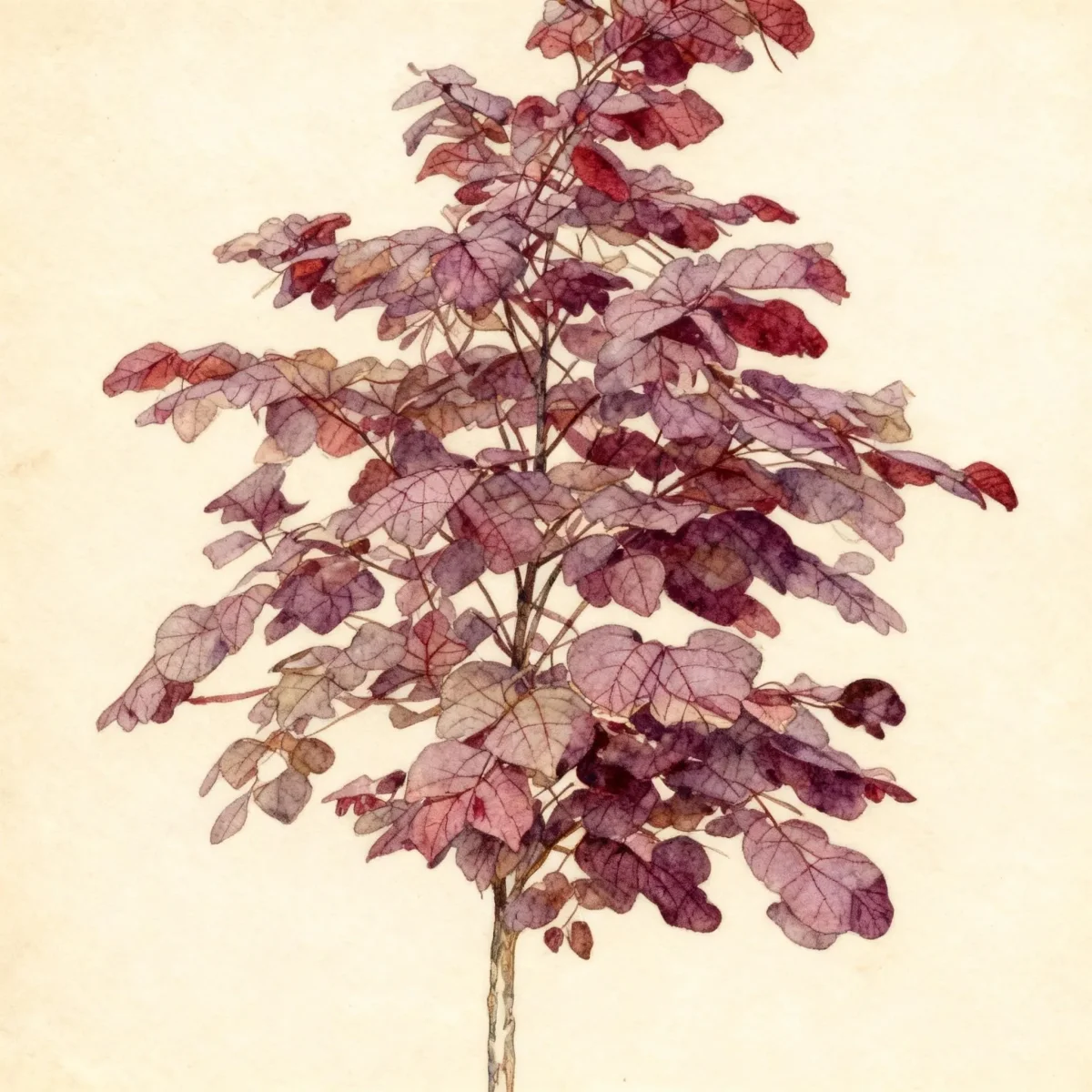
The Cercis canadensis ‘JN16’ BLACK PEARL, a distinguished cultivar of the Eastern redbud, offers exceptional ornamental value specifically through its deeply colored foliage. While the species is beloved for its early spring burst of color, this selection stands out by retaining its dark, maroon, heart-shaped leaves throughout the hot summer months. It provides a dramatic architectural accent in the landscape, making it an incredibly valuable small tree selection for discerning gardeners.
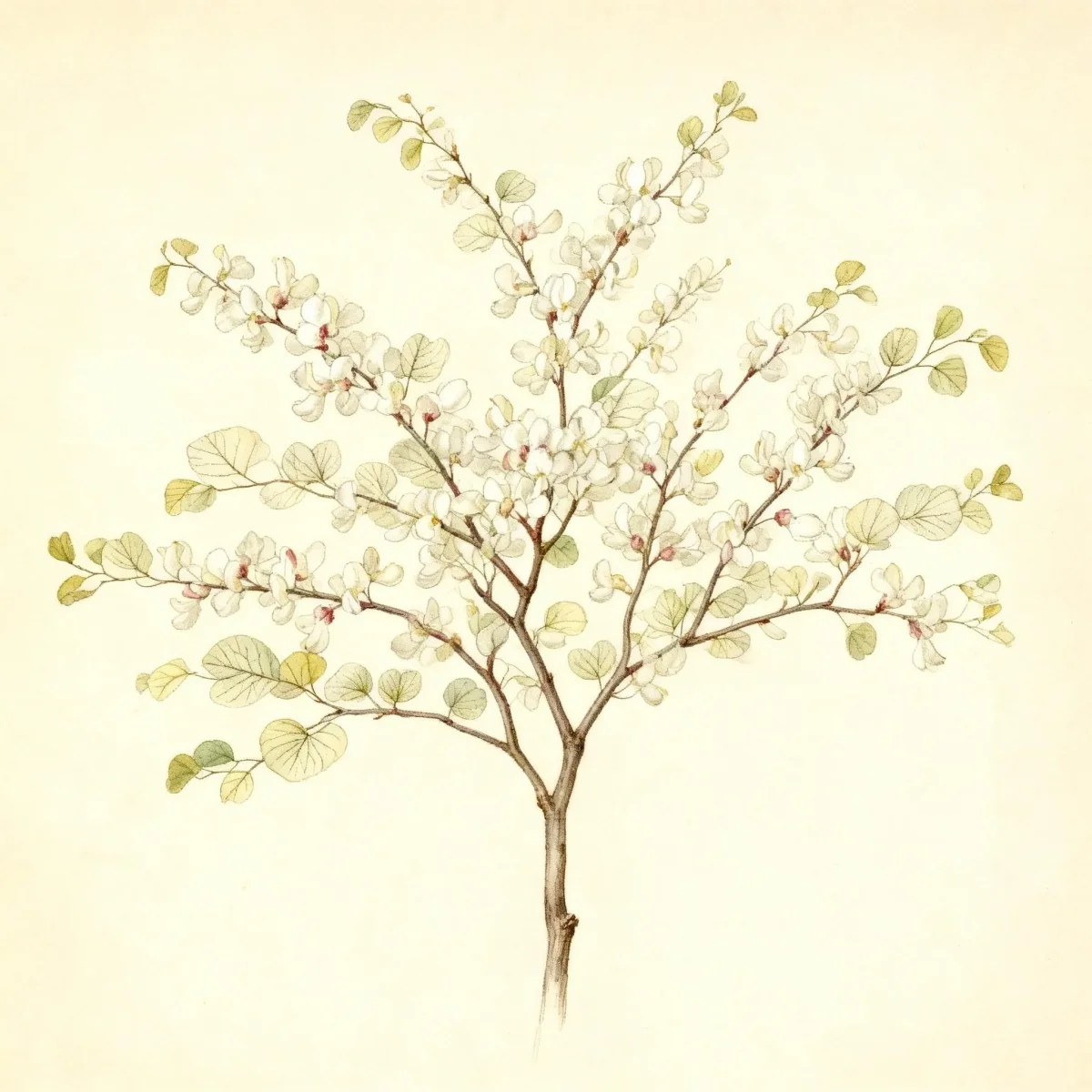
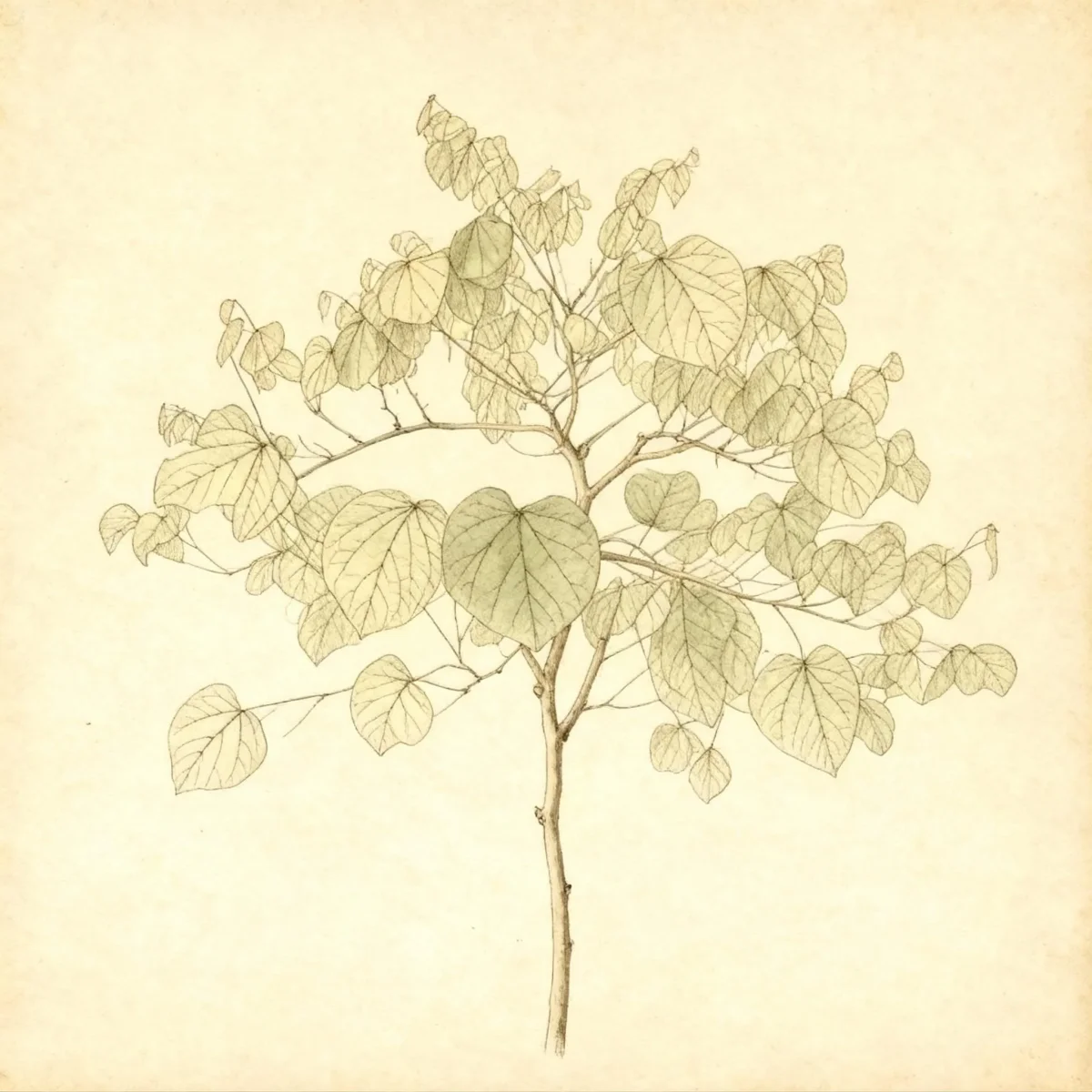
As a member of the Eastern redbud family, this cultivar offers the native benefit of providing early nectar for wildlife before leaf-out. Cercis canadensis ‘JN16’ BLACK PEARL is best suited for cultivation where it can establish early, as it does not transplant well once mature. Its manageable size, reaching around 20 feet tall and 25 feet wide, makes it a perfect specimen or focal point understory tree.
This cultivar thrives with relatively low maintenance once established, offering season-long interest with its unique leaf coloration contrasting beautifully against the soft lavender-pink spring flowers. Gardeners should note its preference for consistent moisture, particularly in warmer climates, to ensure this dark-leaved beauty performs optimally.
Fast Facts
- Plant Family: Fabaceae
- Plant Type: Tree
- Hardiness Zones: USDA Zones 5-9
- Size at Maturity:
- Height: 15-20 ft
- Spread: 20-25 ft
- Bloom Time: April
- Bloom Description: Lavender-pink
- Sun Exposure: Full sun to part shade
- Water Needs: Medium
- Maintenance Level: Low
How to Grow
Plant your Cercis canadensis ‘JN16’ BLACK PEARL when young to ensure successful establishment, preferably during the cooler, wetter seasons of early spring or fall. It prefers easily grown in average, medium moisture, well-drained soils in full sun to part shade; however, protection from intense afternoon sun is beneficial in very hot summers. Performing best in moderately fertile soils, ensure consistency in soil drainage, as wet or poorly drained conditions must be strictly avoided.
Watering should be medium and consistent, especially during the establishment period and through dry spells, as regular moisture supports the retention of the desirable maroon foliage. Fertilization is generally not critical if the soil is fertile, but pruning should focus strictly on removing dead wood as needed to maintain tree vigor. Pruning out dead branches helps keep the tree healthy and discourages potential disease issues.
Since this tree does not transplant well later in life, once planted, it should be left undisturbed to develop its root system fully. This low-maintenance tree rewards the gardener with minimal fuss if its initial placement and water requirements are met.
Landscape Uses
The dramatic coloration of Cercis canadensis ‘JN16’ BLACK PEARL makes it an excellent candidate for specimen planting where its dark canopy can contrast against brighter green shrubs or lighter hardscaping. It functions beautifully as a stand-alone flowering tree, drawing attention throughout the spring season.
For smaller properties or near structures, its 15 to 20-foot mature height fits well into shrub borders or along patios, providing dappled shade. Furthermore, its tolerance for clay soil and black walnut roots allows it to fill niches where many other ornamental trees may struggle. It is also attractive when used in more naturalized settings, perhaps softening the edge of a woodland margin.
Standout Features
Flower Qualities
- Showy
Noteworthy Characteristics
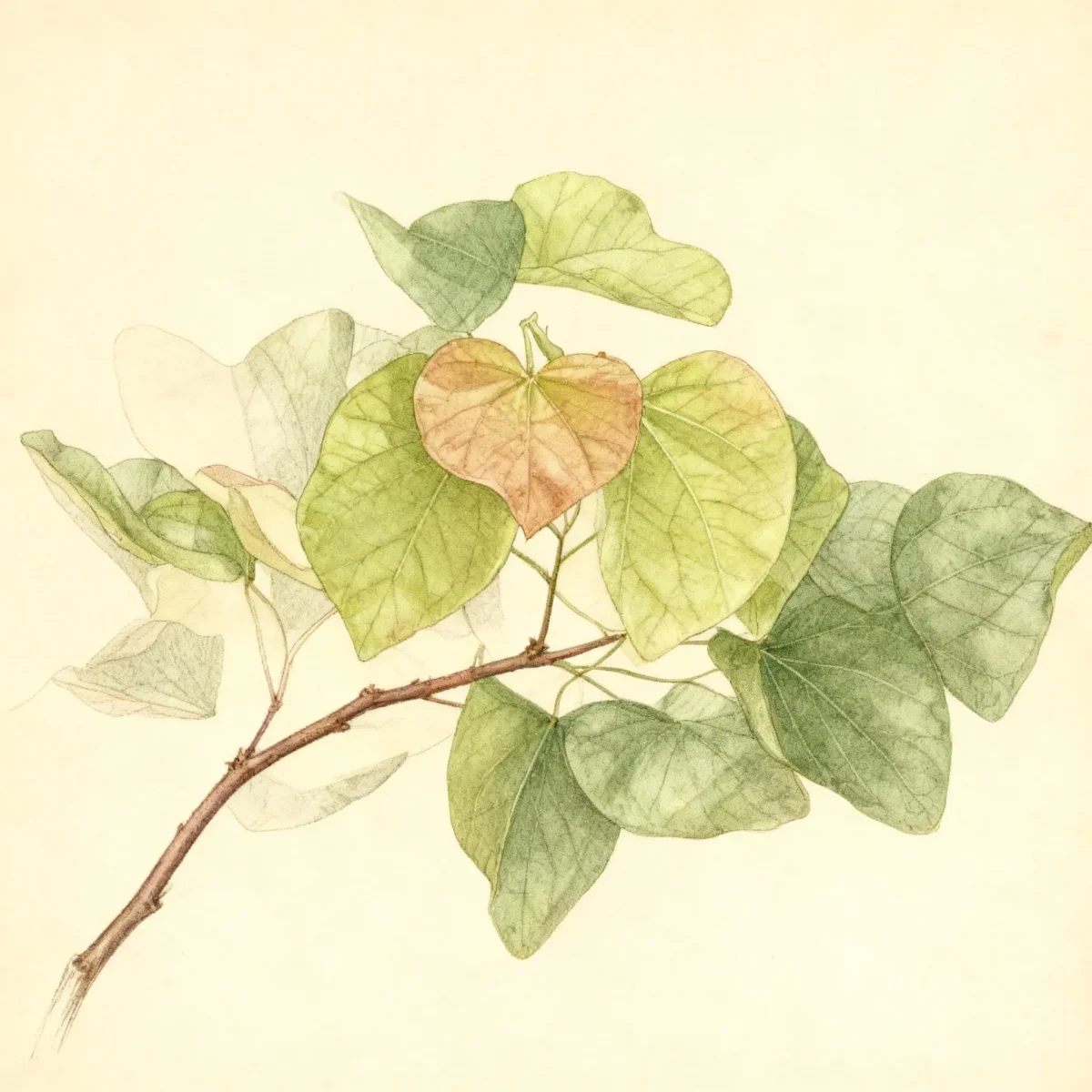
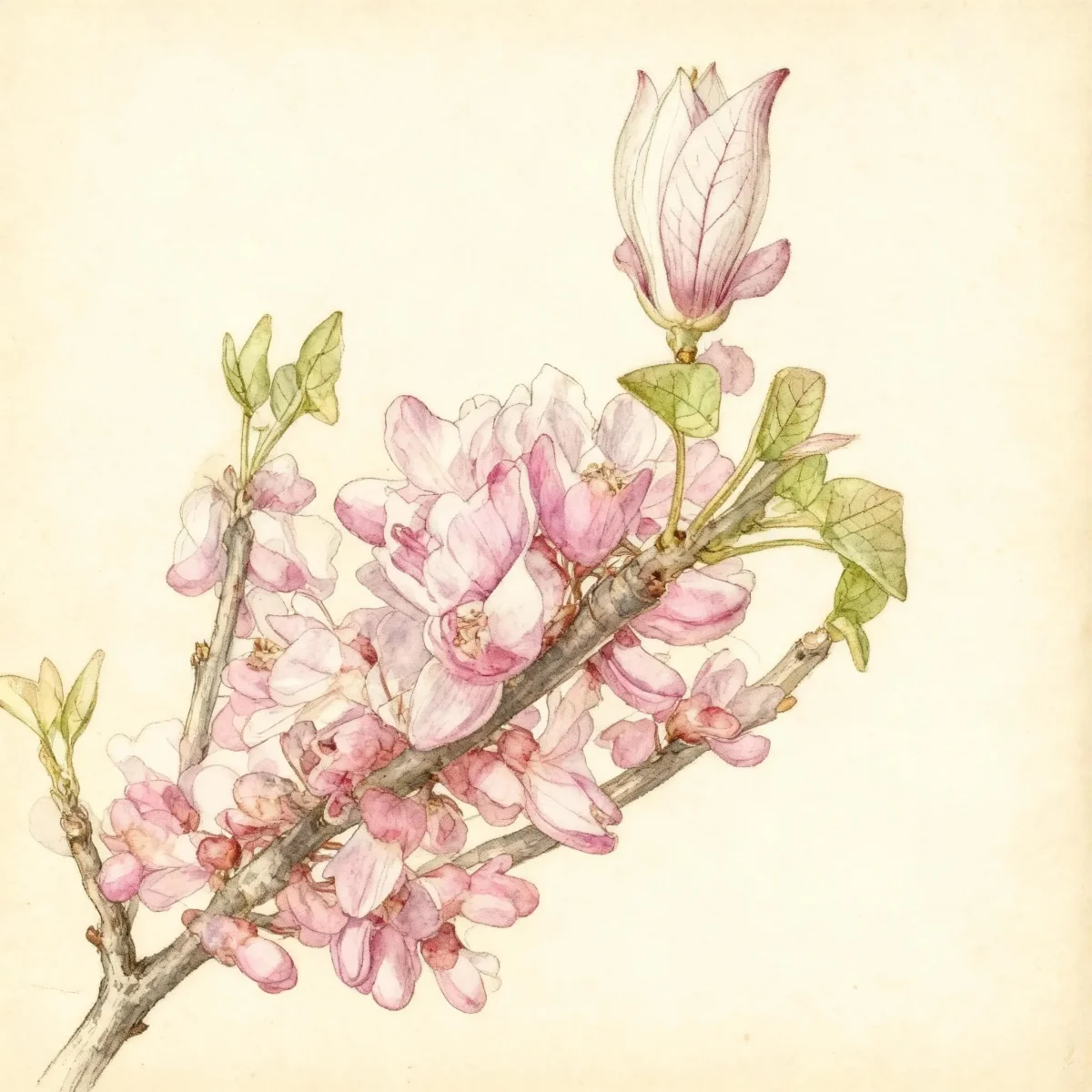
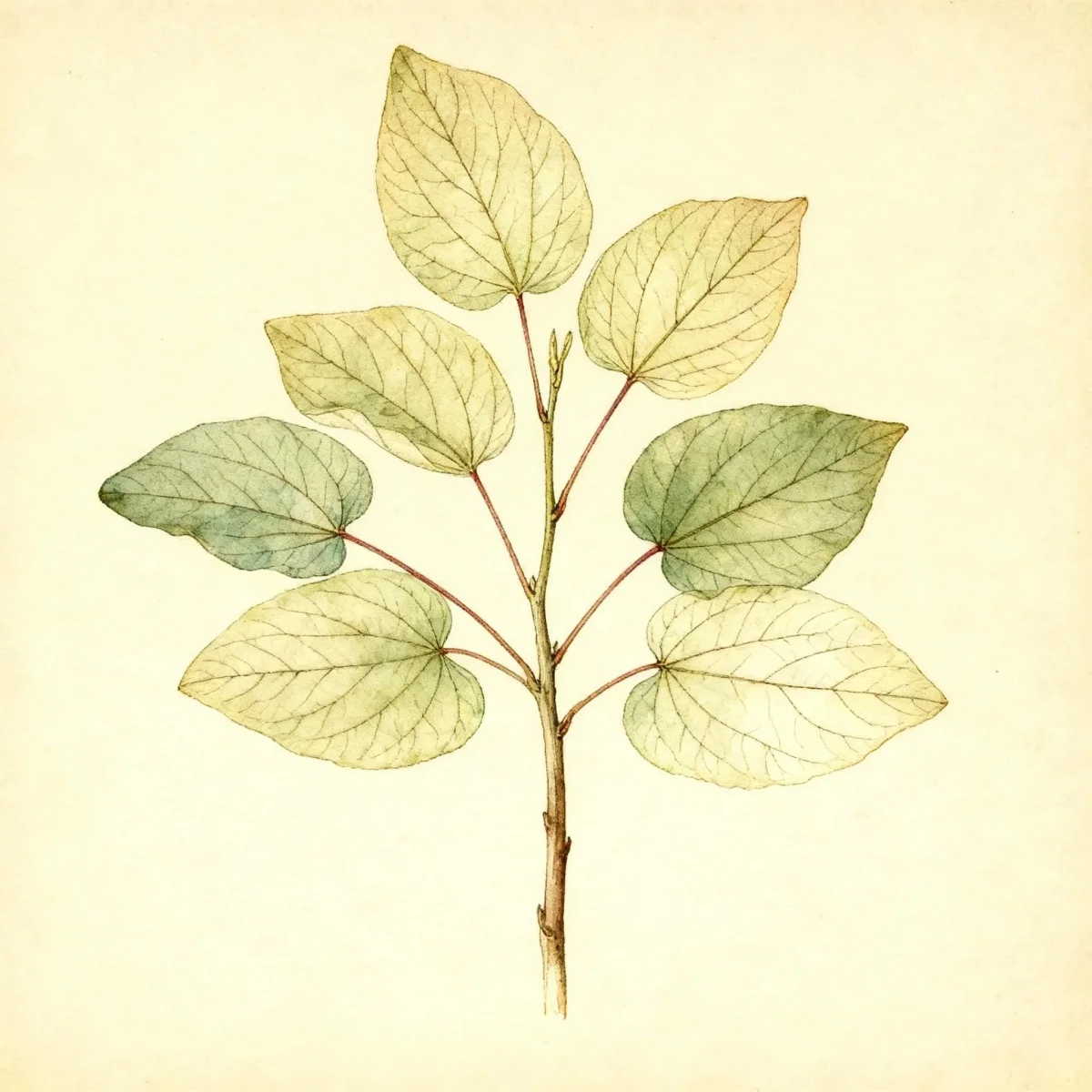
The Eastern redbud is a deciduous understory tree known for its profuse pea-like rose-purple flowers blooming on bare branches in early spring. This specific cultivar, Cercis canadensis ‘JN16’ BLACK PEARL, is distinguished by its maroon-colored foliage which lasts through summer, maturing to chartreuse yellow in the fall. The heart-shaped leaves are substantial, reaching nearly six inches across, providing a dark backdrop that highlights the early lavender-pink blooms.
Tolerances
- Deer
- Clay Soil
- Black Walnut
Potential Problems
The primary concern for redbuds, including this specific Eastern redbud cultivar, involves fungal issues, most notably canker, which can become significant if the tree is stressed. Other potential diseases include Verticillium wilt, dieback, leaf spots, mildew, and various blights that can affect overall health.
Management focuses heavily on good cultural practices that promote vigor. Keep the tree well-watered, especially through heatwaves, and ensure proper fertilization if the soil quality is poor. Promptly prune out any branches showing signs of dieback or disease to prevent spread. Insect pests like Japanese beetles and borers may also appear, requiring management if infestations become severe.
Frequently Asked Questions
What hardiness zones is Eastern redbud suitable for?
The Cercis canadensis ‘JN16’ BLACK PEARL is hardy and recommended for USDA Zones 5 through 9.
How large does Cercis canadensis ‘JN16’ BLACK PEARL grow?
This cultivar typically achieves a mature height of 15 to 20 feet, with a spread between 20 and 25 feet wide.
What sun exposure does Eastern redbud need?
It prefers full sun exposure but benefits greatly from partial shade, especially in the hotter parts of its hardiness range to prevent leaf scorch and maintain summer foliage color.
When does Cercis canadensis ‘JN16’ BLACK PEARL bloom?
The spectacular blooming period is in April, featuring clusters of unique lavender-pink, pea-like flowers before the leaves emerge.
Conclusion
The Cercis canadensis ‘JN16’ BLACK PEARL is a superb choice for gardeners seeking year-round color and dependable structure, thanks to its unique maroon foliage and early lavender-pink flowers. This variation of the Eastern redbud offers ornamental drama with low maintenance requirements once established in suitable locations. Ensure you match its hardiness needs (Zones 5-9) and plant it young into well-drained soil to enjoy this spectacular selection for decades to come.
Wildlife Benefits
The early flowering nature of the Eastern redbud provides a crucial, early-season nectar source for hummingbirds and other pollinators emerging from winter dormancy. While the flowers are the first offering, the plant continues to support local fauna throughout the season.
The flattened, brown seedpods that follow the bloom, typically maturing in summer, contain seeds consumed by various songbirds, adding further ecological value to your garden. Additionally, the foliage feeds caterpillars, which in turn serve as a vital protein source for nesting and feeding birds.
Design Ideas: Dark Foliage Contrast
Utilizing the deep maroon tones of Cercis canadensis ‘JN16’ BLACK PEARL can elevate any landscape design scheme. Plant it near shrubs with lime green or gold foliage—such as certain Spirea or Japanese Maple cultivars—to create intense, high-contrast focal points that pop throughout the summer.
This cultivar works well as a structural element against stark white or light-colored architecture, allowing its dark canopy silhouette to stand out. Because it is an understory tree by nature, group it among taller shade trees, positioning it where it still receives adequate but filtered sunlight to maintain its vibrant leaf color.