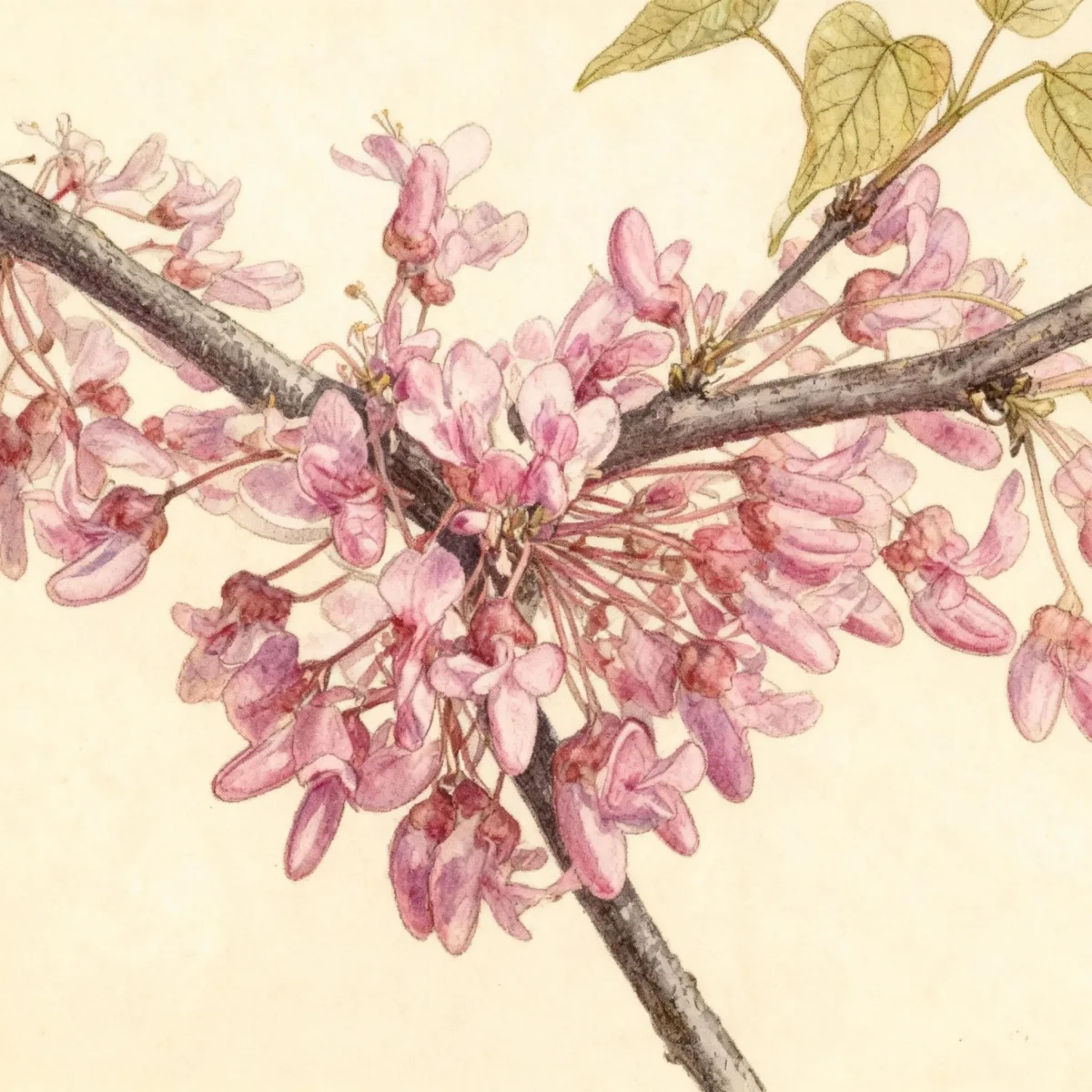
Eastern redbud (Cercis canadensis 'NC2016-2' FLAME THROWER)
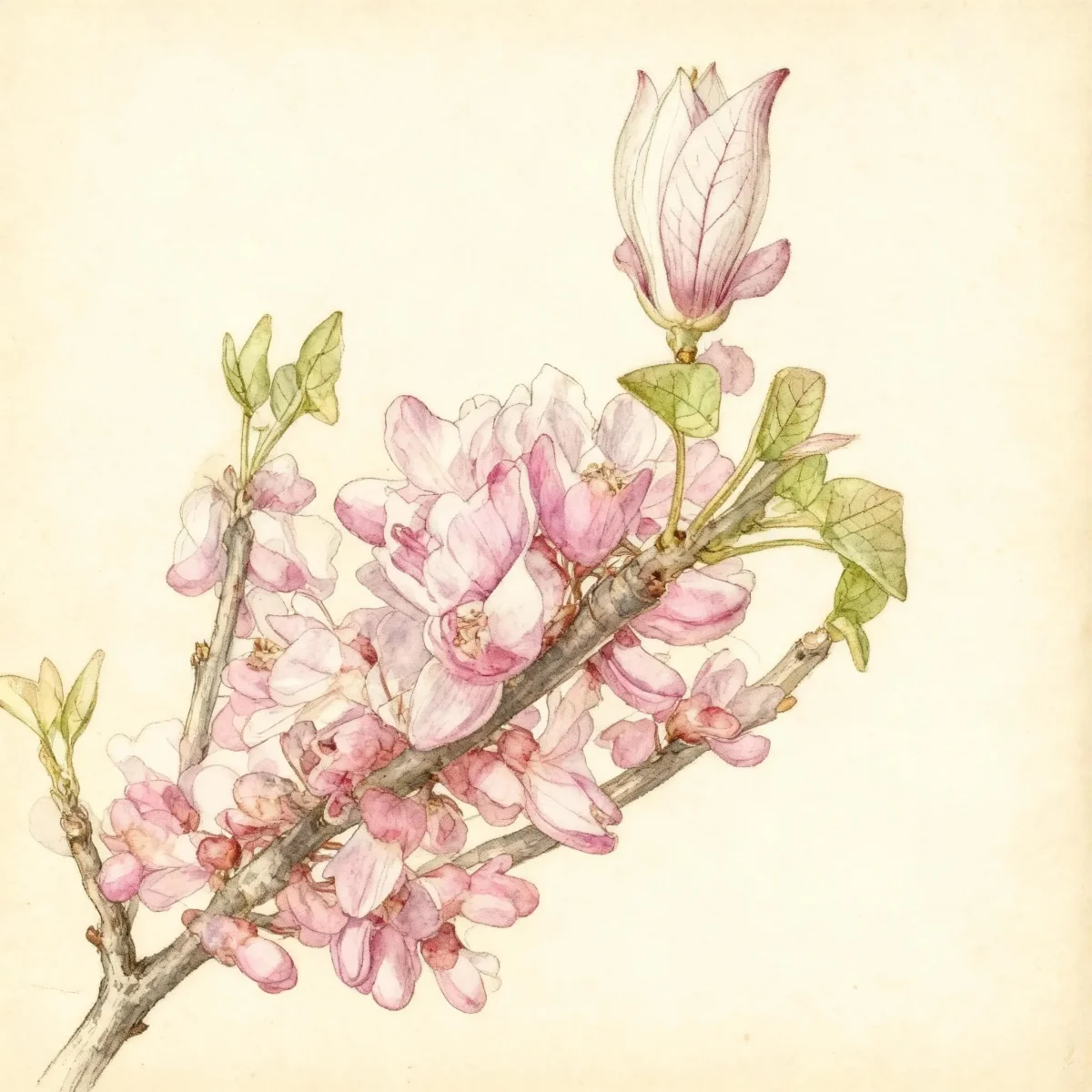
The Cercis canadensis 'NC2016-2' FLAME THROWER Eastern redbud is a compact, low-maintenance tree prized for its multicolor foliage and light pink spring blooms.
Scroll down to discover growing tips, care requirements, companion plants, and more
Complete Plant Information
Overview
The Eastern redbud, specifically the cultivar Cercis canadensis ‘NC2016-2’ FLAME THROWER, is a highly desirable ornamental tree for transitional seasons in the landscape. This variety offers the early spring color expected of the species but introduces a striking, colorful foliage display unlike traditional green forms. Gardeners prize this Eastern redbud selection for its compact size and multi-hued leaves that shift dramatically throughout the growing season.
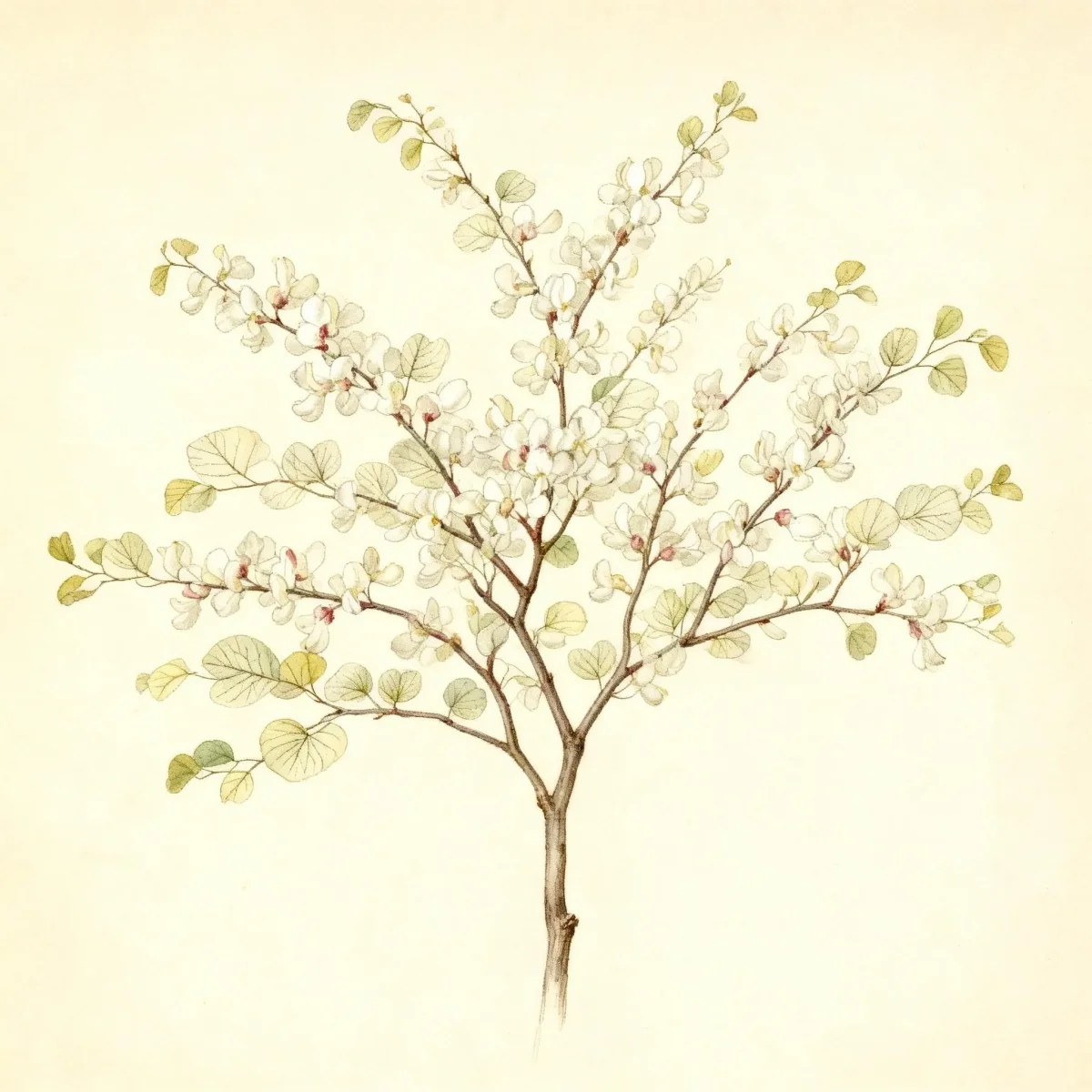
This cultivar reaches a manageable height of 15 to 20 feet, making it perfectly suited for smaller gardens or street tree applications where massive shade trees are impractical. The Cercis canadensis ‘NC2016-2’ FLAME THROWER is relatively tough once established, tolerating clay soil and deer browsing, which adds significant functional value. Its low maintenance needs ensure homeowners can enjoy its light pink spring flowers and vibrant summer/fall foliage with minimal effort.
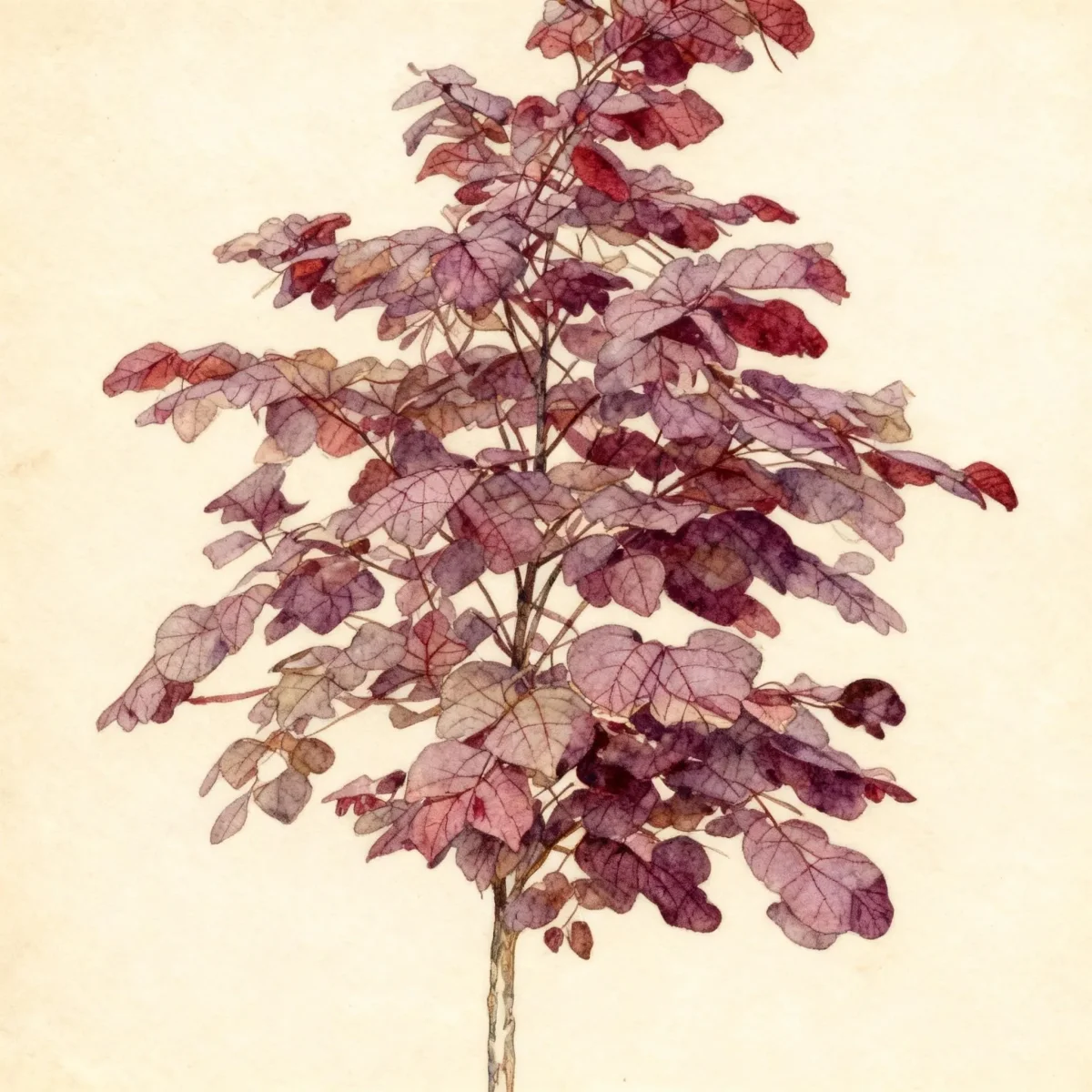
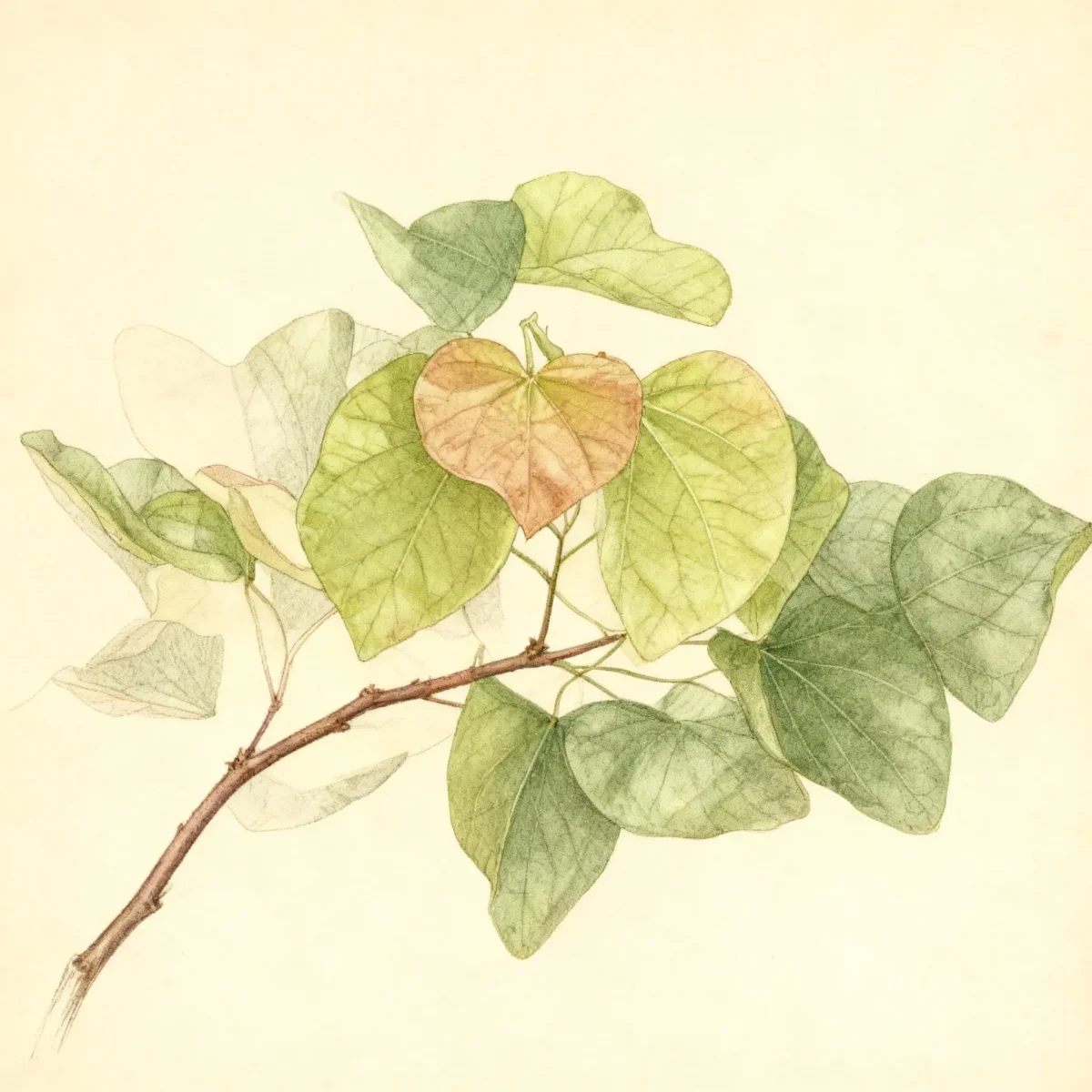
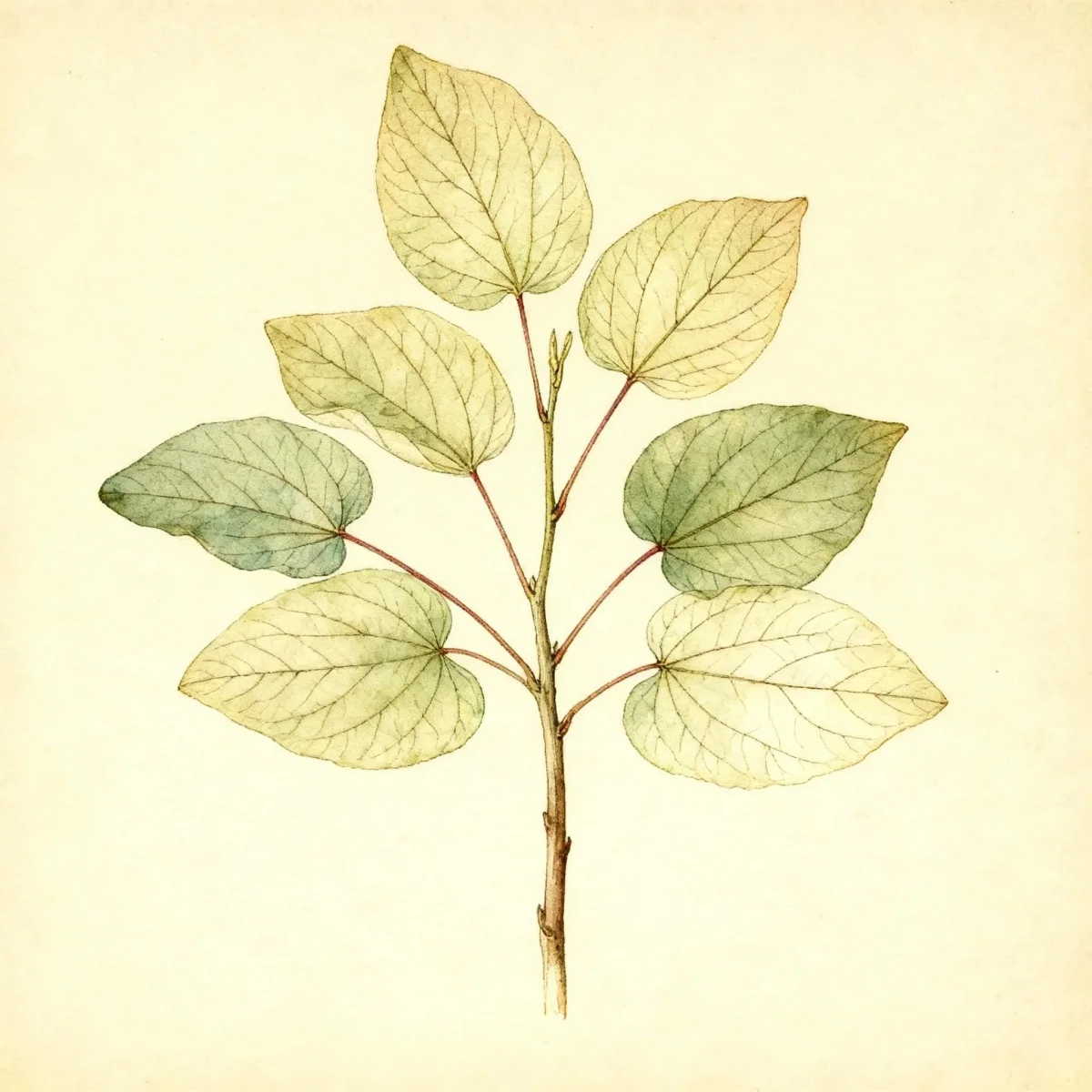
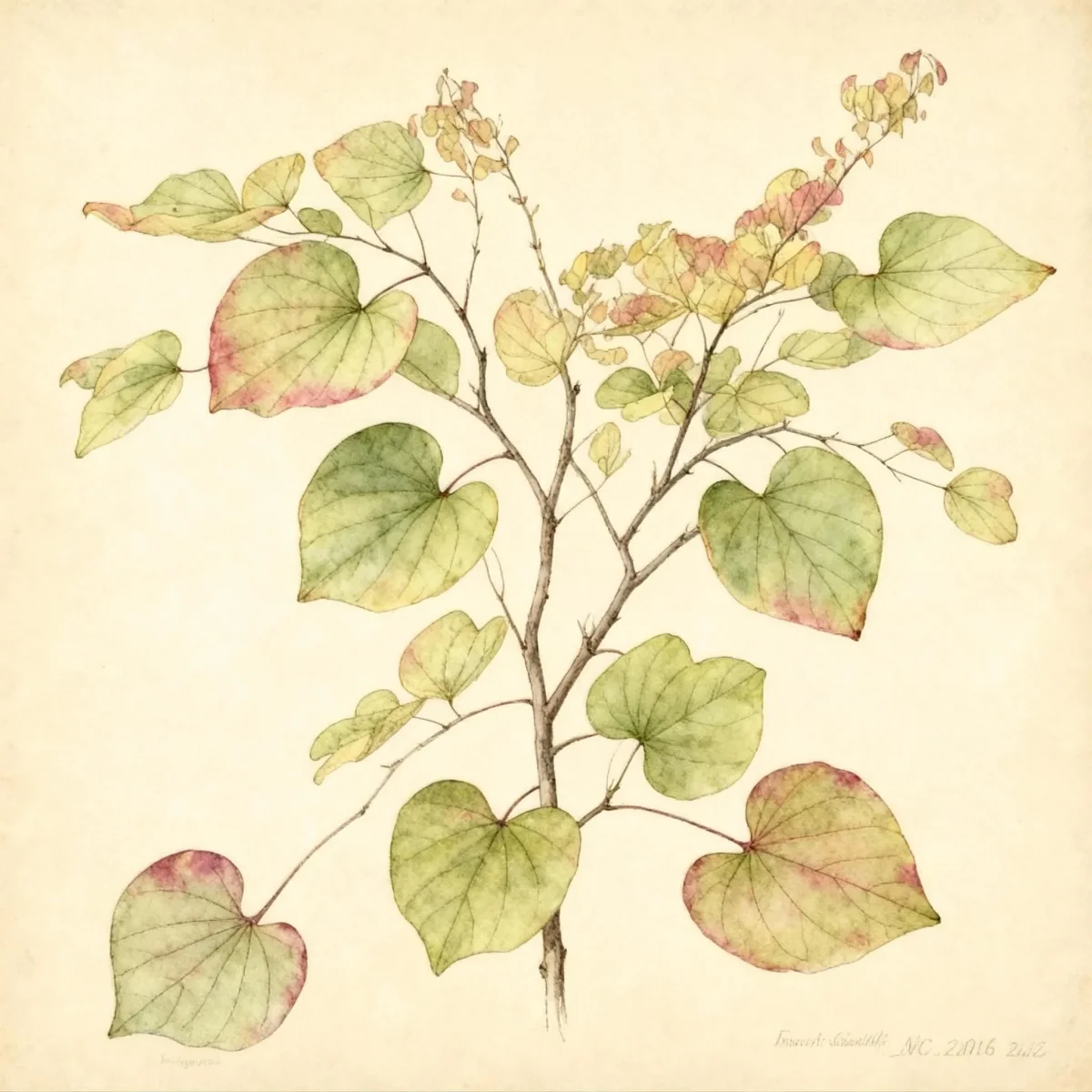
The striking foliage emerges with burgundy tones, maturing into a mix of chartreuse green and persistent burgundy patches, creating a dynamic, multi-colored effect. Planting the Cercis canadensis ‘NC2016-2’ FLAME THROWER allows for early spring nectar sources for wildlife, followed by compelling seasonal interest right into its chartreuse yellow fall display.
Fast Facts
- Plant Family: Fabaceae
- Plant Type: Tree
- Hardiness Zones: USDA Zones 5-9
- Size at Maturity:
- Height: 15-20 ft
- Spread: 10-15 ft
- Bloom Time: April
- Bloom Description: Light pink
- Sun Exposure: Full sun to part shade
- Water Needs: Medium
- Maintenance Level: Low
How to Grow
Plant your Eastern redbud young, as it does not transplant well once mature. The best time for planting is during the dormant season—early spring or fall—to minimize transplant shock. Select a location providing full sun to partial shade; however, if planting in hot summer climates, afternoon shade is beneficial for leaf health.
It thrives in average, medium-moisture, well-drained soils. Consistency is key: perform best in moderately fertile soils requiring regular, consistent moisture, particularly during establishment. Absolutely avoid planting in areas prone to wetness or poor drainage, as this can quickly compromise the tree’s health.
Water deeply and regularly, especially when establishing the root system, maintaining medium soil moisture levels. Maintenance is generally low. Prune only to remove dead or damaged branches as needed, which helps keep the tree vigorous and less susceptible to problems like canker. Fertilization should be minimal, focused only on correcting identified nutrient deficiencies rather than promoting excessive rapid growth.
Landscape Uses
The moderate size and spectacular seasonal interest of the Cercis canadensis ‘NC2016-2’ FLAME THROWER make it incredibly versatile. Use it effectively as a specimen tree where its unique foliage, combining burgundy and chartreuse, can be fully appreciated against a neutral background. It works exceptionally well planted in small groups or incorporated into shrub borders, where it serves as a vibrant upright element.
Furthermore, this cultivar is suitable for more formal settings, such as a lawn tree or even used successfully as a street tree due to its manageable mature spread of 10 to 15 feet. In naturalized settings, the Eastern redbud adds essential early-season color before surrounding deciduous trees leaf out. The beautiful spring blooms can even be cut and forced indoors for early floral arrangements.
Standout Features
Flower Qualities
- Showy
- Good Cut
Noteworthy Characteristics
Cercis canadensis, commonly called eastern redbud, is a deciduous, often multi-trunked understory tree with a rounded crown that typically matures to 20-30’ tall with a slightly larger spread. This cultivar, Cercis canadensis ‘NC2016-2’ FLAME THROWER, is noted for featuring colorful foliage along with light pink spring blooms following research crosses. Mature plants remain compact, reaching up to 20’ tall with a 15’ spread, featuring heart-shaped leaves that emerge burgundy, mature to chartreuse and burgundy patches, and turn chartreuse yellow in the fall. This plant is protected by patent number PP31260 and is often sold under the name FLAME THROWER.
Tolerances
- Deer
- Clay Soil
- Black Walnut
Potential Problems
Several abiotic and biotic issues can affect the health of your Eastern redbud. Canker remains a significant potential disease threat, alongside Verticillium wilt, various leaf spots, mildew, and blights. Common insect pests include borers, scale, caterpillars, and Japanese beetles.
The best management strategy for pests and diseases is preventative care centered on vigor. Ensure the tree receives adequate, consistent moisture and is planted in fertile soil. Regularly inspect the tree and promptly prune out any already dead branches that may result from canker or dieback, which helps maintain overall tree health and resistance.
Frequently Asked Questions
What hardiness zones is Eastern redbud suitable for?
This specific cultivar, Cercis canadensis ‘NC2016-2’ FLAME THROWER, is reliably hardy in USDA Zones 5 through 9.
How large does Eastern redbud grow?
The mature size for this compact selection is typically between 15 to 20 feet in height and 10 to 15 feet in spread.
When does Eastern redbud bloom?
The blooming period is reliably in April, featuring masses of light pink, pea-like flowers before the colorful foliage fully emerges.
What sun exposure does Cercis canadensis ‘NC2016-2’ FLAME THROWER need?
For optimal performance and color intensity, this tree prefers locations receiving full sun to part shade.
Conclusion
The Cercis canadensis ‘NC2016-2’ FLAME THROWER offers tremendous ornamental value through its low-maintenance nature, stunning pink spring flowers, and uniquely multicolored summer foliage. This specific Eastern redbud cultivar is an excellent choice for adding dynamic, seasonal contrast to nearly any residential or urban landscape. Before purchasing, always confirm that USDA Zones 5-9 align with your growing region and ensure you plant it young in a location where it can establish undisturbed.
Wildlife Benefits
The early bloom time of the Eastern redbud is invaluable, providing a critical source of nectar for early-emerging hummingbirds and other pollinators during the transition from winter to spring. After flowering, the tree continues to support the local ecosystem.
The seeds contained within the dry bean pods, though not widely eaten by humans, are a food source for various songbirds throughout the winter months. Additionally, the foliage of the Cercis canadensis ‘NC2016-2’ FLAME THROWER supports the larval stages of various insects, which in turn become essential protein-rich food for nesting birds.
Companion Planting
When designing a planting scheme around the Cercis canadensis ‘NC2016-2’ FLAME THROWER, select plants that share similar cultural needs, preferring medium moisture and well-drained soil. Consider pairing it with evergreen shrubs that contrast well with its spring bloom, such as darker green hollies or boxwoods, whose uniform color allows the red and chartreuse foliage to pop.
For understory planting beneath the canopy of the established tree, look toward shade-tolerant perennials like Hosta or native ferns, ensuring they do not compete aggressively for the consistent moisture preferred by the redbud’s shallow root system. Because it performs best in fertile soil, incorporating compost around the drip line when planting companion groundcovers will benefit both groups.