Silky lady's mantle (Alchemilla sericata 'Gold Strike')
Discover Alchemilla sericata 'Gold Strike', the compact Silky lady's mantle, perfect for borders and ground cover in Zones 3-8.
Scroll down to discover growing tips, care requirements, companion plants, and more

Complete Plant Information
Overview
Alchemilla sericata ‘Gold Strike’ offers exceptional texture and resilience, making it a standout choice for low-maintenance gardening. This specific selection of Silky lady’s mantle is valued for its compact habit and fuzzy, grey-green, lobed foliage, which provides year-round interest. Gardeners appreciate this plant for its adaptability and its delicate sprays of pale yellow blooms that appear from late spring into mid-summer.
As a hardy herbaceous perennial, Alchemilla sericata ‘Gold Strike’ thrives across a broad range of climates, specifically USDA Zones 3 through 8. While it prefers evenly moist, well-draining conditions, it demonstrates surprising tolerance for clay soils and dappled shade, expanding its utility in diverse landscape settings. Its spreading nature via rhizomes makes it an excellent naturalizing ground cover.
The overall effect of planting Silky lady’s mantle is one of soft texture and reliable performance with minimal input required from the gardener. It successfully fills spaces, edges pathways, and softens the base of larger shrubs, proving its versatility as a dependable landscape workhorse.
Fast Facts
- Plant Family: Rosaceae
- Plant Type: Herbaceous perennial
- Hardiness Zones: USDA Zones 3-8
- Size at Maturity:
- Height: 0.75-1 ft
- Spread: 1-1.25 ft
- Bloom Time: May to July
- Bloom Description: Pale yellow
- Sun Exposure: Full sun to part shade
- Water Needs: Medium
- Maintenance Level: Low
How to Grow
Plant Alchemilla sericata ‘Gold Strike’ in spring or fall when conditions are mild to encourage establishment. While it performs best in evenly moist, well-draining soil, this Silky lady’s mantle is surprisingly tolerant of varying soil conditions, including heavier clay soils. Ensure the location receives full sun or light to partial shade; excessive deep shade may limit blooming.
During the growing season, maintain medium moisture levels, avoiding both prolonged drought and waterlogged, soggy conditions, to which the plant is intolerant. Fertilization is rarely necessary if the native site soil retains adequate organic matter. Good soil drainage is crucial for the long-term health of Alchemilla sericata ‘Gold Strike’.
Deadheading spent flower stalks before they set seed is an important maintenance task, as the plant can self-seed readily. Furthermore, cutting back the entire plant in late summer after the primary bloom flush encourages a fresh, tidy resurgence of its appealing foliage. This perennial is generally very tough and hardy throughout its recommended zones.
Landscape Uses
The primary strength of Alchemilla sericata ‘Gold Strike’ lies in its dedication as an effective ground cover. Its low-growing habit, reaching only up to one foot tall, makes it perfect for softening the front edges of perennial borders where taller plants can visually overwhelm the edge. It is equally at home in gravel gardens, lending a touch of green texture to rocky environments where other plants might struggle.
Consider using Silky lady’s mantle as an underplanting choice, particularly beneath roses or larger shrubs where its foliage can conceal the often bare lower stems of woody plants. Additionally, its mounding form, combined with its soil tolerance, makes it an excellent, low-maintenance path edger or spill-over element in container groupings where soil consistency can be managed.
For companion planting, pair its fuzzy texture with plants offering contrasting leaf shapes, such as spiky Irises or broad-leaved Hostas, provided light conditions match. Its generally low maintenance profile means it pairs well with other similarly undemanding perennials suited for cottage garden settings.
Standout Features
Flower Qualities
- Showy
Noteworthy Characteristics
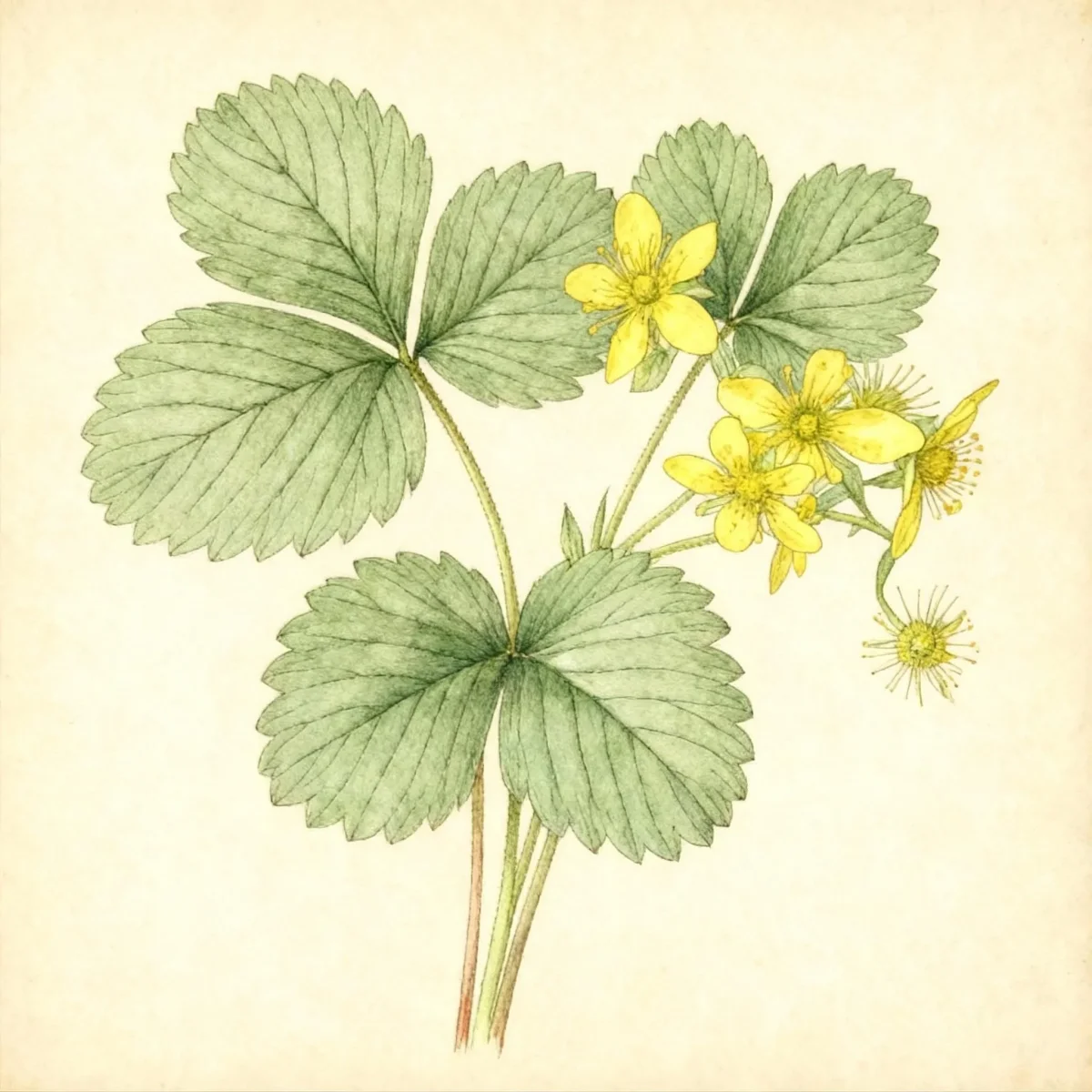
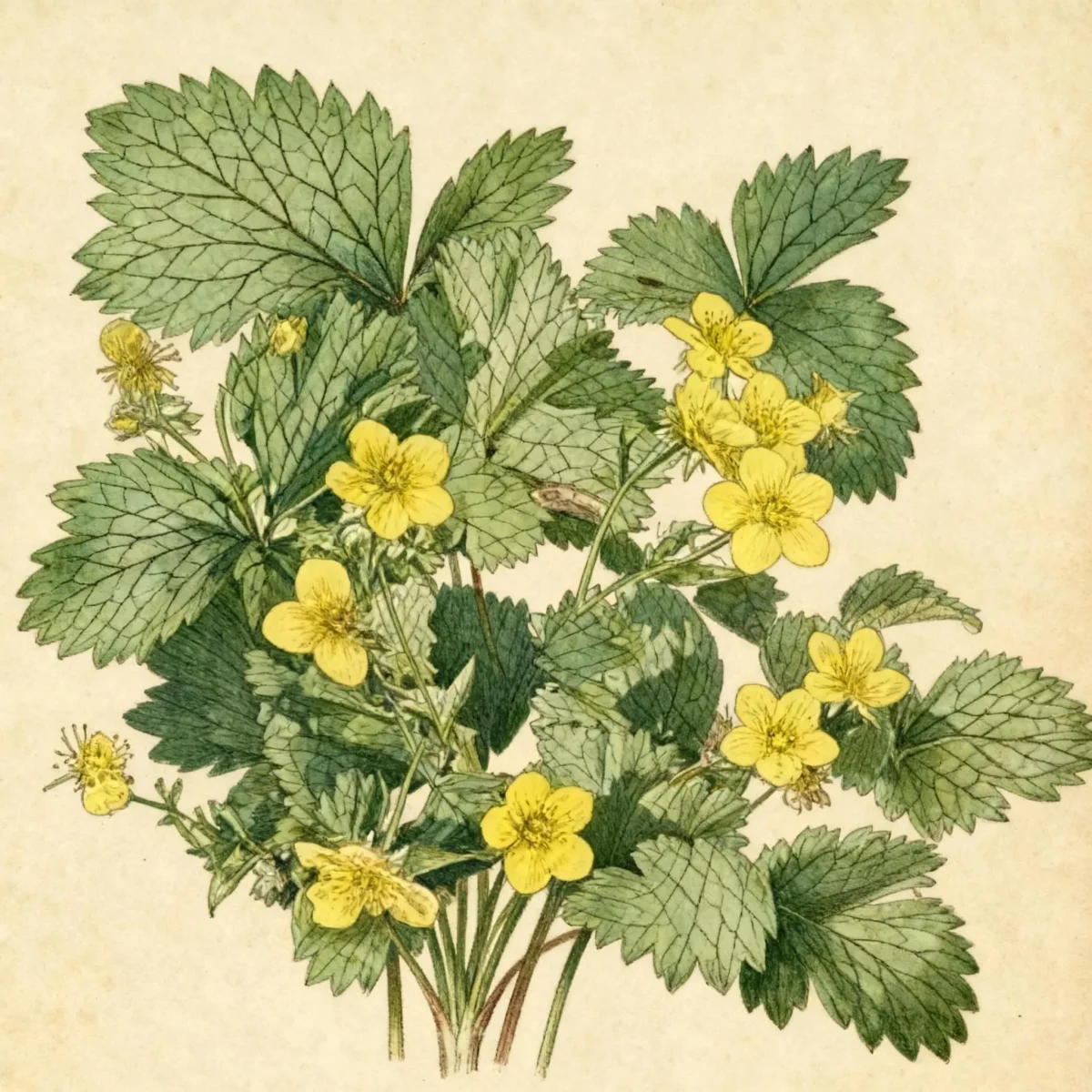
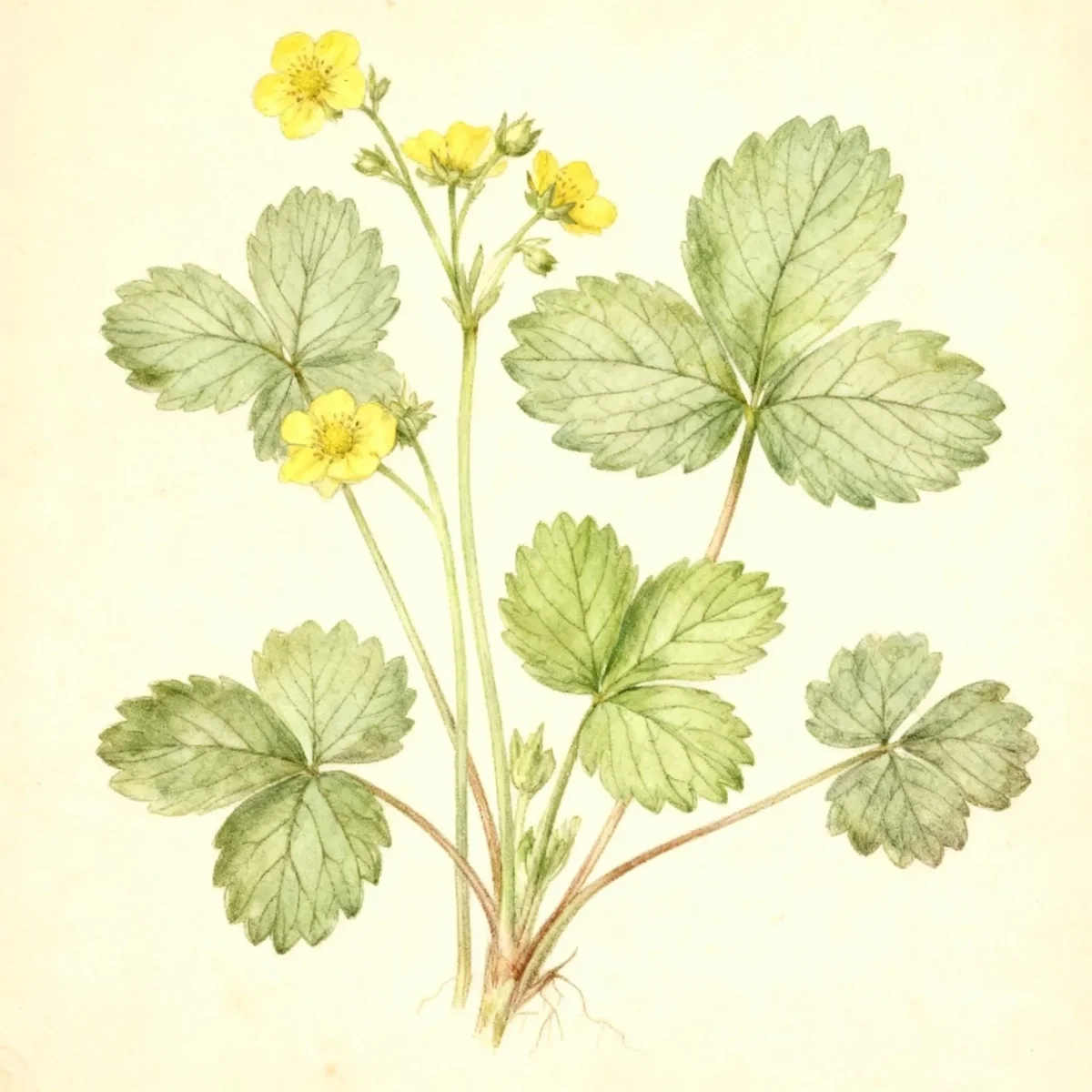
Alchemilla sericata, commonly called silky lady’s mantle, is a herbaceous perennial endemic to rocky ledges, scrublands, and pastures in the alpine and subalpine regions of the Caucasus. Mature plants will reach up to 1’ tall with an equal width and will spread via underground rhizomes to form small colonies. The grey-green leaves have toothed margins and seven, rounded lobes. They are covered in a soft layer of hairs and can reach up to 3” wide. The upright, branched inflorescences bear rounded clusters of small, yellow flowers in summer. ‘Gold Strike’ is a compact, mounding selection of silky lady’s mantle that features grey-green, lobed foliage with a soft, fuzzy texture and loose sprays of pale yellow flowers.
Tolerances
- Deer
- Clay Soil
- Shallow-Rocky Soil
Potential Problems
This variety of Silky lady’s mantle is remarkably robust, boasting no known pest or disease problems under standard garden cultivation. The primary cultural concern is managing its spread, as Alchemilla sericata ‘Gold Strike’ can self-seed moderately and spread slowly via underground rhizomes. To maintain neat colonies and prevent unwanted seedlings in pathways or surrounding plants, it is essential to deadhead the flowering stalks promptly before the small, pale yellow flowers have a chance to mature seed. Gardeners should also note that deer tend to avoid grazing on this plant, offering a significant benefit in areas where browsing pressure is common.
Frequently Asked Questions
What hardiness zones is Silky lady’s mantle suitable for?
Alchemilla sericata ‘Gold Strike’ is hardy and performs reliably across a broad range, specifically USDA Zones 3 through 8.
How large does Alchemilla sericata ‘Gold Strike’ grow?
This compact selection reaches a mature height between 0.75 and 1 foot tall, spreading to cover an area roughly 1 to 1.25 feet wide.
What sun exposure does Silky lady’s mantle need?
This perennial performs best when sited in full sun or positioned where it receives part shade throughout the day.
When does Alchemilla sericata ‘Gold Strike’ bloom?
The blooming period generally spans from May through July, producing characteristic loose sprays of small, pale yellow flowers.
Conclusion
Alchemilla sericata ‘Gold Strike’ provides gardeners with a textural, low-maintenance option ideal for ground covering and edging, thanks to its fuzzy foliage and resilience in various soil types. This excellent selection of Silky lady’s mantle asks very little of its caretaker while delivering consistent beauty through summer. Assess your landscape’s moisture levels and zone compatibility before planting this versatile perennial this season.
Companion Planting
When designing beds around your Alchemilla sericata ‘Gold Strike’, consider plants that offer similar low-water needs or textural contrast. Plants that thrive in partial shade and tolerate moderate sun, such as various Campanulas or low-growing Geraniums, make excellent companions. Integrating plants with finer textures, like ornamental grasses, next to the broader, lobed leaves of Silky lady’s mantle adds dynamic visual interest.
For areas where you need dependable coverage, pair the 1-foot height of this plant with a slightly taller, upright perennial like Salvia or Veronica toward the back of the border. This layering technique utilizes the spreading nature of Alchemilla sericata ‘Gold Strike’ effectively without letting it become overly aggressive next to slower-growing neighbors.
Seasonal Care Calendar
Spring cleanup involves removing any lingering debris from winter and lightly cutting back the old foliage near the ground to allow the fresh, fuzzy new growth of Silky lady’s mantle to emerge cleanly. In summer, deadhead spent blooms diligently to control reseeding and maintain a tidy appearance. Avoid heavy fertilization; if supplemental feeding is necessary, use a balanced, slow-release fertilizer very early in the season.
Late summer or early fall is the ideal time for a final clean-up cut. Trimming back the entire clump after the intense summer heat subsides encourages the plant to put out a fresh flush of attractive foliage before dormancy sets in. This practice ensures your Alchemilla sericata ‘Gold Strike’ begins the following spring looking crisp and refreshed.