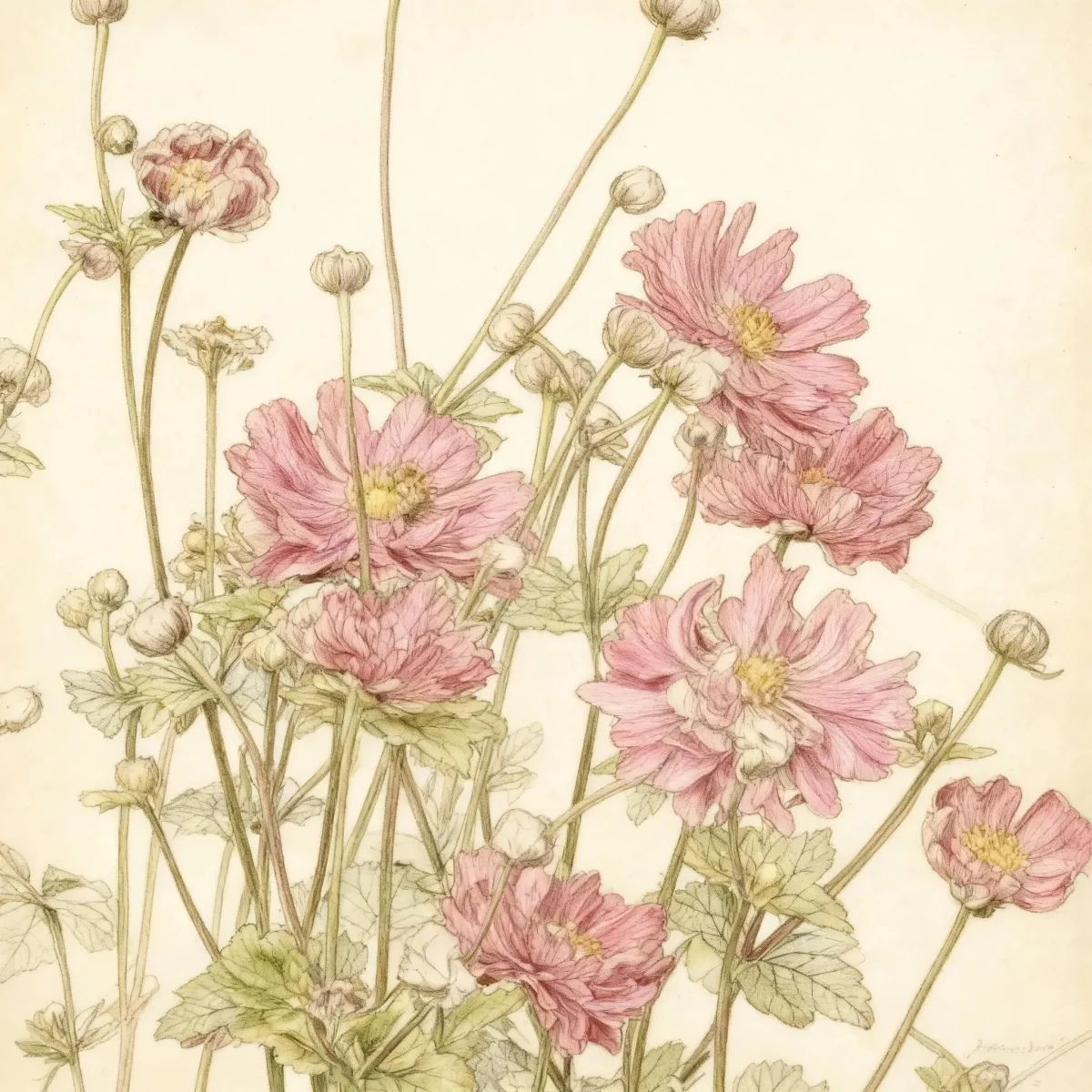
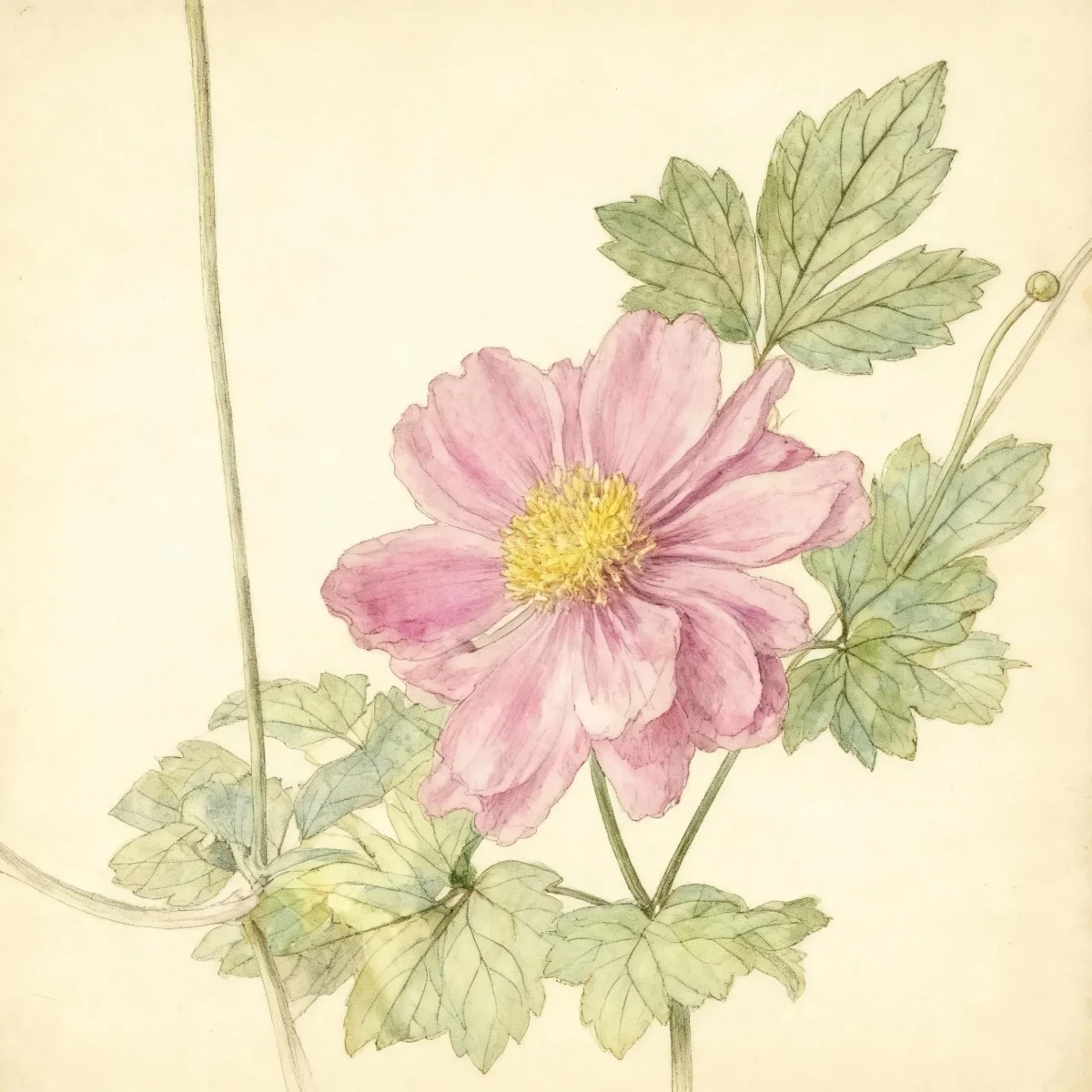
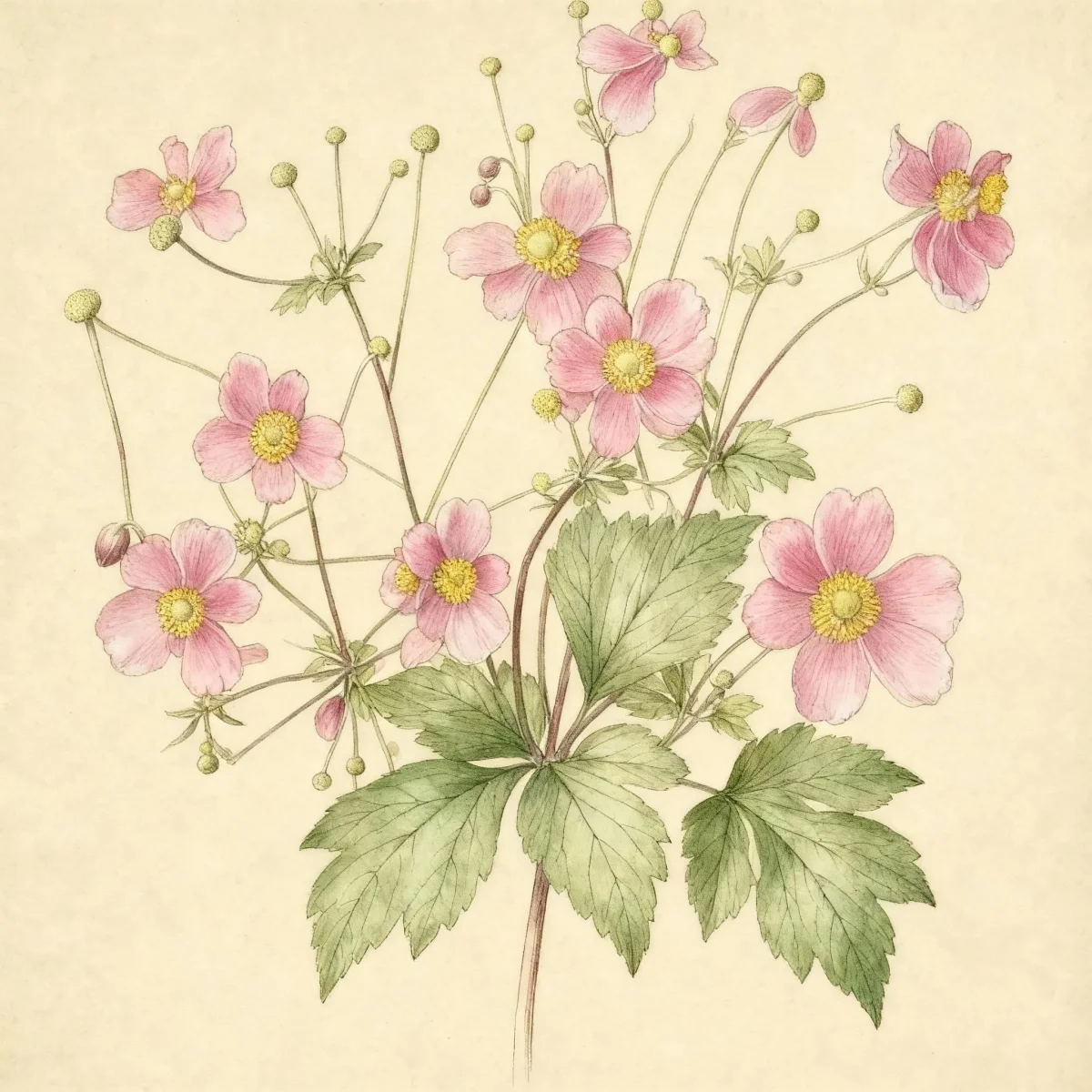
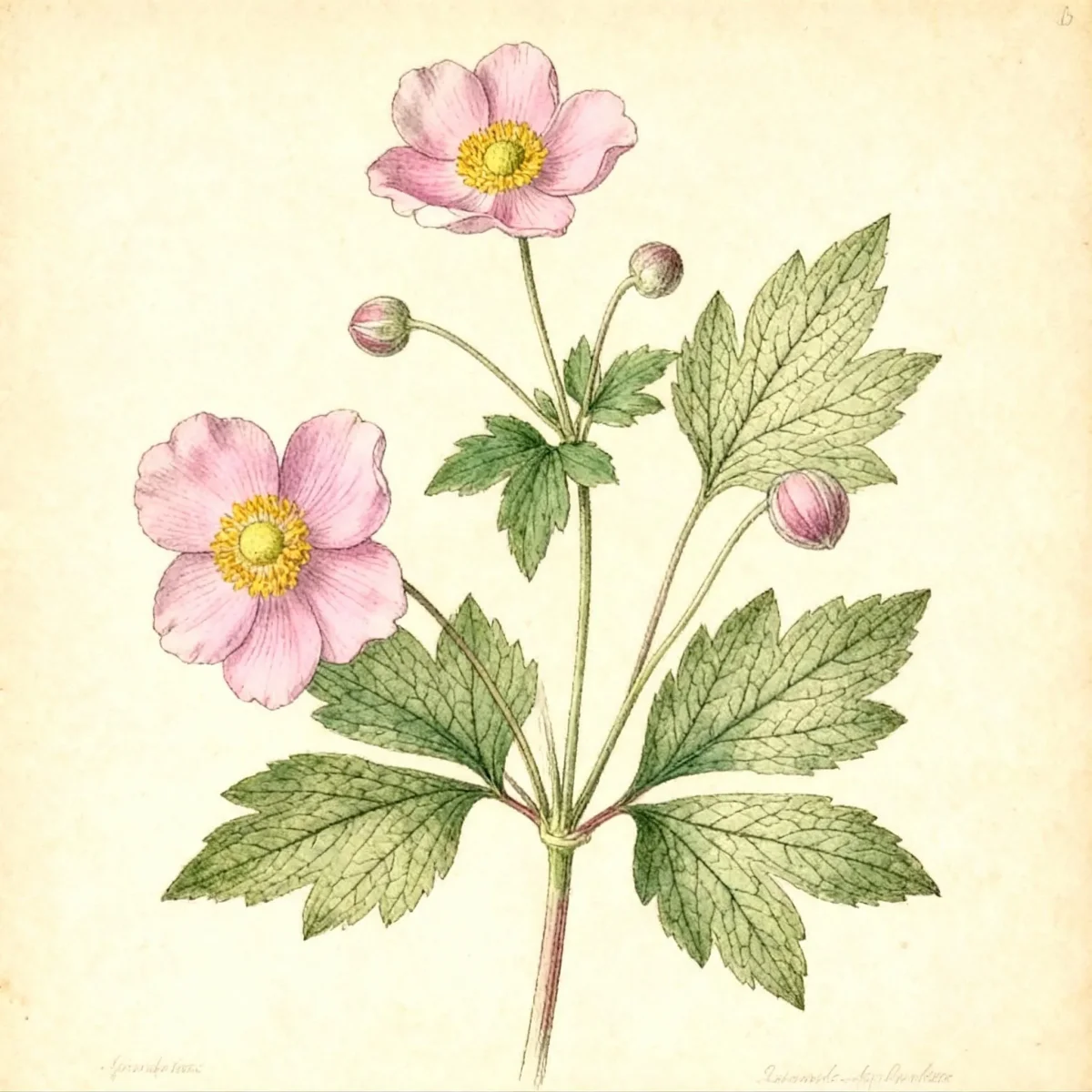
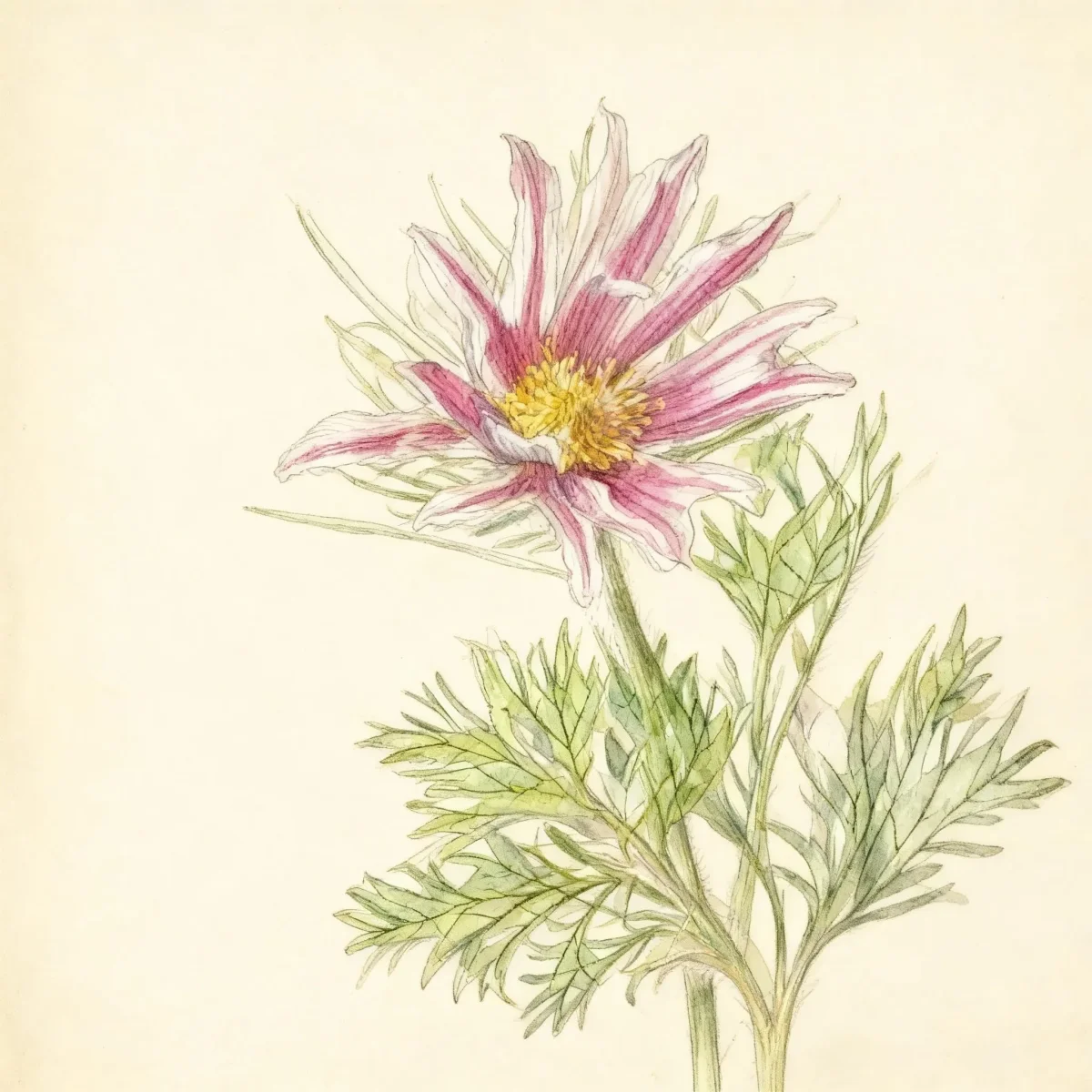
Japanese anemone (Anemone 'Red Riding Hood')
Anemone 'Red Riding Hood' offers stunning deep pink blooms from July to September in hardy zones 5-9. This low-maintenance Japanese anemone is excellent for late-season color.
Scroll down to discover growing tips, care requirements, companion plants, and more
Complete Plant Information
Overview
Anemone ‘Red Riding Hood’ is a highly valued addition to the late-season garden, providing vibrant color when many other perennials are fading. As a compact, clumping hybrid Japanese anemone, it brings reliable structure and eye-catching deep pink flowers to the perennial border. Gardeners appreciate this cultivar for its straightforward care requirements and its ability to thrive across many temperate regions.
This ornamental variety belongs to the broader family of Anemone, commonly known as windflowers, characterized by their upright stalks and showy blooms. The mature size of Anemone ‘Red Riding Hood’ remains manageable, reaching about 1.5 feet tall and spreading 2 feet wide, making it one of the more contained options among Japanese anemones. Its visual appeal is enhanced by fluffy white seedheads that persist after the flowers fade.
Offering excellent performance with minimal fuss, this Japanese anemone is tough enough to handle deer browsing while providing superior visual impact. Its versatility allows integration into various garden styles, ensuring that late summer and early autumn display is consistently colorful and full.
Fast Facts
- Plant Family: Ranunculaceae
- Plant Type: Herbaceous perennial
- Hardiness Zones: USDA Zones 5-9
- Size at Maturity:
- Height: 1-1.5 ft
- Spread: 1.5-2 ft
- Bloom Time: July to September
- Bloom Description: Deep pink
- Sun Exposure: Full sun to part shade
- Water Needs: Medium
- Maintenance Level: Low
How to Grow
The ideal time to establish Anemone ‘Red Riding Hood’ is in the spring after the last threat of hard frost, allowing the roots to settle before the heat of summer. Successful establishment requires planting in rich, well-draining soil that is kept consistently moist. While these plants prefer full sun for the best flowering, they tolerate and often appreciate partial shade, especially in hotter climates where afternoon sun might scorch the foliage.
Watering should be regular; these perform best when soil moisture is even. Avoid letting the soil dry out completely, as this can stress the plant, though avoid boggy conditions since excellent drainage is crucial for preventing root issues. Fertilization is generally minimal; a balanced, slow-release fertilizer applied in early spring is usually sufficient to support robust growth through the season.
Maintenance for Anemone ‘Red Riding Hood’ is conveniently low. Deadheading spent blooms is optional but can improve the appearance while extending the blooming period. Remove the entire stalk after flowering ceases if you prefer a tidier look, though the remaining fluffy seedheads provide nice textural contrast in the fall. Winter preparation is minimal in Zones 5-9; simply cutting back the old foliage to the crown in very early spring before new growth emerges is all that is typically needed.
Landscape Uses
The compact nature of Anemone ‘Red Riding Hood’ makes it extraordinarily useful in defined spaces. It shines in mixed borders, nestled between taller shrubs or shrubs that provide spring structure but remain dormant during the anemone’s active phase. For a classic cottage garden aesthetic, plant clusters of this Japanese anemone near lavender or ornamental grasses, where the fine textures contrast beautifully with the solid pink flowers.
Because of its neat habit and ability to handle containers, Anemone ‘Red Riding Hood’ is an excellent specimen for patios or entryways. When planted in pots, ensure containers are large enough to maintain consistent moisture, as container soil dries faster than in-ground settings. Group several together or pair them with trailing annuals that spill over the edges for a more complex, layered look.
Its reliable late-season color means it acts as a fantastic bridging plant, filling the late-summer gap before autumn bloomers take over. Use Anemone ‘Red Riding Hood’ to provide reliable spots of color in shaded areas of mixed borders where reliable bloom is often hard to achieve.
Standout Features
Flower Qualities
- Showy
- Good Cut
Fruit Qualities
- Showy
Noteworthy Characteristics
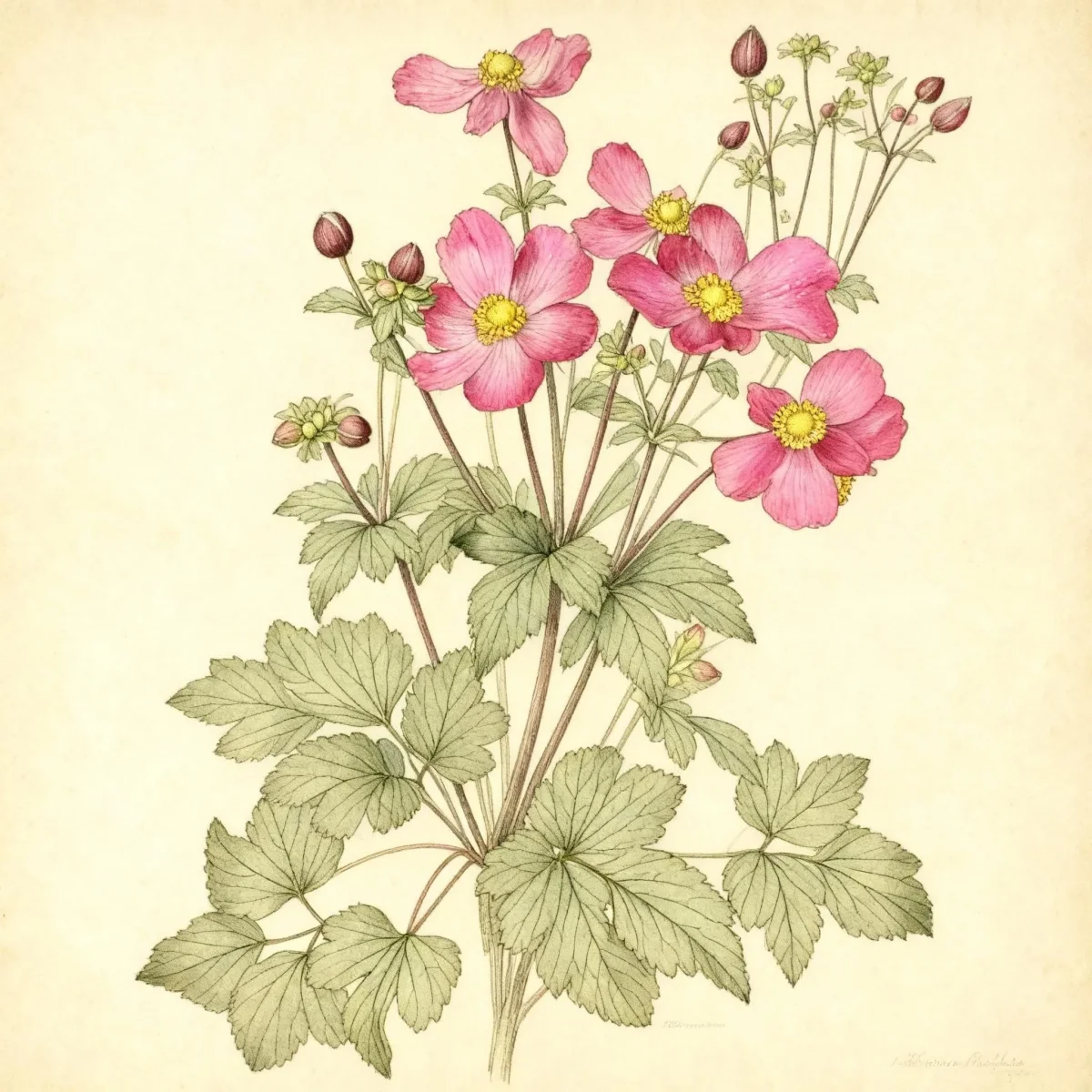
Anemone is a genus of around 150 species of herbaceous, rhizomatous perennials found globally, primarily in northern temperate regions and commonly known as windflowers. ‘Red Riding Hood’ is specifically a compact, clumping hybrid noted for its deep pink, single blooms accented by yellow stamens. The plant’s upright stems are ideal for fresh cut arrangements, and the resulting fluffy white seedheads extend its visual interest well into the autumn months.
Tolerances
- Deer
Potential Problems
One of the greatest benefits of growing Anemone ‘Red Riding Hood’ is its notable resistance to common garden pests and diseases. Gardeners rarely need to contend with significant infestations or fungal issues, provided proper cultural conditions are met. Furthermore, deer tend to completely avoid grazing this plant, making it a secure choice for gardens where browsing animals are a concern. The primary potential problem relates to poor drainage; if the soil stays waterlogged, root rot can become an issue, emphasizing the requirement for rich, well-draining soil.
Frequently Asked Questions
What hardiness zones is Anemone ‘Red Riding Hood’ suitable for?
Anemone ‘Red Riding Hood’ is reliably hardy in USDA Zones 5 through 9. Ensure your location falls within this range for best perennial performance.
How large does Japanese anemone grow?
This compact variety typically reaches a height between 1 and 1.5 feet, with a spread ranging from 1.5 to 2 feet at maturity.
When does Anemone ‘Red Riding Hood’ bloom?
This perennial provides beautiful color from July through September, offering vibrant deep pink flowers during the late summer and early fall seasons.
What sun exposure does Japanese anemone need?
For optimal flowering, Anemone ‘Red Riding Hood’ prefers full sun but is adaptable and performs well in partial shade locations.
Conclusion
The reliable, late-season performance and low maintenance requirements solidify the value of Anemone ‘Red Riding Hood’ in any mixed planting scheme. Its attractive deep pink flowers and good structural form make it a steadfast choice among Japanese anemones for bridging seasonal gaps in the garden display. Before planting, confirm that your site provides the medium water needs and well-draining soil necessary for this cultivar to thrive.
Companion Planting Wisdom
When selecting companions for Anemone ‘Red Riding Hood,’ aim for plants that share similar needs for medium moisture but offer different textures or bloom times. Hostas work exceptionally well, especially those with variegated or blue leaves, as they thrive in the same dappled shade areas that suit the anemones. Grasses, such as Japanese Forest Grass (Hakonechloa macra), provide soft, arching movement that contrasts beautifully with the upright stems of the anemone. Planting robust, drought-tolerant perennials nearby can also help ensure those spots don’t stay too wet during drier spells.
Late Season Garden Design
Leveraging the bloom period of Anemone ‘Red Riding Hood’ (July to September) is key to maintaining garden interest into the fall. Position taller structures, like ornamental grasses or late-flowering asters, to the back of the border, allowing the 1.5-foot-tall anemones to form a solid mid-layer of color. Furthermore, because the flowers are showy, consider using them near pathways or seating areas where their late summer contribution can be fully appreciated. Their ability to tolerate partial shade means they can revitalize drifts of hostas or ferns that have begun to look tired by mid-summer.