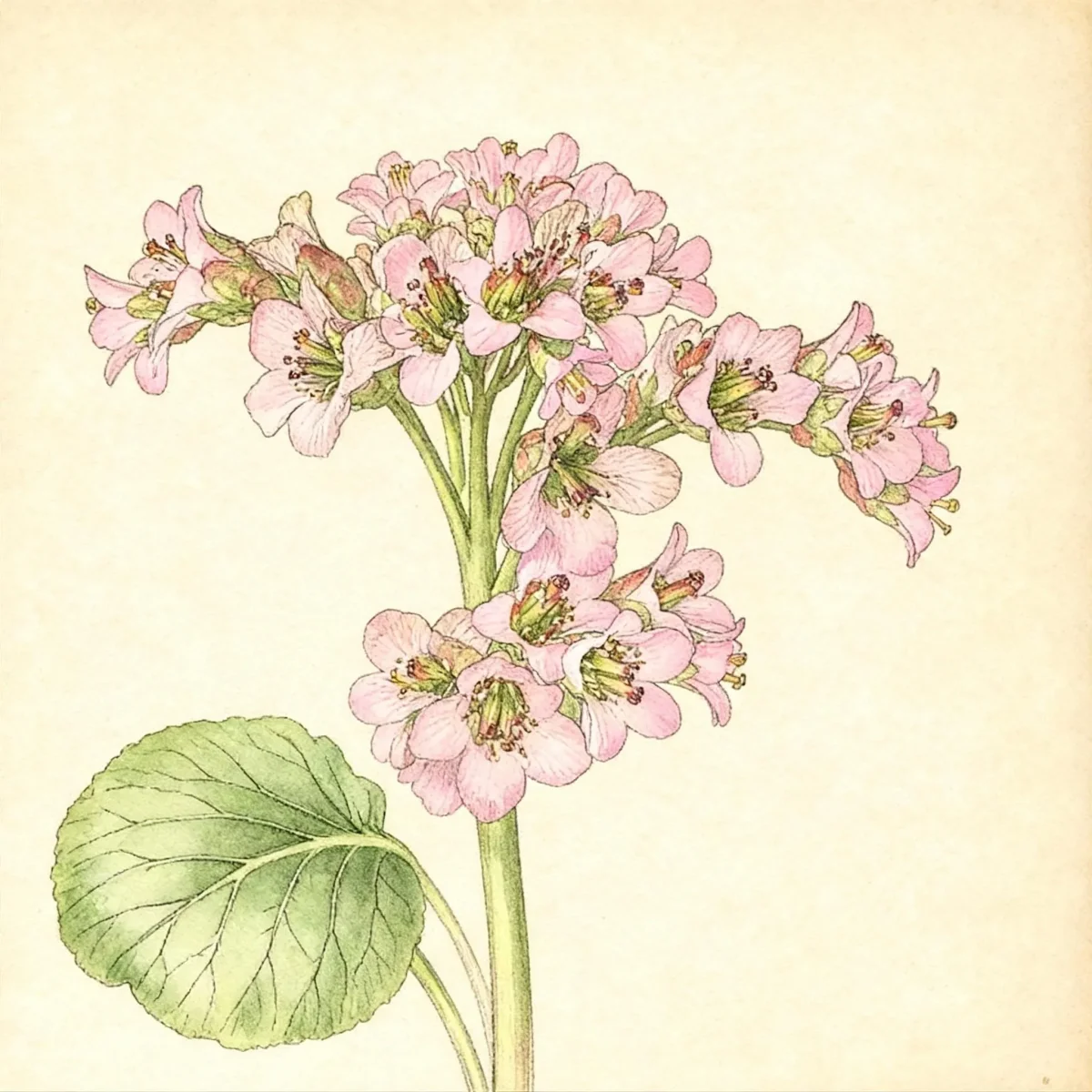
Pigsqueak (Bergenia cordifolia 'Miss Piggy')
Bergenia cordifolia 'Miss Piggy' (Pigsqueak) is an evergreen perennial featuring glossy leaves and reliable pink blooms, ideal for shade.
Scroll down to discover growing tips, care requirements, companion plants, and more
Complete Plant Information
Overview
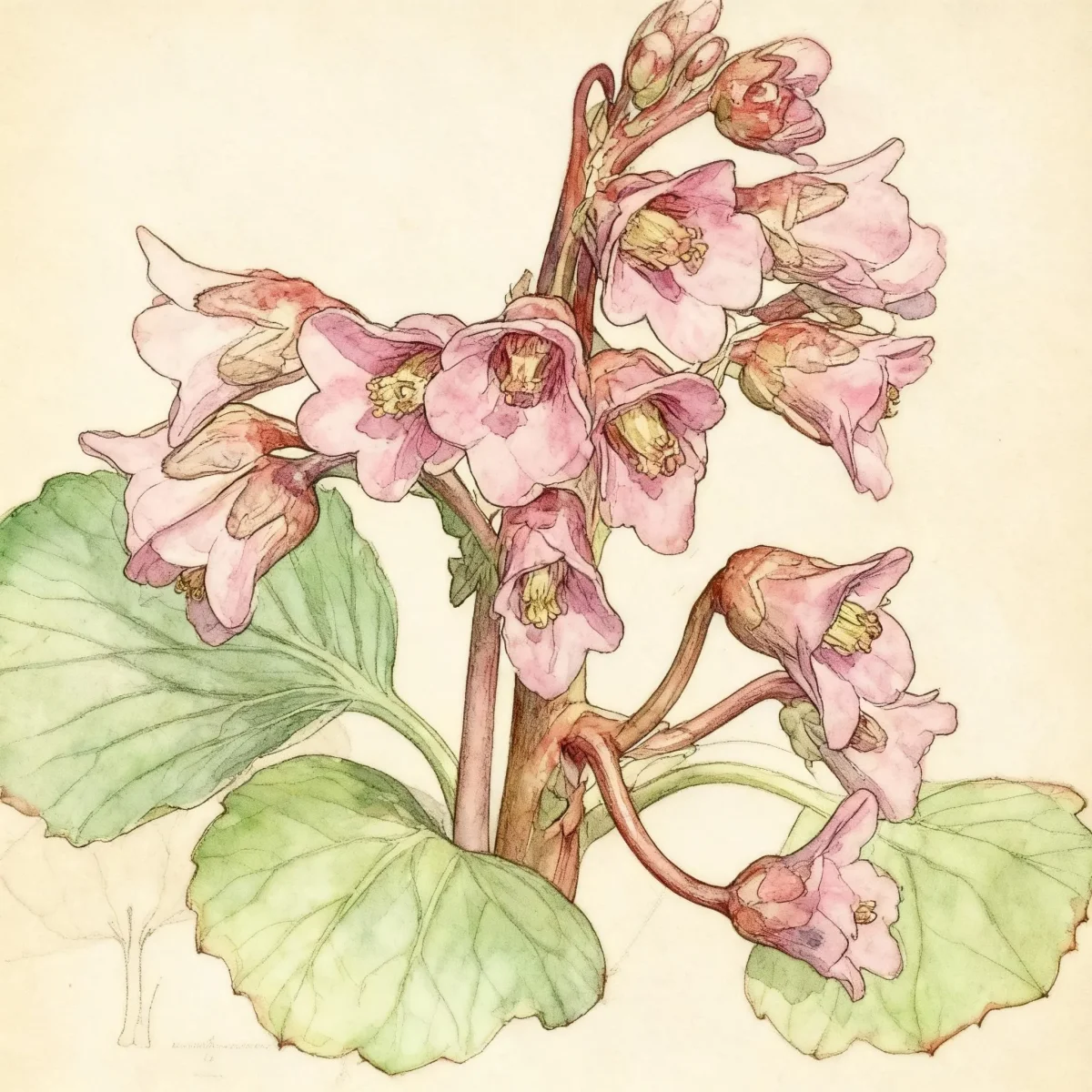
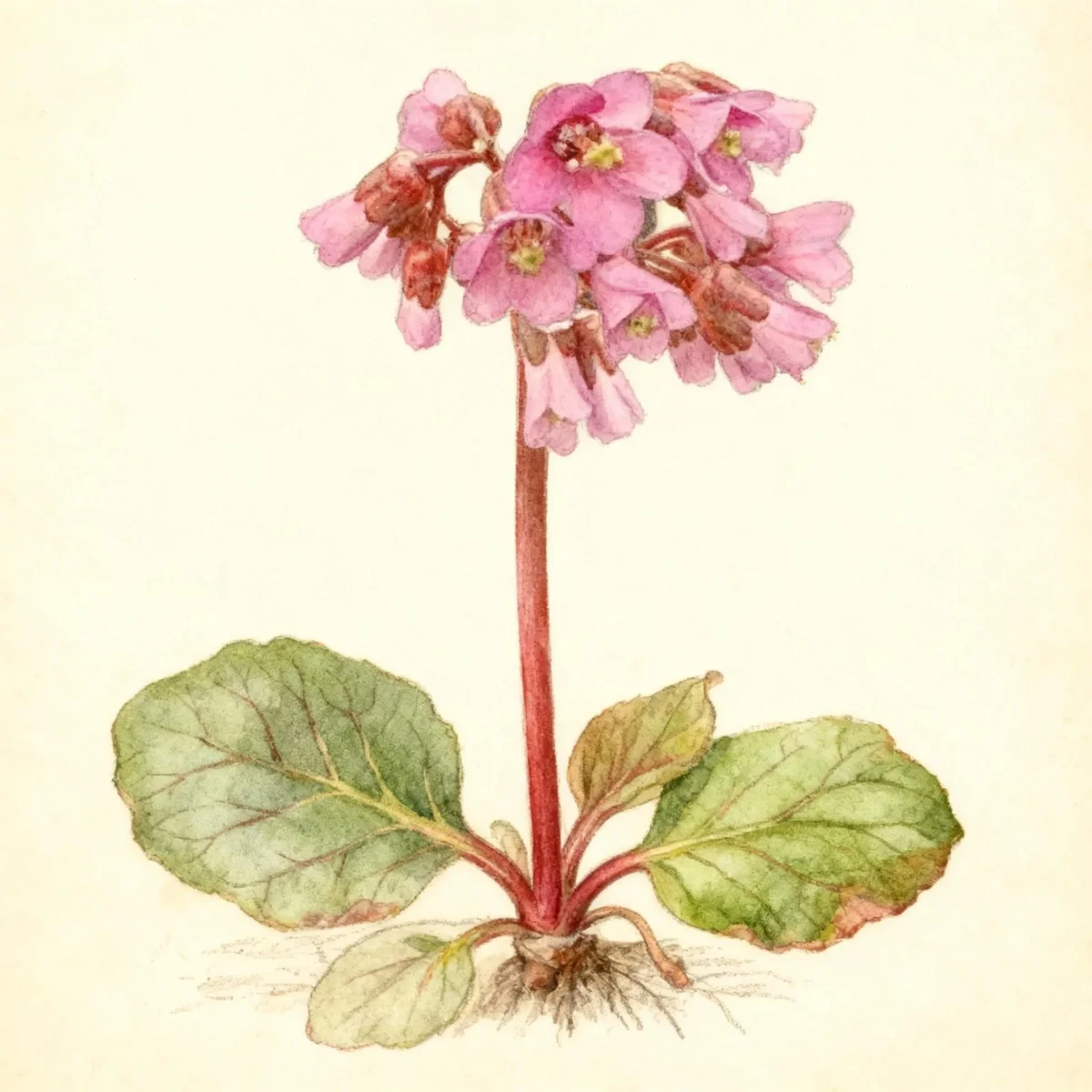
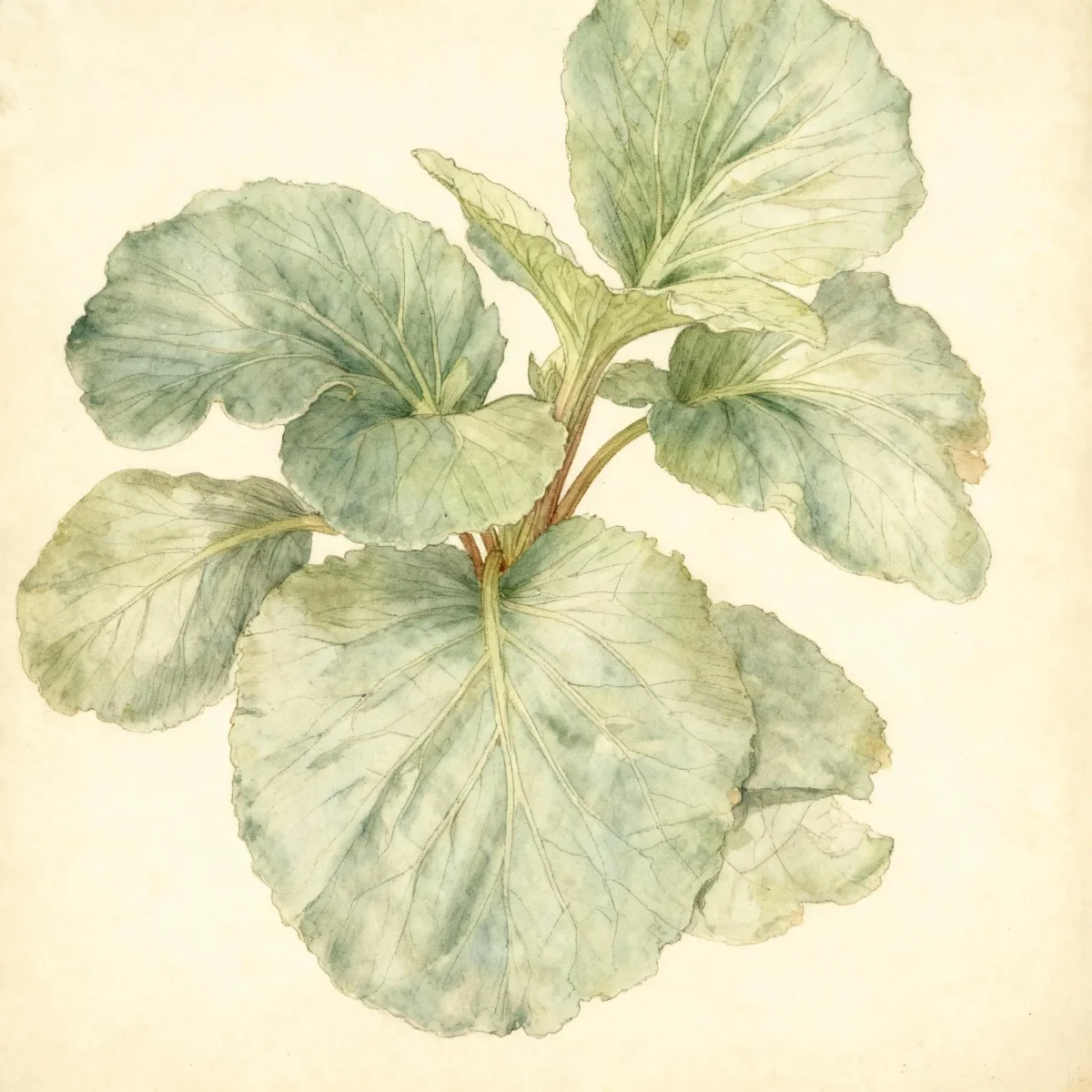
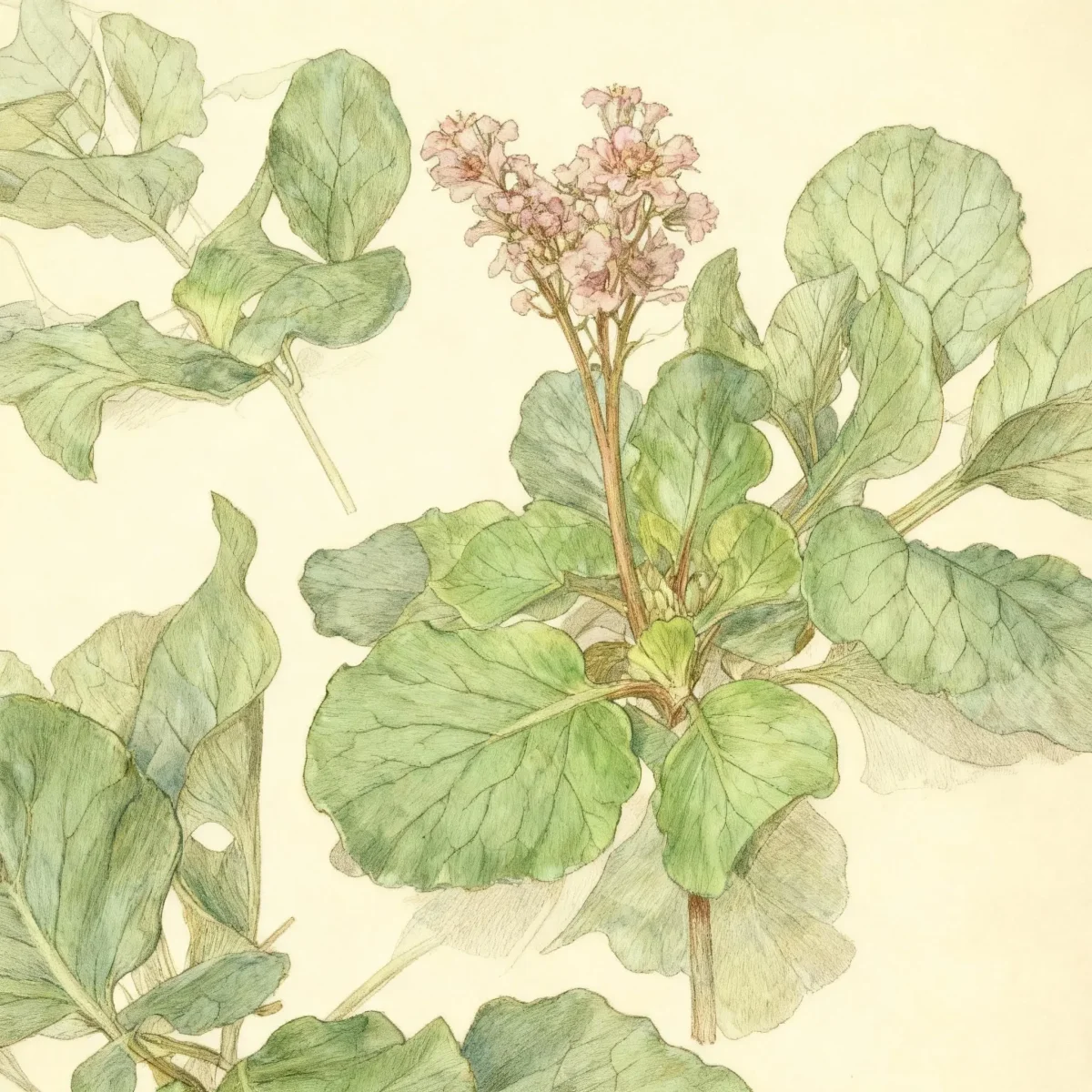
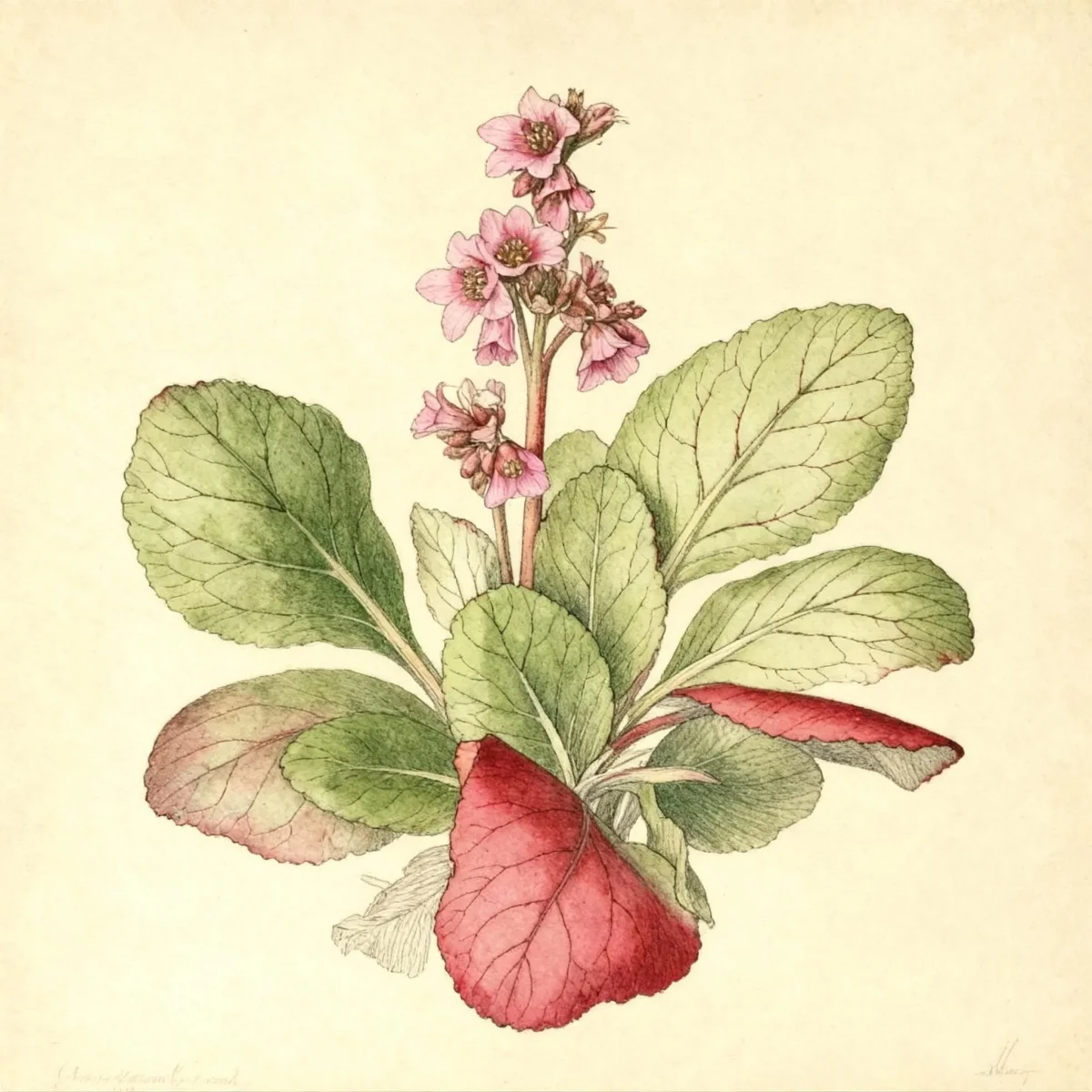
Bergenia cordifolia ‘Miss Piggy’, commonly known as Pigsqueak, is a treasured evergreen perennial valued for its architectural foliage and dependable early spring color. This cultivar stands out with large, dark green, glossy leaves that transition to attractive red shades in winter, providing year-round interest where other plants may be scarce. Its mounding habit makes Bergenia cordifolia ‘Miss Piggy’ an excellent low-maintenance solution for challenging shaded areas.
The plant offers upright panicles of bell-shaped pink blooms in mid-spring, lending reliable color before many other perennials awaken fully. As a tough herbaceous perennial, Pigsqueak handles various growing conditions well, though it thrives best with consistent moisture in humus-rich soil. Gardeners appreciate its robust nature and its ability to cover ground effectively in woodland or shade gardens.
Its German namesake honor points to its distinguished history, but modern gardeners know Bergenia cordifolia ‘Miss Piggy’ for its practical resilience. It serves beautifully as functional ground cover or as textured edging, offering a sophisticated, dark backdrop accented by its consistent pink flower display season after season.
Fast Facts
- Plant Family: Saxifragaceae
- Plant Type: Herbaceous perennial
- Hardiness Zones: USDA Zones 4-9
- Size at Maturity:
- Height: 1.25-1.5 ft
- Spread: 2.25-2.5 ft
- Bloom Time: April to May
- Bloom Description: Pink
- Sun Exposure: Part shade to full shade
- Water Needs: Medium
- Maintenance Level: Low
How to Grow
Plant Bergenia cordifolia ‘Miss Piggy’ during moist periods, ideally in the spring or fall, allowing it time to establish its slow-spreading rhizomes. It grows easily in average, medium, well-drained soil, although it prefers a moist, humusy substrate. While tolerant of a wide range of soils, ensure consistent moisture, especially when establishing the clump-forming perennial in a part shade to full shade location.
Water needs for Pigsqueak are medium; aim for consistent moisture but avoid waterlogged conditions, as drainage is crucial for long-term health. Little supplemental fertilizer is typically required if the soil is adequately rich. Maintenance is remarkably low, requiring only routine cleanup.
Prepare for spring by removing any foliage that appears damaged or dead from cold winter weather in late winter or early spring—this tidies the plant and prepares it for new growth. Promptly remove spent flowering stems after the April to May bloom period concludes. In colder zones, foliage may suffer damage, but the plant remains hardy and reliably returns.
Landscape Uses
Bergenia cordifolia ‘Miss Piggy’ excels as practical ground cover, effectively suppressing weeds and filling spaces beneath taller trees where grass struggles. Its mounding form makes it superb for shaded border fronts, providing structure and texture throughout the season. Consider using this resilient plant as sturdy edging for walkways or to anchor rock gardens where its leathery, evergreen leaves provide contrast.
Pair this genus with other shade-loving perennials that appreciate similar moisture levels and soil types, such as Hellebores, Hostas, or ferns. The deep green, glossy leaves contrast beautifully with the finer textures of woodland companions, while the vibrant pink blooms of Bergenia cordifolia ‘Miss Piggy’ draw the eye toward shaded pathways. Furthermore, the leaves are excellent for use as a fresh cut flower in arrangements, adding weight and gloss.
Standout Features
Flower Qualities
- Showy
Noteworthy Characteristics
Bergenia cordifolia, commonly called pigsqueak, is a clump-forming perennial which is primarily grown as a ground cover. Features large rosettes of leathery, glossy, toothed, rounded, dark green leaves (to 10” long by 8” wide) which are heart-shaped at the base. Small dark pink flowers in dense panicles appear within or above the foliage on stout stalks to 16” tall in April. ‘Miss Piggy’ features large, dark green, glossy, evergreen leaves and upright panicles of bell-shaped, 1.5” wide, outwardly facing to slightly nodding, pink blooms, offering a more consistent pink flower color compared to other pigsqueak cultivars.
Tolerances
- Rabbit
- Deer
- Heavy Shade
- Erosion
Potential Problems
This tough plant typically exhibits no serious insect or disease problems, which adds significantly to the low maintenance requirement of Pigsqueak. Rabbits and deer tend to avoid Bergenia cordifolia ‘Miss Piggy’, making it a reliable choice in areas prone to browsing pressure where protection might otherwise be necessary. Monitoring for overwatering, which can lead to root issues, is the primary preventative care required, as the plant is otherwise quite robust.
Frequently Asked Questions
What hardiness zones is Pigsqueak suitable for?
Bergenia cordifolia ‘Miss Piggy’ is suitable for USDA Hardiness Zones 4 through 9, offering reliable evergreen performance across a wide climatic range.
How large does Bergenia cordifolia ‘Miss Piggy’ grow?
This perennial generally reaches a height between 1.25 to 1.5 feet tall with a spread of 2.25 to 2.5 feet at maturity.
What sun exposure does Pigsqueak need?
This plant performs best in part shade to full shade conditions, resisting scorching that can occur in intense afternoon sun.
When does Bergenia cordifolia ‘Miss Piggy’ bloom?
The distinct pink blooms appear reliably from April to May, providing welcome color early in the growing season.
Conclusion
Bergenia cordifolia ‘Miss Piggy’ remains an outstanding choice for gardeners seeking evergreen structure and low maintenance in partially shaded to deeply shaded landscapes. Its heart-shaped leaves and consistent pink flowers ensure this Pigsqueak cultivar provides visual satisfaction year-round. Check your local hardiness zone compatibility and plan to amend soil with plenty of organic matter before planting this spring.
Propagation Tips
Division is the most common and easiest method for propagating Bergenia cordifolia ‘Miss Piggy’. Since the plant spreads slowly by rhizomes just beneath the soil surface, you can divide established clumps in early spring or early fall just as new growth begins or before dormancy sets in. Use a sharp spade to carefully lift a section of the clump, ensuring each division has several healthy rosettes of leaves attached. Replant these divisions immediately into prepared, moist soil pockets.
If you are propagating from seed, direct sowing or starting indoors is possible, though this method rarely yields plants true to the desirable characteristics of established cultivars like ‘Miss Piggy’. Seed-grown plants may take several seasons to achieve the mature size and robust leaf structure that make this plant so popular in garden design. Division guarantees an exact clone of the parent plant.