Garden mum (Chrysanthemum 'Matchsticks')
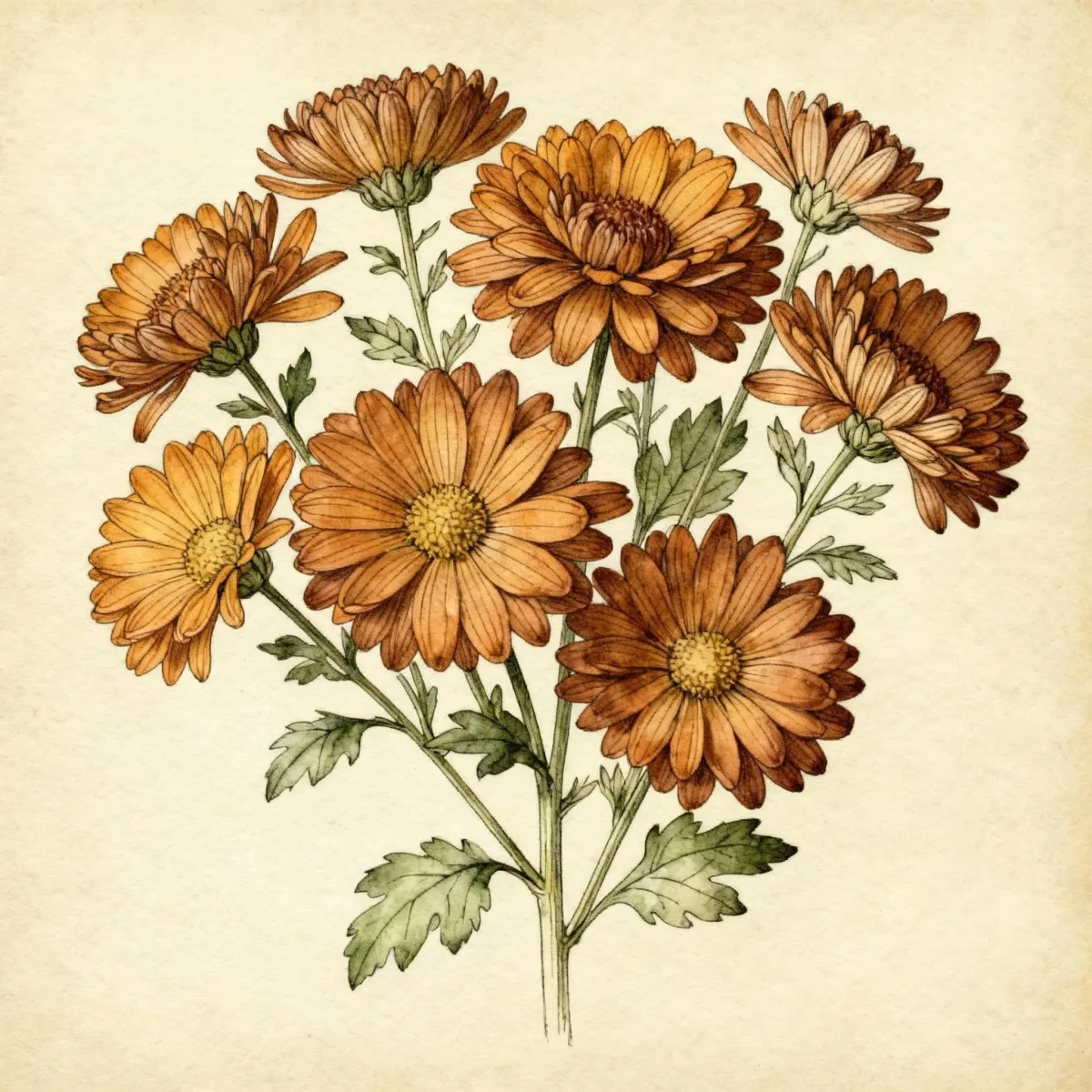
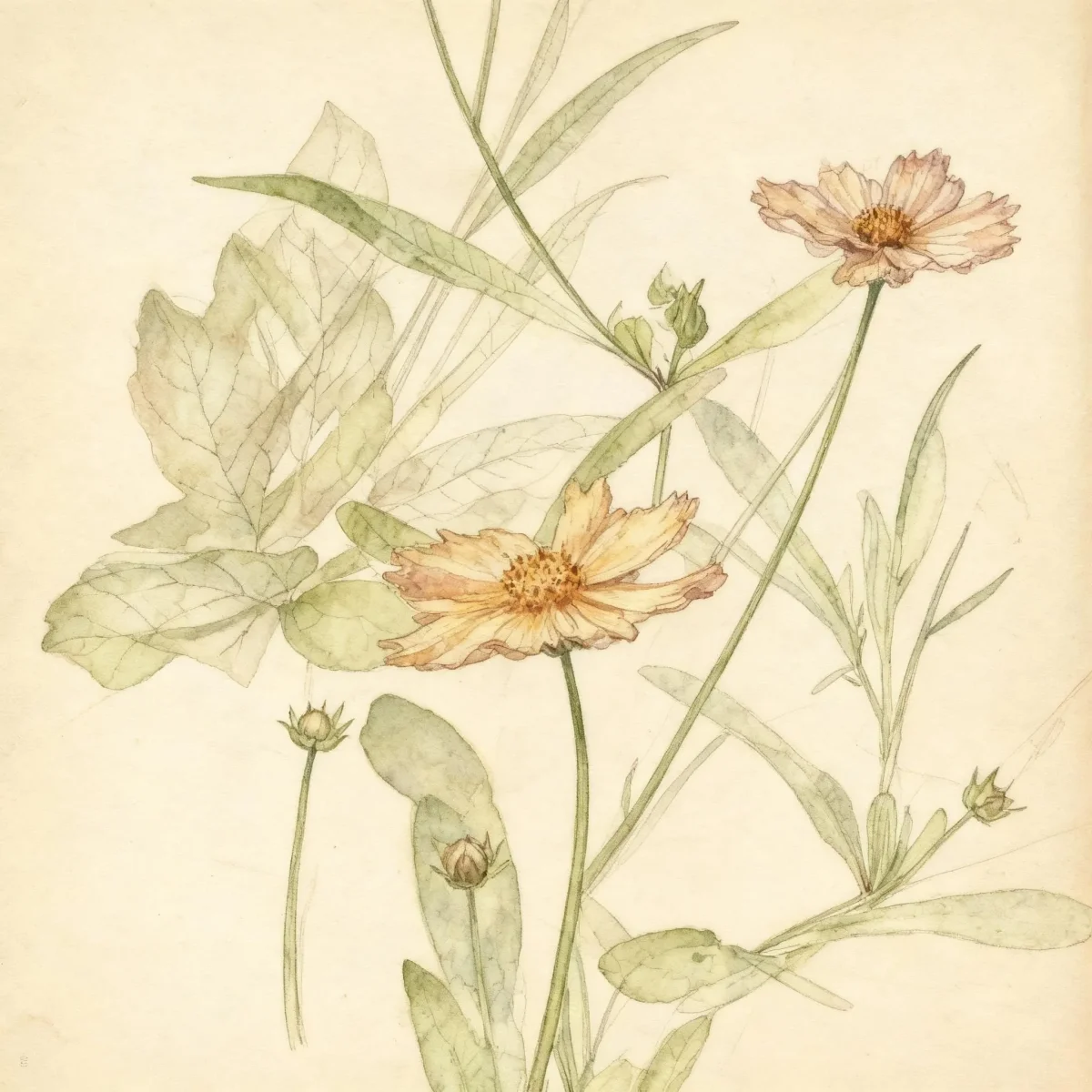
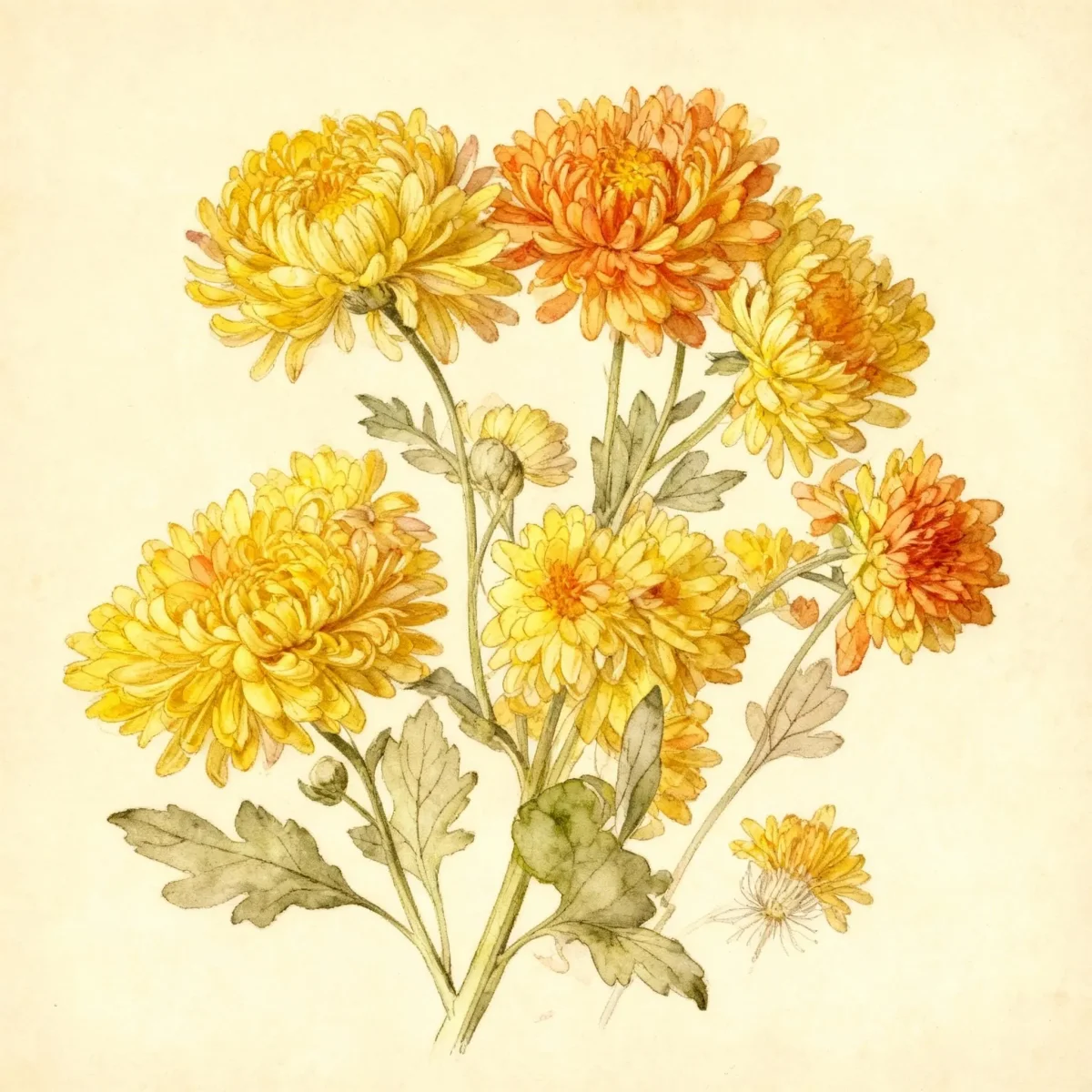
Chrysanthemum 'Matchsticks' (Garden mum) is a compact, showy perennial loved for its golden flowers that deepen to scarlet tips as autumn cools.
Scroll down to discover growing tips, care requirements, companion plants, and more
Complete Plant Information
Overview
Chrysanthemum ‘Matchsticks’, often categorized as a popular Garden mum, stands out in the fall landscape due to its unique bicolor display. This compact hybrid delivers bushy, well-branched growth topped by showy flowers whose golden-yellow coloration deepens with crisp autumn weather, acquiring striking scarlet tips. Gardeners value this cultivar for providing reliable, late-season color when many other perennials are fading.
As an herbaceous perennial, Chrysanthemum ‘Matchsticks’ contributes structure to borders and containers, typically reaching about two feet tall and wide. While it can be grown as a permanent feature, many gardeners treat this successful cultivar as an annual for dependable fall display, though it performs well in zones 5 through 9 with appropriate winter care.
The sturdy stems of this versatile plant make it an excellent choice for both garden design and fresh floral arrangements, offering a vibrant final flourish before winter dormancy. Planting Chrysanthemum ‘Matchsticks’ ensures rich texture and color during September and beyond.
Fast Facts
- Plant Family: Asteraceae
- Plant Type: Herbaceous perennial
- Hardiness Zones: USDA Zones 5-9
- Size at Maturity:
- Height: 1.5-2 ft
- Spread: 1.5-2 ft
- Bloom Time: September to frost
- Bloom Description: Yellow with red tipped petals
- Sun Exposure: Full sun
- Water Needs: Medium
- Maintenance Level: Low
How to Grow
For optimal establishment, plant Chrysanthemum ‘Matchsticks’ in the spring or early fall. Locate plants where they receive full sun; while they tolerate very light shade, best blooming occurs with maximum sun exposure. These garden mums thrive in humusy, fertile, consistently moist, and well-drained soils.
Consistent care helps maximize the bushy habit and stellar blooms of Chrysanthemum ‘Matchsticks’. Water requirements are medium, meaning the soil should remain consistently moist, especially during dry spells. To control height and promote dense vegetative growth, consistently pinch the stems back from late spring through mid-summer, ideally marking the pinching deadline around the Fourth of July.
Feed these vigorous plants several times throughout the active growing season to ensure robust flowering. After a hard frost ends the bloom cycle, cut the plants back to about six inches and apply a protective mulch, such as straw or evergreen boughs, especially in colder reaches of their hardiness range. Divide clumps as needed, typically every two to three years, in the spring or fall.
It is important to note that while you can treat Chrysanthemum ‘Matchsticks’ as a permanent perennial, they are often purchased late in the season and treated as seasonal annuals to supplement standard summer color. Winter survival in Zone 5 can be variable, so providing protection greatly improves longevity.
Landscape Uses
Chrysanthemum ‘Matchsticks’ offers fantastic utility in mixed garden settings, suitable for use as a perennial or frequently as a seasonal annual. Its upright, compact habit makes it perfect for mass plantings, providing uniform blocks of late-season color that draw the eye. Use this garden mum for neat edging along pathways or to anchor the front or middle tiers of a mixed perennial border.
Containers are another excellent application for this cultivar, allowing you to place its vivid blooms exactly where you need late-season impact, whether on a patio or tucked near an entryway. For fresh floral designs, the sturdy stems and uniquely petaled flowers mean Chrysanthemum ‘Matchsticks’ is highly regarded as a good cut flower.
Pair this vibrant yellow and red-tipped variety with deep purple, rust, or deep blue late-season bloomers like Asters or Sedum ‘Autumn Joy’ for striking autumnal contrast in annual or perennial beds.
Standout Features
Flower Qualities
- Showy
- Good Cut
Noteworthy Characteristics
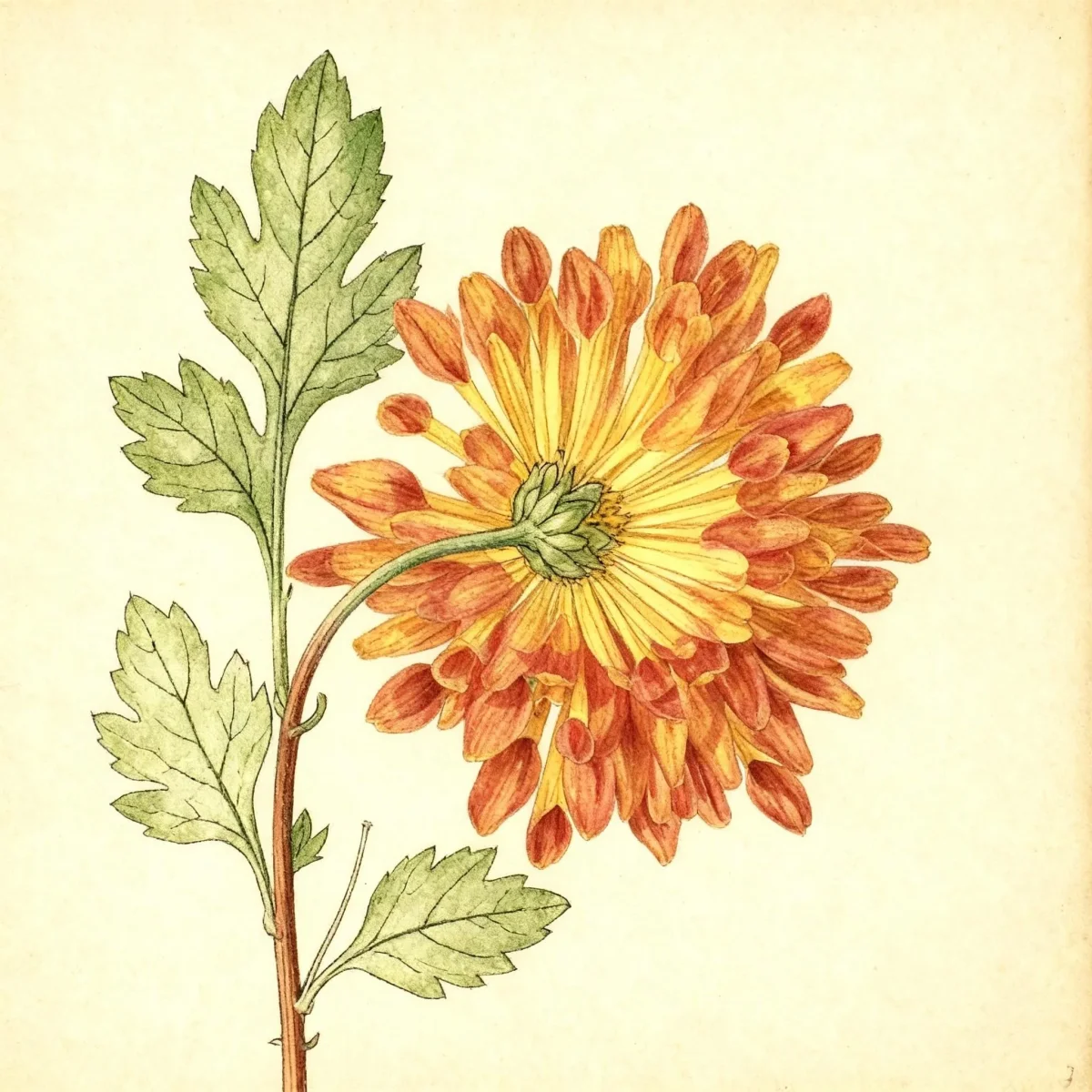
Chrysanthemum is a genus valued by gardeners primarily for its amazing array of showy flowers, with many hybrids forming the backbone of the fall garden. The genus name references the Greek words for gold (‘chrysos’) and flower (‘anthemon’). The cultivar ‘Matchsticks’ is a compact selection featuring strong, upright stems ideal for displaying its unique spoon-shaped petals, which transition from golden yellow margins to scarlet-red tips in the cooling fall air.
Tolerances
- Rabbit
Potential Problems
Pests like aphids, spider mites, and thrips have the potential to inflict significant damage on the foliage and buds of Chrysanthemum ‘Matchsticks’. Be vigilant for sap-sucking insects, especially during warmer weather.
Fungal issues are common in damp or crowded conditions. Potential widespread disease problems include Botrytis blight, leaf spots, rust, and powdery mildew, which thrive in dense plantings. Proper air circulation, achieved through timely pinching and adequate spacing, is key to prevention.
Management often involves cultural adjustments; ensuring good drainage and avoiding overhead watering during evening hours can mitigate many fungal threats. If pests are noted, use appropriate insecticidal soaps or dormant oils to control outbreaks on your garden mum. Deer and rabbits generally avoid feeding on this selection.
Frequently Asked Questions
What hardiness zones is Garden mum suitable for?
Chrysanthemum ‘Matchsticks’ performs best when grown in USDA Hardiness Zones 5 through 9, though winter survival in colder Zone 5 areas is not always guaranteed.
How large does Chrysanthemum ‘Matchsticks’ grow?
Mature plants typically reach a uniform height and spread, maturing between 1.5 and 2 feet tall with a corresponding spread of 1.5 to 2 feet wide.
What sun exposure does Garden mum need?
For the richest color and best structure, Chrysanthemum ‘Matchsticks’ requires full sun exposure, though it can tolerate very light shade.
When does Chrysanthemum ‘Matchsticks’ bloom?
This garden mum begins its main display period in September and continues flowering robustly until the first hard frost, featuring yellow petals tipped with scarlet red.
Conclusion
Chrysanthemum ‘Matchsticks’ is an indispensable late-season performer, offering dependable, compact structure and unique bicolor blooms perfect for extending the garden season. Its low maintenance requirements and suitability as a good cut flower make this Garden mum a practical and beautiful addition to any landscape plan. Before planting, confirm that its USDA Zone 5-9 requirements align with your local climate to ensure success next fall.
Design Ideas for Fall Containers
This cultivar excels in containers where its uniform, bushy habit can be prominently displayed. Combine the yellow and red tones of Chrysanthemum ‘Matchsticks’ with cascading silver foliage plants like Dichondra ‘Silver Falls’ to soften the edges. For height, place ornamental grasses or upright Celosia near the center. Since Chrysanthemum ‘Matchsticks’ continues blooming well into the cooler months, pairing it with standard annuals like Petunias or Calibrachoa that are starting to fade allows this mum to become the star performer.
Seasonal Care Calendar
Spring cleanup involves cutting back winter mulch and pruning stems to about six inches shortly after new growth emerges, encouraging bushiness before the heat of summer. Summer care is primarily focused on consistent watering and the crucial pruning steps up until mid-summer; remember to feed regularly during this active vegetative growth phase. Fall is when the plant rewards your efforts, showcasing its peak bloom time from September to frost, requiring only consistent moisture monitoring.