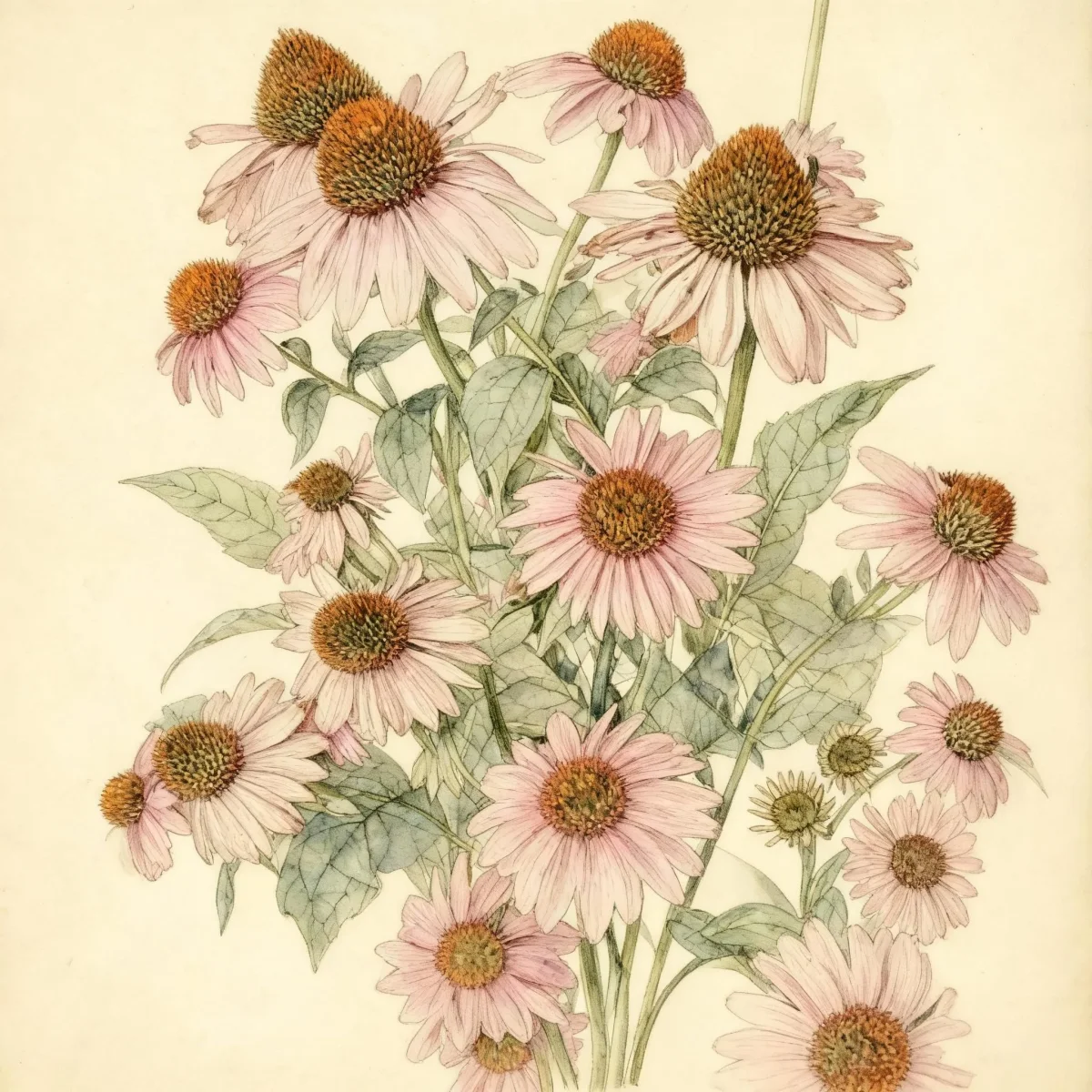
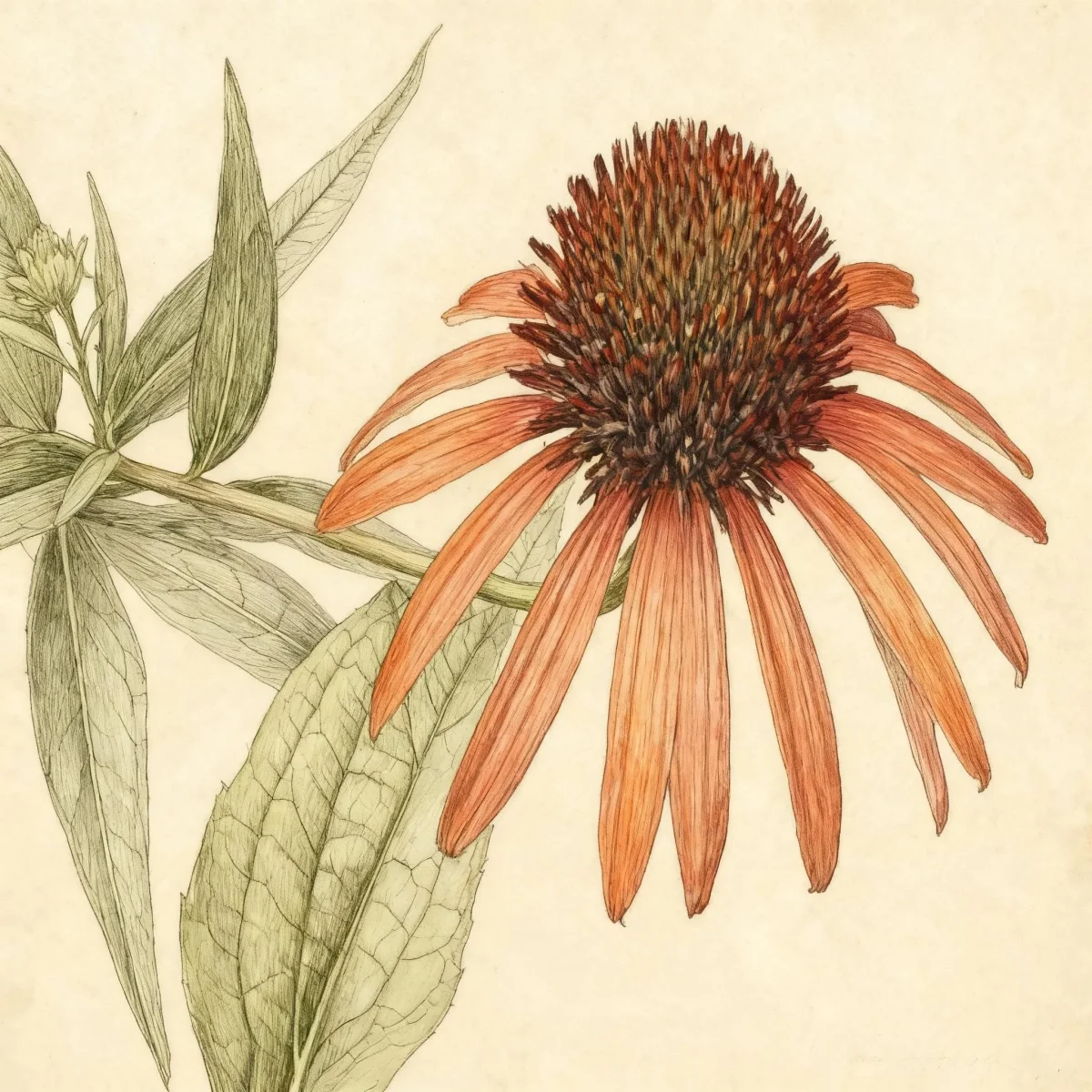
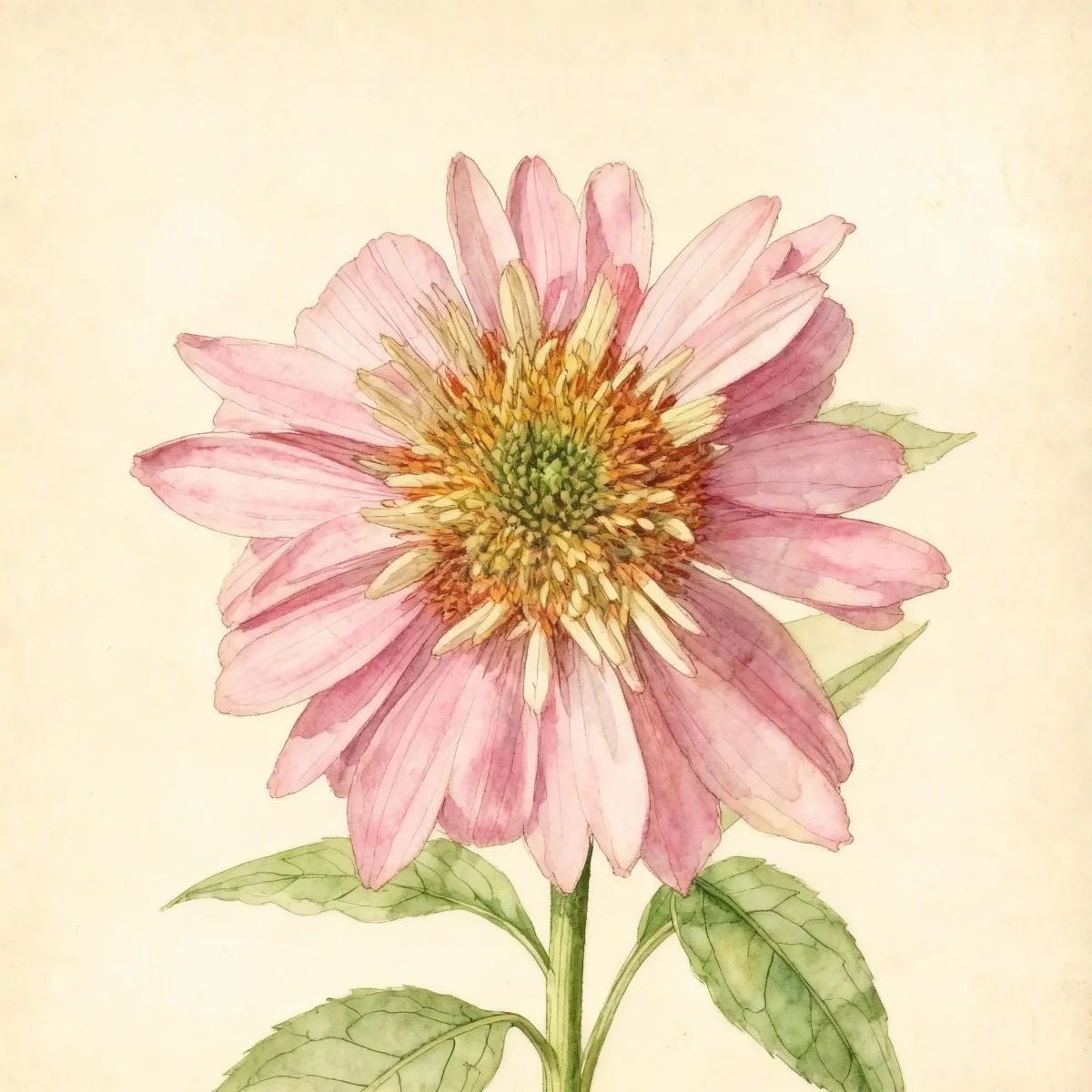
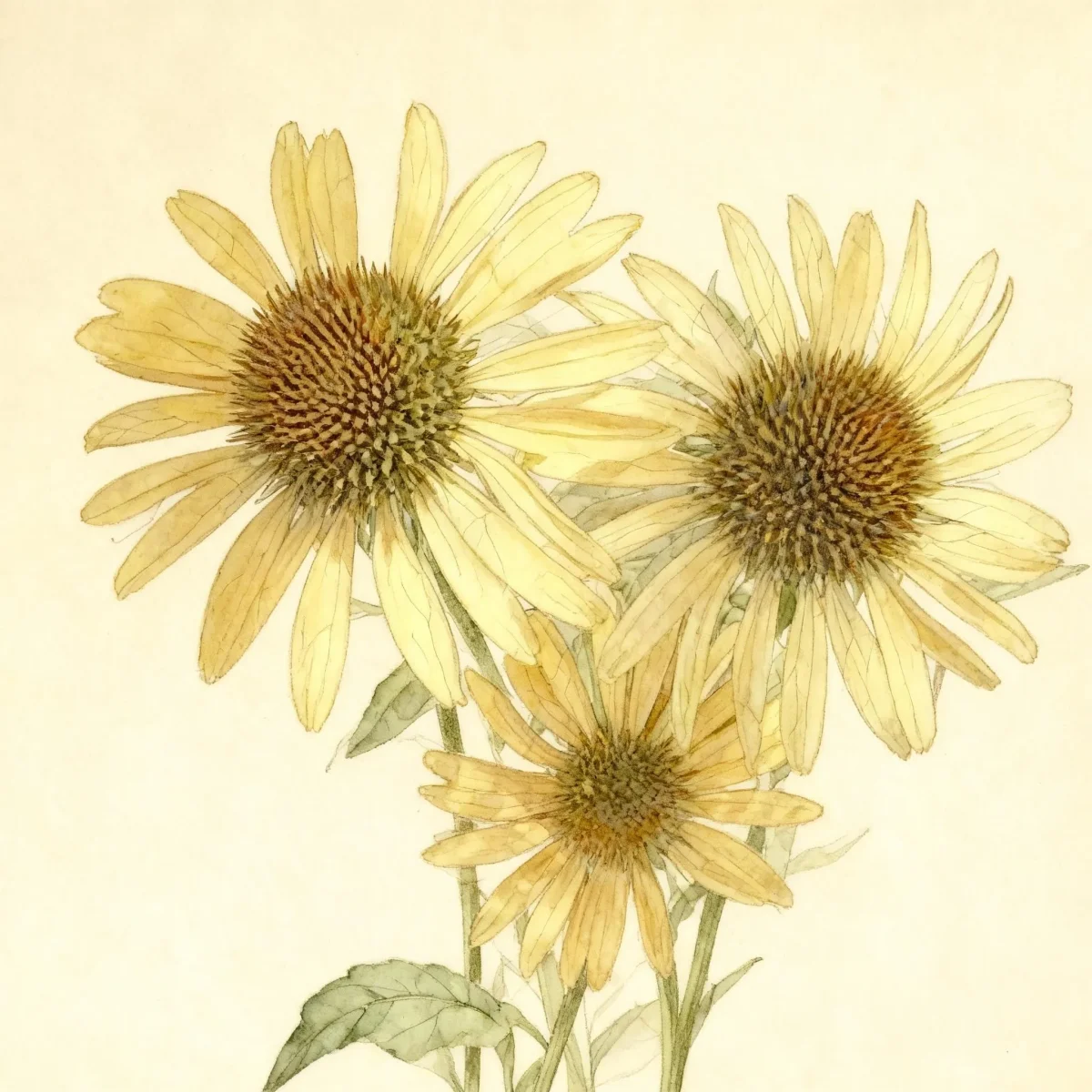
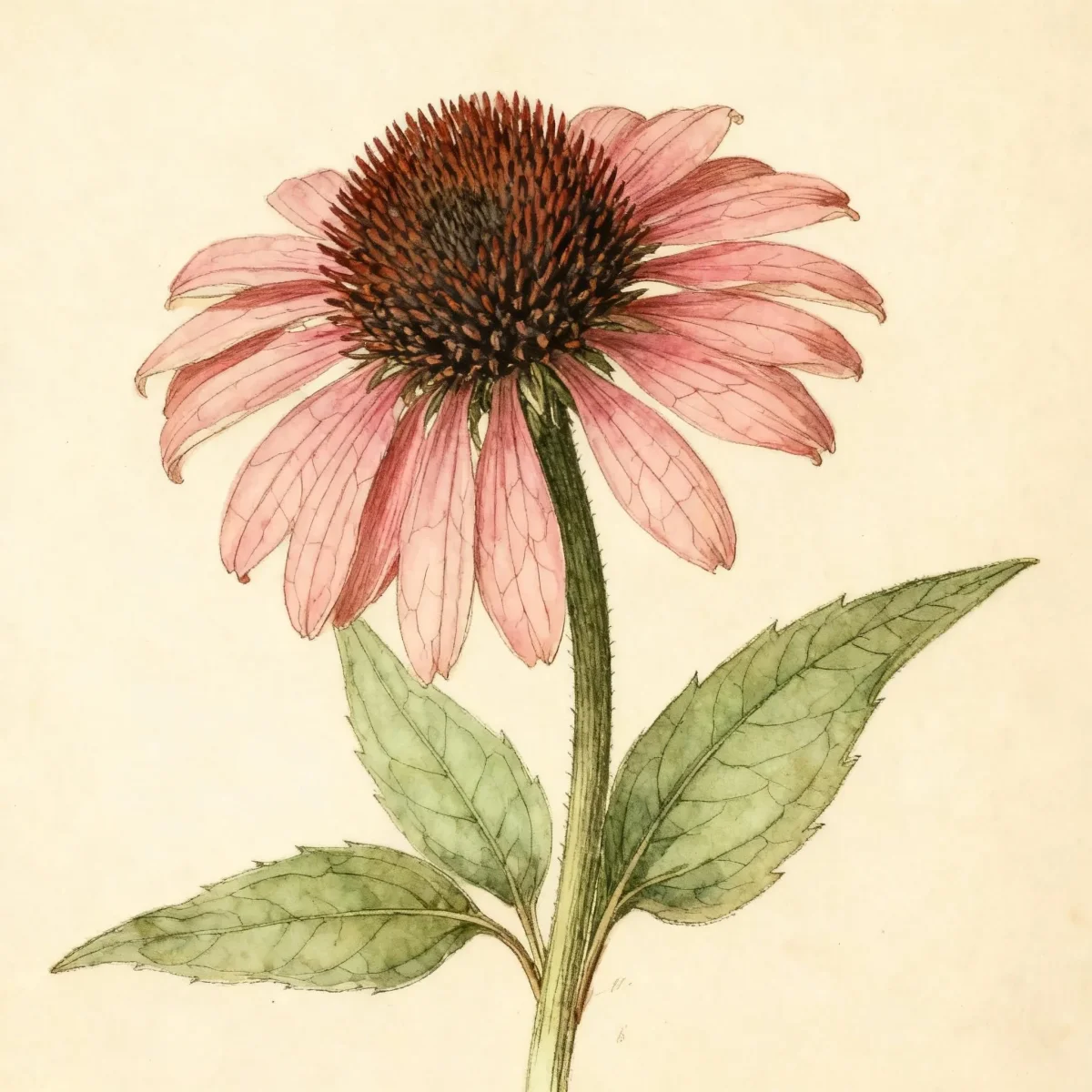
Coneflower (Echinacea 'Moab Sunset')
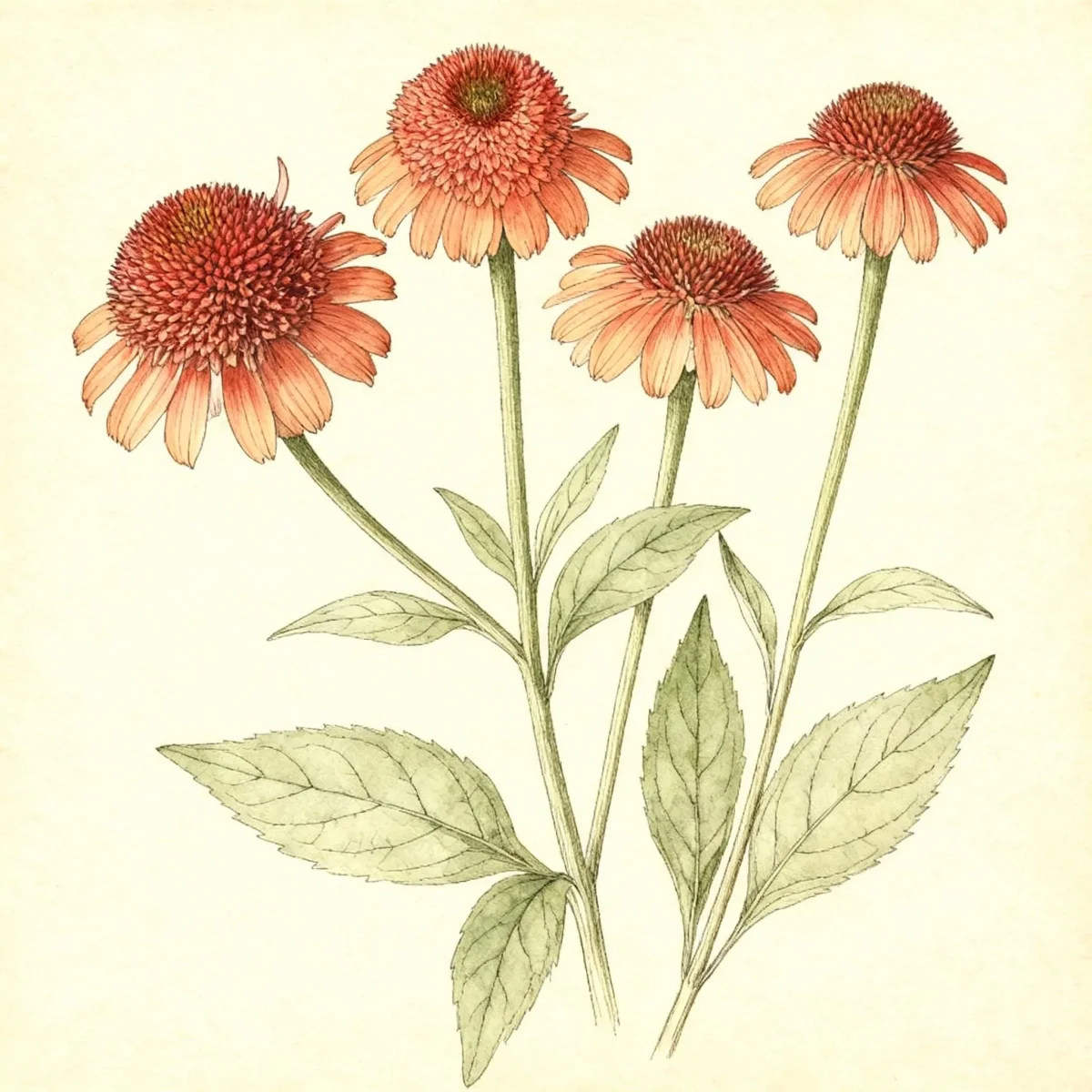
Echinacea 'Moab Sunset' is a low-maintenance Coneflower boasting showy, bright orange, double blooms from June to frost, thriving in full sun.
Scroll down to discover growing tips, care requirements, companion plants, and more
Complete Plant Information
Overview
Echinacea ‘Moab Sunset’ is a standout herbaceous perennial, highly valued by gardeners for its vibrant, long-lasting color and relatively compact habit. This specific Coneflower selection delivers large, bright orange, double blooms that persist from early summer right up until frost, offering significant visual impact throughout the season. It is an excellent choice for naturalized settings or mixed borders, providing reliable texture and color with minimal fuss.
As an adaptable member of the Asteraceae family, Echinacea ‘Moab Sunset’ is renowned for its toughness once established. It handles temperature extremes and less-than-ideal soil conditions gracefully, requiring only adequate sun exposure to flourish and produce its signature blooms. Gardeners appreciate this reliable performer for its low maintenance requirements and its ability to anchor summer perennial displays.
While the double flowers may be less attractive to pollinators than single varieties, the striking coloration of Echinacea ‘Moab Sunset’ still provides excellent aesthetic value in the landscape. Its upright structure ensures neatness, making it a superb accent plant or addition to mass plantings where consistent, warm coloration is desired.
Fast Facts
- Plant Family: Asteraceae
- Plant Type: Herbaceous perennial
- Hardiness Zones: USDA Zones 4-9
- Size at Maturity:
- Height: 1-1.75 ft
- Spread: 1-1.25 ft
- Bloom Time: June to frost
- Bloom Description: Orange
- Sun Exposure: Full sun to part shade
- Water Needs: Dry to medium
- Maintenance Level: Low
How to Grow
Planting Echinacea ‘Moab Sunset’ is best done in the spring after the danger of hard frost has passed, ensuring the soil is well-drained. While most happy in an average soil, this versatile Coneflower truly excels when sited in full sun, which promotes the best bloom density and stem strength, although it tolerates light afternoon shade. Good drainage is crucial, as standing water easily leads to root issues.
Watering needs for this drought-tolerant perennial are modest. Once established, Echinacea ‘Moab Sunset’ only requires supplemental water during prolonged periods of extreme heat or dryness. Avoid consistent overwatering, as the plant prefers its soil to dry out between soakings to maintain its preferred dry to medium moisture level. Fertilizer is generally unnecessary; excessive nutrients can lead to floppy growth rather than robust flowering.
Maintenance for this low-care plant is minimal. While Coneflowers rebloom well even without intervention, you can encourage more consistent flowering and tidier borders by prompt removal of spent flowers. Clumps of Echinacea ‘Moab Sunset’ benefit from division approximately every four years if they become overcrowded, which revitalizes the plant’s vigor.
Landscape Uses
The compact, upright habit of this selection makes Echinacea ‘Moab Sunset’ incredibly versatile in design applications. It is perfectly suited for mass planting where blocks of bright orange color can create a strong visual statement along pathways or in large perennial beds. Due to its moderate height, it functions brilliantly as a mid-border accent, weaving between shorter foreground plants and taller background specimens.
This sturdy perennial also integrates beautifully into rock gardens, utilizing its tolerance for drier conditions once established. Furthermore, its neat size makes it an excellent candidate for container gardening, providing long-season drama on patios or decks. Pair the warm orange tones of Echinacea ‘Moab Sunset’ with cool blues or purples, such as Russian Sage or Salvia, for high-contrast companion planting.
Standout Features
Flower Qualities
- Showy
- Good Cut
- Good Dried
Noteworthy Characteristics
The genus Echinacea is native to eastern and central North America, deriving its name from the Greek for hedgehog due to the spiny central cones. Echinacea ‘Moab Sunset’ distinguishes itself with large, double, bright orange blooms sustained over a long season. Although the double structure reduces pollen, the upright dead stems offer winter structure, which can be visited by seed-eating birds like goldfinches.
Tolerances
- Deer
- Drought
- Clay Soil
- Dry Soil
- Shallow-Rocky Soil
Potential Problems
Coneflowers, including Echinacea ‘Moab Sunset’, can be susceptible to fungal and bacterial leaf spots, particularly in overly humid or wet conditions; ensuring good air circulation within plantings helps mitigate this risk. Gardeners should also watch for specific pests; Japanese beetles may chew the foliage, and erythroid mites can sometimes cause distorted growth. Proactive monitoring and appropriate treatment, such as removing infested leaves or using insecticidal soap for mites, will keep your Coneflower looking its best.
Frequently Asked Questions
What hardiness zones is Coneflower (Echinacea ‘Moab Sunset’) suitable for?
Echinacea ‘Moab Sunset’ performs reliably across USDA Hardiness Zones 4 through 9.
How large does the Coneflower grow?
This specific selection is relatively compact, generally reaching heights between 1 and 1.75 feet tall, with a spread of 1 to 1.25 feet wide.
When does Echinacea ‘Moab Sunset’ bloom?
This colorful Coneflower offers an extended bloom time, starting in June and often continuing sporadically until the first hard frost, displaying gorgeous orange flowers.
What sun exposure does Coneflower need?
For the most robust performance, Echinacea ‘Moab Sunset’ requires full sun, though it can tolerate light partial shade conditions.
Conclusion
Echinacea ‘Moab Sunset’ delivers exceptional garden value through its long season of brilliant orange, double flowers and unparalleled toughness against heat and poor soils. This selection remains a reliable cornerstone for summer perennial displays. Ensure you check your local USDA zone compatibility before planting this fantastic Coneflower selection to enjoy years of low-maintenance beauty.
Companion Planting
When designing a border featuring Echinacea ‘Moab Sunset’, select companions that share its love for full sun and dry to average soil conditions. Plants that bloom slightly earlier or later help extend the overall garden display by filling gaps left by initial spring bloomers. Good matches include ornamental grasses, which provide vertical texture, or drought-tolerant perennials like Sedum or Russian Sage, creating a harmonious, water-wise planting scheme.
Wildlife Benefits
While the prominent double blooms of Echinacea ‘Moab Sunset’ offer fewer resources for insect pollinators compared to single-flowered coneflowers, the structure of the spent flower heads provides essential late-season value. Leaving the seed heads intact after blooming allows goldfinches and other seed-eating birds access to the conical centers well into winter. This provides both winter visual interest and a natural food source.