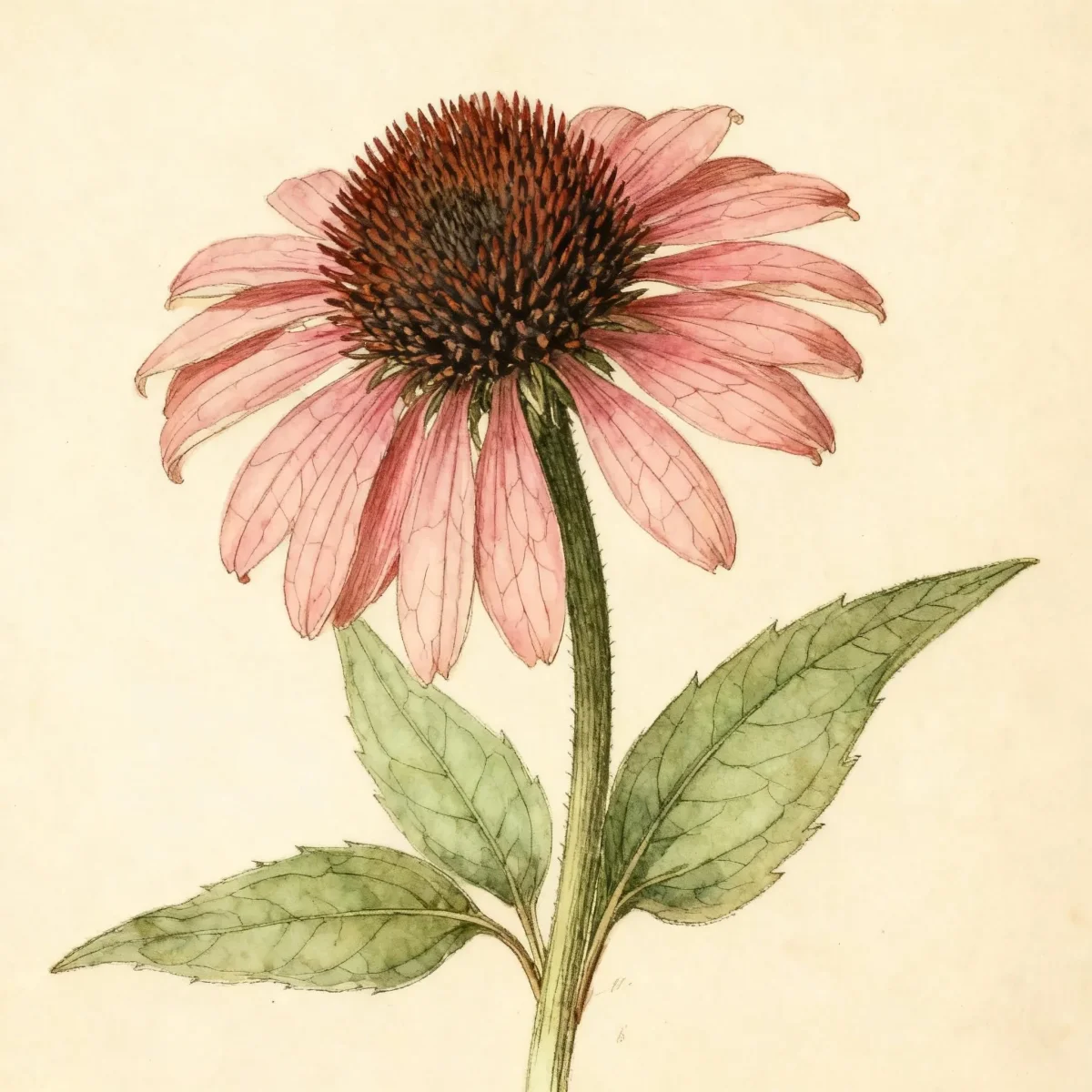
Coneflower (Echinacea 'Canary Feathers')
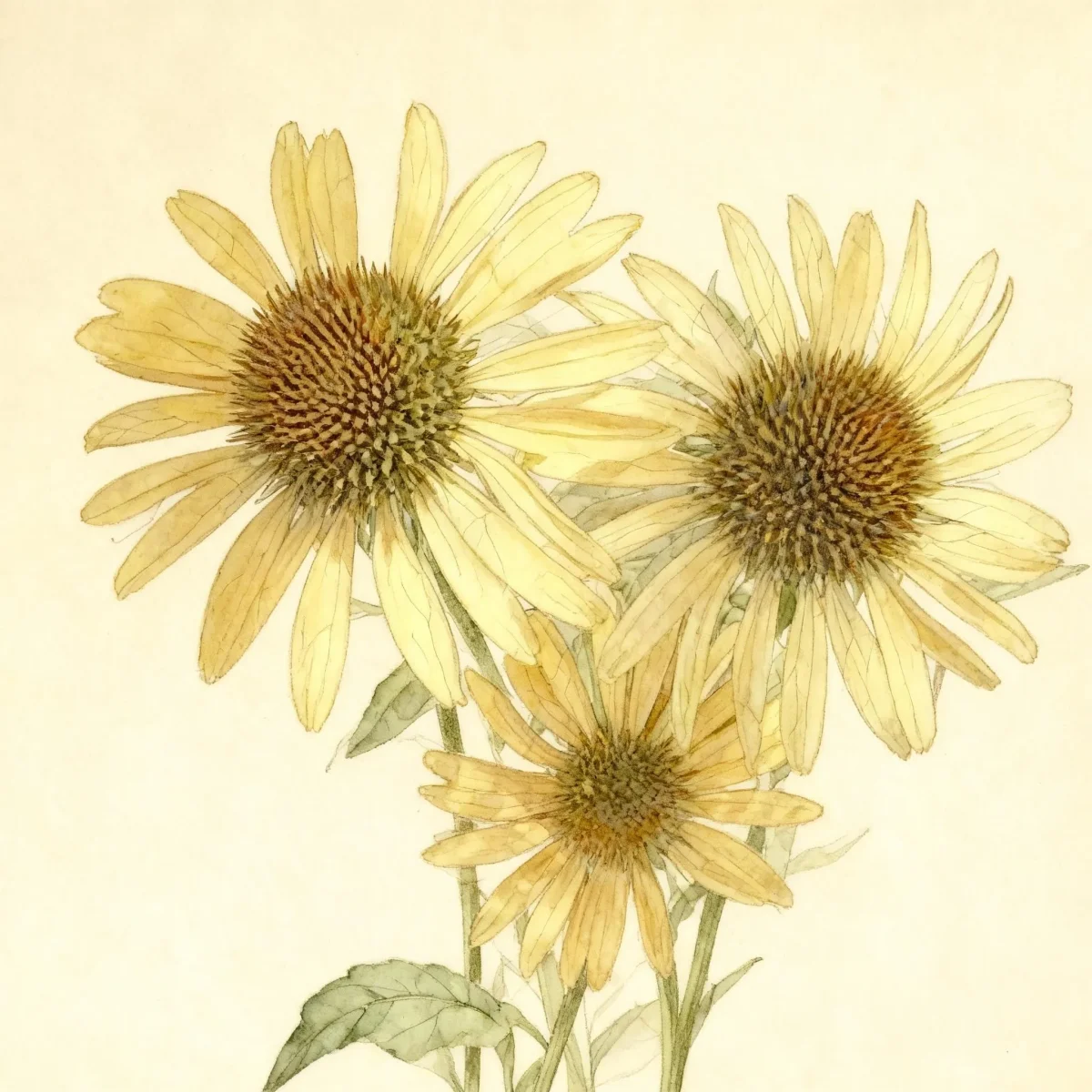
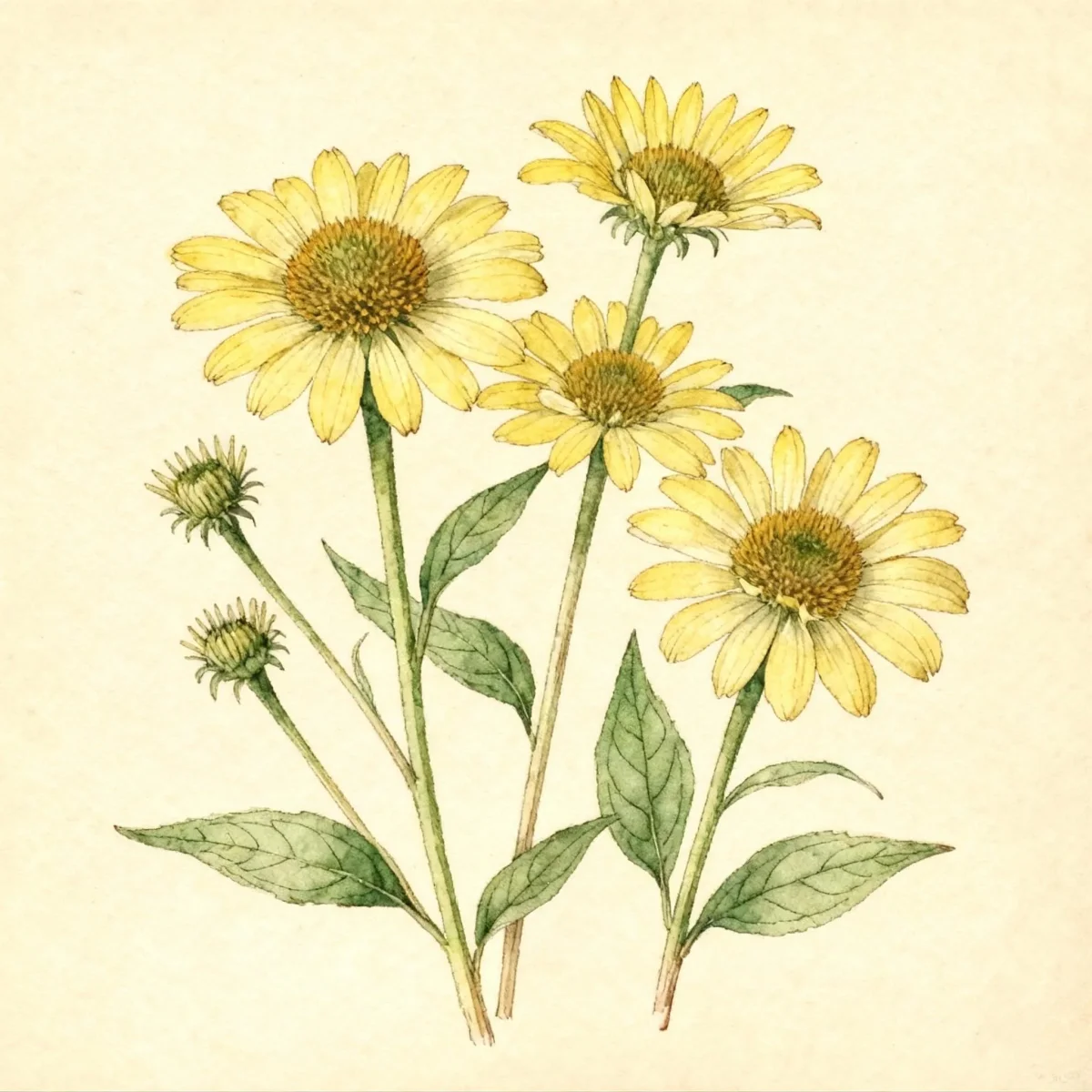
Echinacea 'Canary Feathers' is a low-maintenance, drought-tolerant Coneflower celebrated for its unique yellow blooms.
Scroll down to discover growing tips, care requirements, companion plants, and more
Complete Plant Information
Overview
Echinacea ‘Canary Feathers’ is a standout hybrid coneflower, offering vibrant yellow coloration that shines brightly in the summer garden. This variety brings the classic, sturdy form of the North American native Coneflower into a slightly more compact package, making it excellent for defined borders or smaller spaces. Gardeners prize this plant for its low fuss requirements and long blooming season that lasts from early summer into mid-summer.
This adaptable herbaceous perennial thrives with minimal intervention once established. It handles heat, humidity, and poor soil conditions well, provided it receives adequate sunlight. The bright yellow blooms contrast beautifully against green foliage, attracting essential pollinators throughout its peak season.
Beyond the summer interest, the structural seed heads of the Coneflower provide crucial winter interest and food for local bird populations, especially goldfinches. Incorporating Echinacea ‘Canary Feathers’ is an easy way to boost ecological value while maintaining high aesthetic standards with low overall maintenance effort.
Fast Facts
- Plant Family: Asteraceae
- Plant Type: Herbaceous perennial
- Hardiness Zones: USDA Zones 3-8
- Size at Maturity:
- Height: 1.5-1.75 ft
- Spread: 1.25-1.5 ft
- Bloom Time: June to August
- Bloom Description: Yellow
- Sun Exposure: Full sun to part shade
- Water Needs: Dry to medium
- Maintenance Level: Low
How to Grow
Planting Echinacea ‘Canary Feathers’ is best done in spring or early fall, allowing the roots time to establish before extreme weather. Aim for a location receiving full sun, although these coneflowers tolerate part shade quite well. The critical soil factor is drainage; ensure the soil is well-drained, as this addresses the preferred dry to medium moisture range. This adaptable plant tolerates clay soil and shallow-rocky conditions.
Once established, the watering needs of this Coneflower are minimal. It is highly drought-tolerant, requiring supplemental water only during prolonged dry spells. Avoid over-watering, which can lead to root issues. Generally, fertilizing is unnecessary; rich soil often leads to floppier stems.
For optimal appearance and continuous blooming, prompt removal of spent flowers is beneficial although not strictly required for survival. If you do deadhead, you will encourage a better display of those stunning yellow blooms. Clumps of Echinacea ‘Canary Feathers’ benefit from division every four years or so when overcrowding begins to potentially impact vigor.
Landscape Uses
The manageable height of Echinacea ‘Canary Feathers’ (up to 1.75 feet) makes it an excellent choice for the fronts of perennial borders where mid-height accents are desired. It shines when massed in groups of three or more, creating impactful drifts of sunny yellow color throughout the late spring and early summer. Consider using this variety in rock gardens where its tolerance for dry, poorer soils is a distinct advantage.
This coneflower also serves beautifully as an attractive specimen plant near an entryway or path, allowing close appreciation of its 5-inch wide flowers. For a naturalized or woodland garden edge, it pairs well with plants that tolerate similar sun exposure and dryness, such as ornamental grasses or coreopsis cultivars.
When designing mixed beds, select companions that value full sun but do not require consistently moist feet. The rich, deep green foliage of the Coneflower provides a solid backdrop for almost any summer-blooming perennial.
Standout Features
Flower Qualities
- Showy
- Good Cut
Noteworthy Characteristics
Genus name of Echinacea comes from the Greek word echinos meaning hedgehog or sea urchin in reference to the spiny center cone found on most flowers in the genus. ‘Canary Feathers’ is a compact, hybrid coneflower cultivar that features 5” wide, lightly fragrant, yellow blooms with yellow-green center disks on well-branched stems. This beautiful plant, protected by patent number PP32653, is exceptionally attractive to butterflies and other insect pollinators.
Tolerances
- Deer
- Drought
- Clay Soil
- Dry Soil
- Shallow-Rocky Soil
Potential Problems
All coneflowers are susceptible to aster yellows, a disease that causes stunted, yellowing growth, as well as various fungal and bacterial leaf spots. Prevention relies heavily on good air circulation and avoiding overhead watering late in the day to keep foliage dry. Regularly inspect your Echinacea ‘Canary Feathers’ during peak summer humidity. Pests to watch for include erythroid mites and Japanese beetles, which may chew on the petals or foliage. Early detection and manual removal often suffice for small infestations.
Frequently Asked Questions
What hardiness zones is Coneflower suitable for?
Echinacea ‘Canary Feathers’ is reliably cold-hardy in USDA Zones 3 through 8.
How large does Echinacea ‘Canary Feathers’ grow?
Mature plants typically reach heights between 1.5 and 1.75 feet tall, with a spread ranging from 1.25 to 1.5 feet wide.
When does Coneflower bloom?
This Coneflower variety blooms consistently from June to August, offering abundant yellow flowers.
What sun exposure does Echinacea ‘Canary Feathers’ need?
It performs best in full sun but is adaptable enough to manage morning sun and afternoon shade (part shade).
Conclusion
Echinacea ‘Canary Feathers’ delivers exceptional value through its vibrant yellow hues, low maintenance needs, and strong drought tolerance. This modern selection upholds the dependable nature of the classic Coneflower while offering unique color impact. Before planting, confirm your location aligns with USDA Zones 3-8 and ensure your site receives ample sun exposure for the best performance from your new Echinacea.
Wildlife Benefits
The genus Echinacea is fundamentally important for supporting local ecosystems, and ‘Canary Feathers’ continues this tradition. The bright yellow flowers are a significant nectar source for butterflies, bees, and various beneficial insect pollinators throughout the summer months. This attraction makes them invaluable additions to pollinator gardens or along feeding routes in the landscape.
Furthermore, this Coneflower provides structural interest long after the flowers fade. If you leave the seed heads uncut through winter, the central cones become a focal point and a vital food source for seed-eating birds like goldfinches. This extended utility offers continuous seasonal appeal.
Propagation Tips
While Echinacea ‘Canary Feathers’ is a patented hybrid, the most straightforward way for a home gardener to propagate this specific cultivar is through simple division. Wait until the clump becomes overcrowded, typically every four years, usually in early spring or fall. Dig up the entire plant carefully and gently separate large sections, ensuring each resulting division has robust root structure and some crown growth.
Replant the new divisions immediately into prepared garden beds or containers, ensuring sharp drainage remains a priority. Because this is a hybrid, growing new plants from seed will likely not result in offspring identical to the parent plant, as they may revert toward ancestral traits. Division maintains the desirable yellow coloration and compact habit of Echinacea ‘Canary Feathers’.