Gladiolus (Gladiolus 'Atom')
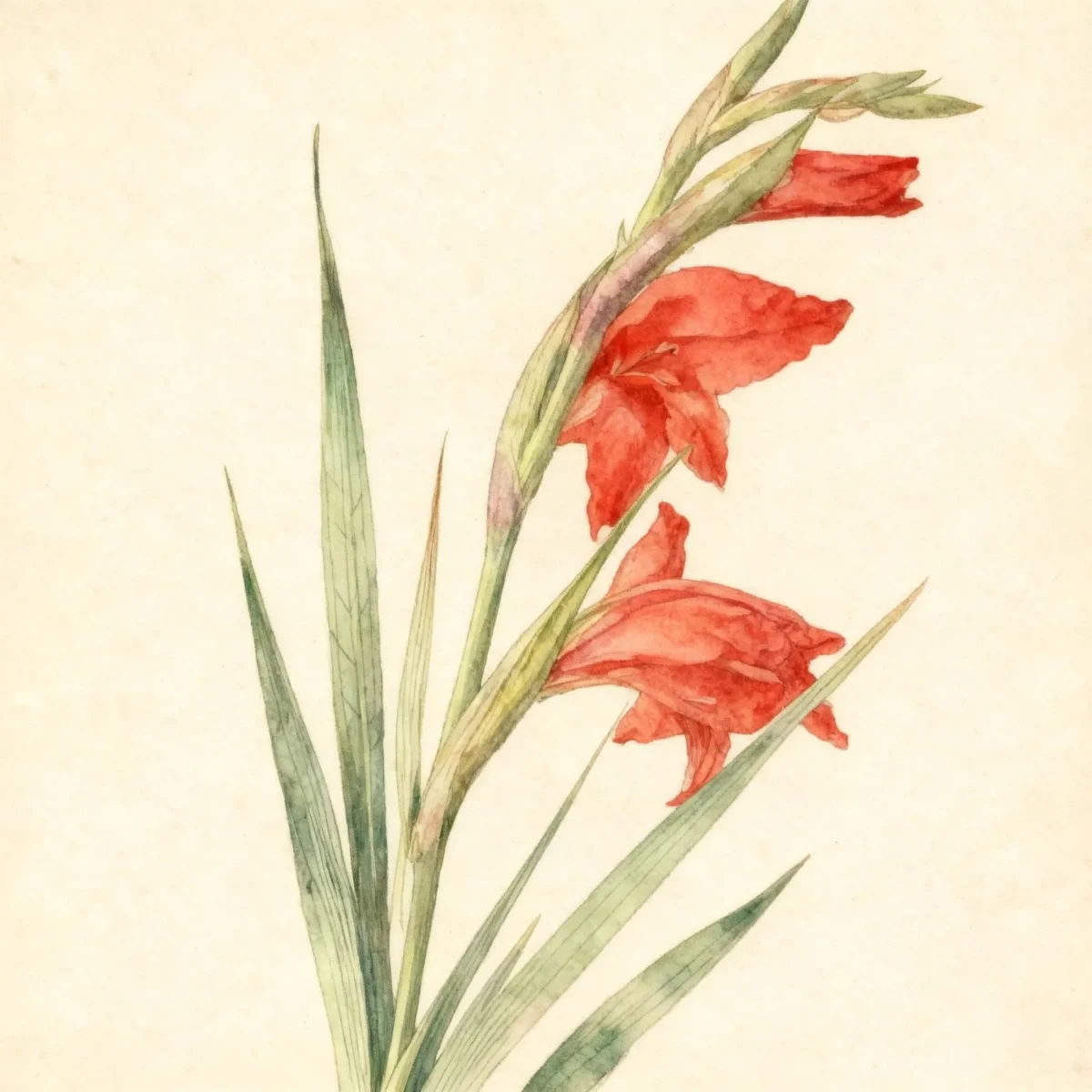
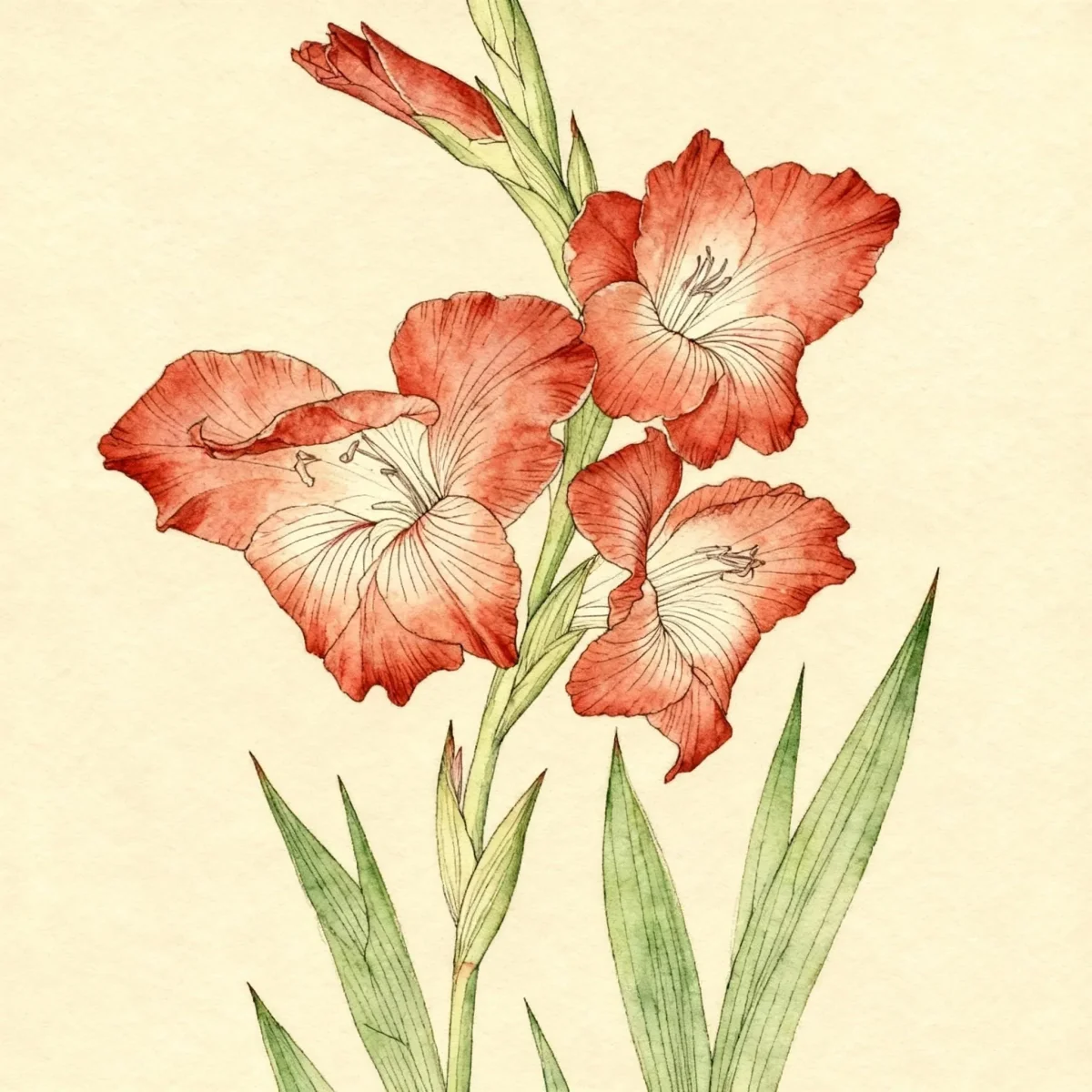
Gladiolus 'Atom' offers showy, red-and-white-margined flowers from June to August. This bulb thrives in full sun.
Scroll down to discover growing tips, care requirements, companion plants, and more
Complete Plant Information
Overview
The Gladiolus ‘Atom’ is prized for its dramatic, upright flower spikes, which showcase brilliant red blooms accented by clean white margins. As a compact, cold-tolerant cultivar, this variety of Gladiolus brings vibrant, sword-like foliage and striking summer color to beds and containers throughout USDA Zones 5 through 10. Gardeners rely on Gladiolus cultivars like ‘Atom’ for high-impact vertical accents in the landscape.
This corm-bearing plant, part of the Iridaceae family, produces sword-shaped foliage that fans out attractively, even when not in bloom. The funnel-shaped flowers appear reliably from early summer into mid-summer, making the Gladiolus ‘Atom’ a superb choice for extending the season of primary interest. Its ease of growth, provided correct winter storage is performed outside the warmest zones, ensures its popularity.
Even though its common names reflect historical use (like ‘Sword lily’), today’s gardener values the modern Gladiolus primarily for its bold aesthetic contribution, especially when used as a cut flower. The reliable performance and bright coloration of Gladiolus ‘Atom’ make it a staple for sunny borders that need a reliable mid-summer boost of architectural interest.
Fast Facts
- Plant Family: Iridaceae
- Plant Type: Bulb
- Hardiness Zones: USDA Zones 5-10
- Size at Maturity:
- Height: 2-3 ft
- Spread: 1-2 ft
- Bloom Time: June to August
- Bloom Description: Red with white margins
- Sun Exposure: Full sun
- Water Needs: Medium
- Maintenance Level: Medium
How to Grow
The best environment for successful Gladiolus ‘Atom’ cultivation involves humusy, medium-wet, well-drained soils. While they adapt to many soil types, avoid heavy clay. Plant corms directly outdoors after the danger of the last frost has completely passed. For continuous bloom extending into August, plant corms every two weeks until June.
Planting depth is crucial for these tall spikes; set corms 4 to 6 inches deep and space them 5 to 6 inches apart to allow for good air circulation. Ensure the location is protected from strong winds, as the tall spikes can easily snap. Consistent moisture is vital throughout the growing season, especially during dry summer spells, but avoid overly saturated soil conditions.
For gardeners outside USDA Zones 7-10, annual lifting of the corms is required. After the foliage yellows following the bloom period but before the first hard frost, gently dig up the corms, clean off the stems, dry them, and store them in a cool, frost-free, dry location, perhaps dusted with fungicide if disease was an issue. In zones 7-10, corms can often remain in the ground, though annual lifting often encourages better flowering performance.
Landscape Uses
Gladiolus ‘Atom’ excels when used to introduce vertical drama into mixed perennial borders or dedicated annual beds. Their height allows them to stand tall behind lower-growing companions, creating layered interest throughout the summer months. Because the plant develops sword-shaped foliage, it provides excellent structural support even before the flowers appear.
For a high-impact design, plant them in bold drifts or groups of five or more rather than planting them singly. Furthermore, these plants are excellent for creating instant color on decks and patios when grown in containers. When using Gladiolus ‘Atom’ in pots, ensure the container is deep enough to accommodate the 4-6 inch planting depth required for the corms.
Their excellent stems make them indispensable for cutting gardens. Harvest blooms early in the day when the buds are just beginning to show color, allowing them to open indoors. This makes the reliable summer display of Gladiolus ‘Atom’ easily transferable from the garden to interior arrangements.
Standout Features
Flower Qualities
- Showy
Noteworthy Characteristics
The genus name Gladiolus is derived from the Latin word for a small sword, referencing the characteristic shape of its leaves. Modern hybrids, like the Gladiolus ‘Atom’, are developed from several parent species utilized primarily in South Africa. These plants produce funnel-shaped flowers on slender spikes, and the ‘Atom’ cultivar, in particular, is noted for its specific 2-3 inch red flowers edged with white.
Tolerances
- None listed
Potential Problems
Gladiolus are susceptible to several fungal and pest issues that must be managed for a successful season. Watch for diseases such as botrytis, crown rot, rust, wilt, and mosaic virus, which can weaken the plant or destroy the corms. Pest control should focus on monitoring for aphids, mealy bugs, spider mites, and especially thrips.
Thrips are tiny insects that feed on the developing flower tissue, often leaving streaks or blemishes on the red and white surfaces of the ‘Atom’ blooms. If thrips infestation was severe during the growing season, it is highly recommended to treat the excavated corms with an appropriate insecticide dust or dip immediately prior to storing them for the winter, thus preventing infestation next spring.
Frequently Asked Questions
What hardiness zones is Gladiolus ‘Atom’ suitable for?
Gladiolus ‘Atom’ is hardy and can generally be grown year-round in USDA Zones 5 through 10.
How large does Gladiolus ‘Atom’ grow?
This specific cultivar matures between 2 and 3 feet tall, with a spread that can reach 1 to 2 feet wide.
What sun exposure does Gladiolus ‘Atom’ need?
Gladiolus ‘Atom’ requires full sun exposure to produce its best bloom quality.
When does Gladiolus ‘Atom’ bloom?
This Gladiolus variety typically blooms between June and August, displaying distinctive red flowers with white margins.
Conclusion
The compact, reliably colorful Gladiolus ‘Atom’ offers stunning vertical accents and is a rewarding component for any sunny border or sizable container display. By adhering to deep planting depths and ensuring proper winter care for the corms outside the warmest zones, you can enjoy the showy red and white blooms of this Gladiolus for years to come. Before planting, confirm your location falls within USDA Zones 5-10 or be prepared for annual corm harvesting.
Companion Planting for Gladiolus
To maximize the visual appeal of Gladiolus ‘Atom’ while maintaining good garden hygiene, consider pairing them with plants that have contrasting foliage textures and that do not share the same susceptibility to fungal issues. Low-growing annuals work exceptionally well at the base of the taller Glads, hiding the fading lower foliage as blooms progress. Good pairings include petunias, marigolds (Tagetes), or low-mounded salvia, as these can tolerate the medium water needs without staying perpetually soggy.
It is equally important to select companions that mature at different times, thus avoiding the competition for soil nutrients when the heavy-feeding Gladiolus corms are actively growing. Avoid planting Gladiolus in the exact same spot year after year—practice rotational planting to minimize soil-borne disease carryover, which protects both the Gladiolus and its neighbors.
Seasonal Care Calendar
For predictable summer results from your Gladiolus ‘Atom’, structure your care around the corm’s life cycle. In early spring, while waiting for the last frost, you can start corms indoors under lights if you desire the earliest bloom time possible. Direct planting should occur only once the soil has warmed sufficiently post-frost.
Mid-summer is the peak requirement phase; ensure deep, consistent watering, especially during heat waves, to support the tall flower spikes. Immediately after the flowers fade, resist the urge to cut back the foliage; the leaves must remain intact throughout the late summer and early fall to photosynthesize and rebuild energy reserves back into the corm base for next year’s performance.
In the autumn, once the foliage yellows, it signals the time to prepare for winter storage for non-hardy zones. Wait until just before the first major freeze to gently lift the corms, cleaning and drying them thoroughly before placing them in cool, dark storage, ensuring the cycle of superb summer color continues.