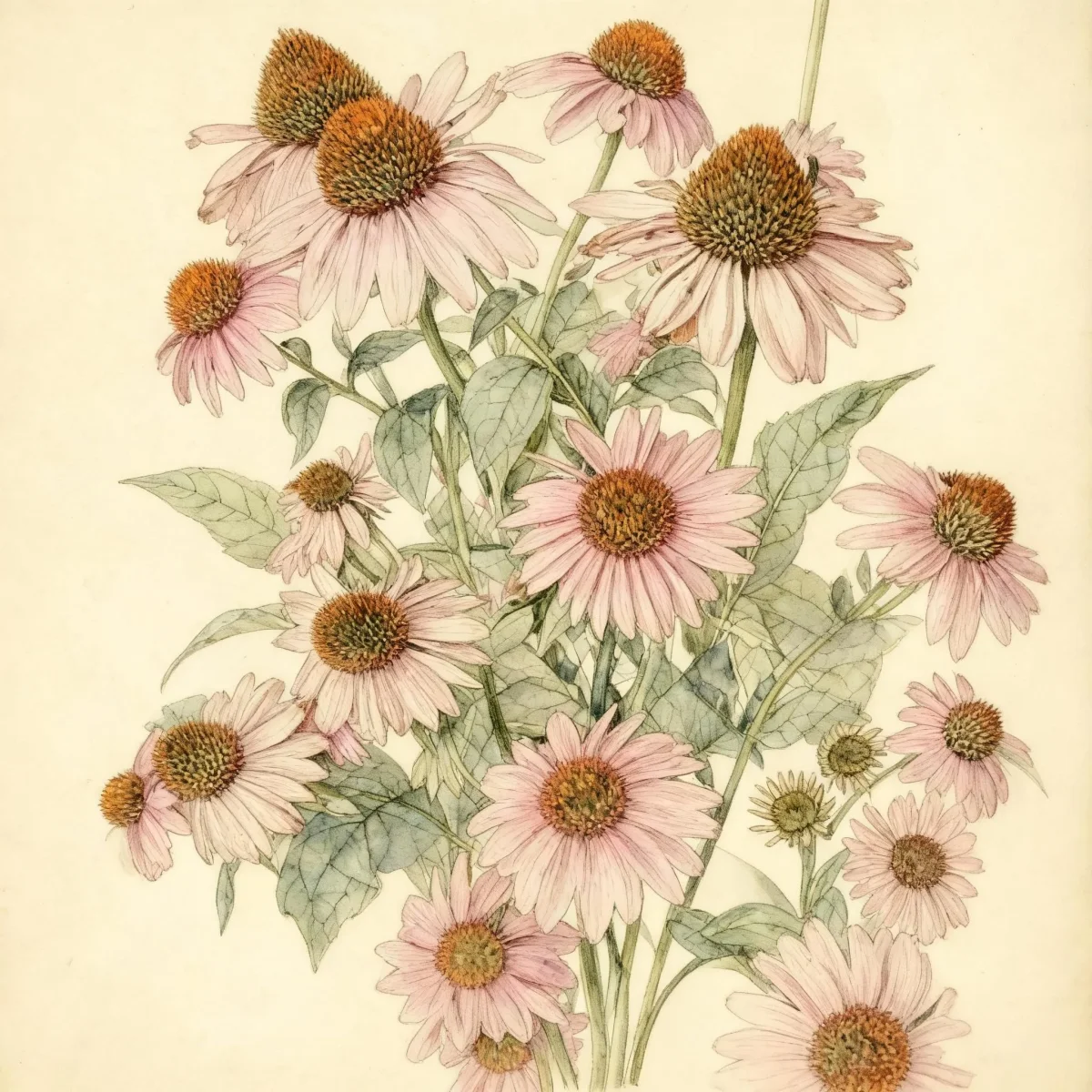
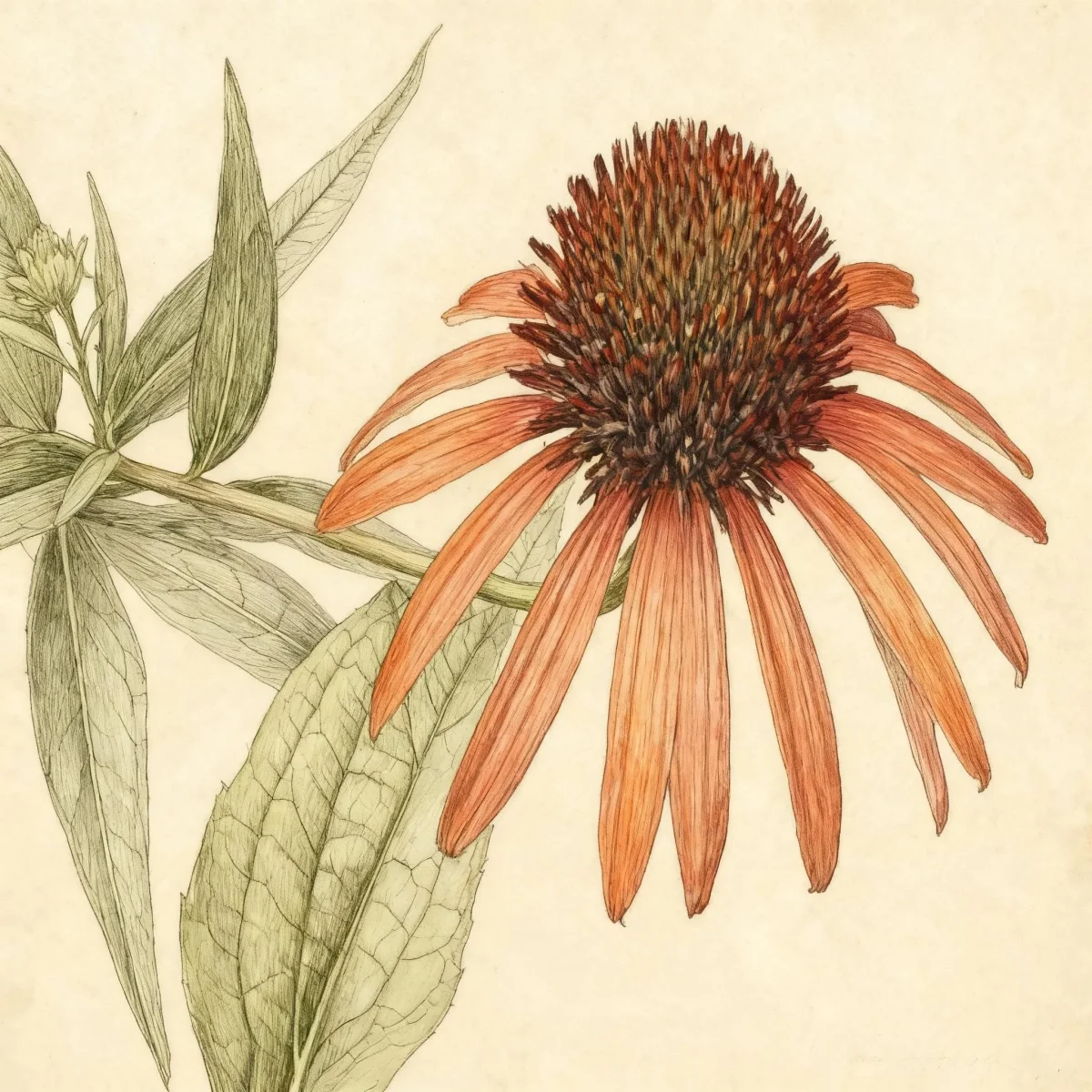
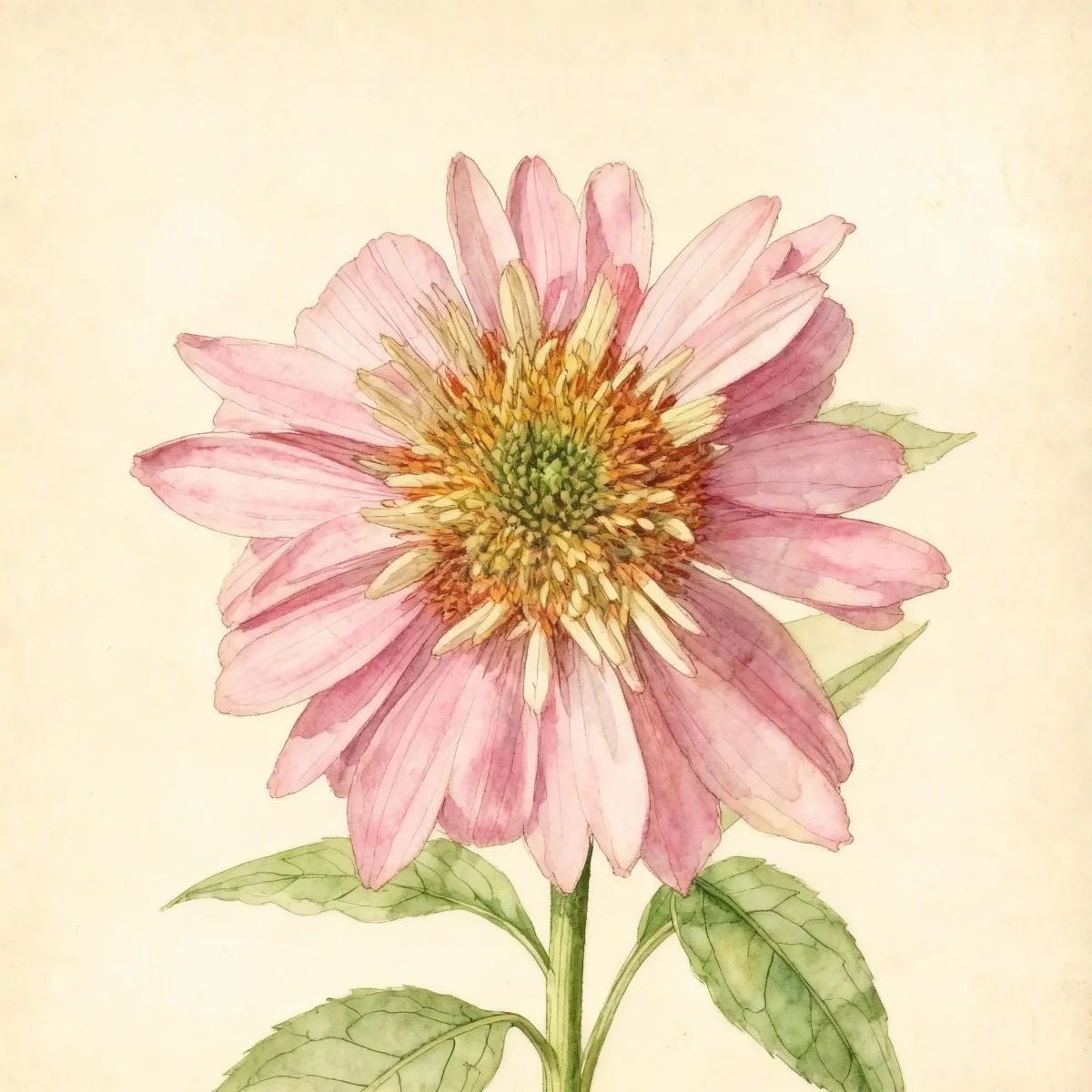
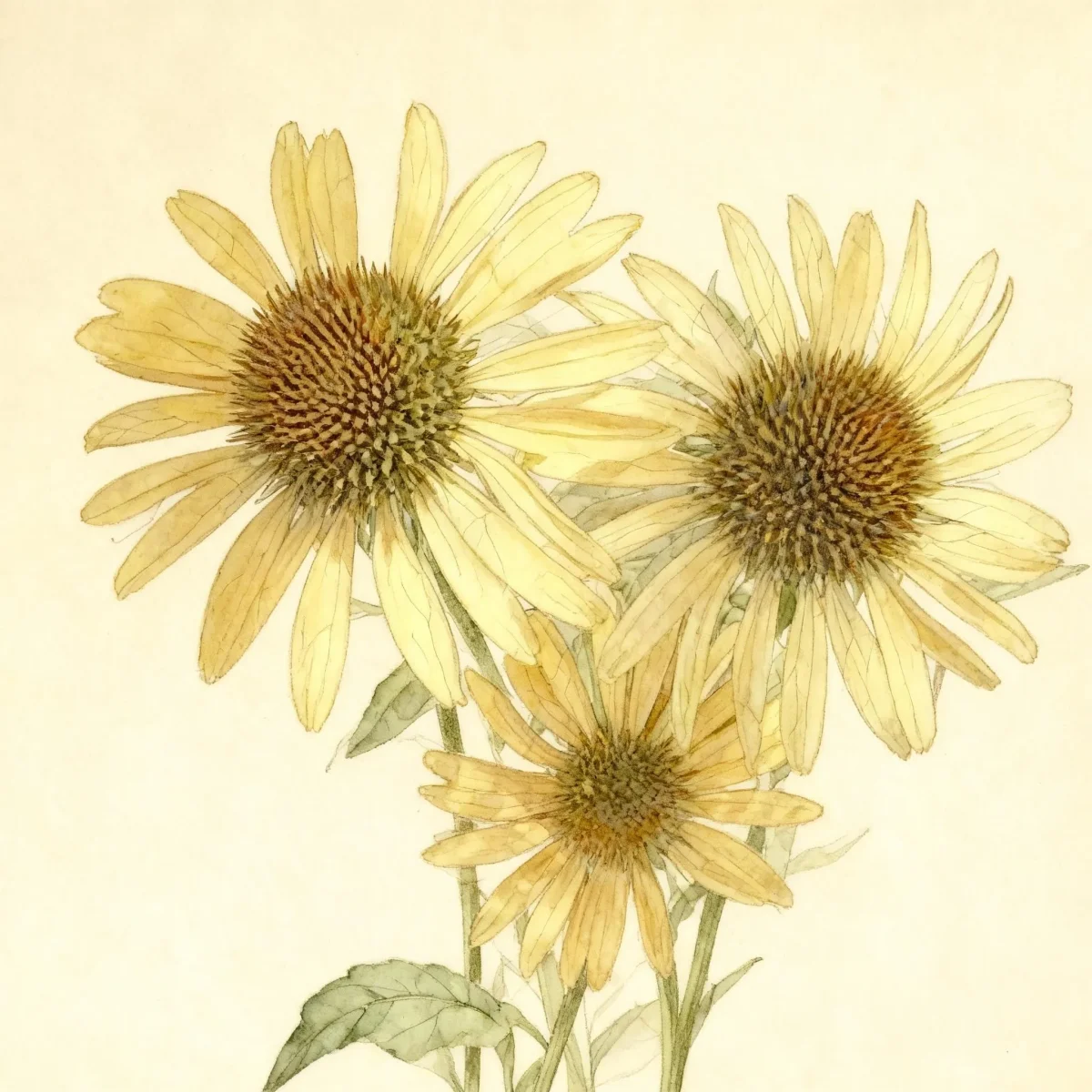
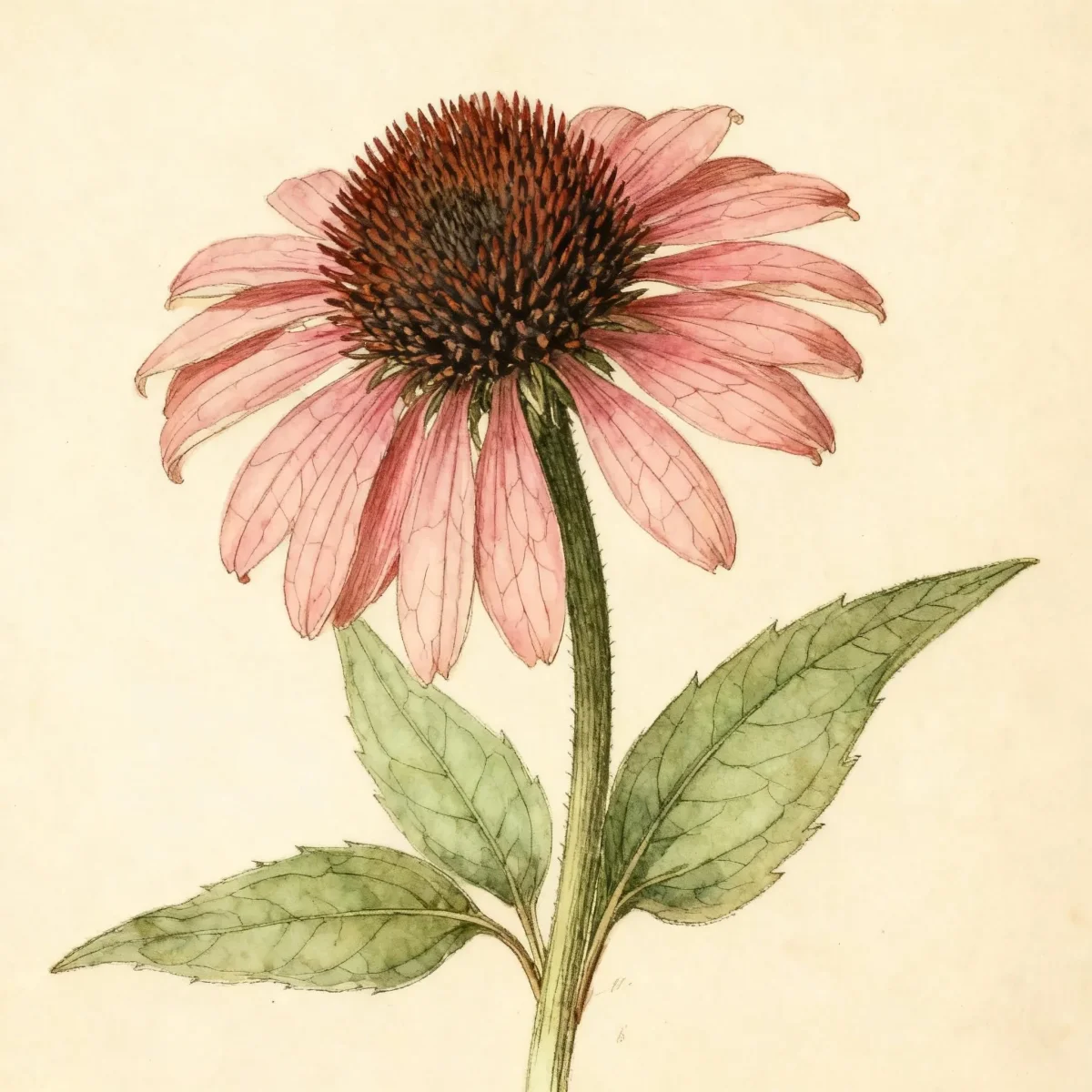
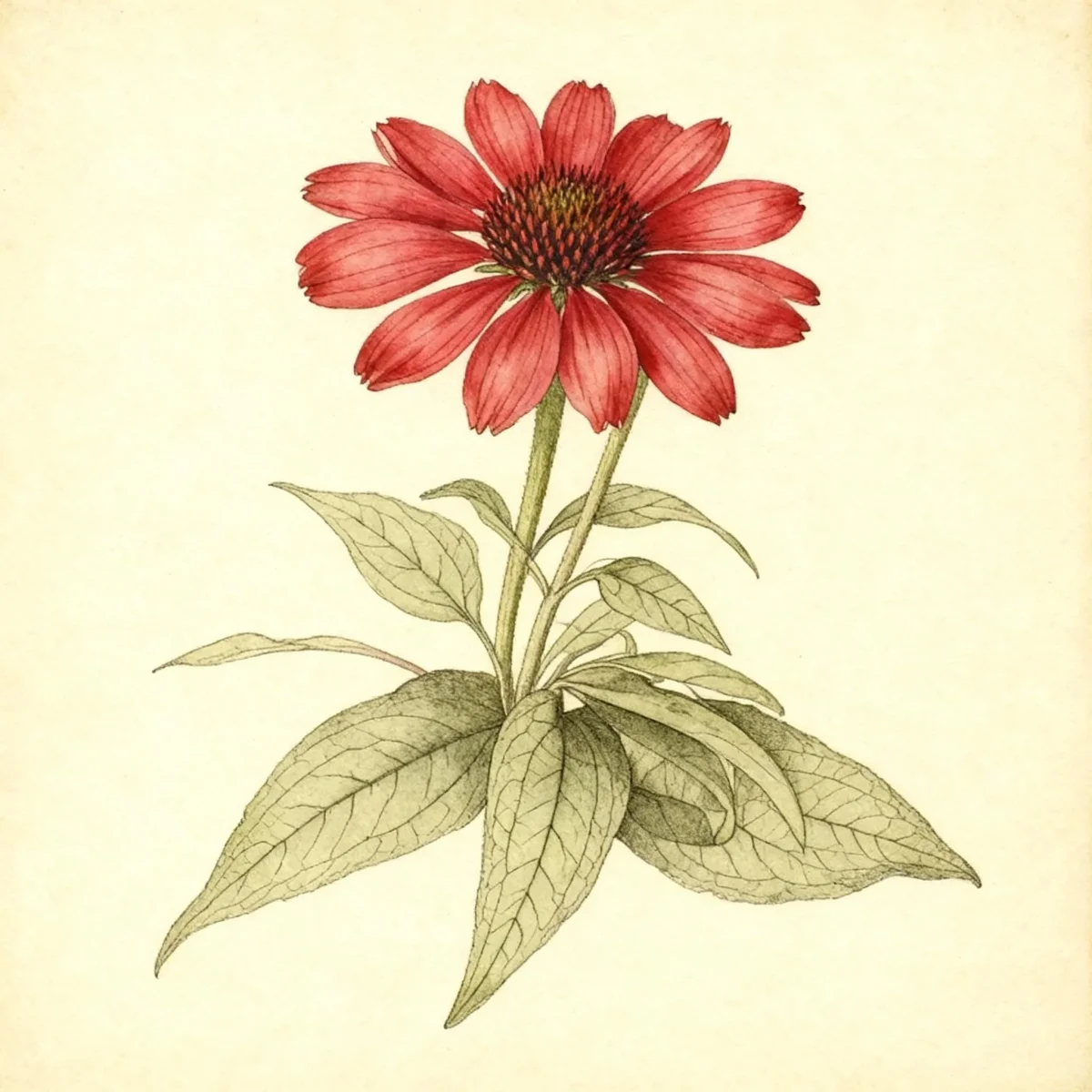
Coneflower (Echinacea 'Frankly Scarlet')
Echinacea 'Frankly Scarlet' Coneflower offers vibrant orange-red blooms, thrives in heat, and requires low maintenance.
Scroll down to discover growing tips, care requirements, companion plants, and more
Complete Plant Information
Overview
Echinacea ‘Frankly Scarlet’ is a standout hybrid Coneflower prized for its impressive display of saturated, orange-red blooms throughout the summer months. This variety brings exceptional color contrast to the garden, with flowers measuring approximately 4 inches wide on well-branched stems. As an adaptable herbaceous perennial, the Coneflower thrives in challenging conditions, making it a reliable choice for summer interest.
This cultivar offers significant practical benefits, attracting butterflies and other insect pollinators crucial for local ecosystems. Furthermore, the sturdy stems and dried seed cones offer winter visual appeal, often attracting seed-eating birds like goldfinches. Growing Echinacea ‘Frankly Scarlet’ is straightforward, as it handles heat, humidity, and poor soils with ease.
The genus name Echinacea references the spiny center cone, resembling a hedgehog, which hints at the texture provided by this popular perennial. For gardeners seeking vibrant, low-maintenance color that performs reliably from June well into August, Echinacea ‘Frankly Scarlet’ is an excellent addition.
Fast Facts
- Plant Family: Asteraceae
- Plant Type: Herbaceous perennial
- Hardiness Zones: USDA Zones 4-9
- Size at Maturity:
- Height: 2-2.25 ft
- Spread: 1.25-1.5 ft
- Bloom Time: June to August
- Bloom Description: Orange-red
- Sun Exposure: Full sun to part shade
- Water Needs: Dry to medium
- Maintenance Level: Low
How to Grow
Planting Echinacea ‘Frankly Scarlet’ should ideally occur in the spring or fall to allow the roots to establish before extreme summer heat or winter freezes arrive. This Coneflower prefers average, well-drained soils, although it is remarkably adaptable. While it tolerates part shade, ensure it receives full sun exposure for the best flower production.
Maintenance for this variety is generally low. Water consistently until established, but once mature, the drought tolerance of Echinacea ‘Frankly Scarlet’ means it only requires dry to medium moisture levels. Fertilizing is rarely necessary; rich soil can lead to floppier stems. Deadheading spent flowers is optional, as plants rebloom well without it, but prompt removal encourages a tidier appearance and continued flowering.
To maintain vigor, divide overcrowded clumps every four years. This practice revitalizes the plant and prevents density issues. The dead flower stems provide winter interest, meaning cleanup can often be postponed until late winter or early spring when new growth begins to emerge.
Landscape Uses
Echinacea ‘Frankly Scarlet’ excels when used in bright, sunny borders where its warm, orange-red tones can truly shine against contrasting foliage. Its moderate height makes it perfect for border fronts or to intersperse within mixed perennial plantings, providing vertical accents without overwhelming shorter companions.
This Coneflower is exceptionally adaptable and performs well even in challenging spots, such as rock gardens or drier sections of woodland margins. For maximum visual impact, plant Echinacea ‘Frankly Scarlet’ in groups or mass plantings rather than as solitary specimens. Its tolerance for drier, poorer soils means it integrates seamlessly with other drought-tolerant natives.
Standout Features
Flower Qualities
- Showy
- Fragrant
- Good Cut
- Good Dried
Noteworthy Characteristics
Echinacea is a genus of seven species all endemic to eastern and central North America. Coneflowers bloom from June to August with some sporadic later bloom. Attractive to butterflies and other insect pollinators. Good fresh cut or dried flower. The dead flower stems will remain erect well into the winter, and if flower heads are not removed, the blackened cones may be visited by goldfinches or other birds that feed on the seeds.Genus name of Echinacea comes from the Greek word echinos meaning hedgehog or sea urchin in reference to the spiny center cone found on most flowers in the genus.‘Frankly Scarlet’ is a hybrid coneflower cultivar that features 4” wide, lightly fragrant, orange-red blooms on well-branched stems. The color of the blooms fade to coral-orange with age. Mature plants will reach 2.25’ tall with a 1.5’ spread.
Tolerances
- Deer
- Drought
- Clay Soil
- Dry Soil
- Shallow-Rocky Soil
Potential Problems
All coneflowers are susceptible to aster yellows and various fungal and bacterial leaf spots. Prevention often involves ensuring excellent air circulation by spacing plants appropriately, especially when dealing with humidity. During wet periods, watch closely for developing leaf spots and remove affected foliage promptly to stop the spread.
Pest vigilance should be focused on erythroid mites and Japanese beetles, which can damage foliage and flowers. Treating Japanese beetles promptly, perhaps through hand removal or targeted insecticide application early in the season, is crucial to protect the summer blooms of your Echinacea ‘Frankly Scarlet’.
Frequently Asked Questions
What hardiness zones is Coneflower suitable for?
Echinacea ‘Frankly Scarlet’ is adaptable to a wide range, thriving in USDA Zones 4 through 9.
How large does Echinacea ‘Frankly Scarlet’ grow?
Mature plants typically reach a height between 2 to 2.25 feet tall with a spread of 1.25 to 1.5 feet wide.
What sun exposure does Coneflower need?
This variety performs best in full sun but is quite tolerant of part shade conditions, though bloom intensity may decrease slightly.
When does Echinacea ‘Frankly Scarlet’ bloom?
This Coneflower variety blooms reliably from June through August, featuring showy orange-red flowers.
Conclusion
Echinacea ‘Frankly Scarlet’ offers gardeners a robust, low-maintenance perennial that delivers consistent, vibrant summer color and supports native pollinators. Its remarkable tolerance for heat, drought, and various soil types makes this Coneflower essential for sunny, mixed borders. Check your local USDA hardiness zone compatibility before planting this spectacular hybrid this coming season.
Companion Planting
When designing a planting scheme around Echinacea ‘Frankly Scarlet’, select companions that share similar needs for full sun and dry-to-medium soil moisture. Native grasses like Little Bluestem (Schizachyrium scoparium) provide excellent textural contrast that complements the upright structure of the Coneflower. For late-season color, pair it with plants like Black-Eyed Susan (Rudbeckia) or certain varieties of Sedum that can handle the slightly drier conditions once the Echinacea is established.
Consider placing shorter, mounding perennials toward the front of the border, such as Russian Sage (Perovskia atriplicifolia) or certain Artemisia varieties, to provide soft gray foliage that highlights the intense orange-red of the ‘Frankly Scarlet’ blooms throughout mid-summer. Good companions should not aggressively shade out the base of the Coneflower.
Wildlife Benefits
Coneflowers are powerhouse plants when it comes to supporting beneficial insects. The daisy-like structure of Echinacea ‘Frankly Scarlet’ offers an excellent landing platform for butterflies, including Swallowtails and Monarchs, seeking nectar during their migratory periods. Ensure you allow some spent blooms to remain standing during the colder months.
The developing seed heads, or cones, are crucial food sources as temperatures drop. Goldfinches, in particular, are known visitors to Echinacea heads throughout the winter, making this plant not only beautiful but also functional for year-round wildlife viewing. Planting many coneflowers creates a valuable, season-long buffet for pollinators and birds.